Picture a creature from nightmares, bristling with three-foot spikes, wandering through ancient Moroccan landscapes over 168 million years ago. This wasn’t fiction. It was a “reptilian porcupine” that scientists now call the “punk rocker” of its time. The discovery of Spicomellus has turned everything paleontologists thought they knew about armored dinosaurs upside down.
Around 165 million years ago on a coastal floodplain in what is now Morocco lived one of the most extreme dinosaurs on record, lavishly adorned with armor and spikes – some about three feet long – unlike that of any other known creature. Researchers on Wednesday described extensive fossilized remains discovered in the Atlas Mountains near the Moroccan town of Boulahfa of a Jurassic Period dinosaur named Spicomellus.
A Discovery That Rewrote the History Books
Back in 2019, our palaeontologist Professor Susannah Maidment acquired an extraordinary dinosaur rib bone from a fossil dealer in Cambridge. What she held in her hands looked nothing like anything science had ever documented. The bone had protective spines that were fused directly to its surface, something which had never been seen before in the animal kingdom.
The discovery of the animal Spicomellus in the Moroccan town of Boulemane painted a clearer picture of the bizarre, spiked ankylosaur, which was first described in 2021 based on the discovery of a single rib bone. Researchers now understand that the four-legged herbivore, which was about the size of a small car, was much more elaborately armored than originally believed, according to research published last month in the journal Nature Communications.
The Ancient Armored Tank With a Twist
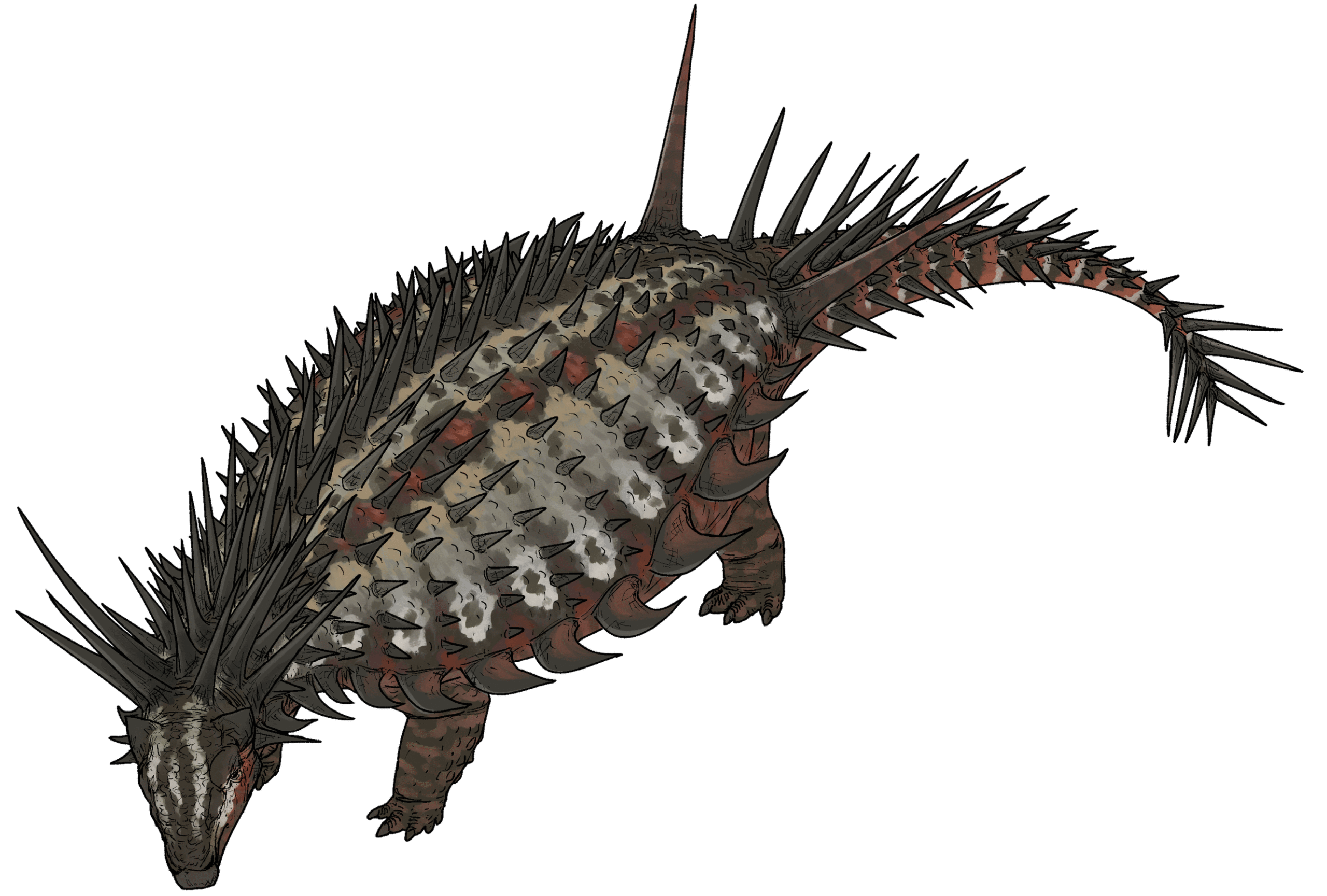
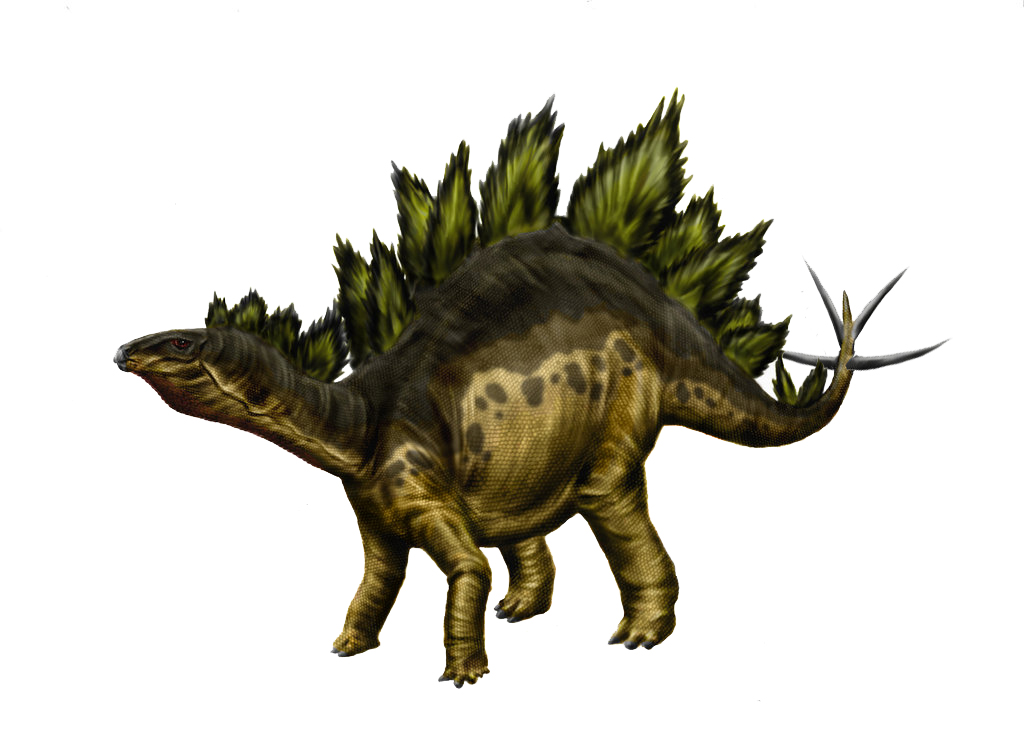
Roughly 13 feet long and weighing perhaps one to two tons, Spicomellus is the oldest-known member of a group of tank-like armored dinosaurs called ankylosaurs, squat and slow-moving plant-eaters that walked on four legs. Yet this wasn’t your typical armored dinosaur. “The armor of Spicomellus is jaw-droppingly weird, unlike that of any other dinosaur – or any other animal alive or dead – that we’ve ever discovered,” said vertebrate paleontologist Richard Butler of the University of Birmingham in England, co-leader of the research published in the journal Nature.
The creature wasn’t just heavily protected. As well as short spikes covering its back, the dinosaur had a pelvic shield and two large spikes poking out above its hips. It also had fused tail vertebrae that suggested a weapon at the end of its tail.
Spikes Like No Other Living Creature
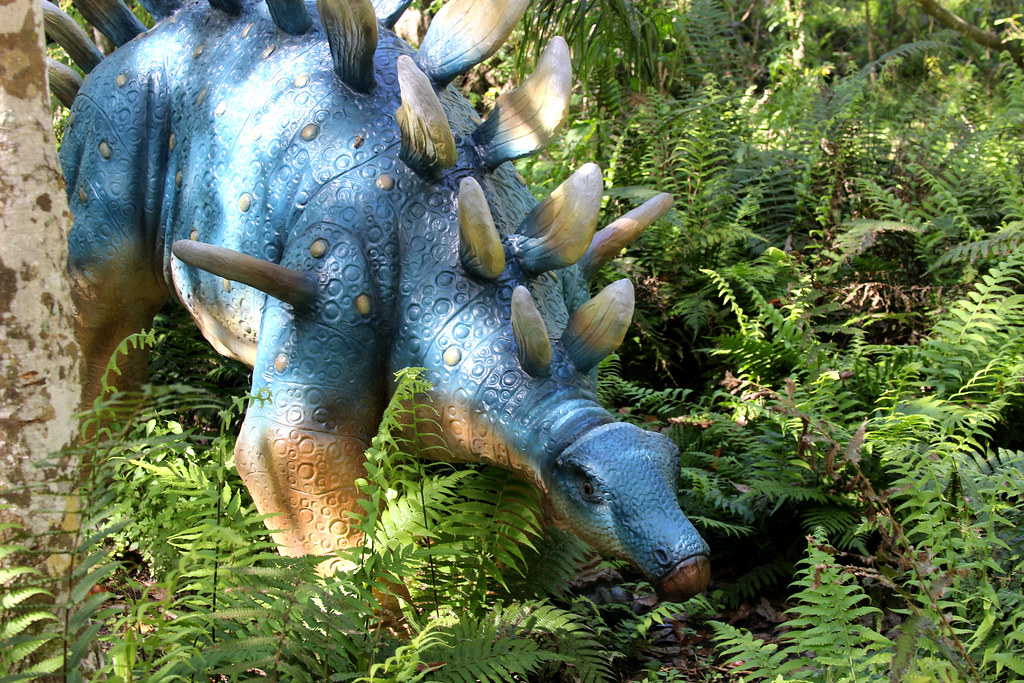
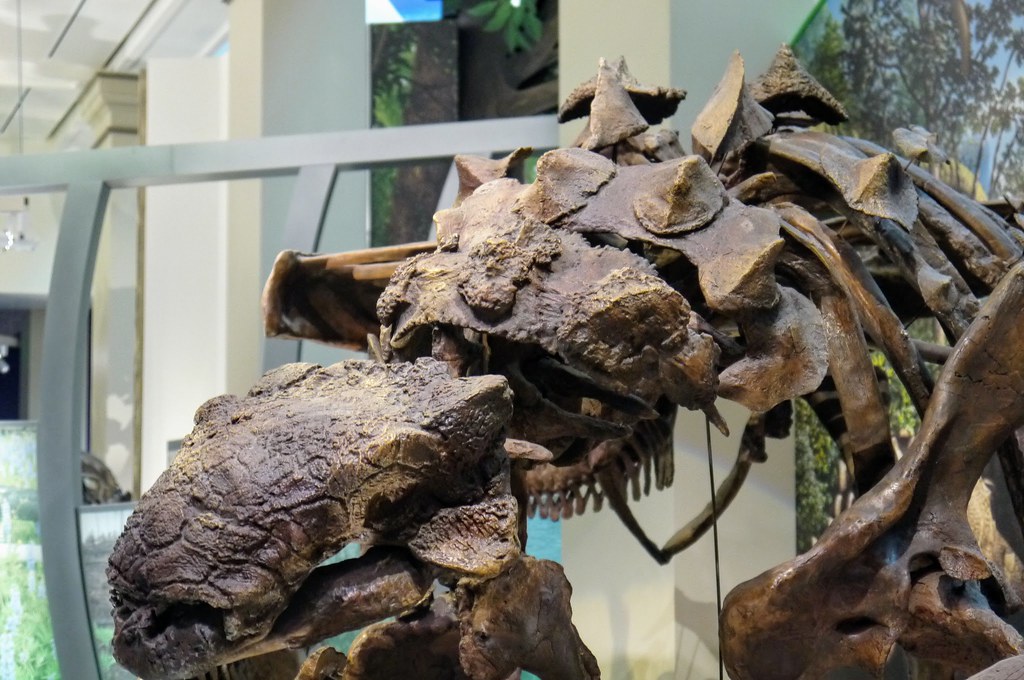
The fossils showed it had bony spikes fused onto all of its ribs – something never seen before in any other vertebrate species living or extinct, according to the research published Wednesday. “We don’t see that in any other animal, living or extinct,” she said. “Not only did it have a series of sharp, long spikes on each of its ribs – unknown elsewhere among animals – but it had spines the length of golf clubs sticking out in a collar around its neck,” Butler added.
While the bones of Spicomellus afer were already unlike any known animal, newly discovered fossils have revealed that its entire skeleton was covered in extraordinary bone spikes measuring up to a metre long. These weren’t just defensive weapons. They were extravagant displays that would have made peacocks jealous.
The World’s First Tail Weapon Surprise
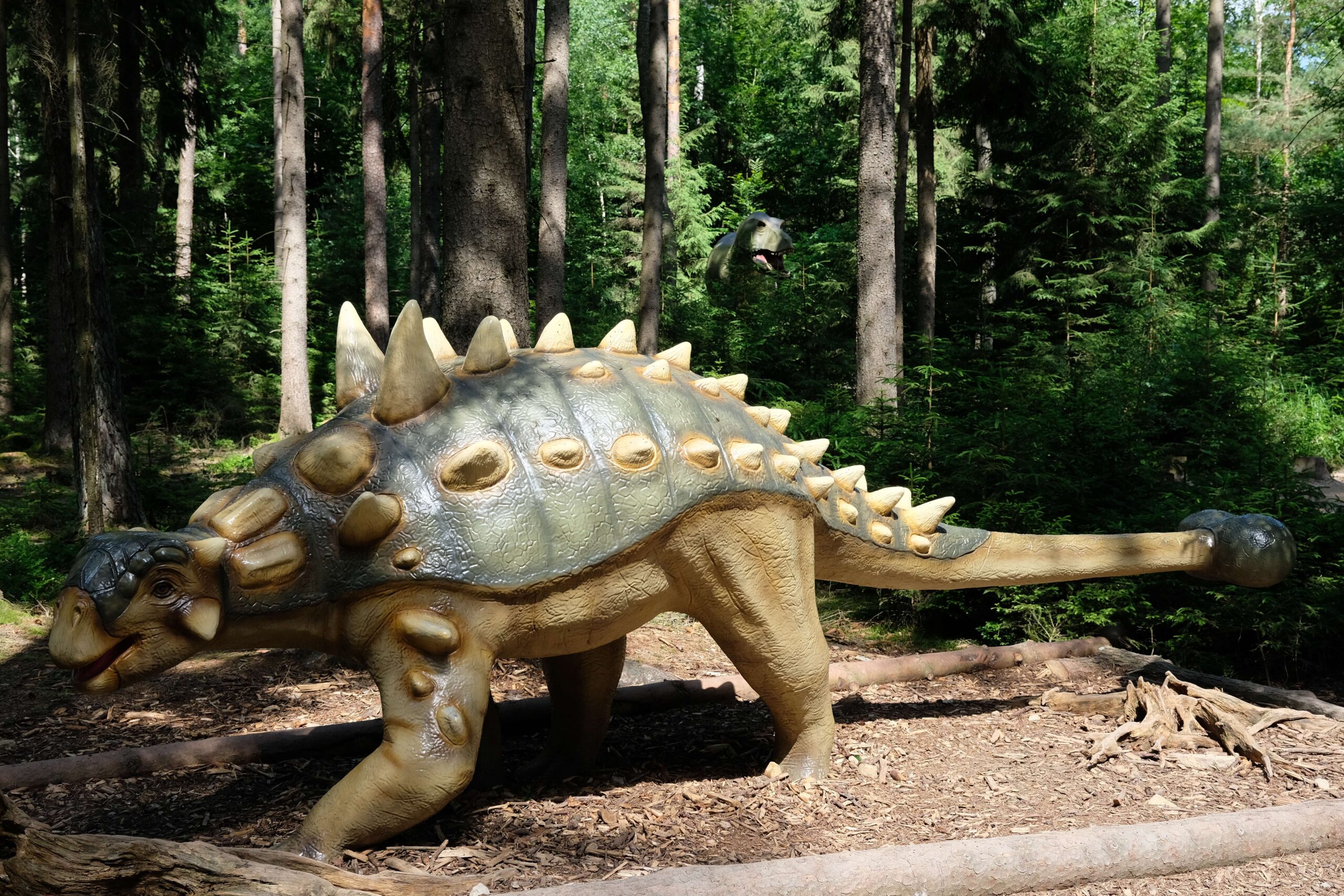
Distinctive fused tail vertebrae suggested that Spicomellus possessed a weapon at the end of its tail to fight off predators – perhaps a club or spikes of some sort – though one was not recovered among the remains. Such fused tail vertebrae previously have been found only in ankylosaurs with tail weapons. This would indicate that tail weapons appeared in ankylosaurs about 30 million years earlier than previously known.
Fused vertebrae going down into its tail formed a “handle,” likely leading to a club-like weapon at the end – a detail ankylosaur scientists had previously believed not to have evolved until the Cretaceous period, millions of years later. This single discovery pushed back evolutionary timelines by millions of years.
Fashion Statement or Survival Strategy
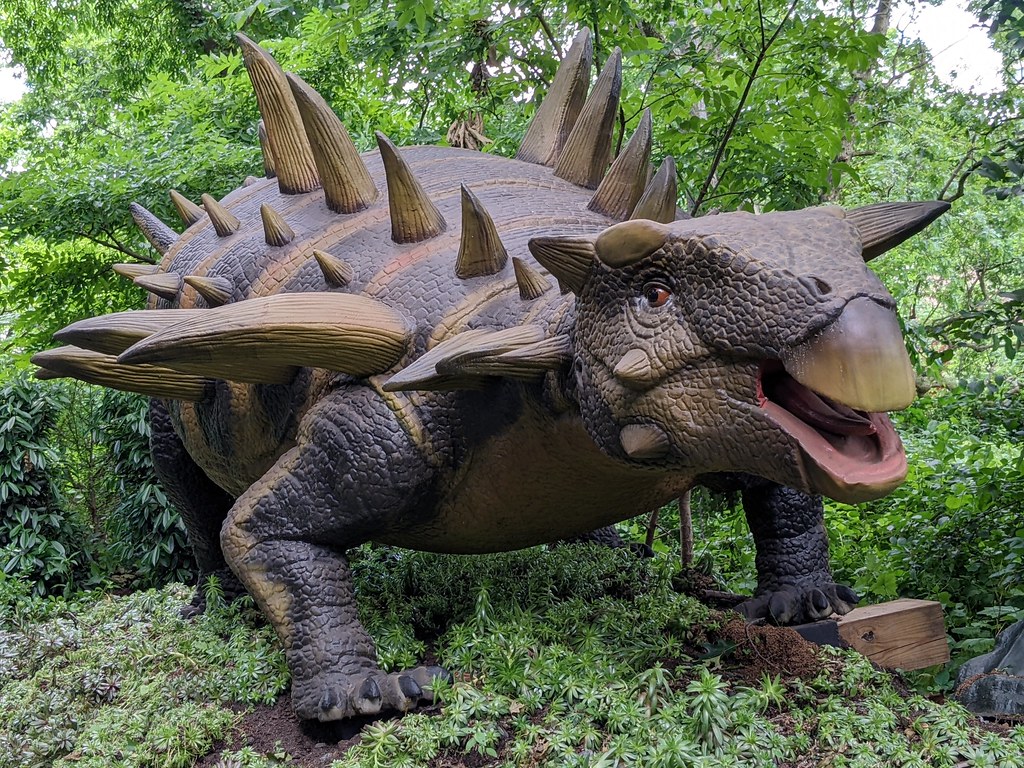
The extravagant armor may have served dual roles – as defense against large meat-eating dinosaurs and as display to attract mates. Scientists believe these elaborate spikes weren’t just about staying alive. In living animals, structures that tend to have no obvious function and look like they might be a bit annoying to carry about – like a deer’s antlers or a peacock’s tail – are usually associated with sex, according to vertebrate paleontologist and study lead author Susannah Maidment of the Natural History Museum in London. “They could be used in courtship or territorial displays, or to fight against members of the same species during competitions for mates. So we think that it is possible the animal evolved such elaborate armor for some sort of display, perhaps to do with mating,” Maidment added.
Think about it. Walking through dense prehistoric forests with meter-long spikes jutting from your neck would be incredibly impractical for daily survival. Spicomellus’ armor is totally impractical, and would have been a bit annoying in dense vegetation, for example.
Breaking All Evolutionary Rules
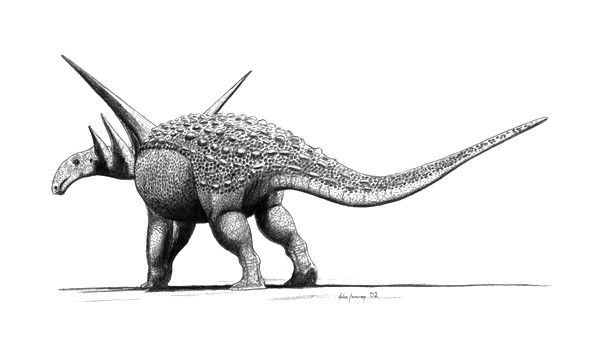
Early members of dinosaur groups often have fairly plain body plans compared to later counterparts. Spicomellus shows that was not the case with ankylosaurs. “What is surprising to us is that the most elaborate ankylosaur armor of all time is present in the oldest member of the group. Perhaps the simpler armor in later species reflects a shift towards the armor having a primarily defensive function due to increased predation pressure in the Cretaceous,” when predators grew exceptionally large, Butler said.
This discovery completely flipped scientific expectations. Instead of armored dinosaurs gradually becoming more elaborate over time, Spicomellus proved they started out as the most flamboyant creatures on Earth. Later ankylosaurs actually became simpler and more practical.
A Scientific Collaboration Across Continents
Maidment, a study co-lead, said the discovery showed that a lot more research needs to be done in Africa, with countries like Morocco an untapped gold mine for dinosaur research. “It is wildly undersampled compared to the other continents,” said Maidment, from London’s National History Museum. Professor Driss Ouarhache of Sidi Mohamed Ben Abdellah University in Fez, who co-led the Moroccan team, highlighted the discovery’s importance: “This study is helping to drive forward Moroccan science. We’ve never seen dinosaurs like this before, and there’s still a lot more this region has to offer”.
The project faced significant challenges. Maidment said that the Spicomellus project, which actually began in 2018, faced several hurdles along the way, including the Covid-19 pandemic. The U.K. team was set to fly out to meet its Moroccan counterparts for the project when British Prime Minister Boris Johnson announced a lockdown, ultimately delaying their plans until 2022.
Conclusion: Nature’s Most Outrageous Experiment
Spicomellus stands as proof that nature’s creativity knows no bounds. This prehistoric punk rocker challenges every assumption scientists held about armored dinosaur evolution. From its impossible spike arrangements to its surprisingly early tail weapon, every aspect of this creature defies conventional wisdom.
“This is truly one of the weirdest, wackiest dinosaurs I’ve ever seen,” said Steve Brusatte, a vertebrate paleontologist at the University of Edinburgh who was not involved in the research. Perhaps that’s exactly what makes paleontology so thrilling. Just when we think we understand the ancient world, a spiky surprise from Morocco reminds us how little we actually know.
What other evolutionary surprises might be waiting in the Atlas Mountains? Tell us what you think about this extraordinary discovery in the comments.