You know that feeling when you find out something you were absolutely sure about… was never really true? That same kind of mild heartbreak happened in paleontology when researchers realized that one of the most beloved, instantly recognizable dinosaurs had been misidentified for decades. Museum gift shops, children’s books, and even major exhibits were built around an animal that turned out to be, in a very unglamorous way, basically a duplicate with the wrong head.
This quiet scientific correction forced museums around the world to redo their signage, rethink their displays, and gently admit to the public that the dinosaur they grew up loving was more of a Frankenstein mash‑up than a real species. The story is oddly funny, a bit embarrassing, and surprisingly human: it shows how even careful scientists can get swept up by excitement, expectations, and the pressure to name something new. And it all comes down to one particularly charismatic “dinosaur” that never really existed in the way people thought.
The Dinosaur That Never Really Was: Why Brontosaurus Vanished
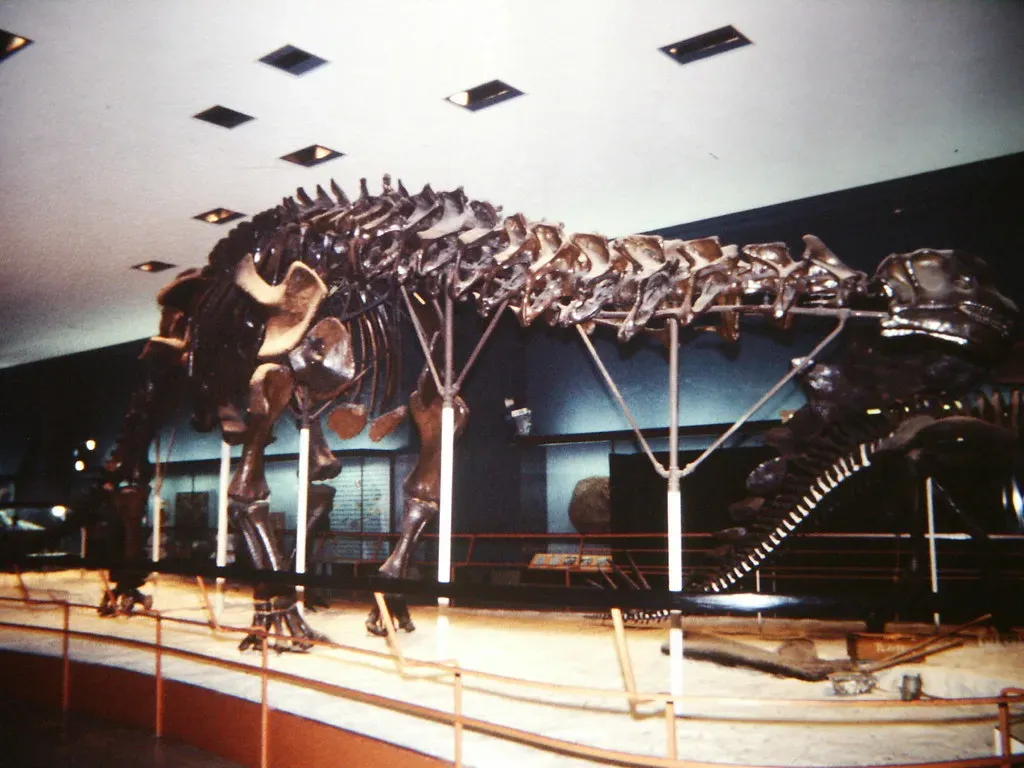
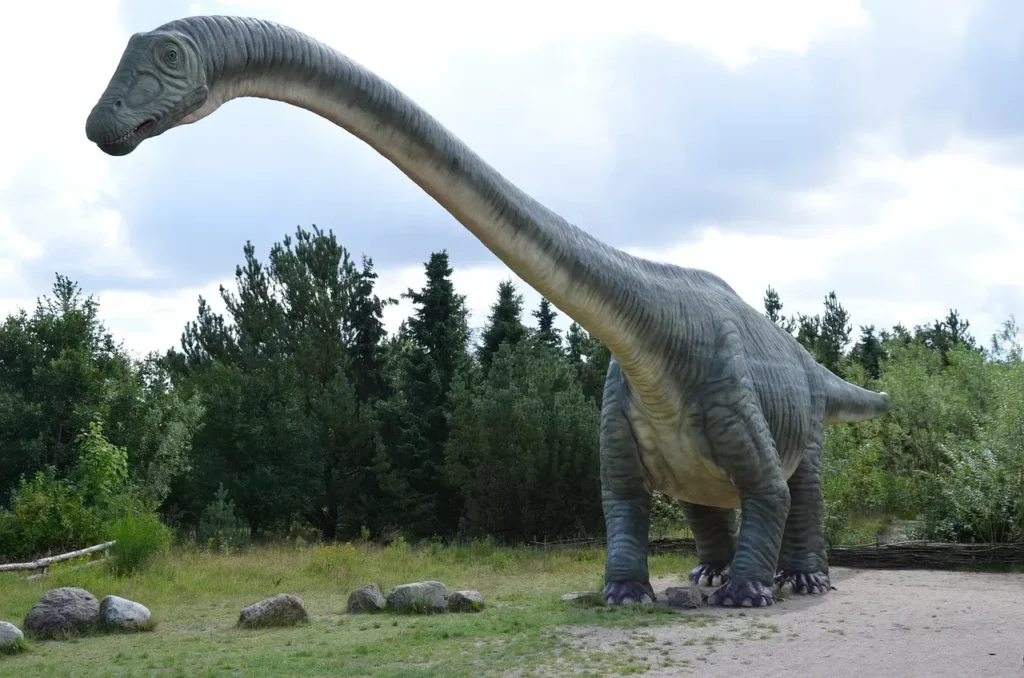
For generations, Brontosaurus was the superstar of dinosaur halls, towering in museum atriums and starring in cartoons, toys, and storybooks. The very name sounded powerful and thunderous, so people fell in love with it, often without knowing that it was built from a skeleton that was misinterpreted in the first place. The awkward truth is that the original Brontosaurus skeleton was assembled with a skull that did not actually belong to it, creating a composite animal that seemed distinct but was really a variation of another long‑necked dinosaur.
As scientific methods improved and more fossils were found, paleontologists realized that the bones attributed to Brontosaurus were not meaningfully different from those of Apatosaurus, a dinosaur that had been named earlier. Because of the rules of scientific naming, the older name takes priority, which meant the mighty Brontosaurus was officially absorbed into Apatosaurus. In practice, that meant museums had to quietly erase the name Brontosaurus from their signs and labels, even while visitors still walked in expecting to see the giant beast they had known since childhood.
The Bone Wars, Rivalry, and the Rush to Name Something New
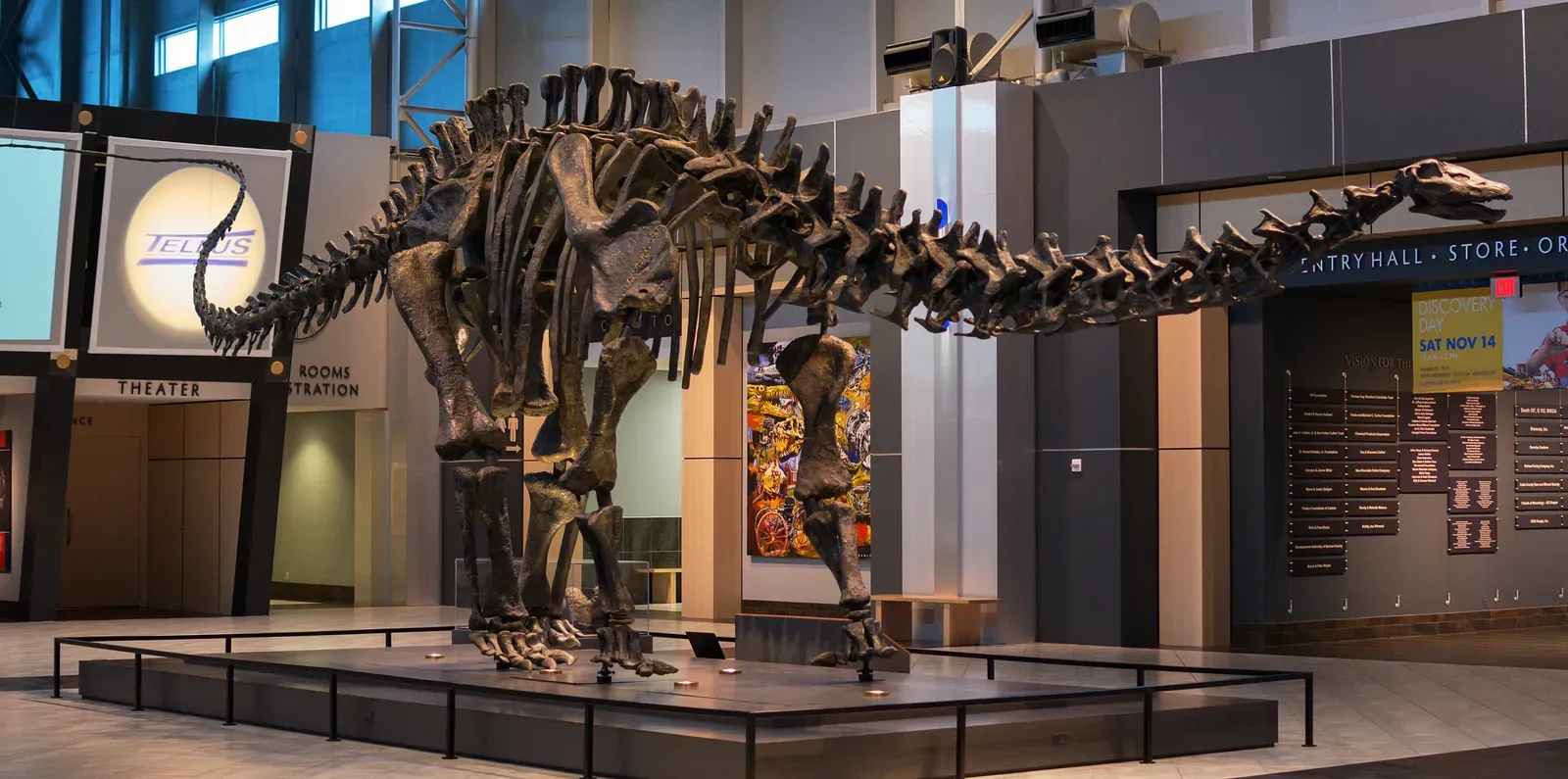
To really understand how this mess happened, you have to go back to the late nineteenth century and the so‑called Bone Wars, a period when rival paleontologists were racing each other to name as many new dinosaurs as possible. There was intense competition, lots of ego, and not a lot of patience, which is an interesting mix when you are dealing with incomplete fossil skeletons. In that environment, the temptation to declare that a slightly different set of bones represented a brand‑new species was extremely strong, even when the evidence was thin.
During this era, skeletons were sometimes reconstructed with whatever bones seemed to fit, including skulls that were not actually found with the rest of the body. In the case of Brontosaurus, the original skeleton was missing a skull, so a more dramatic head from a different dinosaur was placed on top, partly to complete the display and partly to match the mental image people had of a massive, impressive creature. That combination made the animal look distinct enough to be labeled as a separate genus, which later turned out to be a scientific overreach once better fossils and more careful comparisons came along.
The Embarrassing Part: Wrong Skull, Wrong Name, Right in the Lobby
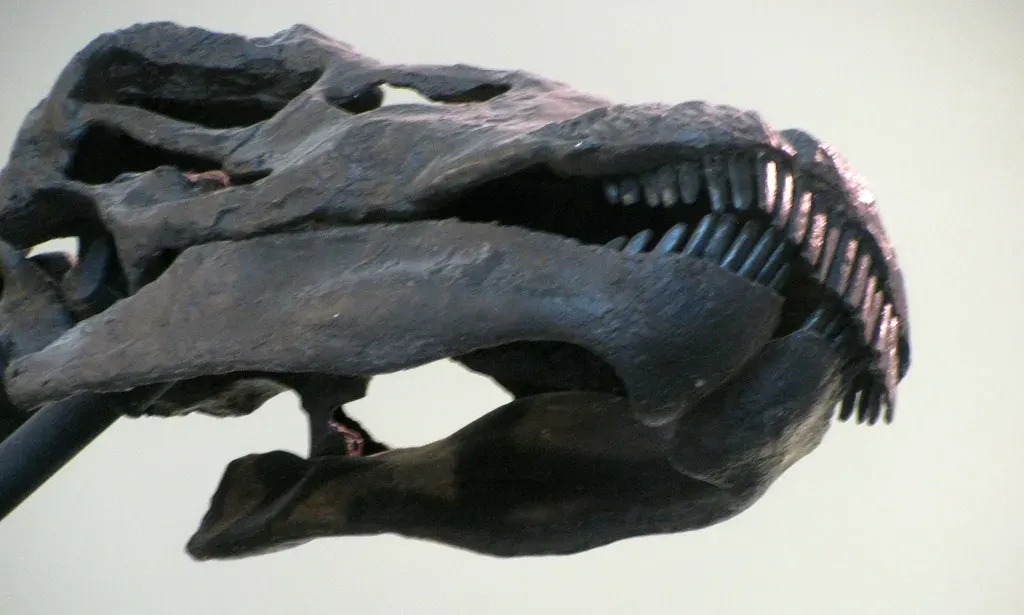
The truly cringeworthy detail is that for a long time, museum visitors were staring up in awe at a dinosaur that had the wrong face. The skull mounted on the so‑called Brontosaurus was not discovered with the body and belonged to a different, related dinosaur, but the mismatch went uncorrected for years because it looked impressive and fit the dramatic image people expected. It is a bit like building a statue from a famous person’s body and then sticking on someone else’s head because it photographs better.
When later research made it clear that not only was the skull wrong, but the entire animal was not meaningfully distinct from Apatosaurus, paleontologists had to admit that a cherished dinosaur was effectively a labeling error that had gotten out of hand. It was embarrassing not just because of the scientific mistake, but because it had become such a global pop‑culture icon. By the time the correction was widely accepted, millions of children and adults had already grown up with Brontosaurus as a beloved favorite, making its demotion feel strangely personal.
How Museums Quietly Rewrote Their Dinosaur Signs
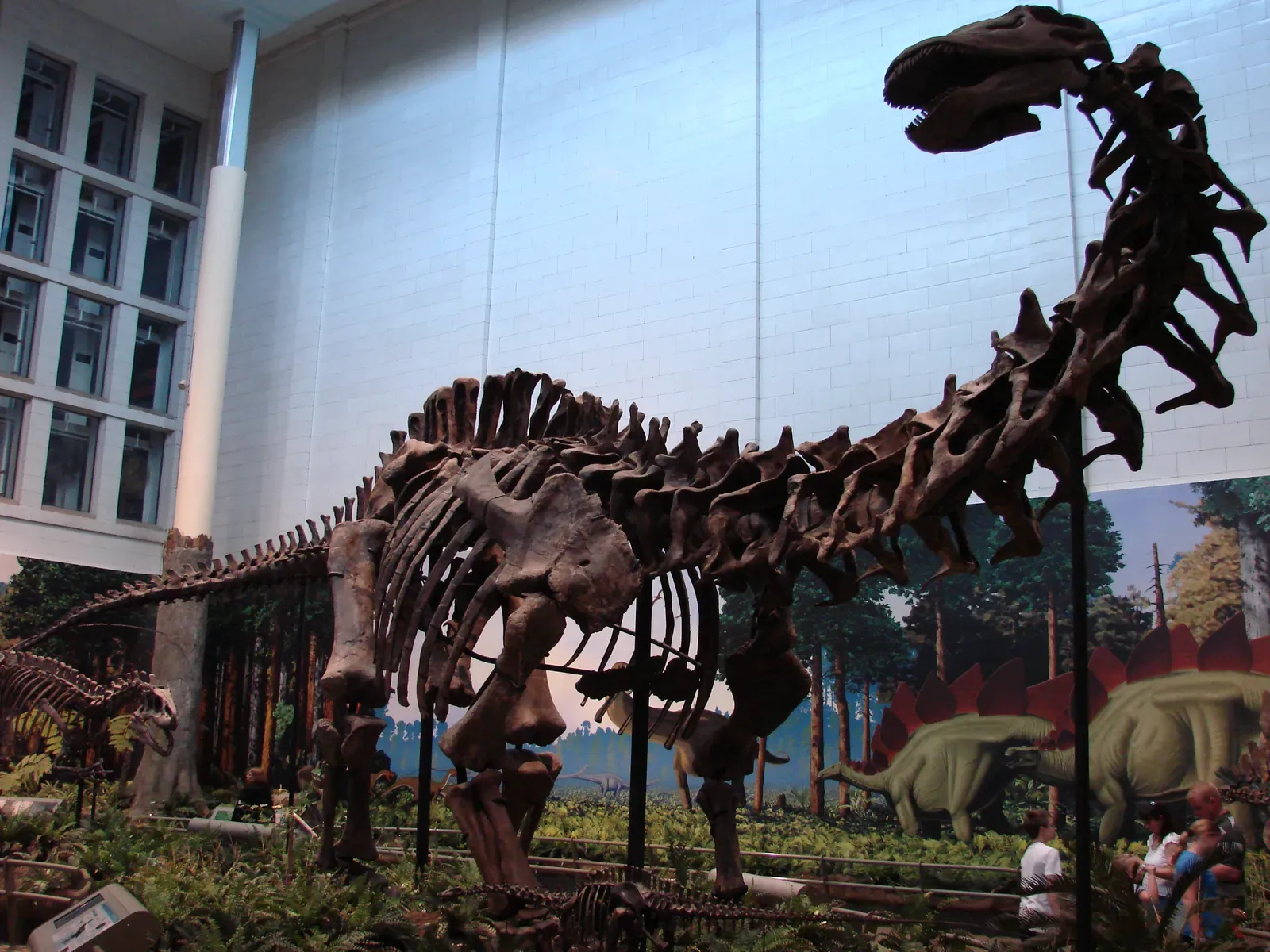
Once the scientific consensus shifted, museums faced a delicate problem: how do you tell the public that one of the most famous dinosaurs is not really what they think it is, without making everyone feel misled? Many institutions began by updating labels and educational materials, simply replacing the name Brontosaurus with Apatosaurus while keeping the impressive skeleton on display. Sometimes the only visible change to a casual visitor was on a small placard, which suddenly used a different name for what looked like the very same animal.
Behind the scenes, though, exhibitions had to be rewritten, guided tours needed new scripts, and children’s programs had to adapt their storytelling. Some museums leaned into the story, using it as a teaching moment about how science corrects itself and why names can change when new evidence comes in. Others moved more cautiously, wary of confusing visitors who still expected to see Brontosaurus on the floor map. Either way, signage had to catch up to the data, and that meant carefully walking back decades of public familiarity.
How Pop Culture Refused to Let Brontosaurus Die
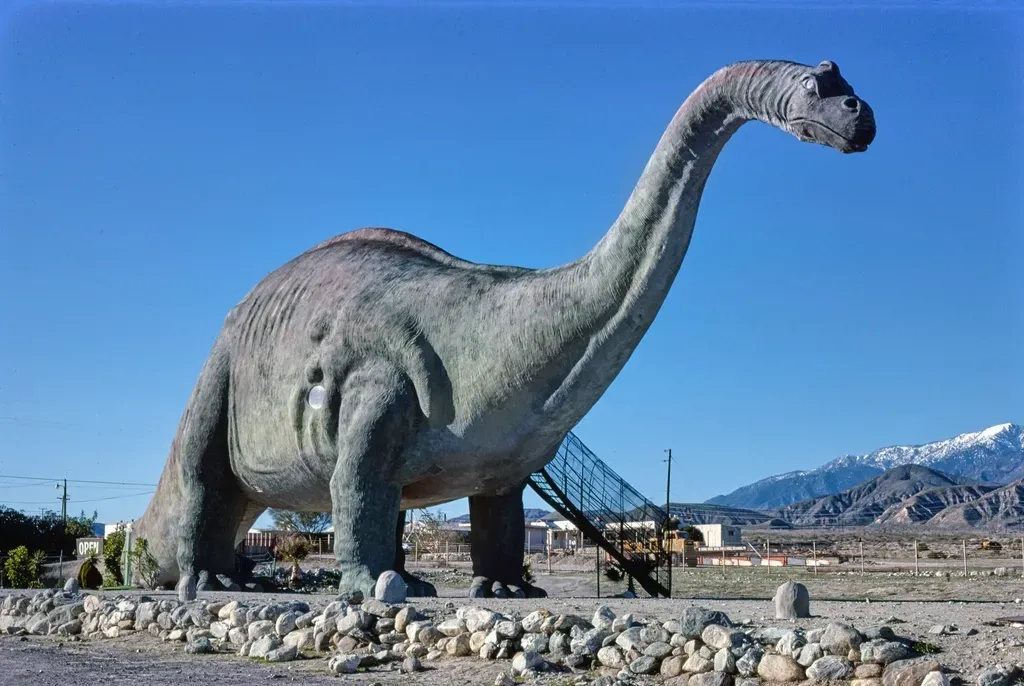
Even as the scientific community largely accepted that Brontosaurus was not valid as a separate genus for many years, the name stubbornly lived on in pop culture. Animators, toy makers, and children’s writers kept using Brontosaurus because it sounded iconic and instantly recognizable. For a lot of people, learning that Brontosaurus had been folded into Apatosaurus felt like being told that a favorite childhood cartoon character was loosely based on a paperwork error.
This tension between scientific accuracy and emotional attachment created a strange double life for the dinosaur. In textbooks and museum catalogs, the name Apatosaurus dominated, but in T‑shirt prints, early Internet memes, and nostalgic conversations, Brontosaurus kept stomping around as if nothing had changed. That ongoing presence even helped fuel later debates among paleontologists about whether some detailed anatomical differences might justify reviving Brontosaurus as a valid genus again, illustrating how cultural momentum can nudge scientists to look again at a question they considered settled.
What This Reclassification Really Says About Science (and Our Feelings)
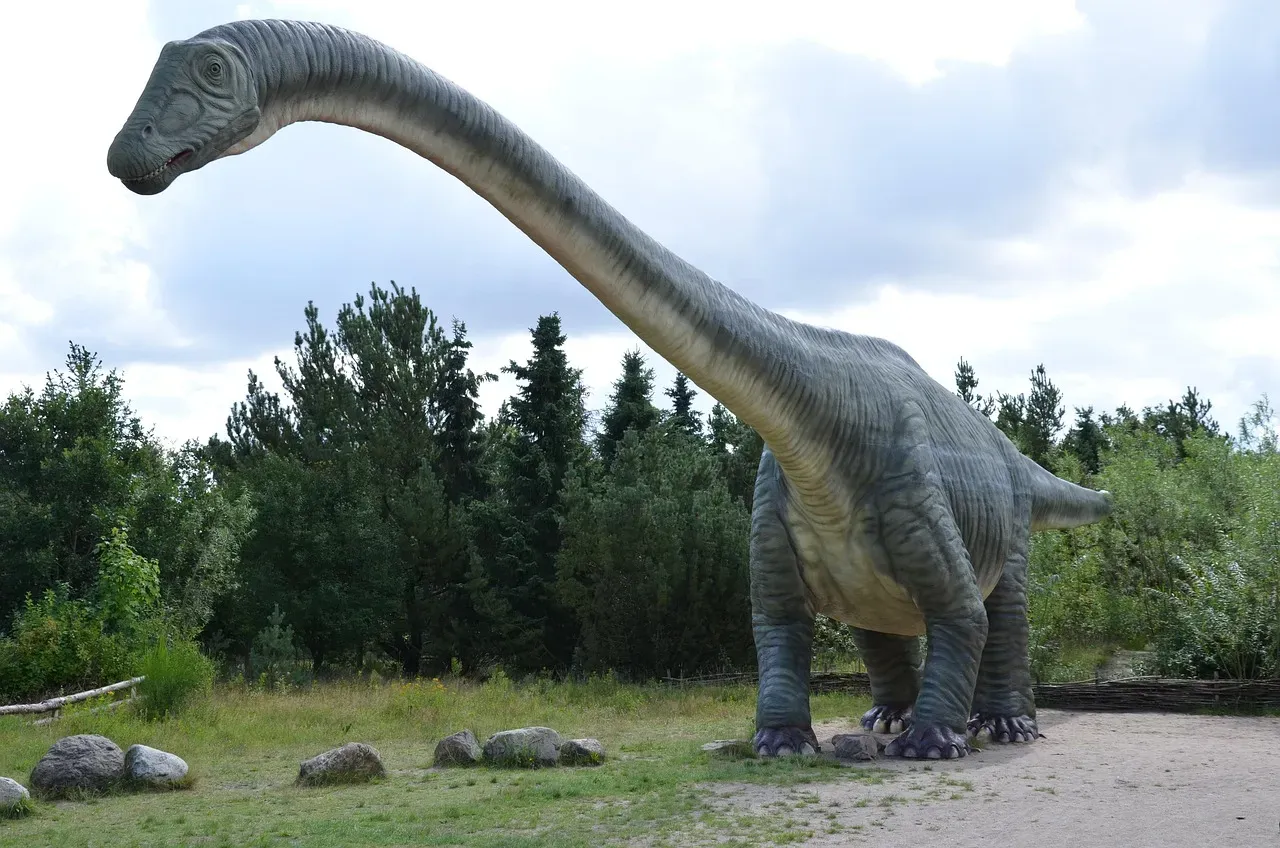
On the surface, the Brontosaurus story is about a technical naming rule and some misassembled bones, but underneath, it exposes how emotional science can actually be. People do not just love dinosaurs as data points; they love them as characters in the story of Earth’s past, and having a character quietly erased or renamed can feel like losing a tiny piece of childhood. I remember first learning that Brontosaurus had been demoted and feeling irrationally annoyed, as if someone had decided without asking that one of my favorite animals no longer counted.
At the same time, there is something deeply admirable about a field that is willing to admit, very publicly, that it got something wrong and then go back and fix it, even when it is inconvenient or unpopular. Reclassifying a beloved dinosaur and changing all the museum signage is a lot of work, but it shows that paleontology is not frozen in time; it grows, corrects itself, and sometimes has to own up to past mistakes made in the heat of competition. In my view, that willingness to be embarrassed in the name of accuracy is exactly what makes the science behind dinosaurs more trustworthy, not less. After all, if we can let go of a legendary titan like Brontosaurus when the evidence demands it, what else might we be brave enough to rethink?