
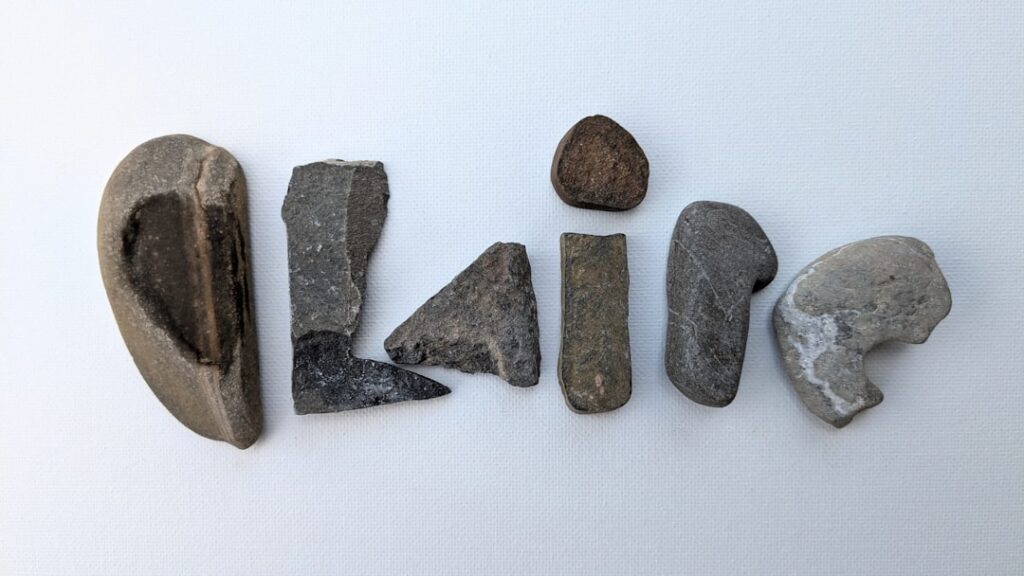
Imagine holding a rock in your hand that was shaped and used by a distant ancestor more than two and a half million years ago. That rock is not just an object; it is a time machine, a fragment of the moment when our lineage first began to think and act differently from every other animal on Earth. The discovery of the earliest known tools in Africa, and the realization that they are far older than scientists once believed, has completely reshaped how we picture the dawn of humanity. It has forced experts to ask uncomfortable questions about who we are, where we came from, and how early intelligence really began.
For years, school textbooks told a simple story: first came bigger brains, then came tools, then came us. But as archaeologists dug deeper into the African ground, that neat timeline cracked. They started uncovering stone tools that predate the oldest known members of our own genus, Homo, and even older than many researchers would have dared to suggest a few decades ago. It is as if the past keeps leaning over our shoulder and whispering, “You underestimated me.” And honestly, it has never been a more exciting – or humbling – time to rethink our origins.
Africa: The Surprising Cradle of the First Tools
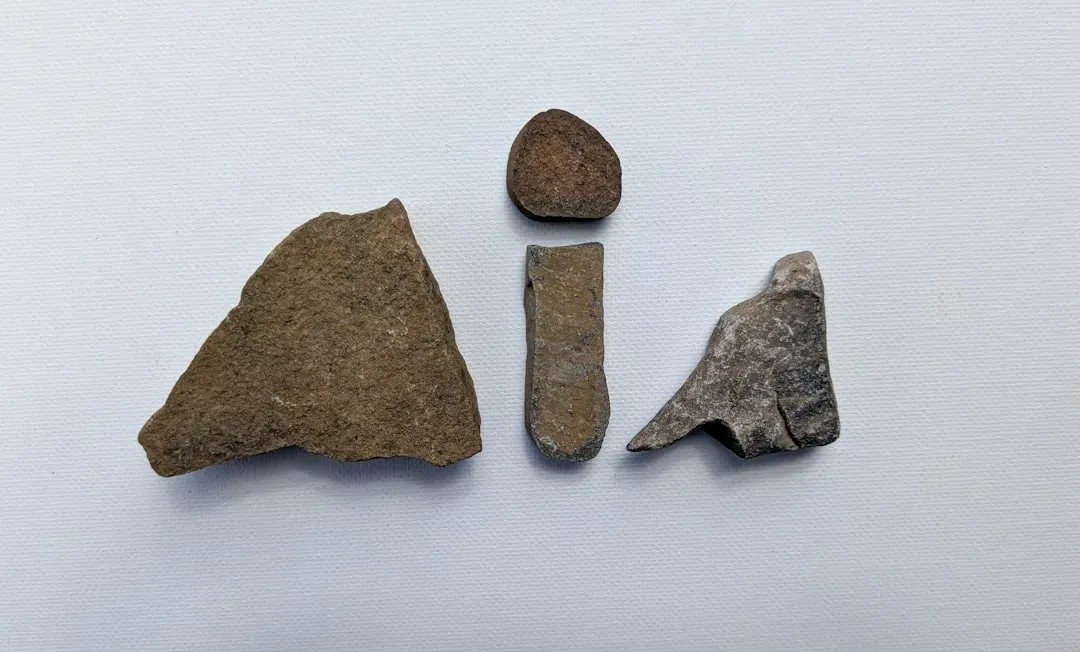
When people hear “Africa” in the context of human evolution, they usually think of fossils like famous ancient skeletons or dramatic desert landscapes. But Africa is not just where our bones are found; it is where the first sparks of human-like behavior appear in the archaeological record. The very earliest known stone tools have been unearthed in African sites that stretch from eastern regions like Ethiopia and Kenya to other parts of the continent, forming a rough map of our ancestors’ first experiments in technology. These tools are not accidental shards; they are deliberately shaped objects, clear evidence that someone, long ago, understood how to hit one stone with another to get a useful edge.
What makes this even more astonishing is the age of some of these finds. Archaeologists have discovered tool-bearing sites dating back close to three and a half million years in Africa, far older than the classic Oldowan tools that dominated our understanding for decades. These early artifacts push organized tool use deep into prehistory, well before the appearance of what many once assumed were the “real” humans. In other words, Africa does not just hold the oldest known human fossils; it holds the oldest known evidence of minds starting to tinker, plan, and transform the environment with sharp, modified stones.
Tools Older Than Expected: Rewriting the Human Timeline
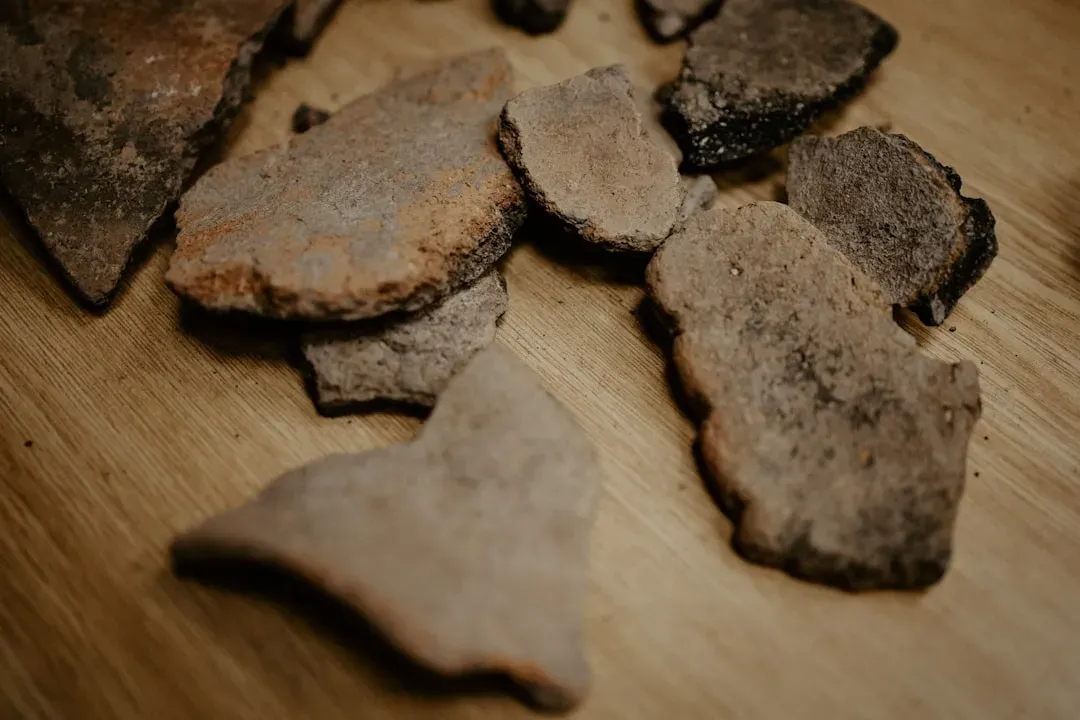
For a long time, the story seemed settled: the earliest widely recognized stone tools, the Oldowan, appeared around two and a half million years ago, and that was that. Then researchers found even older tool-like objects, including remarkably ancient stones shaped roughly about three and a third million years ago, which threw the previous timeline into chaos. These discoveries forced scientists to admit that technological behavior started much earlier than they had comfortably assumed, and likely in more than one kind of hominin lineage. The phrase “older than anyone expected” is not just dramatic language – it reflects a genuine intellectual shock within paleoanthropology.
These older tools mean that our species did not suddenly step onto the stage wielding technology; instead, we inherited a much deeper tradition of clever manipulation of stone. The timeline has stretched back so far that some of these toolmakers may not have belonged to our own genus at all, which is a bit like discovering that your favorite family recipe was first cooked by a neighbor you never knew you had. Once you accept that stone toolmaking existed hundreds of thousands of years earlier than once believed, you are forced to reconsider every assumption about when planning, problem solving, and perhaps even teaching and learning emerged among our ancestors.
What These Stone Tools Actually Look Like
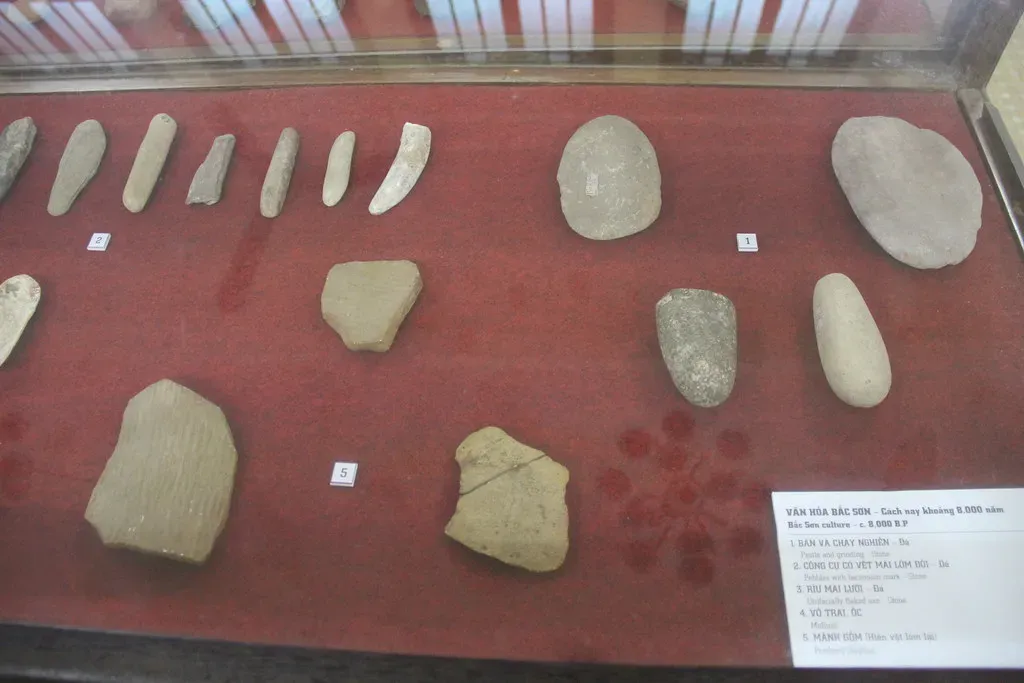
If you were hoping for sleek, knife-like blades or polished axes, the earliest tools might initially look disappointing – until you realize what they represent. Many of the oldest known artifacts are simple cores and flakes: one stone used to strike another, breaking off a sharp-edged piece. To an untrained eye, a flake can look like just another broken rock, but archaeologists know what to look for: the telltale patterns of impact, the deliberate angles, and the repeated shapes that do not occur naturally. These pieces were used as cutting edges, scrapers, or choppers, turning raw materials like animal carcasses or plant fibers into something more manageable.
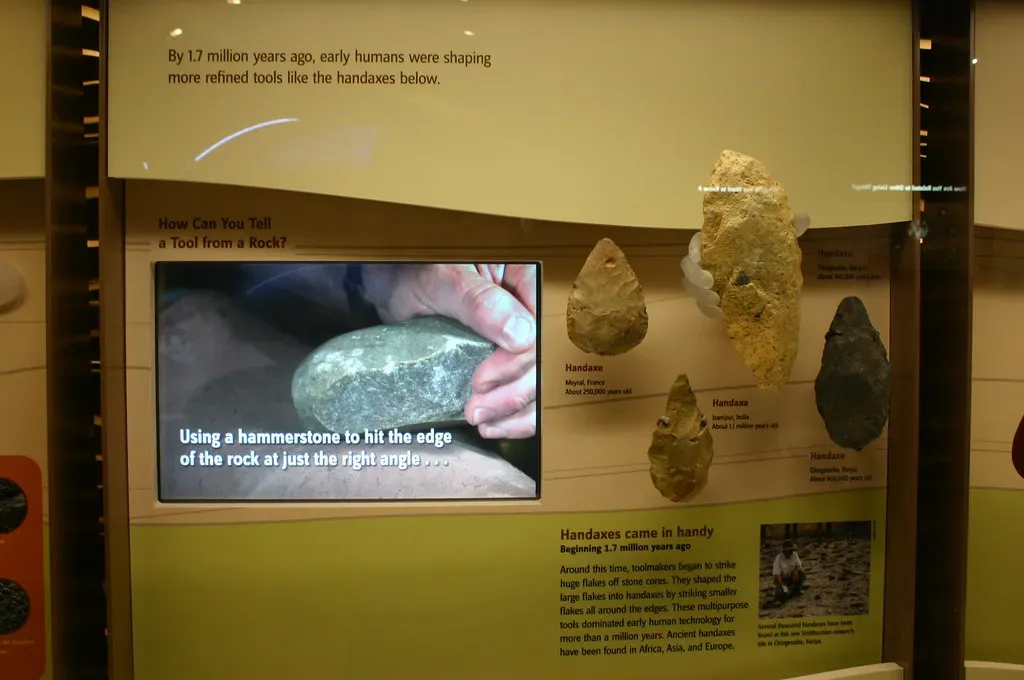
Even in their simplicity, these tools tell a complex story. To create a cutting flake on purpose, a toolmaker has to understand, at least in some basic way, how force travels through stone. They have to hold one rock, position another, and strike at just the right angle with enough power to chip off a piece without shattering the whole thing. That combination of motor skill, planning, and feedback – hit, observe the result, adjust your aim – is already a kind of problem solving. It is like the prehistoric version of assembling flat-pack furniture: deceptively simple in theory, surprisingly demanding in practice.
Who Were the Mysterious First Toolmakers?
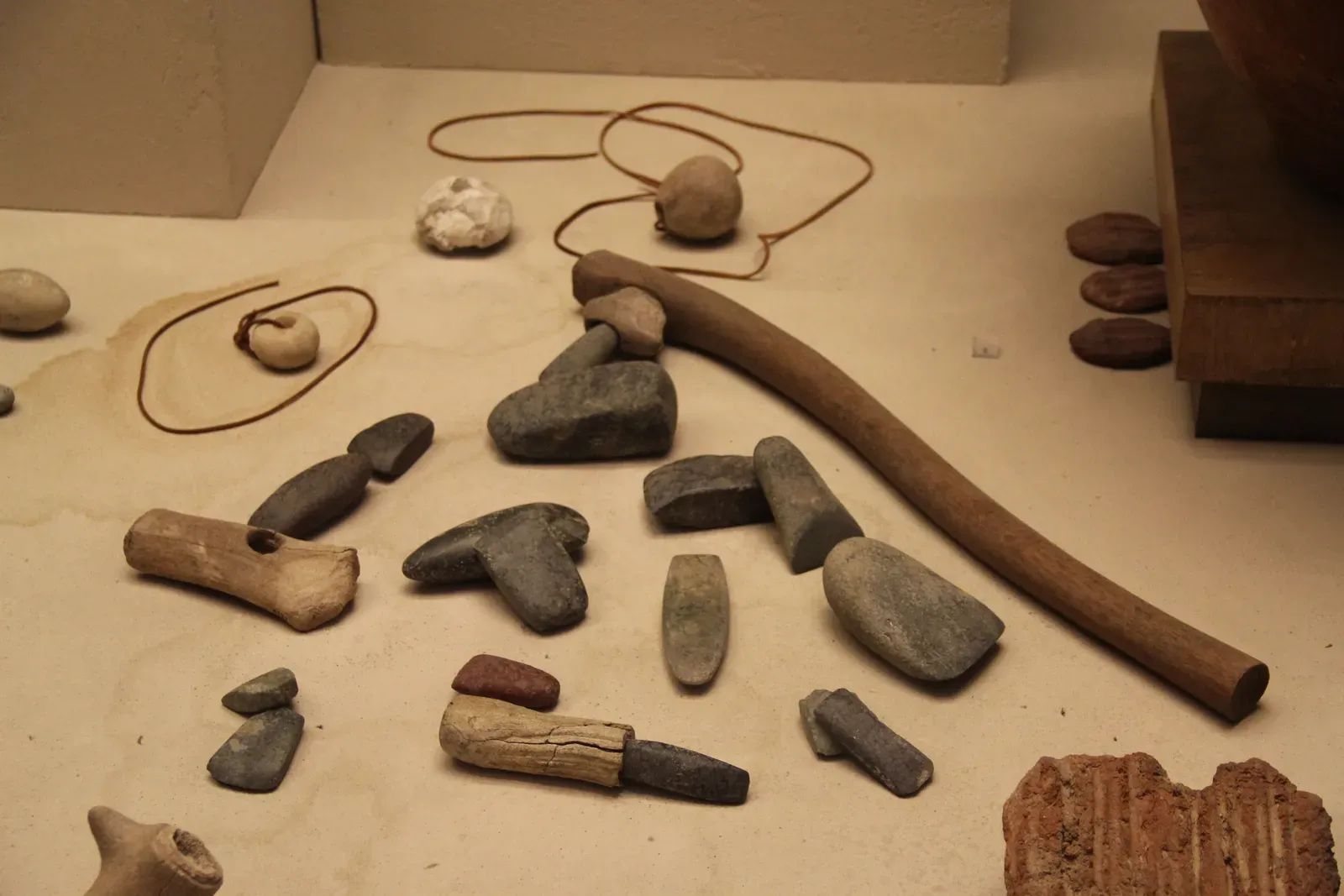
One of the most intriguing questions these ancient tools raise is brutally simple: who made them? For many years, the safe assumption was that early members of our genus, such as Homo habilis, were the first toolmakers. But the very oldest tools discovered in Africa are older than the earliest solid fossils from Homo, suggesting that another hominin – perhaps a species like Australopithecus or a close cousin – was already shaping stone long before “humans” entered the scene. This possibility has shaken the cozy idea that tools are a kind of exclusive badge of our genus.
Right now, scientists cannot name a single, definitive first toolmaker, and in a way, that uncertainty is liberating. It hints at a world where several different hominin species, each with their own mix of physical and cognitive traits, experimented with rocks and resources. Toolmaking might not have been a lightning bolt event reserved for a lone genius species, but a gradual cultural and biological trend shared across branches of our extended family tree. Personally, I find that more compelling: instead of a heroic origin story, we get a messy, overlapping web of innovators, all learning to hack the environment in small, incremental steps.
How Tools Changed Ancient Life in Africa
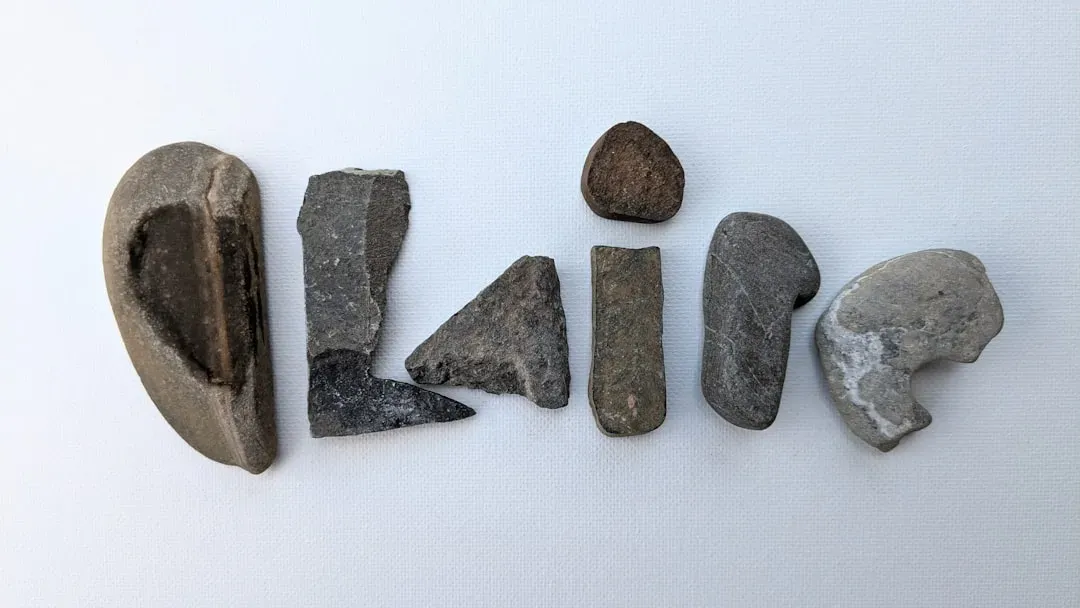
The moment our ancestors started using sharp stones, the rules of survival began to change. With even the simplest flake, a relatively small, physically unimpressive hominin could process animal carcasses more efficiently, slicing meat from bone or breaking open tough joints. That meant more access to calories, especially nutrient-rich foods like marrow and organ tissue, which may have supported shifts in body size and brain development across generations. It is not an exaggeration to say that a few clever strikes of stone against stone helped reshape the evolutionary pressures acting on our lineage.
Tools also opened new doors beyond diet. A cutting edge makes it easier to work plant materials, scrape hides, or process wood for simple structures or carrying devices, expanding what an ancient group could do in a day. Imagine a small band of hominins on an African landscape dotted with predators, scarce resources, and seasonal swings; a few stone tools become force multipliers, allowing them to gather, share, and defend resources more effectively. Over time, this would not just change their bodies, but their social lives too, encouraging more cooperation, task division, and perhaps even basic teaching as experienced toolmakers showed others how to strike the right blows.
Interestingly, there is also evidence that tool use and carcass processing might have changed how these early hominins interacted with other predators. With stone tools, they could scavenge remains left behind by large carnivores or take better advantage of hunting successes, leaving less waste and more meat for themselves. This shift turned them from passive foragers into more strategic players in the ecosystem, quietly rewriting the food web from the ground up. In a sense, every sharp flake chipped off in Africa was a small act of rebellion against the limitations of the naked body.
From Crude Stones to Cognitive Complexity
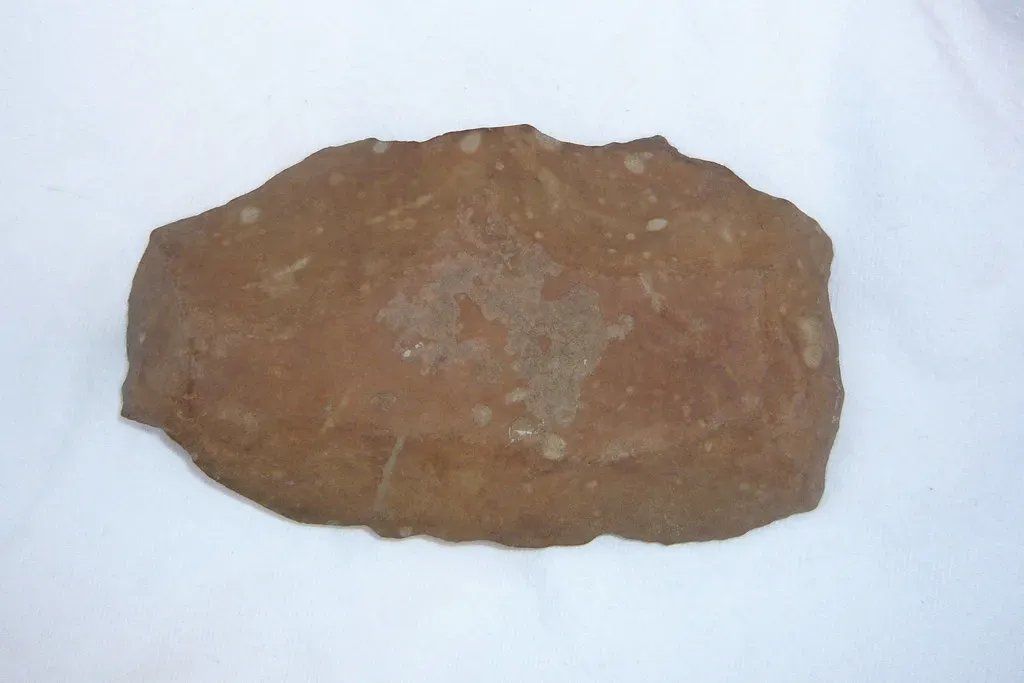
At first glance, a rough stone tool does not scream “intelligence,” especially when compared to modern gadgets, but the cognitive demands behind it are deeper than they look. To repeatedly produce similar flakes, ancient toolmakers needed a mental template of what they were trying to achieve and the patience to refine their technique. That implies some level of working memory, foresight, and the ability to connect a present action with a future payoff. The oldest tools therefore offer a rare, physical snapshot of minds in the middle of an upgrade, not yet human as we know it, but clearly not just improvising with bare hands either.
This link between tools and thinking only grows stronger as the record progresses through time. Later stone industries in Africa, like the more refined Acheulean handaxes, show increasing symmetry, planning depth, and even a hint of aesthetic sense, as if makers cared not just that a tool worked, but that it looked right. When you trace that line back to the earliest, unexpectedly old tools, you start to see a continuum of improvement rather than a sudden leap. For me, the most fascinating idea is that the act of making tools might itself have helped shape brains – much like practicing an instrument sculpts neural circuits today – creating a feedback loop where smarter toolmakers made better tools, and better tools rewarded smarter strategies.
Why These Ancient Tools Still Matter Today
It is tempting to treat these early African tools as ancient curiosities, locked in dusty museum cases and only relevant to specialists. But they quietly challenge our modern self-image in uncomfortable ways. We like to imagine that technology is a recent miracle driven by digital devices and rocket launches, yet the basic habit of turning raw materials into extensions of our bodies goes back millions of years. Every time we pick up a smartphone, a wrench, or even a kitchen knife, we are repeating a pattern first carved into stone by ancestors who would not recognize our cities but would instantly understand the value of a sharp edge.
These discoveries also come with a humbling moral twist. If beings with much smaller brains and far fewer resources could transform their world with a handful of rocks, what does it say about us, with all our tools and knowledge, when we fail to manage our own planet responsibly? The first tools were a step toward greater power, but they were also the opening move in a long, complicated relationship with technology that now shapes ecosystems, societies, and even the climate. Remembering that our technological story began in African landscapes, with simple stones and cautious experiments, can ground us; it reminds us that progress is not guaranteed to be wise, only clever.
Conclusion: An Unexpectedly Ancient, Beautifully Messy Beginning
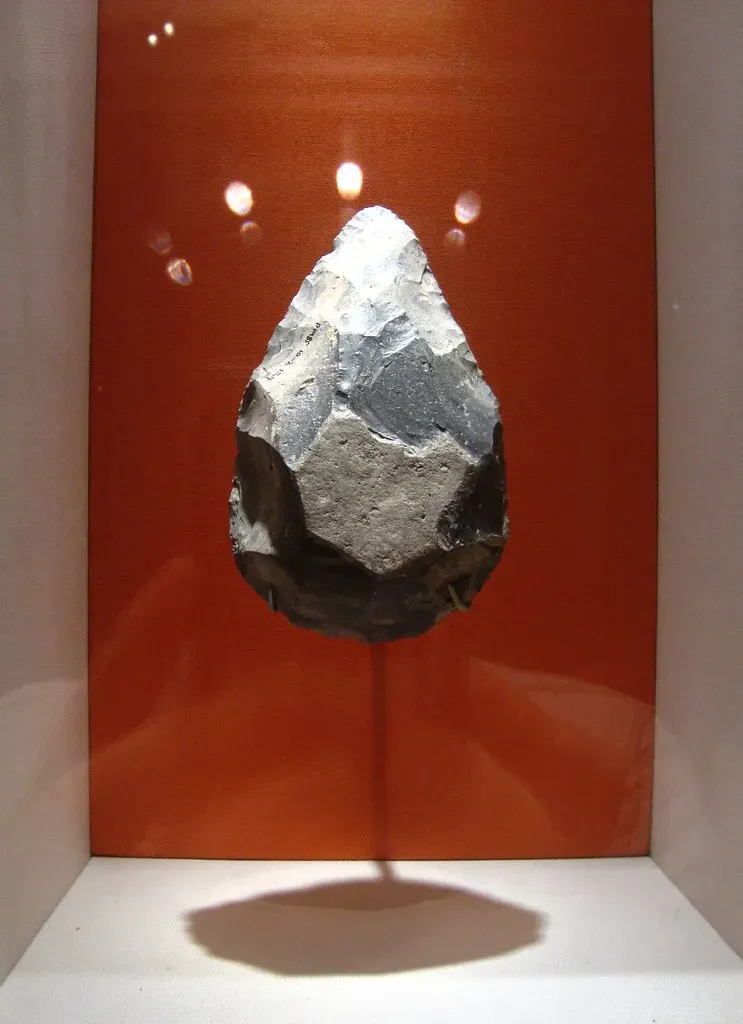
When I think about those first tools found in Africa – older than experts once thought possible – I do not see a clean, heroic origin story. Instead, I see trial and error, overlapping species, and countless hands striking rocks in different ways until something useful emerged. The fact that some of the earliest tools predate our own genus is, to me, one of the most powerful lessons of all: we are not the sudden stars of the evolutionary show, but the latest members of a long line of experimenters and tinkerers. Our intelligence did not arrive fully formed; it grew out of a messy, shared history of small innovations etched into stone.
In my opinion, these discoveries force us to drop the comforting myth that humans are set apart by a sharp, bright line. The first toolmakers were probably not calling themselves anything at all; they were simply surviving a bit more effectively by shaping their environment. Yet from those humble acts of hitting stone against stone, an entire technological universe eventually unfolded – from handaxes to space probes. The next time you snap open a pocketknife or tap a screen, it is worth pausing for a second and asking yourself: would those early African toolmakers recognize a piece of their own story in your hands, and what would surprise them more – that we still rely on tools, or that we ever thought we were so different from them?