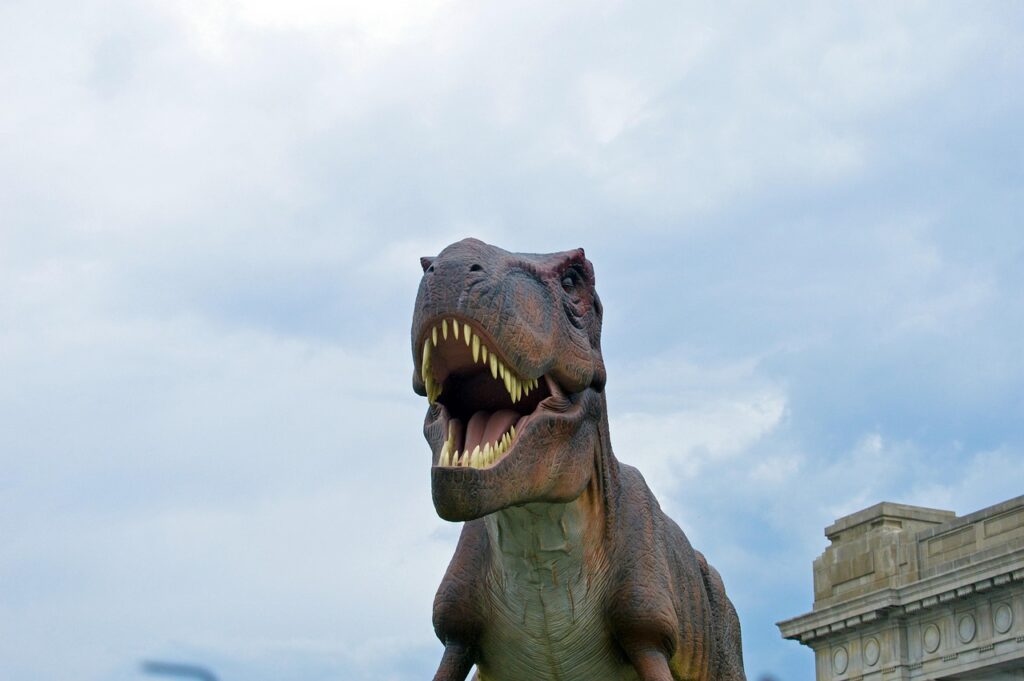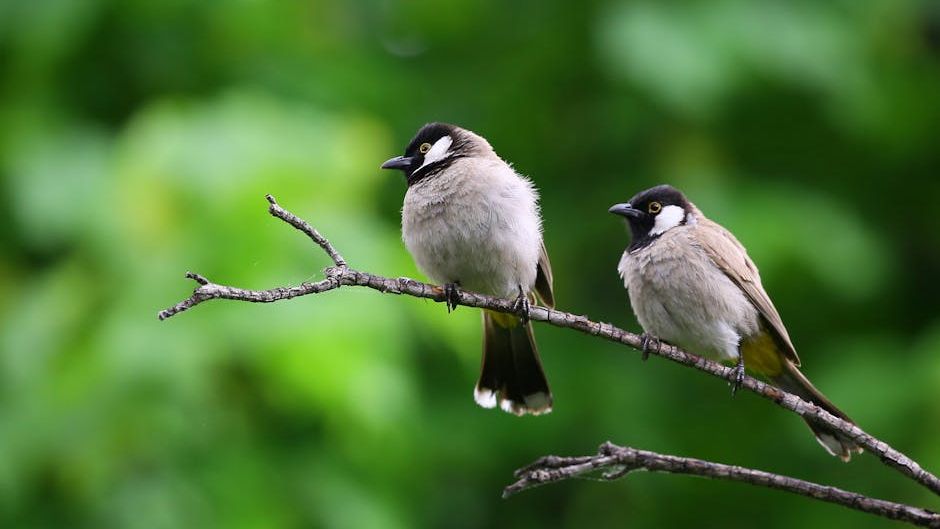
Every time you look up and watch a bird glide across the sky, you are, in fact, watching a dinosaur. It sounds ridiculous at first. A sparrow is nothing like a T. rex, right? Well, here’s the thing. The connection between birds and their prehistoric ancestors is one of the most extraordinary stories in the entire history of life on Earth. And the deeper you dig, the more astonishing it becomes.
The journey from fearsome, ground-stomping theropods to the delicate, feathered creatures singing outside your window today took hundreds of millions of years of gradual, relentless change. It involved shrinking bodies, evolving feathers, restructuring bones, and surviving catastrophes that wiped out nearly everything else on the planet. So let’s dive in.
You Are Looking at Dinosaurs Every Time You Watch a Bird
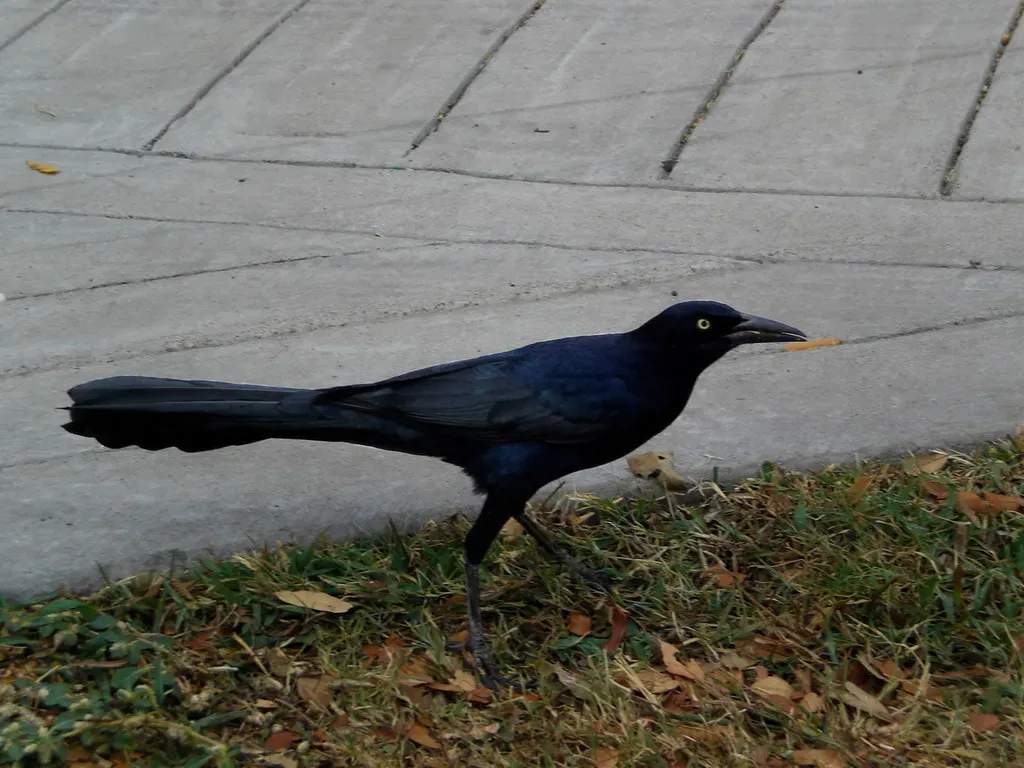
The birds that fill the skies today are, quite literally, living dinosaurs. Decades of major new discoveries and studies have convinced researchers that there is a direct link between modern bird species and theropod dinosaurs. This is no longer a fringe theory or a debated hypothesis. It is as settled as science gets.
Modern birds descended from a group of two-legged dinosaurs known as theropods, whose members include the towering Tyrannosaurus rex and the smaller velociraptors. Honestly, the idea that the pigeon pecking around your local park shares a family lineage with T. rex is one of those facts that never quite stops being jaw-dropping, no matter how many times you hear it.
The Slow, Stunning Transformation That Started 160 Million Years Ago
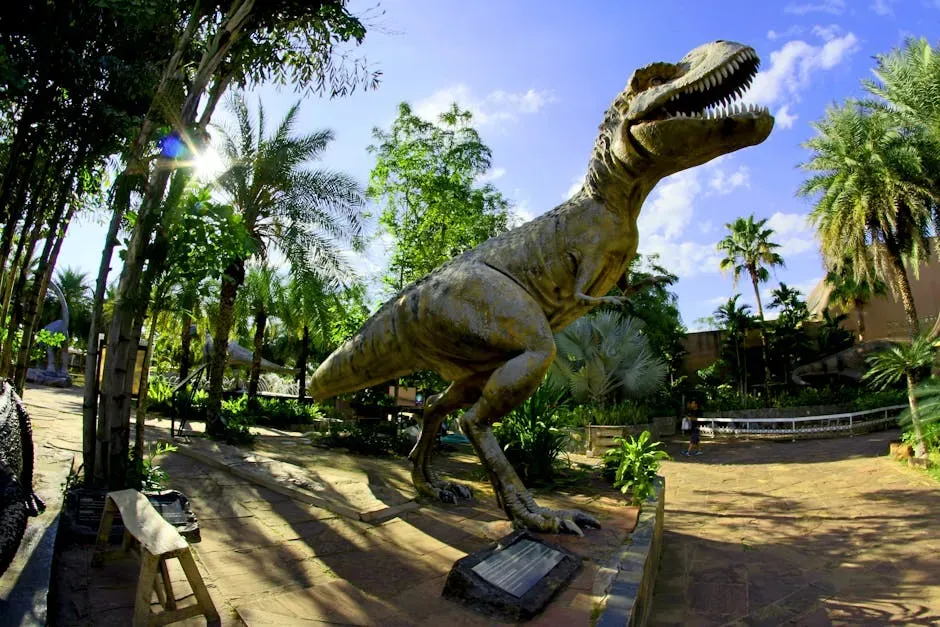
The gradual evolutionary change from fast-running, ground-dwelling, bipedal theropods to small, winged, flying birds probably started about 160 million years ago. It was possibly due to a move by some small theropods into trees in search of either food or protection. Think about that. This transformation wasn’t some sudden overnight miracle. It was a slow, incremental reshuffling of bones, feathers, and behaviors over an almost incomprehensible stretch of time.
Discoveries have shown that bird-specific features like feathers began to emerge long before the evolution of birds, indicating that birds simply adapted a number of pre-existing features to a new use. Recent research suggests that a few simple changes, among them the adoption of a more babylike skull shape into adulthood, likely played essential roles in the final push to bird-hood. It’s a bit like how humans didn’t invent wheels. We repurposed something that was already there and found a new use for it.
Feathers Came Long Before Flight, and That Changes Everything
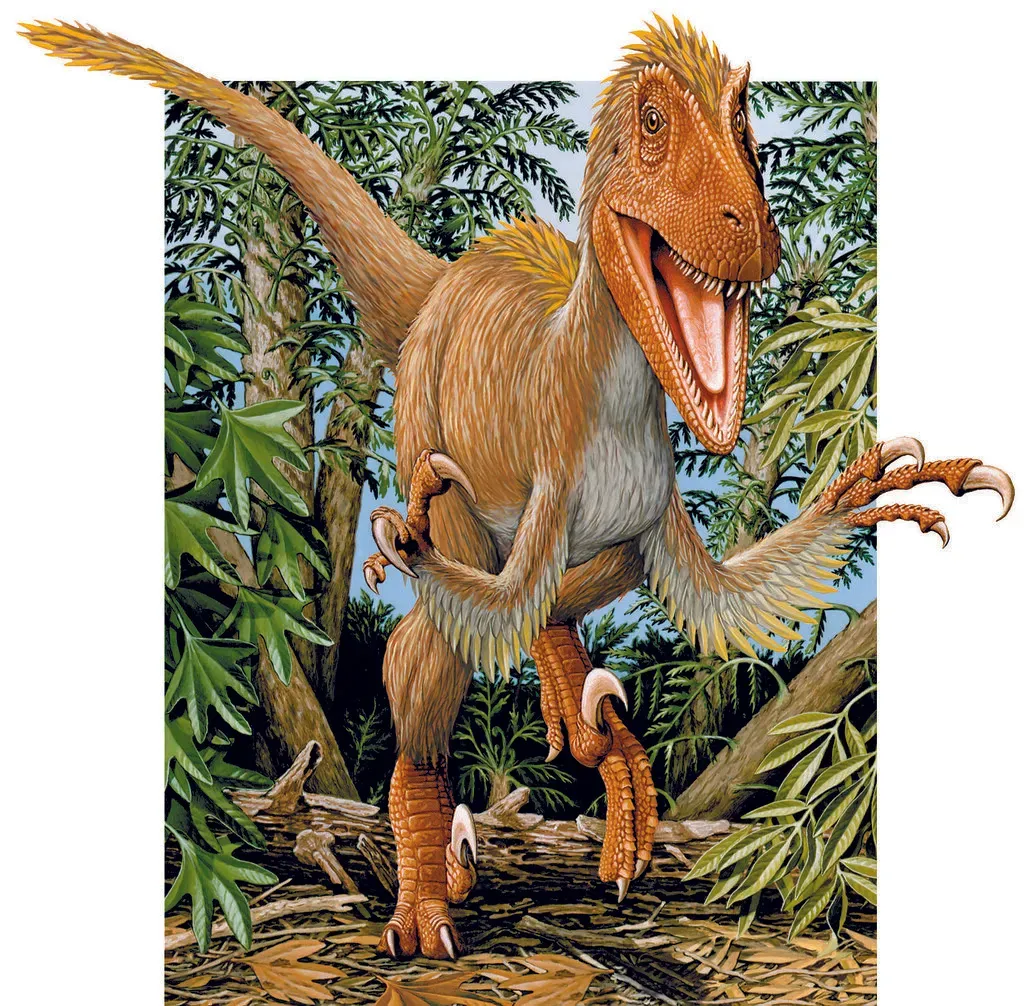
It has been suggested that feathers had originally functioned as thermal insulation, as it remains their function in the down feathers of infant birds prior to their eventual modification in birds into structures that support flight. So feathers were not invented for flying. They evolved for warmth, possibly for display, and only later got co-opted by evolution for something far more spectacular.
Given the growing evidence that dinosaurs were warm-blooded, paleontologists theorize that feathers would have helped keep the creatures from losing body heat, and also helped to keep their eggs warm. Indeed, finds of dinosaur skeletons, such as those of Oviraptor and Citipati, brooding on their egg nests, show that bird-like reproduction was an early evolutionary innovation. Another possibility, raised by the finding of signs of pigments in fossils of numerous feathered dinosaurs, is that they sported multicolored feathers, an early version of the peacock’s colorful ensemble. You can see a direct through-line from a Cretaceous dinosaur preening its feathers for a mate to the showboating of a modern peacock. Evolution, it turns out, loves to recycle a good idea.
Archaeopteryx: The Ancient Wing That Changed Science Forever
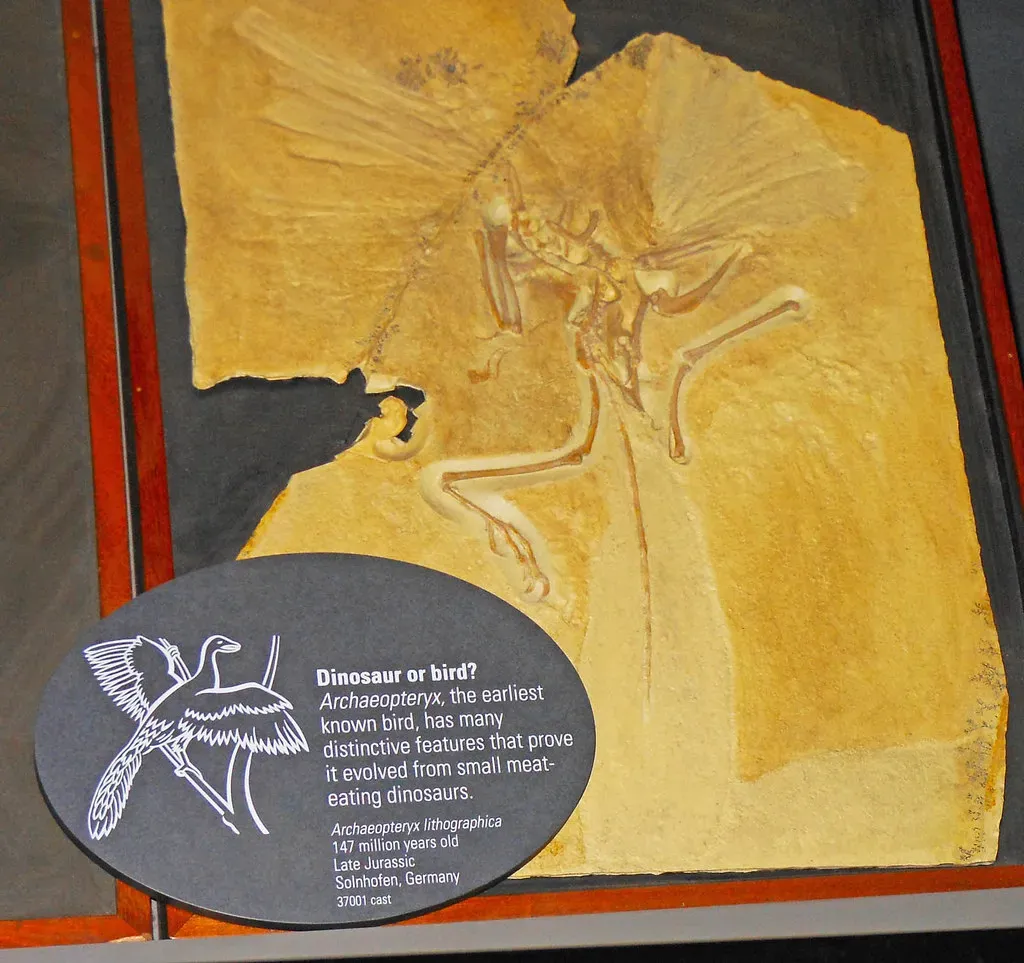
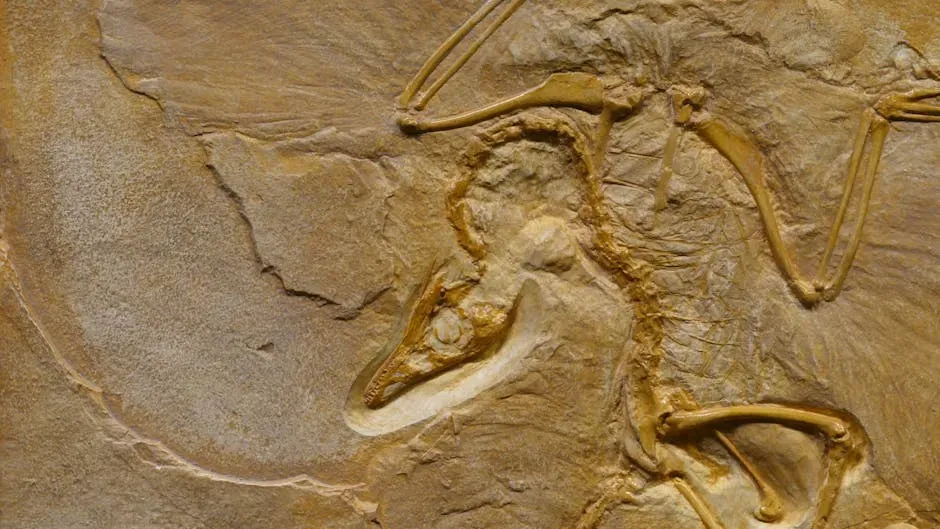
Archaeopteryx, the first good example of a feathered dinosaur, was discovered in 1861. The first specimen was found in the Solnhofen limestone in southern Germany, which is a rare and remarkable geological formation known for its superbly detailed fossils. Archaeopteryx is a transitional fossil, with features clearly intermediate between those of non-avian theropod dinosaurs and birds. Its discovery, coming just two years after Darwin published his theory of natural selection, caused an immediate and electric shock through the scientific world.
Unlike all living birds, Archaeopteryx had a full set of teeth, a rather flat sternum, a long bony tail, and three claws on the wing which could have still been used to grasp prey. However, its feathers, wings, furcula, and reduced fingers are all characteristics of modern birds. Archaeopteryx was roughly the size of a raven, with broad wings that were rounded at the ends and a long tail compared to its body length. It could reach up to 50 centimeters in body length and 70 centimeters in wingspan. A creature caught perfectly between two worlds.
The Skeletal Revolution: How Dinosaur Bodies Rewired Themselves for Flight
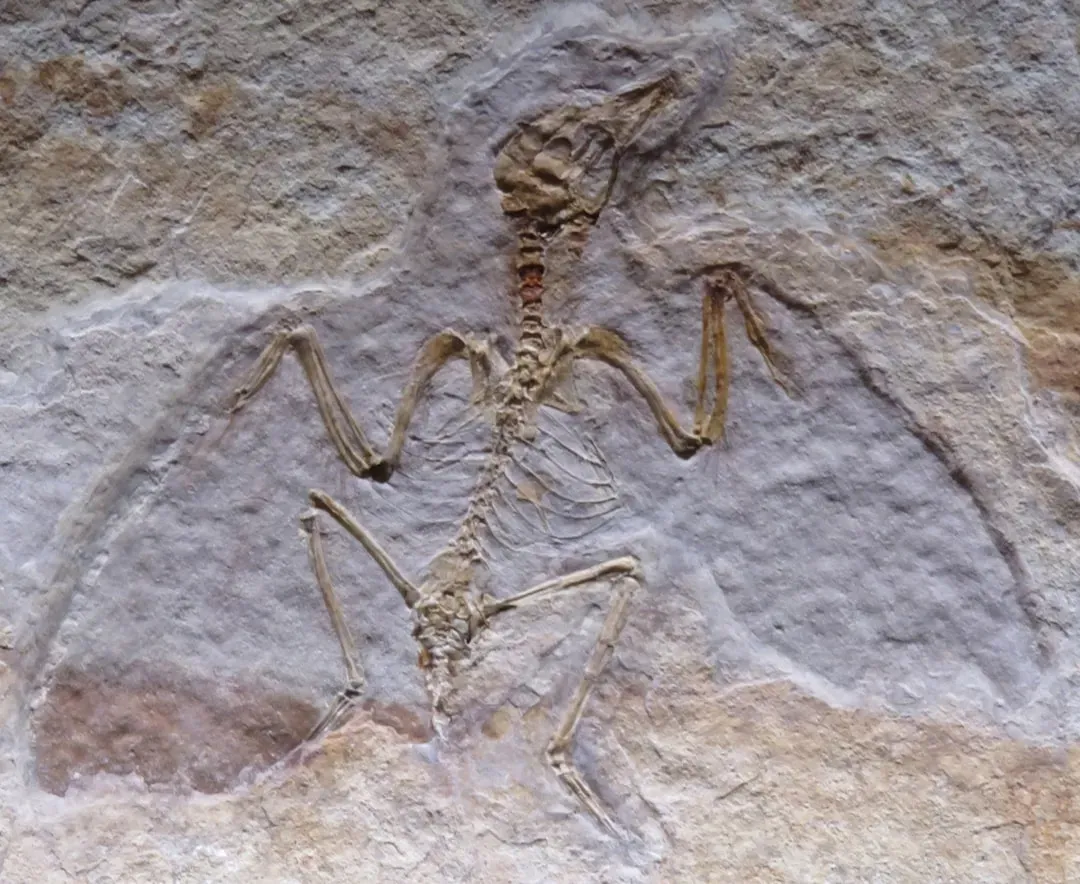
In the theropod lineage that would eventually lead to birds, the fifth digit and then the fourth were completely lost. The wrist bones underlying the first and second digits consolidated and took on a semicircular form that allowed the hand to rotate sideways against the forearm. This eventually allowed birds’ wing joints to move in a way that creates thrust for flight. It’s a little like watching an engineer slowly strip down a machine, removing every part that is no longer needed, until you are left with something entirely new.
Many of their bones were reduced and fused, which may have helped increase the efficiency of flight. Similarly, the bone walls became even thinner, and the feathers became longer and their vanes asymmetrical, probably also improving flight. The bony tail was reduced to a stump, and a spray of feathers at the tail eventually took on the function of improving stability and maneuverability. The wishbone, which was present in non-bird dinosaurs, became stronger and more elaborate, and the bones of the shoulder girdle evolved to connect to the breastbone, anchoring the flight apparatus of the forelimb. The breastbone itself became larger, and evolved a central keel along the midline of the breast which served to anchor the flight muscles.
Getting Smarter Before Getting Airborne: The Brain Behind the Wings
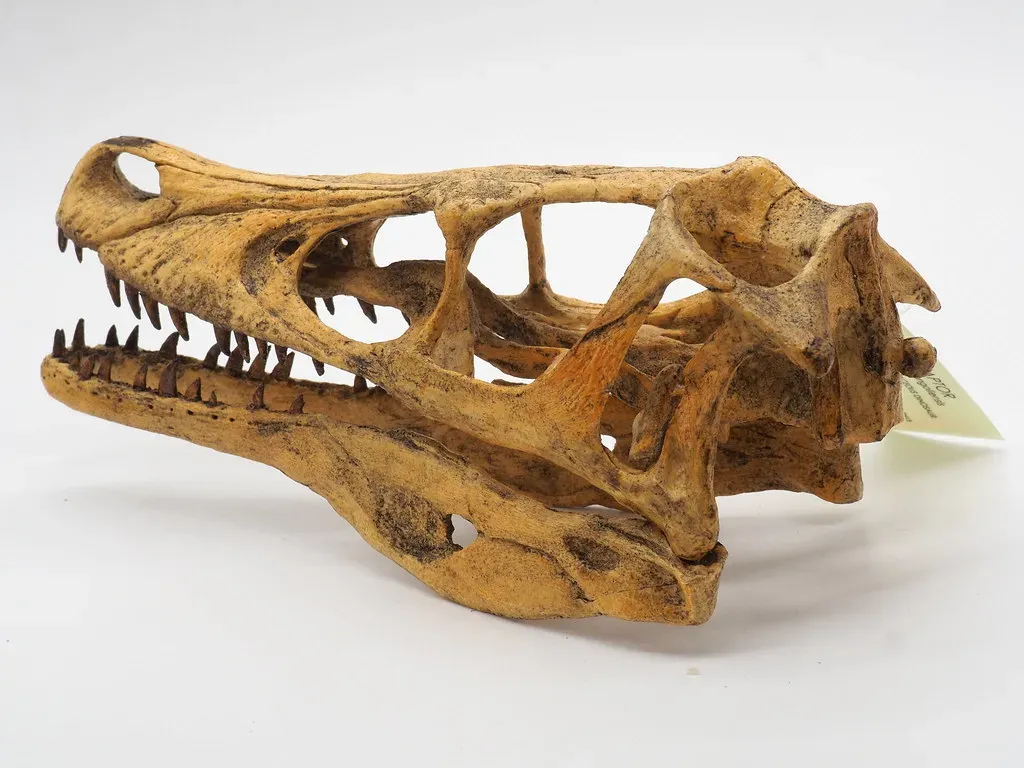
CT scanning of fossils from Velociraptor and other feathered maniraptorans has revealed that these species had a big brain and that the forward-most part of the organ was expanded. A large forebrain is what makes birds so intelligent and acts as their in-flight computer, allowing them to control the complicated business of flying and to navigate the complex three-dimensional world of the air. Scientists do not yet know why these dinosaurs evolved such keen intelligence, but the fossils clearly show that the ancestors of birds got smart before they took to the skies.
Extant birds have brains with relative volumes and neuronal densities that surpass all other reptiles. These traits may have provided a selective advantage over other dinosaurs in the face of rapidly changing environmental conditions. It’s hard to say for sure whether intelligence was the single deciding factor in bird survival, but it certainly didn’t hurt. A bigger brain, it seems, was part of the winning formula long before the asteroid ever arrived.
Surviving the Apocalypse: How Birds Crossed the Mass Extinction Line
An asteroid more than 6 miles across struck what is now the Yucatan Peninsula, triggering the fifth mass extinction in the world’s history. Some of the debris thrown into the atmosphere returned to Earth, the friction turning the air into an oven and sparking forest fires as it landed all over the world. Then the intensity of the heat pulse gave way to a prolonged impact winter, the sky blotted out by soot and ash as temperatures fell. More than three quarters of species known from the end of the Cretaceous period did not make it to the following Paleogene period.
The only birds that survived were ground-dwellers, including ancient relatives of ducks, chickens, and ostriches. Following the cataclysm, these survivors rapidly evolved into most of the lineages of modern birds we are familiar with today. They diversified rapidly, and as a result we now have some 10,000 bird species living today. That number is staggering when you consider how close the entire avian lineage came to being erased from existence entirely.
Conclusion: The Sky Is Full of Living Fossils
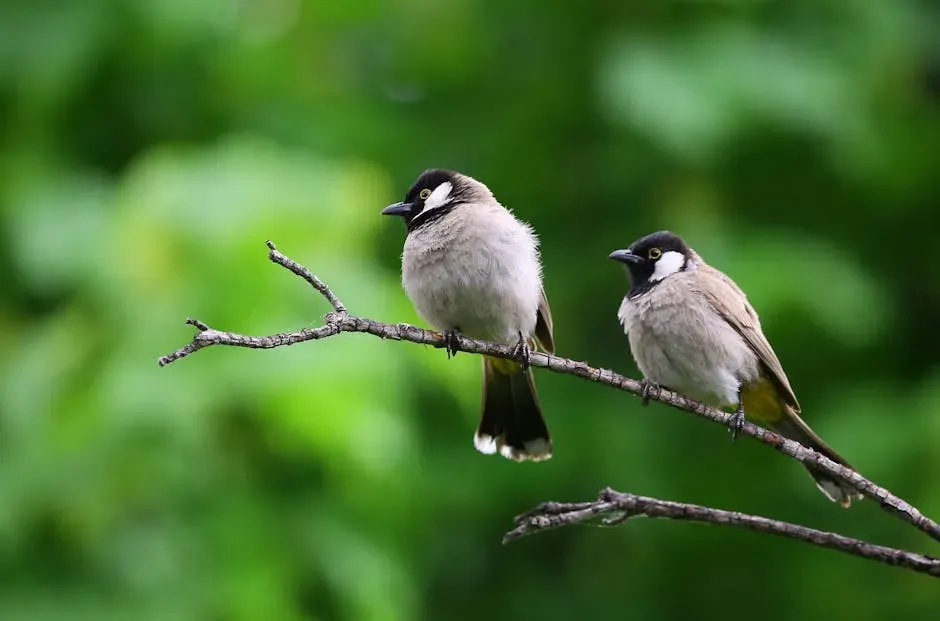
When you step outside in the morning and hear the first bird call of the day, you are hearing an echo of the Mesozoic era. Every feather, every hollow bone, every cleverly adapted wing is a testament to one of the longest, most improbable evolutionary journeys in the history of our planet. The evolution of birds began in the Jurassic Period, with the earliest birds derived from a clade of theropod dinosaurs named Paraves. That journey did not end. It is still happening right now, in the birds above your head.
What makes this story truly remarkable is not just the transformation itself, but how much of it was accidental, opportunistic, and frankly lucky. It is sobering to consider that no bird ancestors might have survived at all. It is becoming increasingly obvious that birds are pretty lucky to have snuck across the Cretaceous-Paleogene boundary in the first place. The next time a bird lands near you, take a moment. You are not just watching an animal. You are watching history in motion. What would you have guessed was flying around before birds? Tell us in the comments.