
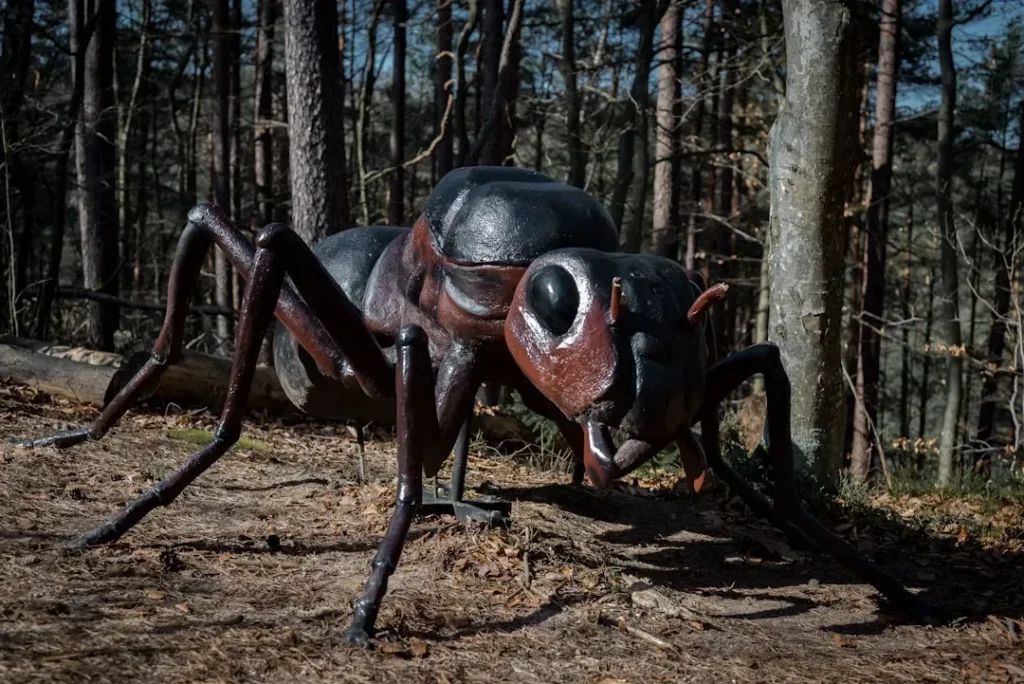
You probably think you know what a big bug looks like. Maybe you’ve swatted a huge cicada off your window or watched a dragonfly skim over a pond and thought it was massive. But once you step back into deep time, those modern insects start to feel almost delicate, because in the prehistoric world, some of their relatives grew to sizes you’d struggle to accept without seeing them.
When you explore the fossil record, you discover dragonflies with wings longer than your arm, millipedes as long as a small car, and underwater “bugs” that looked more like alien submarines than anything you’d find in a garden today. As you walk through this world in your imagination, you’re not just gawking at giant creepy-crawlies; you’re also discovering how Earth’s atmosphere, climate, and ecosystems once allowed these forgotten giants to rule the skies, seas, and forests.
Meganisoptera: The Car-Sized Dragonflies of Your Nightmares
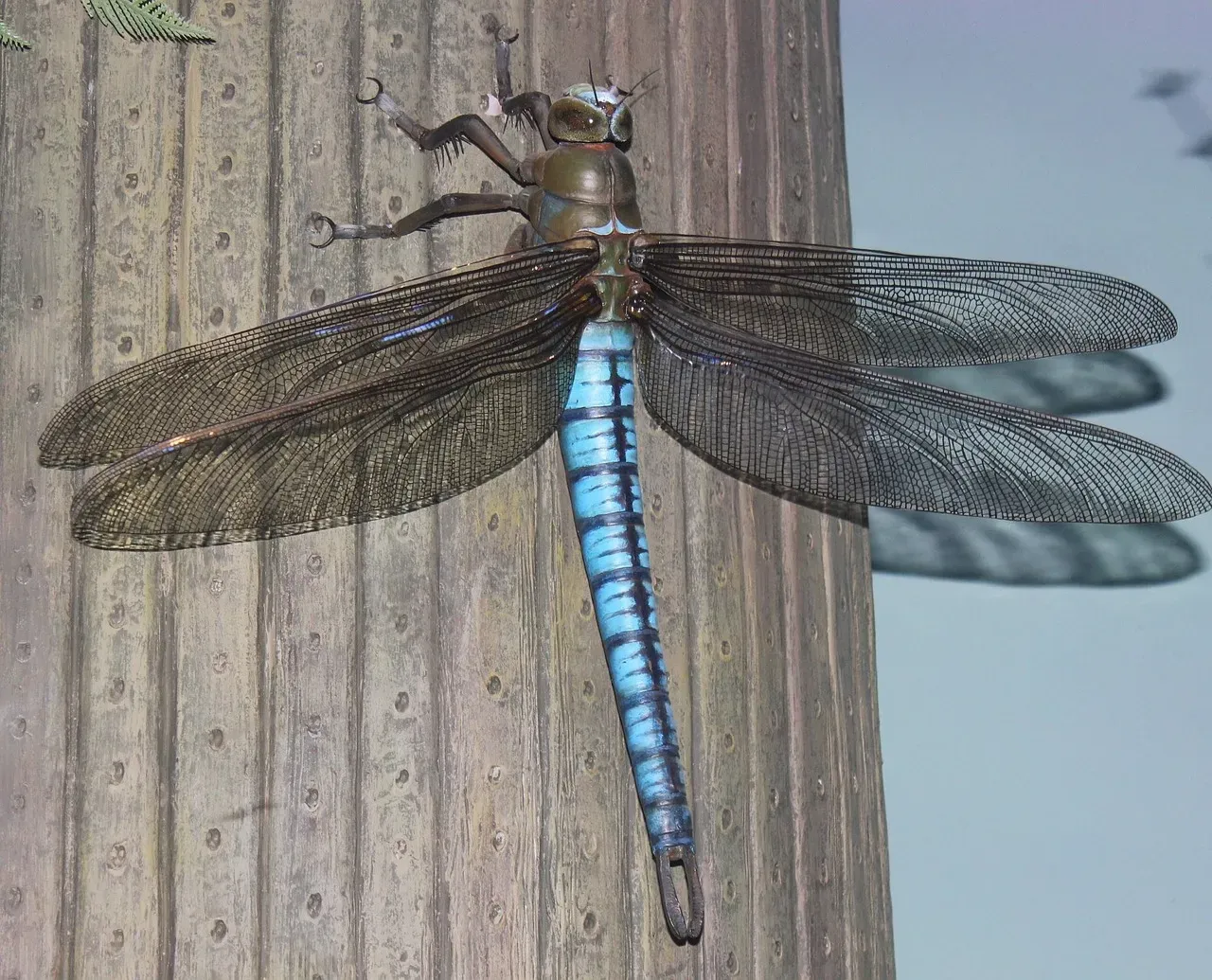
If you picture a dragonfly, you probably imagine something delicate and fast, zipping over a stream. Now scale that up until the wingspan stretches roughly as wide as your torso, and you’re getting close to some of the largest members of an extinct group called Meganisoptera, often nicknamed “griffinflies.” Some fossils show wingspans in the ballpark of two and a half feet or more, which means if you held one out, it would reach from your shoulder almost to your knee.
You would not have seen these giants buzzing around your local pond today, but during the late Carboniferous and early Permian periods, they were some of the top aerial predators on Earth. You can imagine them cruising above swampy forests, picking off other insects in midair with powerful jaws and spiny legs. They probably filled a role similar to that of modern birds of prey in the sky, only with exoskeletons and compound eyes that gave them a panoramic view of anything unfortunate enough to be flying nearby.
Why Ancient Insects Got So Big: Breathing in a Super-Oxygen World
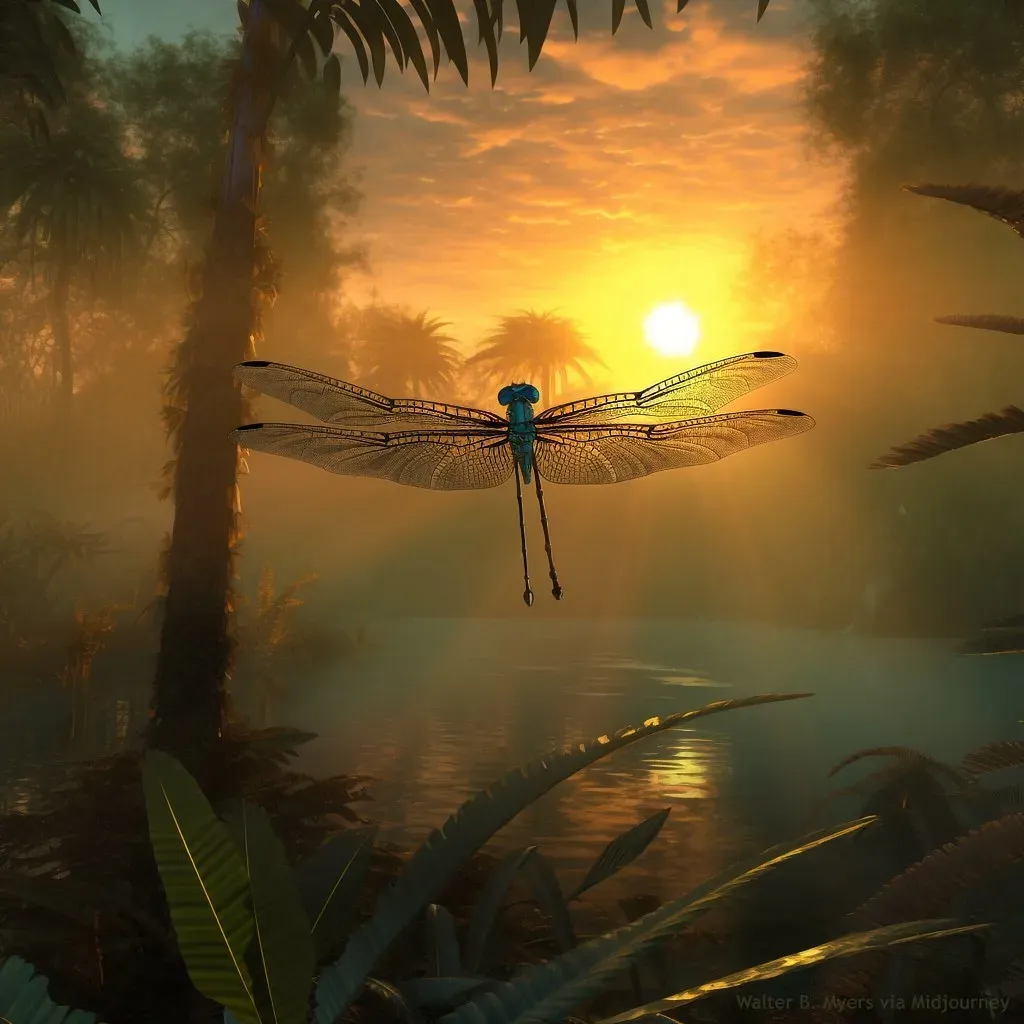
To understand why you do not share your backyard with two-foot-wide dragonflies today, you need to look at the air itself. Insects do not breathe with lungs like you do; they rely on a network of tiny tubes called tracheae that deliver oxygen directly into their bodies. That system works beautifully at small sizes, but it struggles as the body gets bigger and thicker. During the late Paleozoic, especially the Carboniferous period, atmospheric oxygen levels were significantly higher than what you breathe now, likely allowing that tracheal system to support much larger bodies.
When you put this together, the world of giant insects starts to make sense: more oxygen in the air meant more oxygen diffusing into their bodies, which removed one of the main limits on size. Once that atmospheric advantage faded and oxygen levels dropped closer to modern values, those supersized designs became less practical, and evolution favored smaller, more efficient forms. You are essentially looking at a one-time planetary experiment, where the chemistry of the air opened a temporary window that let arthropods push their bodies to startling extremes.
Arthropleura: The Millipede That Could Out-Length Your Couch
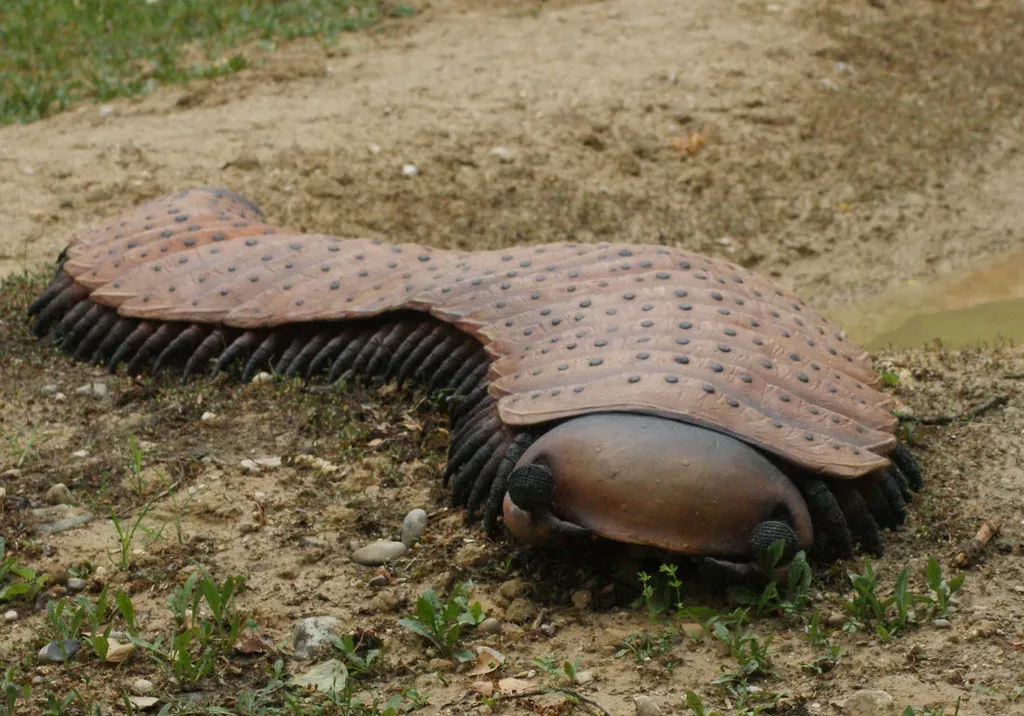
If flying insects are not enough to unsettle you, step down onto the forest floor of the Carboniferous and face Arthropleura, a giant millipede-like arthropod that could grow longer than many people are tall. Some estimates put the biggest individuals at well over six feet in length, with a wide, armored body made up of overlapping segments. Imagine walking through a dim, humid forest of towering club mosses and seed ferns, only to see a glossy, multi-segmented creature gliding across the leaf litter like a living train of armor plates.
You might instinctively assume a creature that large must have been a dangerous predator, but the evidence suggests it was more likely a plant and detritus feeder, grazing on fallen leaves and decaying matter. Instead of hunting you, it would have been more concerned with navigating dense vegetation and avoiding the equally strange early vertebrates around it. When you realize that a peaceful, plant-eating invertebrate could grow that large, you get a sense of how different and lush those ancient forests were, and how much raw energy and oxygen pulsed through those long-vanished ecosystems.
Sea Scorpions and Aquatic Giants: When “Insects” Ruled the Water Too
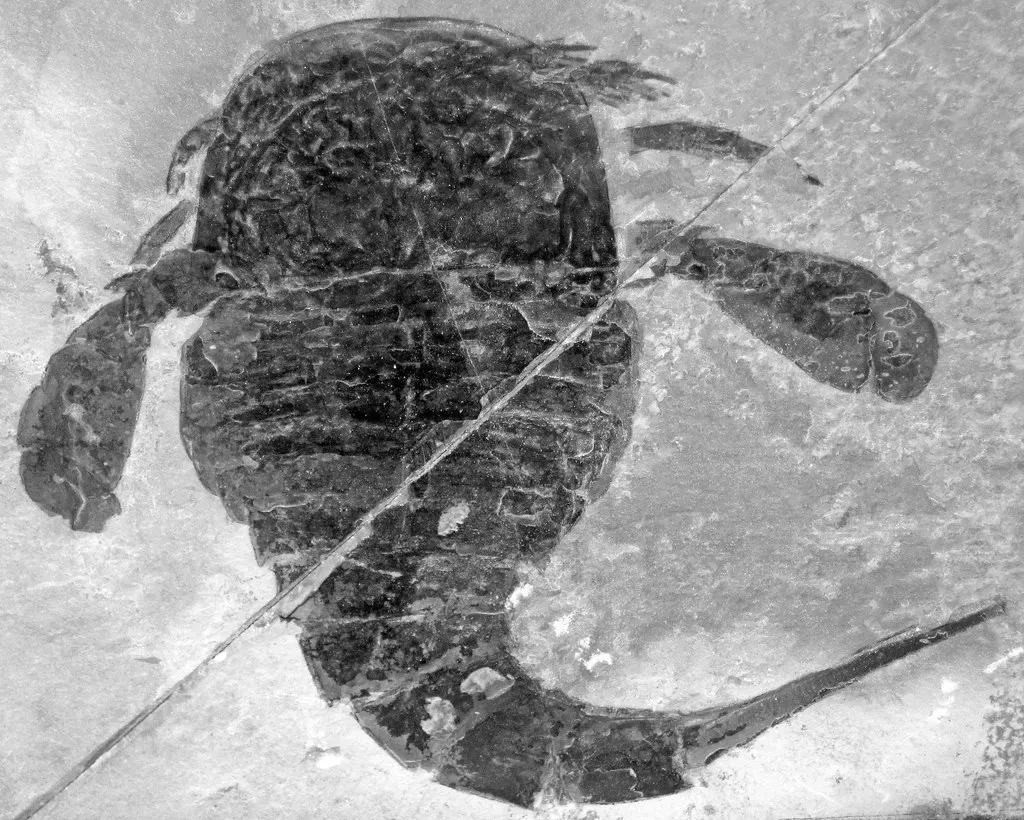
Strictly speaking, you know insects are land-dwelling arthropods with six legs, so the aquatic giants from prehistory are more like their extended family than their direct cousins. But when you look at creatures like the sea scorpions, or eurypterids, you cannot help feeling they belong in the same gallery of forgotten giants. Some species reached lengths of several feet, and a few of the biggest may have rivaled an adult human in size, prowling shallow seas and coastal lagoons with spiny limbs and paddle-like appendages.
If you imagine wading into warm, murky water during the Paleozoic, you would have shared that space with these armored hunters instead of crabs and small fish. Their bodies were divided into segments, with a broad head shield and a tail that could end in a spine or paddle, depending on the species. While they were not insects, they reveal how far arthropods as a group could push body size, especially in water where buoyancy supports heavier exoskeletons. When you see their fossils, you get a clearer sense that the reign of giant arthropods was not just about the air and land; it also extended into ancient seas that teemed with chitin and claws.
How You Study Giants Without Ever Seeing Them Alive
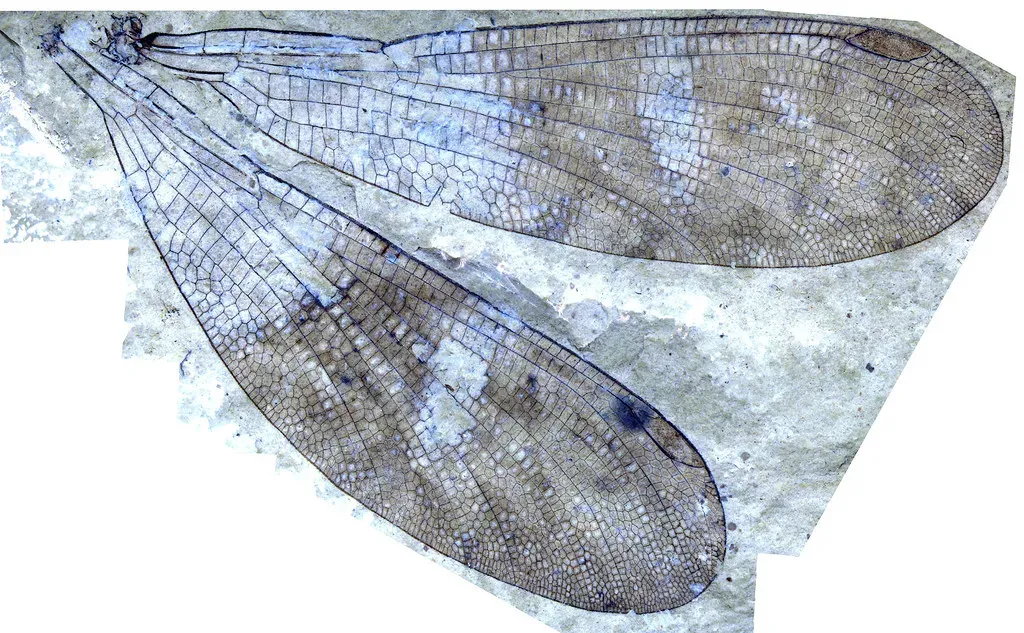
Because you cannot travel back hundreds of millions of years, fossils are your only way to meet these giants. When you look at a fossilized wing of a griffinfly pressed into rock, you see veins, membranes, and sometimes even traces of color patterns, all frozen in time. By comparing these details with modern insects, researchers can estimate things like how strong the wings were, how the muscles attached, and even how these animals might have flown. In a sense, you are reverse-engineering an ancient machine from the few surviving parts.
You also rely on the rocks themselves to tell you what the world was like when these giants lived. The chemistry of ancient soils and sediments helps you reconstruct oxygen levels and climate conditions, while the types of fossil plants nearby show you what kinds of forests or swamps they moved through. When you put all that together, you are not just staring at isolated skeletons; you are rebuilding whole ecosystems in your mind, turning scattered clues into a living, breathing world filled with oversized wings, shells, and armored segments.
Why No Giant Insects Today: Predators, Physics, and Harsh Reality
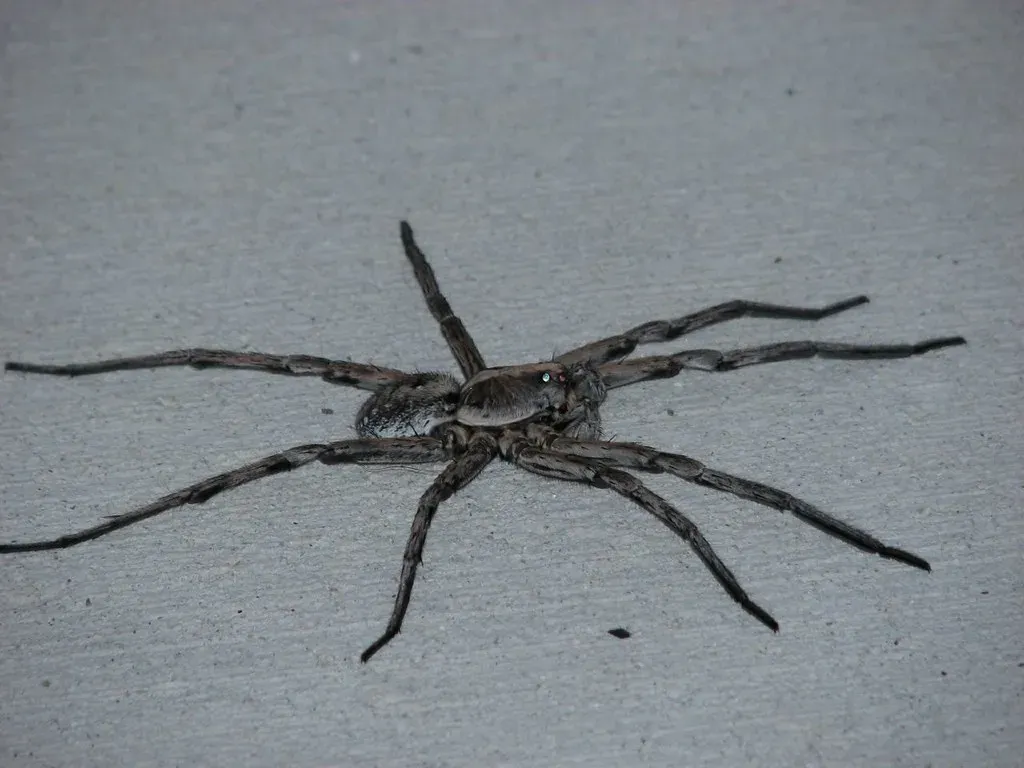
If you are wondering why you do not have to dodge two-foot dragonflies on your morning walk, you are really asking why the rules changed. Lower oxygen levels today are a big part of the answer, because that limits how large an insect can get while still getting enough oxygen through its tracheal system. As bodies get bigger, those tubes would have to expand and branch in ways that would crowd out muscles and organs, making the animal inefficient and clumsy. Nature tends to punish designs that waste space and energy, and giant insects became victims of that simple truth.
You also need to factor in competition and predation. As birds, bats, and increasingly agile vertebrates took over the skies and forests, large, slow-flying insects would have been easy targets and poor competitors. Smaller insects can maneuver better, reproduce faster, and squeeze into more ecological niches, which gives them an edge in a crowded, dangerous world. When you add up the physical constraints, the changing atmosphere, and new predators, you start to see why your world is filled with buzzing flies and modest dragonflies instead of the titans that once ruled the air.
Seeing the Giants in Modern Insects Around You
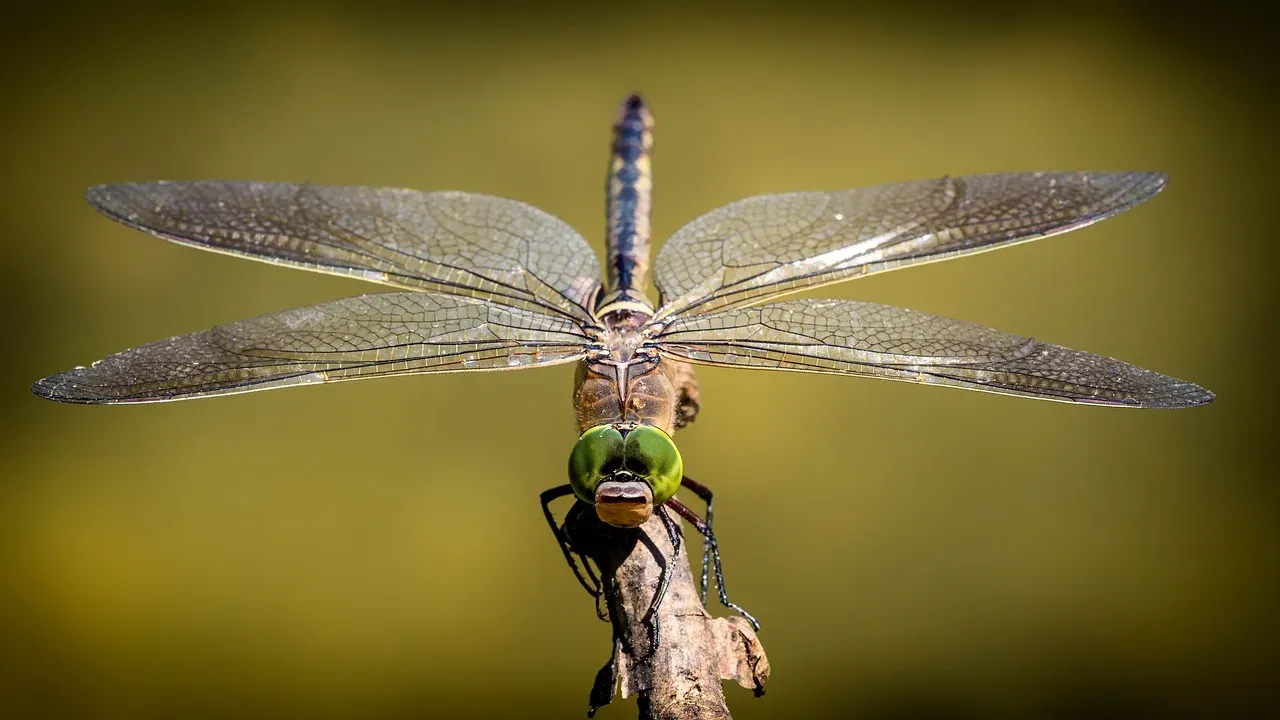
Even though you will never stand under the shadow of a living Arthropleura or hear the loud wingbeats of a griffinfly overhead, you still see echoes of those giants in the insects around you. When a dragonfly skims a pond, you are watching a smaller, oxygen-limited version of an ancient design that once reached incredible sizes. The predatory behavior, the agile flight, the compound eyes scanning for movement – all of that connects to a much older story that stretches back to those forgotten super-oxygenated swamps.
When you notice a millipede rolling across the forest floor or a large beetle probing under bark, you are catching glimpses of body plans that proved so successful they survived multiple mass extinctions, even if they shrank along the way. If you let yourself imagine those same forms scaled up, filling ancient forests and shallow seas, your appreciation for the small creatures in your own backyard changes. Instead of seeing them as insignificant, you start to recognize them as the surviving heirs of a time when arthropods were, quite literally, among the biggest things moving on land.
Conclusion: What These Forgotten Giants Tell You About Your Planet
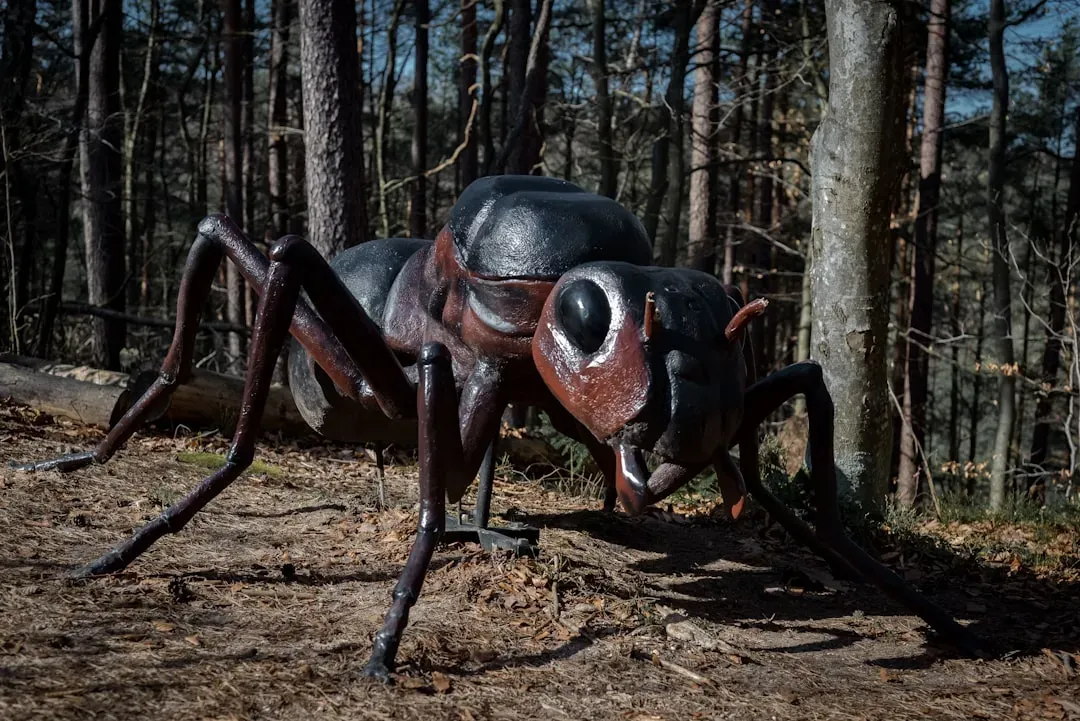
When you step back and think about these prehistoric giants, you are really learning how flexible and dramatic Earth’s story can be. The idea that an insect-like creature could reach lengths rivaling your height, or that dragonflies once stretched as wide as your arm span, forces you to reconsider what is possible when the rules of the atmosphere and ecosystems shift. These creatures show you that life is not fixed at the scales and shapes you see today; it expands and contracts with the changing chemistry of air and water, with climate, and with the rise of new predators and competitors.
The next time you brush away a tiny fly or admire a dragonfly’s glossy wings, you can see them as snapshots from a lineage that once explored almost outrageous extremes. You live in a version of Earth where giant insects no longer dominate, but their fossils still whisper about a time when the air was thick with oxygen and the forests trembled under many-legged bodies. If a change in the air could once summon such giants, what other surprising forms might life explore in the distant future, and how different might your world look then?