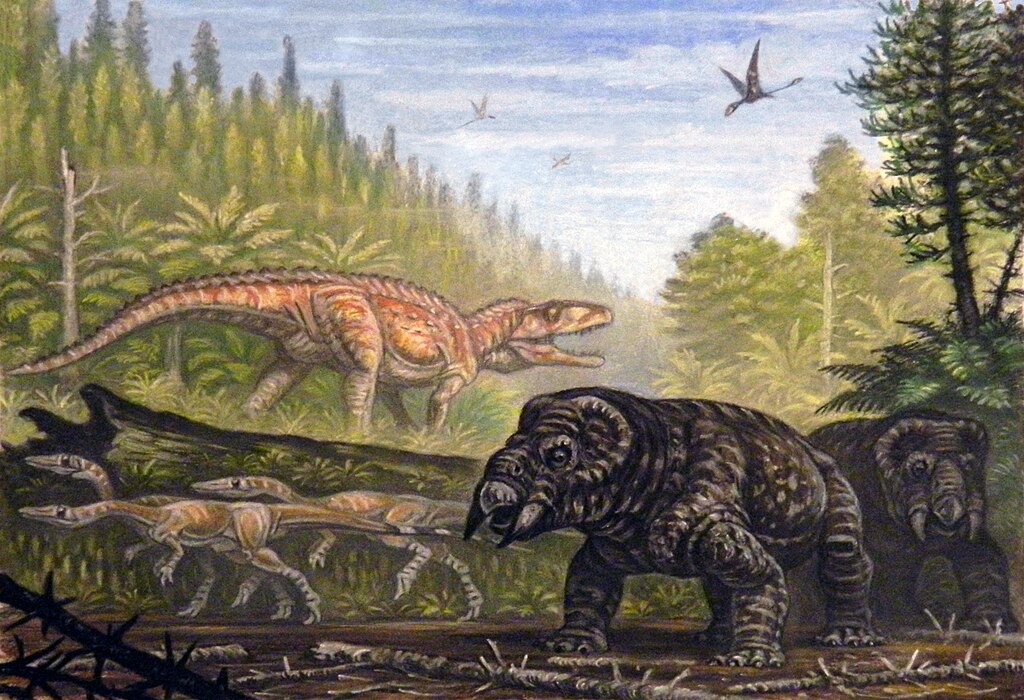
Picture a world where massive crocodile-like creatures ruled ancient swamps and lakes, their heads as long as a human and their bodies stretching over twenty feet. This wasn’t a time of dinosaurs yet, but an era dominated by giants that would make today’s largest salamanders look like toys. These were the temnospondyls, Earth’s most successful prehistoric amphibians that thrived for over 200 million years before the age of dinosaurs even began.
Long before T. rex stalked the Earth, these aquatic monsters terrorized ancient waterways with razor-sharp teeth and hunting skills that would make modern crocodiles jealous. Their reign lasted far longer than the dinosaurs, yet they remain one of paleontology’s most overlooked success stories. Ready to discover the forgotten giants that once ruled our planet? Let’s dive into their fascinating world.
The Dawn of Giants: When Amphibians Ruled the Earth
Temnospondyls first emerged around 330 million years ago during the Carboniferous period and existed for over 200 million years. Think about that for a moment: these creatures dominated Earth’s waterways for nearly twice as long as dinosaurs ever did. They flourished worldwide during the Carboniferous, Permian and Triassic periods, with fossils being found on every continent.
During the late Paleozoic and early Mesozoic, you might say there was an age of amphibians. This wasn’t just a brief transition period but a genuine golden age when amphibians reached sizes and occupied ecological niches that seem almost impossible today. They show a high diversity with over 290 species described and gathered in about 200 genera, together with a wide disparity and a huge range of sizes from a few centimeters to more than 5 meters in adult body length.
Size Matters: The True Giants Among Them
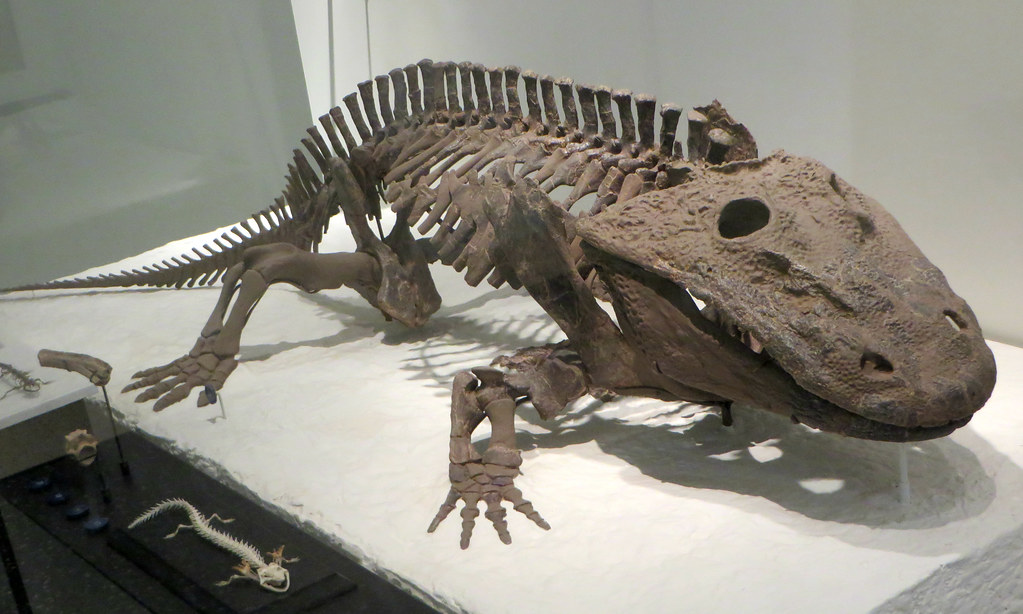
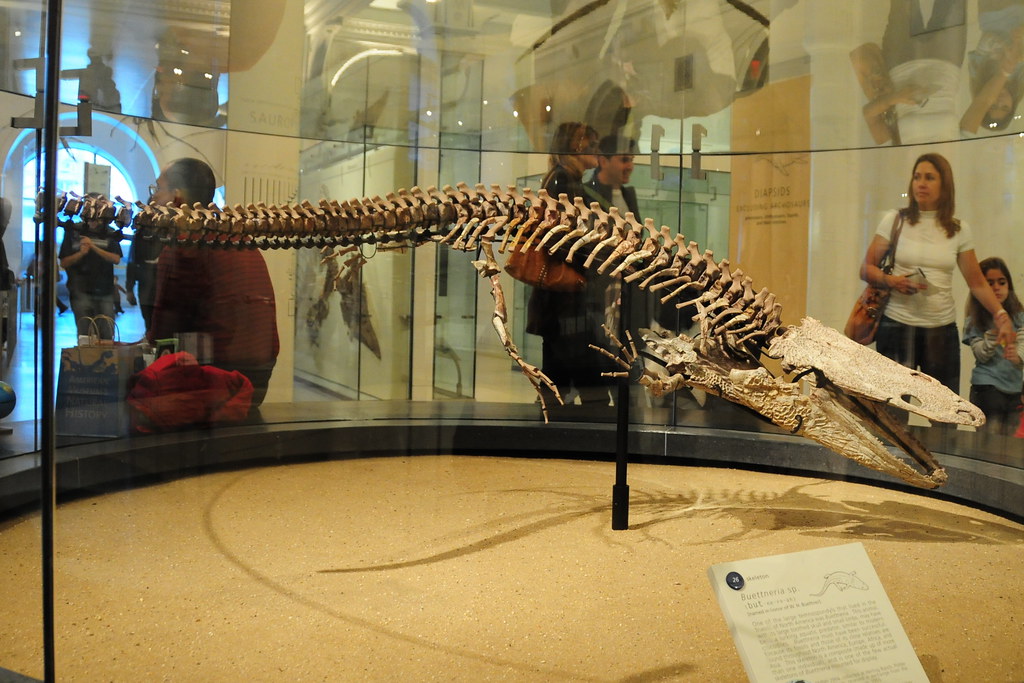
Most temnospondyls were 30 centimeters to 1 meter in length, with a few forms growing to 2 meters, and one example, Prionosuchus, reaching lengths of 30 feet. Imagine encountering a salamander-like creature the size of a city bus lurking in an ancient river. That was Prionosuchus, the undisputed heavyweight champion of the amphibian world.
The largest Mastodonsaurus had a head around four feet long and the estimated body length for the largest Mastodonsaurus is around 15-20 feet, and most of that isn’t the tail. These weren’t just big amphibians, they were apex predators with the bulk and power to back up their intimidating appearance. Some grew to enormous sizes, six or seven metres long.
Crocodile Mimics: Masters of Aquatic Hunting
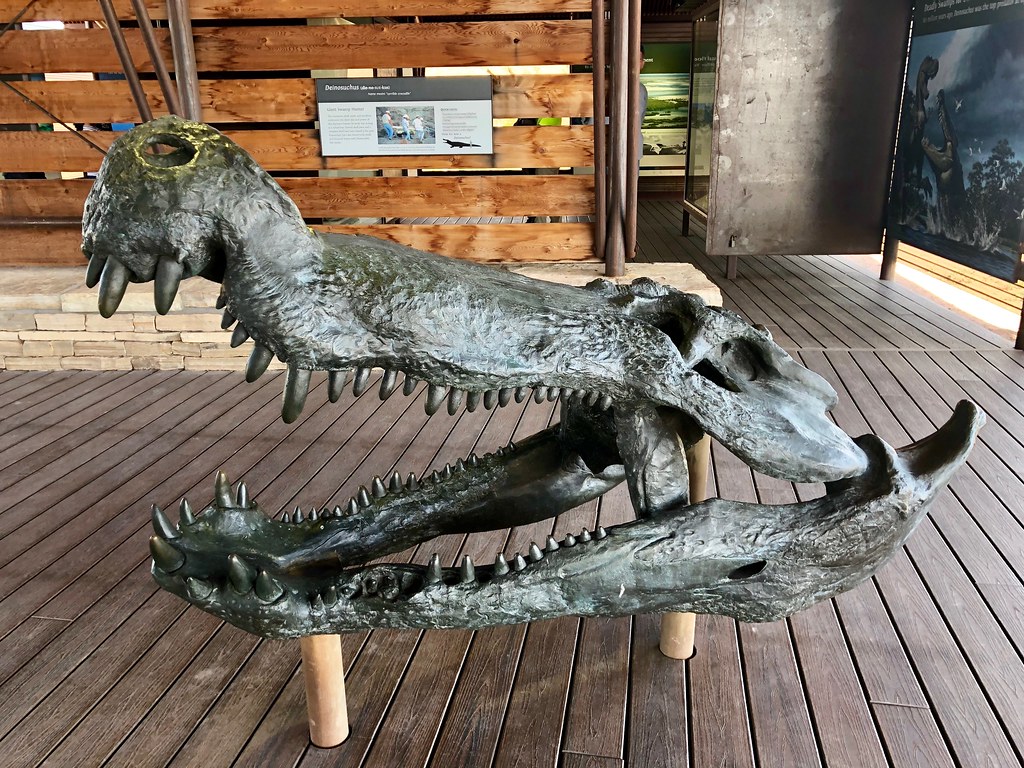
They reveal that these amphibians moved much the same as crocodiles do today, sweeping their tails from side to side to push themselves through the water. The similarities weren’t just superficial either. The creatures grew up to 2 meters in length and lived in lakes and rivers during the Late Triassic Period, living much like crocodiles do today and feeding mainly on fish.
With an elongated and tapered snout, numerous sharp teeth, long body, short legs, and a tail adapted for swimming, its general appearance was very similar to a modern gharial or gar, and it probably had a similar lifestyle as an ambush aquatic predator feeding on fish and other aquatic animals. These ancient amphibians had essentially perfected the crocodilian lifestyle millions of years before actual crocodilians evolved.
Metoposaurus: The Monster Movie Star
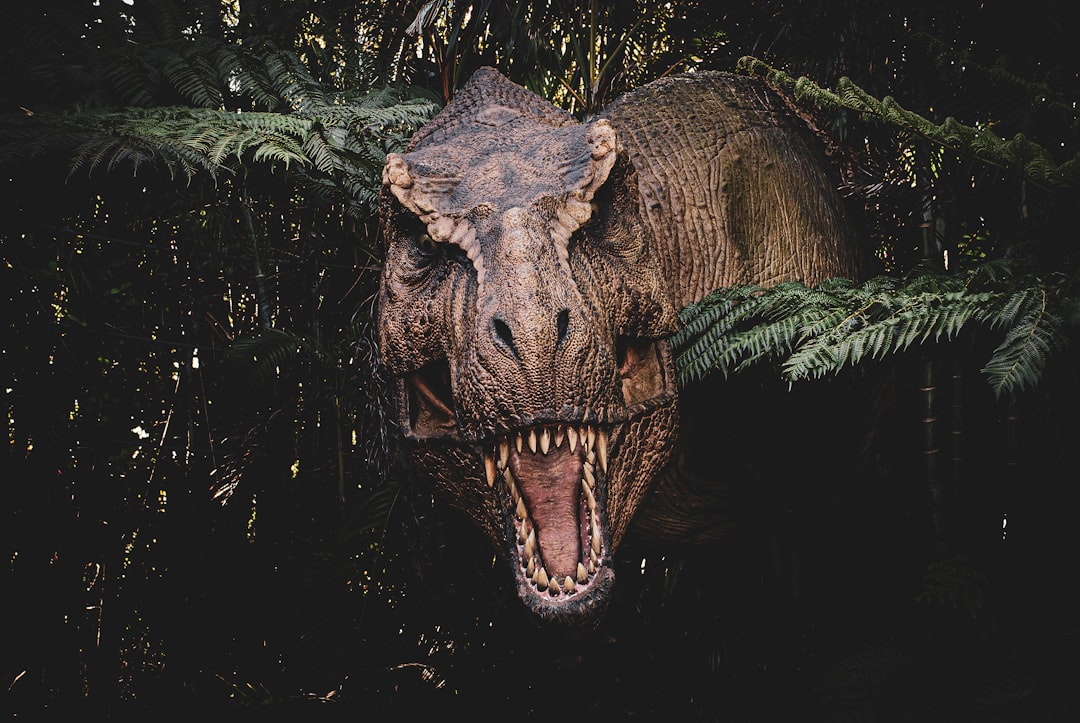
This new amphibian looks like something out of a bad monster movie. It was as long as a small car and had hundreds of sharp teeth in its big flat head, which kind of looks like a toilet seat when the jaws snap shut. Scientists love their colorful descriptions, honestly. Metoposaurus algarvensis was among Earth’s top predators more than 200 million years ago, identified by palaeontologists after excavating bones buried on the site of an ancient lake in southern Portugal.
It was the type of fierce predator that the very first dinosaurs had to put up with if they strayed too close to the water, long before the glory days of T. rex and Brachiosaurus. Picture early dinosaurs cautiously approaching waterways, knowing that massive jaws waited beneath the surface. The average length of this species reached about 3 meters. It possessed a large, flat head equipped with sharp, needle-like teeth.
Eryops: The Terrestrial Titan
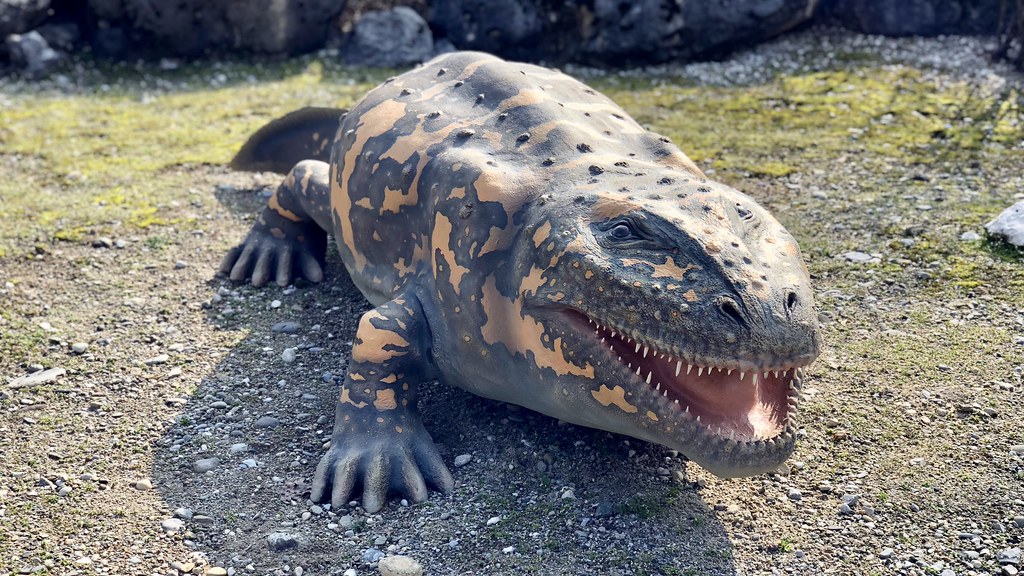
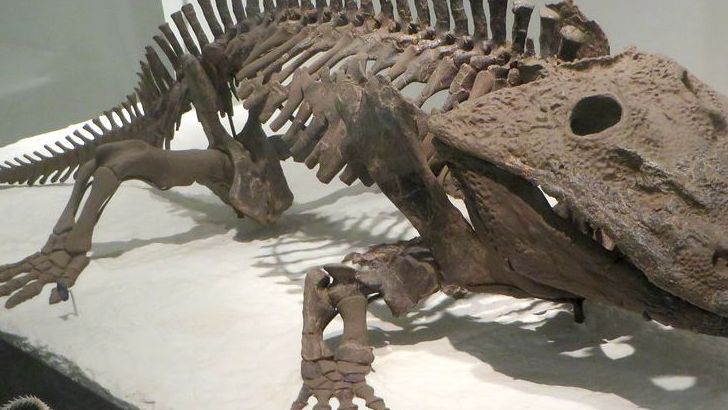
Unlike most earlier amphibians, Eryops had powerful legs and was completely terrestrial. This was a game-changer in the amphibian world. While most of its relatives remained tied to aquatic environments, Eryops boldly ventured onto land with remarkable success. The amphibian was massive and stout, weighing 440 pounds, and was mostly about 4.9 to 6.6 feet long.
The carnivore was one of the giant terrestrial predators of its era, and its 2-foot-long head, armed with razor-sharp teeth, was an effective hunting tool. Eryops ate fish, small reptiles, and other amphibians. Think of it as nature’s first attempt at creating a truly successful land predator, bridging the gap between aquatic and terrestrial lifestyles that would later be perfected by reptiles.
Gaiasia: The Salamander from Hell
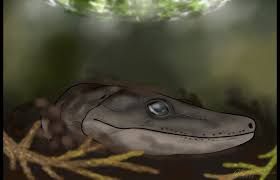
Picture an amphibian about 8.2 feet long, with a suction-cup mouth containing 4-inch fangs in a 2-foot-long skull that holds a ring of smaller, but equally sharp teeth. Recent discoveries have revealed even more terrifying amphibian giants that challenge everything we thought we knew about prehistoric ecosystems. This creature, Gaiasia jennyae, which could aptly be named “salamander from hell,” is described in a new report in Nature and was considerably larger than a person, and it probably hung out near the bottom of swamps and lakes.
These features and other physiological characteristics meant that the ancient giant salamander likely hid, then ambushed its prey, because it probably lacked the speed of other predators. Fast ambush predators like pike or gar tend to have long, narrow faces which can move more quickly through the water; that’s not what we see in Gaiasia. This was a patient predator that relied on stealth and devastating bite force rather than speed.
Swimming Through Time: Fossil Evidence of Aquatic Life
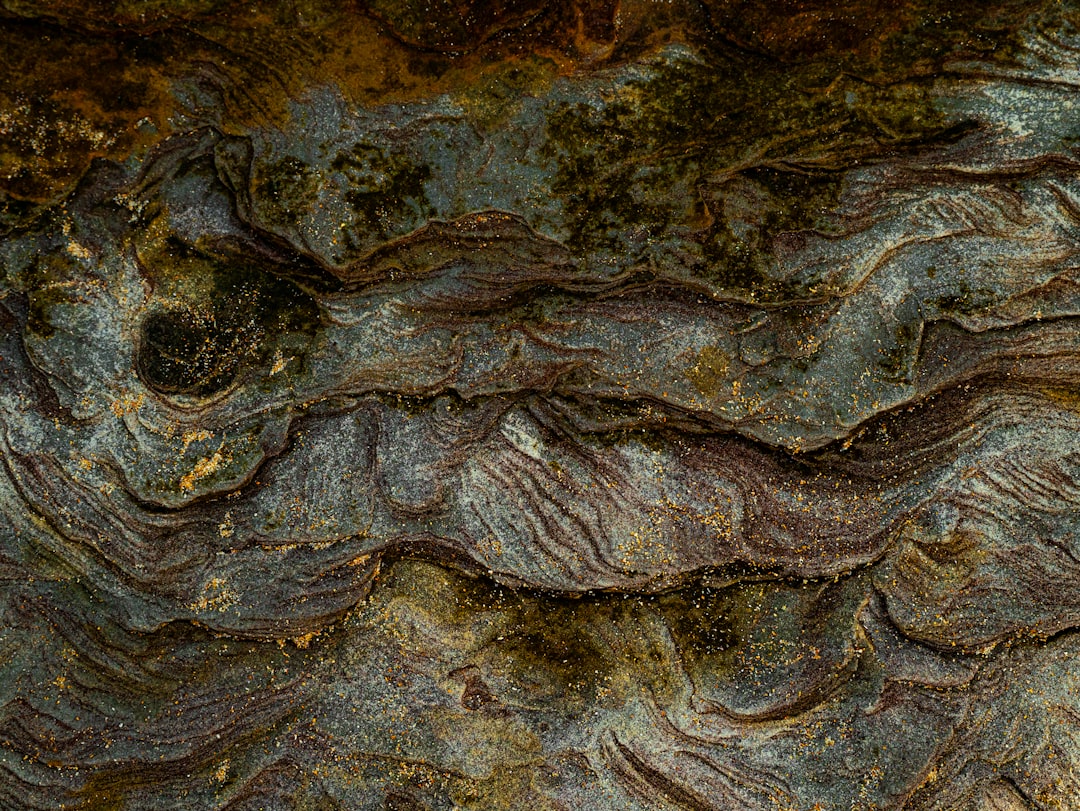
Newly described fossils reveal how these animals moved in the water as they looked for prey during the Permian. Over 250 million years ago, giant amphibians would have roamed the edges of ancient lagoons. The fossil record provides stunning insights into how these creatures lived and moved through their aquatic worlds. Unlike other fossil trackways, it’s not the footprints that stand out, but the tail and body impressions instead. These are larger than many other fossil amphibian body impressions, which are often less than 30 centimetres long.
The trackways are unique, and as far as I know, the only Permian body impressions of a rhinesuchid amphibian of this size. While it has been suspected that these animals swam similarly to modern salamanders and crocodiles, it was neat to find direct evidence in the fossil record. These tracks tell stories of massive bodies gliding through ancient waters, leaving behind evidence that scientists can still decode millions of years later.
The Great Extinction: End of an Era
Most members the group of giant salamander-like amphibians was wiped out during a mass extinction 201 million years ago, long before the death of the dinosaurs. This marked the end of the Triassic Period, when the supercontinent of Pangea began to break apart. The extinction wiped out many groups of vertebrates, such as big amphibians, paving the way for dinosaurs to become dominant.
Apart from a few stragglers, all these large amphibians died out at the Triassic-Jurassic extinction event, and the majority of Jurassic amphibians belonged to modern groups, and would look familiar today. Still, some survivors persisted against all odds. The last of the temnospondyls became extinct during the Cretaceous period, about 120 million years ago, after thriving on Earth for more than 200 million years. Their incredible longevity as a group speaks to their remarkable adaptability and success.
What makes their extinction even more poignant is that most modern amphibians are pretty tiny and harmless. Yet back in the Triassic these giant predators would have made lakes and rivers pretty scary places to be. The contrast between then and now shows just how dramatically Earth’s ecosystems have changed. These giants ruled their world for longer than dinosaurs ever did, yet they’re largely forgotten in popular culture.
These magnificent creatures left behind more than just fossils. They showed us what’s possible when amphibians push the boundaries of size and ecological dominance. Their legacy lives on in every frog that calls from a pond and every salamander that scurries under a log, distant echoes of an age when amphibians were truly the kings of their aquatic realms. What do you think about these forgotten giants? Tell us in the comments.