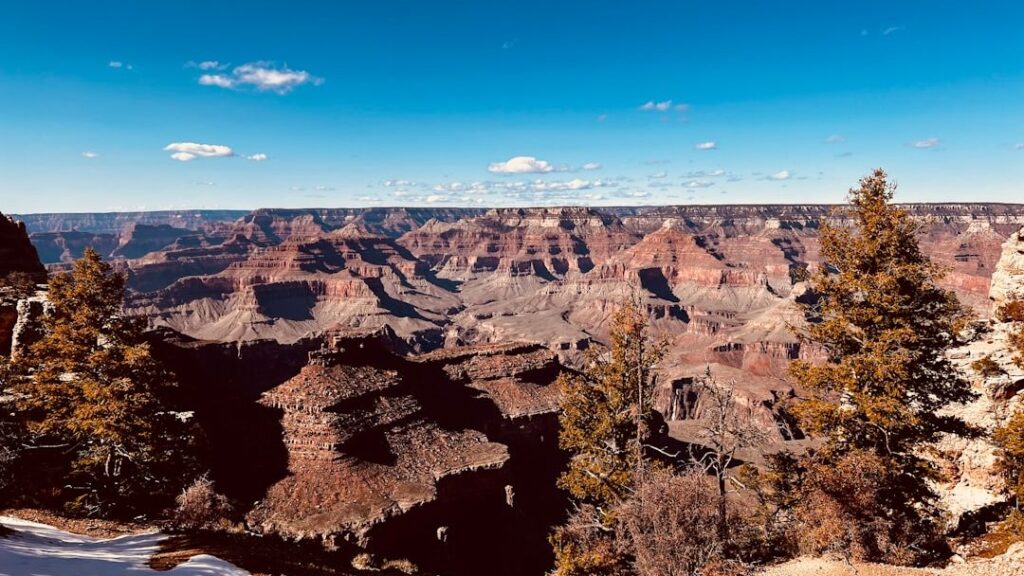
You probably think of the Grand Canyon as an old place already, but the story you see from the rim is only the final chapter of a book that started more than a billion and a half years ago. When you stand there looking across that enormous chasm, you are not just staring at a deep hole in Arizona; you are looking straight into Earth’s hidden memory, with pages torn out, rewritten, and buried again long before any human ever saw it. What makes the canyon so gripping is that the age of what you see depends entirely on what you are talking about. The river at the bottom may have carved much of the modern gorge in just the last five or six million years, but the darkest rocks down near the water were already ancient when complex life was only just learning to exist. Once you realize that, the place stops being just a scenic overlook and becomes more like a time machine you can walk into.
The Basement Rocks That Rewrite Your Sense of Time
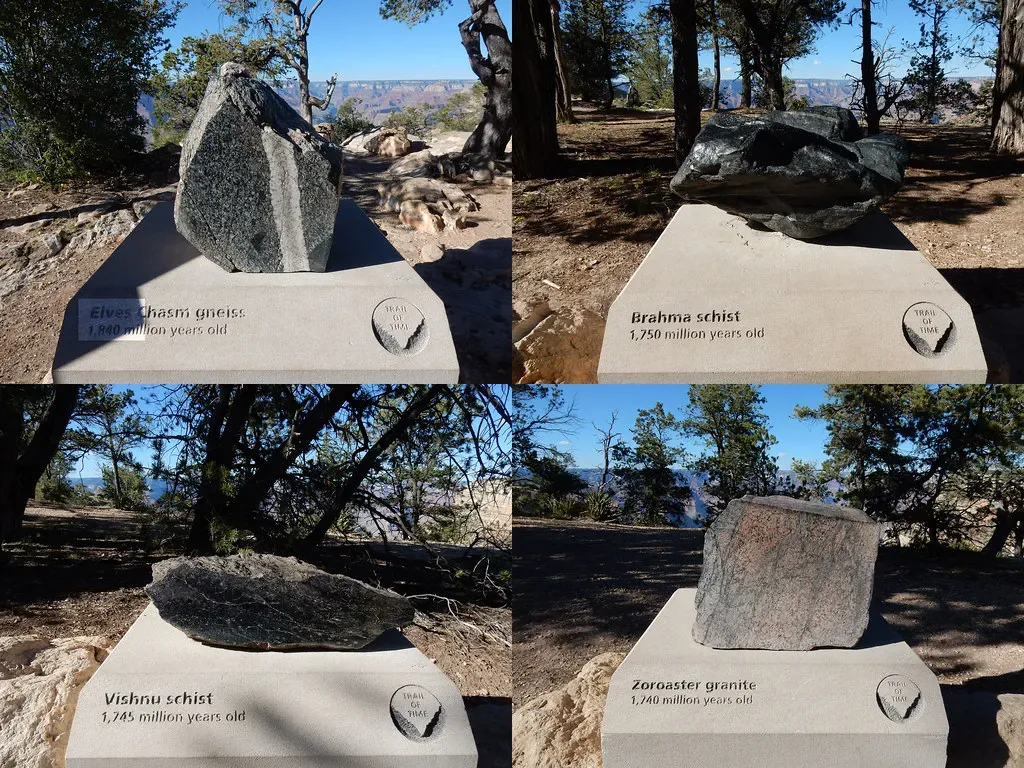
When you finally hike or ride down to the Colorado River, you are literally walking off the edge of the familiar part of Earth history. Those shiny, dark, folded rocks down in the Inner Gorge are called the Vishnu Basement Rocks, and they clock in at roughly between one thousand six hundred and eighty and one thousand eight hundred million years old. In other words, when these rocks first formed, there were no trees, no dinosaurs, not even fish; life was mostly simple microbes quietly changing the atmosphere.
You can imagine these rocks as the foundation slab of a skyscraper that had not been built yet. Long before the sweeping red cliffs and tan ledges you see near the rim were even an idea, hot magmas and deep-buried sediments were being cooked and squeezed more than ten miles underground to become the schists and gneisses you touch near the river. You are not just looking at old stone; you are looking at the remains of vanished mountain belts that rose and were worn flat hundreds of millions of years before the first dinosaurs ever walked.
The Great Unconformity: A Billion Years Vanish Beneath Your Feet
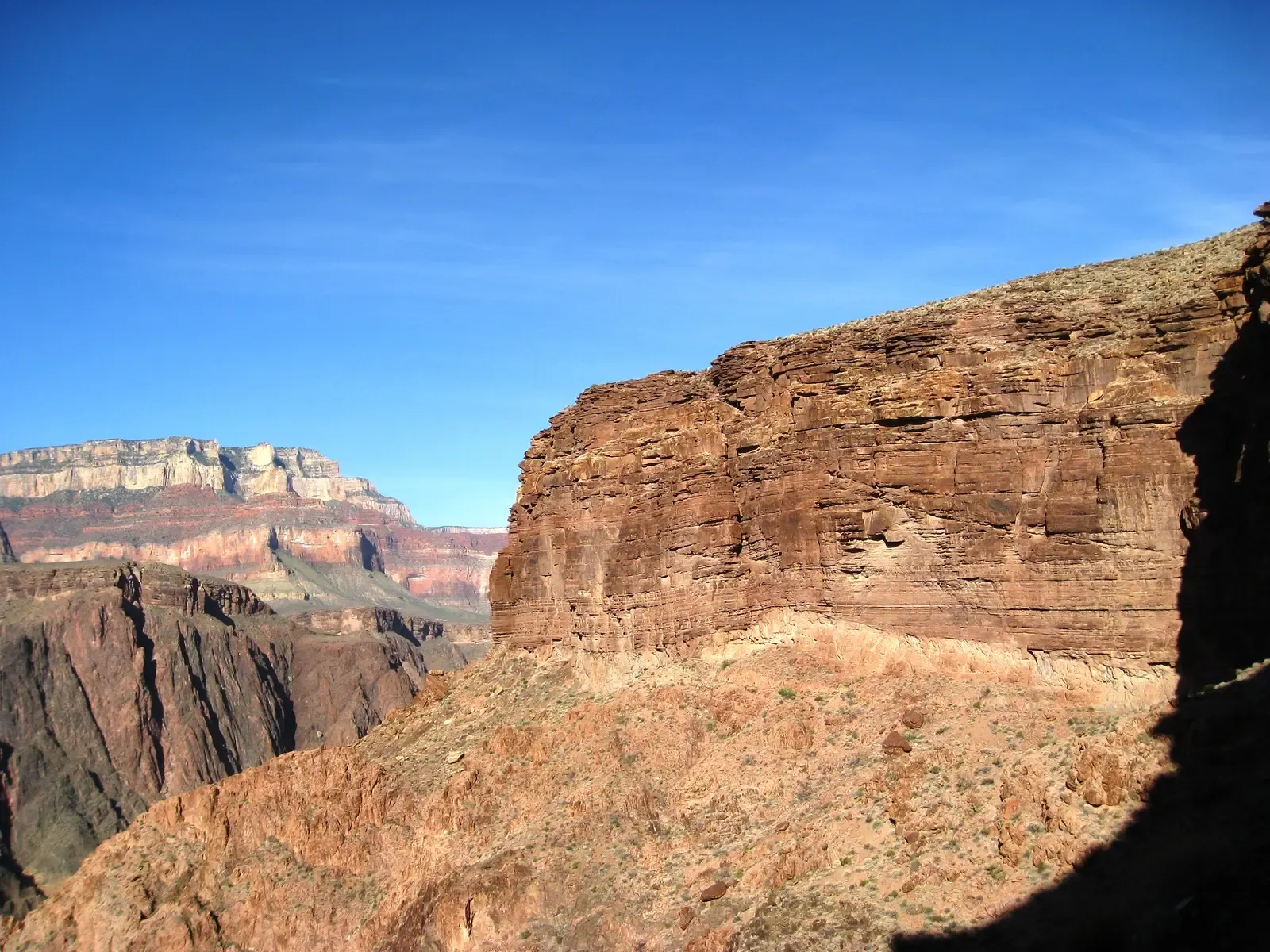
One of the strangest secrets you meet in the canyon is a line in the rock where nearly a billion years of history are simply missing. If you float a rafting trip or visit certain side canyons, you can stand with your hand on the contact where flat-lying Tapeats Sandstone rests directly on heavily crumpled, dark basement rock. Above that line: shallow ancient beaches and seas. Below it: deep, tortured crust that once sat far underground. Everything in between, hundreds of millions of years of rock, has been eroded away.
For you, this is where the canyon stops being just scenery and turns into a mystery novel. That single surface, called the Great Unconformity, tells you that an entire stack of rock once existed here and was worn off completely before the younger layers were laid down. You are left to picture continents colliding, mountain ranges rising higher than the modern Rockies, then being sanded away grain by grain until a new sea quietly flooded in over the leveled surface. It is like walking into a library and finding that an entire shelf of volumes has been ripped out, with only a faint dust mark to prove they were ever there.
The Canyon Itself Is Shockingly Young Compared To Its Bones
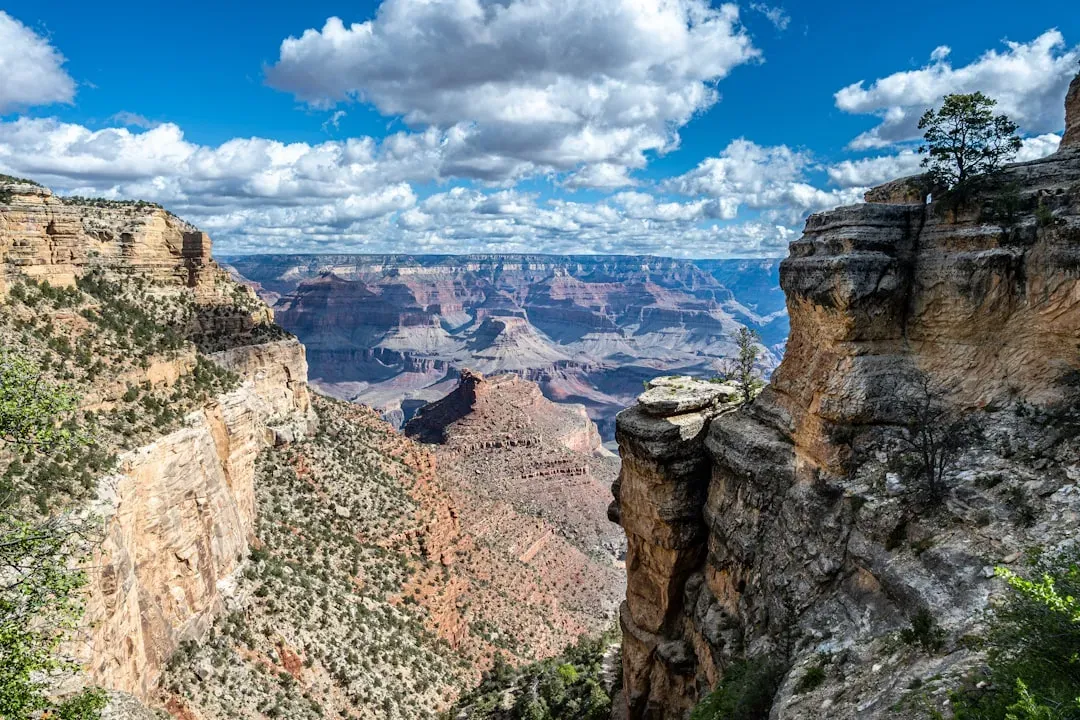
Here is the twist that usually surprises you most: the age of the canyon as a landform is not the same as the age of the rocks that make it. While those basement rocks may be nearly two billion years old, the deep connected trench you look into from the South Rim appears to have been carved mostly within the last five to six million years. That is still wildly ancient on a human scale, but it is almost like the last chapter in a huge, slow novel.
For a long time, geologists argued fiercely over whether parts of the Grand Canyon were tens of millions, or even over seventy million years old, based on subtle evidence buried in minerals and old river gravels. More recent work has been nudging the story toward a middle ground: some smaller, older canyons and drainage lines existed here before, but the fully integrated Colorado River slicing one long gorge from the Rockies to the Gulf of California is probably a fairly young development in Earth terms. It is as if the landscape had spent a very long time sketching drafts before finally committing to the bold, deep cut you see today.
An Ancient Lake That Helped Birth the Modern Abyss
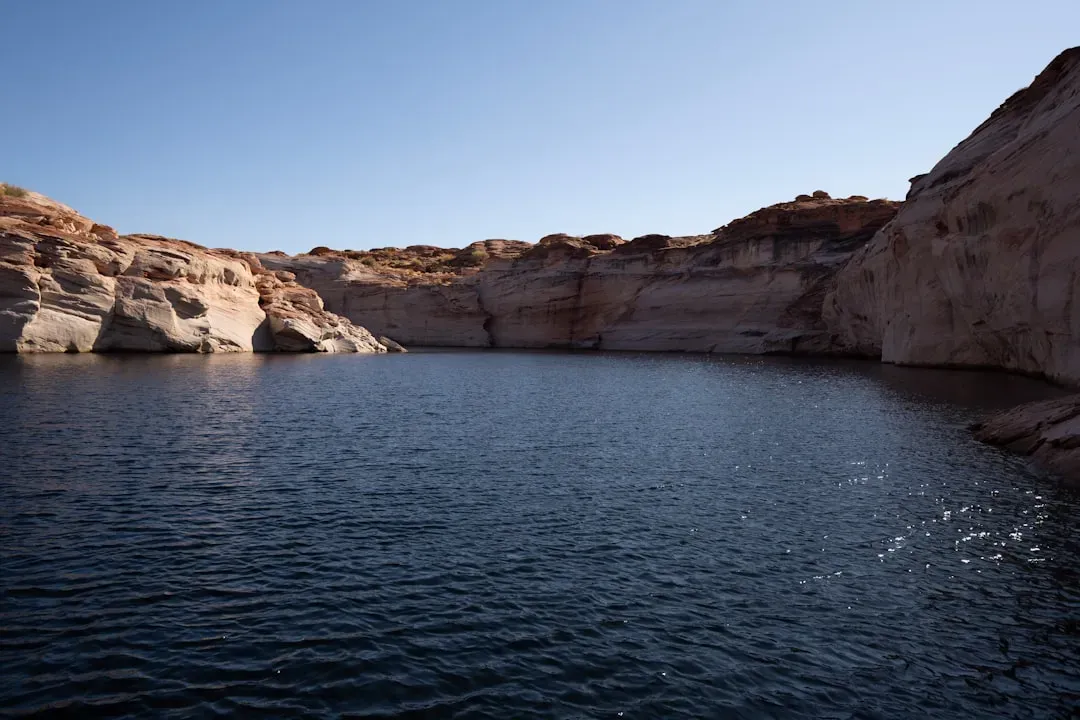
One of the most intriguing new pieces of the puzzle is the idea that a huge ancient lake helped “switch on” the modern Grand Canyon. When you look east of the canyon today, it can be hard to imagine that a broad basin once held a large lake fed by the ancestral Colorado River. But tiny grains of sand and mud, traced back to the upper river watershed and dated carefully, suggest that by around six and a half million years ago, the water was already arriving and quietly filling that basin.
You can picture this like a bathtub tucked just upstream of where the canyon now begins. Over time, the lake deepened and extended until, eventually, it spilled over a low divide. Once that spillover happened around roughly five and a half to six million years ago, water began pouring westward and downward, cutting into the rock like a saw finally finding a crack. Instead of imagining the canyon slowly appearing from a simple trickle, you start to see it more like a sudden rerouting of a major river system, with lake spillover, regional uplift, and river incision all teaming up to carve the chasm you know.
Continents Colliding: The Hidden Mountain Ranges Beneath the Rim
When you run your hand over the banded, glittery Vishnu Schist or the pale streaks of Zoroaster Granite at river level, you are touching the wreckage of long-lost mountain chains. Way back in the Paleoproterozoic, smaller bits of crust collided, welded on, and were shoved deep into the Earth, where heat and pressure cooked them into new forms. Later, molten rock rose up and intruded as granites, only to be buried again and eventually brought back to the surface by uplift and erosion.
In a way, the canyon lets you cheat. Instead of needing a time machine to see the roots of those ancient mountains, the Colorado River has done the excavation for you. The churning, muddy water has stripped off miles of younger layers so you can stand in the present and stare straight into the past meeting zone of old continental fragments. If you take a moment to let that sink in, the walls stop looking like just cliffs and start to feel like cross-sections of an entire planet being built, crumpled, and rebuilt again.
Why Scientists Still Argue About How Old “Old” Really Is
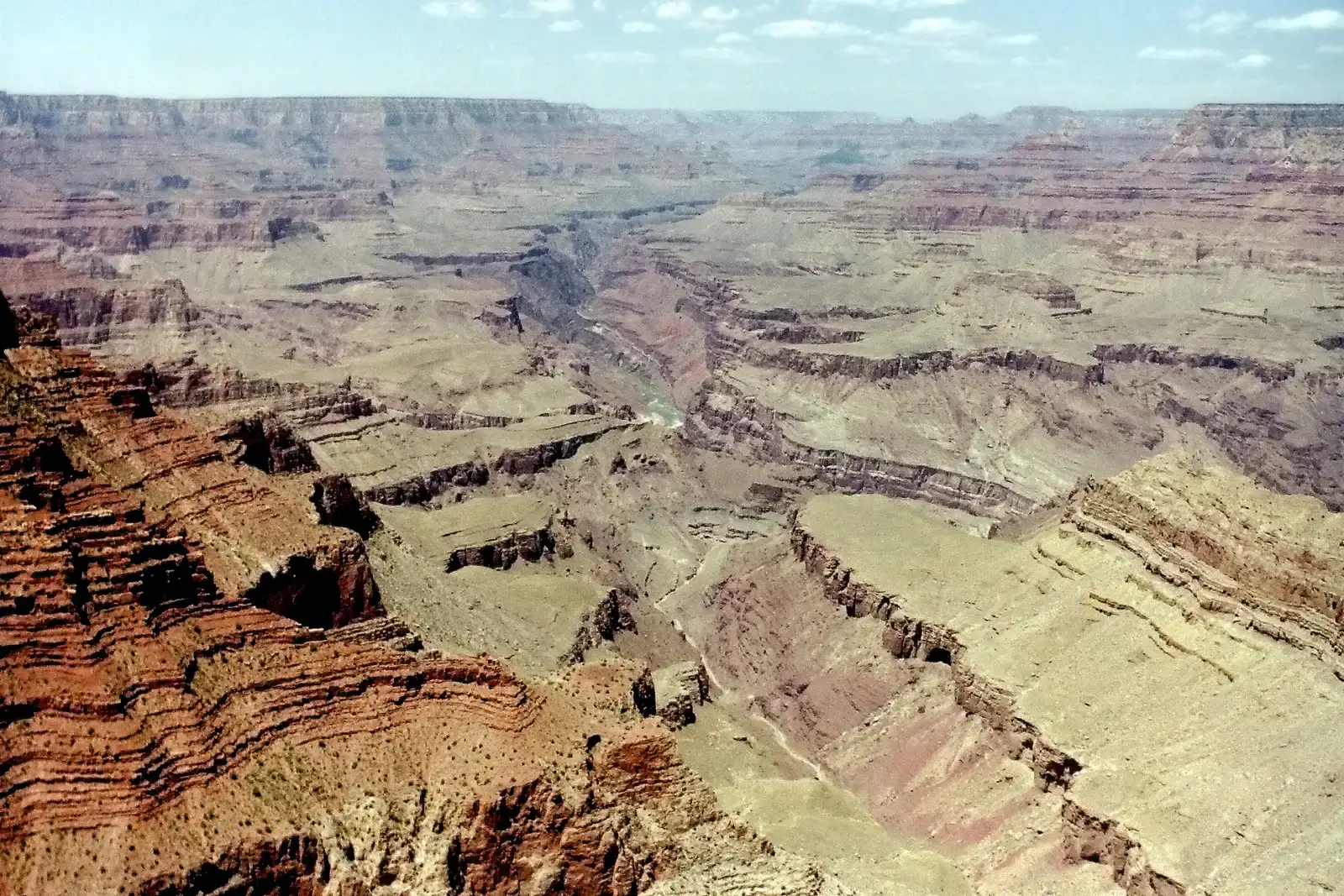
Even now, if you gather a group of geologists at a canyon overlook, you will not get perfect agreement on exactly when every section of the Grand Canyon formed. Some studies using delicate signals locked inside mineral crystals have suggested that certain western segments of the canyon might trace back to times when dinosaurs still roamed the Earth. Others, relying on river gravels, cave deposits, and landscape evolution modeling, point instead to a mostly young canyon, with only short, disconnected paleocanyons existing earlier.
For you as a visitor or reader, the key is not to memorize a single number but to understand why the debate exists. You are dealing with a landscape that has been uplifted, tilted, eroded, dammed, and reconnected over staggeringly long intervals. That means you can have ancient rocks, older partial canyons, and a relatively young integrated gorge all in the same place without anyone being entirely wrong. The real secret is that the canyon is less a one-time event and more a long, messy, evolving story that scientists are still piecing together with each new method and discovery.
Cosmic Curveballs, Landslides, and a Restless River
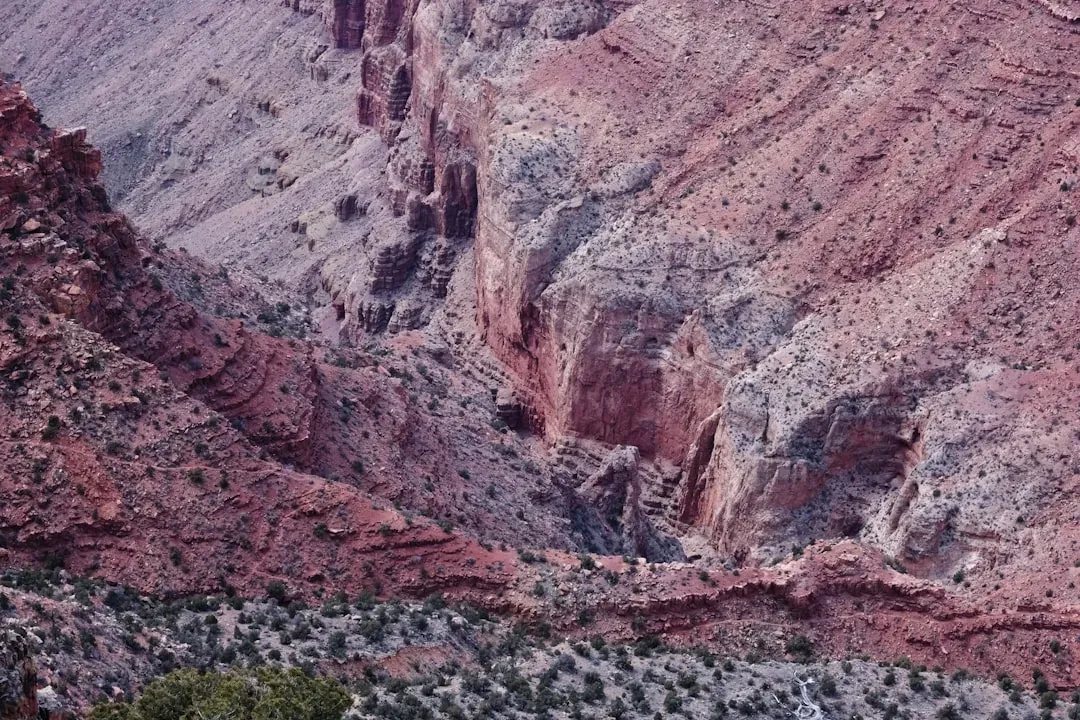
Just when you think the canyon story is nothing but slow erosion, the record throws you a curveball from space. Evidence from landslide deposits suggests that, around fifty to sixty thousand years ago, a meteor impact in northern Arizona may have sent shock waves racing through the crust and triggered a massive collapse into the Colorado River. That rockfall appears to have dammed the river, forming a temporary lake within the canyon itself before water eventually overtopped the debris and resumed its downcutting.
For you, this is a reminder that the Grand Canyon is not a frozen relic but an active, restless system. Even in the relatively recent past, giant rockfalls, lake back-ups, and sudden releases have reshaped segments of the gorge, leaving terraces and deposits that geologists can still read. If you stand on a broad bench high above the current river, it is worth wondering whether you are on the footprint of an old lake shore, a former river channel, or the top of some landslide that once transformed the landscape in what must have been a terrifying instant.
What You Actually See When You Look Across the Canyon
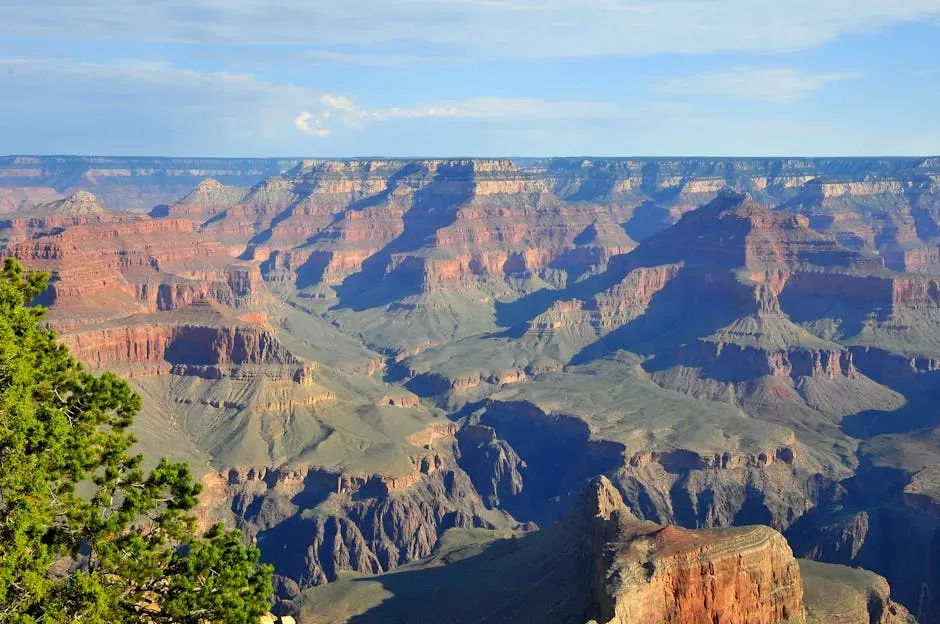
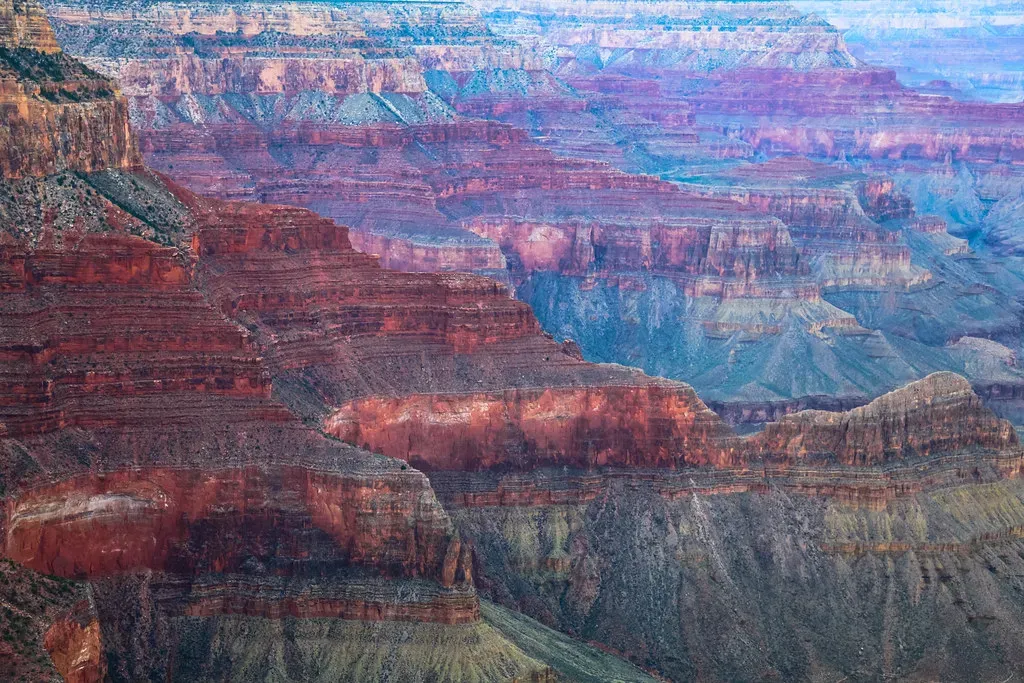
From the rim, the canyon can look like a color chart more than a history book, but every band of rock you see holds a separate chapter. Near the top, you are looking at limestones and sandstones from warm shallow seas and coastal dunes that existed hundreds of millions of years ago, when this part of North America sat closer to the tropics. As your eye travels downward, you cross into older marine muds and shoreline sands, then into tilted Precambrian layers of the Grand Canyon Supergroup where rifting basins once opened and filled before being partly removed.
Then, below all of that, the walls suddenly tighten and darken as you enter the Inner Gorge, where the ancient basement rocks appear. If you trace that view to its logical conclusion, you realize that a single vista is spanning well over a billion years of time. You are effectively reading Earth’s diary backwards, from the relatively recent chapters at the top down to the scrambled, heat-warped entries at the bottom. The secret is that the canyon does not just show you depth in space; it shows you depth in time, and the two are woven together so tightly that you cannot really separate them.
How Walking the Trails Turns You Into a Time Traveler
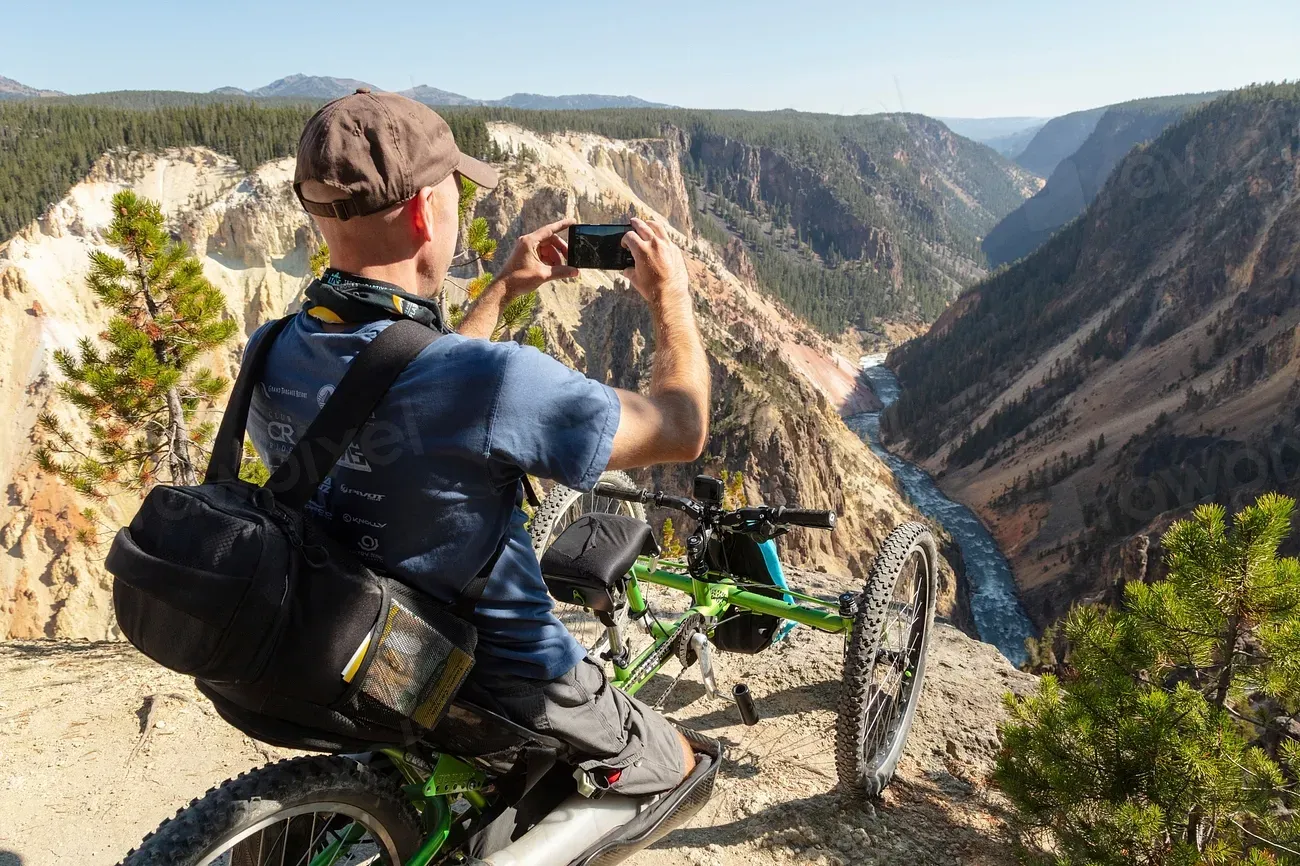
Hiking into the canyon turns this entire story from an abstract idea into something your legs and lungs can feel. As you drop off the rim on a trail like Bright Angel or South Kaibab, you pass through hundreds of millions of years in just a few hours. Each switchback cuts into a slightly older layer, and every change in color or rock type is a step further back in time. By the time your knees are protesting near the bottom, you have literally descended from the age of reptiles into an era when multi-celled life was still a fragile experiment.
If you stay overnight at Phantom Ranch or camp by the river, you get the chance to look up instead of down. Now the story flips: the youngest rocks sit on the skyline, and the oldest are at your back. The sheer height of the walls above you is a physical measure of how much rock the river has carved away. In that moment, you are not just a tourist on a hike; you are a witness to a landscape that has been in motion for longer than you can truly grasp, with every step marking a chapter that existed millions of years before your species even appeared.
Conclusion: Standing on the Rim of Deep Time
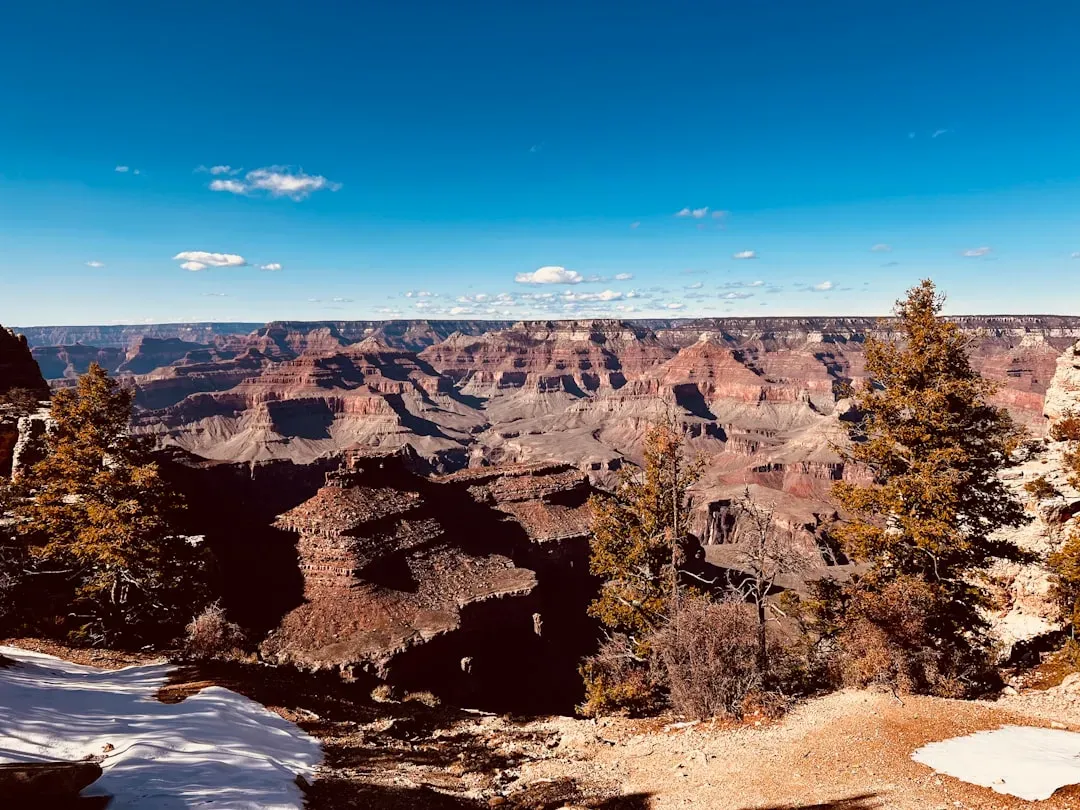
When you put all of this together, the Grand Canyon stops being just an impressive hole and becomes one of the clearest windows into deep time you will ever stand beside. The rocks at the bottom reach back nearly two billion years, recording vanished mountain ranges, buried crust, and ancient shorelines that came and went long before familiar life filled the planet. The canyon itself, cut mostly in the last few million years, is the latest sculpting pass in a landscape that has been uplifted, flooded, eroded, and rearranged more times than you can comfortably imagine.
The real secret is that you are living at a tiny, lucky moment when this entire story happens to be exposed and readable. Give it enough millions of years and new sediments could bury parts of it again, or erosion could strip away different sections and change the view entirely. Next time you see a photo of the Grand Canyon, or better yet, stand at the rim yourself, you might feel a little shiver at the thought that you are peeking into chapters of Earth’s past that are far older than anyone once guessed. Now that you know what you are really looking at, can you ever see that landscape as “just a canyon” again?