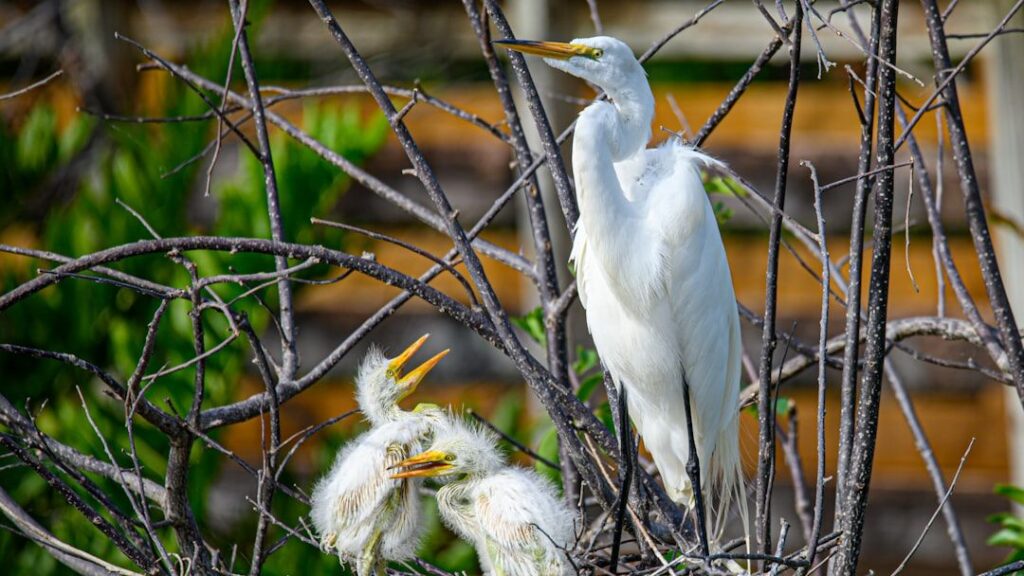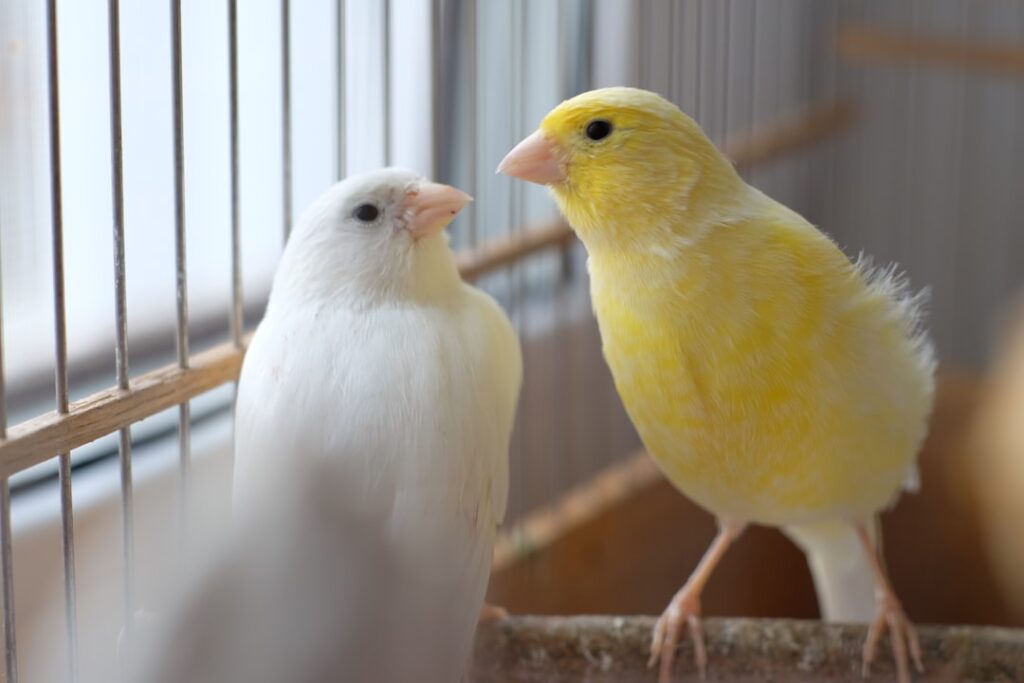
Hong Kong and Singapore – These bustling Asian hubs imported nearly a million live wild birds from Africa between 2006 and 2020, according to newly analyzed trade data. The surge highlighted a shift in global patterns, as demand grew among affluent collectors and pet enthusiasts. Canaries dominated the shipments, raising alarms about sustainability and hidden risks to ecosystems.
A Trade Flying Under the Radar
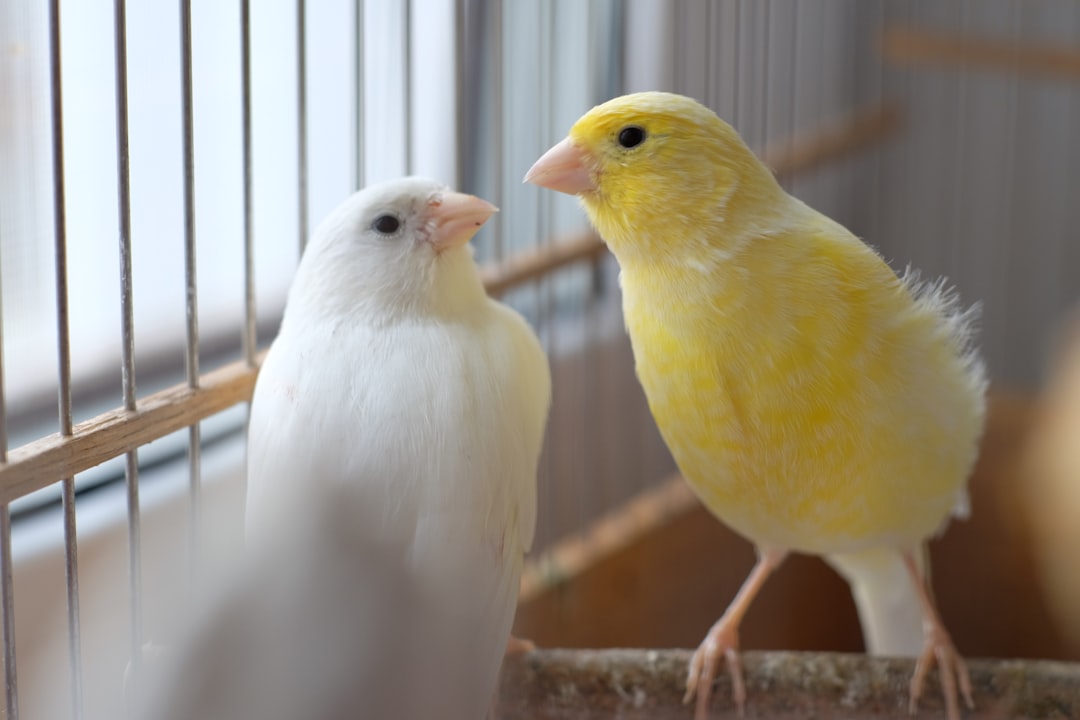
A Trade Flying Under the Radar (Image Credits: Unsplash)
Researchers uncovered the extent of this commerce through United Nations trade records and Hong Kong import logs. The volume exceeded one million non-CITES-listed birds overall, with Africa supplying about 65% or roughly 709,000 individuals. Singapore handled nearly three-quarters of the total, while Hong Kong provided detailed species breakdowns.
Imports peaked after 2010, coinciding with Asia’s economic rise and expanded air links. Declines appeared post-2018, linked to export bans in Tanzania and Singapore’s flu-related curbs. Still, the data exposed gaps in monitoring non-protected species.
Canaries and Songbirds Dominate Shipments
Yellow-fronted canaries (Crithagra mozambica) and white-rumped seedeaters (Crithagra leucopygia) comprised 84% of Hong Kong’s African bird imports from 2015 to 2020.[1] These small songbirds topped lists due to their appeal in pet markets and singing contests. Other frequent arrivals included cut-throat finches (Amadina fasciata) and black-throated canaries (Crithagra atrogularis).
At least 34 African songbird species reached Hong Kong alone. Parrots like the African grey (Psittacus erithacus) appeared before its 2017 protections, alongside whydahs and parakeets now invasive elsewhere. Wild capture fueled most exports, as breeding facilities remained scarce.
Export Hotspots in Weakly Regulated Nations
Mali emerged as the leading supplier, accounting for 28% of African exports, followed by Guinea, Tanzania, and Mozambique. These countries hosted over two-thirds of the trade, often amid lax oversight. Fraudulent permits surfaced in Mali cases.
| Top Exporters | Share of African Trade |
|---|---|
| Mali | 28% |
| Guinea | Significant portion |
| Tanzania | Key player |
| Mozambique | Major source |
West Africa gained prominence post-2011, shifting from earlier East African focus. Delistings, like Ghana’s 2007 removal of 114 species from CITES Appendix III, rendered much trade invisible.
Risks to Wildlife, Health, and Ecosystems
Populations of targeted canaries showed declines in the wild, per conservation databases. The traffic threatened seed dispersal, pollination, and pest control roles of these birds. Globally, trade endangers over 200 avian species.
- Disease spread: Crowded shipments risked avian influenza, circovirus, and psittacosis.
- Invasives: Pin-tailed whydahs invaded U.S., Caribbean, Hawaii; ring-necked parakeets harmed Europe.
- Unregulated volume: CITES covered just 14% of traded birds.
- Legal laundering: Open trade masked illicit parrot flows.
“There’s a lack of awareness and appreciation for the scale of this trade, and little attention on the impacts that this could be having on wild populations or the risks for the spread of invasive species and infectious diseases,” said Rowan Martin, director of bird trade at the World Parrot Trust.
Pathways to Tighter Controls
Experts urged import bans on wild birds from high-risk origins and mandatory quarantines. Positive lists for captive-bred, non-invasive pets gained traction in places like the EU and South Korea. Simon Bruslund of Copenhagen Zoo noted, “The trade is certainly not static and exporters quickly adapt to opportunities.”
African nations weighed policy reversals if harms outweighed gains. Global cooperation targeted online sales via platforms like Facebook. Such steps could safeguard species while curbing biosecurity threats.
Key Takeaways
- Africa supplied nearly 709,000 birds to Asian hubs from 2006-2020, led by canaries.
- Weak regulations in Mali, Guinea, and others enabled unchecked exports.
- Trade risks population crashes, diseases, and invasives – prompting calls for import restrictions.
This overlooked commerce underscores the need for vigilant monitoring in a globalized pet market. Stricter measures promise to protect avian diversity before more species vanish from their native ranges. What steps should governments take next? Share your views in the comments.