There is something almost unfair about the Grand Canyon. You walk up to the rim expecting a dramatic view, and then the sheer scale of what you’re looking at simply refuses to compute. Your brain insists it must be a painting, a backdrop, a trick of the light. It is none of those things. It is, in fact, one of the most honest places on Earth – a raw, open wound in the planet’s crust where nearly two billion years of history lie exposed, layer by beautiful layer, for anyone willing to look closely enough.
Yet for all its fame – millions of visitors every single year, photos plastered on every travel magazine, countless documentaries – the Grand Canyon is still extraordinarily misunderstood. Most people see a fraction of it, know a fraction of its story, and leave thinking they’ve seen the whole thing. Honestly, that’s not even close. The deeper you go – literally and intellectually – the stranger, older, and more astonishing it becomes. Let’s dive in.
A Window Into Nearly Two Billion Years of Earth History
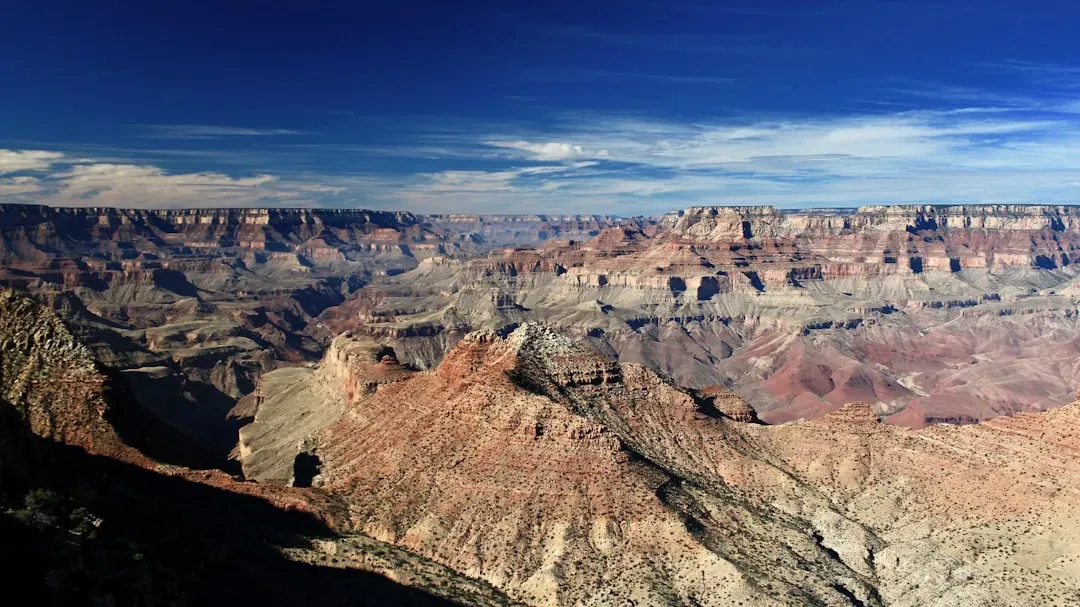
You want perspective? Real, gut-punch perspective? The Grand Canyon is one of the few places on Earth where nearly two billion years of geological history can be seen all at once. Think about that for a moment. Stand at the rim and you are essentially staring at a timeline of the planet itself, compressed into a mile-deep chasm.
The nearly 40 major sedimentary rock layers exposed in the Grand Canyon range in age from about 200 million to nearly two billion years old, and most were deposited in warm, shallow seas and near ancient, long-gone shores in western North America. It’s the geological equivalent of reading an encyclopedia – except the pages are made of stone and stretch for miles.
The Ancient Vishnu Basement Rocks: Earth’s Deepest Storytellers
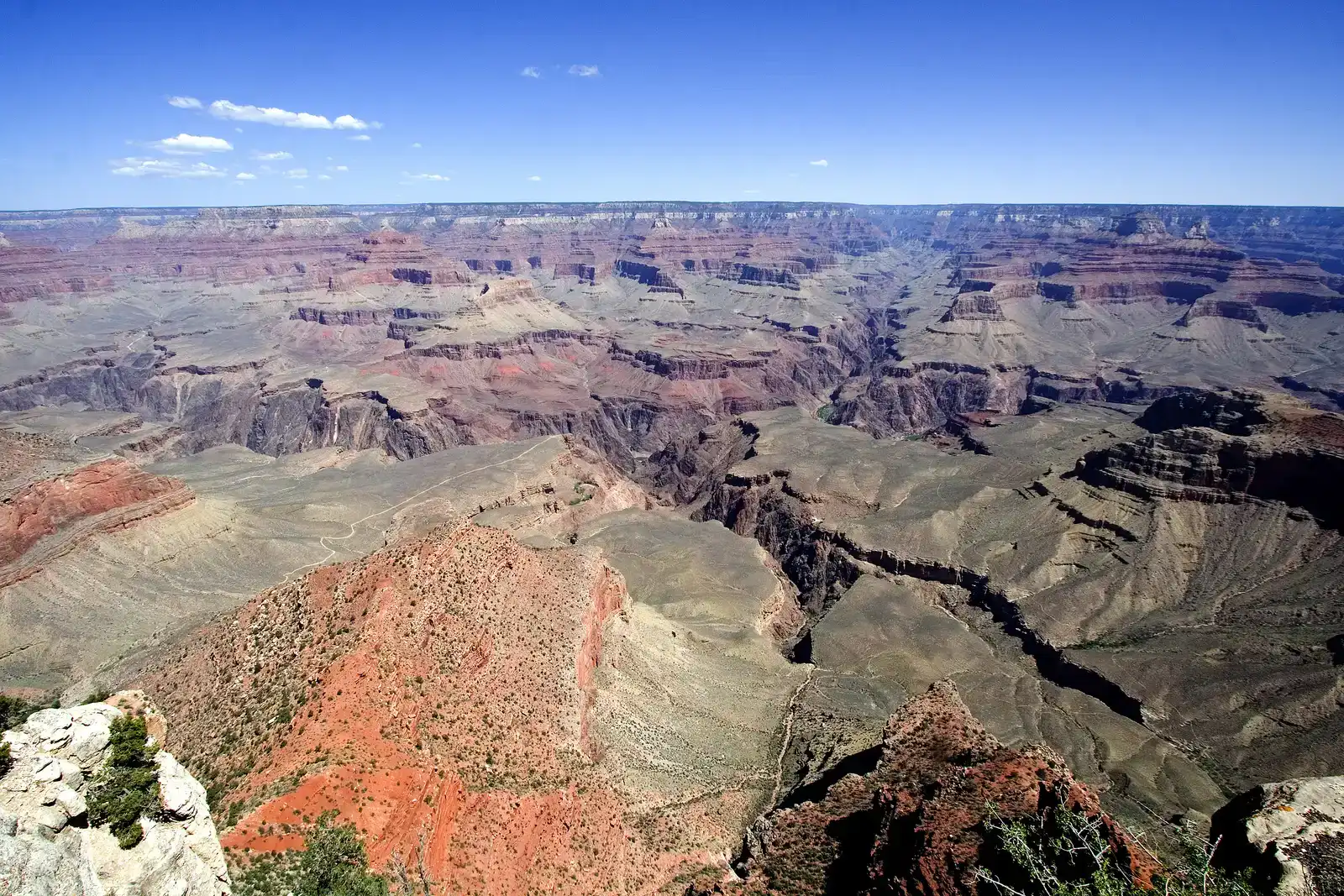
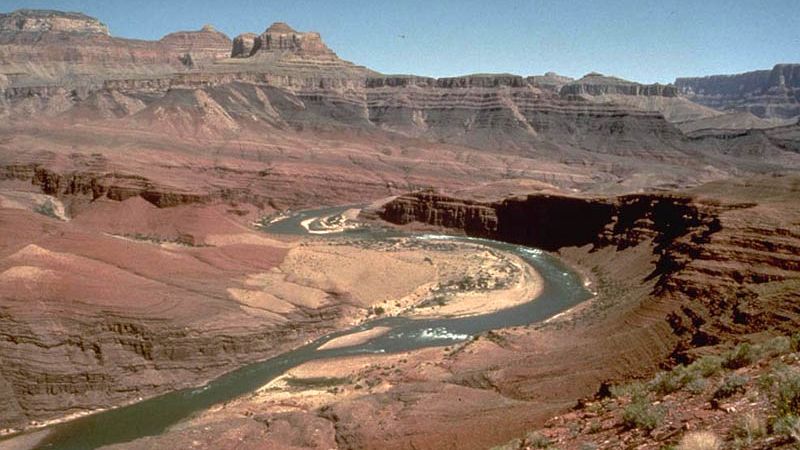
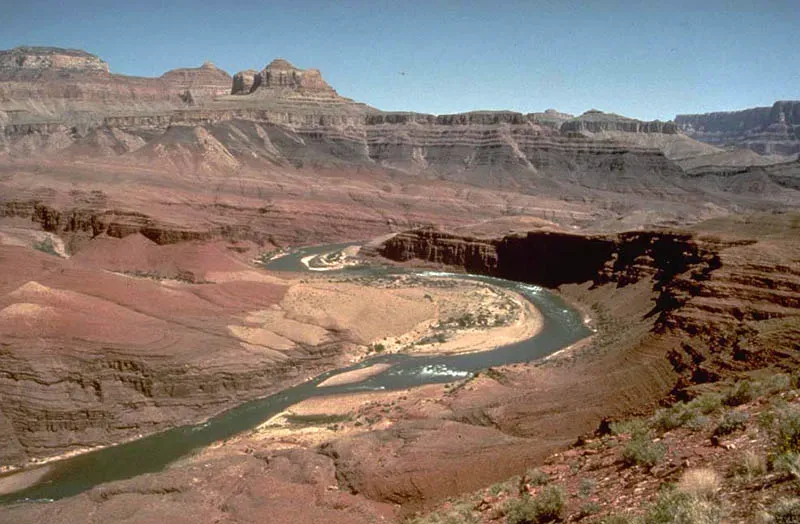
Down at the very bottom of the canyon, pressed against the Colorado River, lies some of the oldest accessible rock on the planet. The dark black rock at river level represents a big leap back in time – this Vishnu Schist first appeared almost two billion years ago, formed as lava was exposed to the heat and pressure of colliding volcanic islands with the North American landmass. It is, quite literally, the ancient bones of a mountain range that no longer exists.
The oldest rocks in the Grand Canyon, found at the bottom of the canyon, are primarily metamorphic with igneous intrusions. The intrusive igneous rocks are called Zoroaster Granite, and the name given to this entire rock set – the combination of metamorphic and igneous rock of a certain age found at this location – is Vishnu Basement Rocks. When you hike down to the Inner Gorge and place your hand on that dark, foliated stone, you are touching something that formed when the earliest complex life was barely beginning to stir on this planet. That does something to you.
The Great Unconformity: A Gap So Vast It Defies Imagination
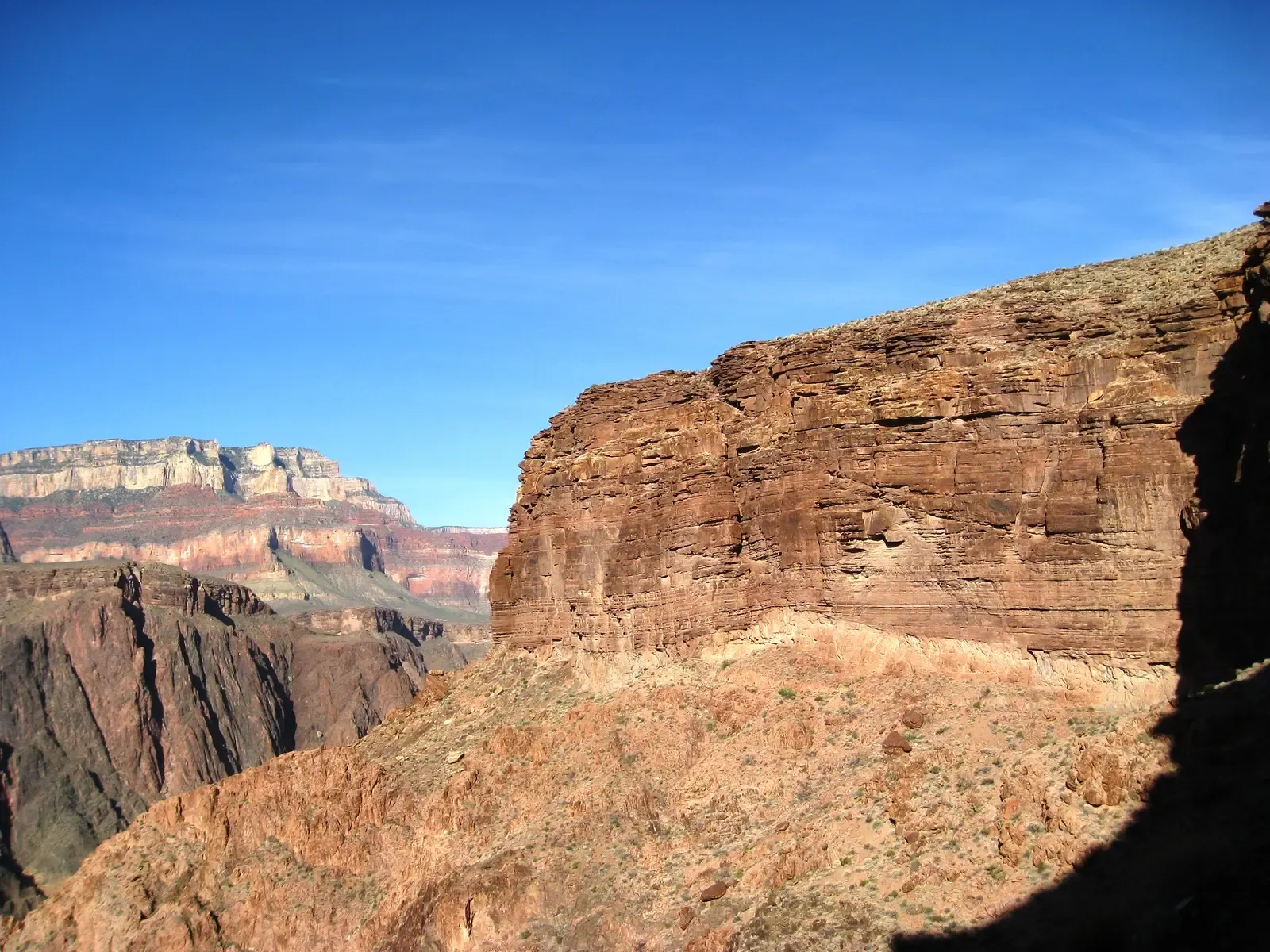
Here is where things get genuinely bizarre, and honestly, a little unsettling if you let yourself think about it. The Grand Canyon offers one of the most visible examples of a worldwide geological phenomenon known as the Great Unconformity, in which 250 million-year-old rock strata lie back-to-back with 1.2 billion-year-old rocks. What happened during the hundreds of millions of years between remains largely a mystery. Imagine if someone ripped roughly 900 million years of pages out of a history book. That is what you are looking at.
Geologists are still unsure of the exact origin of the Great Unconformity, but it may have been caused by a major episode of continental uplift following the formation of the North American craton. This uplift would have exposed the continent – then completely barren of life – to extensive erosion for hundreds of millions of years before it was submerged by a shallow sea in the Cambrian, allowing deposition to resume. Imagine centuries and millennia of rock simply eroding away, leaving no trace. You can think of unconformities as missing “pages” in the book of the geologic record – and the very fact that this gap exists actually provides information to geologists, indicating changing ocean levels or changes in the Earth’s crust.
How Old Is the Canyon, Really? Scientists Are Still Arguing
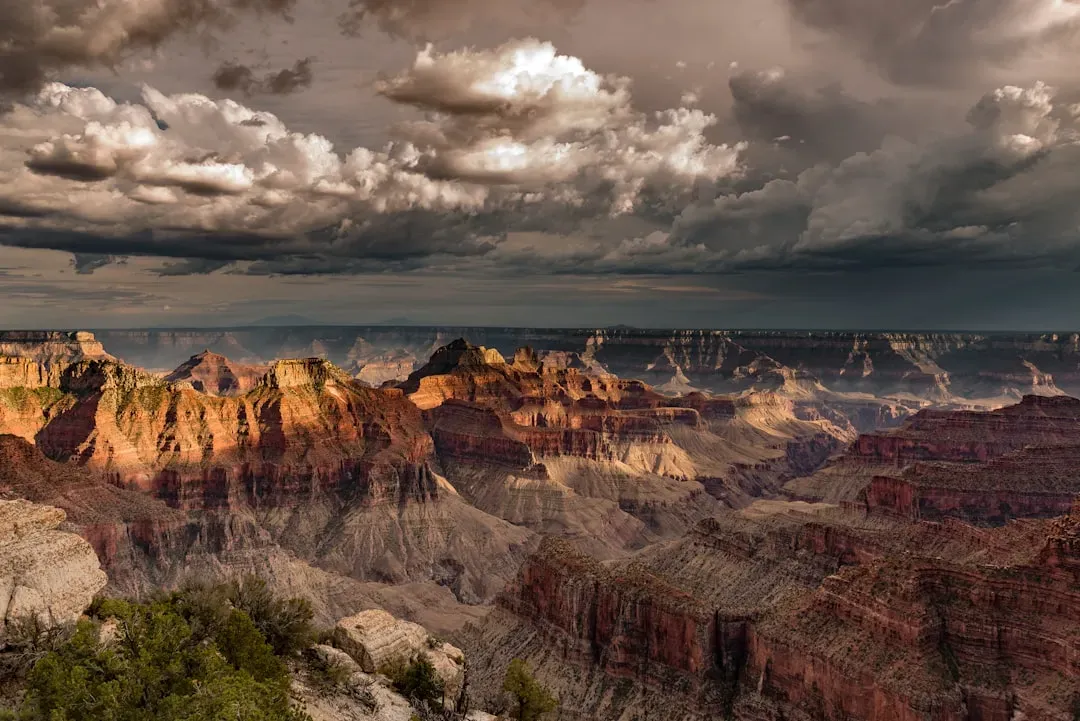
You might assume geologists have settled the question of the Grand Canyon’s age by now. They haven’t, and the debate is genuinely fascinating. It has long been believed that the Colorado River began carving the Grand Canyon about 6 million years ago, but a 2012 study contained a real shocker, suggesting that the process may have begun as far back as 70 million years. That changes everything about how we picture the canyon’s birth.
The emerging scientific consensus is that the canyon is made up of multiple segments which formed at different times and eventually connected to become the waterway now traversed by the Colorado River. Of the three central segments, the “Hurricane” was formed between 50 and 70 million years ago, and the “Eastern Grand Canyon” was cut 15 to 25 million years ago. In contrast, the “Marble Canyon” and “Westernmost Grand Canyon” segments at the ends of the canyon were carved in the last five to six million years. So when someone asks you how old the Grand Canyon is, the honest answer is: it depends on which part you’re talking about.
The Colorado River: A Sculptor Still at Work
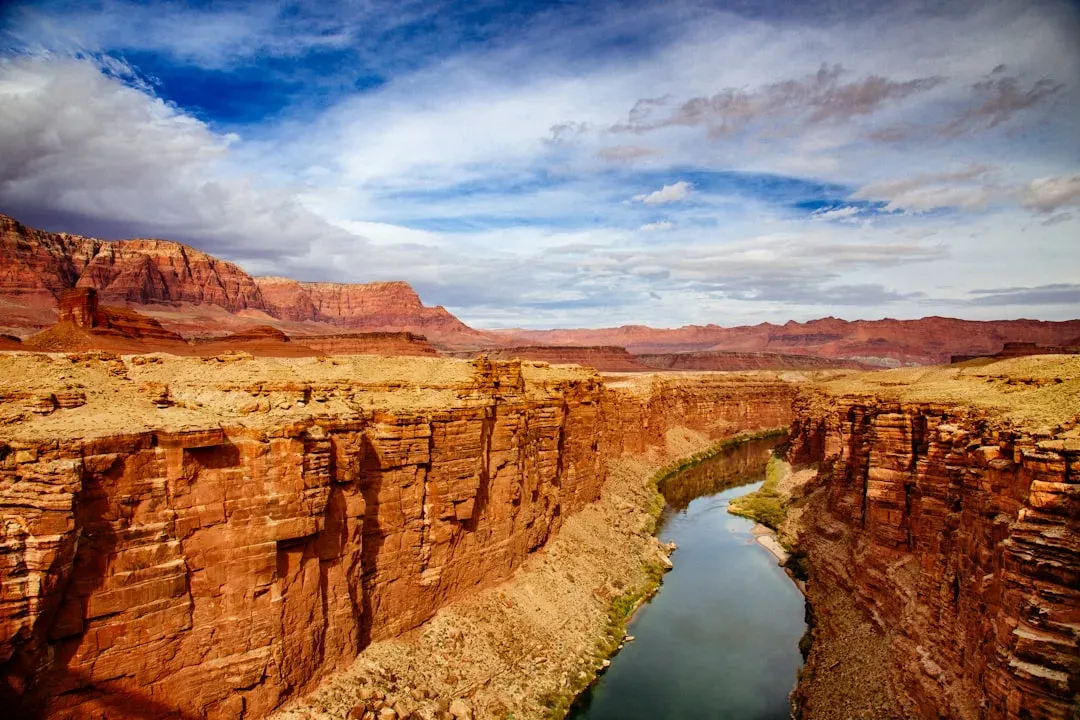
The Colorado River has been hard at work carving a gorge more than a mile deep into the Colorado Plateau, giving us one of the most awe-inspiring landscapes in the world. It is easy to think of the canyon as a finished thing, a completed sculpture. It is not. The river continues to be an agent of change, reshaping the canyon over time, and the canyon isn’t fully formed as long as water keeps flowing.
The steep-walled canyon results partly from the arid climate – the Colorado River cuts down faster than rainwater can erode the canyon’s sides. That detail alone reshapes how you picture the whole formation process. Today, the Glen Canyon Dam controls the Colorado River, providing electricity to six states and changing the natural flow patterns. Since its construction in 1963, researchers have been studying how changes in river flow affect the erosion and deposition of sediment along the Colorado River. Slow it down too much, and the canyon as we know it will gradually change into something else entirely.
A Fossil Record Written in Stone: Life Through the Ages
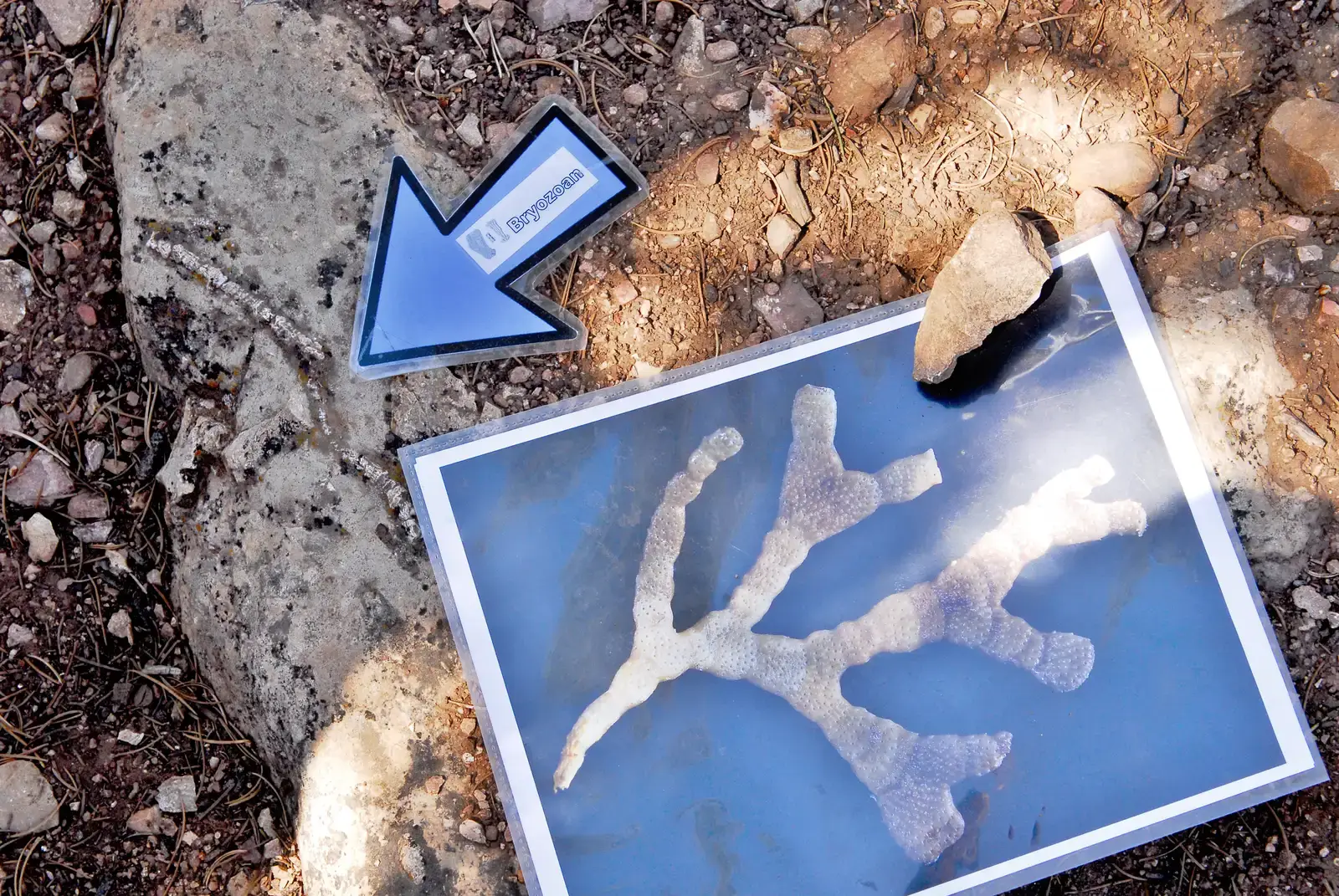
There is no better natural fossil library on Earth than this canyon. Layers of sandstones, shales, and limestones are stacked on top of each other, trapping clues about the creatures that lived during each chapter of the canyon’s geologic history. Walk down a trail and you are quite literally walking through time. As you stand on the Kaibab Limestone on the South Rim, imagine what the Grand Canyon landscape was like 275 million years ago – a vast ocean full of sea life, including fish, sharks, cephalopods, shrimp, and crinoids.
Life changed drastically around 320 to 280 million years ago. The Grand Canyon region was teeming with plant life, including fern-like organisms and conifers. Large insects, including dragonflies with 28-inch wingspans, also started to appear. Plant structures, dragonfly wings, and animal tracks can all be found in the Supai Group and Hermit Shale layers. Interestingly, there is one conspicuous animal missing from this history – dinosaurs. The youngest rocks at the Grand Canyon are still older than the oldest known dinosaurs, so you won’t find any Jurassic-era reptiles here.
Over a Thousand Hidden Caves Beneath Your Feet
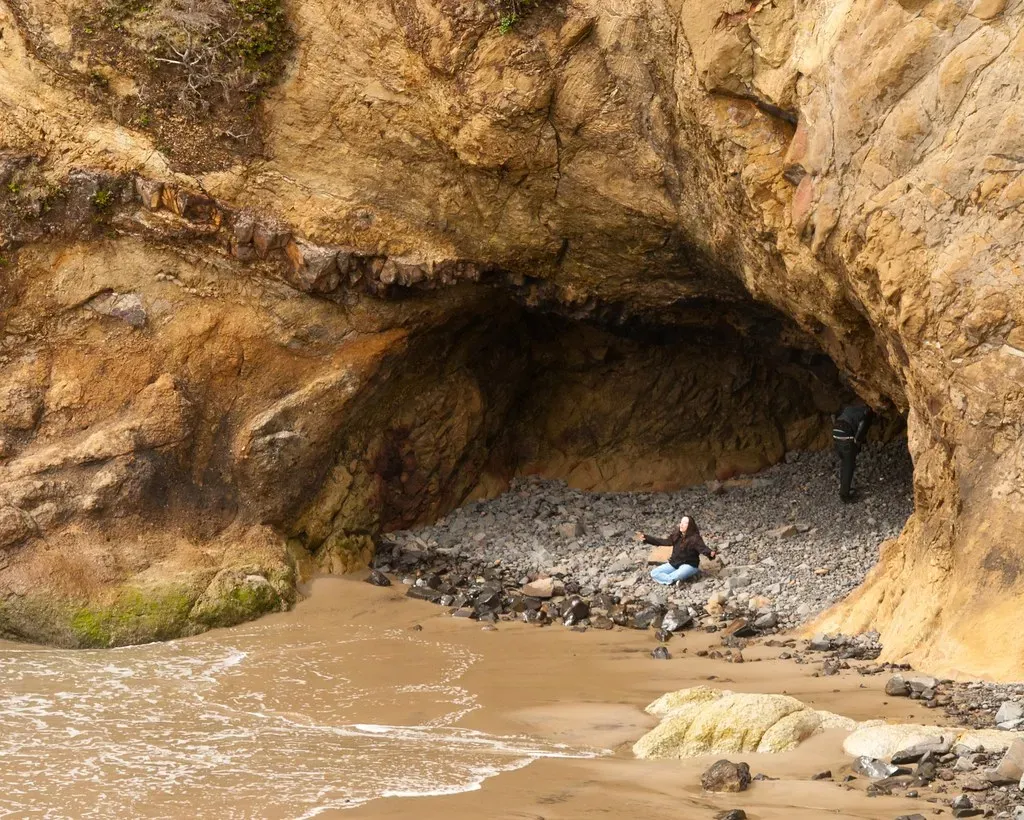
Most visitors stand at the rim, stare into the canyon’s depths, and have absolutely no idea what is honeycombed inside the walls beneath them. Beneath the surface of the Grand Canyon lies an extraordinary network of caves, many of which remain unexplored. With over 1,000 documented caves, only one is open to the public – the Cave of the Domes on Horseshoe Mesa. Think about that ratio for a second. One cave out of more than a thousand.
Over a thousand caves have been mapped, but most are sealed to protect fragile formations, fossils, and ancient artifacts. Only a few are open to researchers or guided exploration. Some researchers believe there are still undiscovered caves within the canyon, possibly containing fossils, ancient artifacts, or even species unknown to science. It is hard to say for sure, but the idea that entire undiscovered ecosystems could be sitting quietly inside those canyon walls is one of the most thrilling scientific possibilities in the American Southwest.
The Indigenous Peoples: Guardians of the Canyon Since Time Immemorial
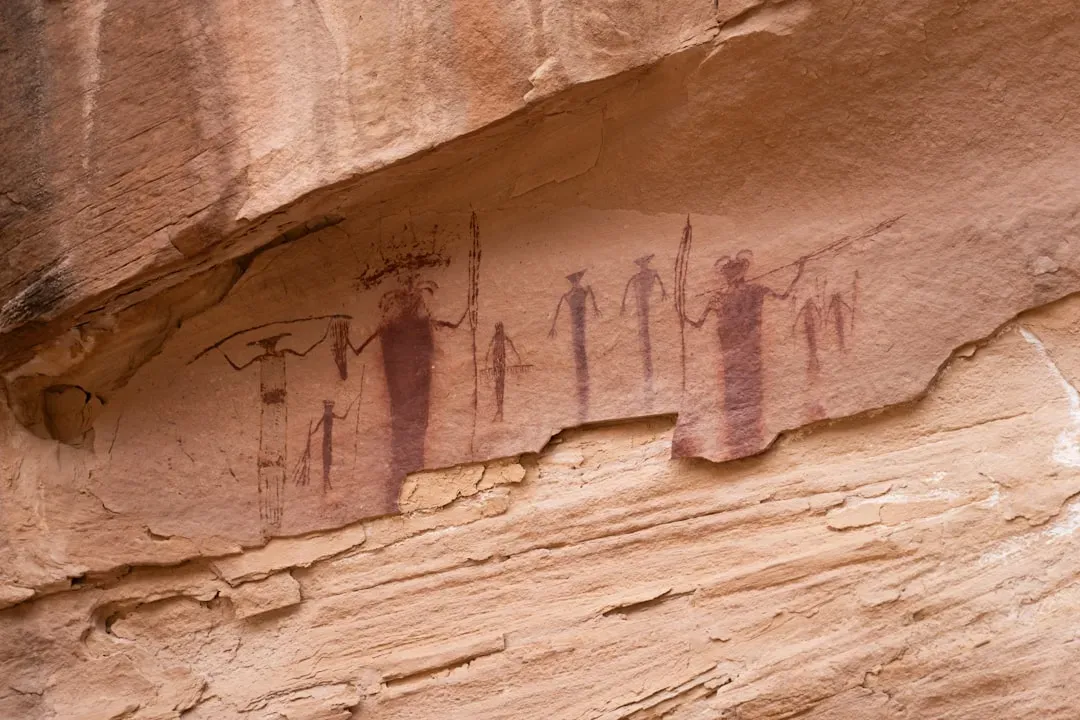
Let’s be real about something the tourist brochures often gloss over. The Grand Canyon was not “discovered” by Europeans – it was home to thriving human civilizations long, long before anyone arrived from the Old World. Archaeologists generally agree that ancient humans have been living in and around the Grand Canyon for approximately 10,000 years. For thousands of years, the area has been continuously inhabited by Native Americans, who built settlements within the canyon and its many caves. The Pueblo people considered the Grand Canyon a holy site and made pilgrimages to it.
The Havasupai Tribe is one of 11 Native American tribes traditionally affiliated with Grand Canyon National Park. They’ve been living among the canyon’s towering red walls and expansive high desert landscape for centuries, before it ever became a U.S. national park. Today, they are the only Native American tribe that still lives below the rim of the Grand Canyon. The Havasupai have lived in the Grand Canyon for at least the past 800 years, and their name means “people of the blue-green water,” referring to Havasu Creek, a tributary of the Colorado. Their presence there is not a historical footnote. It is an ongoing, living reality.
Modern Science Is Still Rewriting the Canyon’s Story
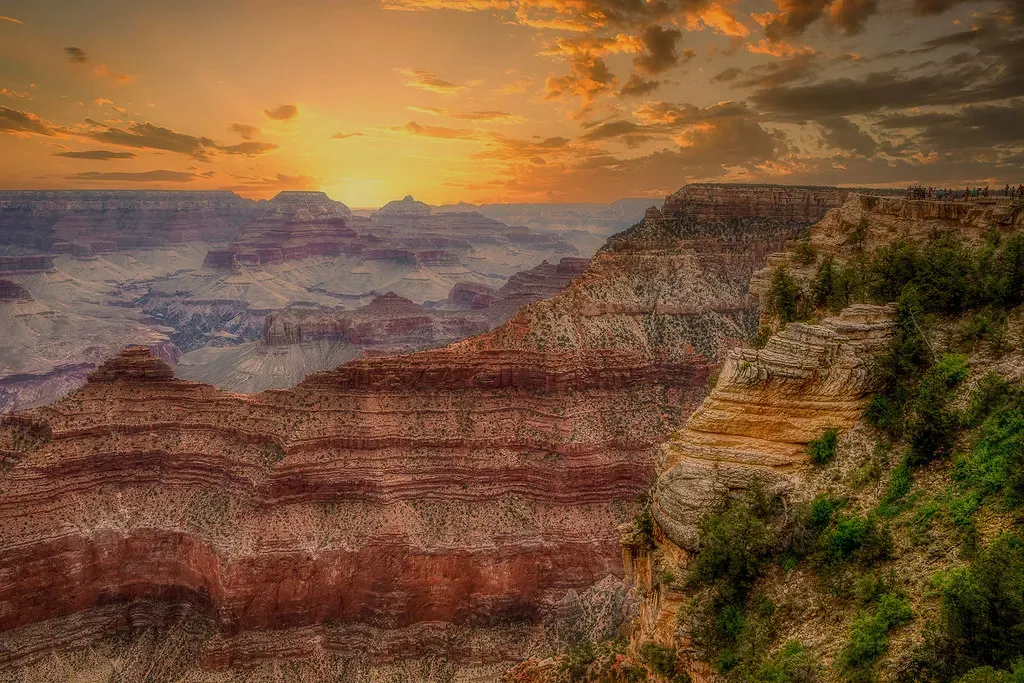
Here is something that doesn’t get nearly enough attention: for all the research that has already been done, the Grand Canyon is still actively giving up its secrets. In efforts to map out the canyon’s geological history, new tools have played a crucial role. Technology like three-dimensional scanning has allowed geoscientists to create detailed, accurate models of the canyon’s rock formations. It is as if the canyon is slowly allowing itself to be understood, but only on its own schedule.
Recent research suggests we may need to carve a few years off the Grand Canyon’s age, after the Arizona National Park was found to be younger than previously thought. This revelation challenges long-held assumptions about one of the world’s most iconic natural wonders. Climate changes and erosion constantly reshape the canyon, revealing new rock formations and altering the landscape over time. In other words, the story of the Grand Canyon is not finished. Not by a long shot. Every new expedition, every new scan, every new sample adds another sentence to a geological novel that has been writing itself for almost two billion years.
Conclusion
Standing at the rim of the Grand Canyon, it is tempting to feel like you have seen it. You haven’t. Not really. What you have seen is an opening sentence, a spectacular cover page of something far deeper and stranger than any single visit can reveal. The rocks beneath your feet carry memories of vanished oceans, ancient mountains ground to dust, lost centuries of time compressed into stone. Indigenous communities whose cultures are inseparable from this landscape have called it sacred for thousands of years – and honestly, that word feels more accurate the more you learn about it.
The canyon is not a finished monument. It is an evolving conversation between water, rock, time, and life – and scientists in 2026 are still only beginning to hear what it is trying to say. Next time you visit, or even if you’re just looking at a photograph, take a second longer than feels comfortable. Let the scale of it press down on you. That feeling of overwhelmed smallness? That’s the canyon doing its job.
What part of the Grand Canyon’s story surprised you the most? Tell us in the comments.