Long before wildebeest thundered across the Serengeti or caribou dotted the Arctic tundra, the Earth was witness to something even more staggering. Colossal herds of creatures, some weighing many tons, were on the move. They crossed continents, climbed mountain ranges, and navigated ancient land bridges that no longer exist. The sheer scale of it is hard to wrap your head around.
These weren’t random wanderings. They were purposeful, seasonal, deeply instinctual journeys etched into the biology of animals that have long since vanished from the face of the Earth. From Cretaceous dinosaurs marching toward the Arctic Circle to Ice Age mammoths clocking distances equivalent to circling the globe twice, the story of prehistoric migration is one of the most breathtaking chapters in natural history. So let’s dive in.
When Dinosaurs Led the First Great Marches
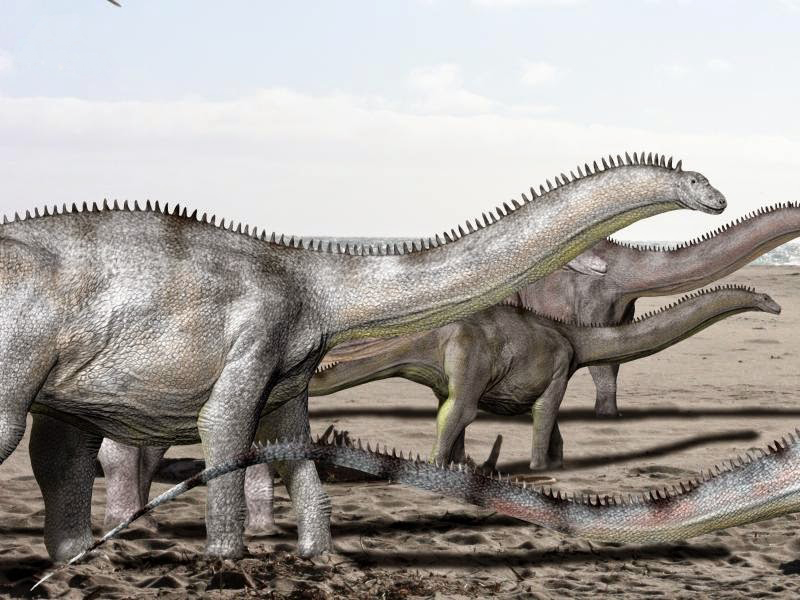
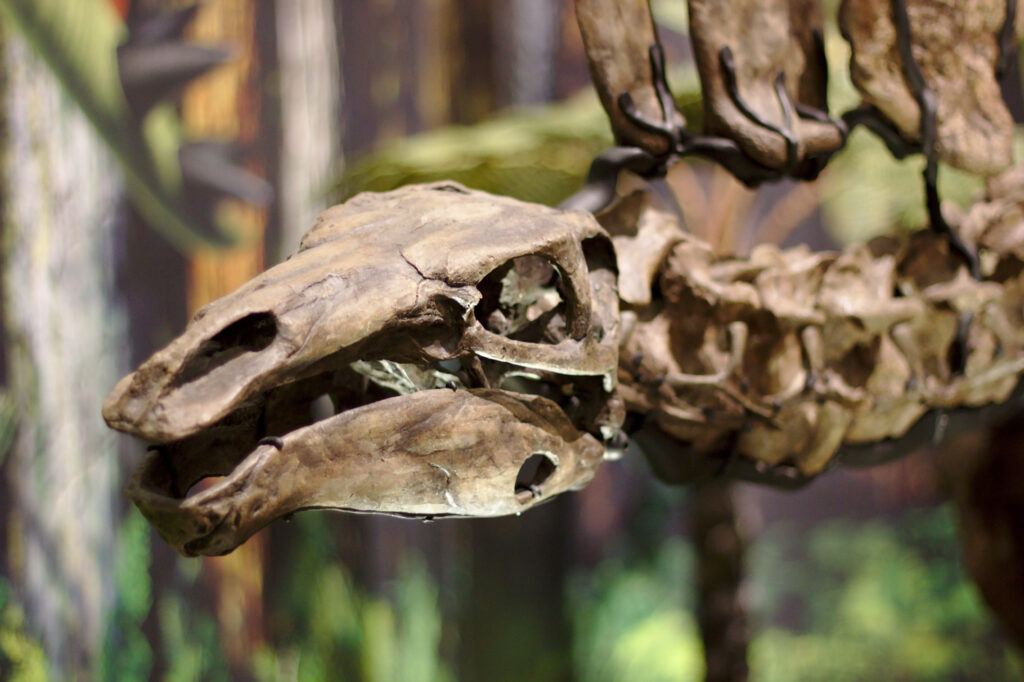
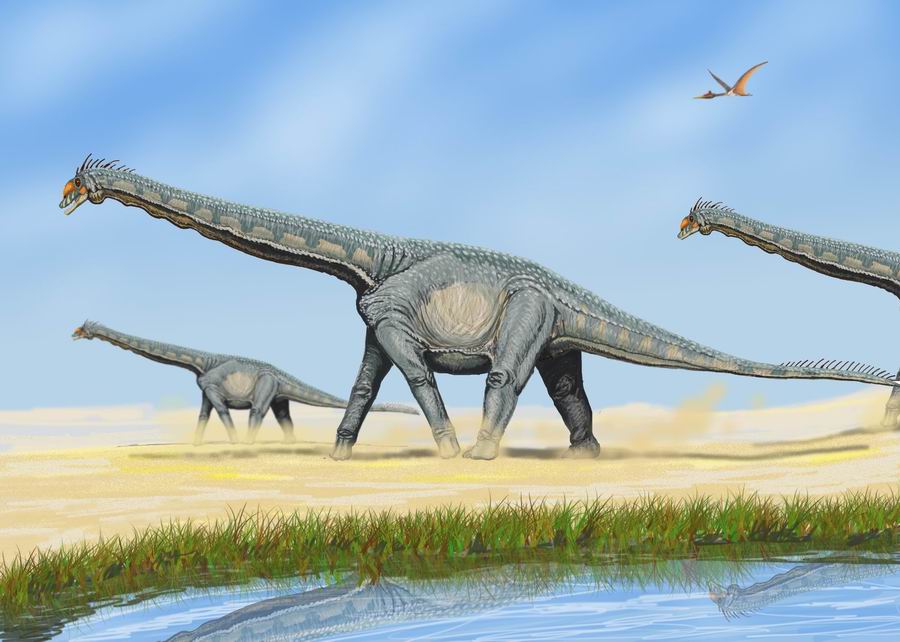
Most people picture the Serengeti when they think of epic animal migrations, but you’d have to go back roughly 70 million years to witness something that truly dwarfs everything we know today. Both Pachyrhinosaurus and Edmontosaurus undertook epic migrations every year to reach the fertile grounds of the northern latitudes in summertime. That’s right, dinosaurs were doing this long before any modern mammal ever existed.
Seventy million years ago, herds of Pachyrhinosaurus trudged north each spring from what is now Alberta in Canada. These lumbering plant-eaters were lured north by lush, large-leafed plants in northern Alaska, where, only 10 degrees south of the North Pole, the sun did not set in summer and the climate was much warmer than today. Imagine that, a prehistoric Arctic that was essentially a paradise banquet, available only to the toughest travelers.
The Dinosaur Herds: Strength in Staggering Numbers
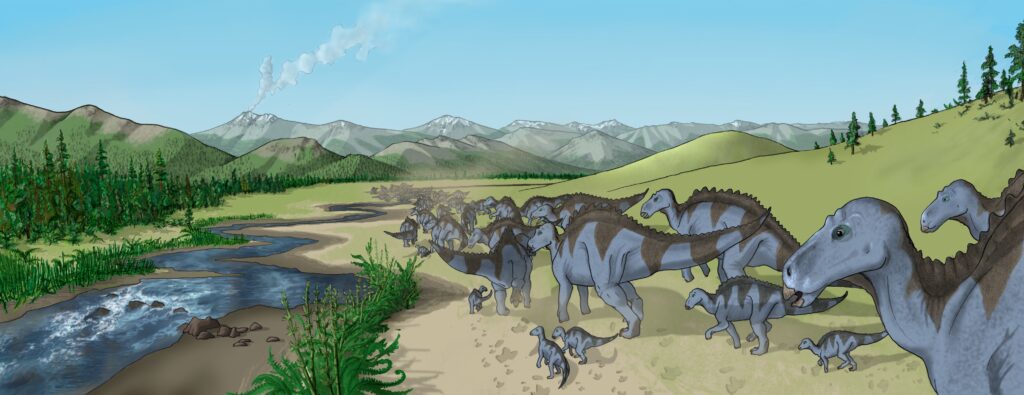
These dinosaurs lived in gigantic groups of up to 40,000 strong, and each year, both herds undertook epic migrations heading right towards the Arctic Circle. For reference, that’s roughly the population of a small city, all moving in the same direction, at the same time. It’s a mind-bending image.
Walking an estimated 31 miles (50 km) a day, a Pachyrhinosaurus herd would have taken more than two months to reach its destination. When the leaves withered and fell in Alaska, they would set off on their return trek. There’s something almost poetic about that rhythm, driven purely by sun, season, and survival instinct. No GPS, no trail markers. Just ancient biological programming.
Dinosaur Alliances on the Road: A Prehistoric Partnership
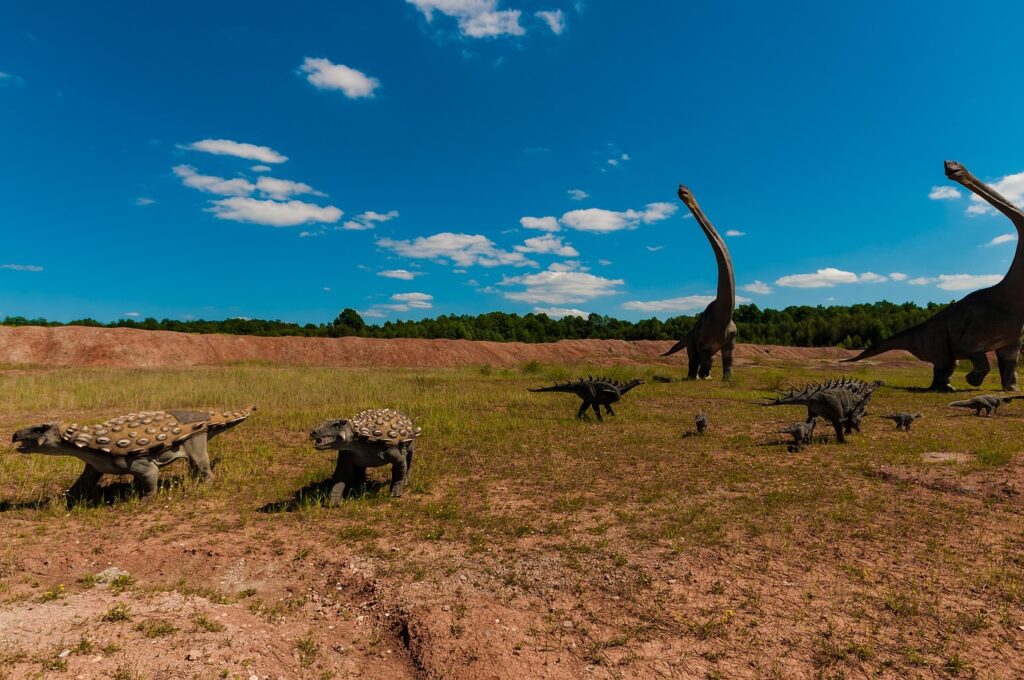
Evidence is starting to suggest that these two species may have used their complementary strengths to fend off predators and even communicate with one another. Honestly, this is the kind of detail that makes paleontology genuinely thrilling. Two completely different species, migrating side by side, possibly helping each other stay alive.
Migrating dinosaurs would have faced similar dangers to modern wildebeest, perhaps also falling victim to crocodilians. The tyrannosaur Albertosaurus might have stalked Pachyrhinosaurus herds, picking off the weak or young. The migration, then, was never truly safe. It was a calculated risk, a trade-off between the dangers of the road and the very real threat of starving if you stayed put.
Beringia: The Prehistoric Highway Between Worlds
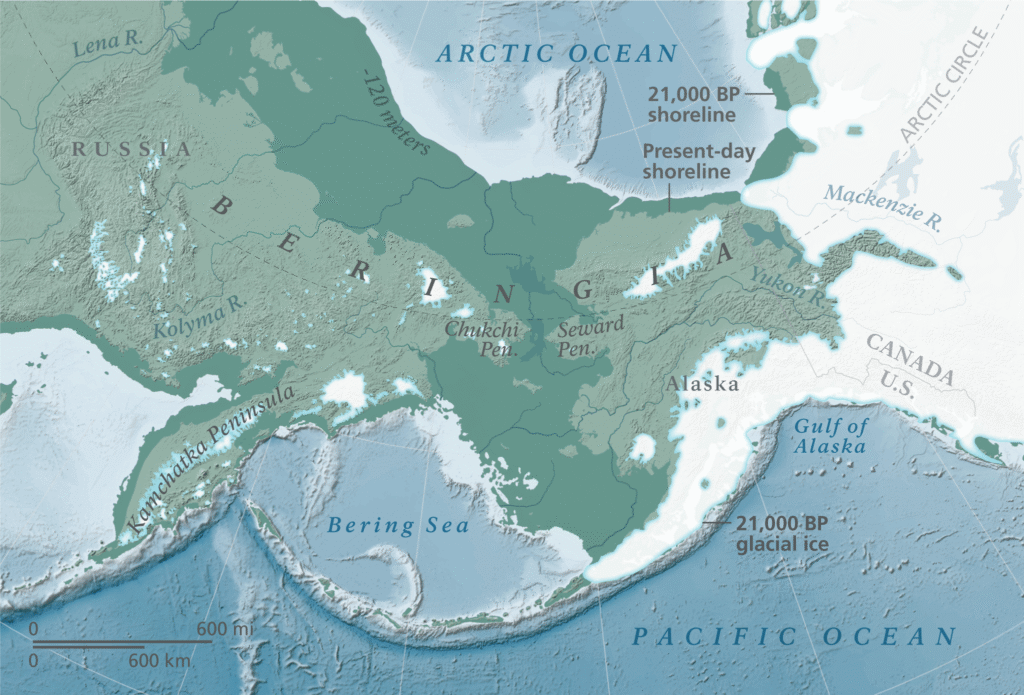
Forget the Silk Road. The most important highway in natural history was Beringia, a now-submerged landmass that once connected Asia and North America. The Bering Land Bridge, also called Beringia, opened between Asia and North America during the Ice Age, a time when much of the planet was covered by continental ice sheets and glaciers, causing sea levels to drop and exposing land in the area of what is now the Bering Strait.
Horses, camels, caribou, and black bears migrated out of North America, while bison, mammoths, moose, elk, and humans migrated into North America. It was essentially a two-way biological exchange program on a continental scale. What fascinates me is how the traffic moved in both directions, each species following its own ancient compass.
The Mammoth Steppe: A Cold-Weather Serengeti
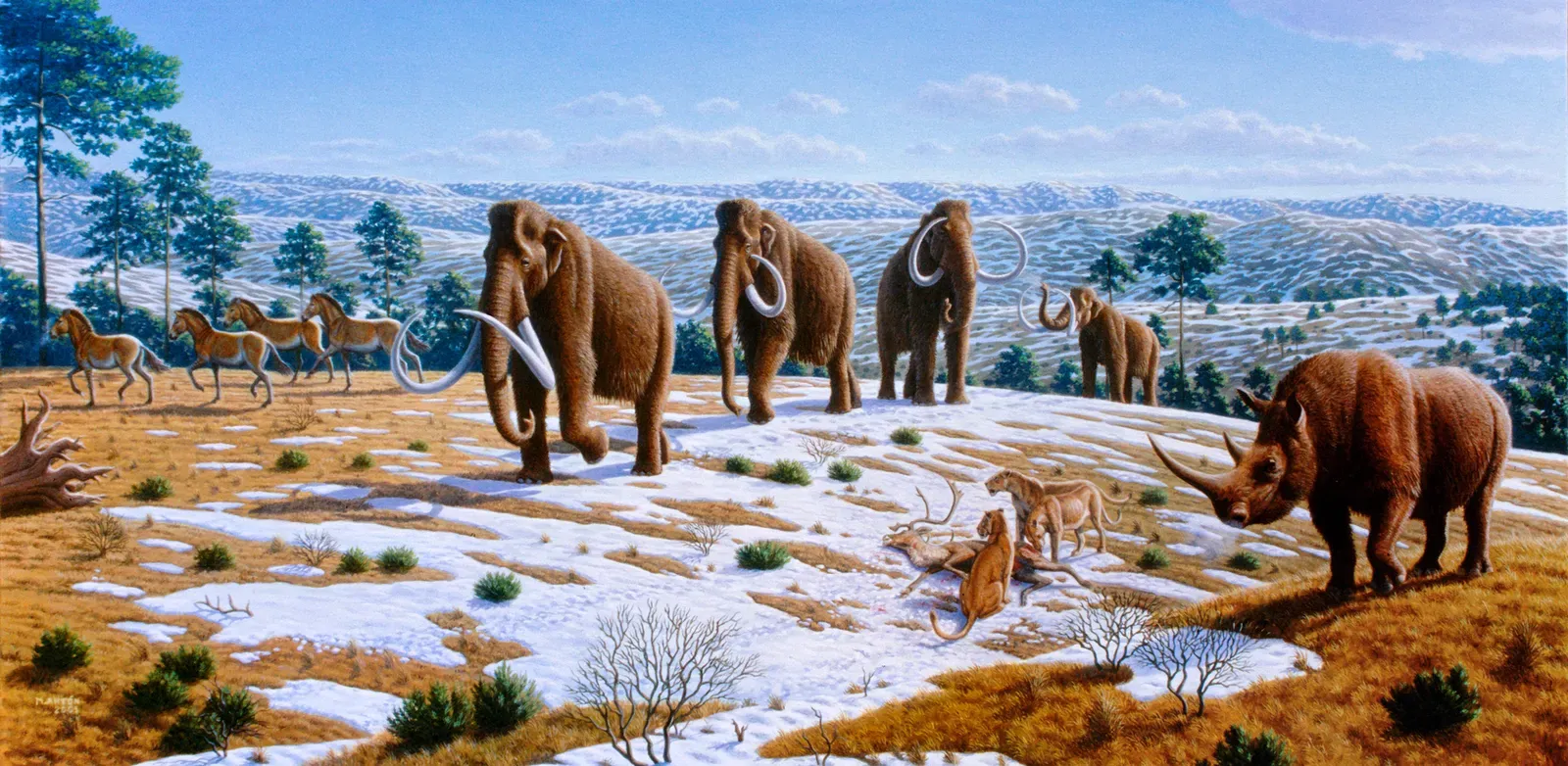
Scientists debate exactly what this region looked like, but the plentiful fossils of bison, mammoths, caribou, horses, musk oxen, and lions suggest something like a cold-weather Serengeti. Think about that. The Ice Age landscape was not a bleak, lifeless wasteland. It was teeming. Crowded. Alive.
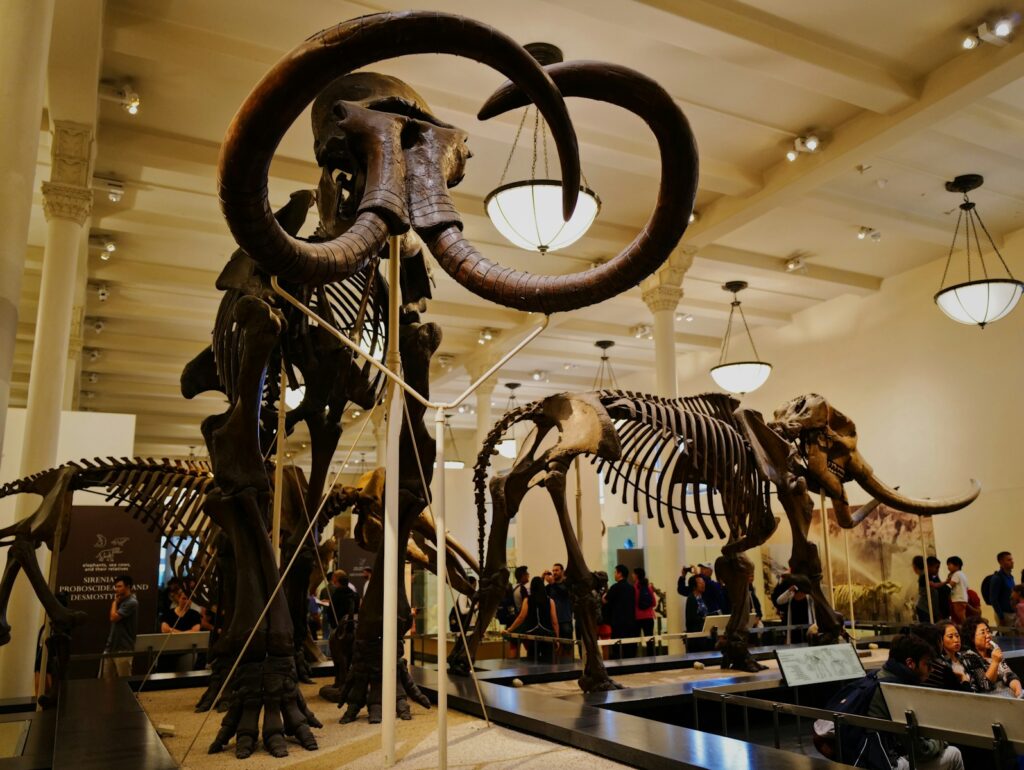
The lack of moisture caused the boreal forests to disappear, turning the land into a vast plain full of nutritious grasses, herbs, and flowering plants, an ecosystem now called the mammoth steppe. The mammoth steppe was home to large herds of grazers, including woolly mammoths, steppe bison, and Yukon horses. It sounds almost like something out of science fiction, yet every detail is grounded in fossil evidence and ancient DNA.
Tracking a Single Mammoth Across Millennia
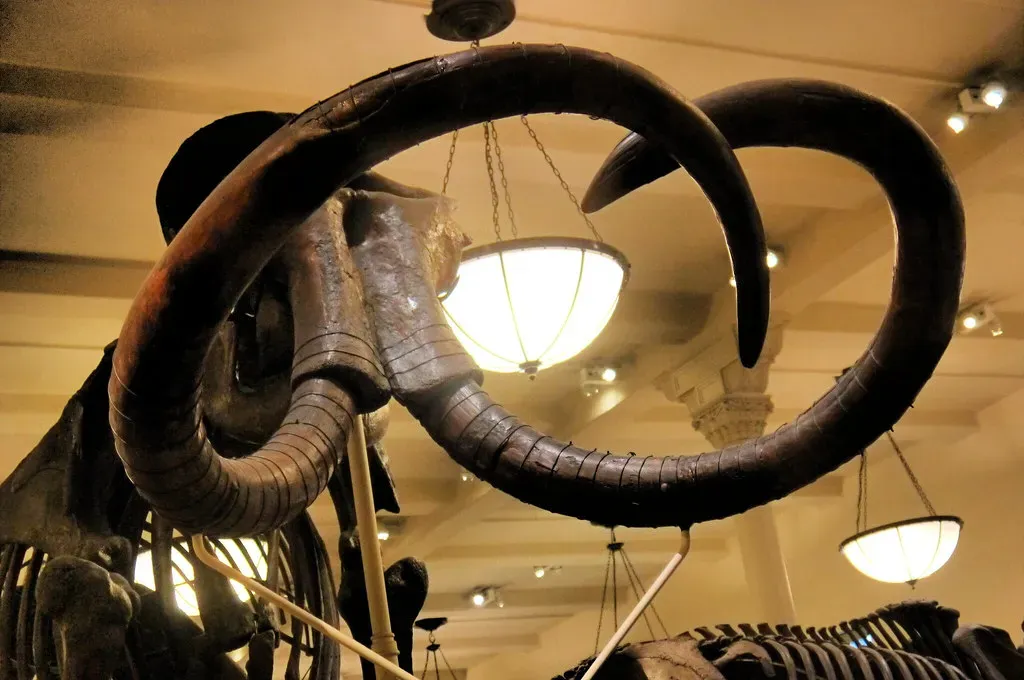
Here’s the thing that genuinely stopped me in my tracks when I came across it. Scientists have actually reconstructed the lifetime journey of one individual woolly mammoth with remarkable precision. By the end of his approximately 28 years of age, this mammoth had traveled 70,000 kilometres, equivalent to almost circling the earth twice. His story was told through strontium isotopes that accumulated in his tusks over his lifetime, chemical tracers that allowed an international team of scientists to work out where this particular mammoth had traveled across the land.
He seems to have spent winters in the lowlands and summers in the foothills, perhaps to avoid biting insects. He ranged back and forth in a migratory pattern that mirrors the movements of modern African elephants. There is something deeply moving about this. A creature that has been extinct for thousands of years, yet we can now reconstruct its life story almost day by day. The mammoth’s core areas of use are mirrored today in the current migration patterns of caribou, which suggests that these areas have been used by herbivores for many millennia.
Ancient Horses, Camels, and the Great American Exchange
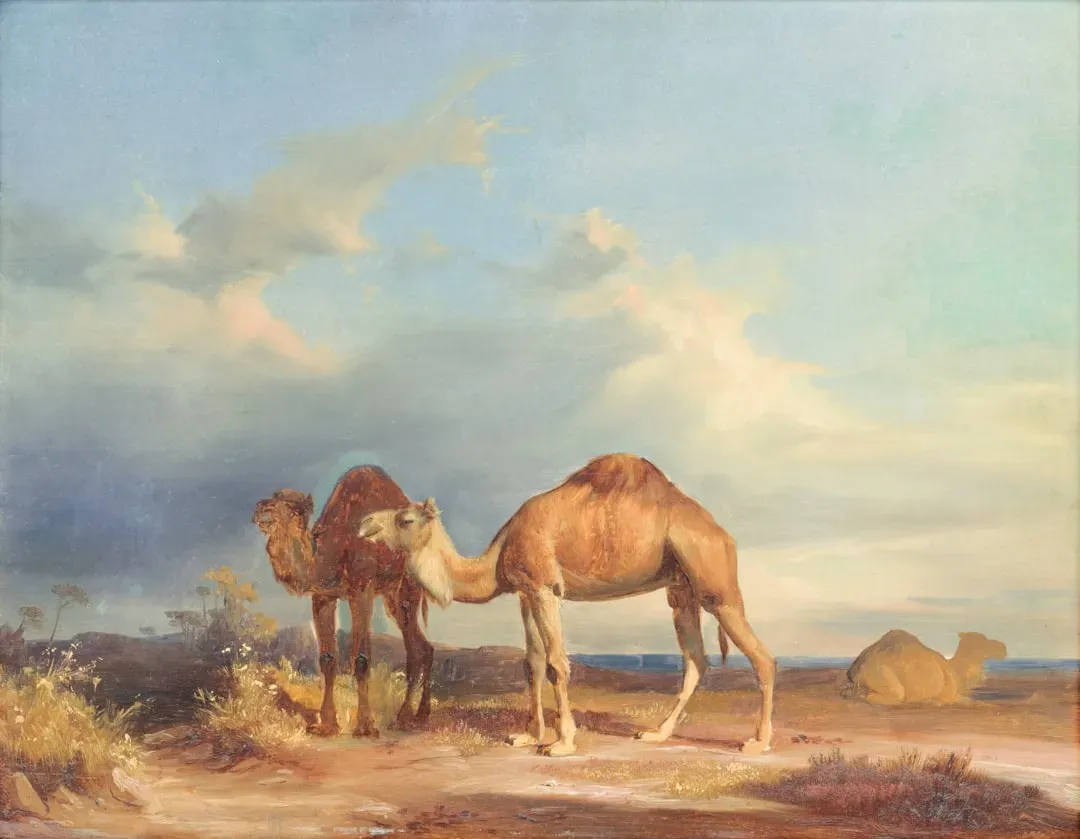
You might be surprised to learn where some of the world’s most iconic animals actually originated. The very first camels on the planet evolved in North America around 44 million years ago. Those ancient camels migrated westward over the Bering land bridge around 7 million years ago, later becoming the one-humped dromedary and two-humped Bactrian camels of North Africa and Asia. So the next time you see a camel, know that it’s essentially a North American export.
It was long believed that horses were first introduced to North America by Spanish settlers in the 16th century, but archeological evidence has rewritten that history. It is now clear that indigenous horses roamed North America for 55 million years before going extinct along with other Ice Age megafauna roughly 10,000 years ago. And around 2 to 3 million years ago, herds of American horses traveled west over the land bridge into Asia, eventually spreading to Africa. Migration, in other words, shaped the entire modern animal kingdom as we know it.
Conclusion: What These Ancient Journeys Still Teach Us
The migrations of prehistoric herds were not merely a footnote in Earth’s history. They were the engine of ecological change. They moved species across continents, shaped food webs, and built the world that we now inhabit. Studying these ancient animals gives scientists important information that helps them understand the risks that today’s living animals face in our world. That alone makes their stories worth telling.
There’s a sobering side to all of this, too. Ending up on the business end of a spear had such a significant impact on large mammals because they have a naturally slow replacement rate. Gestation periods are long, and so is the process of maturation. The 46 species of megaherbivores lost to history simply could not have reproduced fast enough to offset human kills. These journeys, which had unfolded for tens of millions of years, came to a halt in a geologic blink of an eye.
The great prehistoric migrations remind us that our planet has always been in motion, always been alive with purpose and movement on a scale almost too vast to imagine. Standing still was never really an option for Earth’s ancient giants. Makes you wonder, doesn’t it, what migrations we might be silencing today without even realizing it?