
Ever wonder why some people seem to navigate relationships effortlessly while others constantly struggle? The secret might be hiding in plain sight. Empathy, that quiet ability to step into someone else’s shoes and truly understand their feelings, has been emerging as one of the most transformative forces in human interaction. It’s not just about being nice or polite.
Research over the past several years has revealed something fascinating. Empathy can actually be conditioned through emotional rewards, meaning you’re capable of strengthening this skill just like a muscle. What happens when you develop this hidden power? Everything from your mental health to your career success can shift in ways that might genuinely surprise you.
Your Brain Literally Rewires Itself When You Practice Empathy

The neuroscience reveals potent links to oxytocin release, mirror neuron engagement, and positive transformations in stress responses. Think of your brain as constantly reshaping itself based on what you practice daily. When you engage with someone else’s emotions, specific regions light up like a neural fireworks display.
Neurons in the anterior cingulate cortex respond both to personal distress and observed distress in others. Your brain doesn’t always distinguish between your own pain and someone else’s. This explains why watching a friend struggle can feel physically uncomfortable. Empathy allows us to internally simulate the affective and cognitive mental states of others through bottom-up and top-down neural processing.
Empathy Boosts Your Mental Health More Than You’d Expect

Here’s something most people don’t realize. Small moments of ordinary, everyday empathy work to benefit us all. A recent study tracked people throughout their day, prompting them to report on empathy experiences and well-being measures.
The results were striking. People practiced more kindness toward others at times when they experienced more empathy – no matter whether positive or negative emotions were shared. Honestly, this challenges everything we thought about empathy being draining. Not just showing empathy but also receiving empathy from another led to more kindness and helpfulness, creating a beautiful cycle of mutual support.
It Creates Stronger Bonds in Every Relationship You Have

Let’s be real about relationships. They’re complicated, messy, and require constant effort. The more empathic a mother was toward her teenager at age thirteen, the more empathic the teen was toward their close friends across the adolescent years. This cascading effect continued into adulthood.
The ability to empathize with other people in adolescence is a critical skill for maintaining good relationships, resolving conflict, preventing violent crime and having good communication skills and more satisfying relationships as an adult. Your empathy today shapes not only your current connections but potentially influences the next generation. Adolescents who show empathy and support toward their friends are more likely to become supportive parents, which might foster empathy in their own children.
Your Career Success Secretly Depends on Your Empathy Skills

Workers feel that mutual empathy between company leaders and employees leads to increased efficiency, creativity, job satisfaction, idea sharing, innovation and even company revenue. The numbers are actually quite remarkable. Nearly ninety percent of surveyed workers connected empathy to better efficiency.
Empathetic leaders are assets to organizations, in part because they are able to effectively build and maintain relationships and retain talent. Yet there’s a catch. About half of employees currently believe their company’s efforts to be empathetic toward employees are dishonest, up from previous years. Authenticity matters more than performative gestures.
Empathy Protects You From Burnout and Stress

Employees who believe their organizations, and especially their managers, are empathic tend to call in sick with stress-related illnesses less often, report less burnout, and report better mental health and morale and a greater intent to stay at their organizations. This isn’t just correlation. The mechanism runs deeper.
Individuals with greater tendencies to experience Empathic Concern and Perspective Taking felt more positive, whereas those with higher Personal Distress felt more negative in response to another’s suffering. The type of empathy you practice matters enormously. Compassionate concern energizes you while personal distress depletes you. Learning the difference becomes crucial for your wellbeing.
It Transforms How You Handle Conflict and Difficult Conversations

Picture this. You’re facing a tense situation with a colleague or loved one. When people simulated distressful scenarios of other individuals, they felt much more personal distress, yet imagining these scenarios in such a way increased the willingness to help that individual. Your imagination becomes a training ground for real compassion.
Mother-child synchrony across childhood predicts a widely-distributed response in brain structures implicating the overlap of affective and cognitive empathy. Those early experiences of being understood create templates for how you approach difficult conversations throughout life. You can actively reshape these patterns through conscious practice.
Empathy Can Be Trained and Strengthened Over Time

Those who consistently experienced gains from the character’s happy moments began to associate the character’s emotions with reward, and later reported stronger empathic feelings, even when no rewards were involved. Your brain learns through association and repetition.
Empathy is not a fixed trait and can be learned. This should give you hope if you’ve ever felt like you lack this quality. With consistent practice – through self-compassion dialogues, loving-kindness meditations, or simple everyday gestures of care – we strengthen these neural and hormonal patterns, unlocking better emotional health and stronger social bonds. Small daily actions compound into significant changes.
The Ripple Effect Extends Far Beyond What You See
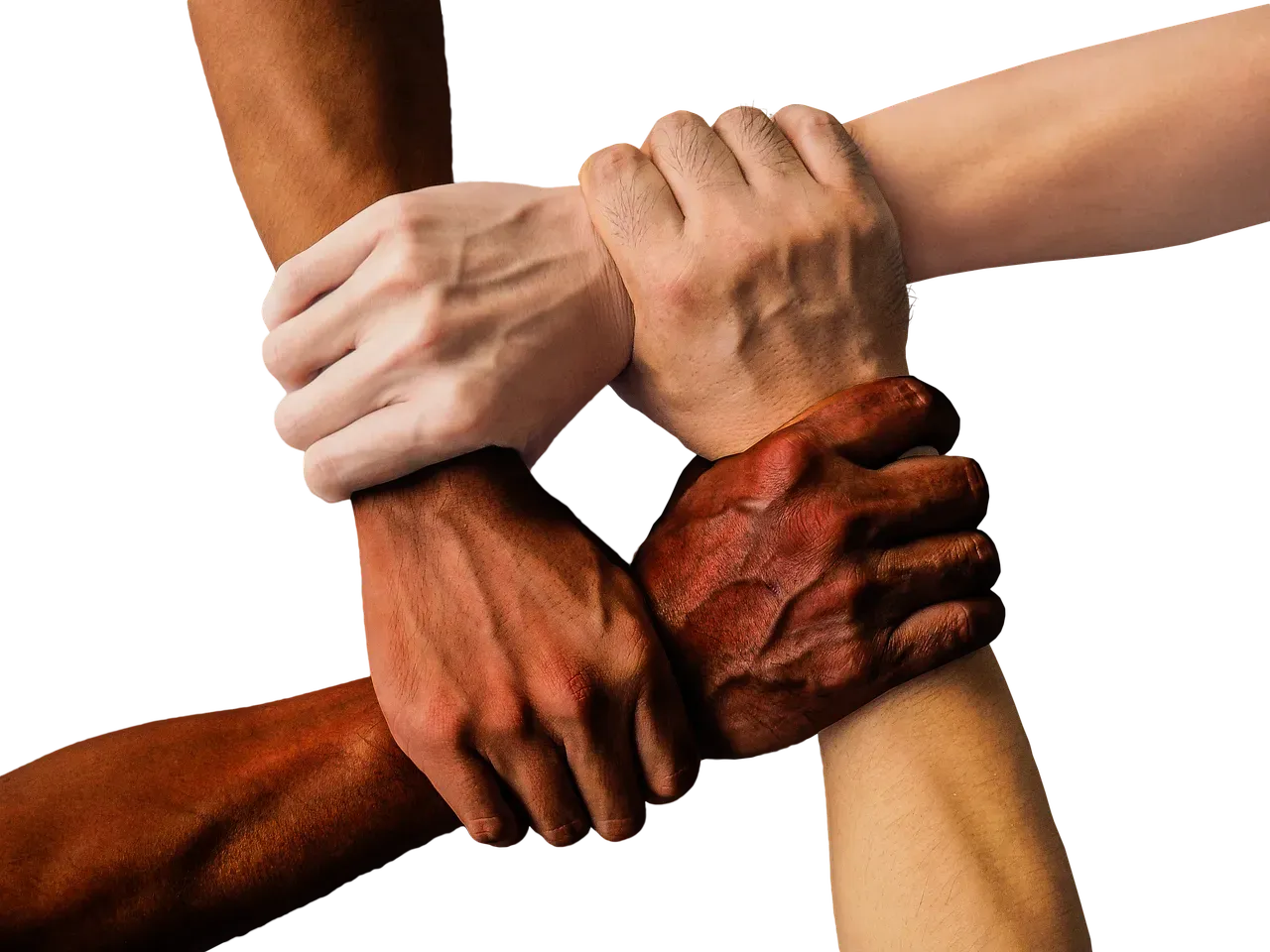
Organizations viewed as unempathetic are risking billions through employee turnover, mental health issues, workplace toxicity, and more. The absence of empathy creates measurable damage at massive scales. Conversely, its presence generates waves of positive change.
People who feel empathized with tend to innovate more and take creative risks. When you create an environment where others feel understood, you unlock potential that was always there but dormant. An empathic interaction increases our sense of community, weaving invisible threads that bind people together in ways that logic alone never could.
The transformation empathy offers isn’t flashy or immediate. It works quietly, reshaping your neural pathways, deepening your connections, protecting your mental health, and opening doors you didn’t know existed. The most powerful changes often happen beneath the surface, in the space between two people who truly see each other. Your capacity for empathy might just be the most underutilized superpower you possess. What would happen if you started exercising it more deliberately today?