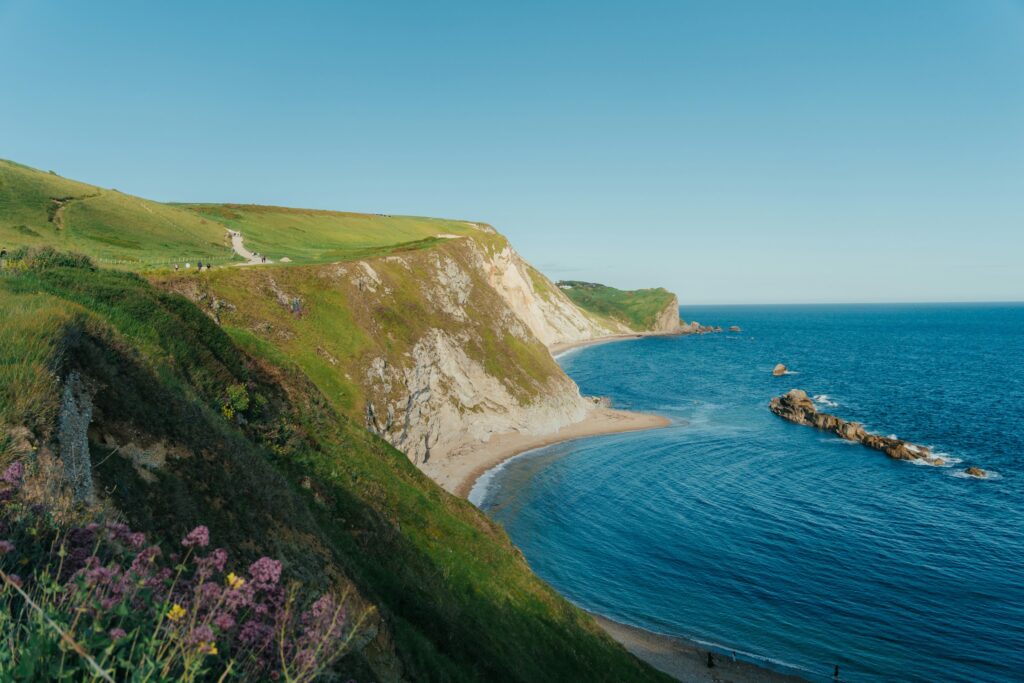
Walk along the edge of the Jurassic Coast and you’re literally treading through time. Layer by layer, cliff by crumbling cliff, this 95‑mile stretch on England’s southern shore quietly tells a story that spans hundreds of millions of years, yet still manages to surprise scientists almost every single season. It is one of those rare places where a family on holiday, a seasoned paleontologist, and a casual beachcomber can all be staring at the same rock and seeing something different, but equally magical.
What makes the Jurassic Coast so addictive is not just the age of the rocks or the beauty of the scenery, but the feeling that the story here is still unfinished. From the early nineteenth‑century days of hand‑collected fossils to today’s careful scientific digs and drone surveys, the cliffs keep giving up new secrets. As the waves pound the shore and the rock slowly peels away, the past keeps stepping into the present – and it is changing how we think about life on Earth in ways that are far more dramatic than most people realize.
A Deep-Time Highway: Why These 95 Miles Matter So Much
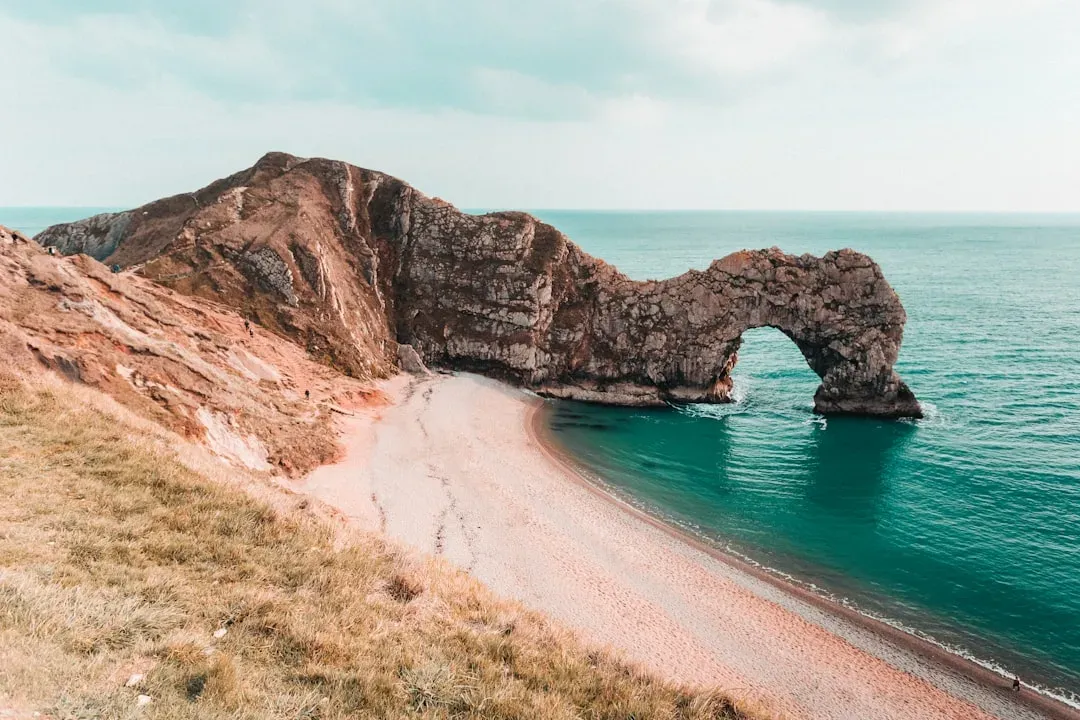
The Jurassic Coast is not just a pretty coastline; it is a continuous cross‑section through roughly 185 million years of Earth’s history. As you move along it from east to west, you literally walk through time, from older Triassic rocks into Jurassic and then Cretaceous layers, each band of color in the cliffs representing a different ancient world. In everyday life we measure time in years, maybe decades, but here the calendar jumps in units so huge that human history feels like a blink.
This long, exposed sequence of rock layers is what makes the area scientifically priceless. Instead of getting a scattered jigsaw of fossils from random sites, researchers can link specific fossils to specific layers and track how life changed step by tiny step. It is like having a full season of a show instead of a handful of random scenes, and that continuity has helped scientists piece together the rise and fall of species, shifts in climate, and even changes in ancient sea levels with a level of detail that would be impossible in most other places.
From Mary Anning to Modern Science: A Coast That Launched Paleontology
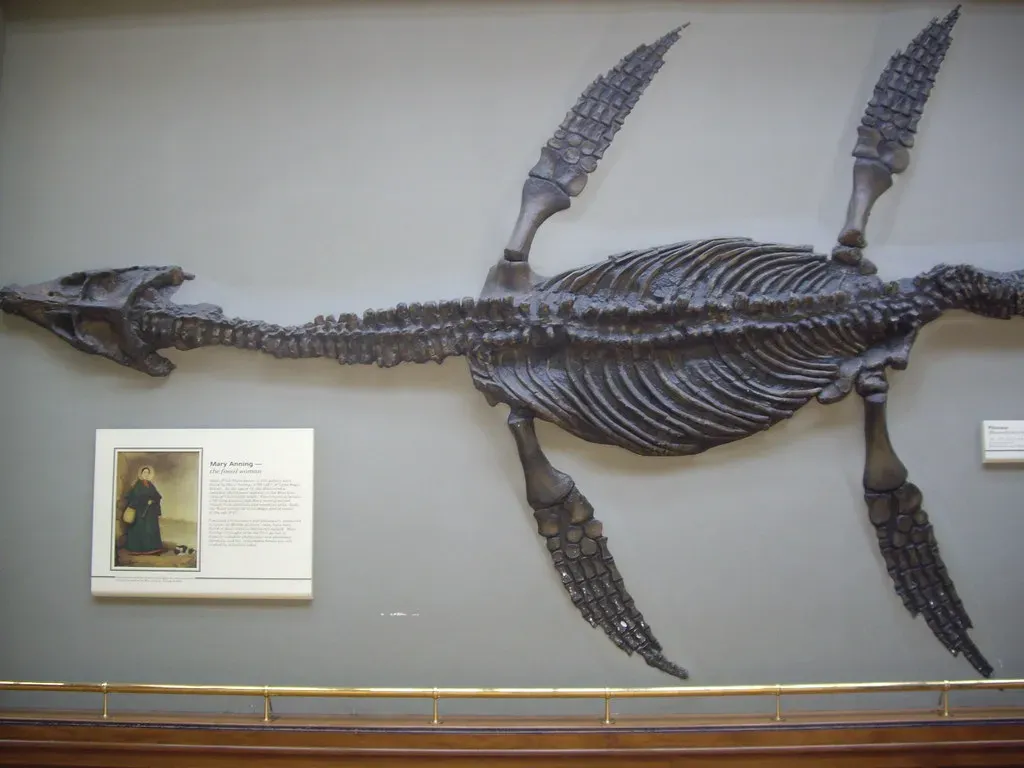
The Jurassic Coast’s fossil story really caught fire in the early 1800s, when local collectors started pulling spectacular skeletons out of its cliffs. One of the most famous was Mary Anning from Lyme Regis, who worked the beaches long before paleontology was a formal science. Her careful fossil hunting and eye for detail revealed some of the first recognized marine reptiles, at a time when the idea of long‑extinct giant creatures was shocking and controversial rather than common knowledge.
Those early finds turned this stretch of coast into something like the Silicon Valley of ancient life: a place where new discoveries kept challenging old assumptions. As more skeletons, shells, and plants were dug up, scientists began to realize that life on Earth had not been static but had changed dramatically over deep time. The Jurassic Coast effectively helped push the world toward accepting extinction, evolution, and the idea that our planet’s history was far longer and stranger than anyone had imagined just a few generations earlier.
Cliffs in Motion: Erosion as Nature’s Ongoing Excavation
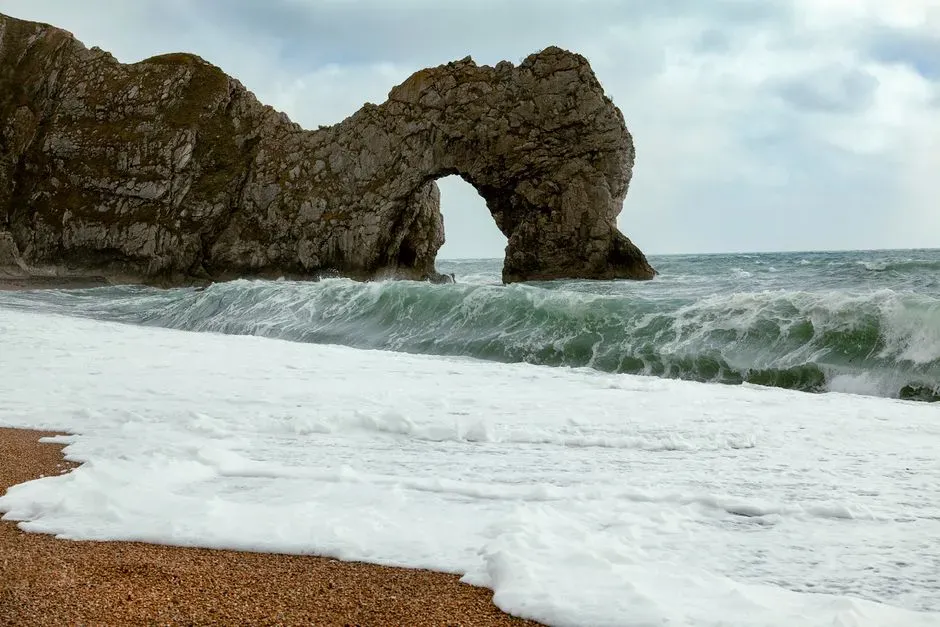
One of the strangest truths about the Jurassic Coast is that its greatest threat is also its greatest gift. The very erosion that causes cliff collapses and landslides is the same process that exposes new fossils every year. Winter storms, heavy rain, and the constant battering of the sea loosen old rock faces, sending mud, stones, and occasionally entire chunks of cliff tumbling to the beach below, often revealing bones and shells that have been locked away for tens of millions of years.
For scientists and responsible fossil hunters, this constant reshaping of the coastline is a kind of natural conveyor belt. They do not usually need to blast or drill; they simply patrol the beaches after bad weather and scan fresh rock falls for anything unusual. It is messy, unpredictable, and sometimes dangerous, but it means that the Jurassic Coast is not a frozen museum display. It is a living, shifting laboratory where erosion is the unpaid but tireless assistant that keeps setting out new specimens on the sand.
Giants of the Ancient Seas: Marine Reptiles, Ammonites, and More
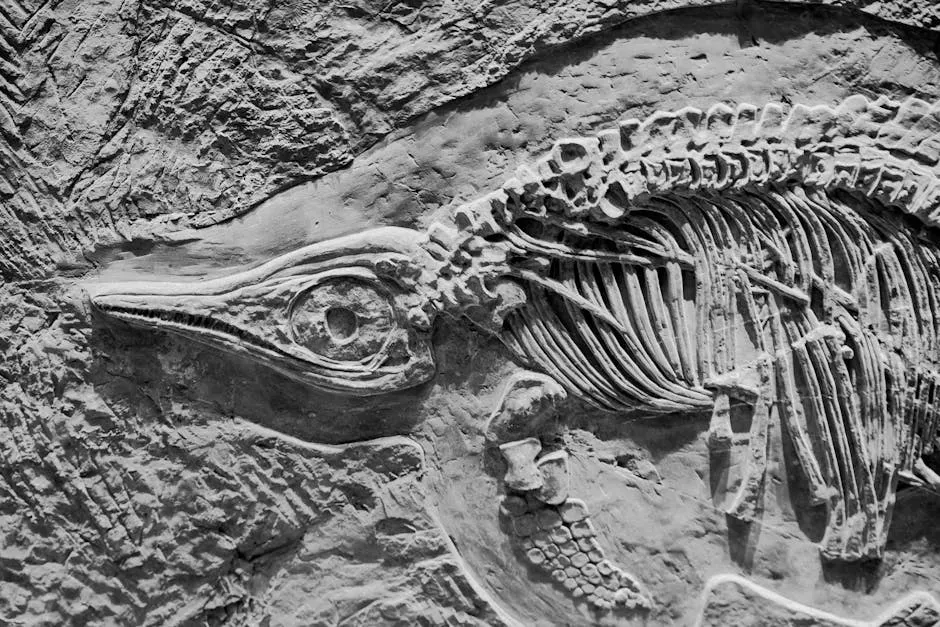
When people think of the Jurassic, they often picture land‑stomping dinosaurs, but one of the Jurassic Coast’s strongest suits is its record of ancient seas. The cliffs around places like Lyme Regis and Charmouth have produced spectacular marine reptiles, from long‑necked plesiosaurs that looked like serpents welded to turtle‑like bodies, to sleek ichthyosaurs that resembled reptilian dolphins built for speed. These animals ruled the oceans in a time when mammals were still tiny, nervous creatures skittering in the shadows.
Alongside these giants, the rocks are packed with smaller but equally telling fossils: coiled ammonites, delicate belemnites, and all manner of shells and tiny creatures. To a trained eye, a slab of grey rock from these cliffs can look like a crowded city snapshot, crammed with life frozen mid‑movement. That richness lets scientists reconstruct entire ecosystems – who ate whom, what the water was like, how deep the sea might have been – rather than just guessing from a handful of bones.
Not Just Dinosaurs: Plants, Insects, and Clues to Ancient Climates
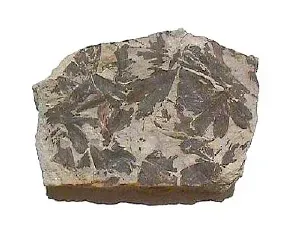
It is tempting to focus only on the charismatic giant skeletons, but the Jurassic Coast’s real scientific power comes from its quieter fossils. Preserved plants, bits of wood, and occasional traces of insects give clues about the landscapes that stretched beyond those ancient shorelines. In some layers, the remains of coastal forests and swampy lowlands show up as dark, compressed material, hinting at lush vegetation thriving under warmer global temperatures than we live with today.
By studying these plant and microfossil records together with the marine life, researchers can map ancient climate swings and environmental changes across the whole region. Patterns in pollen, for example, reveal shifts in vegetation that match evidence for rising or falling sea levels. This combination of land and sea stories locked in nearby layers makes the Jurassic Coast unusually powerful for understanding how Earth’s climate and ecosystems respond when conditions change – a topic that feels uncomfortably relevant now.
Still Discovering: New Finds in a Well-Trodden Landscape
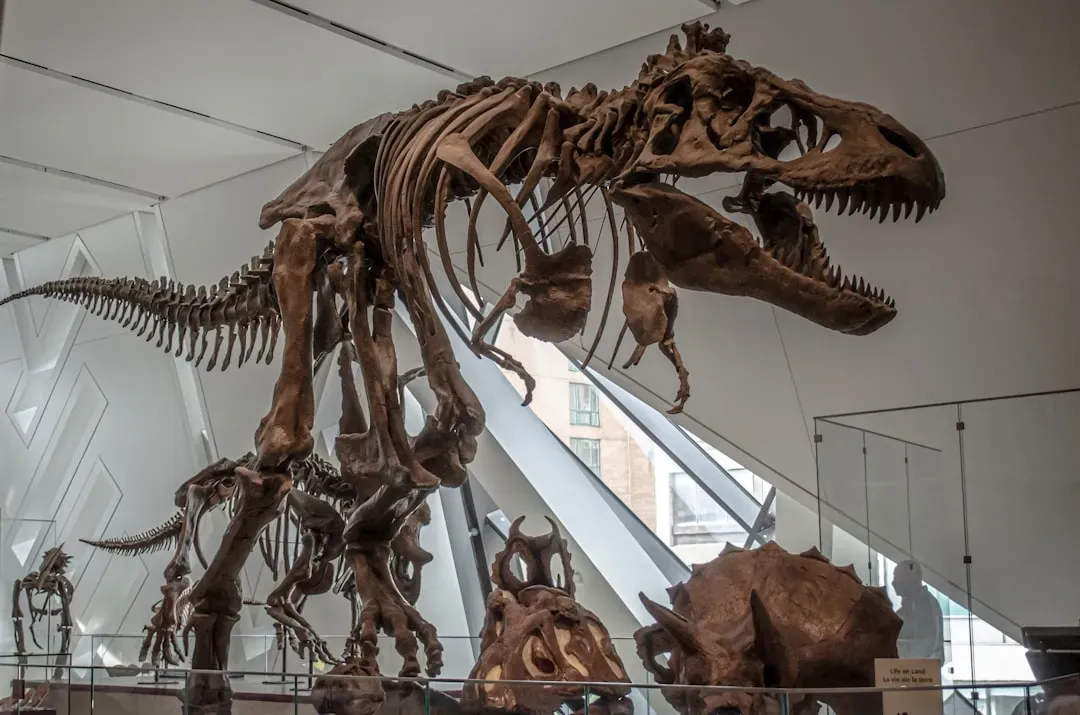
It is easy to assume that a place searched by scientists and collectors for over two centuries would have given up all its surprises, but the Jurassic Coast keeps proving that assumption wrong. New species continue to be described as researchers re‑examine old finds in museum collections or uncover fresh material from recent rock falls. Sometimes that new insight comes from a skeleton that has been sitting in a drawer for decades, suddenly reinterpreted using better imaging or a more modern understanding of anatomy.
Even casual walkers still play a part. Every year, beachgoers stumble across unusual bones or shells that turn out to be scientifically important when passed to local museums and experts. I remember picking up what I thought was just a heavy stone near Charmouth, only to realize it had the faint outline of an ammonite coiled across it. It was not a blockbuster discovery, but that simple moment – seeing the spiral of a creature that lived long before humans existed – drove home how this coast invites ordinary people into an active, unfolding scientific story.
Walking the Coast Today: Tourism, Safety, and Responsible Fossil Hunting
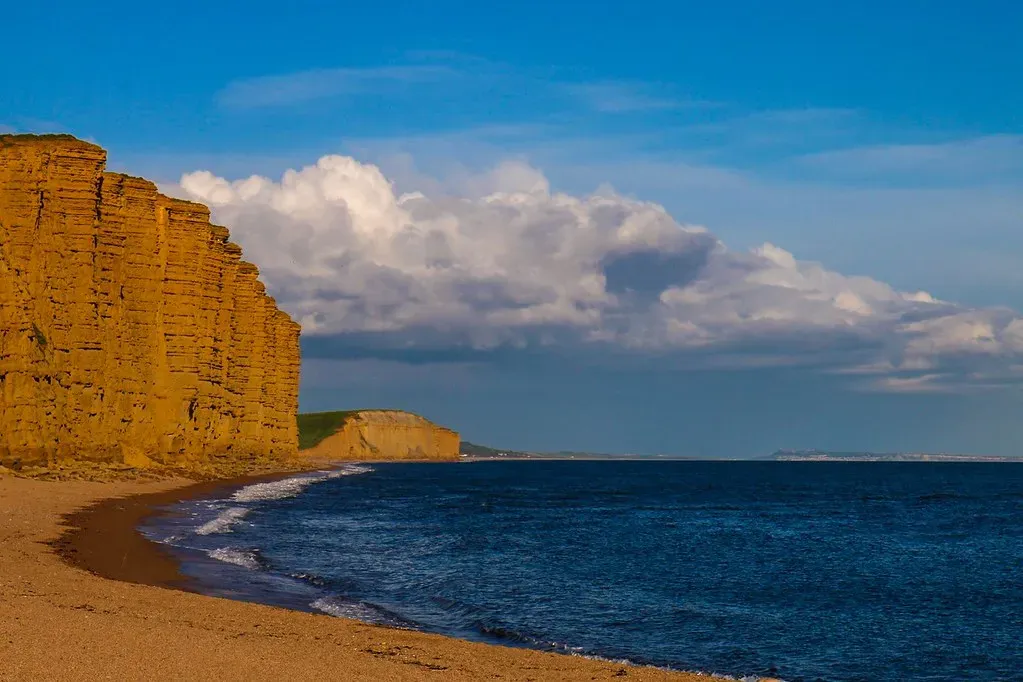
These days, the Jurassic Coast is as much a destination for day‑trippers and families as it is for scientists, and the mix can be surprisingly harmonious when handled with care. Towns like Lyme Regis and Charmouth have built a kind of easygoing fossil culture around the cliffs, with museums, guided walks, and shops that help visitors understand what they are seeing rather than just selling random rocks. It makes science feel less like something locked away in labs and more like a shared community adventure played out on the beach.
At the same time, there is a serious edge beneath the fun. The cliffs are unstable, and every year there are dramatic collapses that remind everyone just how active this coastline really is. Local guides and signs constantly stress staying away from the base of the cliffs, not climbing on loose slopes, and never digging into the rock faces. The most responsible (and sustainable) fossil hunting focuses on loose material on the beach, leaving the cliffs themselves to erode naturally and continue their slow, powerful work of revealing the past.
Why the Jurassic Coast Matters Now: A Personal Take
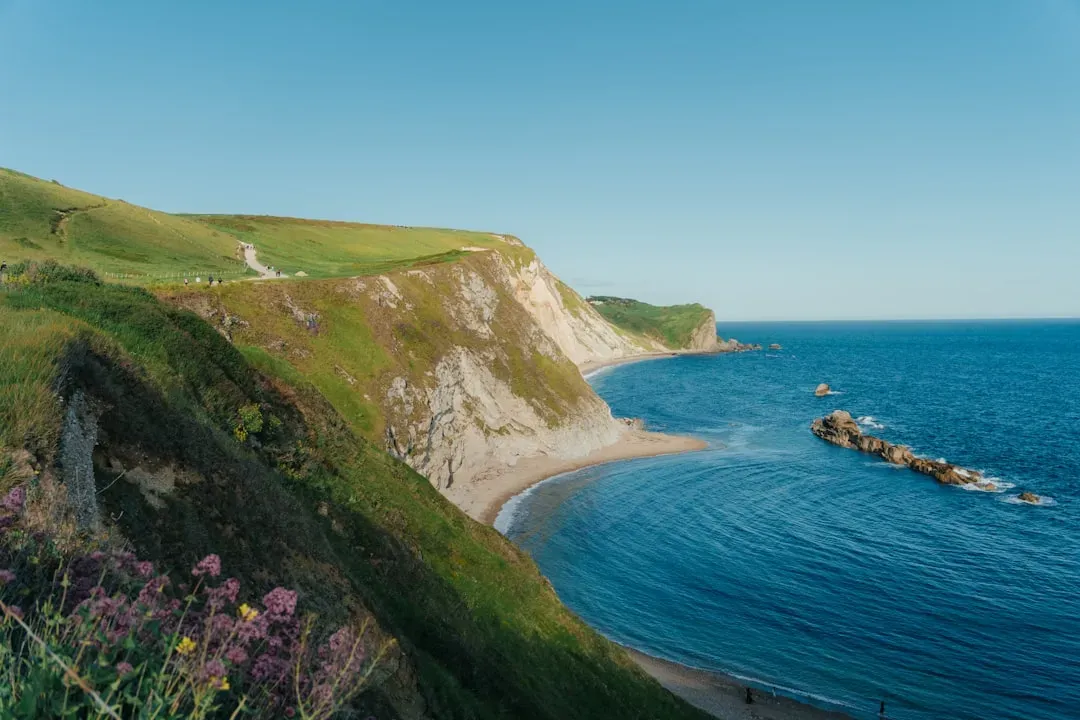
In an era when we are glued to screens and obsessed with the latest update, there is something grounding, almost humbling, about standing at the foot of a cliff that casually holds millions of years of history in its layers. The Jurassic Coast is a quiet rebuke to the idea that human time is the only timeline that matters. For me, that feeling hits hardest not when I am looking at a spectacular skeleton in a museum case, but when I am on a cold, windy beach, holding a small fossil in my hand and realizing it outlived entire species, continents, and climates before I ever existed.
My honest opinion is that this coastline deserves to be treated less like a simple tourist attraction and more like a shared inheritance we are lucky to be alive to see. It is one of the clearest, most accessible reminders that Earth has reinvented itself many times – and that our own chapter, impressive as it feels, is only one thin line in a very thick book. The fact that new fossils are still emerging here is a warning and a comfort at the same time: the planet will keep changing long after us, but we still have a chance, right now, to learn from its past before we decide what kind of mark we leave on its future. When you picture those cliffs, what part of that enormous story do you think our brief moment will end up telling?