Imagine standing in a frozen Siberian landscape and watching something lurch over the horizon that hasn’t been seen on Earth for thousands of years. A shaggy, tusked colossus. The woolly mammoth. It sounds like pure fantasy, like a scene torn from the pages of a science fiction novel. Yet right now, in a sleek laboratory on the outskirts of Dallas, Texas, teams of scientists are working around the clock to make exactly that happen.
De-extinction, the science of breathing life back into species long gone, has moved with breathtaking speed in recent years. What started as fringe speculation has blossomed into a serious, billion-dollar industry that raises thrilling possibilities and equally unsettling questions. The story of the mammoth’s potential return is bigger than just one animal. It’s really about what kind of world we’re trying to rebuild, and whether technology can undo the damage that humanity helped inflict. Let’s dive in.
Colossal Biosciences: The Company That Dared to Dream Big
You don’t have to look far to find the epicenter of the de-extinction movement. Colossal Biosciences was founded in 2021 by Harvard geneticist George Church and billionaire entrepreneur Ben Lamm. The company describes itself as the world’s first de-extinction firm, and honestly, given what they’ve been up to, that title feels earned. The sheer ambition behind the operation is staggering.
Colossal is privately held but says it has already raised more than $600 million and was valued at $10 billion during a financing round in early 2025. Think about that for a moment. Ten billion dollars. That’s not a quirky academic experiment. That’s a full-blown industrial operation betting on the resurrection of creatures that haven’t walked the Earth in thousands of years.
Colossal Biosciences is working to de-extinct several extinct animals, including the woolly mammoth, the Tasmanian tiger, the northern white rhinoceros, the dire wolf, the dodo, and the moa. The ambition is breathtaking, the science is cutting-edge, and the controversy is very real.
How Does De-Extinction Actually Work?
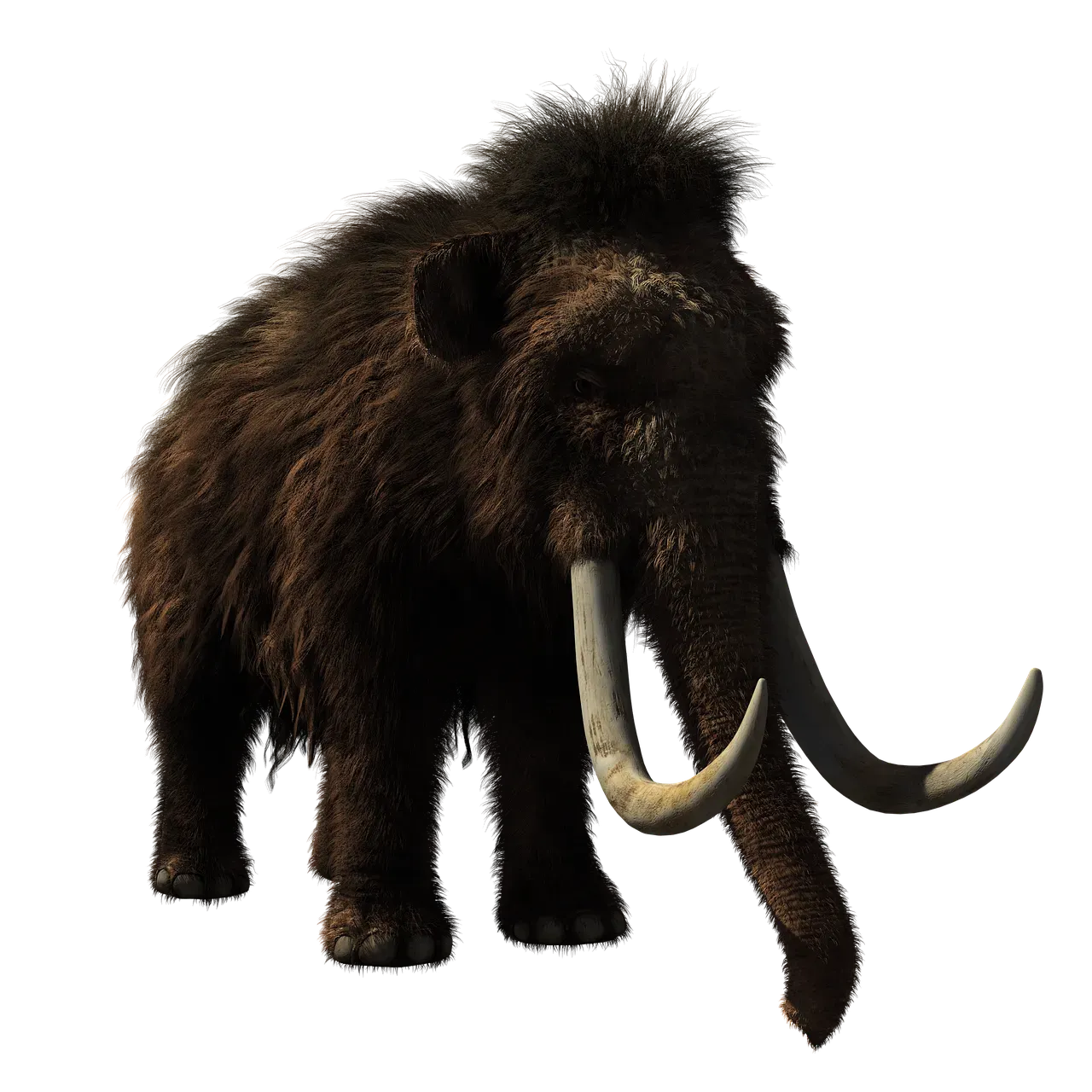
Here’s the thing. De-extinction doesn’t work the way most people imagine it, like some prehistoric DNA dripped in amber from a Jurassic Park scenario. The actual science is both more elegant and more complicated than that. De-extinction works through the use of two primary technologies: cloning and gene editing. Cloning involves extracting DNA from preserved remains of an extinct species and inserting it into the egg cells of a closely related species. This modified embryo is then implanted into a surrogate mother, which gives birth to an organism genetically identical to the extinct species. Gene editing, on the other hand, uses techniques like CRISPR to alter the DNA of a living species by introducing genes from an extinct species.
Because the woolly mammoth and Asian elephant share 99.6% of the same DNA, Colossal aimed to develop a proxy species by swapping enough key mammoth genes into the Asian elephant genome. Think of it like this: if you had a nearly complete jigsaw puzzle and only a handful of pieces were wrong, you’d just swap those pieces out. That’s essentially what scientists are doing here, except the puzzle is one of the most complex biological systems in existence.
Colossal scientists are analyzing dozens of mammoth DNA samples and comparing them to genetic material from living elephants to pinpoint critical genes. Colossal’s scientists are then using those genetic guideposts to try to create cloned, gene-edited mammoth embryos from the skin cells of Asian elephants, which are the extinct mammoth’s closest living relative. The embryos would be transferred into surrogate female Asian elephants in the hopes they’ll give birth to mammoths 22 months later.
Woolly Mice and Dire Wolves: Early Milestones on the Road Back
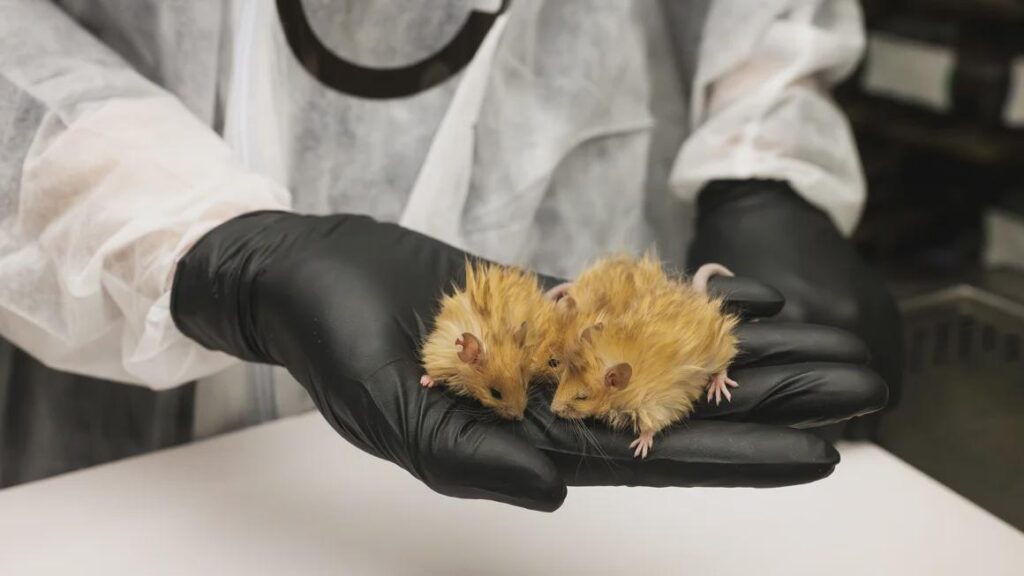
Before you can bring back a mammoth, you need to prove your techniques work on something smaller. In March 2025, Colossal announced the creation of gene-edited “woolly mice” with mutations inspired by woolly mammoths, touting it as a step toward engineering mammoth-like Asian elephants. The mice, which exhibit long, shaggy, tawny-toned fur, were developed using a mix of mammoth-like and known mouse hair-growth mutations. It sounds almost comical, these tiny fuzzy rodents, but the science behind them is genuinely significant.
In April 2025, the Colossal Biosciences Dire Wolf Project was announced, which used cloning and gene-editing to birth three genetically modified wolf pups: six-month-old males Romulus and Remus and two-month-old female Khaleesi. In-house scientists analyzed the dire wolf genome, extracted from two ancient samples, a 13,000-year-old tooth and a 72,000-year-old ear bone. The announcement shook the scientific world. Already exhibiting classic dire wolf traits, they have thick white fur, broad heads, and hefty builds, weighing approximately 80 pounds at just six months old. For comparison, red wolves, one of the largest existing wolf species, typically weigh just 35 to 45 pounds at that age.
The Climate Case: Can Mammoths Help Save the Arctic?
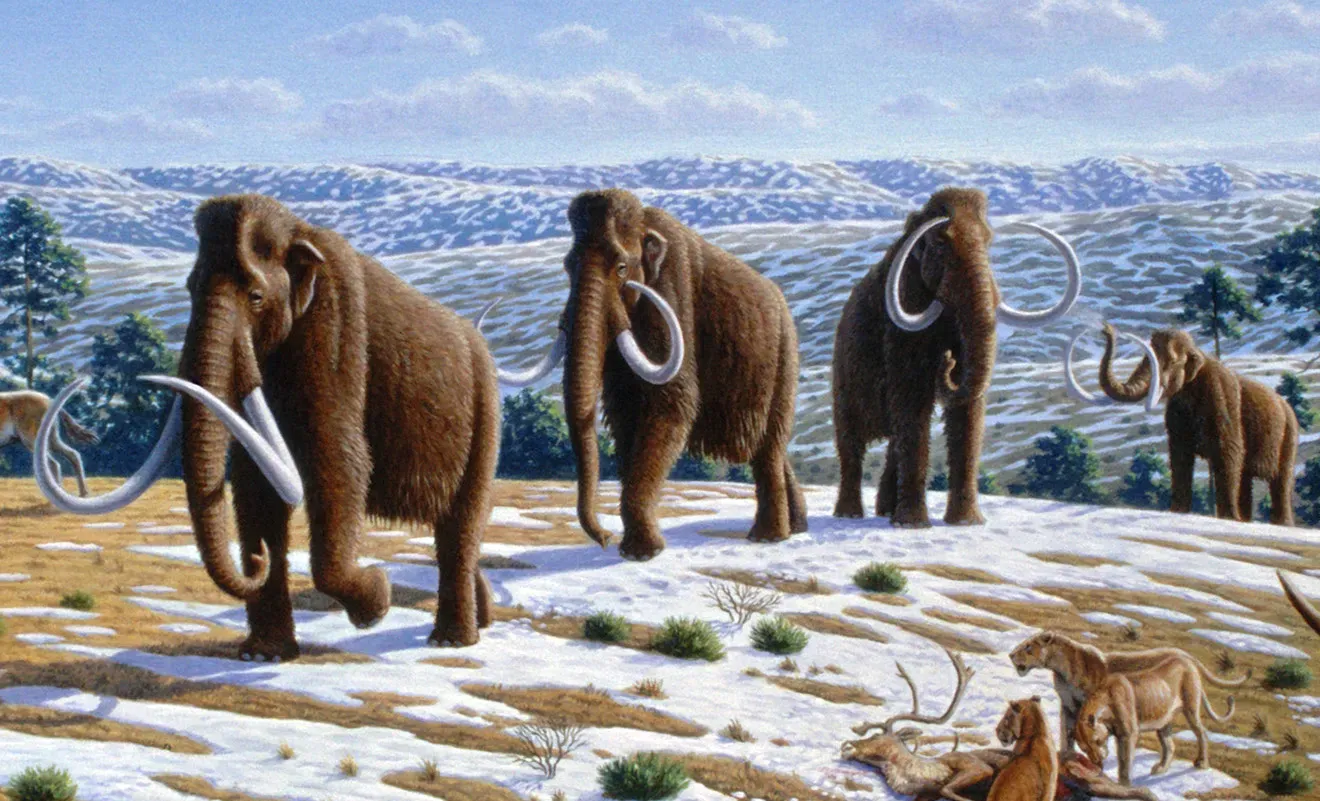
Here’s where the science gets really fascinating and, let’s be honest, almost poetic. The argument for bringing back the mammoth isn’t just about nostalgia for a lost world. There’s a serious ecological and climate rationale. Beyond ethics, bringing back the woolly mammoth could offer tangible climate benefits. These prehistoric giants historically maintained the Arctic as a cold, grassy tundra, knocking down trees, trampling snow, and fertilizing soil, actions that kept permafrost stable. Without them, the Arctic has grown warmer and more forested, accelerating permafrost thaw and releasing carbon dioxide and methane.
The tundra, covering approximately 10% of Earth’s surface primarily in the Arctic regions of North America, Europe, and Asia, is characterized by its permafrost, permanently frozen subsoil. The tundra acts as a massive carbon sink, with the permafrost storing an estimated 1,700 billion tons of carbon, nearly twice the amount currently in the atmosphere. Large numbers of the animals would also trample snow cover, stopping it from acting like insulation for the ground and allowing the permafrost to feel the effects of bitter Arctic winters, which would, in theory, keep the ground colder for longer. This form of mammoth de-extinction and reintroduction could therefore promote grasslands and simultaneously slow the thawing of these frozen soils.
Beyond the Mammoth: A Species Revival Wish List
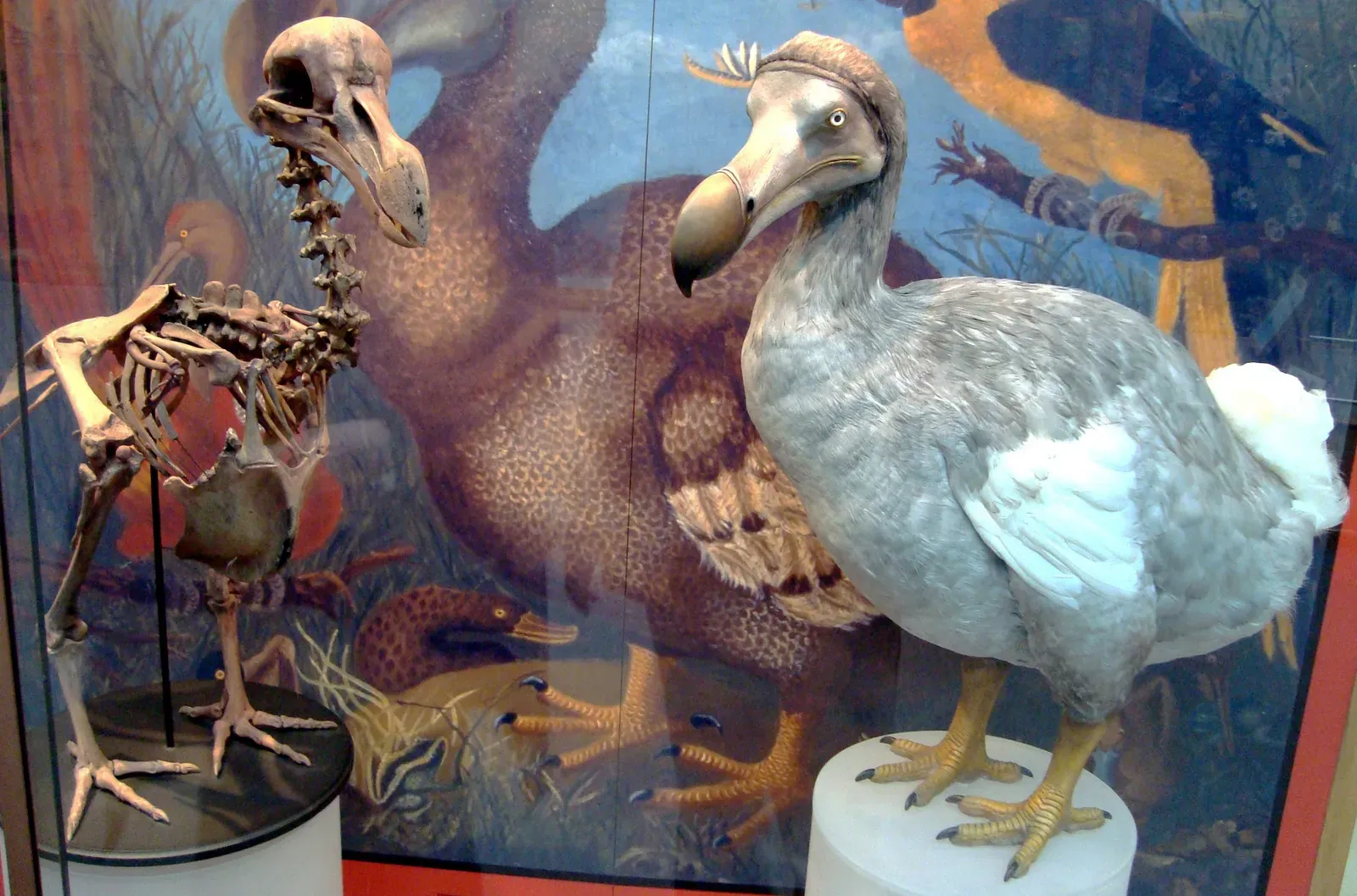
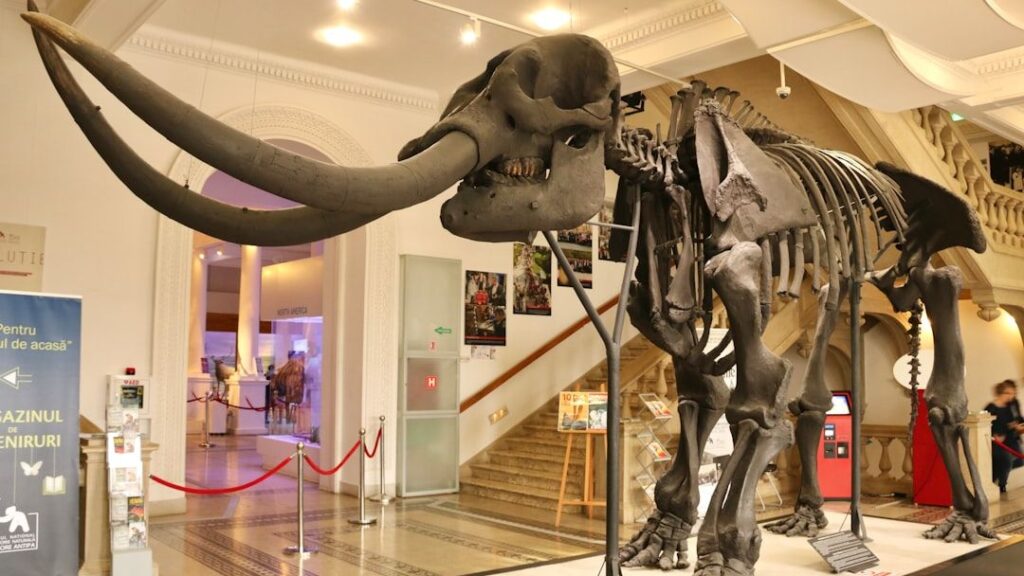
Uploaded by FunkMonk, CC BY 2.0)
Mammoths might grab the headlines, but Colossal’s ambitions stretch far beyond one hairy giant. Colossal has also done genetic research for the following species: Irish elk, great auk, bluebuck, ground sloths, saber-tooth cats, long-horned bison, Columbian mammoth, cave hyena, mastodons, American cheetahs, tooth-billed pigeons, and woolly rhinoceros, with the intent to potentially revive them in the future. That is a list that reads like a lost world encyclopedia, and it reflects how sweeping this movement has become.
A plan to genetically engineer a version of the dodo, a giant flightless bird that disappeared 400 years ago and became the poster child for extinction, has made some headway. The company’s scientists said they have succeeded in culturing specialized cells from the rock dove, better known as the humble pigeon. They plan to use the same or similar techniques to culture cells from the dodo’s closest living relative, the Nicobar pigeon. Meanwhile, in October 2024, the company announced that it had rebuilt a 99.9% accurate genome of the thylacine, using a preserved 110-year-old fossilized Tasmanian tiger skull, marking what it called “the most complete ancient genome of any species known to date.”
Controversy, Criticism, and the Hard Questions Science Must Face
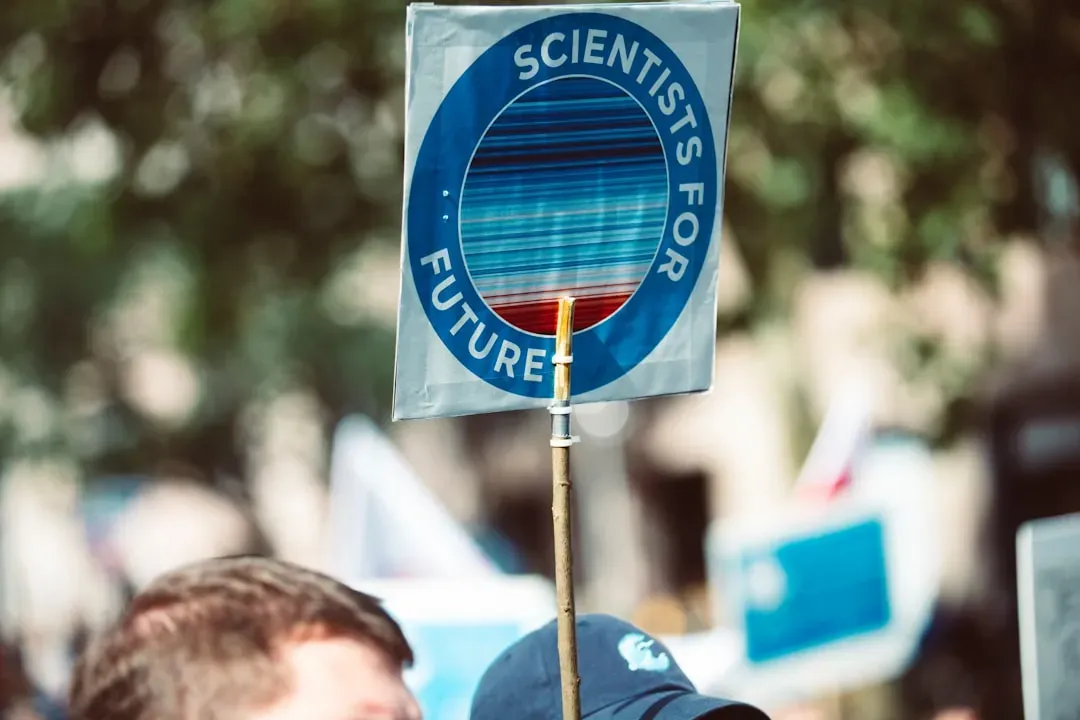
Let’s be real. Not everyone is cheering. For every enthusiastic scientist celebrating these milestones, there’s a skeptic with a very valid point. Enthusiasts say the company could be creating invaluable tools not only to resurrect ancient species, but also to save creatures on the brink of extinction. Critics say the company’s goals are far-fetched and its claims exaggerated. They question whether it would be ethical or safe to bring back extinct species, even if it were possible.
Skeptics even fear Colossal’s efforts could undermine conservation efforts altogether. The argument runs something like: “Now we don’t have to worry about conservation anymore because we can just bring animals back from the dead.” In fact, Interior Secretary Doug Burgum cited the possibility of “de-extinction” when questioning the Endangered Species Act. That’s a chilling thought. De-extinction, while scientifically fascinating, raises complex ethical and environmental questions. Conservationists warn that reviving extinct species could divert resources from protecting endangered animals still at risk today, such as elephants, rhinos, and tigers. It’s hard to say for sure where the line between visionary science and dangerous distraction actually falls, but the conversation absolutely needs to happen.
Conclusion: A New Chapter in the Story of Life on Earth
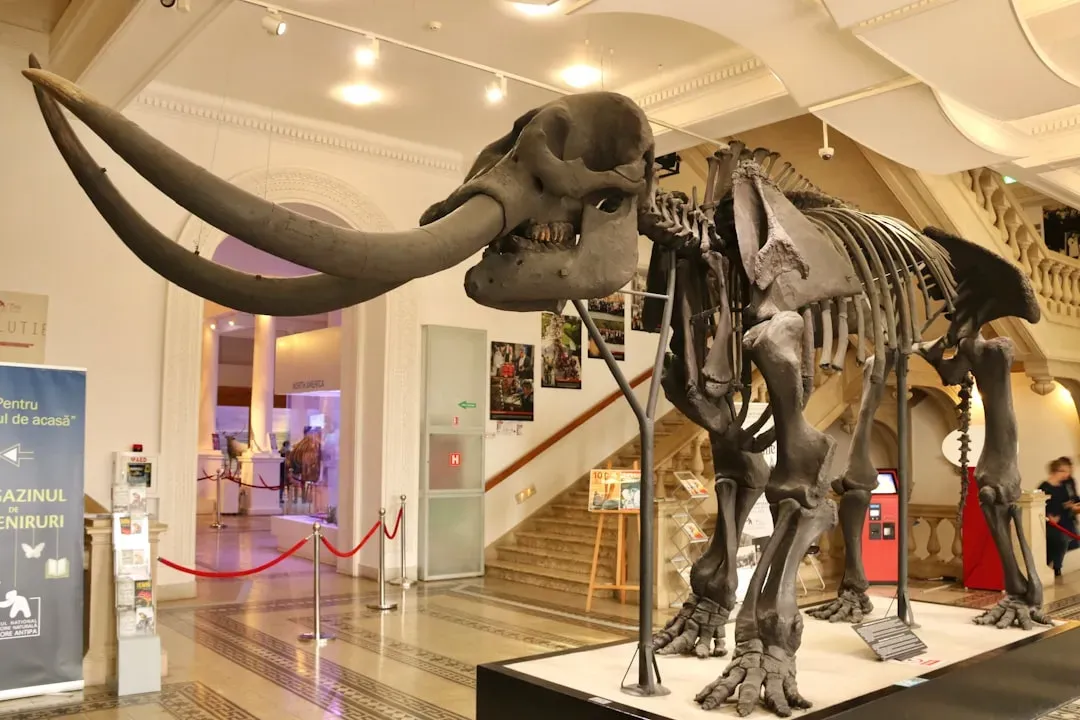
We are living through something genuinely unprecedented. For the first time in human history, extinction is no longer necessarily a one-way door. In just the last several months, de-extinction has moved closer from science fiction to science fact. The tools are real, the investment is massive, and the milestones are stacking up in ways that seemed impossible even a decade ago.
The ultimate vision emerging from Colossal’s work extends beyond individual species resurrection to the restoration of functional ecosystems with their historical biodiversity. Whether that vision becomes reality or remains a compelling dream, the science being developed along the way, in genetics, reproductive medicine, and ecosystem restoration, is already changing the world in tangible ways. The mammoth may or may not walk the Siberian tundra again by the end of this decade. The company says it’s getting close and predicts the birth of the first mammoth in about two years. One thing is certain though: the conversation humanity is now having about our responsibility to the natural world has never been more urgent, or more interesting.
So here’s the question worth sitting with: if we have the power to undo extinction, do we also have the wisdom to decide which species deserve a second chance? What do you think? Share your thoughts in the comments below.