
Have you ever wondered why two people can witness the same event yet walk away with completely different stories about what happened? It’s like watching the same movie through different lenses. We’d like to think we see the world as it truly is, but there’s something far more intriguing happening beneath the surface of our everyday experiences.
Your brain isn’t just passively recording reality like some biological video camera. Instead, it’s actively constructing what you experience moment by moment, filtering everything through your unique collection of beliefs, past experiences, and expectations. Think of it as looking into a mirror that doesn’t just reflect what’s there but actually bends and shapes the image based on who you are inside.
Your Brain as a Reality Constructor
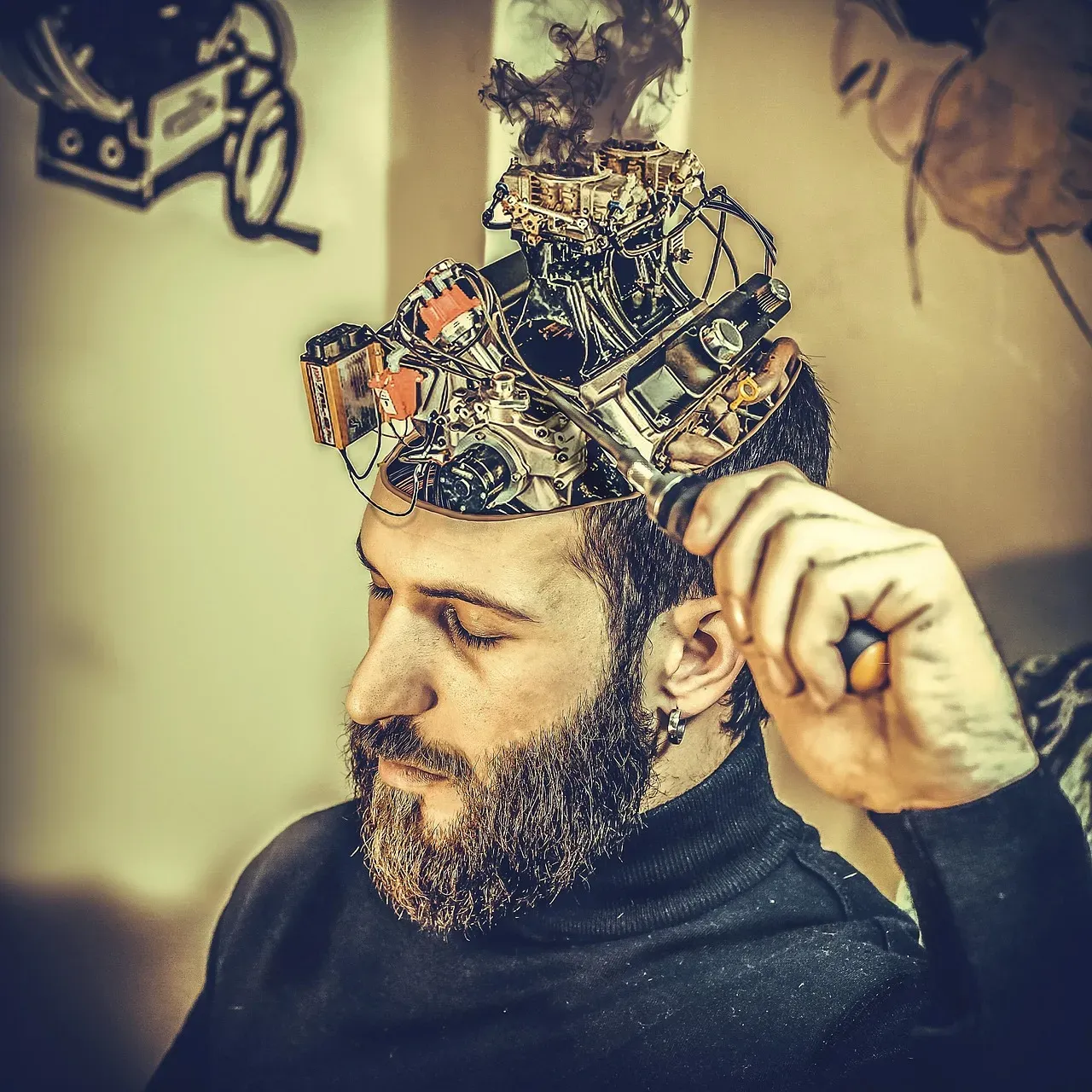
Your brain constantly makes and updates best guesses about what’s out there in the world by combining prior expectations with incoming sensory data. This isn’t some new age philosophy; it’s hardcore neuroscience. Perception is partly constructed by your brain, combining sensory information from your organs with your brain’s prediction of what it expects to experience.
Here’s the thing that’s hard to wrap your head around. What you perceive in any given moment is determined not only by sensory input but by your personal physical abilities, energy levels, feelings, and social identities. When you’re exhausted, the world looks different than when you’re energized. When you’re anxious, threats seem to lurk around every corner.
The Belief Filter That Colors Everything

Beliefs provide an incredibly powerful lens that shapes your experience, affecting what you attend to, perceive, remember, and consider plausible as an explanation. Let’s be real: your beliefs aren’t just abstract ideas floating around in your consciousness. They’re active agents shaping every single moment of your waking life.
Your beliefs become your reality, and this isn’t just motivational poster talk. Your thoughts, if you think them over and over and assign truth to them, become beliefs. Once formed, these beliefs act like magnets, pulling in evidence that supports them while pushing away anything that contradicts them. You might insist you’re being objective, but your brain has already stacked the deck.
It gets even more fascinating when you realize beliefs are intertwined with emotions, conscious or unconscious. That’s why challenging someone’s deeply held beliefs feels like a personal attack. You’re not just questioning their ideas; you’re threatening their emotional framework for understanding the world.
Confirmation Bias: The Ultimate Reality Distorter
People tend to test hypotheses in a one-sided way, by searching for evidence consistent with their current hypothesis and phrasing questions to receive affirmative answers. This is confirmation bias in action, and honestly, it’s one of the sneakiest ways your mind plays tricks on you.
Picture this scenario. If you believe you’re not attractive enough, you might go to a party where ten people tell you that you look great and one person says your outfit is interesting – you’re likely to go home and fixate on the interesting comment, reinforcing your original belief. The other ten compliments? They might as well have never happened.
These biases contribute to overconfidence in personal beliefs and can maintain or strengthen beliefs in the face of contrary evidence, producing systematic errors in judgment. It’s like wearing tinted glasses and forgetting you have them on, then insisting the whole world is actually that color.
Emotions as Perception Architects

Your emotional state doesn’t just color your mood; it fundamentally alters what you perceive as real. Research found that people in a good mood judge situations more favorably than those in a bad mood. Think about the last time you were angry at someone. Suddenly, everything they did seemed annoying, right? That’s not because they changed; your emotional lens changed.
Neuroimaging studies reveal that fear activates the amygdala, making people more likely to see neutral faces as hostile, meaning an individual’s state of mind can dramatically affect how they interpret reality. When you’re scared, the world becomes a scarier place. Not because danger increased, but because your perception shifted.
I know it sounds crazy, but your brain is essentially running a prediction game with reality. When you’re in a particular emotional state, your brain expects to encounter situations that match that state, creating a self-fulfilling prophecy of perception.
The Placebo Effect: When Belief Becomes Medicine

Let’s talk about one of the most mind-bending demonstrations of perception shaping reality: the placebo effect. The placebo effect shows that people can get better if they simply believe they are being treated for a disease, and this was once viewed as just an experimental hassle. Now? Scientists recognize it as proof that your mind actively changes your body’s reality.
Placebo effects are beneficial effects attributable to brain-mind responses to the context of treatment delivery rather than specific drug actions, mediated by diverse processes including learning, expectations, and social cognition. Sugar pills reducing pain. Fake surgeries improving mobility. Your belief literally rewiring your neural pathways.
Research found that placebos labeled as such were still fifty percent as effective as real drugs to reduce pain after migraine attacks. Even knowing it’s fake doesn’t always kill the effect. That should tell you something profound about the power lurking in your skull.
Past Experience: The Invisible Hand Guiding Present Perception

Research suggests that perception is not a direct recording of sensory input but rather a hypothesis created by the brain based on past experience. Everything you’ve ever experienced is quietly shaping how you see what’s happening right now. You think you’re seeing things fresh, but you’re actually viewing them through layers upon layers of memory.
Studies on reconstructive memory show that people unknowingly alter past experiences to fit their existing beliefs. Your memories aren’t reliable recordings; they’re more like stories you keep rewriting to make sense within your current belief system. Each time you remember something, you’re potentially changing it to better fit who you are now.
Someone who’s been repeatedly betrayed might interpret neutral actions as deceptive, while a trusting person assumes goodwill. Same action, completely different realities. Neither person is wrong about what they perceive; they’re just seeing through different experiential lenses that were ground and polished by their unique histories.
The Social Mirror: How Others Shape What You See

Research shows that affective attitudes toward ourselves can bias behavioral and emotional responses to our own face in the mirror, and a negative way of representing oneself could produce negative emotions during mirror self-recognition. When you look at yourself – literally or figuratively – you’re not seeing objective truth. You’re seeing yourself through the lens of how you think others see you.
Culture plays a major role in shaping perception, with research finding that Westerners focus on objects while East Asians pay more attention to context and relationships. Your cultural background isn’t just about customs and traditions; it’s about fundamentally different ways of carving up and interpreting reality itself.
The judgments and messages you’ve received from others throughout your life become internalized scripts that run automatically in the background of your consciousness. Social media amplifies this effect exponentially, creating echo chambers where your existing views get reflected back at you until they seem like universal truths.
Breaking Free from Perceptual Prison

Mindfulness meditation decreases activity in brain regions associated with self-referential thinking and biases. There are actual, practical ways to loosen the grip of your perceptual filters. The first step is simply recognizing they exist, which is harder than it sounds because your filters are specifically designed to be invisible to you.
Many forces below conscious awareness affect our perceptions, thoughts, and decisions, and becoming cognizant of those influences could keep us from making costly misjudgments or creating unnecessary conflicts with others who see things differently. Self-awareness isn’t just helpful; it’s essential for functioning in a world where everyone is walking around in their own perceptual reality.
Try this mental exercise: next time you have a strong reaction to something, pause and ask yourself what beliefs or past experiences might be coloring your perception. What would someone with completely different beliefs see in the same situation? It’s uncomfortable work, questioning your own lens, but it’s also weirdly liberating.
Conclusion: Living with Multiple Realities

When we experience things as being real, we’re less able to appreciate that our perceptual worlds may differ from others, and even small differences can become entrenched and reinforced as we harvest information aligned with our individual models of the world. This is both unsettling and profound. There isn’t just one reality that we all perceive differently; in a very real sense, we each inhabit our own constructed reality.
The mirror effect reveals that you’re simultaneously the observer and creator of your experienced world. Your perceptions aren’t passive reflections of what’s out there; they’re active constructions shaped by your beliefs, emotions, experiences, and expectations. Understanding this doesn’t mean reality is whatever you want it to be, but it does mean you have more agency in shaping your experience than you probably realized.
So here’s the real question: now that you know your perceptions are shaping your reality, what are you going to do about it? What would change if you started questioning your automatic interpretations? How might your world transform if you deliberately adjusted your perceptual filters? The mirror effect isn’t just a fascinating psychological phenomenon; it’s an invitation to become more conscious architects of the reality we experience every single day.