
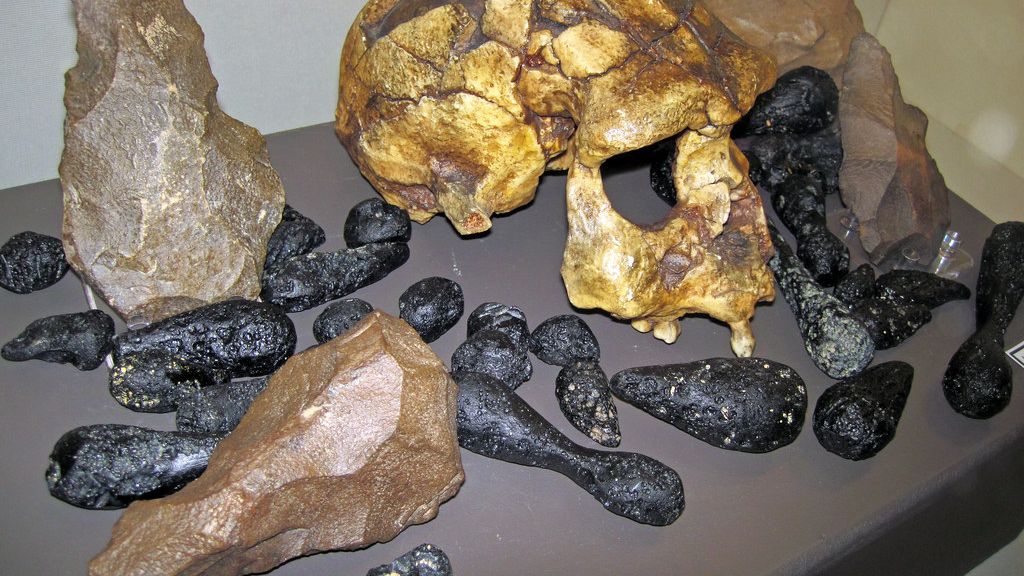
Every time a human fossil comes out of the ground, it feels a bit like time travel with mud on its boots. You are suddenly face to face with someone who lived, loved, struggled, and died hundreds of thousands or even millions of years ago, and yet left just enough behind to change what we think we know about ourselves. These discoveries are rarely neat or complete; they are often a handful of bones, a broken skull, or a fragment of jaw. But from those fragments, scientists have rebuilt whole chapters of our story, and sometimes had to tear out the old pages and start again.
What makes certain fossils so famous is not just their age or how spectacular they look in a museum case, but how violently they forced us to update our mental picture of human evolution. Some showed that our ancestors walked upright far earlier than expected. Others blurred the clean lines we tried to draw between “us” and “them.” And a few are so strange that even today, experts still argue about exactly what they are. Let’s walk through some of the most iconic fossils ever found, and what each one whispered, shouted, or screamed about being human.
“Lucy” (Australopithecus afarensis): The Little Skeleton That Rewrote Walking
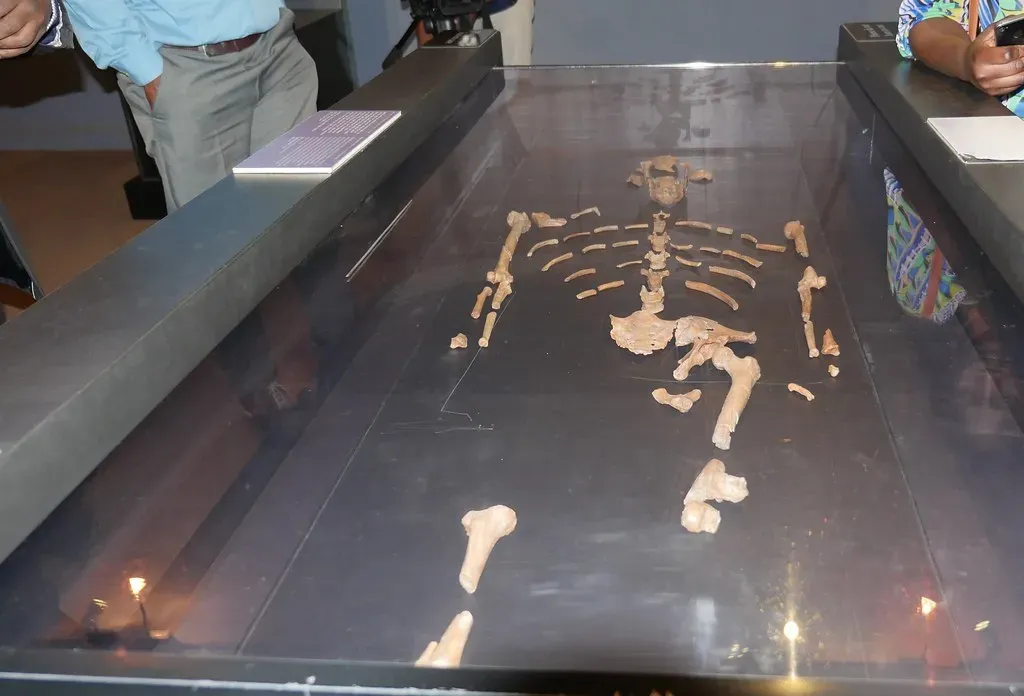
Lucy is probably the closest thing paleoanthropology has to a celebrity, and not by accident. Discovered in 1974 in Ethiopia and dated to just over three million years ago, she was only a bit more than one meter tall, but her impact was enormous. Her partial skeleton is unusually complete for something so ancient, which gave scientists a rare, almost intimate look at how an early ancestor held itself together. When her bones were studied in detail, we learned that this small, ape-like creature walked upright on two legs, while still having a body and brain far closer to a chimpanzee than to modern humans.
Lucy showed that walking on two legs did not evolve as the final touch after big brains appeared; it came millions of years earlier. Her hip, knee, and ankle joints, along with the shape of her pelvis, were all tuned for upright walking, even though her arms were long and her fingers still looked suited for climbing. That mix of traits shattered the simple story that brain expansion drove everything else and forced scientists to rethink why bipedalism evolved at all. I still remember seeing Lucy’s reconstruction for the first time and thinking she looked like a child caught halfway between the forest canopy and the open savanna, already committed to walking but not yet ready to let go of the trees.
The Taung Child: A Tiny Face That Challenged Big-Brain Arrogance
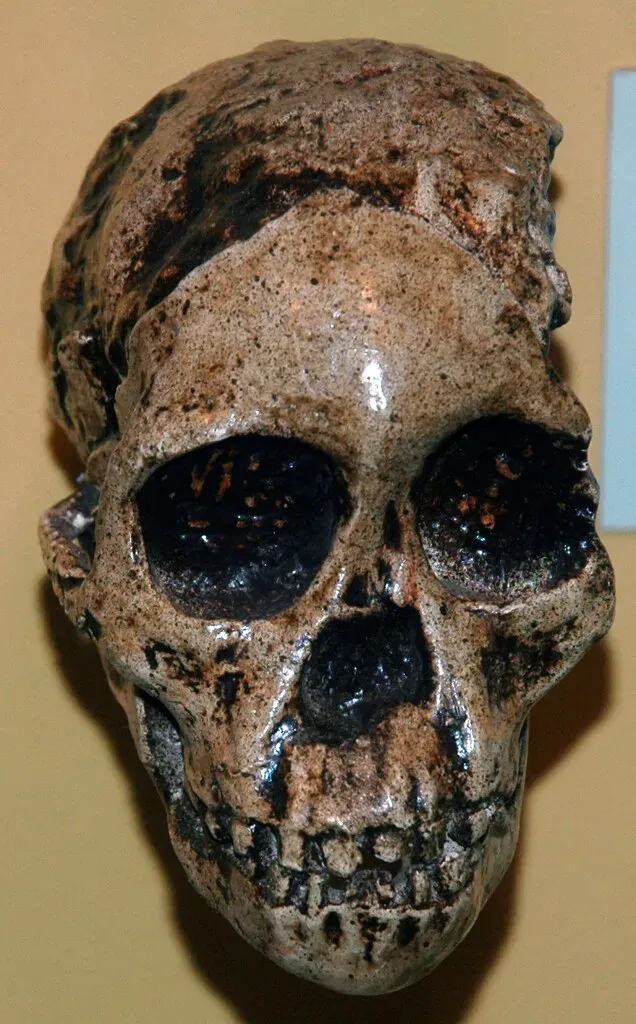
The Taung Child, discovered in South Africa in the 1920s, was “just” a small skull and jaw of a young individual, but it landed like a bomb in a world that still wanted our origins to be European and our ancestors to be big-brained from the start. The fossil, later named Australopithecus africanus, had a mix of features that annoyed a lot of people at the time: its braincase was small, more like an ape, but the position of the foramen magnum (the opening where the spinal cord enters the skull) suggested that the head was balanced on a body that stood upright. This implied a small-brained, bipedal ancestor in Africa, and many early critics simply refused to believe it.
Decades later, as more fossils were found, the Taung Child was vindicated and became a symbol of how evidence can slowly crush stubborn assumptions. The fossil helped solidify the idea that our lineage passed through a phase where bodies evolved toward efficient upright walking long before brains exploded in size. It is also one of those fossils that hits you emotionally when you remember it was a child – someone’s young offspring who died and was preserved by sheer chance. That skull is both a data point in a scientific argument and a reminder that every step in human evolution was lived out by individuals who never knew they were part of a story we would one day argue about.
“Turkana Boy” (Homo erectus / Homo ergaster): The Nearly Complete Teenager
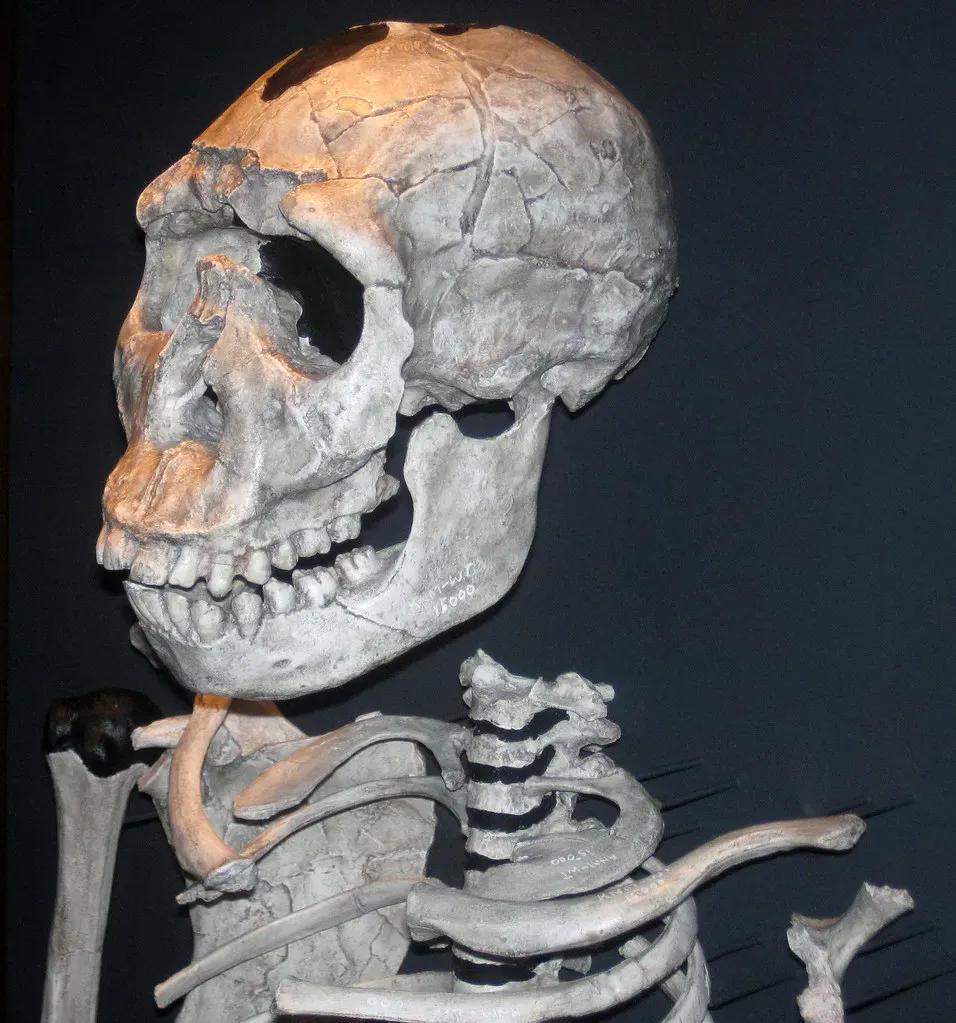
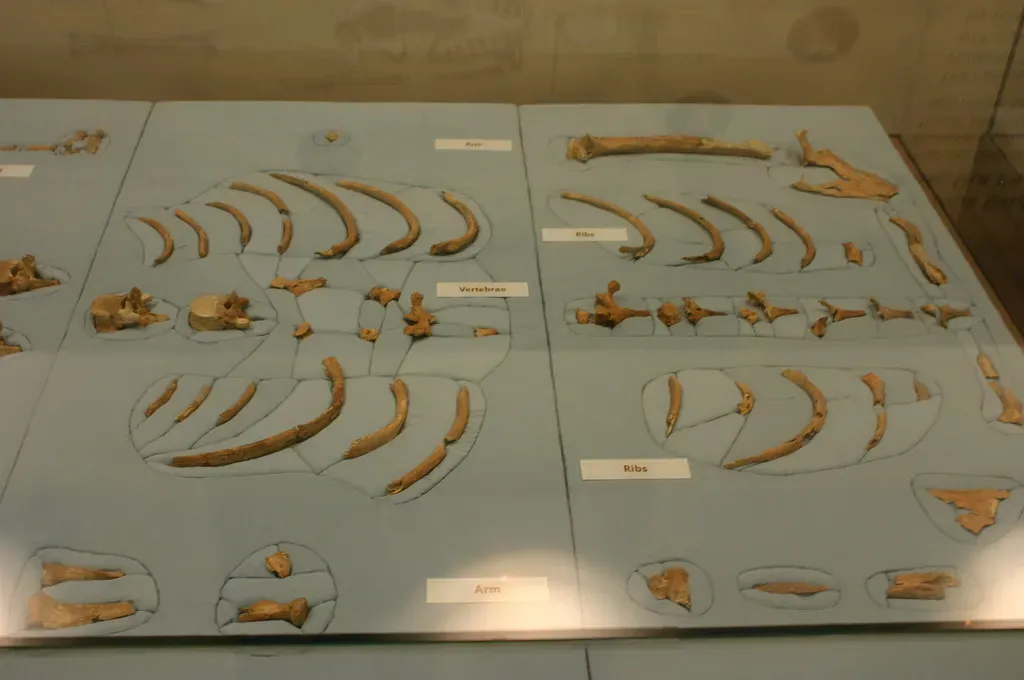
When scientists unearthed the skeleton known as Turkana Boy near Lake Turkana in Kenya, they found something almost unheard of in the fossil record: a remarkably complete skeleton of a young Homo erectus–like individual from roughly about one and a half million years ago. Most of the time, paleoanthropologists have to make do with fragments; here, they suddenly had ribs, limbs, vertebrae, and a skull from a single person who had not yet finished growing. That level of completeness allowed them to go beyond abstract ideas and actually model how a member of this species moved, grew, and lived.
Turkana Boy revealed that by this stage in our evolutionary history, body proportions were surprisingly modern. Long legs, narrower hips, and a relatively slim build all point to an adaptation for long-distance walking and running in open environments. His brain was still smaller than ours today, but much larger than that of earlier hominins, hinting at a life that required more complex behavior and social coordination. One chilling detail is that he probably died from a health issue, possibly an infection or spinal problem, rather than some dramatic predator attack, which makes him feel weirdly relatable. In a way, Turkana Boy bridges the gap between the distant, ape-like ancestors and humans you could easily imagine jogging alongside on a hot afternoon in East Africa.
Neanderthal Skeletons: The “Brutes” Who Turned Out To Be Family
The first Neanderthal fossils discovered in Europe were greeted with a mix of fascination and disgust, quickly cast as symbols of brutality and stupidity. Early reconstructions emphasized heavy brows and stooped posture, reinforcing a story where Neanderthals were primitive losers and modern humans were the triumphant, refined winners. Over time, as more skeletons were found – often with signs of healed injuries, deliberate burials, and specialized tools – the caricature fell apart. These were not mindless beasts; they were close cousins whose bodies were powerfully built and whose behavior was far more sophisticated than we wanted to admit.
Neanderthal fossils revealed a species adapted to cold climates, with robust bones, wide ribcages, and strong limbs. Many skeletons show evidence of individuals who survived serious injuries thanks to care from others, hinting at social bonds and empathy that feel distinctly human. Later genetic evidence confirmed that most people living outside Africa today carry a small percentage of Neanderthal ancestry, which means contact was not just hostile competition – it included intimate relationships and shared offspring. To me, Neanderthal bones might be the most haunting of all: they show a way of being human that was different but not inferior, a path that ended while ours continued, yet still literally lives on in our DNA.
“Hobbit” of Flores (Homo floresiensis): The Tiny Mystery on an Island
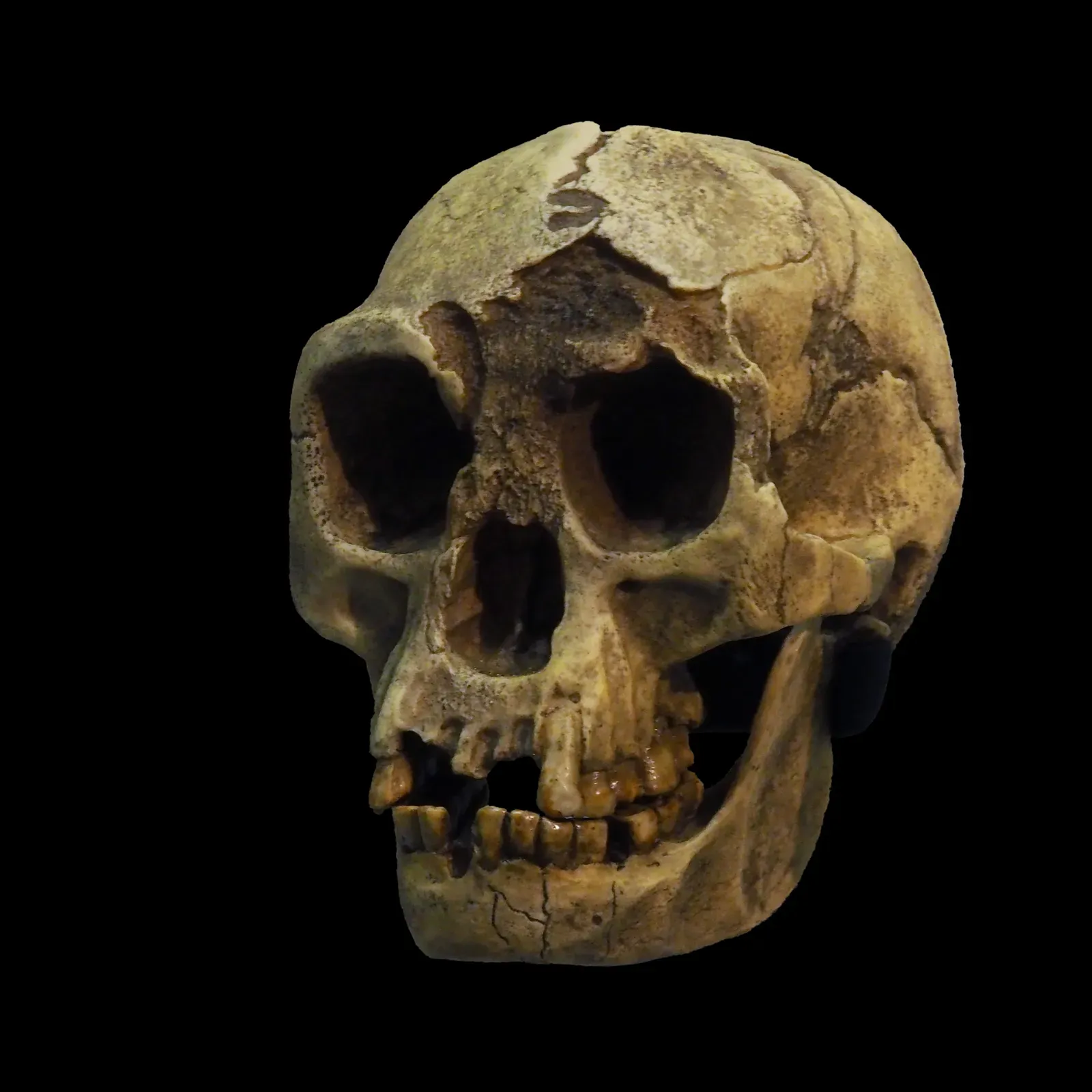
When remains of a tiny hominin were found on the Indonesian island of Flores in the early 2000s, many scientists and journalists practically did a double-take. The individual, nicknamed the “Hobbit,” stood only about as tall as a preschooler, with a brain much smaller than any living human’s, yet the bones were tens of thousands of years old – far too recent to fit neatly into earlier evolutionary charts. Some skeptics initially argued it might be a modern human with a pathological condition, but additional fossils and detailed analyses shifted opinion toward recognizing a distinct species: Homo floresiensis.
The Hobbit fossils forced a hard question: how did such a small-brained, small-bodied hominin survive on a remote island for so long, possibly overlapping with modern humans in the wider region? Stone tools and evidence of animal processing suggest they were not helpless; they were managing their environment effectively, just in a very different package from ours. The discovery shook the ingrained idea that bigger brains always win, or that evolution moves in a straight line toward “more advanced” forms. Standing in front of a reconstruction of the Hobbit, you cannot help but feel a mix of affection and unease – this was a cousin who broke the rules, lived out their entire saga on a speck of land, and then disappeared, leaving us with more questions than answers.
“Ardi” (Ardipithecus ramidus): The Almost-Unimaginable Early Ancestor
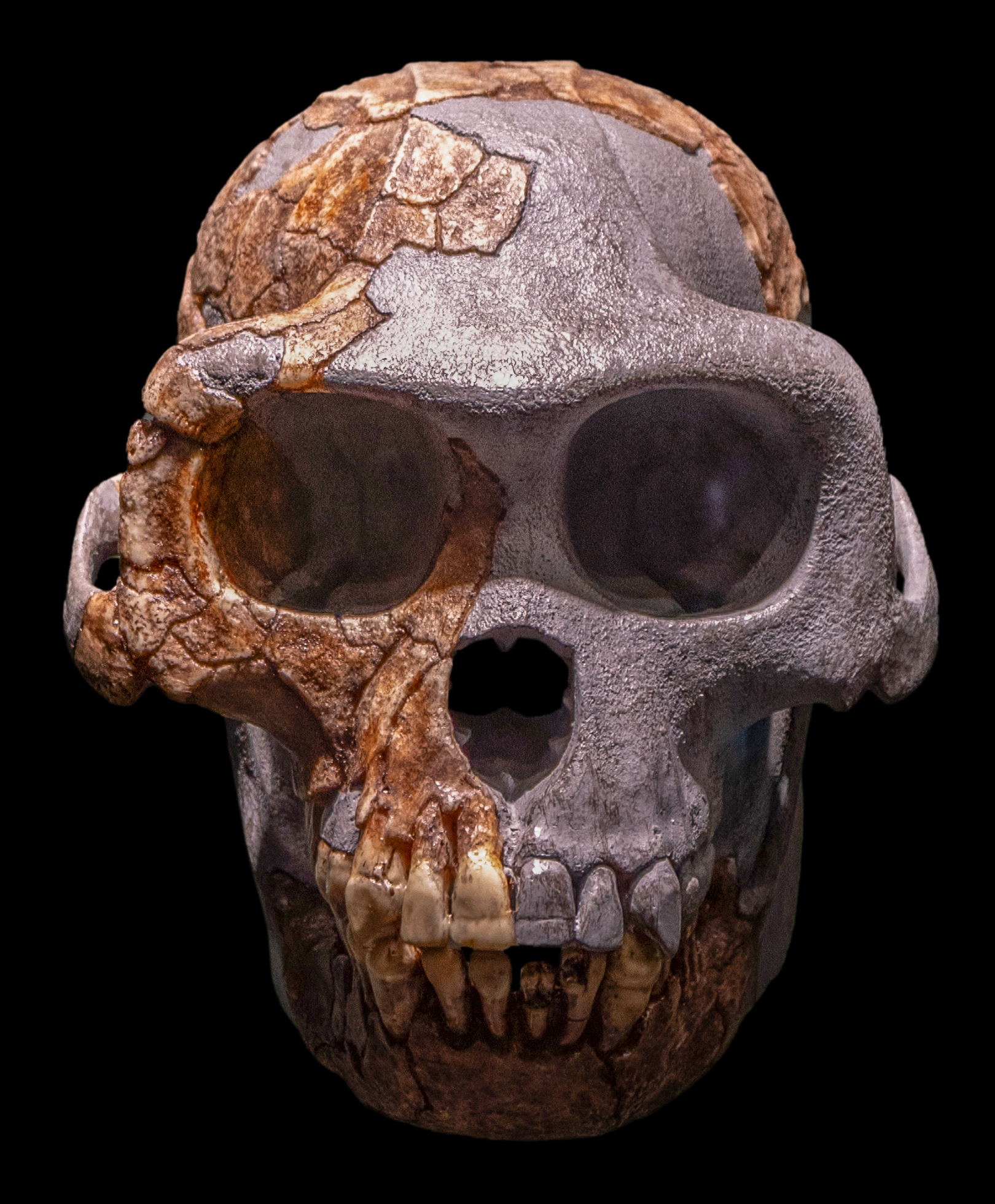
Ardi, short for Ardipithecus ramidus, emerged from Ethiopia as one of the most puzzling and important fossils ever described, dating back around four and a half million years. The skeleton took years of painstaking reconstruction and analysis because the bones were delicate, crushed, and scattered. What eventually emerged was a creature that shared features with both earlier apes and later hominins, but did not neatly match the expectations for a simple “missing link.” Ardi’s pelvis and feet suggested some capacity for upright walking, but her big toe was still grasping, more suited for climbing in trees.
This fossil challenged the long-standing picture of our earliest ancestors as knuckle-walking, chimp-like creatures that gradually rose to their feet on the ground. Instead, Ardi suggested that the last common ancestor of humans and chimpanzees might have been a more generalized climber with its own unique way of moving, and that both lineages later evolved different specializations. That is a subtle but profound shift: it means we cannot just look at modern apes and assume they are living models of our deep past. Ardi, in all her fragile, reconstructed glory, is a reminder that evolution is rarely tidy and that our assumptions are often shaped more by imagination than by evidence.
Denisovan Fossils: A Whole Human Group From Traces and DNA
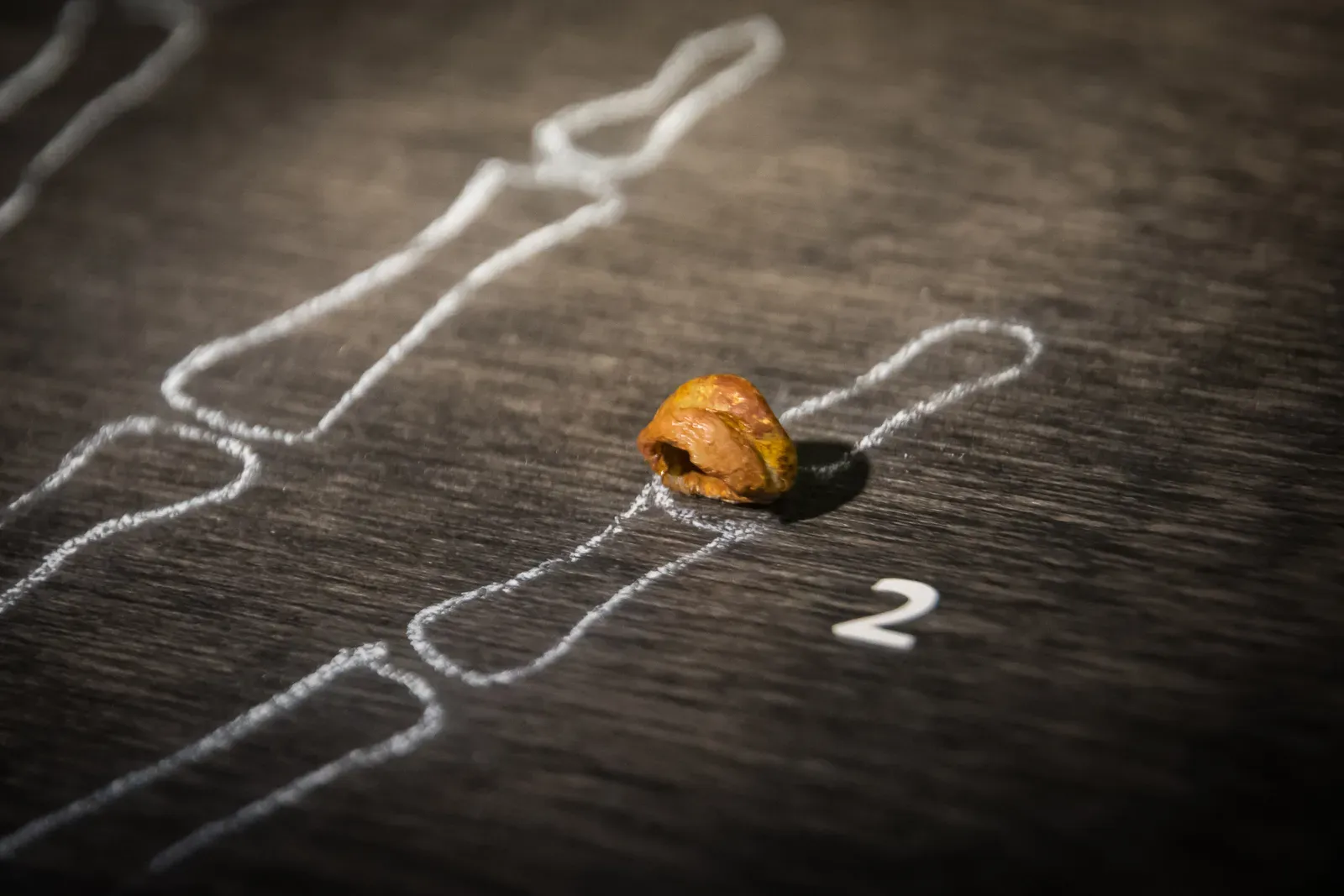
Few discoveries feel as sci‑fi as the Denisovans: a mysterious human group revealed not by dramatic skeletons, but by tiny fragments backed by powerful genetics. The first hint came from a finger bone and a tooth found in Denisova Cave in Siberia, which did not seem particularly special at first glance. When scientists extracted and analyzed ancient DNA from these remains, though, they realized they were dealing with a previously unknown branch of the human family, distinct from both Neanderthals and modern humans. With only a handful of bones and teeth, plus a few later finds in Asia, Denisovans became a whole population known mostly through their genetic signature.
Denisovan fossils opened a new way of thinking about human history, where bones and genes work together to reveal ghost populations that left more traces in DNA than in rock. Today, people in parts of Asia and Oceania carry Denisovan ancestry, including variants that seem to help with adaptation to high altitudes or other environments. That means this group did not just coexist with us; they shaped us in subtle but lasting ways. To me, Denisovans feel like the quiet neighbors in our evolutionary neighborhood – rarely seen, but still influencing how we live today. Their few sparse fossils hint that there are probably even more unknown chapters buried out there, waiting for someone curious enough to look closely at what seems like “just a fragment.”
Opinionated Conclusion: A Messier, Richer Human Story Than We Wanted
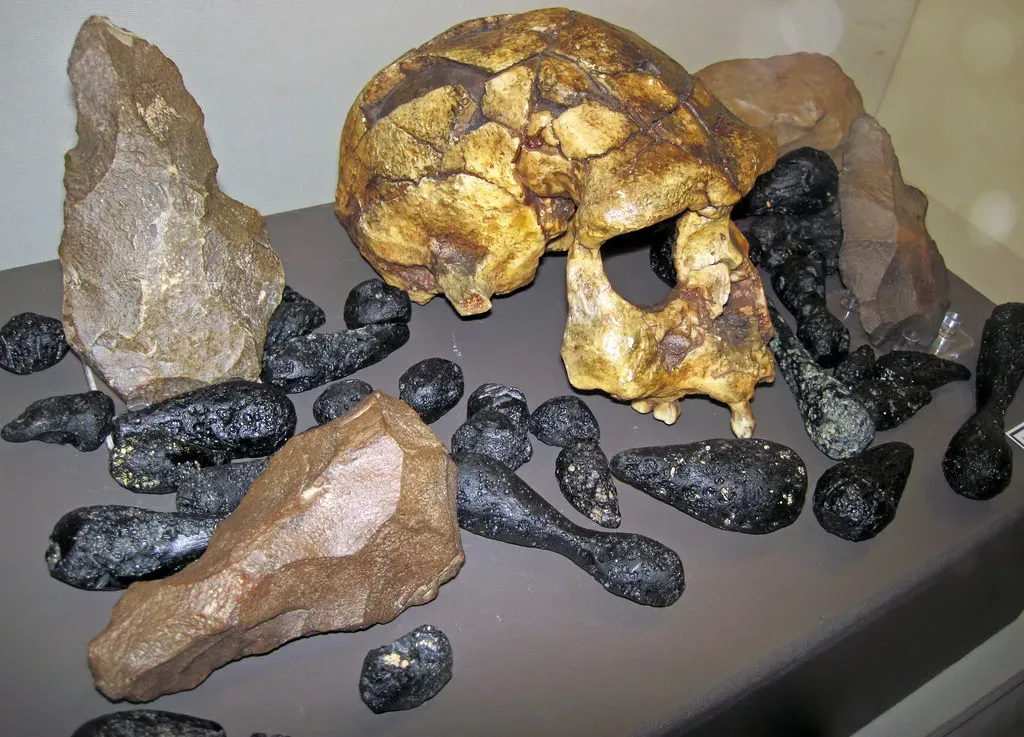
When you line up Lucy, the Taung Child, Turkana Boy, Neanderthals, Hobbits, Ardi, and Denisovans, one thing becomes impossible to believe: the comforting story of a simple ladder from ape to human. The fossils refuse that story at every turn. Instead of a ladder, they suggest a tangled, branching tree, with experiments in body size, brain shape, walking style, and behavior happening in parallel across Africa, Europe, and Asia. Some branches survived for astonishing stretches of time and then vanished; others bumped into each other, interbred, and left genetic echoes that still shape our health, our appearance, and maybe even aspects of how we cope with certain environments.
My own opinion, after following these finds for years, is that the most dangerous myth we cling to is that humans are the inevitable peak of some grand evolutionary plan. The fossils say something much more humbling and far more interesting: we are just the one surviving twig of a wildly creative bush of hominins, lucky in timing and environment, not ordained by destiny. Those famous bones in museum cases are not trophies of our superiority; they are reminders of how fragile and contingent our existence really is. Next time you see a fossil skull under glass, it might be worth asking yourself a slightly uncomfortable question: if time had rolled differently, which face would be sitting in the exhibit – and which would be standing on the other side of the glass, wondering what went wrong?