
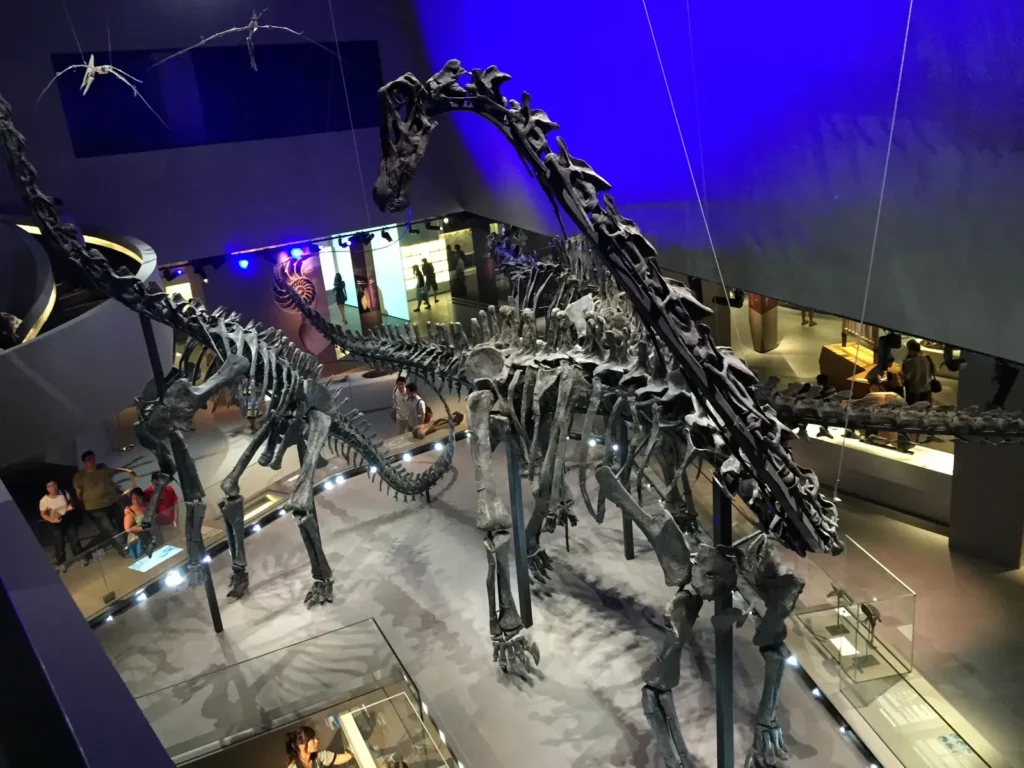
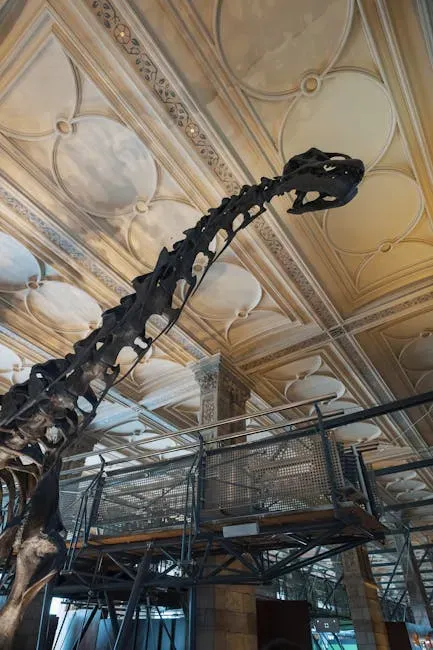
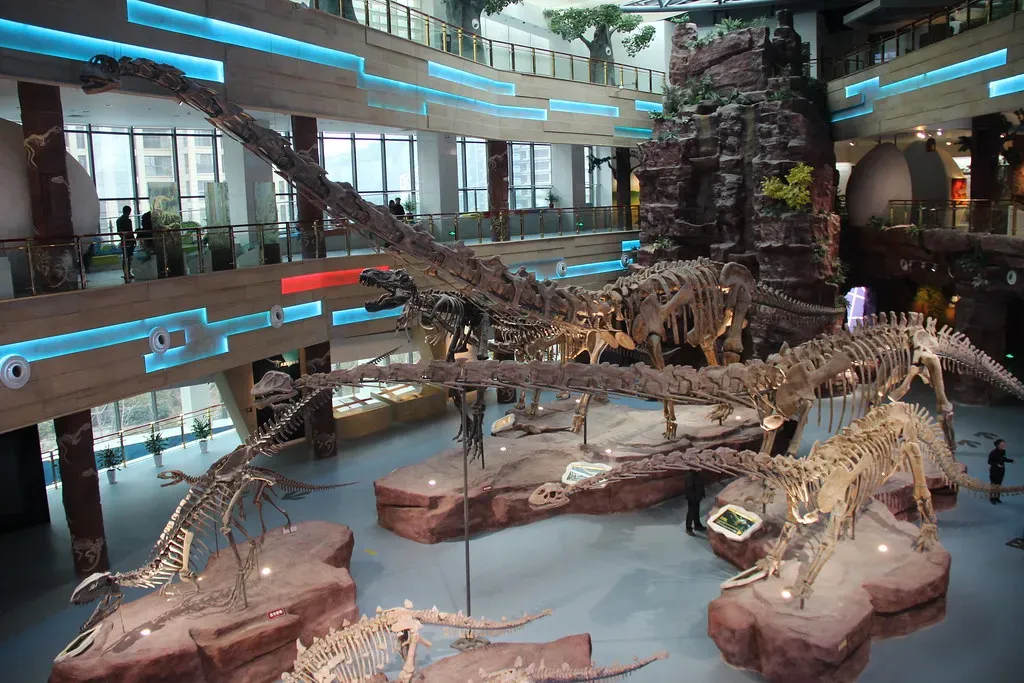
There is something almost otherworldly about standing beneath a full-scale skeleton of a sauropod in a natural history museum. Your neck cranes upward, your brain quietly refuses to process what it is seeing, and for a brief moment, you genuinely wonder how on earth something so colossal ever walked this planet. It is not just impressive – it is humbling in a way few things in nature manage to be.
For nearly two centuries, scientists have wrestled with one of paleontology’s most deliciously stubborn puzzles: why did dinosaurs grow so absurdly, breathtakingly large? The theories have ranged from the sensible to the spectacularly wrong. Now, thanks to advances in bone analysis, biomechanics, and evolutionary biology, the picture is slowly – and thrillingly – coming into focus. Let’s dive in.
Giants of the Ancient World: Just How Big Were They?
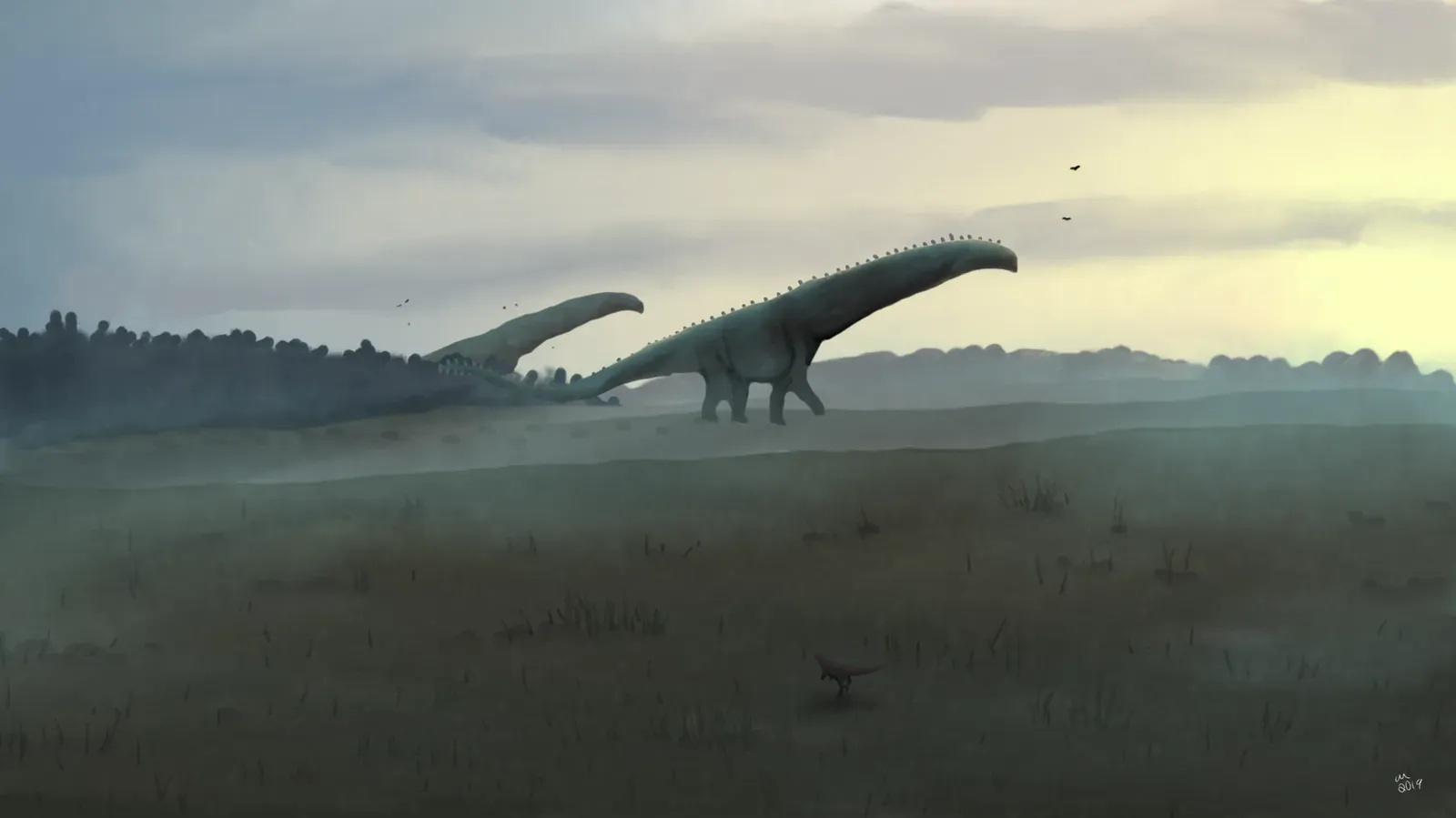
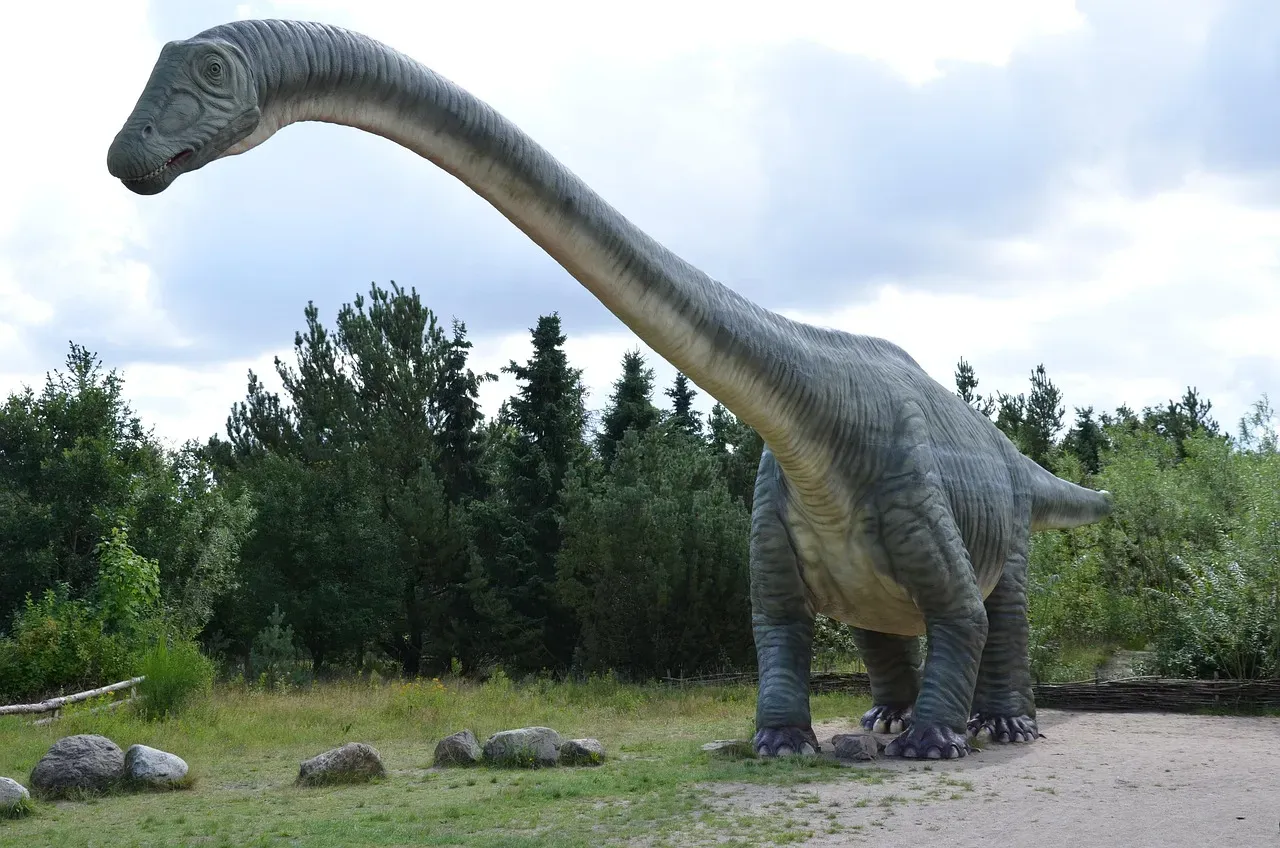
Let’s be real for a moment. When we say dinosaurs were big, we are not talking about “big for a lizard.” We are talking about a scale of size that no land animal since has come close to matching. Sauropod dinosaurs were the largest animals ever to inhabit the land, with estimated maximum body masses of 50 to 80 metric tons – surpassing the largest terrestrial mammals and non-sauropod dinosaurs by an entire order of magnitude.
With body lengths of more than 40 meters and heights of more than 17 meters, their linear dimensions remain unique in the animal kingdom. To put that into perspective, a modern African elephant – itself a colossus among today’s animals – would look like a large dog standing next to an Argentinosaurus.
Sauropod dinosaurs were likely the largest terrestrial animals that ever existed, with Argentinosaurus potentially weighing between 50 and 90 tonnes – a scale of size only surpassed by baleen whales, whose weight is supported by water. The scale is staggering, and it raises an inevitable question: how did evolution allow this to happen at all?
The Early Spark: Gigantism Began Earlier Than You Think
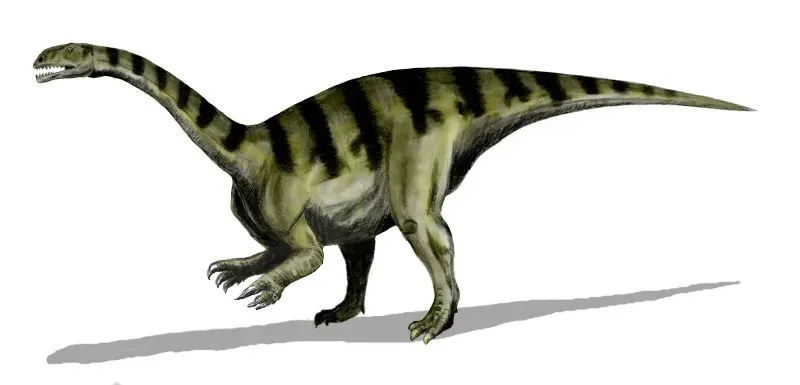
Here is something that might genuinely surprise you. Researchers once believed that truly giant body sizes in dinosaurs only emerged during the Jurassic period. That assumption turned out to be wrong. Early sauropodomorphs were small bipeds, and it was long believed that the acquisition of giant body size in this clade occurred during the Jurassic and was linked to numerous skeletal modifications.
A new sauropodomorph dinosaur taxon, Ingentia prima, and new lessemsaurid fossils from the Late Triassic of Argentina reveal a distinctive and early pathway towards gigantism, 30 million years before the first eusauropods appeared. Think about that. The drive toward enormous body size was already underway long before the animals we typically picture when we imagine giant dinosaurs even existed.
This novel strategy highlights a highly accelerated growth rate, an improved avian-style respiratory system, and modifications of the vertebral musculature and hindlimbs as critical to the evolution of gigantism, revealing that the first pulse toward gigantism in dinosaurs occurred over 30 million years before the appearance of the first eusauropods. The roots of dinosaur gigantism run far deeper in geological time than anyone expected.
The Bone Clock: Growth Rate vs. Growth Duration
One of the most fascinating recent discoveries has come not from fossils in the ground, but from the microscopic structure of fossil bone itself. The bones of many animals, including dinosaurs, slowed or paused growth every year, leaving marks like tree rings that indicate the animal’s age and can be used to estimate the rate of growth. Imagine being able to read an animal’s entire life story from a cross-section of its femur.
Researchers including Ohio University professor Patrick O’Connor discovered through examining the bones of dinosaurs that there was no relationship between growth rate and body size. This overturned a long-held assumption in evolutionary biology – that bigger animals simply grew faster.
It was thought that the predominant mechanism for evolving a larger body size was through developmental acceleration, having a faster growth spurt. A key study showed it is just as equally likely that dinosaurs actually slowed their growth but grew for longer. Honestly, that is a bit like discovering that the tallest person in the room did not necessarily grow the fastest – they just never stopped.
Skeleton Secrets: The Architecture of a Giant
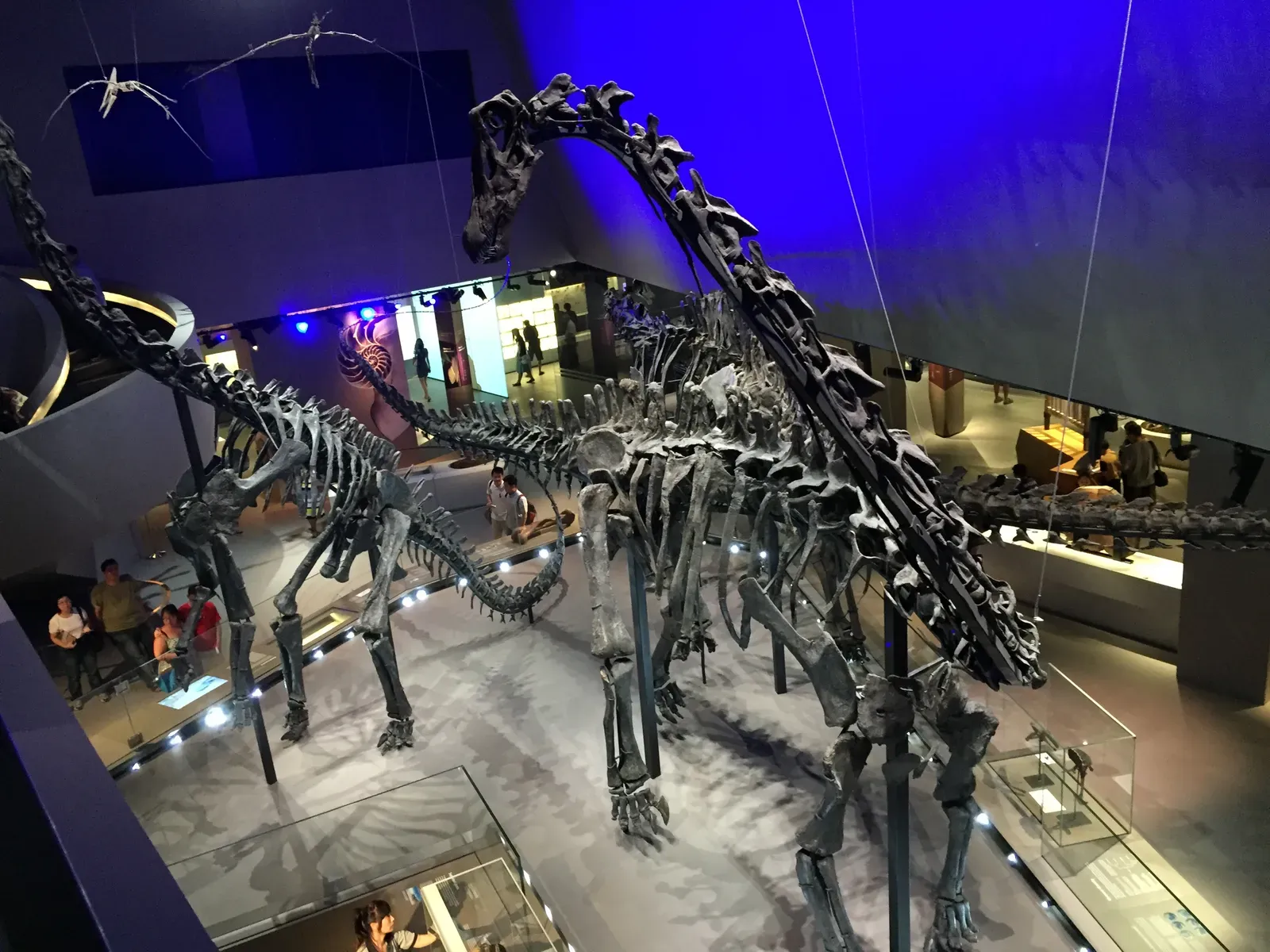
Growing enormous is one thing. Actually supporting that mass without your own skeleton crushing you is something else entirely. Dinosaurs, it turns out, had a number of extraordinarily clever engineering solutions baked into their bodies. Sauropods had complex air-sac systems in their respiratory tracts that created air pockets within and around their bones, keeping their skeletons light without sacrificing strength while also making oxygen extraction and heat shedding more efficient.
Research suggests that a soft tissue pad in sauropods would have reduced bone stresses by combining the mechanical advantages of a functionally plantigrade foot with the plesiomorphic saurischian condition, and the acquisition of this soft tissue pad by the Late Triassic may represent one of the key adaptations for the evolution of gigantism. In other words, their feet acted almost like cushioned shock absorbers, allowing them to bear unimaginable loads without shattering their own bones with every step.
Large-bodied tetrapods adopted different strategies regarding internal bone architecture, with giant extinct mammals like Eremotherium having thin compacta and enlarged medullae filled with trabeculae, whereas similarly sized sauropod dinosaurs like Ampelosaurus exhibited the opposite pattern. Dinosaurs and giant mammals essentially solved the same engineering problem using completely different blueprints.
The Reproductive Advantage: Eggs, Eggs, and More Eggs
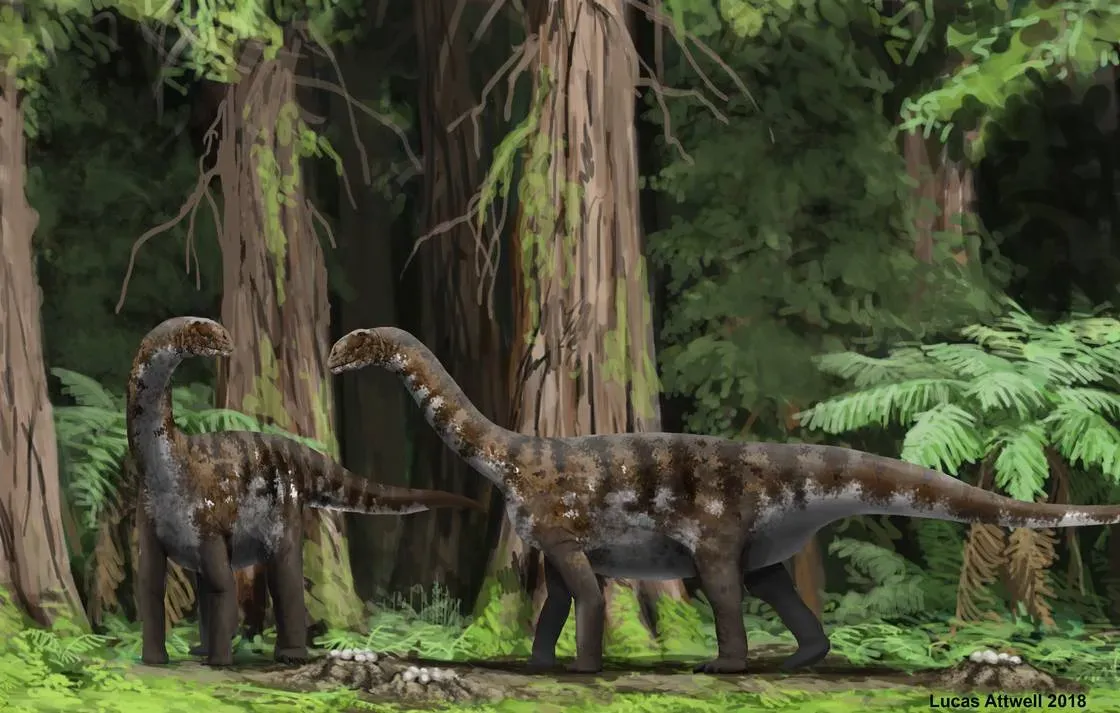
Here is a fascinating angle that does not get nearly enough attention: the way dinosaurs reproduced may have been one of the most powerful engines driving their gigantism. Sauropods, like all non-avian dinosaurs, laid multiple eggs at a time, bypassing the reproductive constraints of live birth and flooding their ecosystems with enormous numbers of babies that had the potential to grow huge.
Compare this to large mammals. Mammals give live birth and nurse their young – an elephant can drop a large calf only every few years, and must spend years nursing and raising the calf before it can survive on its own, with so many adults being supported by a fixed food supply that a clear limit on adult size is imposed.
Sauropods, on the other hand, laid dozens of eggs each year, and the juveniles could survive on their own. This is a brilliant evolutionary trick. You start life tiny, grow explosively fast, and your parents do not have to sacrifice their own body mass to raise you. It is like comparing a factory that produces thousands of inexpensive components versus one that hand-crafts a few expensive ones. At scale, the factory always wins.
The Food Factor: Eating Machines on an Epic Scale
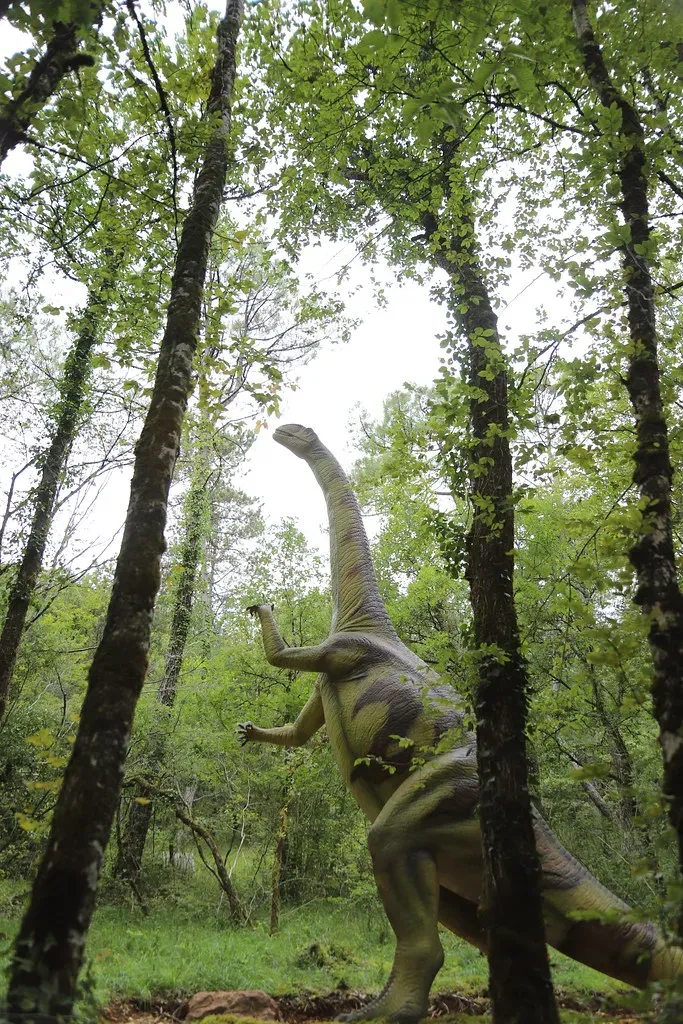
You cannot sustain a 70-tonne body without an extraordinary food intake strategy. Dinosaurs, particularly the giant herbivores, did not just eat a lot – they evolved a completely different relationship with food compared to modern large animals. Sauropods could grow long necks because they did not have heavy heads full of massive grinding teeth like large herbivorous mammals; instead, they had small, light heads full of simple teeth mostly capable of cropping vegetation to be broken down through their gastrointestinal tracts – their guts did the work, not their teeth.
As sauropods’ stomachs grew in size, researchers think they evolved the ability to store food for long periods, consuming enormous amounts very fast by swallowing it whole, with their stomachs doing the slow work of grinding it down over weeks and slowly releasing nutrients to fuel the massive bodies. Think of it as a slow cooker versus a microwave. Less energy spent chewing, more energy directed toward growth.
Some researchers have proposed that sauropod gigantism was an adaptation that increased the ability of sauropods to travel great distances, necessitated by pronounced seasonal changes. A bigger body holds more energy reserves, much like a larger fuel tank allows longer journeys without stopping. That is a compelling ecological explanation that ties body size directly to landscape and climate.
Predators, Arms Races, and the Pressure to Grow
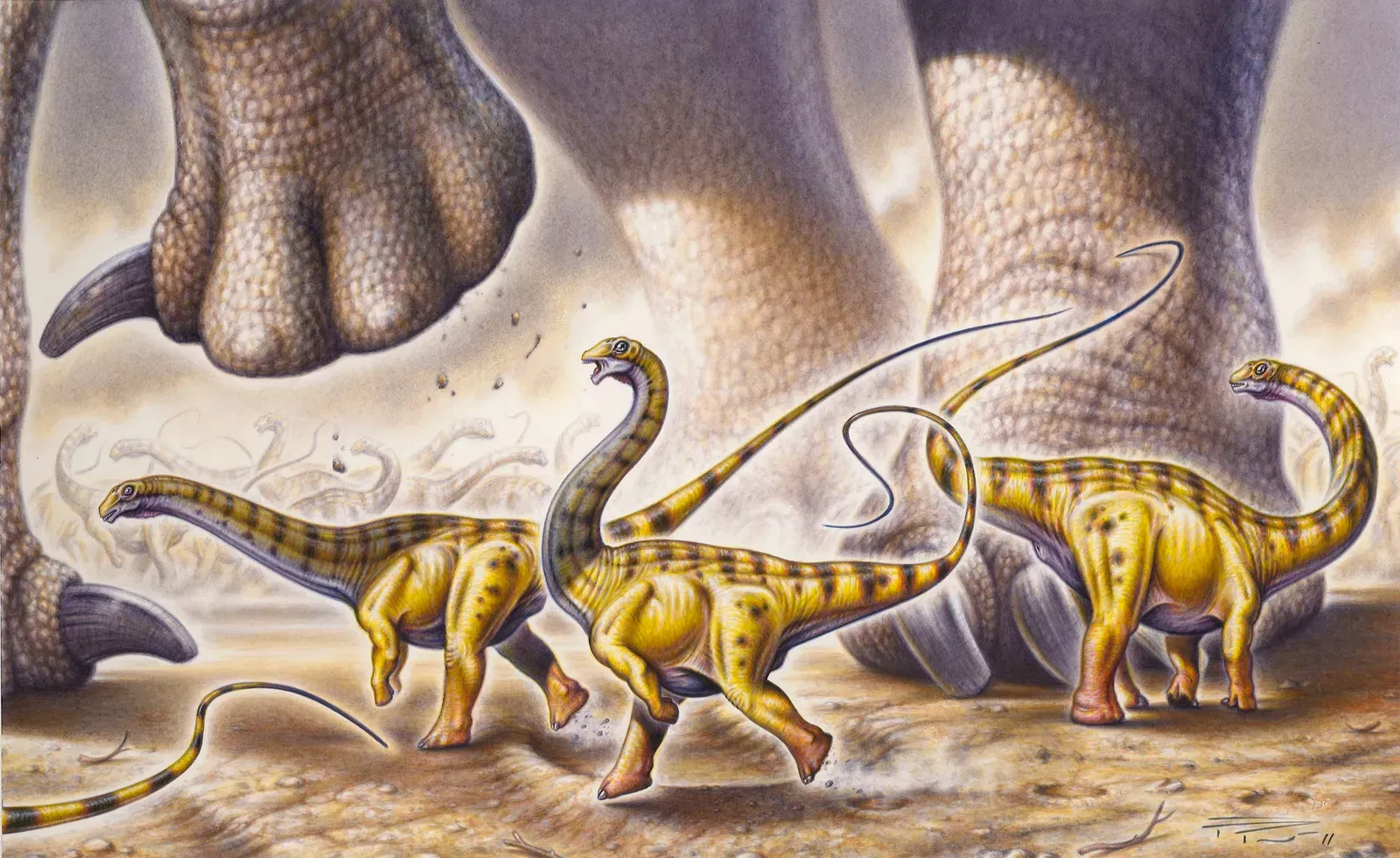
No story about dinosaur gigantism is complete without acknowledging the role that predators played. Herbivores gained mass to avoid being preyed upon, and carnivores gained mass to make it easier to prey on the large herbivores – over time, both were pushed to upper extremes in size in a genuine evolutionary arms race. It is a classic biological tug-of-war, and in the Mesozoic, it played out on the grandest possible scale.
All sauropods were born small, even the largest species hatching from eggs about the size of a soccer ball, making them vulnerable to various Jurassic and Cretaceous carnivores; growing up quickly was one way to stave off those hungry jaws, as hunting megafauna can be dangerous, and so sauropods may have grown large to be less appealing prey.
Still, the arms race theory alone does not explain everything. If carnivorous appetites were the main driver of sauropod size, you would expect a more uniform and extended arms race over time, but the fossil record instead shows that sauropods scaled up in different times and places, likely for an array of reasons ranging from local food supply to mating pressures. The full picture, as always in evolution, is considerably messier and more interesting than any single explanation.
Divergent Paths: Not All Giants Were Created Equal
One of the most intellectually satisfying recent discoveries is just how many different routes evolution found to the same destination. Gigantism was not a single solution – it was a collection of different answers to the same problem, discovered independently, multiple times. This illustrates the divergent evolutionary pathways by which mammals and dinosaurs achieved gigantism, highlighting the importance of integrating microanatomical, biomechanical, and functional data in interpreting the paleobiology of extinct vertebrates.
Research has argued that gigantism evolved multiple times in tyrannosauroids and its evolution might have been related to cooling climate, with direct ancestors of Tyrannosaurus likely having migrated from one region to another. Climate was not just a passive backdrop to dinosaur gigantism – it may have been an active driver. A larger body holds heat more efficiently, which becomes a survival advantage in cooler environments, like a thermos compared to a paper cup.
Like sauropods, theropods likely became bigger and bigger for a variety of reasons, with research indicating that meat-eaters like Tyrannosaurs and Carcharodontosaurs followed different evolutionary paths to reach their massive sizes, driven mostly by selective pressures toward finding new areas in the environment to exploit resources. The more you study dinosaur gigantism, the more you realize there is no single master switch that was flipped. It is a mosaic of pressures, adaptations, and opportunities layered across millions of years.
Conclusion: A Mystery That Keeps on Giving
Dinosaur gigantism is one of those subjects where every answer generates at least two new questions. Bone histology, reproductive biology, respiratory anatomy, ecological pressures, and evolutionary timing all weave together into a story that is still being written. The evolutionary driving forces behind truly huge body size are likely not the same across all dinosaur groups, and paleontologists have determined the features that made it possible for a creature as spectacular as Supersaurus to exist, but the reason why the lineage ended up pushing biological boundaries remains an open question.
What we do know is that dinosaur gigantism was not a fluke, a glitch, or a product of some magical ancient environment. It was the result of a rare and remarkable convergence of biology, ecology, and evolutionary opportunity that the universe has not managed to repeat on land in the 66 million years since. Several aspects of dinosaurian biology may have allowed them to obtain larger maximum sizes than any other land animals, and it is unlikely that any land animals today, including humans, could ever evolve to become as large as the biggest dinosaurs were.
So the next time you stand beneath that museum skeleton and feel that particular brand of speechless wonder – you are not just reacting to size. You are reacting to the accumulated result of tens of millions of years of relentless evolutionary ingenuity. What other secrets do you think are still locked inside those ancient bones?


