
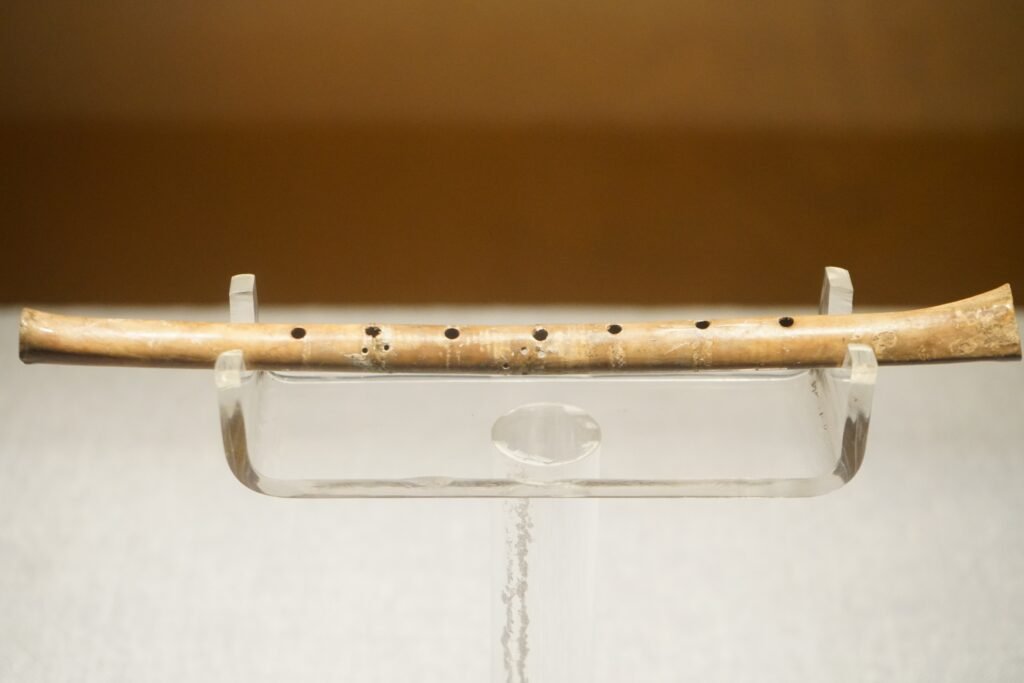
Imagine walking into a cave, not with a flashlight and smartphone, but with a burning torch and a clan at your back, and hearing the faint, eerie sound of music echoing off the stone. Not human voices the way we know them, but notes blown through a hollowed bone, shaped by hands that belonged not to our species, but to Neanderthals. The idea sounds almost cinematic, yet that is exactly what several lines of archaeological evidence are now nudging us to consider.
The claim that the oldest known musical instruments are bone flutes stretching back around sixty thousand years forces a quiet but radical shift in how we think about Neanderthals. For a long time, they sat in our collective imagination as the clumsy cousins of our own species: tough, smart enough to survive, but supposedly lacking that spark of symbolic creativity we associate with art, ritual, and music. If they were carving flutes tens of millennia before Homo sapiens became common in Europe, that entire story needs a serious rewrite.
Why Bone Flutes Rewrite the Story of “Primitive” Neanderthals
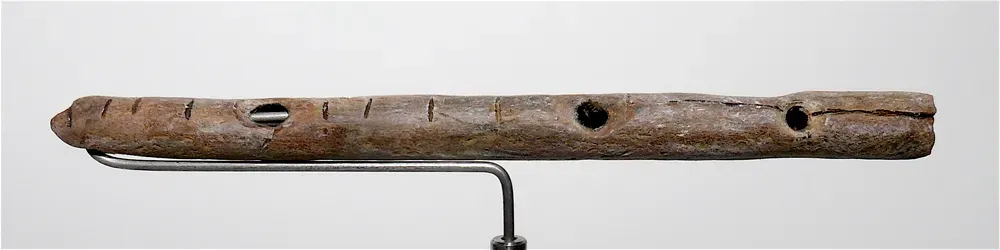
It is hard to overstate how powerful a symbol a musical instrument is in the archaeological record. A stone axe tells us about survival; a bone flute hints at meaning, ritual, and shared emotion. When scientists find carefully pierced and shaped animal bones with deliberate spacing between holes, consistent diameters, and clear signs of controlled modification, they are not just finding trash from dinner – they are finding the remains of a cultural act.
For decades, Neanderthals were treated as the baseline comparison for modern humans: strong bodies, decent brains, but supposedly lacking symbolic behavior. The presence of bone flutes, especially those dated to periods when Neanderthals dominated European landscapes, shatters that neat hierarchy. If Neanderthals were making instruments, then they were not just reacting to their environment; they were transforming it into sound, rhythm, and probably, shared emotional experience.
The Evidence: Ancient Bones, Suspicious Holes, and Heated Debates
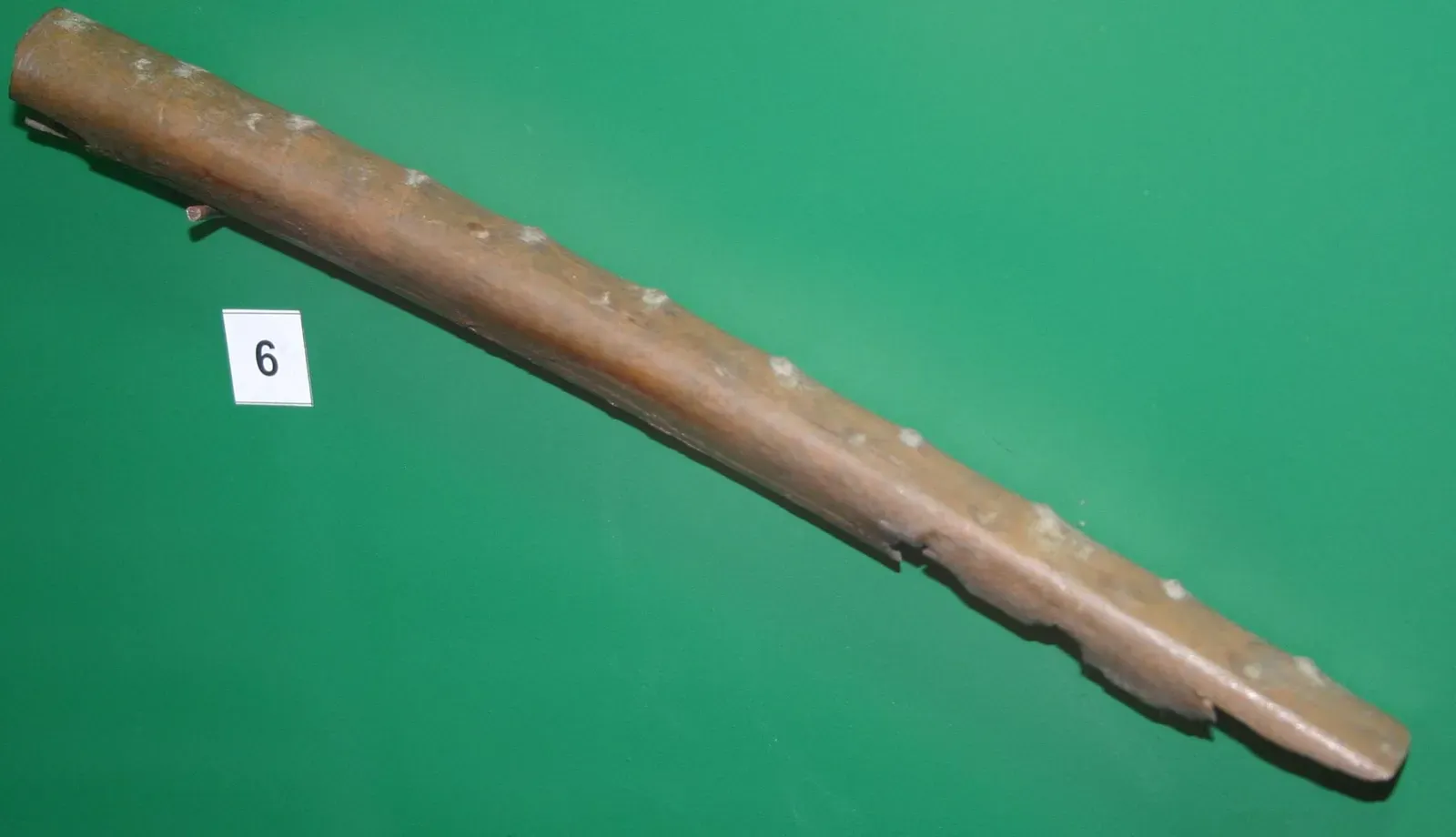
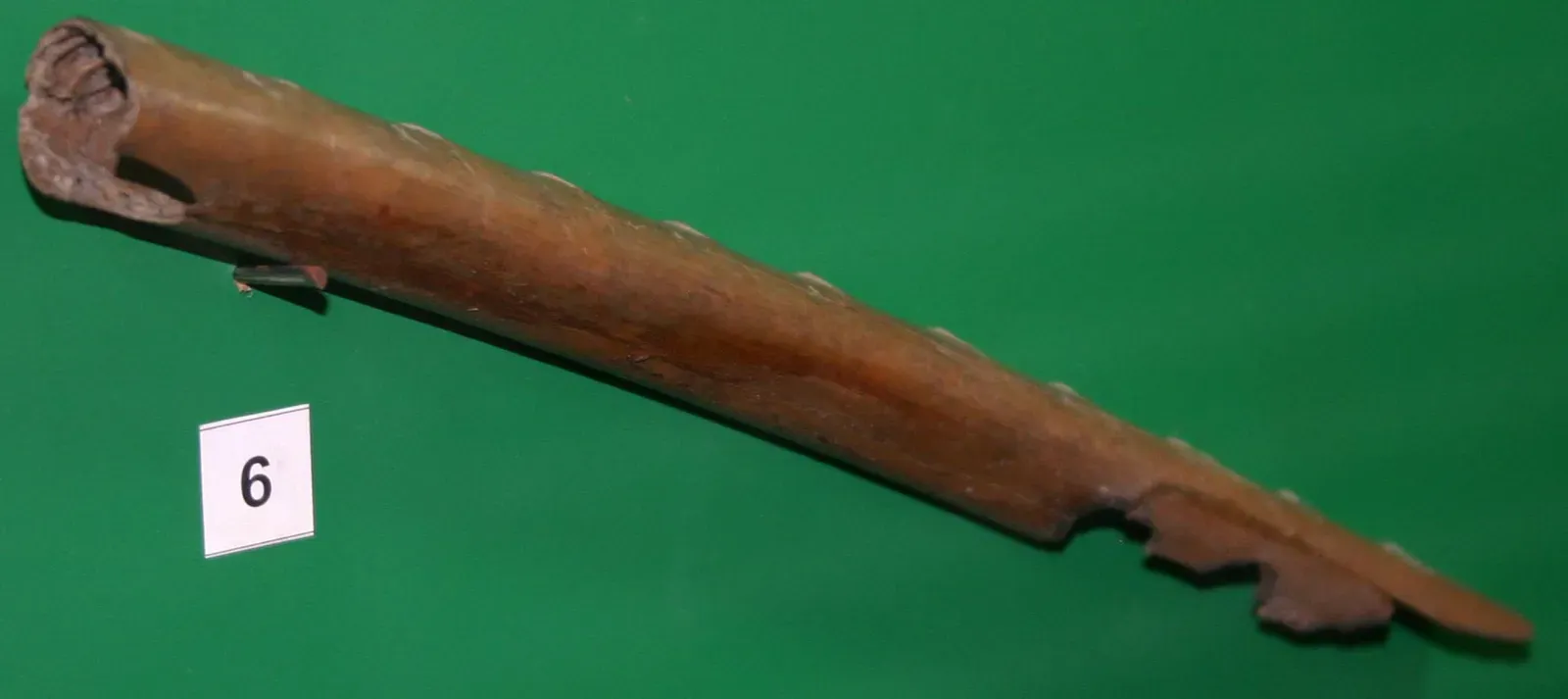
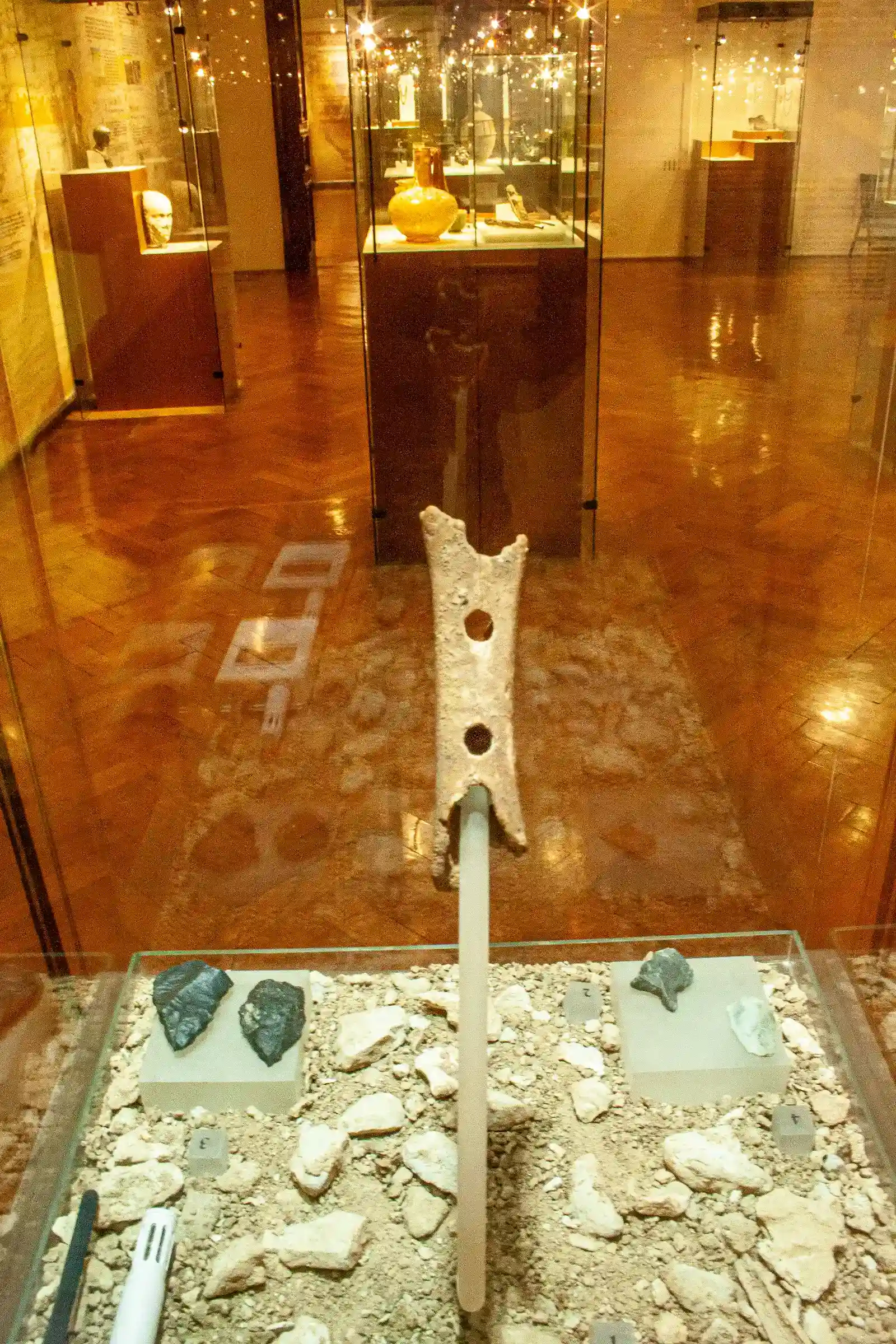
The case for very ancient bone flutes is built from a small but provocative group of finds, many of them from caves where both Neanderthal activity and animal remains are preserved together. Archaeologists have uncovered bones – often from large birds or mammals – with holes that are evenly spaced in a straight or gently curved line, edges smoothed or beveled, and surfaces showing repeated handling or polishing. These are exactly the kinds of details you would expect from a handmade wind instrument.
At the same time, there is genuine scientific dispute over whether some of these bones are musical instruments or just the by‑product of carnivore chewing and natural damage. Hyenas and other predators can puncture bones in ways that mimic man‑made holes. This is why serious research leans heavily on microscopic analysis, experimental replication, and careful context: were the bones found near hearths, stone tools, or other traces of deliberate activity? While not every claimed “flute” survives this level of scrutiny, a subset continues to look suspiciously like early musical technology rather than random damage.
Sixty Thousand Years Ago: The Timeline That Changes Everything
The dating is where this story becomes truly disruptive. When you start talking about possible instruments around sixty thousand years old, you are in a time window where Neanderthals are the primary hominins in much of Europe and western Eurasia, and modern humans are either absent or only just beginning to appear in limited numbers. That places these artifacts in a cultural world that was overwhelmingly Neanderthal rather than our own.
Most of the widely accepted, clearly human‑made flutes – such as those from later Upper Paleolithic layers in Europe – are younger, falling into the rough forty‑to‑thirty‑thousand‑year window associated with Homo sapiens. If some of the older bone instruments really do date back closer to sixty thousand years, they push the origin of music in Europe into a Neanderthal‑dominated era, and that makes it very hard to argue that music was exclusively a Homo sapiens invention that Neanderthals merely copied.
How Do You Prove a Bone Is a Flute and Not Just Dinner Leftovers?
![How Do You Prove a Bone Is a Flute and Not Just Dinner Leftovers? ([1], CC BY-SA 4.0)](https://nvmwebsites-budwg5g9avh3epea.z03.azurefd.net/dinoworld/6882ef30ba31a797b04802d60a256958.webp)
Proving that a bone is a flute rather than a chewed carcass fragment is a bit like forensic work crossed with musical instrument making. Researchers look first at the pattern: are the holes in a straight line or a consistent spiral, spaced in a way that could plausibly produce a scale when you cover them with fingers? Random bite marks tend to be chaotic; instrument holes tend to show intention, regularity, and often careful correction around the edges.
On top of the visible pattern, scientists use microscopes to check whether the surfaces around the holes show cut marks from stone blades, scraping, or drilling, which point to deliberate manufacture. Experimental archaeologists then try to replicate the supposed flute using tools and techniques available at the time, and finally, someone actually blows into the replica to see if it produces stable tones. When a carefully replicated piece yields clear notes and consistent intervals, it becomes a lot harder to dismiss the original as an accident of nature.
What Neanderthal Music Might Have Sounded Like
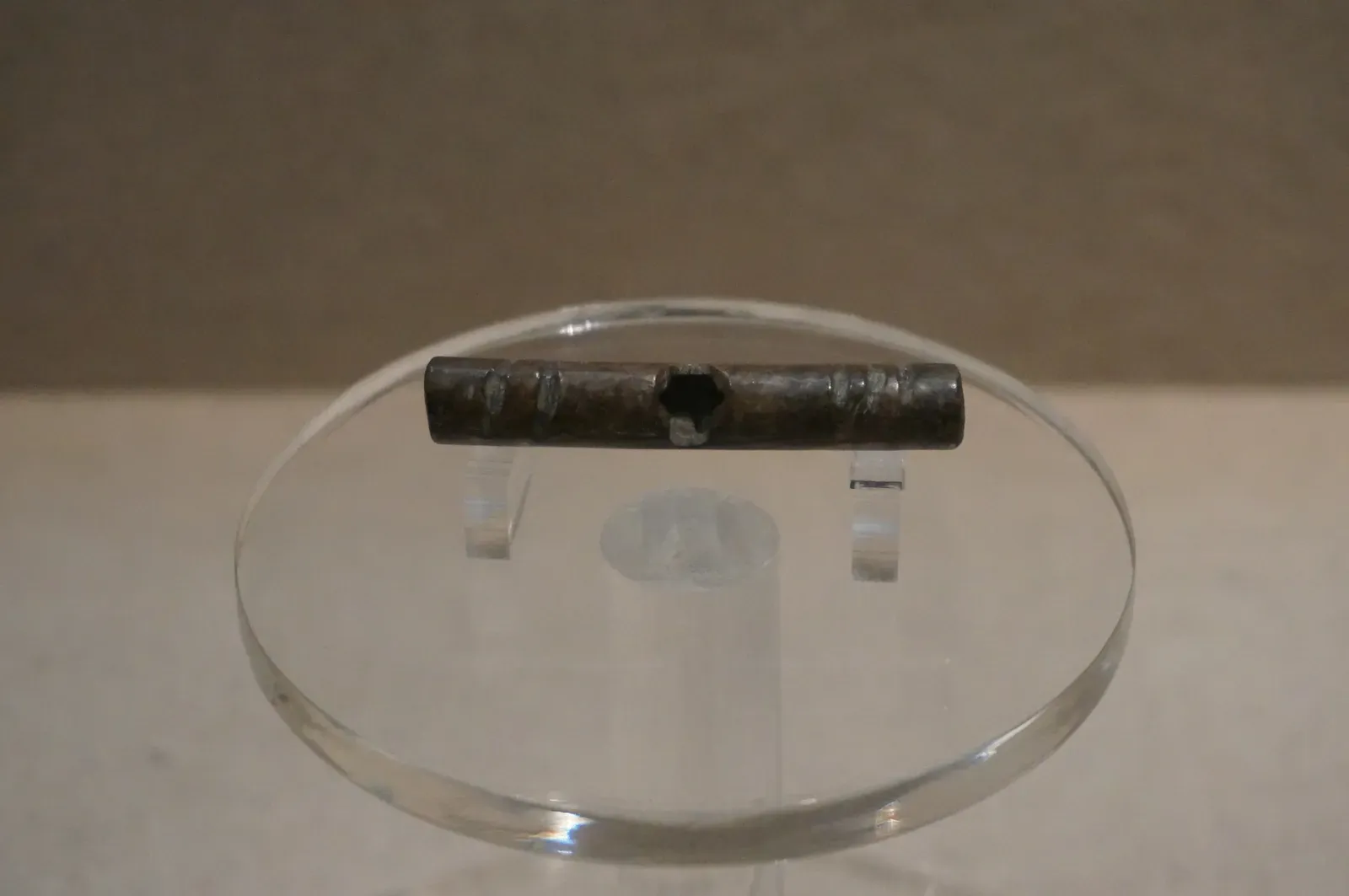
We will probably never know what melodies Neanderthals played, but we can make grounded guesses about the flavor of their music. Bone flutes made from bird wing bones or long mammal bones tend to produce a clear, high sound, closer to a simple recorder than a modern silver flute. With only a few finger holes, the range would have been modest, but that does not mean the music was simple; repetition, rhythm, and subtle variations can turn even a limited set of notes into something powerful and hypnotic.
Picture a group gathered near the entrance of a cave, firelight flickering, someone tapping a rhythm on a rock while another blows a repeating four‑note pattern on a bone flute. It is more likely that such music served social or ritual needs than pure entertainment – helping sync movement during collective tasks, marking transitions like hunts or burials, or reinforcing emotional bonds inside a tight‑knit group. The soundscape of Neanderthal Europe might have been far more textured than just the cries of animals and the crackle of fire.
Music, Mind, and Meaning: What Instruments Reveal About Neanderthal Brains
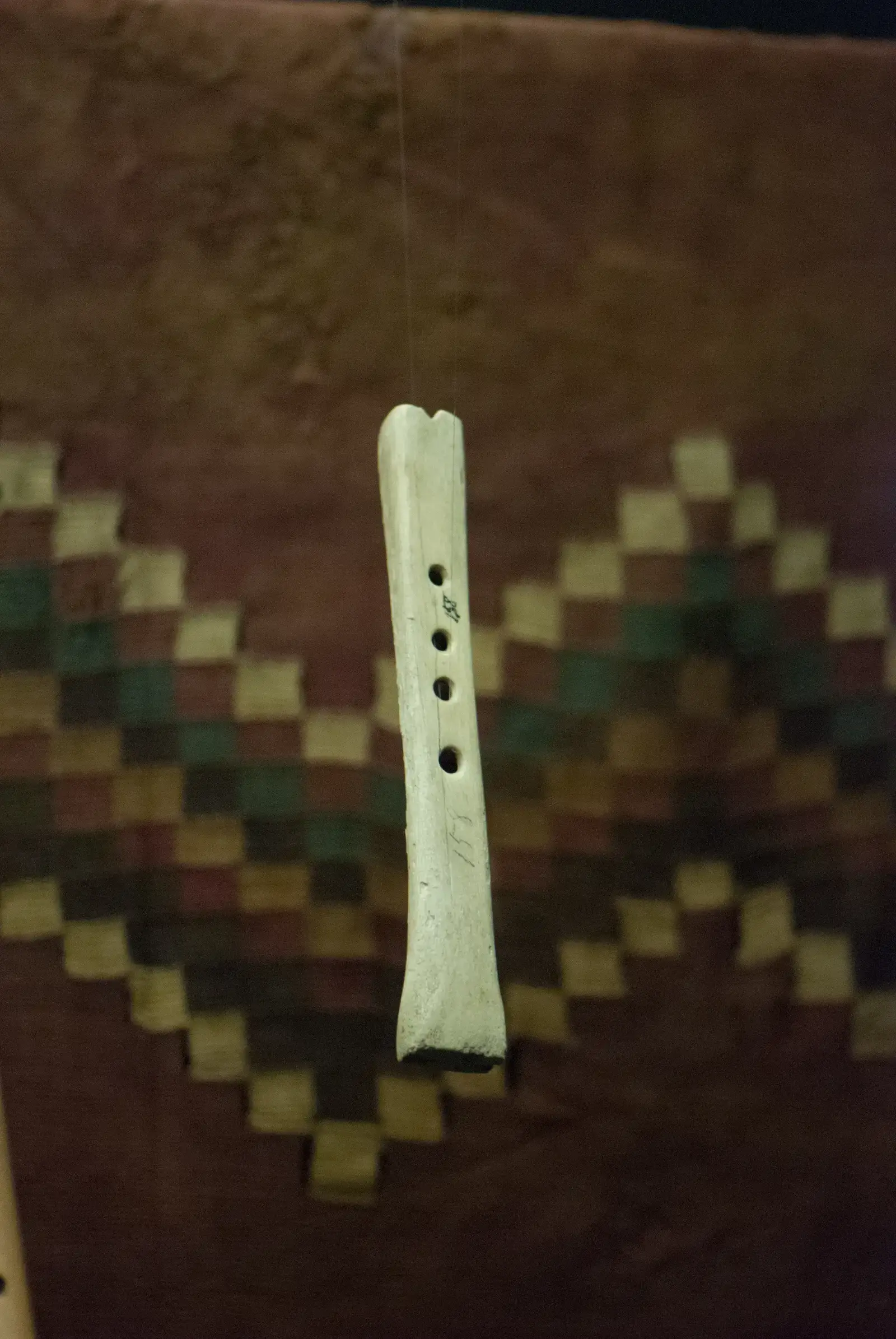
The ability to create a flute is not only about dexterous hands; it is also about a brain that can imagine invisible sounds, plan a sequence of actions, and evaluate the result. To drill holes that actually line up to produce usable notes, a toolmaker has to think several steps ahead, much like someone baking bread has to imagine how raw dough will become food. That kind of mental time travel is one of the hallmarks of complex cognition.
If Neanderthals were doing this at scale, it supports the idea that their mental lives were much closer to ours than earlier stereotypes allowed. Music suggests shared norms – what sounds “good” or “right” to a group – and that in turn implies a culture where ideas and tastes are transmitted, not just survival tips. To my mind, the very existence of plausible Neanderthal instruments is stronger evidence for symbolic thinking than even cave paintings, because sound is invisible: you have to carry the pattern in your head, not just on a wall.
Did Neanderthals Teach Us Music, or Did We Inherit It From a Shared Ancestor?
One of the most provocative questions hanging over all of this is simple: if Neanderthals had music before Homo sapiens arrived in Europe, did we borrow musical ideas from them, did they borrow from us elsewhere, or were both species building on a much older musical instinct inherited from a common ancestor? The honest answer is that the evidence is too thin to pick one clean story, and anyone speaking in absolutes here is overstating the case. But we can map the possibilities.
If early musical traditions were already present in the shared ancestor of Neanderthals and modern humans, then both lineages could have carried their own musical cultures for hundreds of thousands of years, diverging like dialects. On the other hand, if musical instruments arose separately, then the convergence is even more striking: two closely related species, faced with similar social and emotional pressures, independently inventing tools to shape sound. Personally, I lean toward a shared deep musical capacity in our lineage, because it meshes with how universal music is among modern human cultures – it feels less like an invention and more like something our brains are wired to do.
Rethinking “Us” and “Them” in Light of Ancient Music
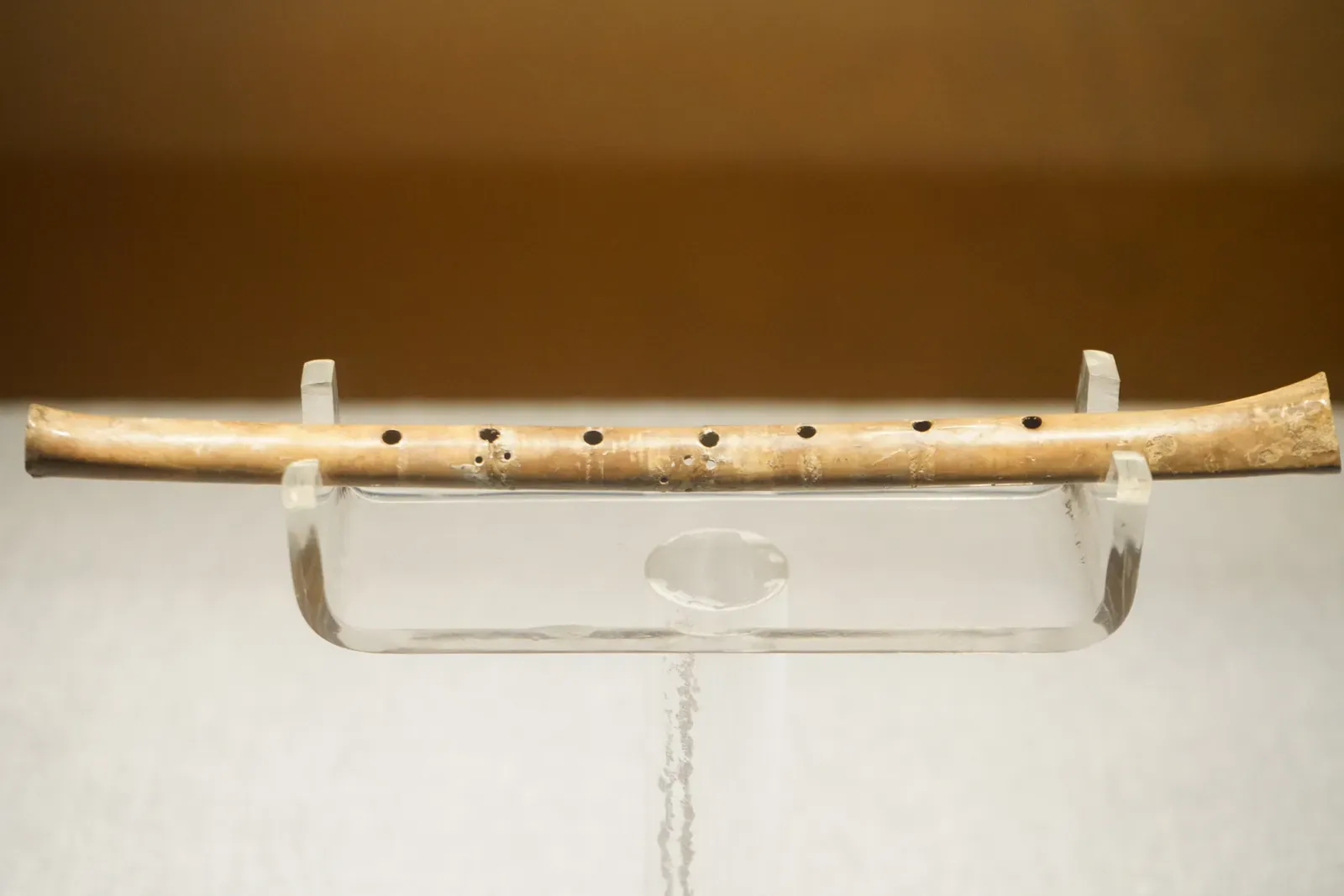
Once you accept that Neanderthals may have been making and playing flutes before we filled Europe, the line between “us” and “them” starts to look thin and frankly a bit arrogant. These were people who buried their dead, tended fires, shaped tools, and possibly gathered in groups to listen to sounds that existed for no reason other than that they moved something inside them. That picture is a lot closer to a campfire jam session than to the old caricature of grunting brutes.
In my view, the most important lesson from these ancient instruments is not about who did it first, but about how deep and old our shared musical impulse really is. Whether Neanderthals taught us a few tricks or we both inherited similar instincts from earlier ancestors, the result is the same: music is not a recent cultural luxury, it is a core part of what it means to be a big‑brained hominin. The next time a simple melody gives you goosebumps, it is worth remembering that a Neanderthal, huddled in a cave sixty thousand years ago, might have felt something remarkably similar.
Conclusion: The Neanderthal Flute That Won’t Stop Playing in Our Heads
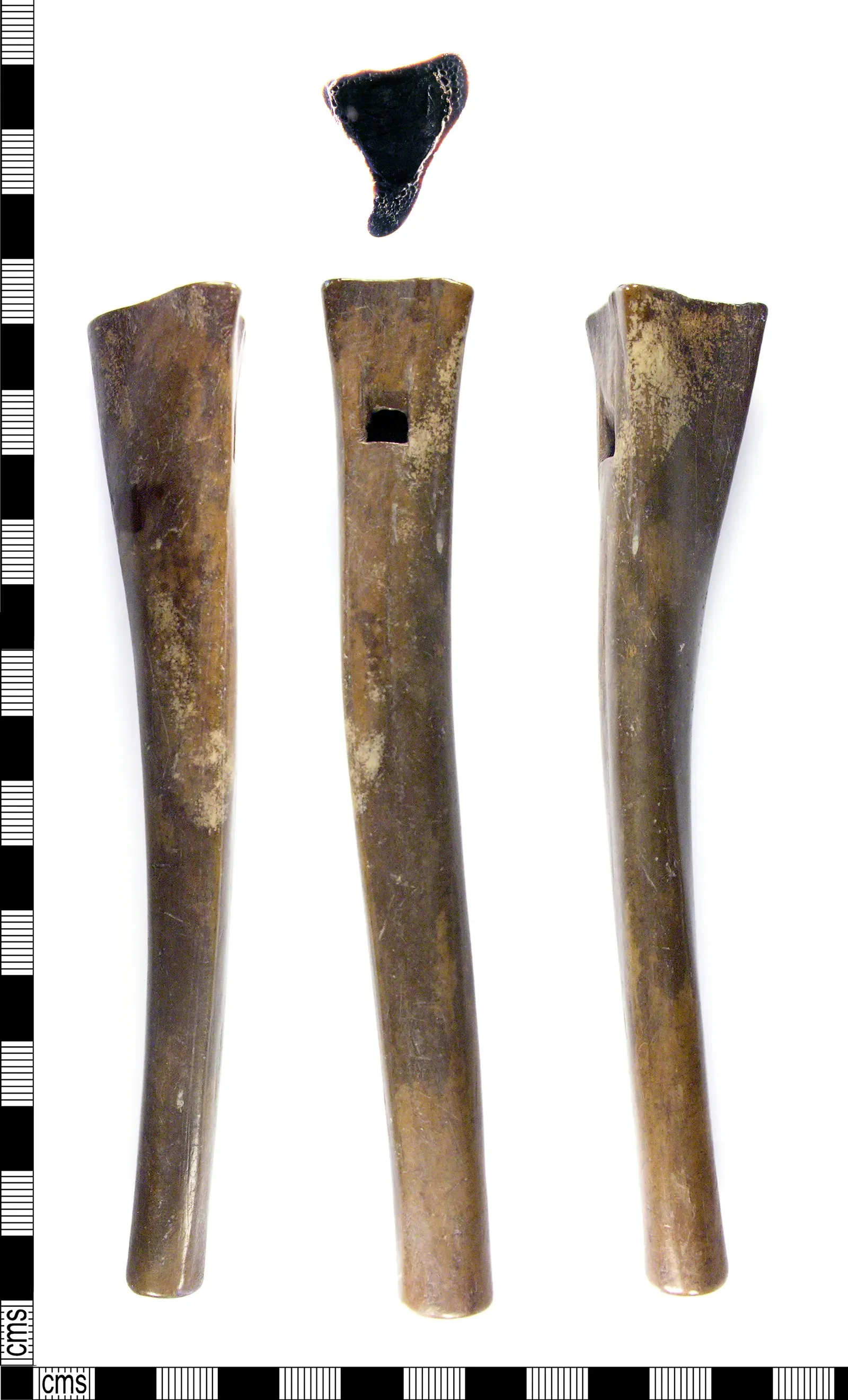
When I look at the evidence for bone flutes around sixty thousand years ago, I do not see a neat, closed case, but I also do not see random noise; I see a pattern that keeps pointing toward music in Neanderthal worlds. The cautious part of me respects the debates about bite marks and broken bones, yet the imaginative, evidence‑driven part sees enough deliberate shaping, enough plausible instrument design, to say that dismissing Neanderthal music outright is no longer intellectually honest. In a field where so much is guesswork, this is one guess anchored by surprisingly stubborn clues.
My opinion is that the burden of proof has quietly shifted: instead of demanding overwhelming evidence before admitting Neanderthals into the concert hall of symbolic behavior, we should now assume they were capable of music unless strong data rules it out in a specific case. That reframing matters, because it forces us to see them not as failed humans, but as another branch of “us” that thought, felt, and probably sang their way through an unforgiving Ice Age world. If the oldest known musical instruments really do belong to Neanderthals, then our own playlists sit on top of a musical tradition that began long before our species dominated the map – and that is a humbling, beautiful thought. When you press play on your favorite track tonight, will you think about the bone flute player who may have come first?