
Let’s be honest. Most of us spend our days bouncing from one task to another, our minds racing ahead to the next meeting, the next deadline, the next worry. We live in a world that never stops buzzing, and somewhere along the way, we’ve forgotten how to just be. Mindfulness has become more than just a trendy buzzword. It’s a lifeline for people drowning in the chaos of modern life.
Here’s the thing though. You don’t need to sit cross-legged on a mountaintop for hours to reap the rewards. The real magic of mindfulness lies in its accessibility and simplicity. Just a few minutes of intentional practice each day can transform how you navigate stress, anxiety, and everyday challenges. Ready to discover how you can bring more calm and focus into your life? Let’s dive in.
Start With Your Breath: The Foundation of Everything
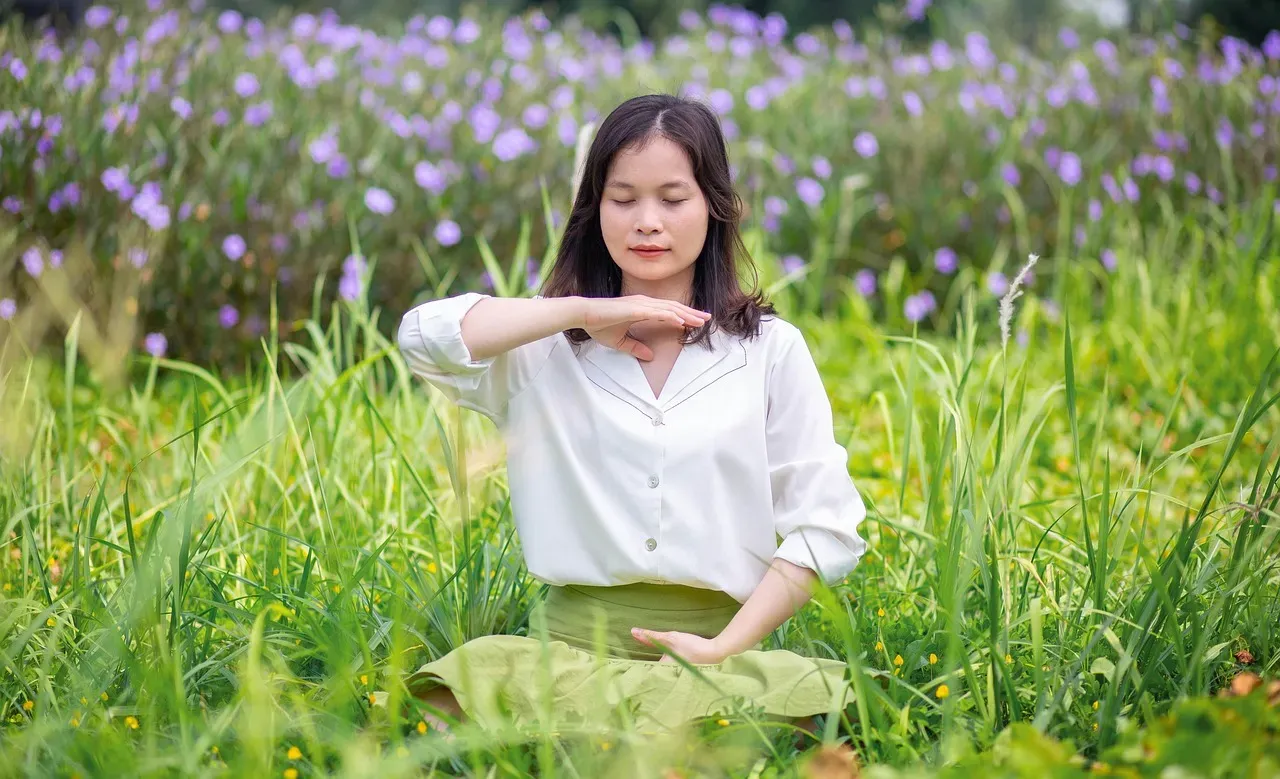
Your breath is the most powerful anchor you have to the present moment, and focusing on it can calm your nervous system while reducing stress almost instantly. Think about it. Breathing is something you do thousands of times a day without thinking, yet when you bring conscious attention to it, everything shifts. The noise in your head quiets down, your heart rate slows, and suddenly you’re not drowning in overwhelm anymore.
You don’t need to spend hours practicing, just 10 to 15 minutes a day will do, but consistency is the key. Try this simple approach: find a comfortable spot where you won’t be disturbed. Set aside a few minutes to sit quietly and focus on your breath, observing each inhale and exhale and noticing how your belly and chest rise and fall, and whenever your mind starts to wander, gently bring it back to your breath. Notice I said when, not if, because your mind will wander. That’s completely normal and actually part of the practice.
Scan Your Body to Release Hidden Tension
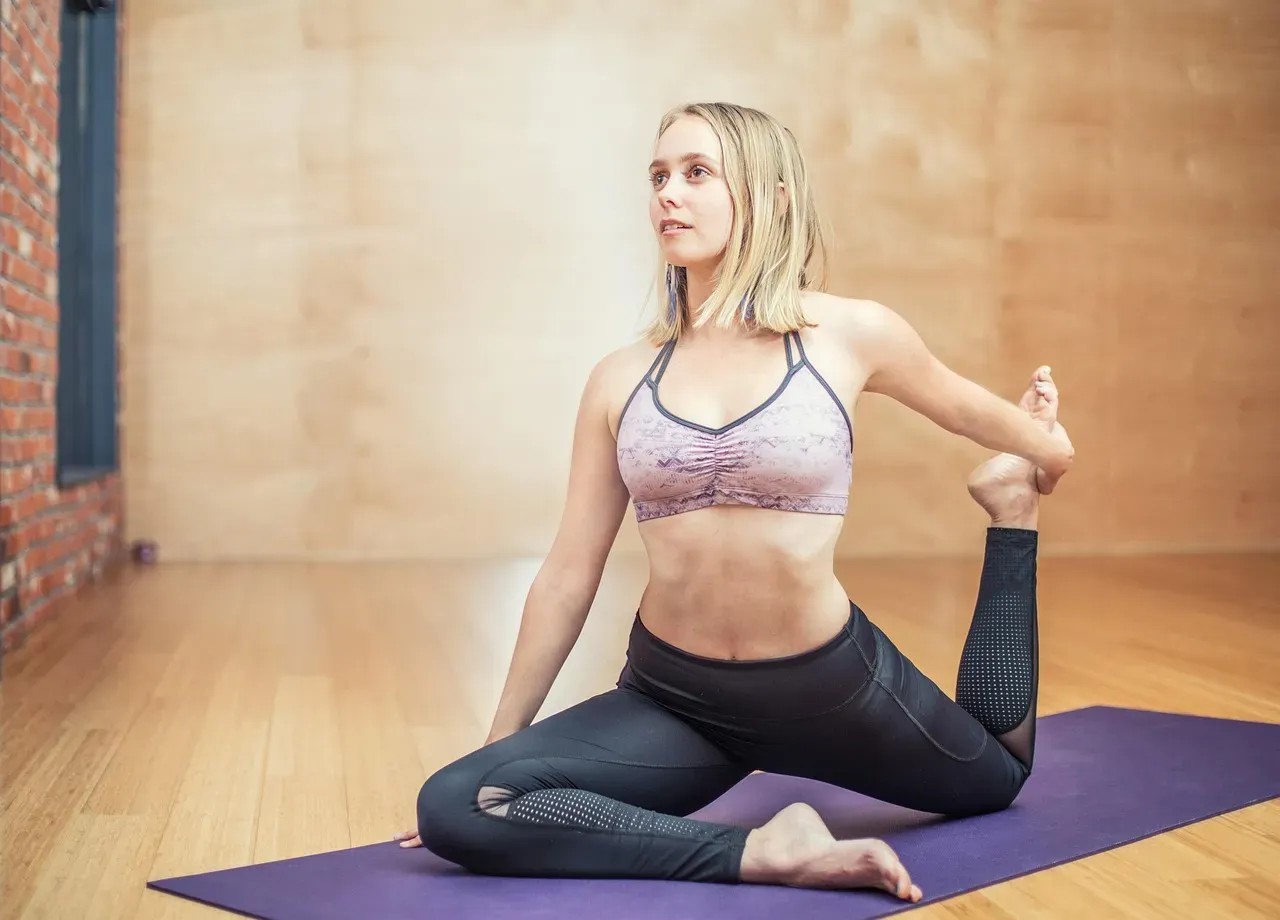
Most of us carry stress in our bodies without even realizing it. Your shoulders might be hunched up near your ears right now. Your jaw could be clenched tight. Body scan meditation cultivates a deep connection between your mind and body by guiding your attention through different parts of your body and noticing sensations like warmth or tension without judgment. This practice is especially powerful for people who hold their stress physically rather than mentally.
Here’s how it works in practice. You mentally scan your body from head to toe, and as you move your attention through your body, you notice any areas of tightness or discomfort, then consciously soften and relax those spots to promote relaxation. The beauty of this technique is that you’re not trying to fix anything or make the tension go away. You’re simply becoming aware of it. That awareness itself creates space for the tension to dissolve naturally. I know it sounds almost too simple, but that’s exactly why it works so well.
Walk Your Way to Mental Clarity

Walking meditation combines movement with mindfulness, promoting relaxation and awareness while reducing stress and improving focus. This one’s perfect for people who find sitting meditation unbearably boring or who feel restless when trying to stay still. The idea is simple: turn your daily walk into a mindfulness practice by paying attention to every sensation.
As you walk, pay attention to the sensation of your feet touching the ground, the movement of your body, and the rhythm of your breath. Feel the earth beneath your feet with each step. Notice how your weight shifts from heel to toe. Observe the gentle swing of your arms. You can practice this anywhere, whether you’re walking to work, strolling through a park, or even pacing around your living room. The magic happens when you pull your attention away from your racing thoughts and anchor it in the physical experience of walking.
Cultivate Gratitude to Shift Your Perspective

Developing an attitude of gratitude shifts your thoughts from lack to abundance, and gratitude calms stress, strengthens emotional resilience, and improves mental well-being. When you’re stuck in a negative thought spiral, gratitude acts like a pattern interrupt that forces your brain to look for the good instead of fixating on what’s wrong.
The practice itself couldn’t be simpler. Start your day by acknowledging three things you’re grateful for, and keep a gratitude journal to document positive experiences and revisit them during challenging times. These don’t have to be big, life-changing things either. Maybe you’re grateful for the warmth of morning coffee, a text from a friend, or simply the fact that you woke up today. Over time, this daily practice rewires your brain to naturally seek out the positive aspects of your life rather than dwelling on what’s lacking.
Practice Single-Tasking in a Multi-Tasking World

Multitasking has become the norm but it often leads to stress and reduces productivity, so try single-tasking instead by dedicating your full attention to one task at a time, and you’ll likely find that you’re more efficient and less stressed. Let’s be real, we’ve been sold a lie that doing ten things at once makes us more productive. In reality, it just makes us frazzled and less effective at everything we touch.
Choose one activity and give it your complete attention. If you’re eating lunch, just eat. Don’t scroll through your phone or answer emails. If you’re talking to someone, actually listen instead of planning what you’ll say next. This exercise cultivates a heightened awareness and appreciation of simple daily tasks, so think of something that happens every day and at the very moment you engage with it, stop and be mindful of where you are, how you feel, and what you’re experiencing. This approach transforms mundane moments into opportunities for presence and peace.
Create Mindful Transitions Throughout Your Day

Start your day with a brief, intentional routine before distractions arise by sitting quietly, taking deep breaths, and setting a clear intention which you revisit throughout the day. Think of these moments as mental reset buttons scattered throughout your daily schedule. They don’t have to be long or complicated. Even thirty seconds of conscious breathing before a meeting can make a huge difference in how you show up.
Integrate mindfulness into daily routines, like pausing before answering the phone, to cultivate a calmer, more attentive state. These transition moments are goldmines for mindfulness practice. Before you start your car, take three deep breaths. Before you open your laptop, set an intention for your work session. Before you walk through your front door at the end of the day, pause and leave the stress of work outside. These tiny rituals create space between the different roles and demands of your day, preventing them from bleeding into each other and overwhelming you.
Embrace Loving-Kindness to Soften Self-Criticism

Loving-kindness meditation, or Metta, is a practice focused on cultivating unconditional compassion and goodwill by silently repeating phrases that extend warmth and well-wishes to yourself and others, which can transform your relationship with stress and foster resilience. This practice is especially powerful if you tend to be hard on yourself or if conflict with others drains your energy.
The practice usually starts with directing kindness toward yourself, then gradually expanding outward to loved ones, acquaintances, difficult people, and eventually all living beings. You might silently repeat phrases like “May I be happy. May I be healthy. May I be safe. May I live with ease.” This technique shifts your mental state from judgment to acceptance and connection, and by generating feelings of warmth, you actively counter the brain’s negativity bias, reducing the emotional charge of stressful situations. It’s hard to stay angry or anxious when you’re actively cultivating compassion. I think that’s why this practice has stuck around for thousands of years.
Conclusion: Your Journey to Inner Peace Starts Now

The science behind mindfulness is clear and compelling. Overall, meditation practice leads to decreased physiological markers of stress in a range of populations. Research studies have shown that mindfulness meditation can reduce stress, symptoms of depression, anxiety, sleep disturbance, and pain, and it may contribute to an overall sense of well-being. The evidence isn’t just anecdotal anymore. This stuff really works.
Here’s what matters most though. Mindfulness isn’t about achieving some perfect state of zen where nothing ever bothers you. It’s about developing the skill to notice what’s happening in your mind and body without getting swept away by it. Consistency matters more than perfection, and even five minutes a day can make a difference. Start small. Pick one or two practices from this list that resonate with you and commit to trying them for a week. Notice what shifts. Be patient with yourself when it feels awkward or difficult.
Your mind is like a muscle that gets stronger with practice. The more you train it to return to the present moment, the easier it becomes. So what are you waiting for? Which practice will you try first? The path to inner calm and focus is right here, right now, in this very breath you’re taking.