
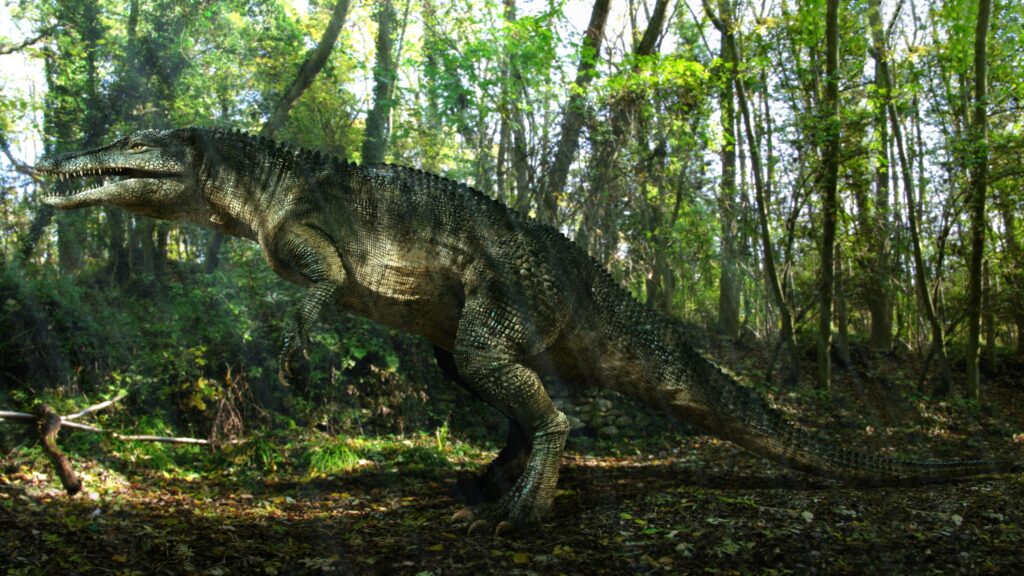
Imagine a crocodile that did not lurk in murky rivers, but sprinted across dry ground on two powerful legs, chasing down prey like a land predator from a sci‑fi movie. That sounds like the kind of thing your brain files under impossible, right alongside flying sharks and fire‑breathing dragons. Yet when you start digging into the fossil record, you find something uncomfortably close to that nightmare actually walked the Earth.
In the last couple of decades, paleontologists have uncovered fossils of ancient crocodile relatives that were long‑legged, agile, and built for speed on land, not stealth in water. These creatures shared their world with dinosaurs, but in some ecosystems they were the ones dominating the land‑based predator role. The more you learn about them, the more the familiar image of a slow, wallowing croc starts to crumble – and the more you realize that deep time was full of animals that would completely rewrite your mental picture of “what a crocodile is.”
The age of terrestrial crocodile‑relatives that did not behave like crocs at all
It feels almost wrong to call some of these animals “crocodiles,” because they flip our modern expectations on their head. Today’s crocs are mostly ambush predators, hugging the water’s edge and exploding in short bursts of power, but many of their ancient relatives were primarily land animals. In the Triassic and early Jurassic periods, long before the classic T. rex and Triceratops era, Earth hosted a whole range of croc‑line archosaurs that roamed dry ground, some of them slim‑hipped and long‑legged, more like a greyhound than a modern alligator.
These creatures are part of the crocodile lineage, but they sit on earlier branches, before the group settled into the semi‑aquatic lifestyle we know now. Several families, often called “crocodylomorphs” or informally “land crocs,” evolved narrow bodies, high hips, and long limbs adapted for running. They did not just dabble on land; in many environments they were the main medium‑sized to large predators during a time when dinosaurs had not yet taken over every terrestrial niche. When you picture those ecosystems correctly, you have to imagine fast, two‑legged croc‑relatives weaving between the early dinosaurs, not quietly lurking in rivers.
The two‑legged sprint: how a crocodile cousin ended up standing upright
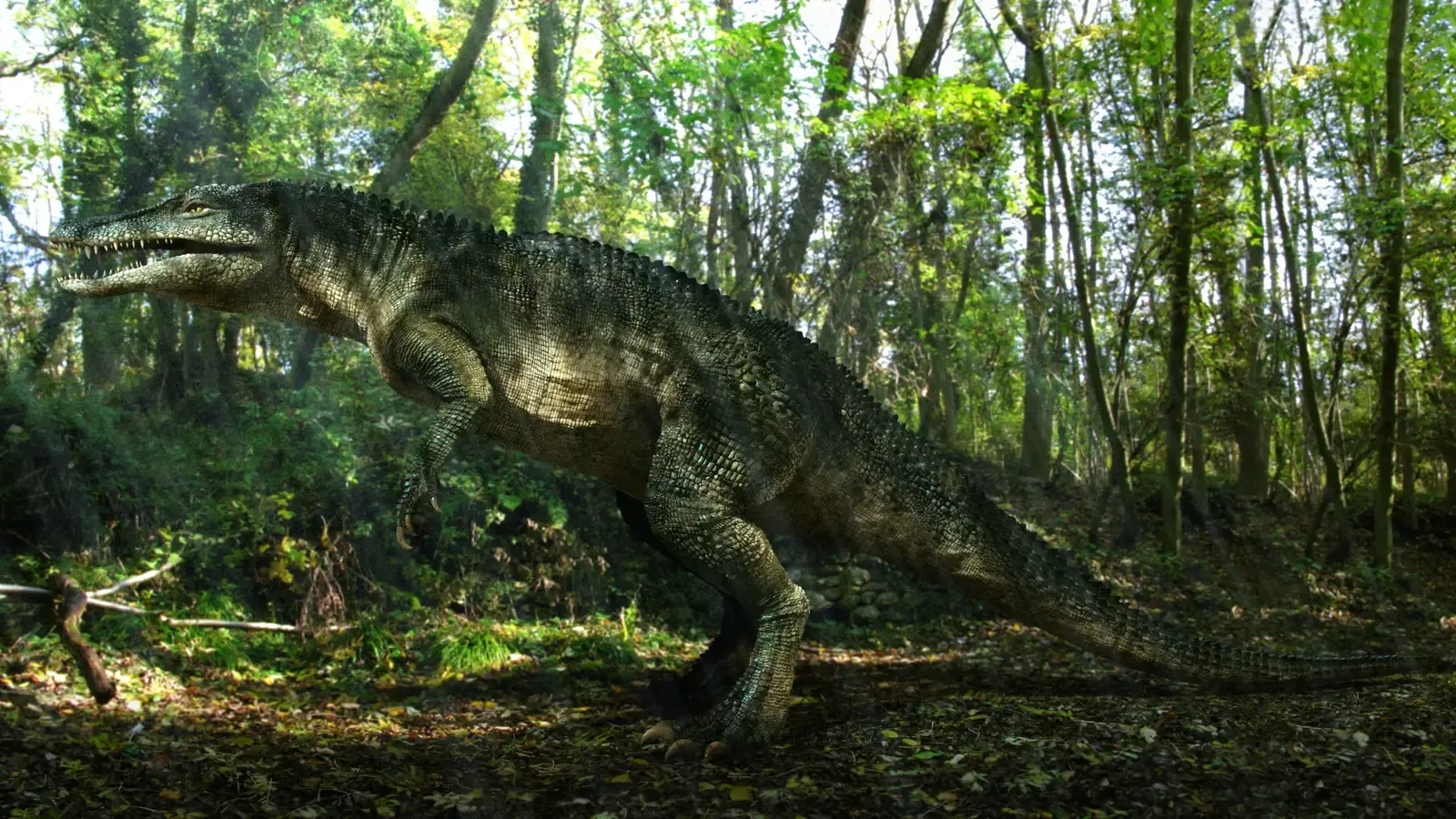
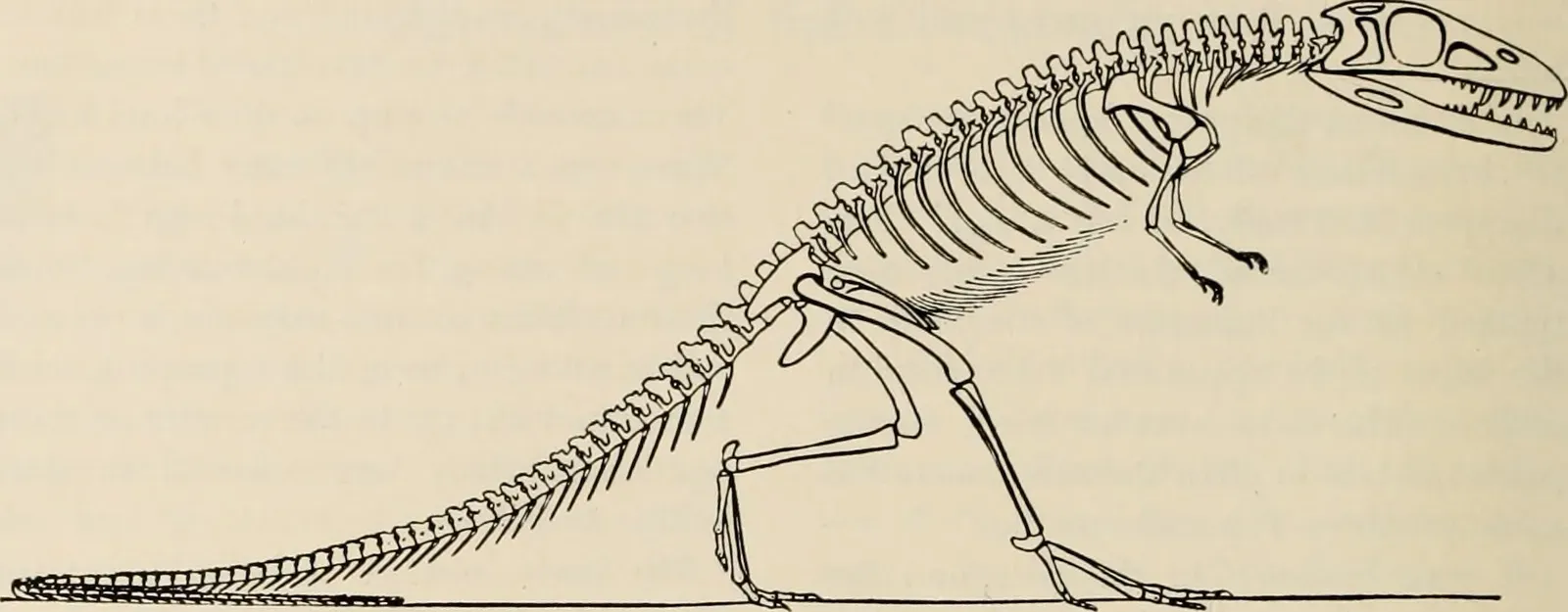
One of the most striking things about some of these prehistoric crocodile relatives is their posture. Instead of the low, belly‑dragging sprawl we associate with reptiles, their hips and legs were tucked under the body in an upright stance, very similar to what you see in many dinosaurs. In a few species, evidence from their limb proportions and joint anatomy suggests they spent much of their time running on their hind legs, using their forelimbs less for support and more for grasping or balance. That alone is enough to make you rethink the entire group.
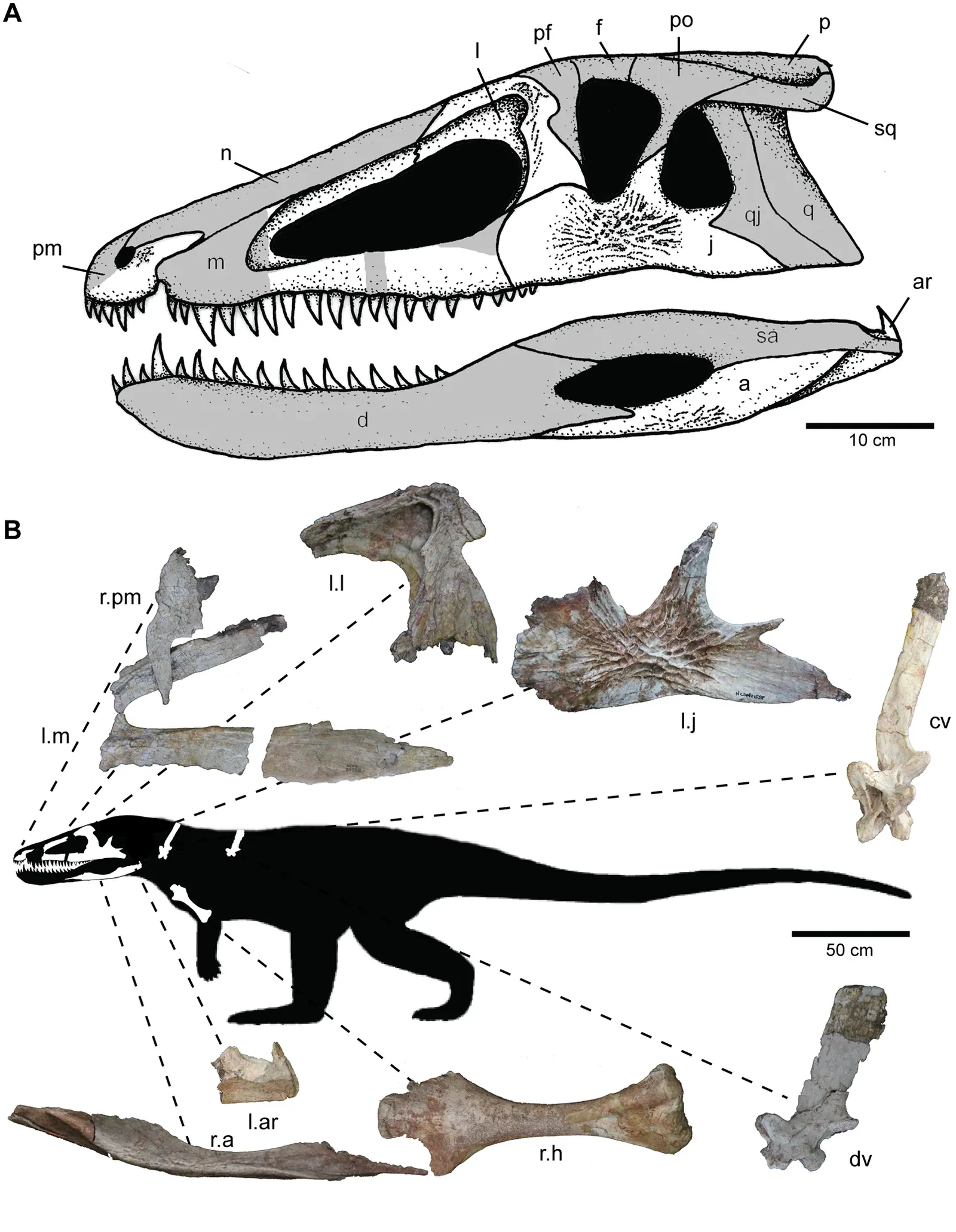
When paleontologists examine fossil skeletons, they look at the length and robustness of the thigh bone and shin bones, the shape of the ankle, and how the hip socket is oriented. In these land‑running croc‑relatives, the bones line up in a way that distributes weight vertically, indicating an erect, not sprawling, gait. Some trackways – fossilized footprints left in ancient mud – match this story by showing narrow, bipedal trails that belong to the crocodile side of the family tree, not to dinosaurs. All of that evidence together paints a pretty clear picture: at least some crocodile cousins truly did move through their world balanced on two legs in life, not just in sensational headlines.
Built for speed: why these croc‑relatives could outrun many dinosaurs
Speed might not be the first thing you associate with crocodiles, but their prehistoric relatives tell a different story. The proportions of their limbs, with long lower legs compared to upper legs, are a classic hallmark of an animal adapted for running. Their tails were often stiff and muscular, likely acting as dynamic stabilizers, helping them change direction quickly and keep balance at high speed. When scientists model how such bodies would move, they consistently point toward agile, cursorial animals rather than lumbering beasts.
Now, “faster than many of the dinosaurs they lived with” sounds dramatic, but it is surprisingly reasonable. Early dinosaurs came in a wide range of shapes and speeds, and not all of them were sprinters. Many early plant‑eating dinosaurs were relatively heavy‑bodied and would not have been especially quick over short distances. A long‑legged, bipedal croc‑relative with a lightweight frame could easily have outpaced slower herbivorous dinosaurs and even some of the medium‑sized carnivores. Think of it like comparing a modern cheetah to a cow or a heavy dog breed: they share the same environment, but only one of them is designed to explode across the landscape like a thrown spear.
The fossil evidence: bones, trackways, and ancient ecosystems that tell the story
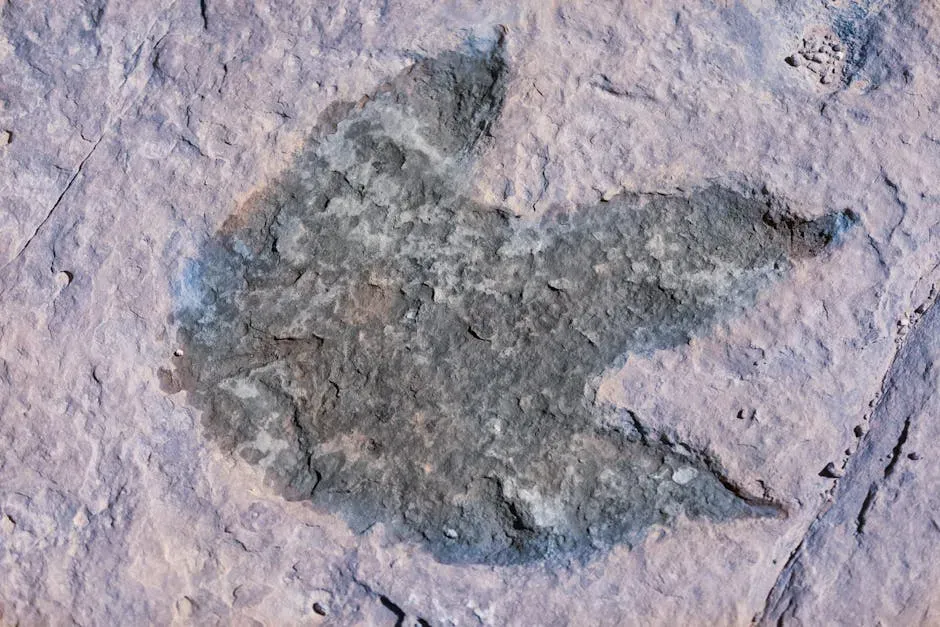
Claims about an animal’s speed, posture, and hunting style need more than a cool mental image; they need hard evidence. That is where the fossil record comes in and, to be honest, it is surprisingly generous in this case. Paleontologists have found well‑preserved skeletons of land‑running croc‑relatives with fine anatomical details intact, from the structure of their pelvis and shoulder girdles to the articulation of their toes. These bones show clear adaptations for an upright stance and efficient locomotion, not the flat, wide limb bases you see in typical sprawling reptiles.
Then there are the footprints, which are one of my favorite pieces of this puzzle. Trackways from certain Triassic and Jurassic deposits show narrow, bipedal trails with foot shapes and toe arrangements that match crocodile‑line animals rather than dinosaurs. In some sediments, multiple trackways crisscross in patterns that hint at active hunting or at least purposeful movement across open floodplains. When you combine those tracks with the bones, plus the types of dinosaur fossils found in the same layers, you get a cohesive snapshot of ancient communities where upright, fast croc‑relatives were clearly not bit players – they were significant predators on the landscape.
Life on land: hunting strategies and how they rivaled dinosaur predators
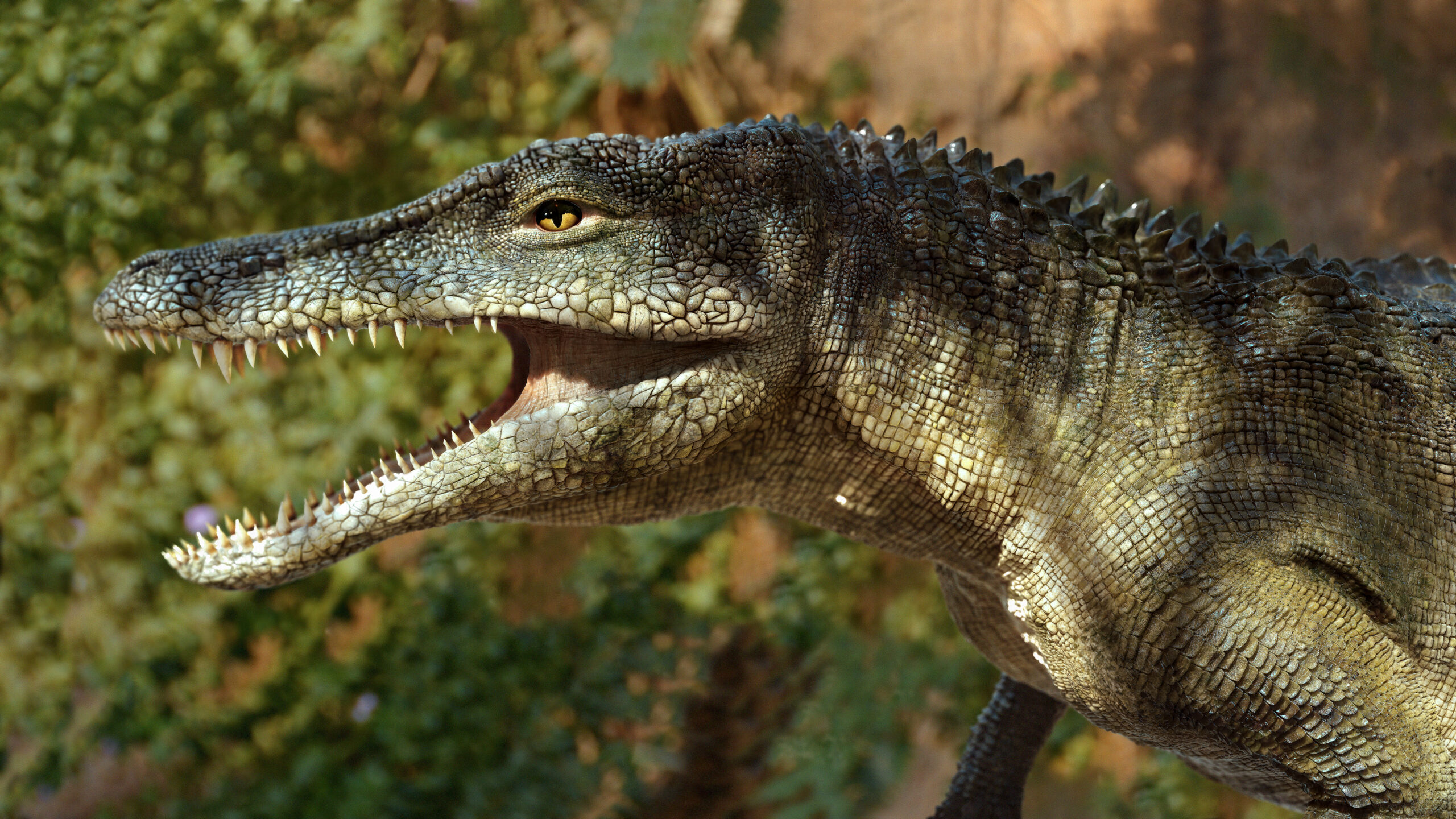
So what did a land‑running crocodile cousin actually do all day? The most compelling picture is that they were predators that pursued prey primarily on land rather than relying on water ambushes. Their jaws and teeth in many species were well suited for grabbing and tearing, not just clamping and holding like modern crocs. Combined with their speed and bipedal stance, that suggests an animal capable of actively chasing down smaller herbivores, juvenile dinosaurs, and possibly even competing with early theropod dinosaurs for similar prey.
In some fossil assemblages, the relative abundance and size ranges of these croc‑relatives suggest they occupied the mid‑to‑top carnivore niches before dinosaurs fully took over that role. Picture a mixed crowd of early dinosaurs and croc‑line archosaurs sharing floodplains, forests, and river valleys. Instead of a simple story where dinosaurs dominate all land ecosystems, the reality is messier and more interesting: in some regions and time slices, these agile crocodile cousins were the ones calling the shots as the main terrestrial hunters, while dinosaurs were still diversifying and climbing the ecological ladder.
Why this changes how we think about crocodiles, evolution, and “living fossils”
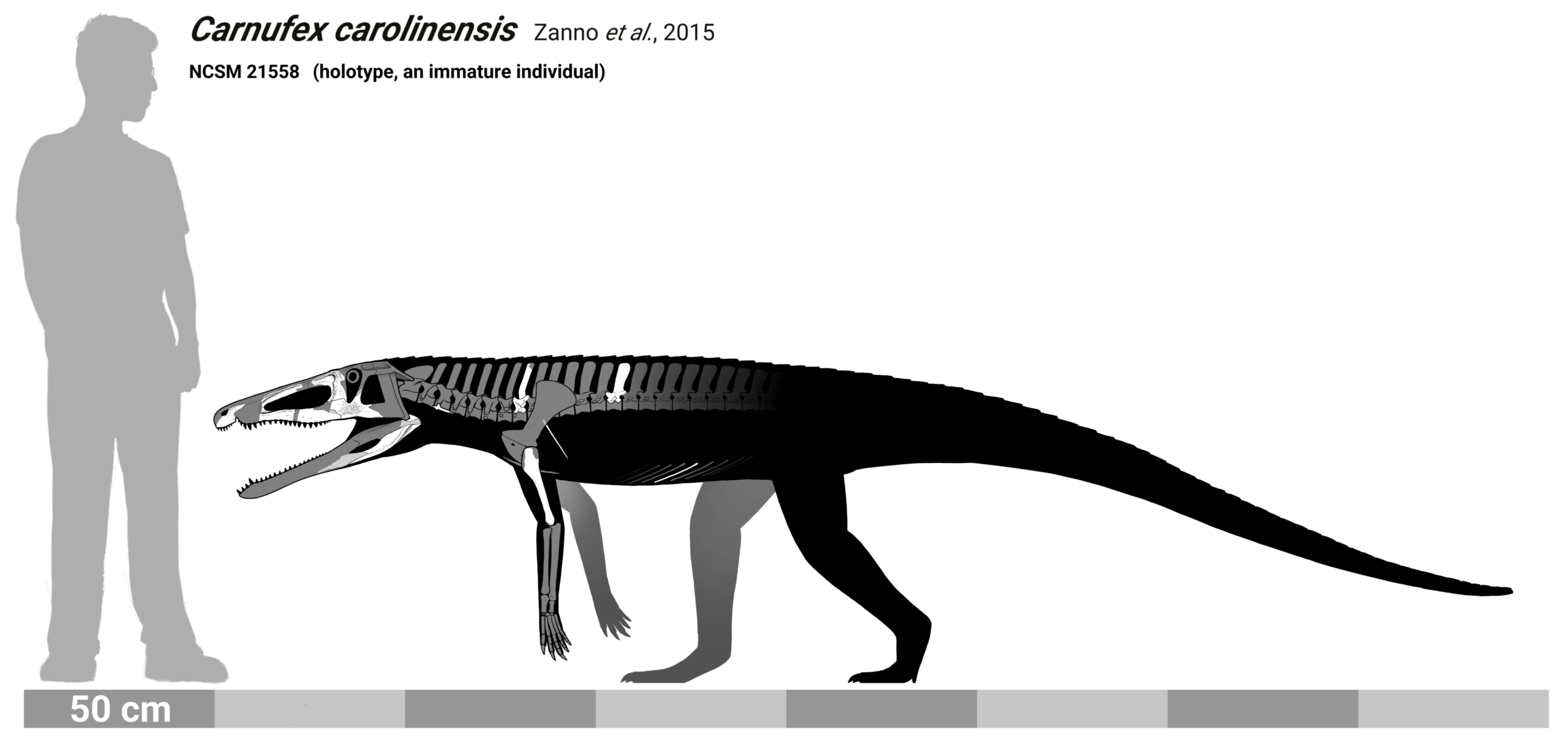
People love to call crocodiles “living fossils,” as if they are stubborn leftovers that never really changed. The story of these two‑legged, fast‑running land croc‑relatives pretty much destroys that lazy label. The crocodile lineage has explored a wide variety of body plans and lifestyles over hundreds of millions of years, from armored herbivores to nimble terrestrial sprinters. Modern crocs are just the survivors of one particular branch that happened to thrive in semi‑aquatic ambush roles, not the default, unchanging template of the group.
For me, this is the most exciting part of the whole story. It forces us to respect evolution’s creativity and to stop assuming that what we see today is what has always been. The idea that a “crocodile” could once have been a bipedal land predator that outran some of its dinosaur neighbors is a great reminder that nature is not married to our mental categories. When you hear the phrase “living fossil,” it is worth pushing back a bit and remembering these sprinting, two‑legged croc‑relatives: proof that even lineages we think we understand can hide wildly different past lives.
Conclusion: the land‑running crocodile that rewrites the rules of prehistoric life
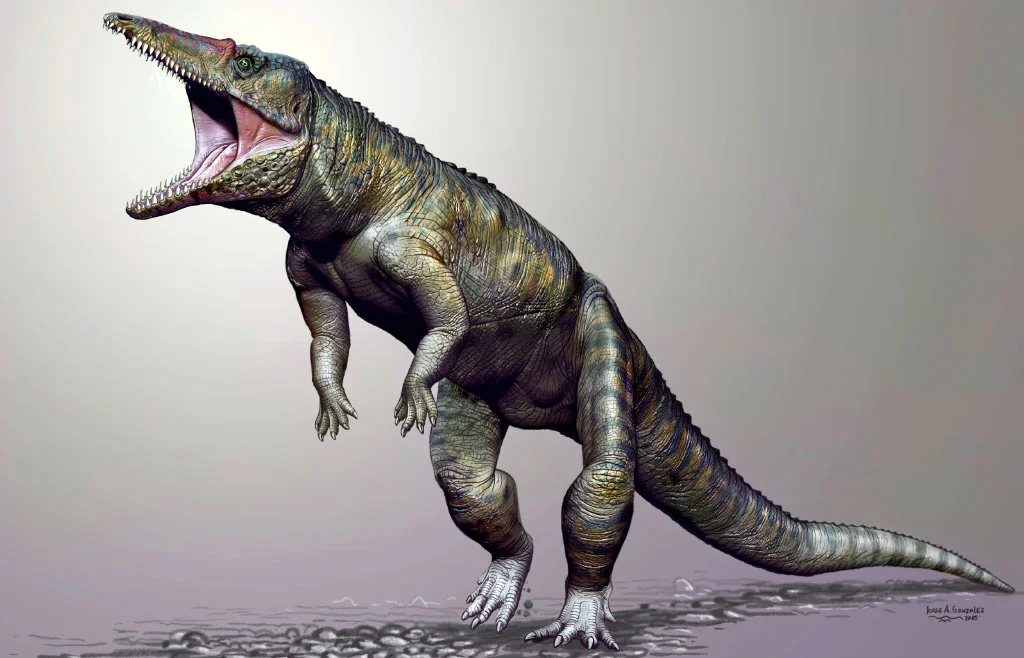
The picture that emerges from the fossils is not a single cartoon monster but a whole cast of crocodile relatives that shattered our expectations. Among them were animals that ran on two legs, hunted on land, and in many cases were faster and more agile than the dinosaurs they shared their world with. Their bones, their footprints, and the ecosystems preserved around them all point to one clear conclusion: the crocodile family tree is far stranger and more versatile than the flat, river‑lurking stereotype suggests.
My own take is that we have been far too dinosaur‑centric in how we talk about prehistoric life. Dinosaurs deserve the spotlight, sure, but stories like this land‑running croc show that they were not always the undisputed rulers of the continent. In some places and times, the real terror was a crocodile cousin sprinting upright across the floodplain, not a dinosaur thundering through the forest. The next time someone tells you crocodiles have barely changed since the age of dinosaurs, ask them: would you still say that if one of their two‑legged, land‑hunting ancestors was chasing you down at full speed?