
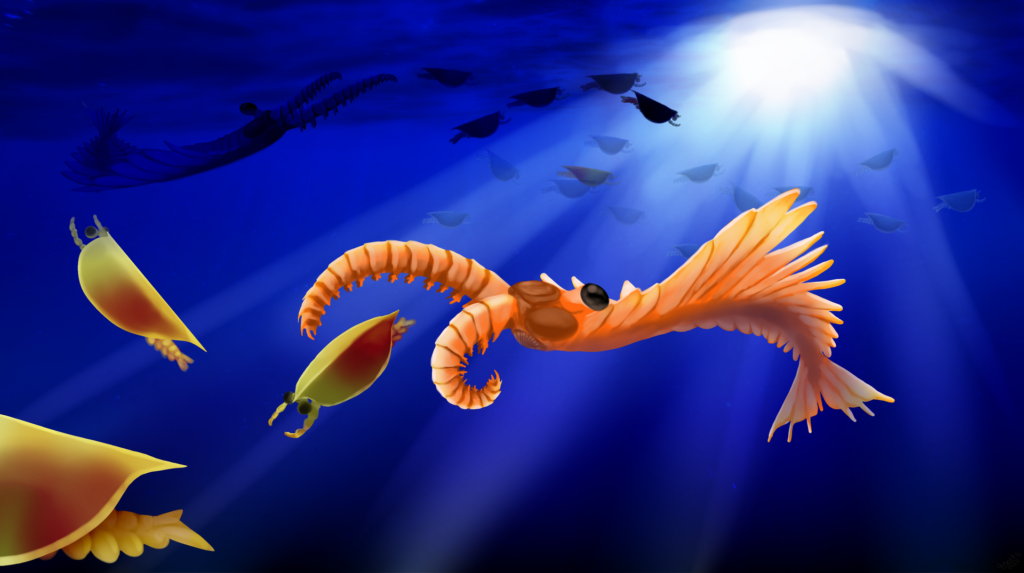
If you could dive back hundreds of millions of years and drift through the ancient seas, the most unsettling thing you might see first would not be teeth or claws, but eyes. Huge, gleaming eyes, staring out of the darkness, tuned to the faintest hint of movement in the murky blue. Long before dinosaurs stomped on land, strange predators like Anomalocaris and the giant-eyed ichthyosaurs ruled a dim, alien ocean where seeing just a little bit better than your neighbor could mean the difference between a full stomach and becoming someone else’s lunch.
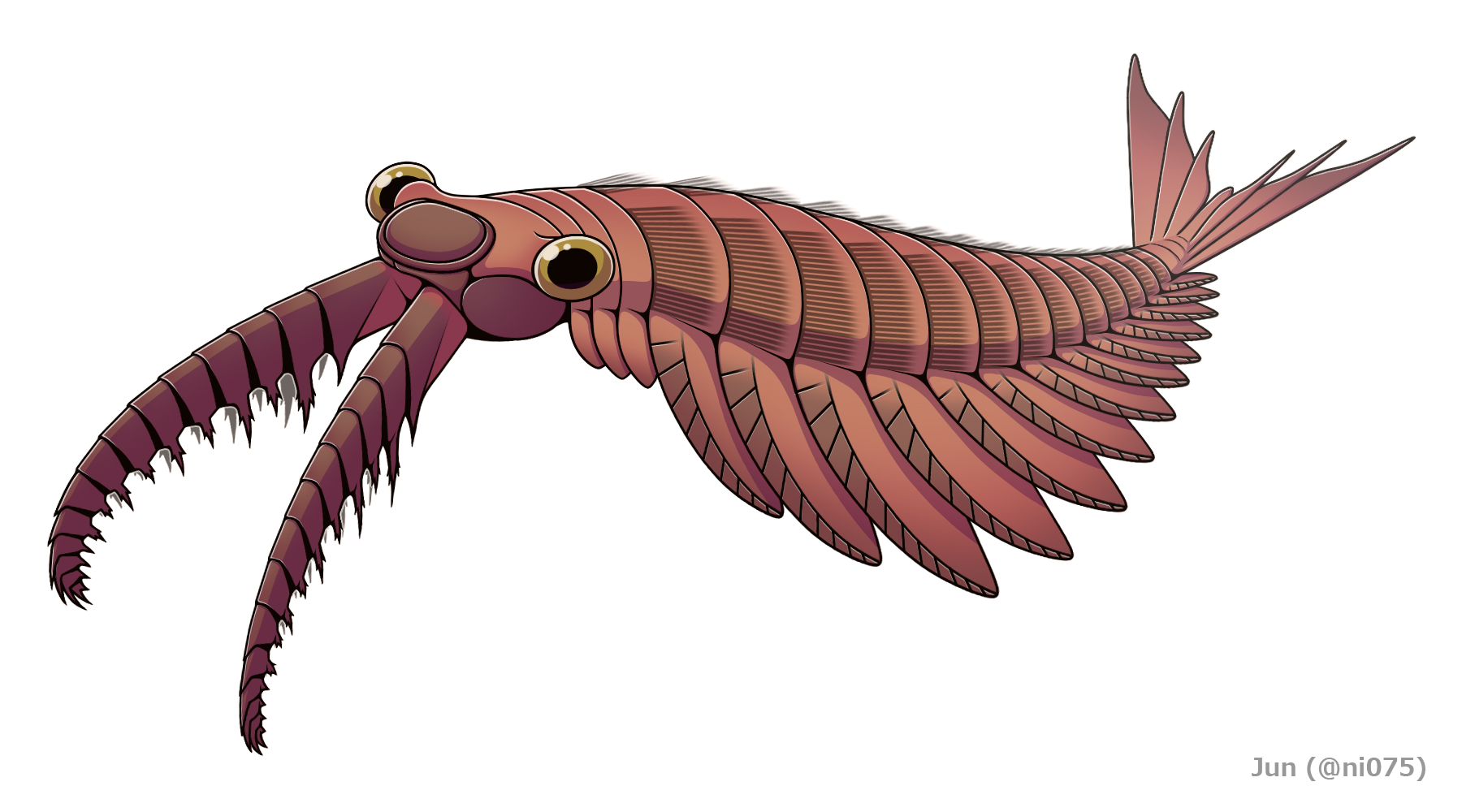
I still remember the first time I saw a reconstruction of Anomalocaris in a museum: those massive compound eyes, bigger than a fist, just felt wrong on such a weird, shrimp-like body. But the more scientists dig into fossils and modern vision science, the more it makes sense: in a low-light world, oversized eyes were high-tech weapons. In this article, we’ll dive into how these eyes worked, why they got so big, and what they tell us about an ocean that was darker, stranger, and far more competitive than most of us imagine.
A World of Perpetual Twilight: The Ancient Dim Seas
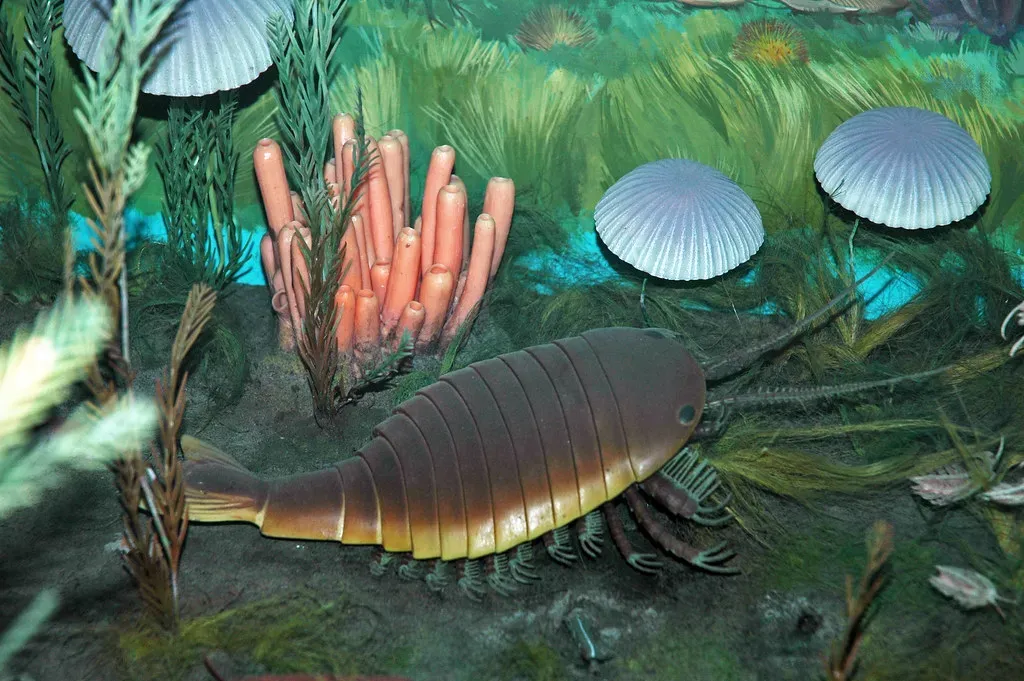
Imagine standing on a beach in the Cambrian Period, more than half a billion years ago. The surface might look bright and sparkling, but only a short distance below, the world would fade into a hazy twilight where colors washed out and shapes blurred. Water eats light quickly, and in those early oceans, with fewer large plants and no clear water management like we see in modern tropical reefs, visibility could drop fast with depth, plankton, and stirred-up sediment.
In that kind of environment, vision was a luxury and a superpower at the same time. The deeper you went, the more everything turned into vague silhouettes and flickers of motion, so any animal that could gather more light had a massive edge. Big eyes, like over-sized camera lenses, pulled in every spare photon. For predators, that meant hunting in conditions where most animals were practically blind. For prey, it meant maybe spotting a threat a fraction of a second sooner – sometimes just enough time to turn a narrow escape into survival.
Anomalocaris: The Giant-Eyed “Terror Shrimp” of the Cambrian
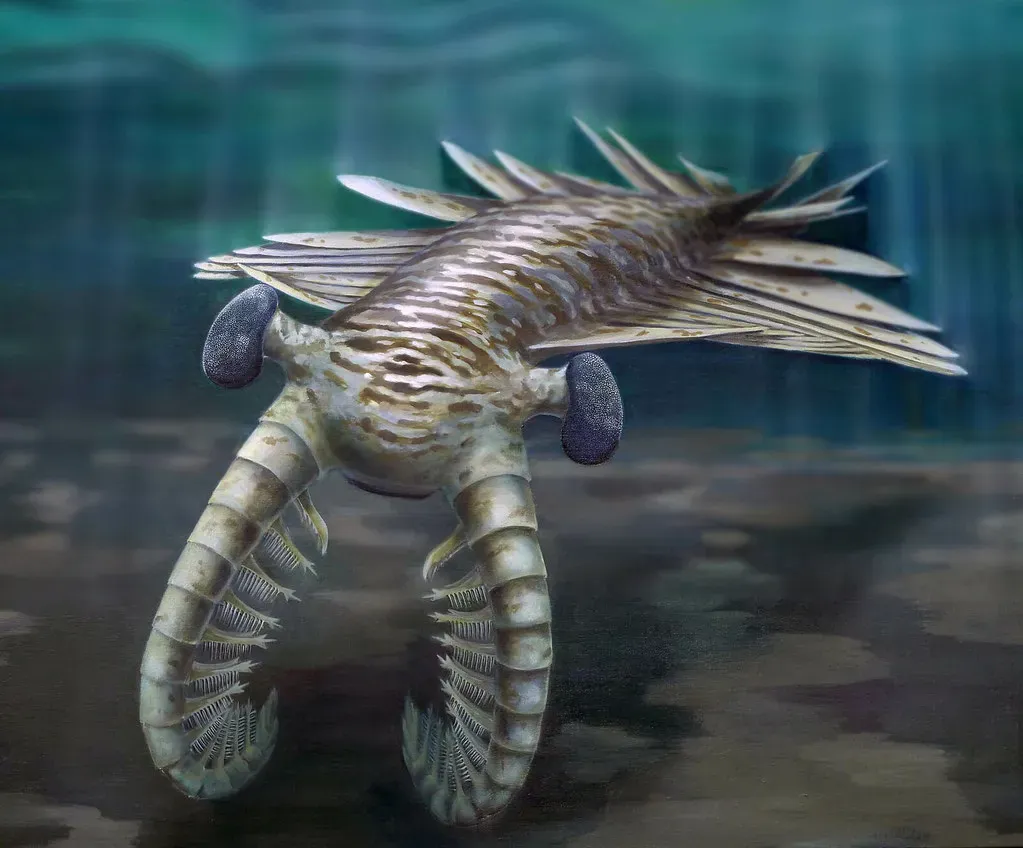
When paleontologists first found bits of Anomalocaris, they actually thought it was three different animals: a strange shrimp, a jellyfish, and some random mystery part. Only later did they realize it was one creature, and an apex predator of its time. One of the most dramatic fossil discoveries came from Australia, where scientists found beautifully preserved eyes, not simple dots or tiny bumps, but huge compound eyes with tens of thousands of individual lenses. These eyes were so large they rivaled or exceeded the eyes of many modern dragonflies, which are visual powerhouses.
Think about what that means: in the early Cambrian seas, where many organisms barely saw more than light and dark, Anomalocaris had hyper-advanced, high-resolution vision. Each tiny lens in those compound eyes was like a pixel in a wide-angle camera, combining to form a detailed, panoramic view of the water around it. That kind of eye would let it track fast-moving prey, detect faint contrast in low light, and probably hunt at depths or in conditions other animals simply couldn’t handle. In a sense, Anomalocaris was less a blind sea bug and more a living, swimming surveillance drone.
How Enormous Eyes Turned Darkness into Opportunity
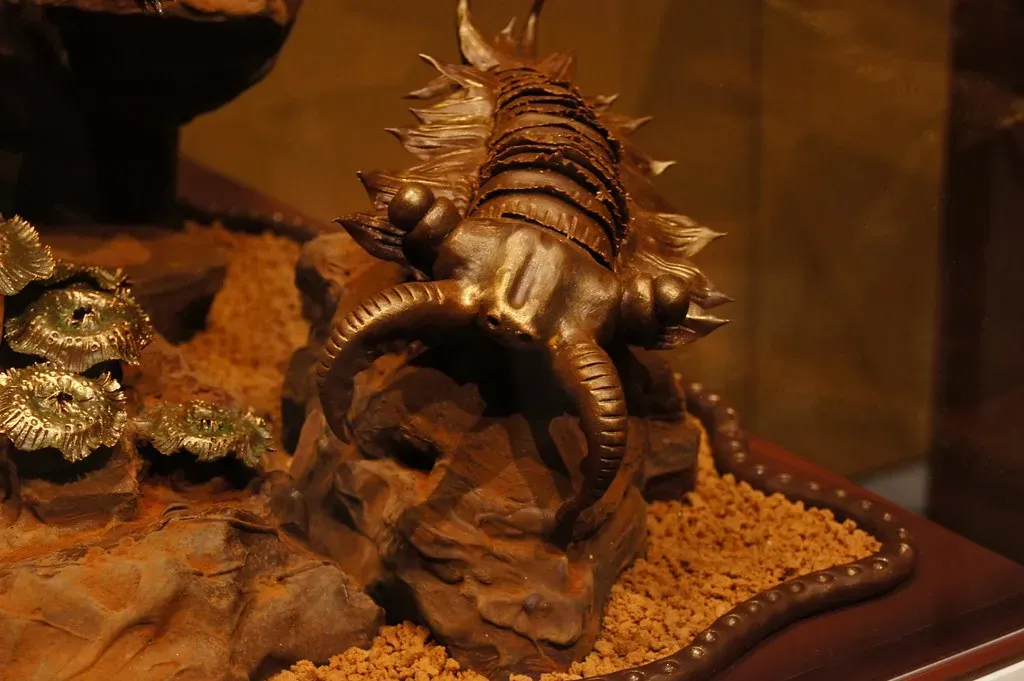
Big eyes are not just for show; they are physics in action. The larger the pupil and overall eye, the more light it can gather, just like a wide-aperture camera lens that performs better at night. In the prehistoric ocean, this meant that oversized eyes could stretch the useful daylight deeper into the water column, letting predators operate comfortably in zones where light was scarce. An animal with enormous eyes could start its “day” earlier at dawn, keep hunting later at dusk, and dive deeper where competitors struggled to see.
Of course, bigger eyes also come with trade-offs: they require more energy to build and maintain, and they stick out, making you more visible. So if natural selection paid for these eyes, they must have been worth every metabolic penny. That suggests a world where visual arms races were already underway: as some animals got better at hiding or darting away, others invested in increasingly sophisticated eyes to counter them. Oversized eyes turn a murky environment from a dangerous handicap into a strategic advantage – if you are the one who can see best in the gloom, the darkness suddenly belongs to you.
Beyond Anomalocaris: Other Deep and Dim Vision Specialists
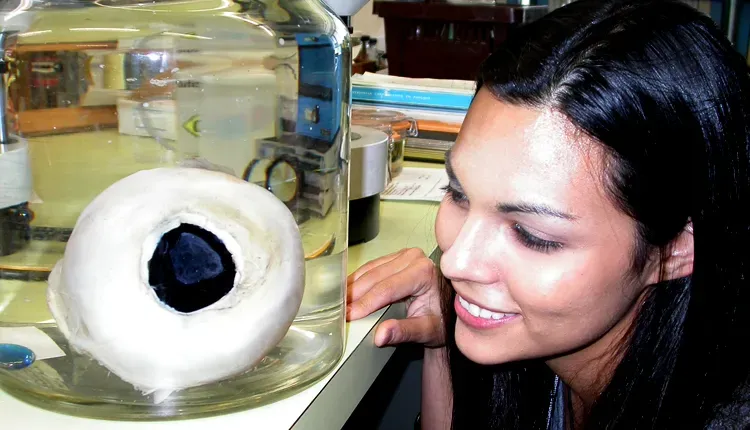
Anomalocaris may be the poster child of giant-eyed Cambrian predators, but it was far from alone in the deep-and-dim strategy across prehistory. Much later, marine reptiles like ichthyosaurs evolved enormous, forward-facing eyes ringed by bony supports, clearly built to withstand pressure and maintain shape at depth. Some species had eyes so large that, compared to body size, they rival the biggest eyes of any animal known, including modern giants like the colossal squid. That level of investment screams one thing: serious low-light hunting.
Even among fish and other marine vertebrates, we see repeated patterns of big, light-gathering eyes in species thought to hunt in deeper or darker waters. Fossil skulls with expanded eye sockets and specific bone structures hint at retina-heavy, light-sensitive organs. It is a bit like seeing a row of giant satellite dishes on ancient skulls and realizing they were tuned to an invisible, dim world. Every time evolution stumbled into deeper water, it seems to have rediscovered the same solution: if the lights go down, crank up the eyes.
There is also an eerie parallel with modern deep-sea life. Today’s deep-sea fish, some with bulging eyes and others with tube-shaped peepers pointing upward to catch silhouettes against the faint glow from above, show just how powerful vision can be even hundreds of meters down. While these species are not direct copies of ancient predators, the resemblance in eye strategies is hard to ignore. Nature keeps writing the same script: big, sensitive eyes belong to animals trying to squeeze information out of darkness.
What Giant Eyes Reveal About Ancient Food Webs and Behavior
Oversized eyes are like crime-scene clues: they tell you there was something worth seeing. In the case of prehistoric oceans, they imply busy, dynamic environments with plenty of movement, predation, and subtle signals in the water. If all you needed to do was sit around and filter-feed, you would not pour precious energy into massive, intricate eyes. The presence of these organs suggests fast chases, sudden ambushes, and perhaps even complex interactions like stalking, shadowing, and hovering at the edge of visibility.
They also hint at vertical migrations and multi-layered ecosystems. A predator with powerful vision might move up and down through different light zones, following prey that rose toward the surface at night and sank during the day. That kind of behavior – still seen in many marine animals today – requires the ability to function across a spectrum of brightness levels. Enormous eyes would allow those ancient predators to ride that vertical highway, exploiting food sources other animals could not track as easily. In that sense, the eyes are less a static ornament and more a passport granting access to entire layers of the ocean.
How These Ancient Eyes Compare to Ours (and Why It Matters)
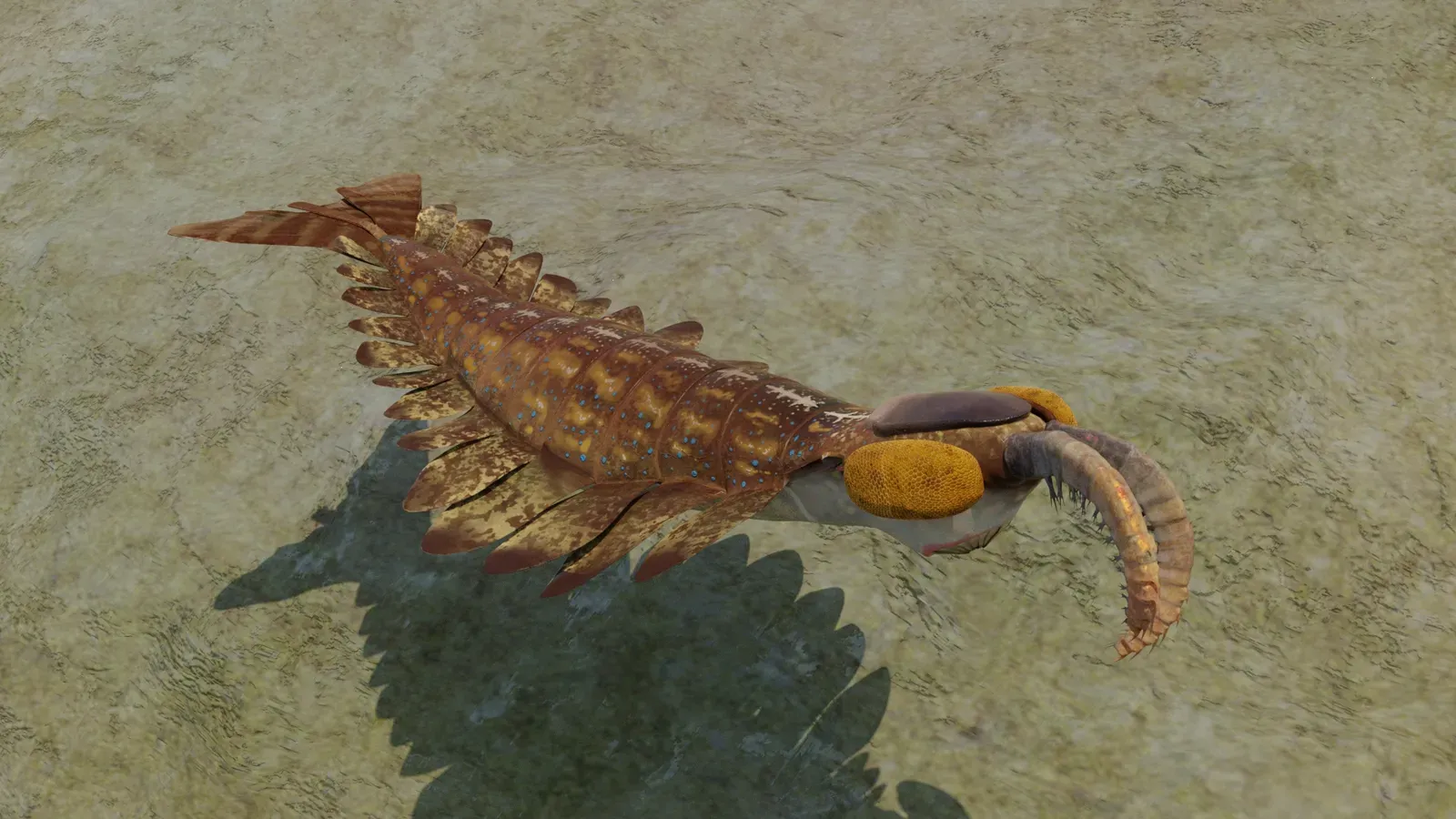
It is tempting to think of human eyes as the gold standard, but in many ways the prehistoric ocean predators beat us at our own game. Our eyes are great generalists: decent in daylight, decent at dusk, not terrible in a dim room. In contrast, the enormous eyes of animals like Anomalocaris or deep-diving marine reptiles were ruthless specialists, tuned specifically for gathering every scrap of light in a world that hovered on the edge of darkness. If our eyes are like smartphones that can do a bit of everything, theirs were like high-end cinema cameras built only for low-light filming.
Comparing the two is more than just a fun thought experiment; it changes how we imagine those ancient worlds. Instead of picturing the past as visually crude and simple, we have to accept that some prehistoric predators saw their world in razor-sharp detail, even when other creatures were stumbling around half-blind. Personally, I find that strangely humbling: we are not the peak of visual evolution, just one branch among many. Those gigantic eyes remind us that the ocean has always rewarded innovation, and that the best eyes for the job are the ones perfectly matched to their environment, not necessarily the ones sitting in our own heads.
Conclusion: The Strange Power of Seeing in the Dark
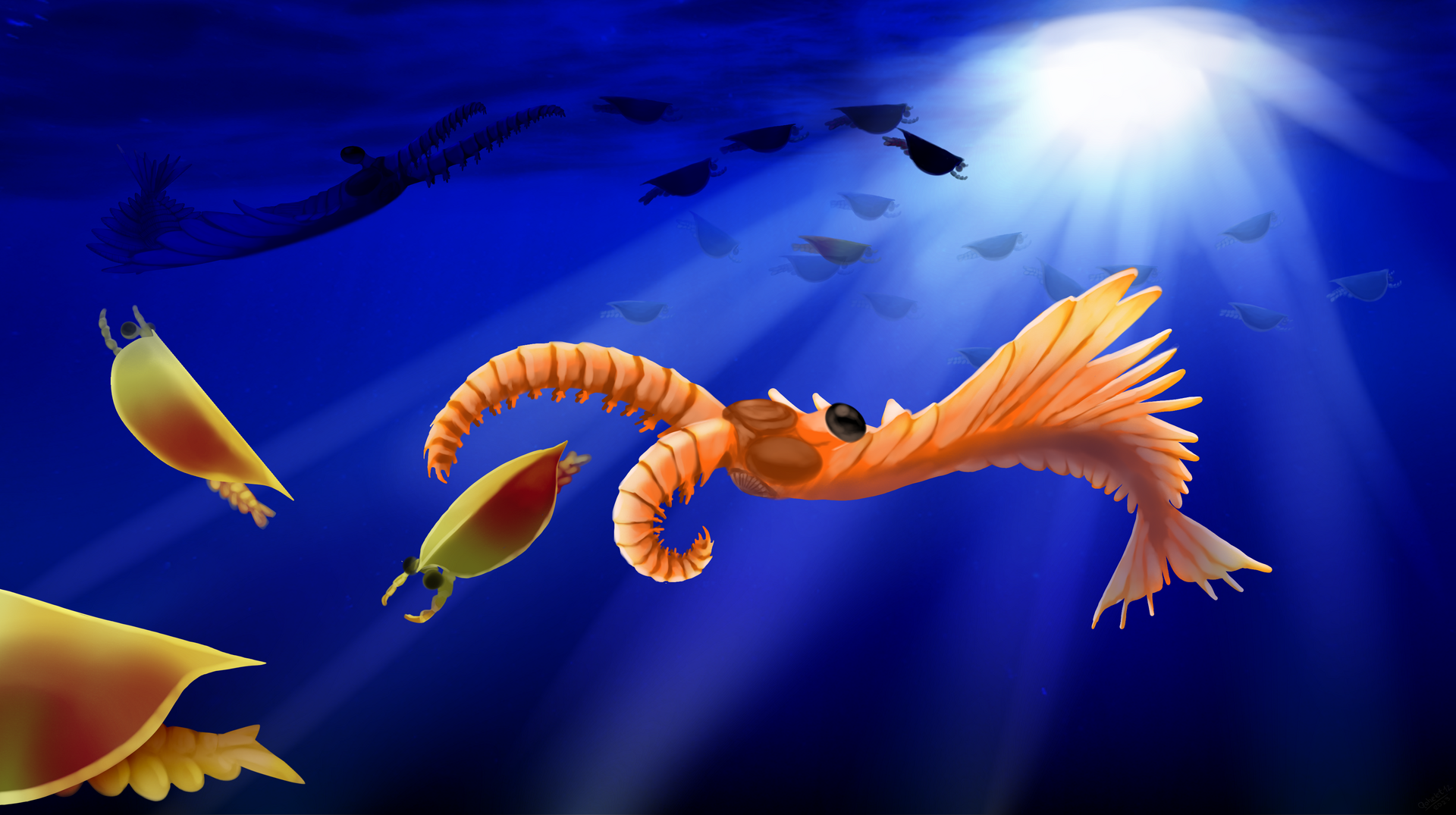
When you step back and look at the big picture, the story of these prehistoric, giant-eyed predators is really a story about information. In a world of deep and dim water, light is information, and any creature that could collect more of it gained a ruthless edge in the constant battle to eat and avoid being eaten. Oversized, high-performance eyes were not a quirky accident; they were one of evolution’s sharpest weapons, quietly rewriting who dominated the ocean long before dinosaurs ever appeared on land.
My opinion is that we have been far too land-biased in how we imagine ancient life. We tend to focus on bones and teeth, but these enormous eyes tell a more unsettling truth: the oceans were full of specialists that made the most of conditions we would find almost unlivable. To me, that makes modern daylight seas feel almost tame by comparison. Next time you look out over the water at dusk, it is worth remembering that for hundreds of millions of years, the real rulers of the ocean were not the biggest jaws, but the sharpest eyes in the dark. Would you have guessed that the most powerful weapon in those ancient seas was simply the ability to see first?