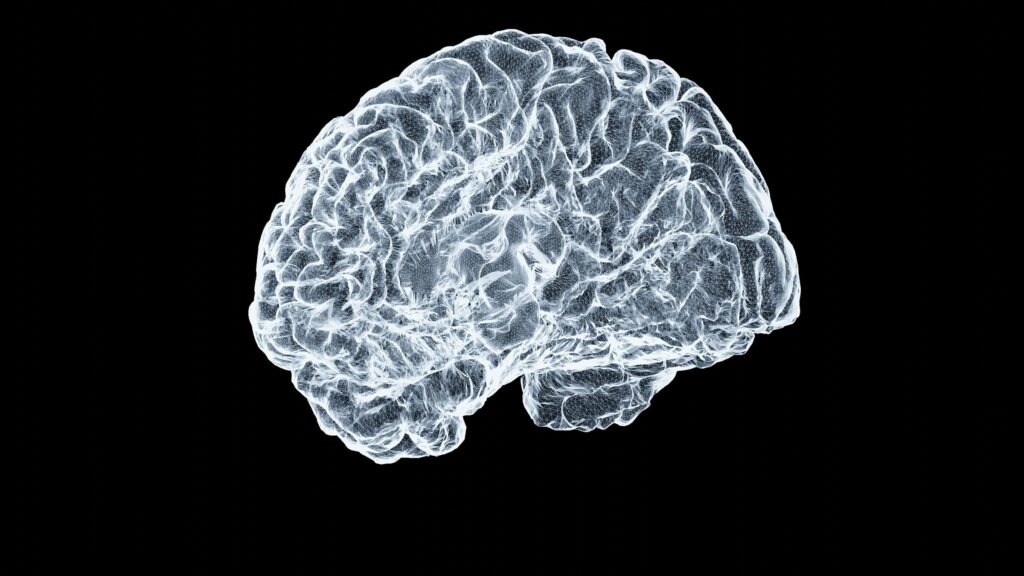
You know that tight, restless feeling when you are waiting for test results, a text that never comes, or news about a job interview? That is not just “overthinking” or modern anxiety. That is your Stone Age brain doing exactly what it was built to do: freak out when the future is unclear. Uncertainty does not just annoy your mind; it unsettles your entire nervous system in ways that were once lifesaving but now feel exhausting.
Our ancestors survived by constantly predicting what might happen next: Is that sound in the grass the wind, or a predator? Will this plant heal me, or kill me? Today, the predators are emails, layoffs, ghosted messages, and changing rules – but your brain reacts with the same ancient wiring. To really understand why not knowing drives you crazy, you have to go back in time, inside your skull, and into the evolutionary logic of a brain that still thinks you live on the savannah.
Uncertainty Once Meant Life Or Death

Imagine you are a hunter-gatherer thousands of years ago, walking through tall grass at dusk. A rustle to your left could mean nothing – or it could mean something with teeth and claws. In that world, failing to predict what comes next was not just uncomfortable; it could be fatal. Your ancestors who were relaxed about uncertainty were more likely to be eaten or poisoned, and they did not pass on their genes as often.
Over countless generations, the human brain became biased toward assuming danger whenever it could not be sure. This “better safe than sorry” bias kept people alive, but it came with a cost: we evolved to treat uncertainty itself as a kind of threat. Today, when you wait for a medical report or stare at a blinking cursor in a chat window, your brain reacts as if there might be a predator in the grass, even though the danger is social, financial, or emotional rather than physical.
The Brain Is A Prediction Machine, Not A Reality Camera
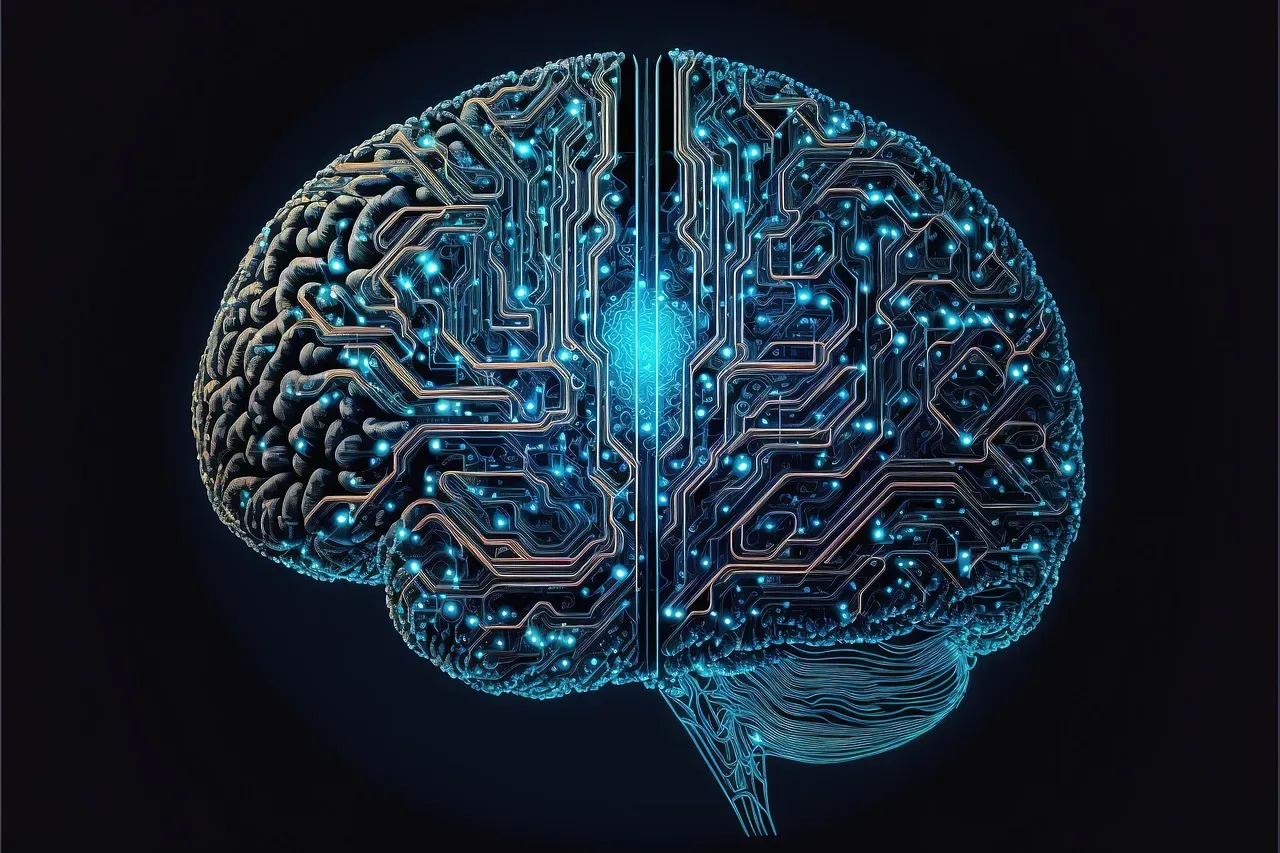
Most people think of the brain as a camera that records what happens and then reacts. In reality, it is more like a hyperactive fortune-teller, constantly guessing what will happen next, and then checking the world to see if it was right. Neuroscientists call this predictive processing: your brain builds models of the world and uses them to estimate the future a split second (or much longer) ahead of time.
When things are predictable, your brain can run on autopilot, saving energy. That is why routines feel comforting and why familiar places feel “easier” to be in. But when you are unsure what comes next – new boss, new city, new relationship status – your brain has to scrap or update its models. That takes mental effort and can feel like trying to navigate a dark room with furniture that keeps moving – you move slower, second-guess your steps, and feel tense even if nothing bad is happening yet.
Dopamine, Reward, And Why Your Brain Loves Closure
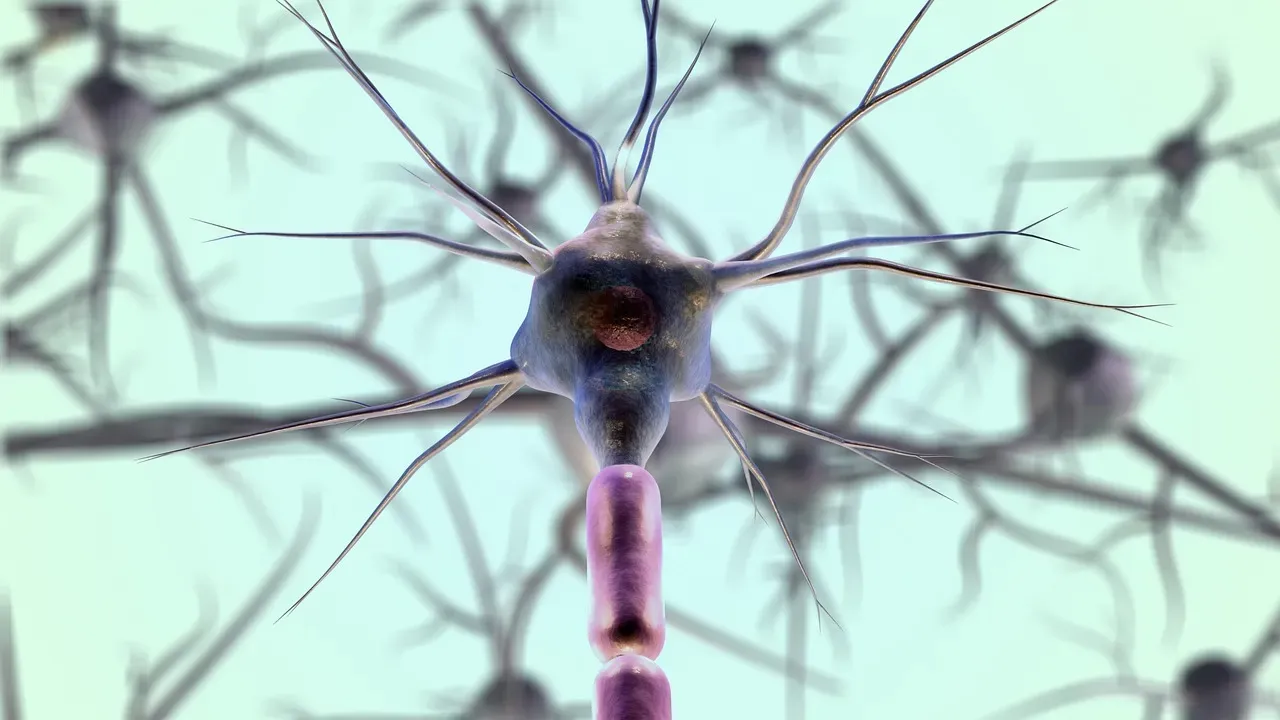
Under the hood, your brain’s reward system is constantly tracking predictions about what will feel good or bad. Chemicals like dopamine are not just about pleasure; they are about learning whether your guesses about the world are accurate. When the brain predicts something and it happens – like a liked post, a paycheck hitting your account, or a friend replying – there is a rewarding sense of “Ah, I was right.”
Uncertainty scrambles that system. When you do not know if the outcome will be good or bad, the reward circuits cannot settle. That is why cliffhanger endings, unread message notifications, or vague “We need to talk” conversations feel so intense. Your brain is wired to crave resolution because resolution teaches it how to predict better next time. The not-knowing jams that learning loop, leaving you with a nagging itch that only answers seem able to scratch.
Stress Hormones: Your Emergency System On Standby

Your stress response system does not just react to actual bad news; it also reacts to the possibility of bad news. When your brain cannot tell whether a situation is safe or dangerous, it often errs on the side of caution and activates the body’s alarm signals. Hormones like cortisol and adrenaline nudge your heart rate up, sharpen your focus, and push you into a “just in case” mode, even if you are only waiting for a performance review.
The problem is that modern uncertainty rarely resolves quickly. A hunter either found the predator or did not; the unknown did not drag on for weeks at a time. Today, you might live with open questions about money, health, or relationships for months, and your body keeps dipping in and out of stress mode. That chronic low-level activation can feel like simmering anxiety, trouble sleeping, or a constant background sense that something is off, even when your day looks normal from the outside.
Why Your Brain Fills The Blanks With Worst-Case Scenarios
When the future is foggy, your mind does not leave the space blank; it starts telling stories. And because of that ancient survival bias, those stories tend to tilt negative. If your partner is quiet, you might assume anger. If your boss writes “We should talk,” you may mentally rehearse being fired before considering a promotion. The brain is trying to prepare you, but in doing so, it often creates suffering out of thin air.
This tendency to catastrophize once had strategic value: anticipating danger helped people prepare, stock resources, or avoid risky situations. Today, it means your brain may act like a drama writer who only knows how to write tragedies. Personally, I have caught myself spinning disaster fantasies while waiting for a simple email, only to discover later it was something minor or even positive. The instinct is not a character flaw; it is an overprotective ancient program running on modern hardware.
Control, Status, And The Social Side Of Uncertainty

For prehistoric humans, being part of a group was everything. Getting excluded from the tribe could mean no food, no protection, and no chance of surviving long enough to raise children. So the brain became exquisitely sensitive to signs of social approval, rejection, and status shifts. Not knowing where you stand with others – romantically, professionally, or socially – hits the same circuits that once tracked your odds of survival.
That is why ghosting, vague feedback, or mixed signals feel so brutal: your ancient brain interprets unclear social information as a potential threat to belonging. Not knowing whether people are with you or against you can feel almost physically painful. It is one reason uncertain relationships can be more draining than clean heartbreak; the ambiguity keeps your brain on high alert, constantly scanning for clues about whether you are safe in the tribe.
Modern Life Is A Mismatch For Ancient Wiring

Our ancestors faced intense, concrete dangers but often got quick feedback: the hunt succeeded or failed, the storm hit or passed, the rival group attacked or did not. In contrast, many of today’s threats are slow, abstract, and statistical: markets might crash, climate might change, algorithms might affect your career. Your brain, designed for immediate and visible outcomes, now has to interpret rolling news alerts and vague future risks, and it tends to respond with a kind of jittery confusion.
This mismatch is why you can feel simultaneously safe and highly stressed. You may be sitting on a couch, physically comfortable, but your brain is tracking a dozen unresolved situations: debt, deadlines, political turmoil, personal health worries. Each open loop is a little unresolved prediction. Put together, they can make everyday life feel like being stuck in a never-ending suspense movie where the monster is always about to appear but never quite shows up.
Training Your Brain To Tolerate Not Knowing

The good news is that while your brain’s hardware is ancient, it is also remarkably adaptable. You can train it to handle uncertainty without spinning out every time something is unresolved. Simple practices like naming what you do not know, separating what you can control from what you cannot, and setting specific “worry windows” can stop your mind from rehearsing fears all day long. It is a bit like teaching a nervous guard dog that not every creak in the house means an intruder.
Over time, exposing yourself gently to small doses of uncertainty – trying new things without overplanning, leaving some messages unread for a bit, not checking every notification instantly – can build tolerance. Your brain gradually learns that not knowing does not automatically equal disaster. You are not erasing your prehistoric wiring, but you are updating its settings, teaching it that the modern world, while still risky, does not require a full-body alarm every time the future looks a little blurry.
Conclusion: Ancient Brains, Modern Mysteries
At a basic level, your hatred of not knowing what comes next is not a moral failure or a personal weakness; it is a survival feature from a world where uncertainty really did kill people. Your brain evolved to predict, control, and prepare, and it panics when it cannot do those things. In my view, we are all walking around with emergency systems designed for lions and famine, trying to use them in a world of emails, metrics, and social media ambiguity – and no wonder it feels overwhelming.
The challenge now is not to rip out that ancient wiring but to understand it and work with it. When you feel your mind spiraling in the unknown, you can remind yourself: this is my Stone Age brain overreacting to a twenty-first-century problem. That shift – from blaming yourself to recognizing an old program – can be quietly revolutionary. If your brain is going to hate not knowing anyway, why not learn to see that hatred clearly, gently, and maybe even with a bit of humor the next time you are stuck in suspense?