
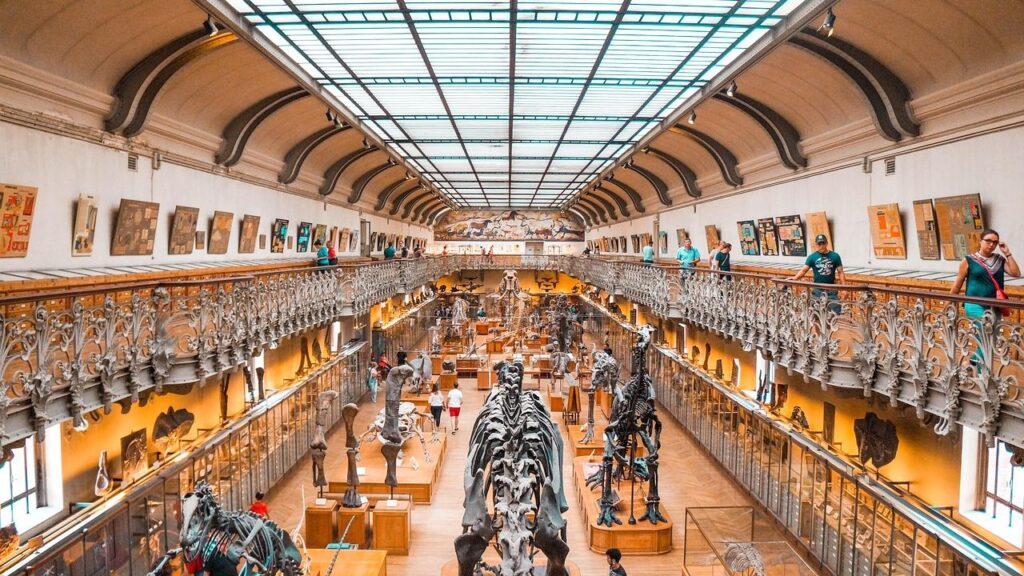
Walk into almost any big natural history museum and you’ll see it: towering skeletons frozen mid-roar, jaws wide, claws out, posed like they’re seconds away from ripping into something. It looks thrilling, but if you talk to many paleontologists, they’ll quietly admit that quite a bit of what you’re seeing is more theatrical guesswork than solid science. The result is that millions of visitors walk away with mental images of dinosaurs that are stylish, cinematic, and sometimes seriously misleading.
This doesn’t mean museums are doing everything wrong or that dinosaur halls are useless. Far from it. Dinosaur exhibits have inspired generations of scientists and sparked a love of deep time in people who’d otherwise never think about geology or evolution. But as research races ahead, there’s growing tension between what science now suggests and what glass cases actually show. That gap is what many scientists are worried about – and it raises a tricky question: are we seeing dinosaurs as they really were, or as we still wish they looked in old movies?
The Bare-Bones Problem: Skeletons Without Skin, Muscle, or Life
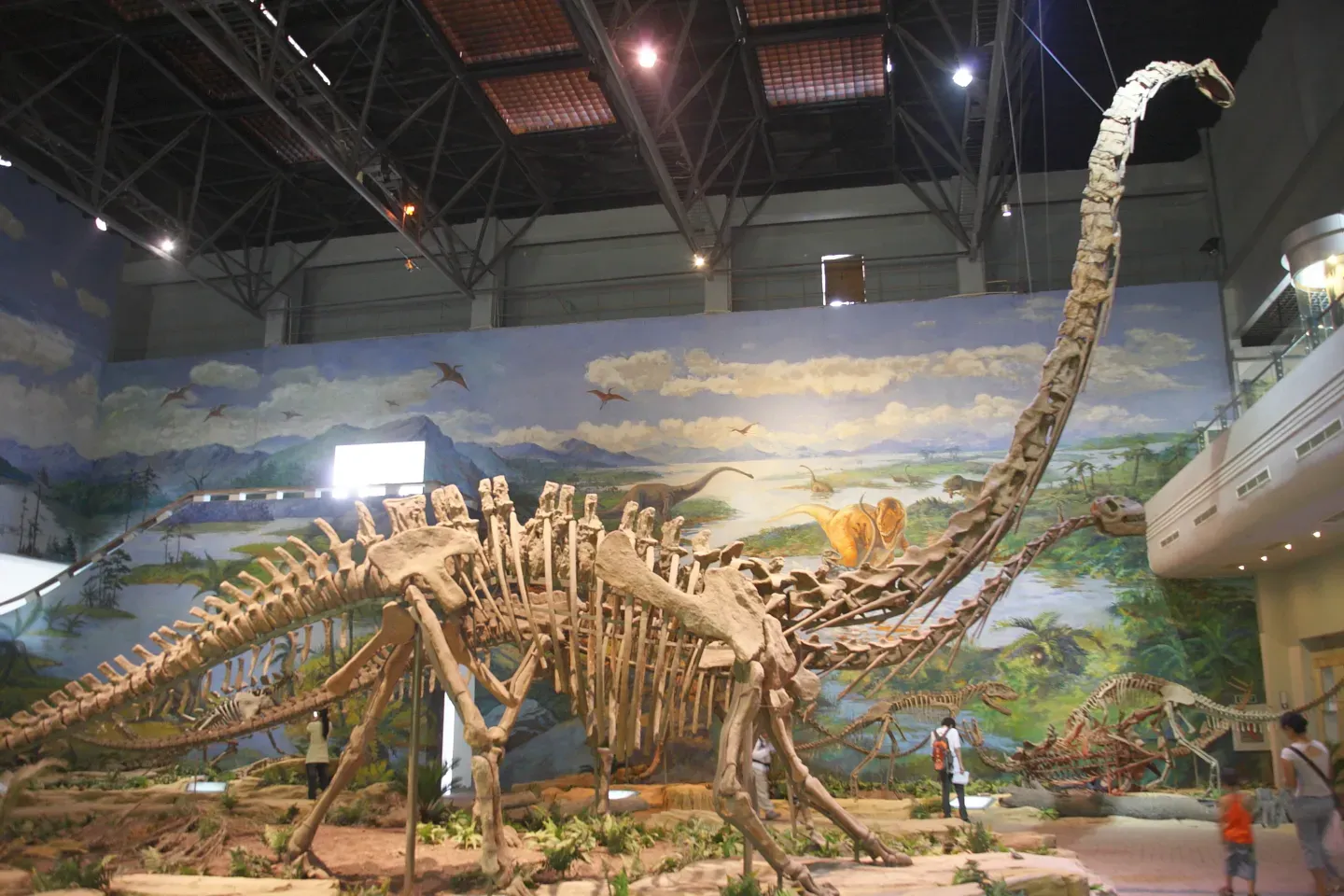
Here’s the first uncomfortable truth: a room full of skeletons is not a room full of dinosaurs – it’s a room full of stripped-down frameworks that once supported something much more complex. In life, dinosaurs had muscles, fat, organs, skin, and in many cases feathers or other soft tissues that simply do not fossilize well. When museums show skeletons alone, visitors often assume they are seeing a nearly complete, final version of the animal, rather than the tiny fraction of it that bones actually represent.
Scientists know that even basic things like posture, bulk, and soft-tissue features are still debated for many species. Experimental studies on living animals show that skeletons can be surprisingly bad at predicting exactly what the outside looked like; think of how wildly different a greyhound and a bulldog look, even though their bones are not that drastically dissimilar. When we present only the bones, we unintentionally send the message that we’re nearly certain about every detail, when in reality we’re still filling serious gaps with educated guesses and analogies from living creatures.
Dramatic Poses and Hollywood Body Language
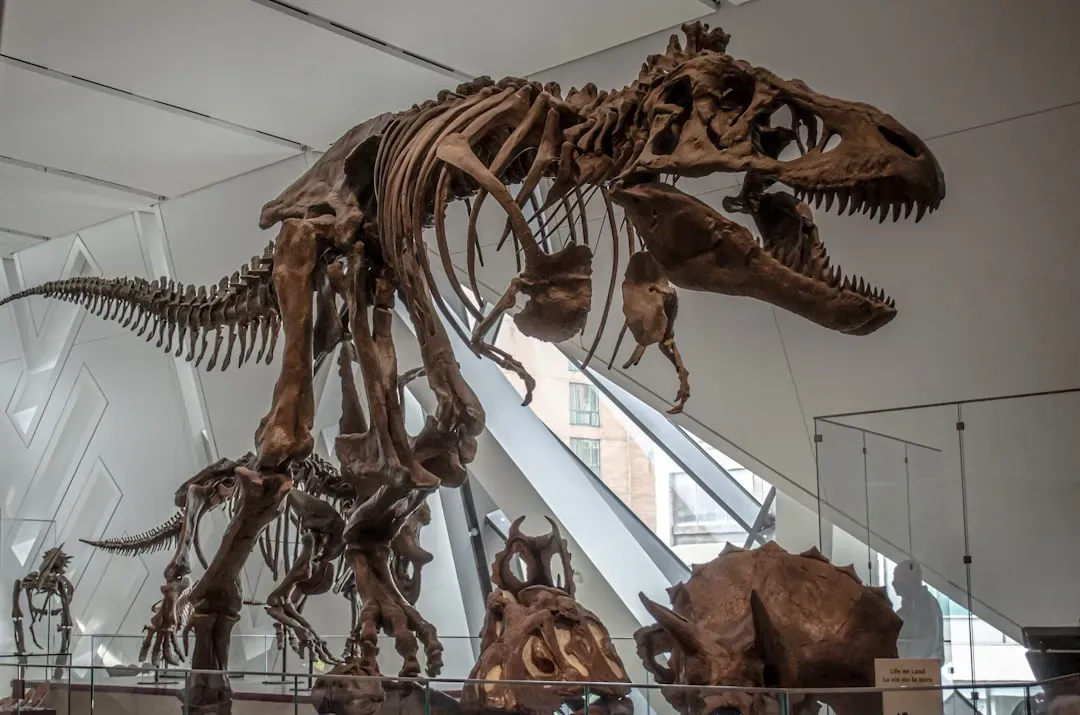
Many dinosaur mounts are posed as if they’re starring in an action film – mouths open wide, tails whipping, claws lifted in mid-strike. It looks exciting, but paleontologists have questioned how realistic some of these “frozen drama” scenes actually are. The risk is that visitors absorb a picture of dinosaur behavior that’s more about human storytelling than animal biology, like assuming every lion is always mid-pounce because that’s how they appear on posters.
There’s also the physical side: some classic mounts have been posed in ways that we now know are anatomically off. Earlier in the twentieth century, for example, tail and back postures were often reconstructed in a more upright, kangaroo-like stance that later research showed was unrealistic for many species. Even when museums update mounts, there can be pressure to keep things looking dynamic and fierce, because spectacle helps sell tickets. Scientists increasingly argue that we need mounts that look like real animals caught in natural, even boring, moments – walking, resting, feeding – not just eternally roaring for the camera.
Composite Skeletons and the Illusion of Wholeness
Another subtle issue is that many of the skeletons you see are not from one single animal, but a patchwork assembled from several individuals or even different sites. Museums do this to create fuller, more impressive mounts when real fossils are incomplete, which is almost always. To a visitor, though, that seamless, towering skeleton can easily read as one perfectly preserved dinosaur, as if it died yesterday and was lifted intact out of the rock.
Paleontologists are usually very open about this behind the scenes, and museum labels may mention words like “composite” or “cast,” but those details are easy to miss in a crowded hall. The scientific reality is that some iconic mounts are part genuine bone, part replica, and part best-guess reconstructions of missing elements. When that nuance gets lost, people walk away believing we have far more complete specimens than we really do, and they underestimate how much careful inference and comparison goes into every single bone on display.
Lack of Feathers and the Outdated “Reptile-Only” Aesthetic
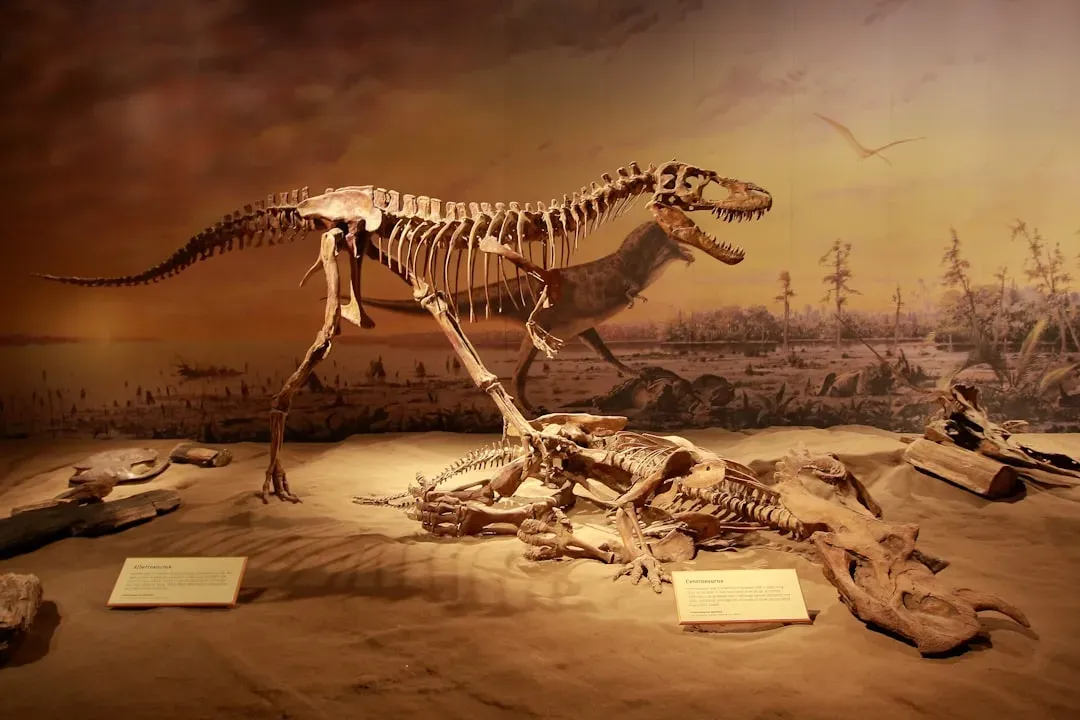
One of the most striking discoveries of the past few decades is that many dinosaurs – especially those closely related to birds – had feathers or feather-like coverings. Entire fossils have been found with clear impressions of plumage, and the link between birds and certain dinosaur groups is now one of the strongest ideas in modern paleontology. Yet walk into some museum halls and you’d think all dinosaurs had bare, scaly skin from head to tail, like giant lizards with anger issues.
This mismatch is partly practical and partly cultural. It is harder and more expensive to redesign old mounts and models than to simply keep the familiar, scaly look that has dominated for generations. But scientists worry that this visual inertia locks visitors into a picture of dinosaurs that is decades out of date. When kids grow up seeing only reptile-like monsters instead of shaggy, feathered, birdlike animals, it reinforces an old divide between dinosaurs and birds that research has largely erased.
Oversized Predators, Undersized Ecosystems
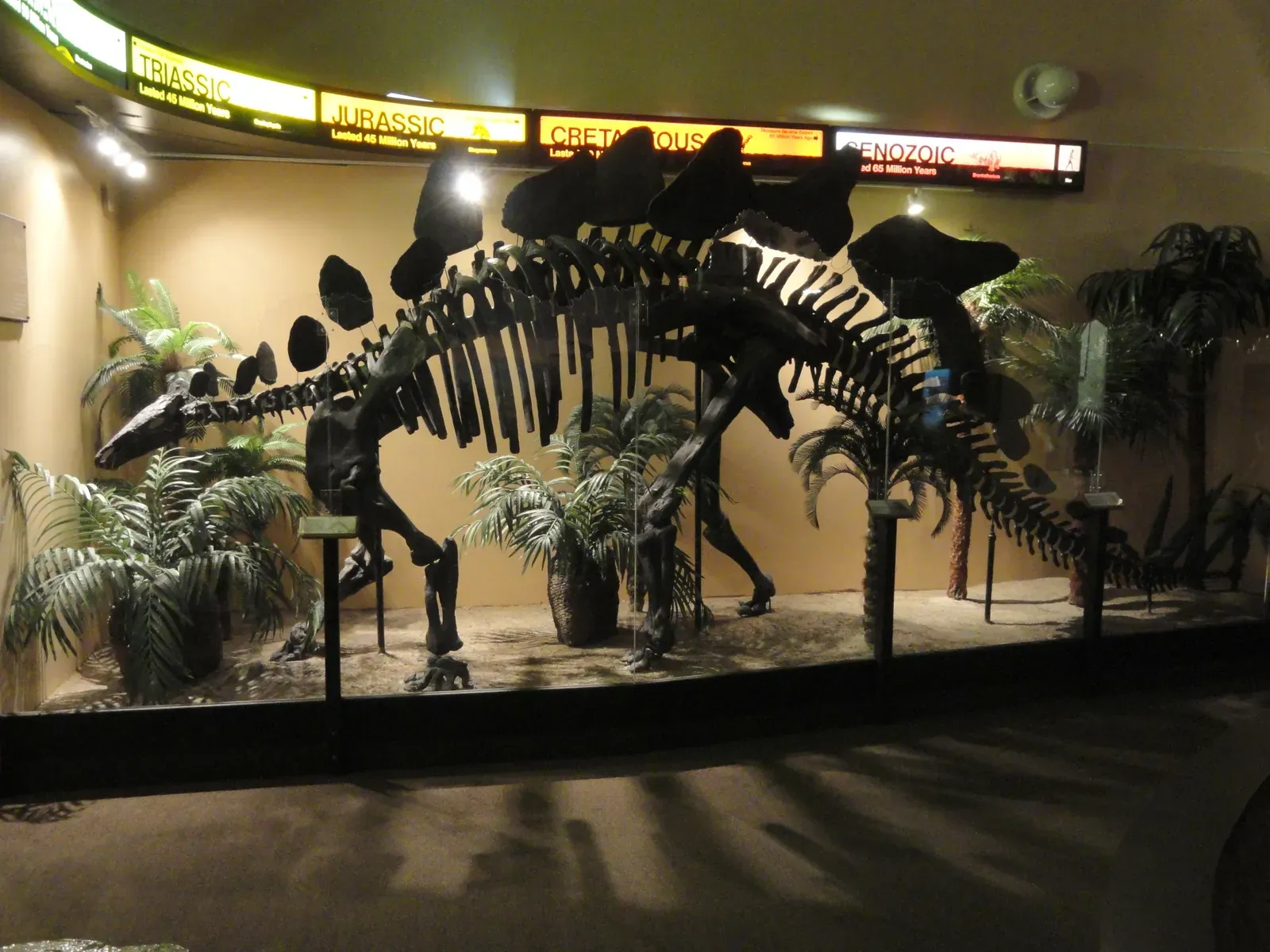
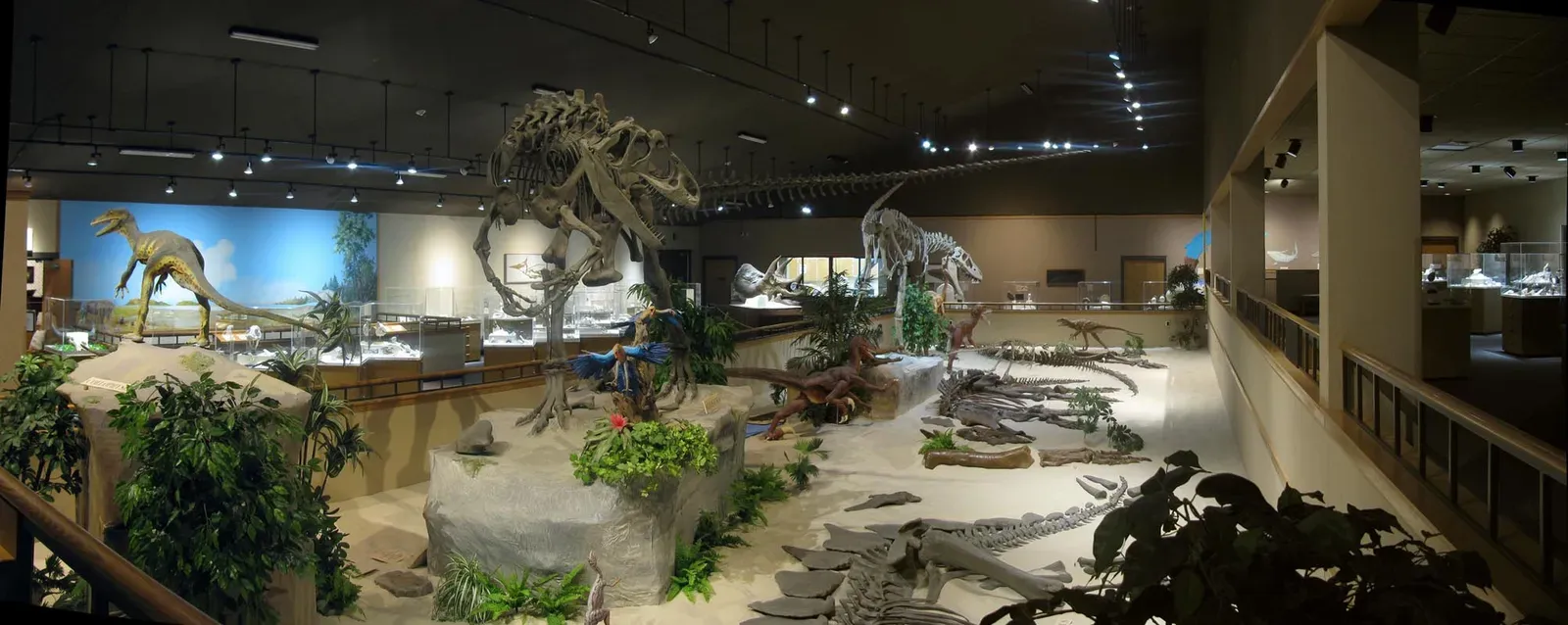
Museums love a big predator. Tyrannosaurus, Allosaurus, Giganotosaurus – these grab attention, dominate marketing posters, and feel like natural centerpieces. The problem is that this focus often sidelines the rest of the ecosystem. In real ancient environments, top predators were only a small slice of the living biomass, while plant-eaters, smaller carnivores, invertebrates, and plants themselves made up the vast majority of life. Yet in many galleries, the balance looks flipped, as if the Mesozoic was mostly giant hunters pacing around looking for something dramatic to devour.
Scientists argue that this predator-heavy emphasis quietly distorts how we understand ancient worlds. Without enough smaller dinosaurs, early mammals, croc relatives, turtles, and plants in the picture, visitors miss out on the complexity of food webs and the subtle interactions that shaped evolution. It would be like trying to understand a modern savanna by only showing lions, without zebras, termites, vultures, or grasses. Some newer exhibits are getting better at this, but many big halls still feel like the dinosaur equivalent of an action movie cast, not a real community.
Static Displays in a Fast-Moving Science
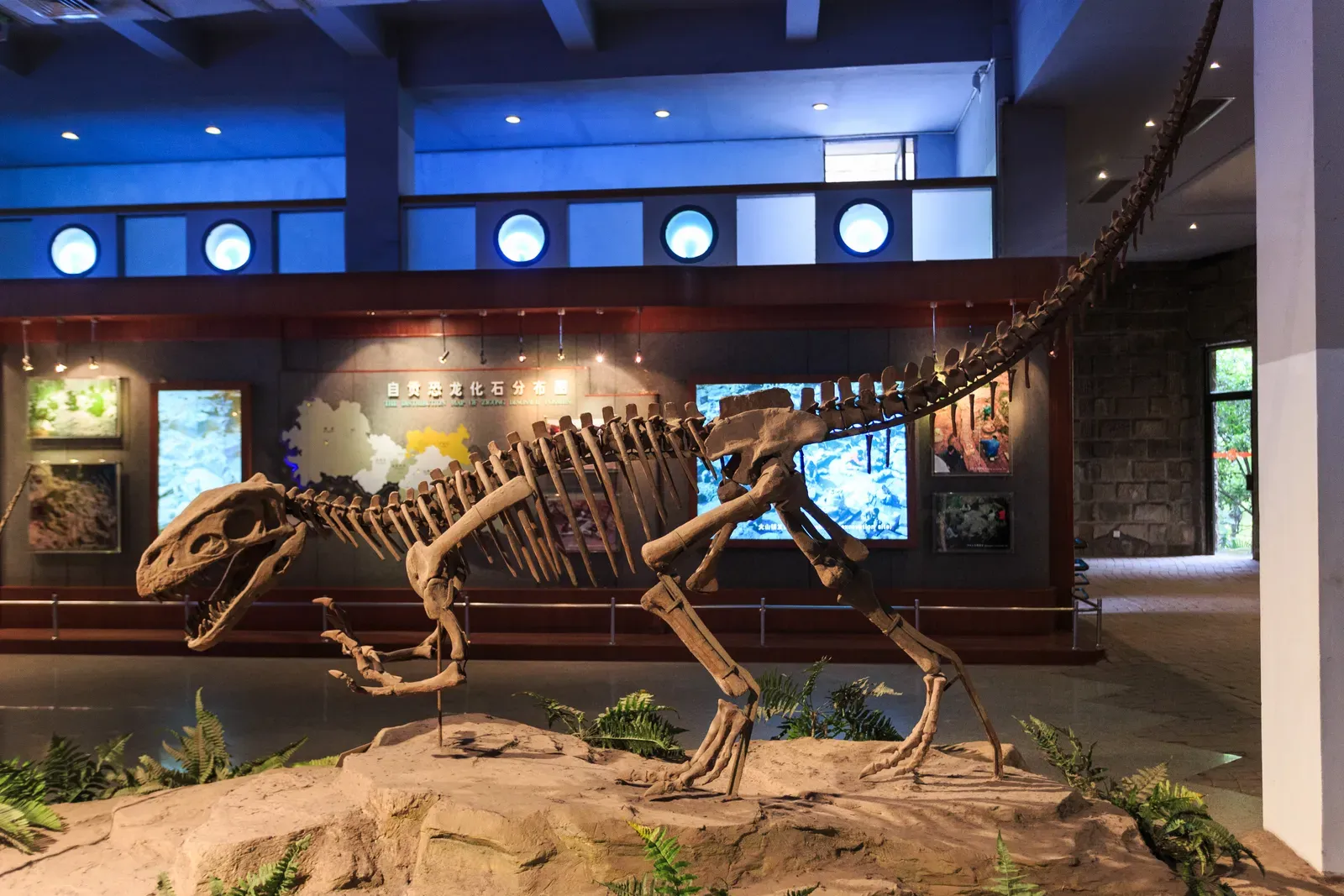
Dinosaur science is changing fast. New species are described every year, ideas about growth, coloration, and behavior keep evolving, and advanced imaging technologies reveal details inside bones that were invisible a generation ago. Meanwhile, many museum mounts and wall texts stay mostly frozen for years or even decades. The result is a quiet disconnect: researchers publish fresh work, but the public still sees older interpretations locked into the skeletons and signage.
Some institutions have started using digital screens, augmented reality, and rotating exhibits to keep up with the pace of discovery, but this is far from universal. Traditional mounts are expensive and time-consuming to update, especially if it means physically altering historic displays. Scientists often push for at least more honesty about uncertainty: noting where experts disagree, highlighting what has changed since a mount was built, and making it clear that science is a living process rather than a finished set of facts carved into stone.
Mystery vs. Certainty: How Exhibits Tell (or Hide) Doubt
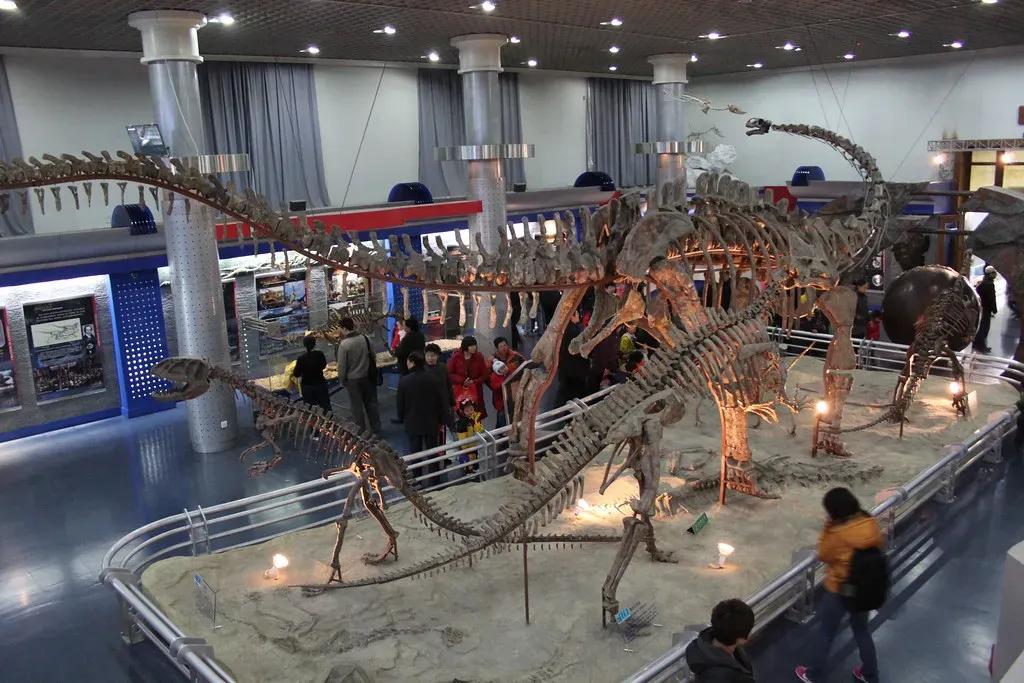
One of the deepest concerns scientists have is not just what is shown, but how confident it appears. Dinosaur halls can unintentionally project an aura of total certainty: here is the animal, here is its diet, here is how it moved, here is the exact color of its skin in a lifelike mural. In reality, many of these details rest on layers of probabilities and analogies. There are solid foundations – like the relationship between certain dinosaurs and modern birds – but beyond that, a lot is still open to revision.
Some paleontologists and science communicators argue that museums should lean into the mystery instead of hiding it. That might mean showing multiple possible reconstructions side by side, clearly labeling what is known, what is inferred, and what is still speculative. When visitors see that science includes doubt, debate, and revision, they get a more honest and interesting story. It turns the dinosaur hall from a gallery of supposedly finished truths into a window on how knowledge is built, challenged, and improved over time.
Who Gets to Be a Dinosaur: Diversity, Access, and the Human Side
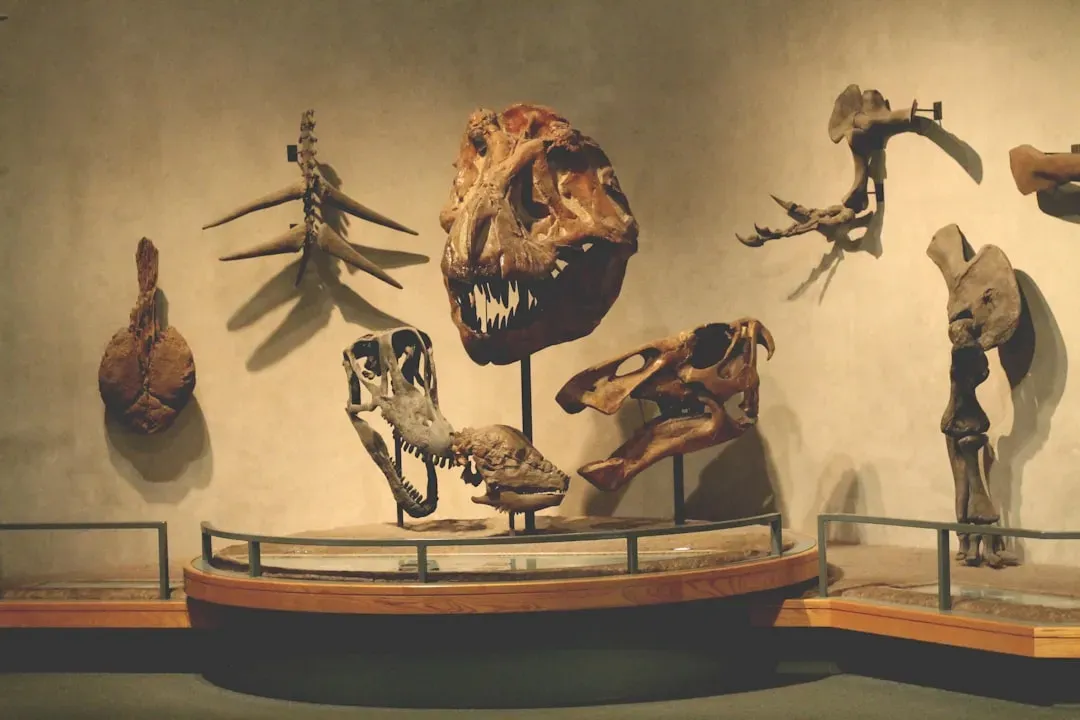
There is also a human dimension to how dinosaur fossils are displayed that scientists and museum professionals are grappling with more openly. Many famous specimens were collected during eras when local communities had little say in what was removed from their landscapes or how it was used. Today, there is increasing scrutiny over fossil ownership, export laws, and collaboration with countries where fossils are found. Exhibits that ignore this context can give the impression that dinosaur bones simply “belong” to whichever big-city museum managed to obtain them.
On top of that, the image of who does dinosaur science is slowly changing. For a long time, the stereotypical paleontologist was portrayed in a narrow way in media and sometimes in museum storytelling. Scientists are pushing for exhibits that highlight a broader range of voices, backgrounds, and roles in paleontology – from field technicians to preparators, from local partners to early-career researchers. When visitors see that dinosaur science is not just the story of the fossils, but also of the people and places connected to them, the whole experience becomes more grounded, more ethical, and more true to reality.
Where Museums Go From Here: An Opinionated Reality Check
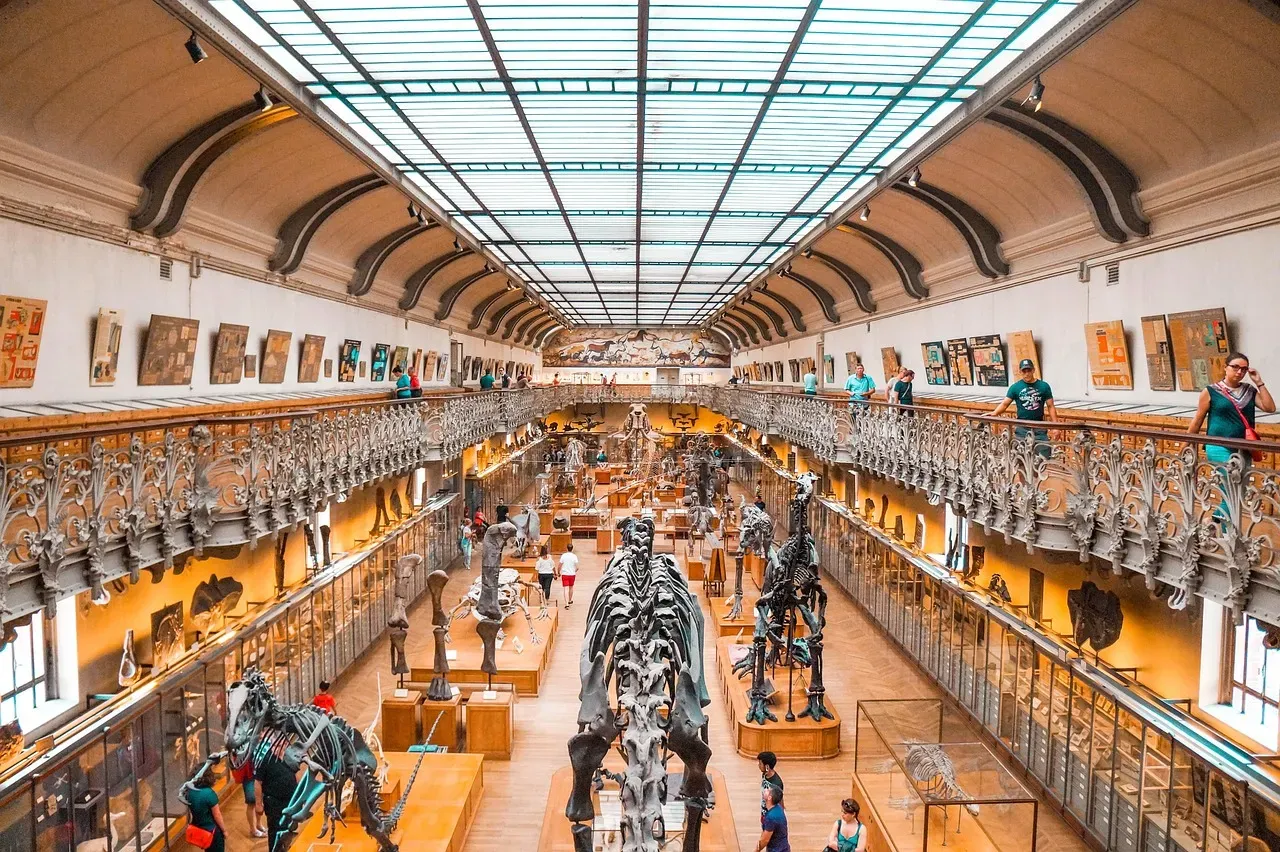
If we’re honest, a lot of dinosaur halls are stuck in a strange limbo: they are spectacular enough to impress, but not always honest enough to fully inform. Paleontologists are not calling for the death of dramatic skeletons or the end of childhood wonder; they are calling for a shift in emphasis – from dinosaurs as movie monsters to dinosaurs as real animals in real ecosystems, understood through a messy, evolving scientific process. That means fewer perfect, overconfident displays and more open conversations about incomplete fossils, competing hypotheses, and the limits of what bones can tell us.
In my view, the most exciting dinosaur museum of the future will be the one that dares to show its seams. Imagine walking into a hall where the same skeleton is accompanied by multiple life reconstructions, each with clear notes about what is known and what is guesswork; where predators share equal stage time with plants and small creatures; where feathers are common sights and mystery is not treated as a flaw but as an invitation. Dinosaur fossils deserve that honesty, and so do the people who come to see them. When you stand in front of that towering skeleton next time, the real question is not just what it looked like in life – but how comfortable you are knowing that we still do not, and may never, know for sure.