
Have you ever had that nagging feeling that someone close to you is hiding something important? That inexplicable sense that something isn’t quite right, despite their reassurances? You’re probably picking up on subtle psychological cues that even the secret-keeper might not realize they’re displaying.
The human mind is remarkably complex when it comes to concealing information. While some people are natural at keeping secrets, most of us unconsciously leak telltale signs through our behavior, body language, and speech patterns. Understanding these psychological indicators can help you navigate relationships more effectively and recognize when someone might be struggling with something they can’t share.
Inconsistent Eye Contact Patterns

Your eyes truly are windows to your soul, especially when you’re harboring secrets. When someone is hiding secrets and telling lies, they may have a hard time making eye contact. However, this isn’t as straightforward as simply avoiding your gaze.
The pattern becomes more telling when you notice dramatic shifts in their usual behavior. When someone is hiding their true feelings, their eye contact might become inconsistent. They might avoid your gaze, glance around nervously, or stare intensely at you without blinking. Some people overcompensate by maintaining unnaturally intense eye contact, as if trying to prove their honesty.
People with secrets tend to think others can see through them, which creates a fascinating psychological dynamic where their attempts to appear normal actually make them stand out more.
Sudden Changes in Communication Style
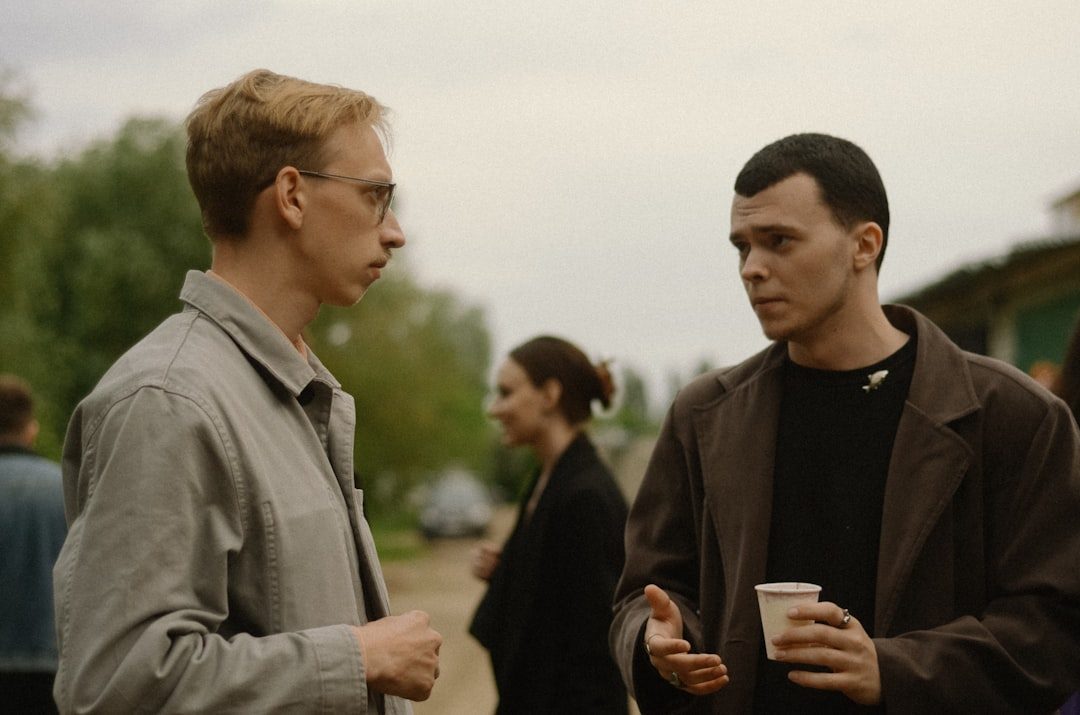
When someone starts guarding a secret, their usual way of communicating often shifts in subtle but noticeable ways. People who are not being truthful often change their speaking patterns. They might start talking faster, or slower. Their tone might change, becoming more high-pitched or lower. They might start stuttering, especially if they don’t usually have a stutter. These changes in speech patterns can be a subconscious reaction to the stress of lying.
You might also notice they become unusually formal in their speech. Psychologists suggest that people who are lying may avoid contractions to emphasize their truthfulness. It’s as though by taking the time to separate the words, they believe they’re making their lie more believable. Instead of saying “I can’t,” they might say “I cannot.”
Vocal clarity can also indicate honesty, while secretive behavior can lead to changes in tone. The stress of keeping something hidden often creates unconscious tension that affects how clearly and naturally they speak.
Deflection and Topic Avoidance

This is a common tactic used by people who are trying to hide something. They deflect and redirect the conversation to avoid answering the question. It’s like a smokescreen, designed to throw you off track. When you bring up certain topics or ask specific questions, they might suddenly become masters of changing the subject.
This behavior often manifests as vague answers, subject-changing maneuvers, or even an awkward silence followed by a hurried topic switch. It’s unsettling when someone you trust begins to skirt around the truth, avoiding straightforward answers.
Pay attention to which topics consistently trigger this deflection behavior. The pattern of avoidance often reveals more than the person realizes about what they’re trying to protect.
Overly Detailed Explanations

When caught off guard, people who are lying might feel the need to over-explain or provide more information than necessary. In psychology, this is known as “the lady doth protest too much” syndrome. If you notice someone going into unnecessary detail or elaborating excessively on simple points, it might be a sign they’re trying to convince you (and maybe even themselves) of their truthfulness.
When someone is lying, they often rehearse their story to ensure it sounds believable. This can result in responses that feel overly detailed, scripted, or just a little too perfect. Their explanations might sound almost too polished, lacking the natural hesitations and imperfections of genuine recollection.
Listen for stories that sound rehearsed or responses that include far more detail than the situation warrants. Honest people typically provide just enough information to answer your question.
Physical Restlessness and Nervous Energy
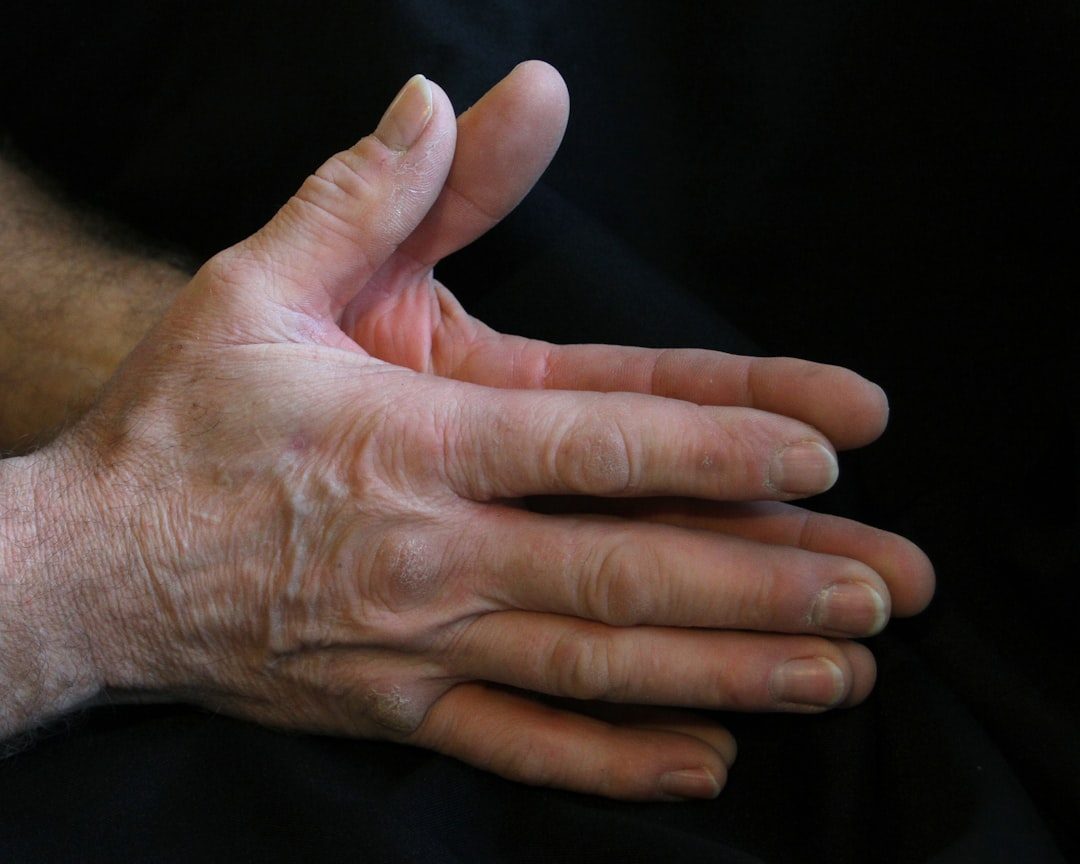
When someone is trying to hide their true feelings, they might become fidgety or restless. Maybe they start tapping their foot, or they constantly adjust their clothes or hair. This nervous energy stems from the psychological stress of maintaining a facade.
This could be anything from shifting positions, avoiding eye contact, or touching their face frequently. In psychology, this is seen as a form of non-verbal leakage – a person’s attempt to control their anxiety about being caught in a lie. Their body language reveals the internal tension they’re experiencing.
The key is noticing when this restlessness deviates from their normal behavior patterns. Someone who’s naturally energetic might become unusually still, while a typically calm person might display uncharacteristic fidgeting.
Emotional Distance and Withdrawal

When someone who’s always been emotionally available suddenly becomes distant, it’s like a red light blinking on your emotional dashboard. The conversations that used to flow naturally now feel forced, and that sense of emotional closeness begins to fade. While everyone has moments where they need personal space, a consistent pattern of emotional detachment could indicate that they’re withholding something from you. This isn’t just about you feeling neglected; it’s a signal that they might be diverting their emotional energy elsewhere – perhaps to deal with a secret they’re not ready to share.
Someone who was always the life of the party and now tends to be quiet could be because they have a guilty conscience. If they have a secret, they may not want to burden you with it. They are stepping away because they’re hiding secrets.
This withdrawal often extends beyond just conversations to physical affection and shared activities. They might decline invitations or seem emotionally absent even when physically present.
Defensive Reactions to Simple Questions

Overreaction to questions about their behavior: If simple, non-accusatory questions spark anger or panic, it might suggest they’re guarding secrets closely. When someone becomes defensive over innocent inquiries, it often signals they’re protecting something.
If he becomes irritable, defensive, or overly affectionate without any clear reason, it could mean he’s trying to cope with the stress of keeping a secret. For instance, he might lash out at small things. When you ask about the secret, he will probably react very angrily. The intensity of their reaction is disproportionate to the innocuous nature of your question.
He or she may become angry and start throwing accusations your way. They will deflect from the matter as they can’t believe you don’t trust them. Always trust your gut instincts because something fishy is undoubtedly going on when they have such a strong reaction.
Changes in Daily Routines and Availability
You used to know everything about your spouse – now you don’t even know when they’ve taken their lunch break. One of the signs your spouse is hiding something from you is a sudden change in their schedule. When someone starts guarding a secret, their predictable patterns often shift without clear explanation.
One sign that your husband keeps secrets is if he is suddenly unreachable. If you can never seem to get a hold of your spouse and he hasn’t given you any convincing reasons why it may be a sign that he has something to hide. They might claim to be busy with work but can’t provide specifics about their activities.
A major sign your friend is hiding something from you is if they avoid you at all costs. The friend is afraid to be around you because they don’t want to – or are afraid to – share something with you, so they have reasons for not being able to get together. This could be other plans, too tired, not feeling well, and other classic ‘washing my hair’ excuses.
Protective Behavior Around Personal Items

Personal devices like phones and laptops have become extensions of ourselves, repositories of our private thoughts, conversations, and memories. If someone close to you suddenly becomes unusually protective of their devices, it could be a sign they have something to hide. This is about more than respecting privacy; it’s about a marked change in behavior that makes you question their transparency.
One of the first signs he might be hiding something is if he suddenly becomes overly protective of his phone. For example, if he always used to leave his phone lying around but now takes it everywhere or keeps it face down when you are hanging out, it can raise suspicions. If he adds new passwords or gets defensive when you come near his phone, the behavior might indicate that he’s trying to hide conversations or activities.
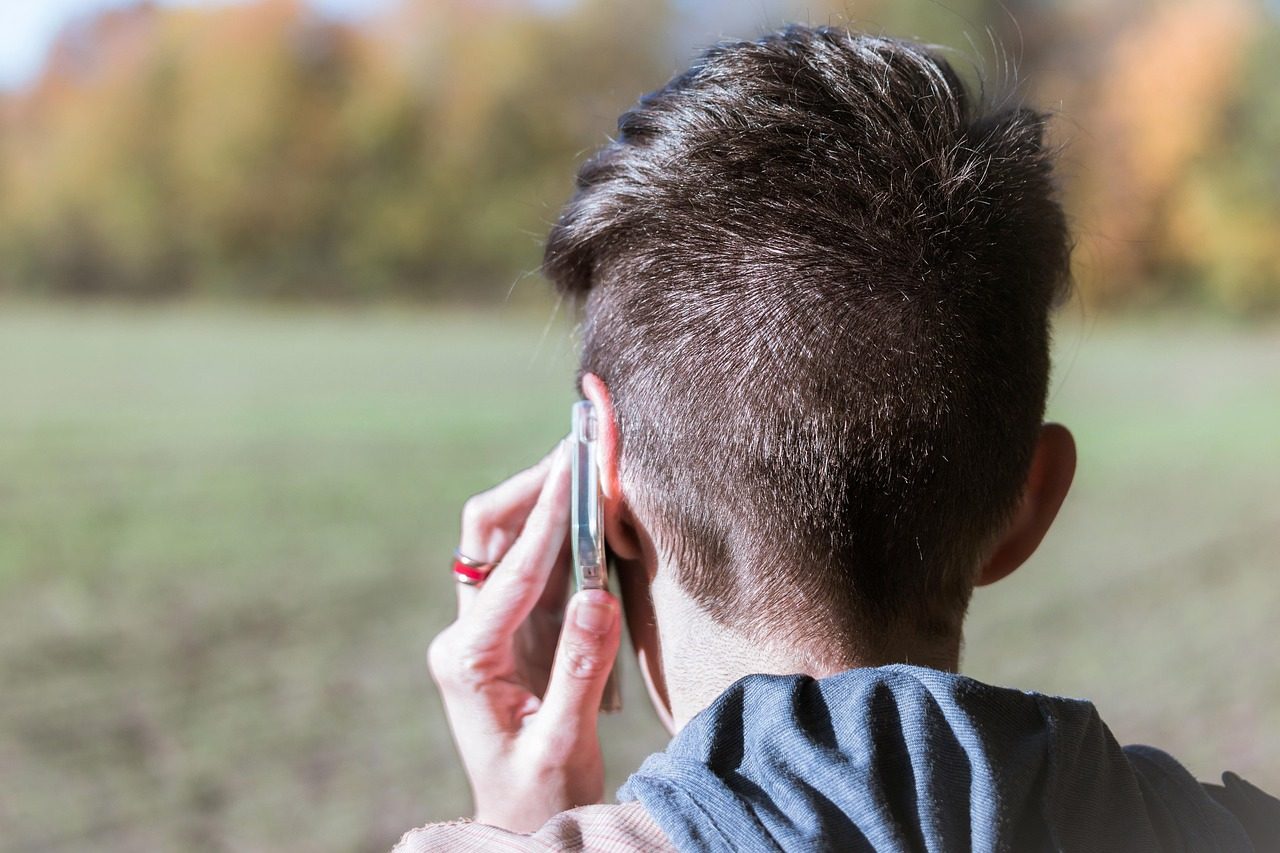
Maybe they’ve started taking phone calls in another room or quickly switching screens when you walk by. Unlike the natural tendency to seek some level of privacy, this kind of guarded behavior can create an atmosphere of secrecy that goes beyond the norm.
Microexpressions and Facial Leakage

Microexpressions are ultra-brief, involuntary facial expressions that reveal genuine emotions – even when someone’s trying to hide them. They occur in less than half a second and are difficult to suppress. These fleeting expressions often contradict what someone is saying verbally.
These fleeting expressions, lasting only a fraction of a second, reveal a person’s genuine emotions before they can consciously mask them. Unlike regular expressions, microexpressions are instinctive and uncontrollable, making them a reliable indicator of someone’s true feelings. You might catch a brief flash of fear, anger, or sadness that quickly disappears behind their composed facade.
They do not determine a lie, but are a form of detecting concealed information. David Matsumoto is a well-known American psychologist and explains that one must not conclude that someone is lying if a microexpression is detected but that there is more to the story than is being told. These tiny facial movements suggest hidden emotional complexity beneath the surface.
Understanding these psychological signs doesn’t make you a detective or encourage paranoia. Rather, it helps you become more attuned to the subtle ways people communicate stress and internal conflict. Remember that keeping secrets isn’t always malicious; sometimes people hide things to protect others or because they’re not ready to share vulnerable information. The key is recognizing when someone might be struggling with something they can’t openly discuss, allowing you to approach them with compassion and understanding rather than suspicion. What patterns have you noticed in your own relationships that might reveal more than meets the eye?