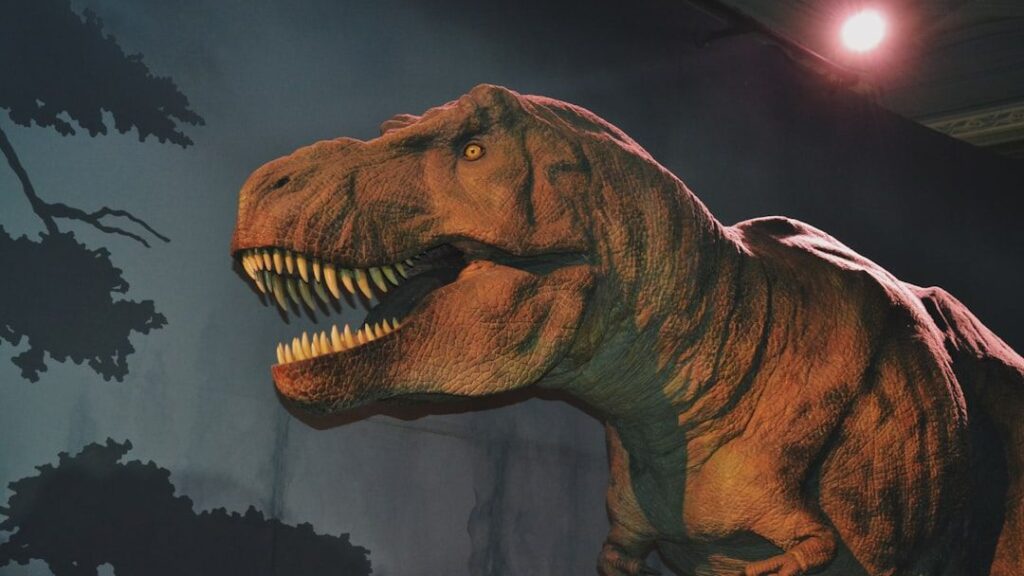
If you were to design the ultimate movie monster from scratch, you probably would not give it comically short arms. And yet that is exactly what nature did with Tyrannosaurus rex, one of the most terrifying predators ever to walk the Earth. The image is burned into pop culture: a huge skull full of steak-knife teeth, a massive tail, and those famously awkward little forelimbs that look like they belong to another animal entirely.
For decades, scientists, kids, and internet memes have all asked the same question: why on Earth would an apex predator have arms that could not even reach its own mouth? It has been treated as a running joke, but behind the humor sits a real scientific puzzle. Now, researchers are finally converging on a set of ideas that are not just wild speculation, but grounded in anatomy, biomechanics, and evolutionary logic. The truth is more nuanced than a single punchline – and a lot more interesting than you might expect.
The Classic Mystery: How Can a “Perfect Predator” Have Ridiculous Arms?
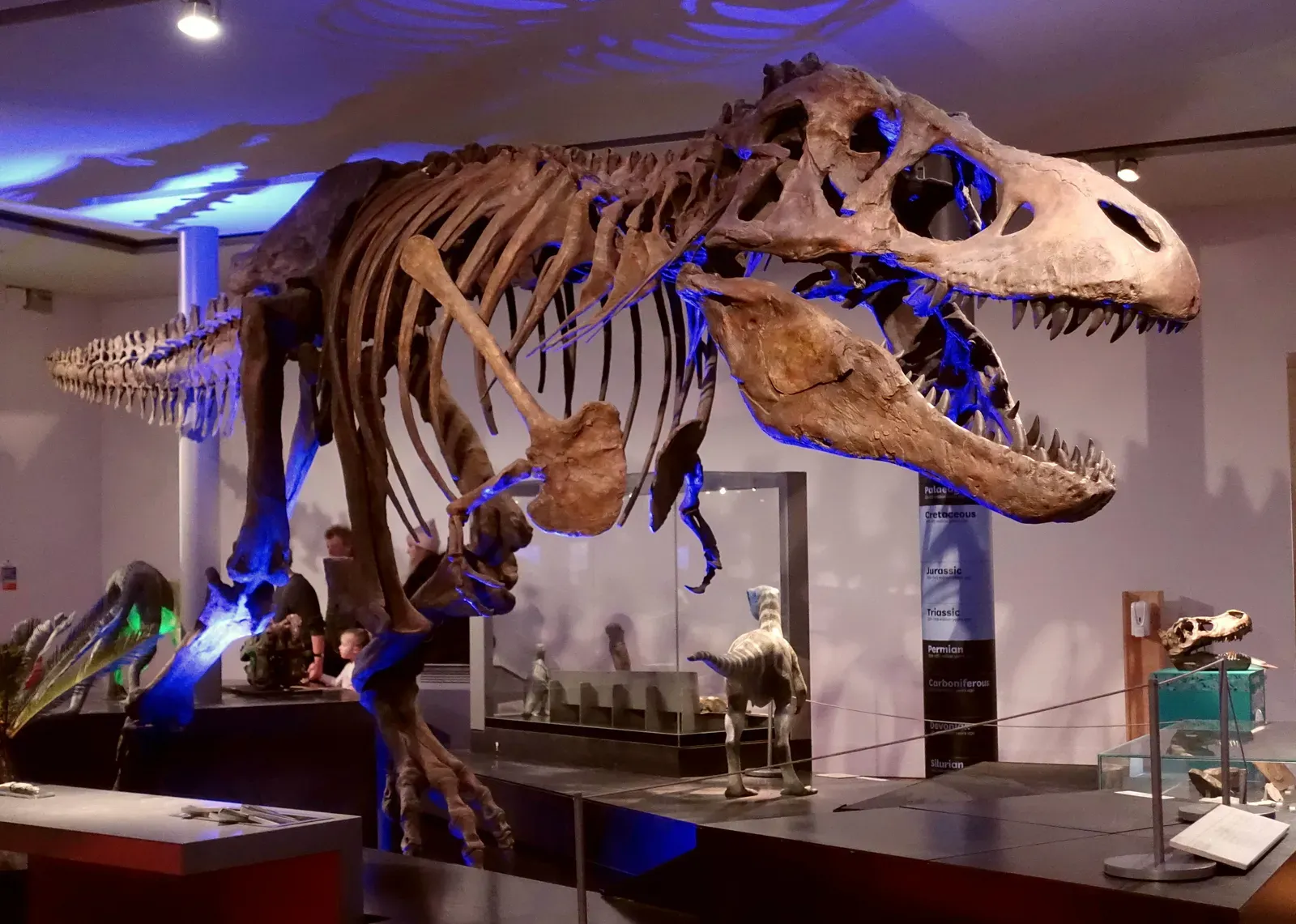
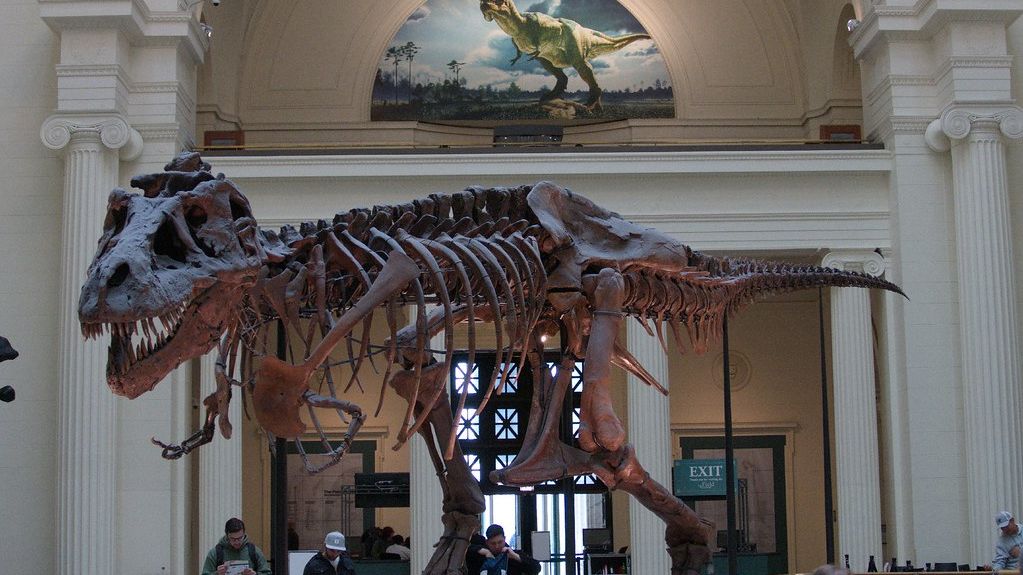
There is something almost emotionally jarring about looking at a T. rex skeleton for the first time. From the hips backward, it looks like pure power: giant leg bones, thick tail, towering frame. From the neck forward, that skull is a weaponized block of bone, with a bite force that, according to many estimates, could crush bone almost like a hydraulic press. Then your eyes drop to the arms and your brain kind of stalls. They look like a design error, like someone hit “shrink” on only one body part.
That mismatch is exactly why the arms became a scientific riddle. If natural selection generally favors traits that increase survival and reproduction, why would a top predator keep such tiny forelimbs for millions of years? They were not vanishing completely, as in snakes. They were still muscular, still jointed, still equipped with claws. This made the question sharper: if evolution truly wastes nothing for long, those arms had to be doing something useful – or at least not harmful enough to be selected away. The puzzle was never just that the arms were small, but that they persisted in such an extreme form.
From Punchlines to Proposals: The Long History of Weird T. Rex Arm Theories
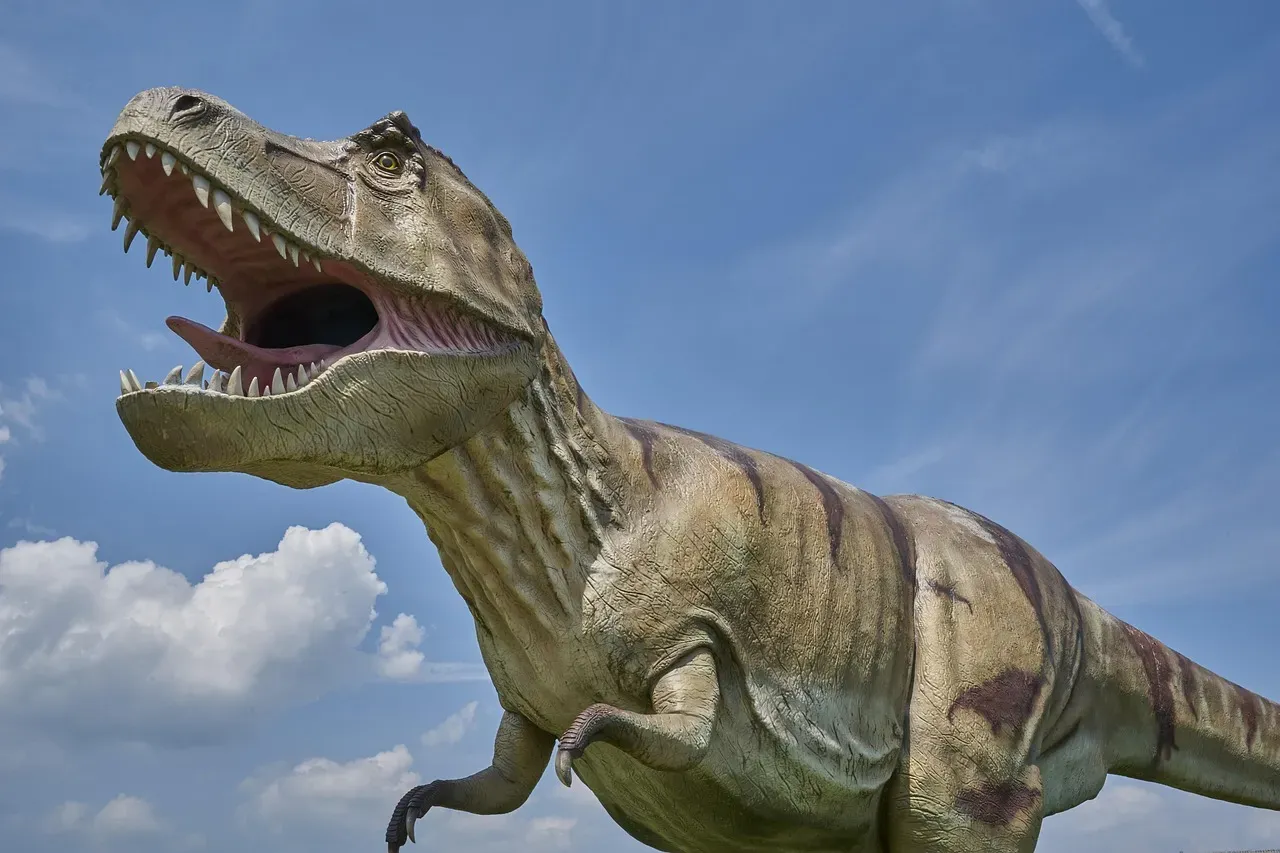
Over the years, scientists and enthusiasts have floated almost every idea you can imagine. Some suggested that the arms were used like grappling hooks to hold struggling prey, others that they helped a T. rex push itself up from a lying or resting position. A few more speculative proposals even hinted at behavior like mating grips, where the arms helped one partner stabilize against another. Each idea made for great headlines and museum chatter, but when tested against anatomy and physics, many of them started to wobble.
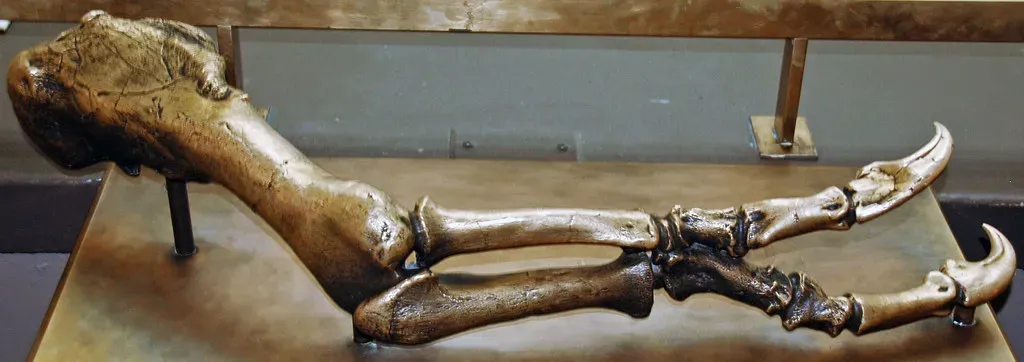
Fossil evidence shows that T. rex arms were short, but not weak. Muscle attachment sites on the bones suggest serious strength relative to their size, and the joints allowed real motion, not just a stiff ornament. At the same time, the reach was limited, the claws were only two in number, and the arms could not comfortably reach the mouth or forward far enough to safely interact with a large, thrashing prey animal. That combination knocked out many of the more dramatic “grappling predator” scenarios. Slowly, the field began to move away from flashy explanations and toward a quieter, more realistic view: the arms probably had multiple modest roles instead of one spectacular function.
The Injury-Avoidance Idea: Shorter Arms, Fewer Deadly Bites
One of the more compelling modern ideas focuses on something that sounds almost disappointingly simple: not getting hurt. In a feeding frenzy, multiple large tyrannosaurs might have crowded around the same carcass, lunging in with huge heads and bone-crushing bites. In that kind of chaos, long, outstretched arms would be dangerously exposed, easy targets for accidental bites. Having reduced arms tucked close to the body could actually be an advantage, a way to keep soft, breakable limbs out of the demolition zone created by those enormous jaws.
From this perspective, tiny arms are not a bug – they are a safety feature. Once the skull, neck, and jaws became the primary weapons for hunting and feeding, the forelimbs might have been more of a liability than an asset in close-quarters feeding situations. Shortening them would reduce the risk of life-altering injuries, like ripped muscles or shattered bones, that could end a predator’s ability to hunt. It is a bit like modern athletes taping their fingers or wearing protective gear; the priority is preserving what really matters, even if it looks a little odd from the stands.
When Your Skull Is the Weapon, Your Arms Become Optional
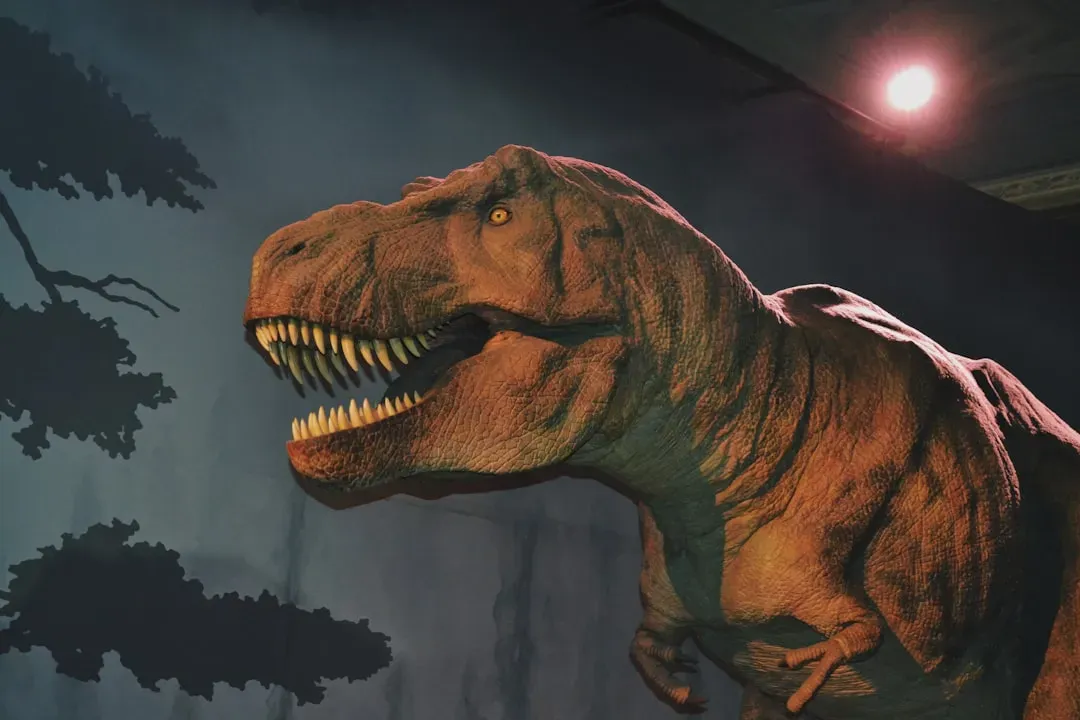
Another key piece of the story is how dramatically T. rex head and neck evolution outpaced everything else. Over millions of years, the lineage leading to tyrannosaurs turned the skull into the ultimate multi-tool: thick bone to absorb stress, huge muscles to power the bite, and teeth that could break bones instead of just slicing flesh. As the head became more dominant in hunting and feeding, the arms were no longer needed as primary weapons or grabbing tools in the same way they might be in other predators.
In biology, structures that lose their main job often shrink or change, but they do not necessarily vanish completely. Think about how many mammals still have tiny, hidden remnants of bones from ancient tails or pelvises. In T. rex, the arms may have been drifting toward redundancy because the whole front of the animal had effectively become one giant, integrated weapon system: head, neck, and torso working together. In that context, large, grasping arms are not just unnecessary; they might get in the way of a lunging bite or throw off balance, especially for a biped already managing a huge, heavy skull.
Small but Not Useless: Balance, Maneuvering, and Subtle Jobs
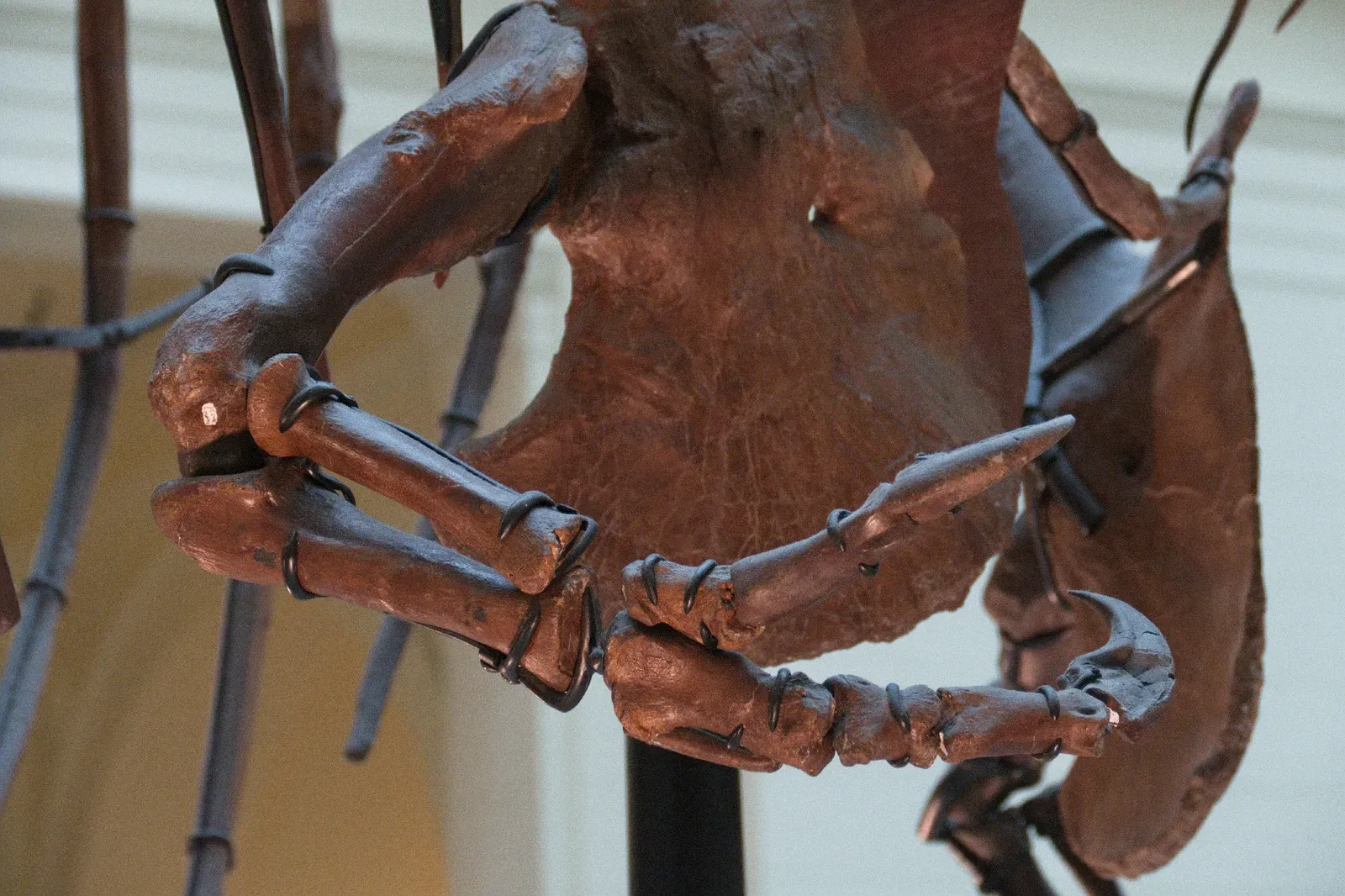
Just because an organ or limb is reduced does not mean nature has written it off entirely. The arms of T. rex still had multiple joints, strong bones, and real musculature. One plausible role is in fine-tuning balance and rotation of the upper body during quick movements. Even short limbs can affect how weight is distributed and how a mass like the torso twists or stabilizes. For a large biped trying to turn quickly while chasing or repositioning at a carcass, small adjustments can matter the way a tightrope walker’s arms do, even if on a much subtler scale.
There is also the possibility of what might be called “everyday tasks.” The arms may have helped juveniles push themselves up, steady themselves while standing from a resting pose, or brace lightly when interacting with objects or other animals. These are not cinematic uses, and they would be almost impossible to confirm definitively from bones alone, but they fit with what we see across many animals: structures often hang on because they are handy in small, often unglamorous ways. Evolution rarely eliminates something that still helps, even a little, unless there is strong pressure to do so.
The Social and Mating Angle: Gentle Uses in a Brutal Body
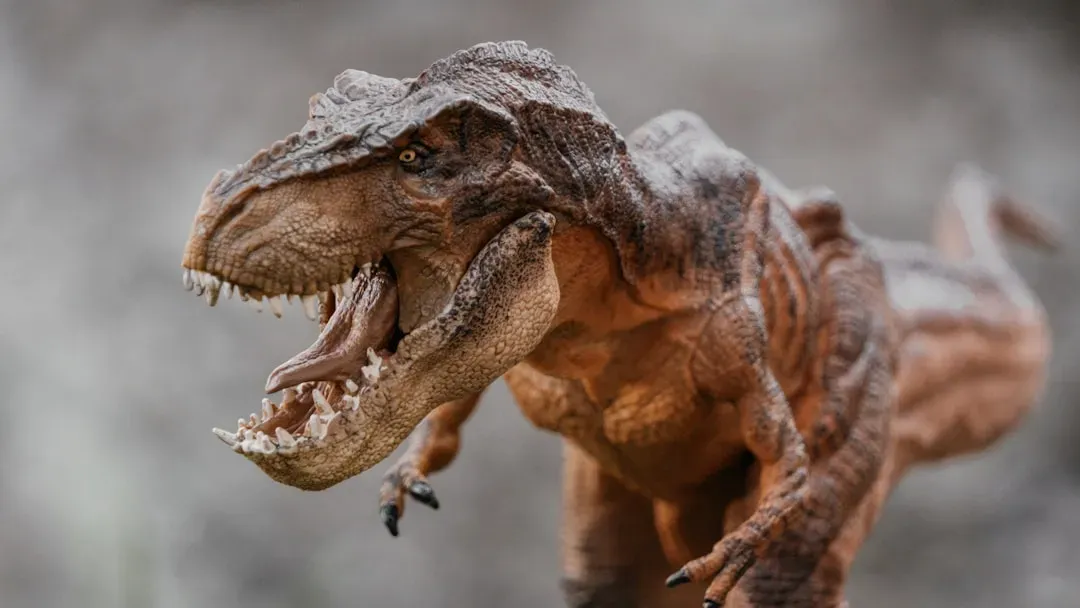
Scientists have also wondered whether tiny arms could have had roles in social behavior, courtship, or mating. The idea here is not that a T. rex was delicately hugging its partner, but that the forelimbs could have been contact points to stabilise bodies or signal intent at close range. Claws might have gently gripped flanks or skin folds, helping two massive animals manage positioning without relying entirely on balance and brute force. These scenarios are hard to test, but they are not far-fetched when you look at how many modern animals use seemingly minor body parts for nuanced social interactions.
Another social possibility is visual or tactile signaling. Even small movements of the arms, combined with vocalizations or postures, might have carried meaning within a species. Think of how birds, with relatively small wings compared to body size, use subtle wing flicks in courtship or threat displays. While we lack direct evidence of T. rex communication, it is reasonable to suspect that not every part of this animal was devoted purely to killing. In a life filled with competition, mate choice, territory, and family dynamics, those little arms might have played soft roles inside an otherwise hard-edged existence.
Why There May Never Be One Single “Real Reason”
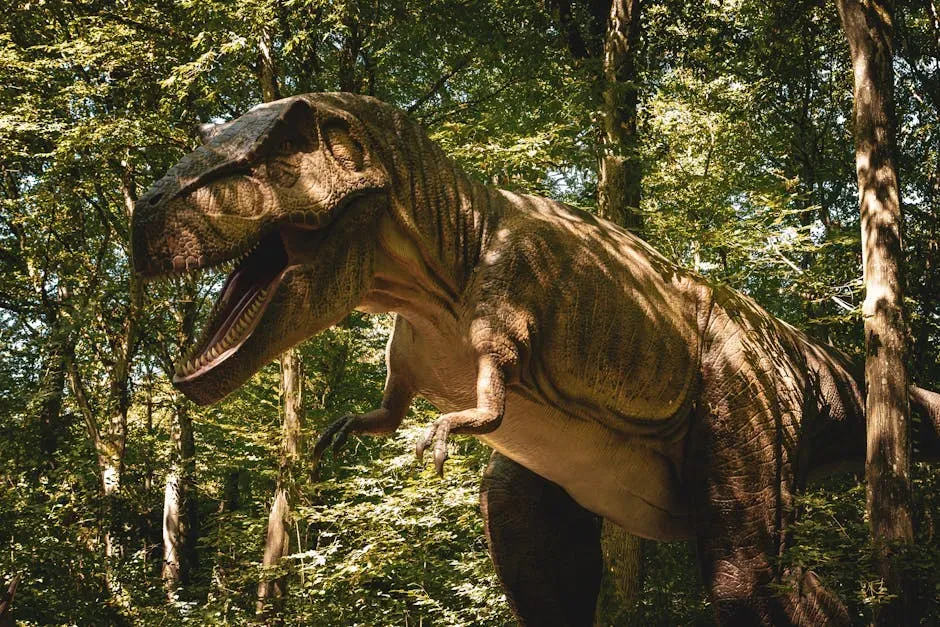
Here is the part that is slightly unsatisfying but scientifically honest: the odds that T. rex arms had exactly one grand purpose are pretty low. In most animals, body parts are multi-functional. A wing is not just for flight; it is for display, thermoregulation, threat posturing, and more. A hand is not just for grabbing; it is for signaling, balance, self-care, and countless daily tasks. The most reasonable picture is that T. rex arms gradually shrank as the head and jaws took over major jobs, while still remaining helpful for a mix of smaller roles, from injury avoidance to subtle movement control.
So when people ask for the one definitive explanation, science has to push back a little. The “real reason” is better thought of as a cluster of pressures and trade-offs over time, not a single eureka moment. Arms that were once more important likely became less central as hunting strategy changed, feeding became more skull-dominated, and body size ballooned. Along the way, shorter arms likely helped avoid catastrophic injuries and may have stayed around because they were still good enough for quiet, everyday uses. It is less like a plot twist and more like a long-running story of gradual rebalancing.
Conclusion: Tiny Arms, Big Story – And Why That Matters More Than the Meme
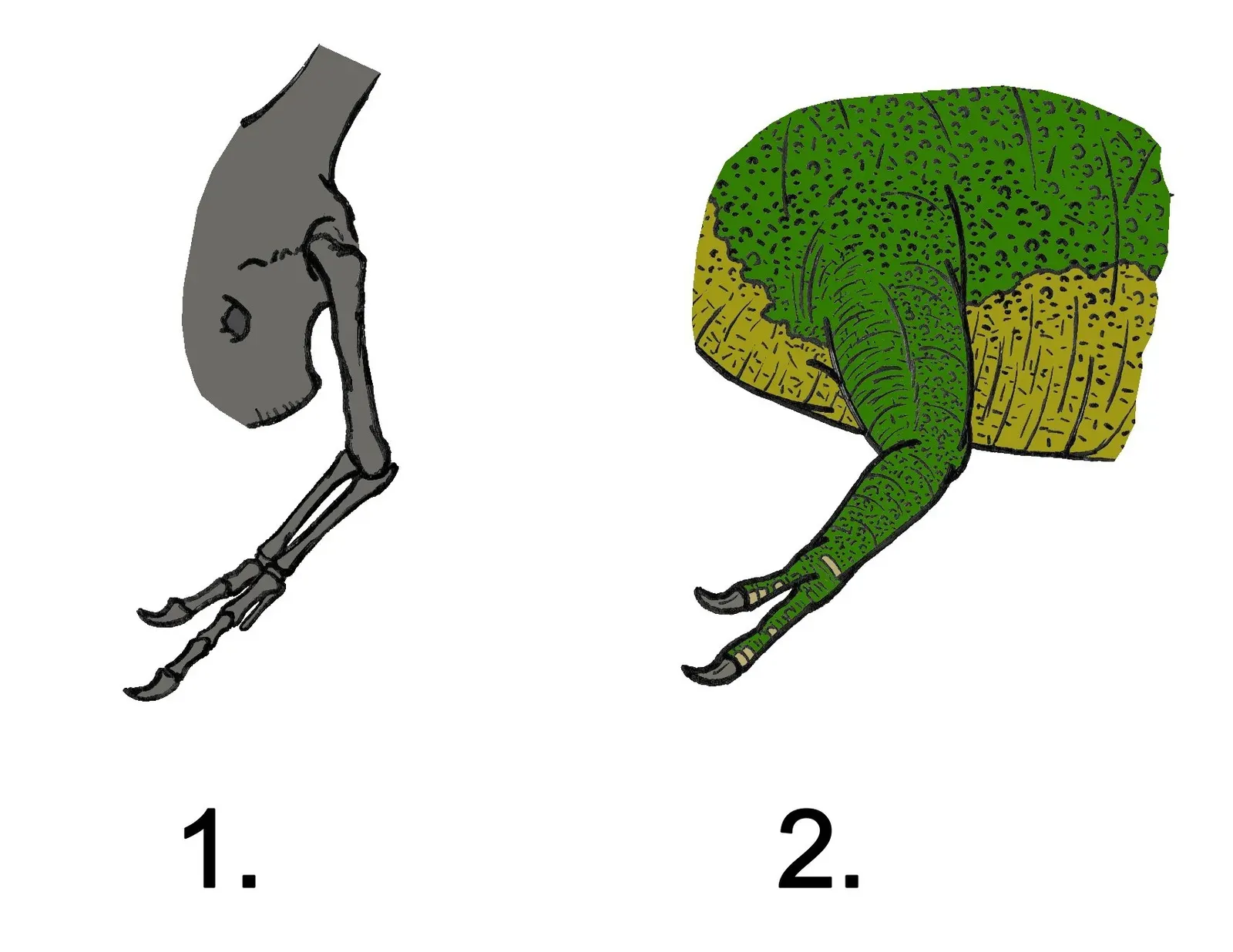
Personally, I love that T. rex, the poster child for prehistoric terror, is also the butt of so many jokes about its arms. It reminds us that evolution does not design monsters the way Hollywood does; it tinkers, repurposes, and compromises. The most convincing modern ideas suggest those tiny forelimbs are what you get when a predator leans so heavily into its skull and bite that everything else has to give way, and when avoiding injury during chaotic feeding is more important than looking impressive to future movie audiences. Tiny arms start to feel less silly and more like the scars of a long evolutionary war won by the head and neck.
At the same time, I find it oddly comforting that we may never have a single, tidy answer. The arms likely balanced multiple modest tasks: keeping out of harm’s way, fine-tuning movement, maybe even playing roles in social and mating behavior. That messiness is the point – it is how real biology works, full of trade-offs instead of tidy myths. Next time you see a T. rex model and feel a smirk rise at those stubby limbs, maybe also feel a bit of respect. For an animal that powerful to “waste” nothing, those tiny arms had to earn their keep somehow – what combination of jobs would you bet they were doing?