
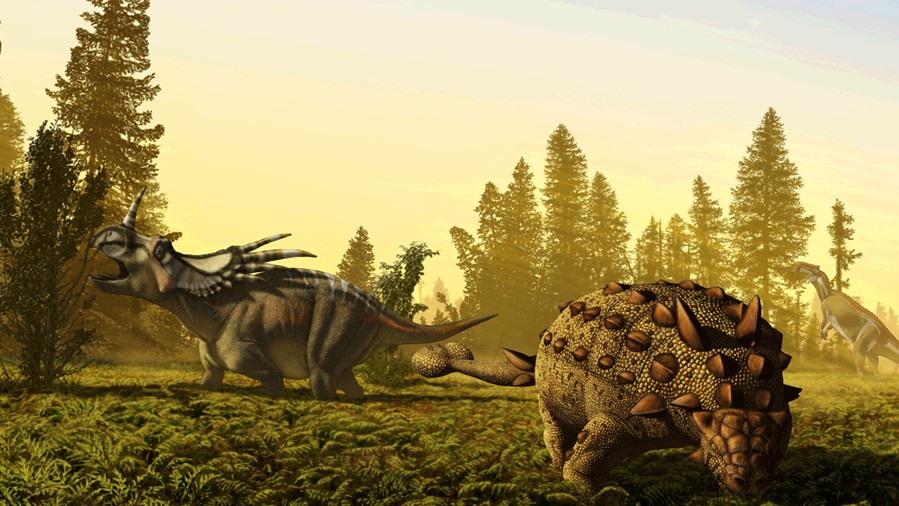
You live on a planet that dinosaurs quite literally reshaped for you. Long before humans appeared, these animals dominated Earth for tens of millions of years, altering the climate, carving up ecosystems, and setting the stage for almost everything you see in nature today. When you look at a bird in your backyard or breathe in oxygen-rich air, you’re interacting with a world that bears the fingerprints of dinosaurs.
It’s easy to think of them as a dramatic side story that ended in fire and ash, but their reign was more like a long, slow rewrite of the rules of life. From their rise after earlier mass extinctions to the way their descendants still fill the skies, dinosaurs didn’t just come and go; they redirected the flow of evolution itself. Once you see that, the age of dinosaurs stops being ancient history and starts feeling like a prequel to your own existence.
You Inherit a World Shaped by Deep Time
If you could rewind the clock to before dinosaurs appeared, you’d land in a world that would feel strangely unfinished. The continents sat in different places, forests were dominated by different plants, and the kinds of animals roaming the land were nothing like the ones you know. When dinosaurs emerged and then rose to dominance, they pushed other creatures aside, filled open niches, and drove entire lineages either to adapt or disappear.
Over roughly more than one hundred million years, that slow pressure reshaped everything from food webs to body plans. You can think of it the way you’d think about a river slowly carving a canyon: each individual moment looks small, but step back and the landscape is transformed. By the time dinosaurs were finished, the stage for mammals, birds, flowering plants, and ultimately you was completely different from what it had been when they started.
You Watch Dinosaurs Turn Into Evolution’s Great Experiment
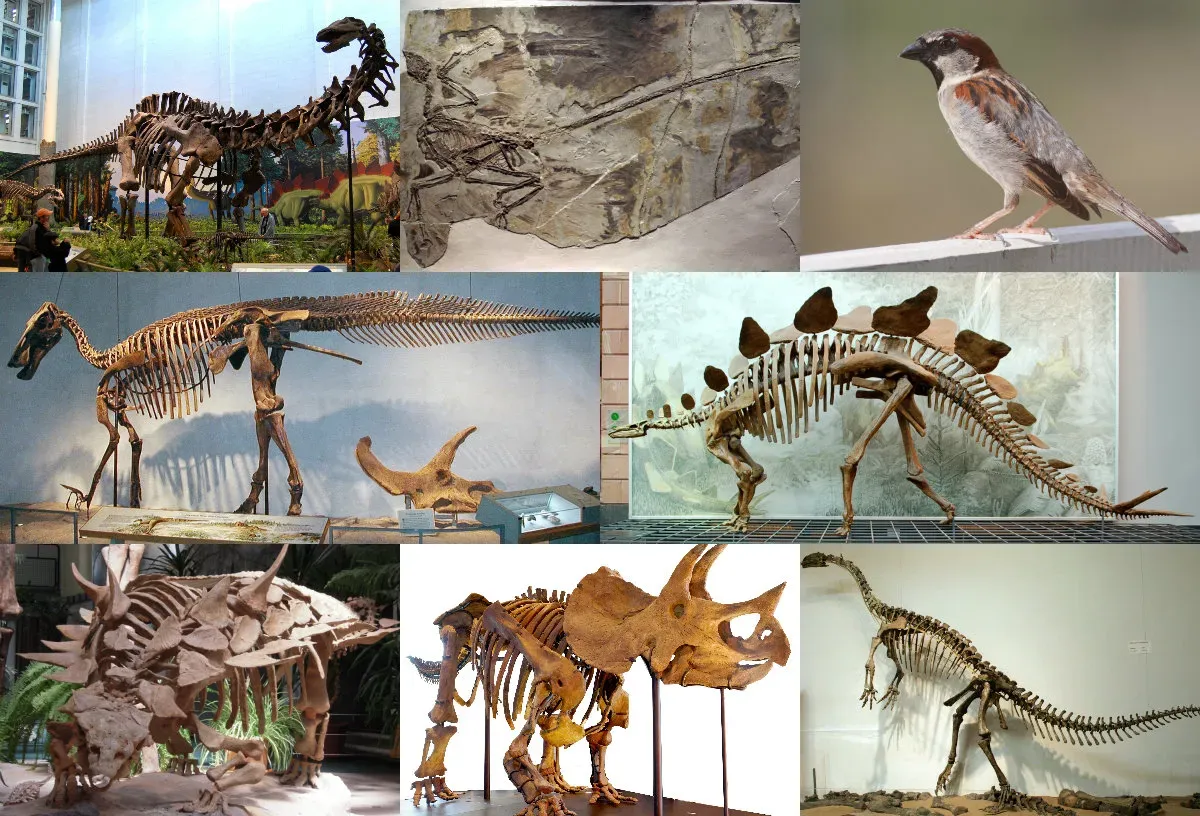
When you picture dinosaurs, you might imagine a few giant, lumbering reptiles, but in reality they exploded into an incredible variety of shapes, sizes, and lifestyles. Some sprinted on two legs; others moved slowly on four pillar-like limbs; some hunted, some grazed, some even shrank down into small, feathered forms that would look surprisingly birdlike to you. This evolutionary burst meant that dinosaurs occupied almost every major land habitat available at the time.
Because they spread into so many niches, dinosaurs forced other animals to either specialize or retreat to the edges. Early mammals, for example, stayed mostly small and nocturnal while dinosaurs ruled the day. That dynamic matters for you because it helped lock in a pattern: dinosaurs dominated the big, obvious roles in ecosystems and pushed mammals into quieter, more hidden ones, preserving mammalian lineages that would later expand into the open once the dinosaurs were gone.
You Live With the Legacy of Dinosaur-Built Ecosystems
As dinosaurs spread, they didn’t just move into existing ecosystems; they changed the ecosystems themselves. Large, plant-eating dinosaurs shaped forests and plains by what they ate, trampled, and fertilized, much like elephants do in some parts of the world today. Their constant movement and feeding patterns helped decide which plants thrived, how vegetation was arranged, and where open spaces or dense cover would appear.
That means the structure of ancient habitats evolved under dinosaur pressure, and plants that could handle being grazed, broken, and spread by these giants were favored. Over millions of years, this sort of back-and-forth between plant and dinosaur reshaped the landscape. You now live on a planet where many lineages of plants and animals passed through that filter, and their descendants still carry traits that originally evolved to deal with dinosaur neighbors.
You See Climate and Atmosphere Influenced by Dinosaur Times
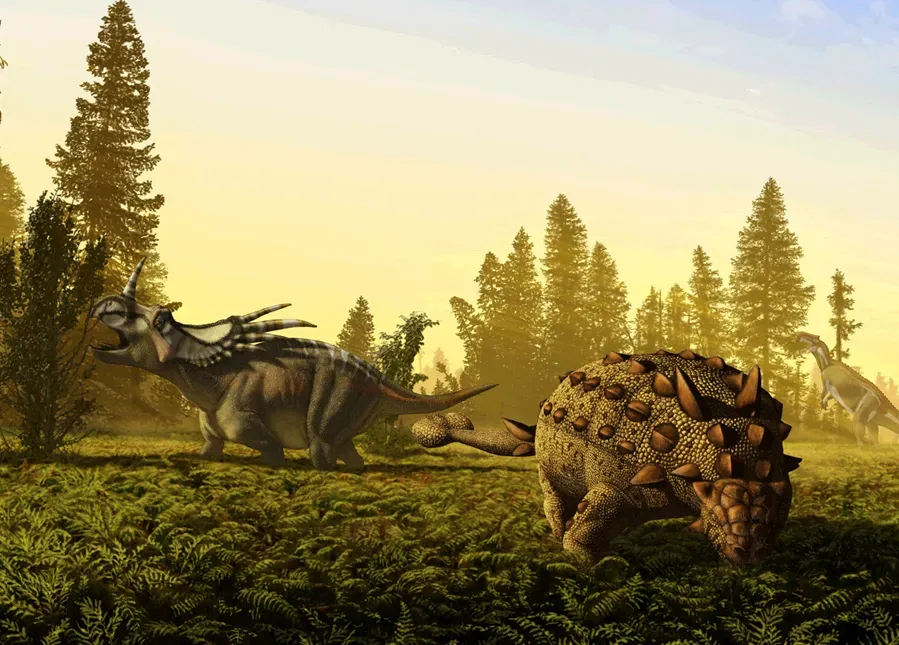
Over long timescales, living things and the climate constantly interact, and during the age of dinosaurs that relationship was especially intense. Vast dinosaur populations, especially the large plant-eaters, played roles in cycling carbon and nutrients through the environment. As they fed, excreted, and died, they helped move carbon between plants, soils, and the atmosphere, contributing to the balance of gases around the planet.
While you cannot pin modern climate directly on dinosaurs in a simple, linear way, the long-term feedback between life, rocks, and air during their reign influenced how Earth’s systems evolved. The arrangement of continents, sea levels, and global temperatures shifted repeatedly while dinosaurs adapted and spread. You now inhabit an atmosphere and climate system that passed through that long, dinosaur-era gauntlet, and some of the stability that allowed complex life to flourish afterward grew out of those ancient interactions.
You Still Share the Planet With Living Dinosaurs
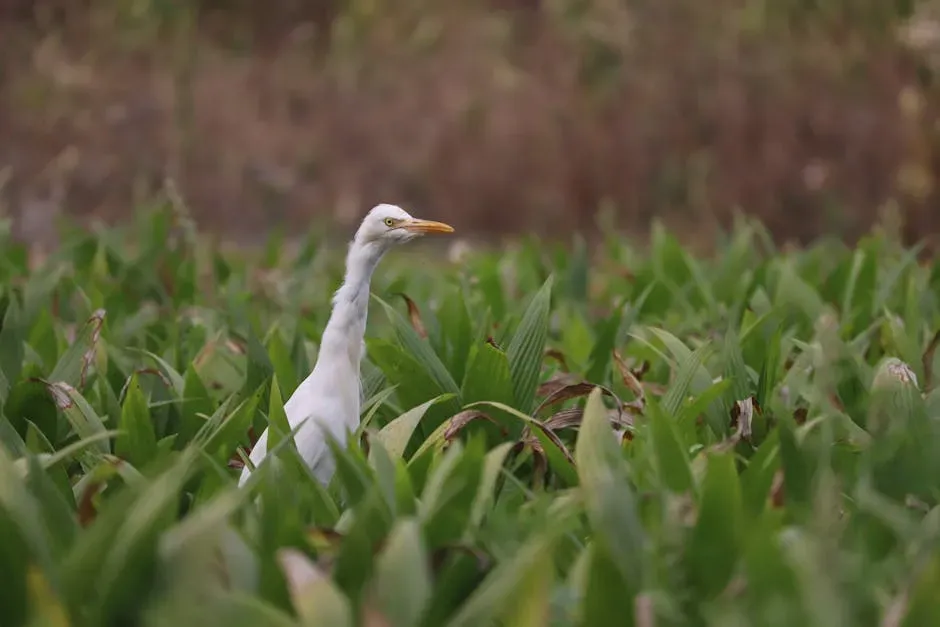
One of the most surprising truths you have to accept is that dinosaurs are not entirely gone. Birds are now widely recognized as the surviving branch of the dinosaur family, descended from small, feathered, mostly carnivorous ancestors. When you watch a hawk circle overhead or a pigeon hop along a sidewalk, you’re literally watching a modern dinosaur going about its day.
This continuity matters because it means the dinosaur story never really ended; it just shifted into a different form. Bird lungs, feathers, beaks, and even some aspects of their behavior trace back to adaptations that first evolved in their dinosaur ancestors. So every time you listen to birdsong at sunrise, you’re hearing echoes of a lineage that once shared the planet with enormous, ground-shaking relatives and then survived one of the worst catastrophes Earth has ever seen.
You Owe Your Chance to Mammals’ Long, Quiet Wait
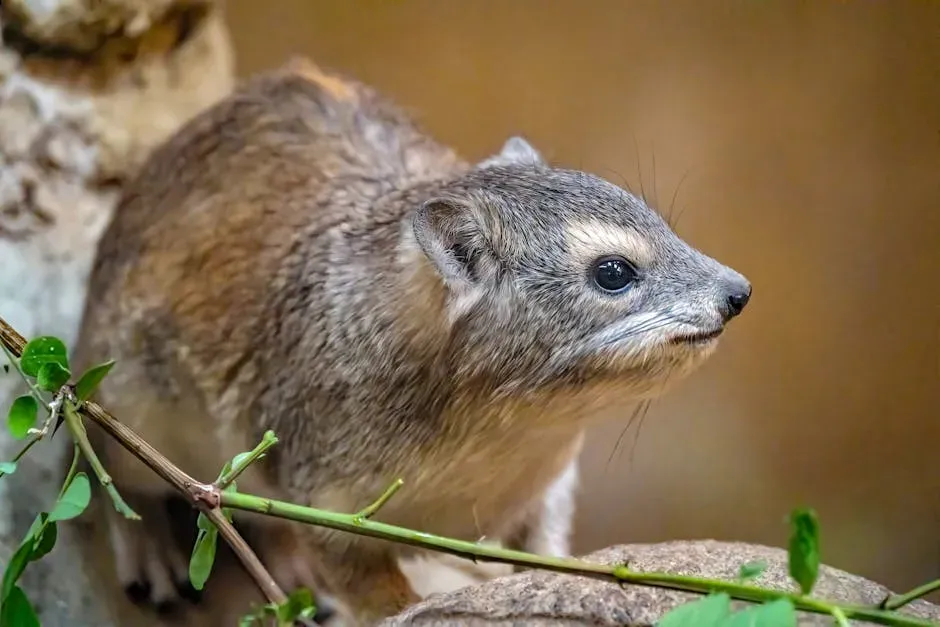
During the height of dinosaur power, your mammalian ancestors were small, quick, and mostly active in the shadows or at night. Dinosaurs dominated the big, energy-rich roles in ecosystems, which meant mammals had to get creative and occupy the leftover spaces. That long period in the background turned out to be a training ground, pushing mammals toward traits like sharper senses, more complex brains, and flexible behaviors that would later help them thrive.
When the non-bird dinosaurs were wiped out near the end of the Cretaceous period, many of those once-limited mammal lineages rapidly expanded into the empty niches. That evolutionary explosion eventually led to primates and, much later, to you. In a twist of irony, dinosaurs’ long dominance both held mammals back and set them up for success; without that pressure, your own branch of the tree of life might never have developed the specific combination of traits that define you today.
You Live in a World Rewritten by a Sudden End
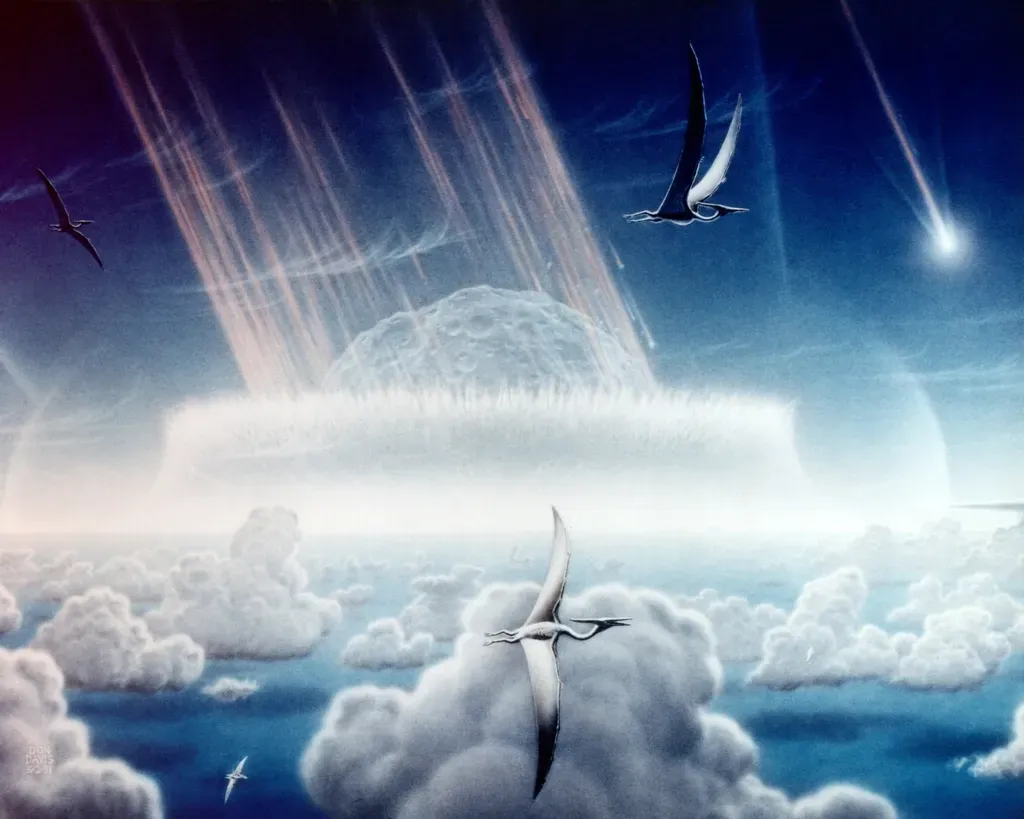
The end of most dinosaurs came swiftly in geological terms, likely triggered by a massive asteroid impact combined with intense volcanic activity and climate disruption. If you had been there, you would have watched the sky darken, temperatures swing, food chains collapse, and many large animals perish in a relatively short span of time. That catastrophe ended the rule of dinosaurs on land but also cleared the stage for something new.
The aftermath is where your story really begins. With the big terrestrial dinosaurs gone, surviving birds, mammals, and other groups rapidly diversified into the spaces they left behind. The extinction mark you see in the fossil record is not just a tragic ending; it is a hinge point where one set of possibilities closed and another set opened. You exist on the far side of that hinge, in a world that only looks the way it does because dinosaurs first dominated it and then disappeared.
You Learn That Your Own Future Is Tied to Ancient Lessons
When you step back and look at the entire arc of dinosaur history, you see a set of patterns that still matter for you. Long periods of stability gave way to sudden shocks, dominant groups rose and fell, and life repeatedly reinvented itself after disaster. Those same themes apply to the modern world, where human activity now changes climate, landscapes, and ecosystems at a pace that rivals some ancient upheavals.
The reign of dinosaurs reminds you that no species, however powerful, holds the planet forever. It also shows you that the choices made by living things, including you, can reshape the trajectory of life for everything else. When you think about conservation, climate policy, or how you treat the natural world, you’re taking part in a story that began long before humans but will absolutely be affected by what humans do next.
In the end, the age of dinosaurs is not just a distant spectacle of teeth and tails; it is the deep foundation under your own existence. You walk through ecosystems whose roots were laid down under their feet, share the sky with their descendants, and benefit from evolutionary experiments they triggered and then abandoned. The dinosaurs changed the path of life on Earth, and you are one of the surprising outcomes of that detour. When you look at a bird, a fossil, or even your own hand, does it change how you feel to know you’re part of their unfinished story?