Picture a world where the ground literally shook under the weight of creatures so massive they make today’s largest elephants look modest. A world where feathered giants stalked misty forests, where herd animals thundered across landscapes that no human eye would ever see. That was the Mesozoic Era – roughly 186 million years of biological experimentation, survival, and jaw-dropping evolutionary ingenuity.
You might think you already know the dinosaur story. Big lizards. Asteroids. Extinction. The end. But honestly, that version barely scratches the surface. The real story is far stranger, more textured, and more surprising than most people realize. Buckle up, because what you’re about to discover might completely change how you see every bird that sits outside your window.
A World Built from Catastrophe: How It All Began
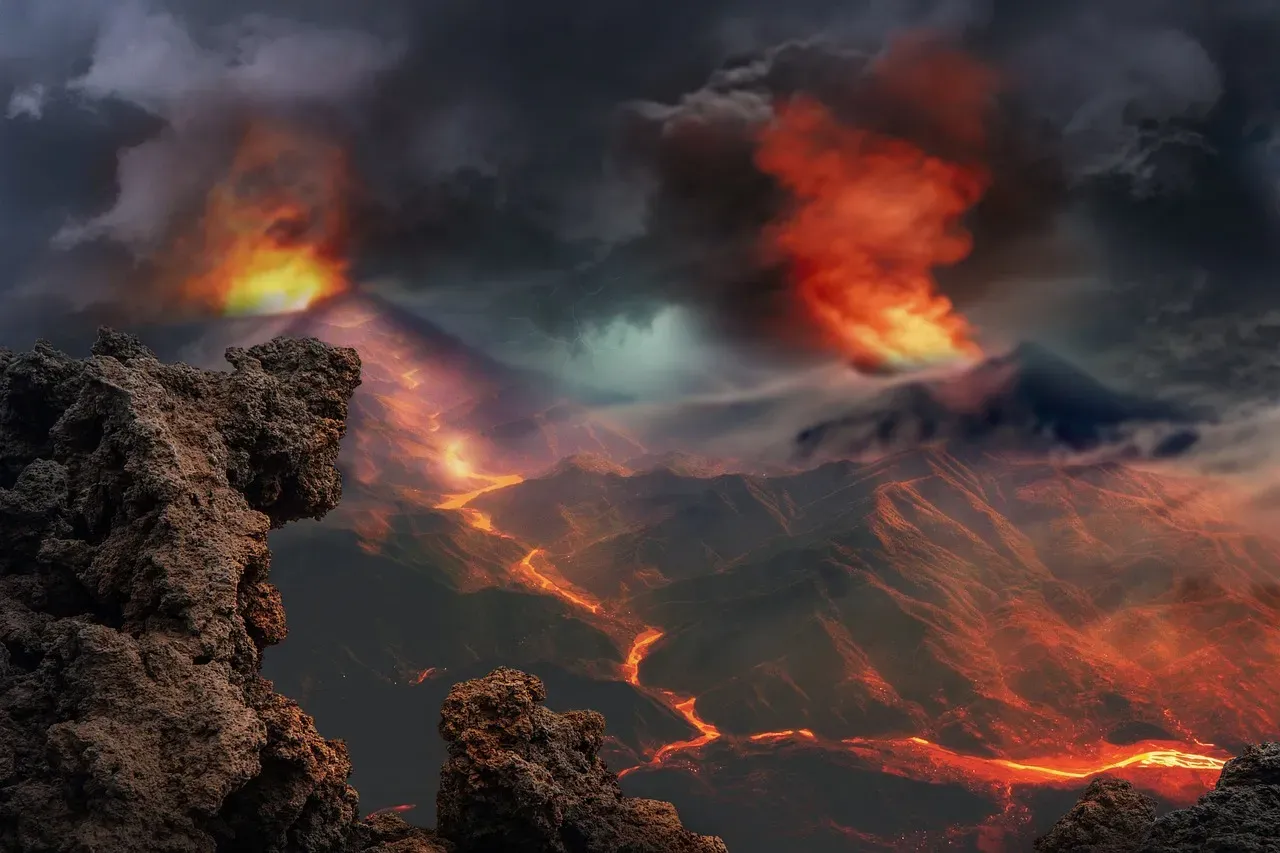
Here’s the thing – dinosaurs didn’t just appear on a calm, stable Earth. The Mesozoic Era began in the wake of the Permian-Triassic extinction event, the largest mass extinction in Earth’s history. Think of it less like a clean beginning and more like a phoenix rising from scorched rubble. The slate wasn’t just wiped clean – it was completely incinerated.
The dawn of dinosaurs began with the Permian mass extinction, also known as the Great Dying, which killed more than ninety percent of all life on Earth. That’s almost everything, gone. Yet, from that devastation, an entirely new chapter of life would eventually unfold into something breathtaking. The Triassic was like a fresh start for the planet – the land was mostly dry, the climate was hot, and much of the Earth was covered in deserts.
The Triassic Launchpad: Humble Beginnings of a Dominant Dynasty
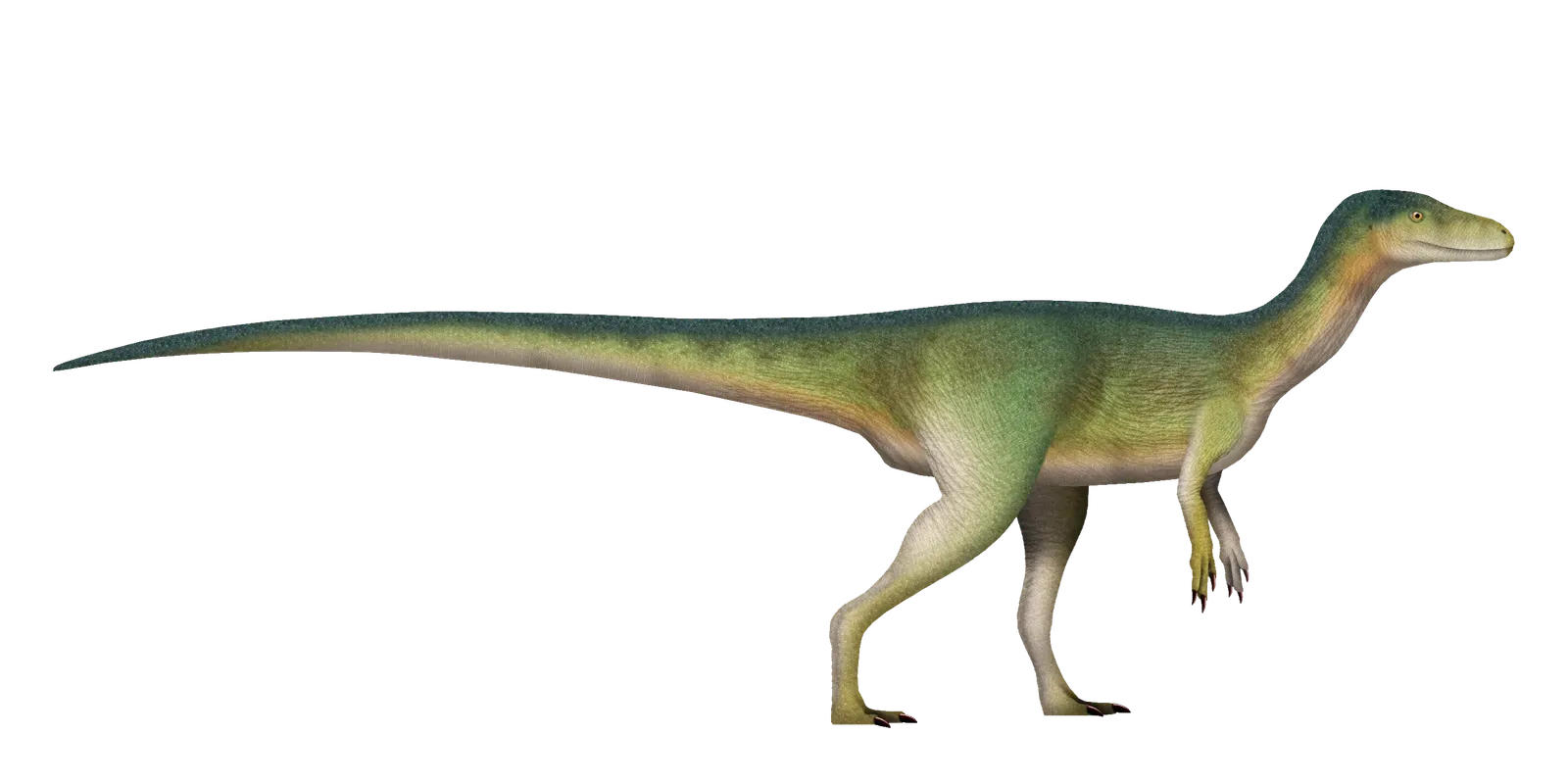
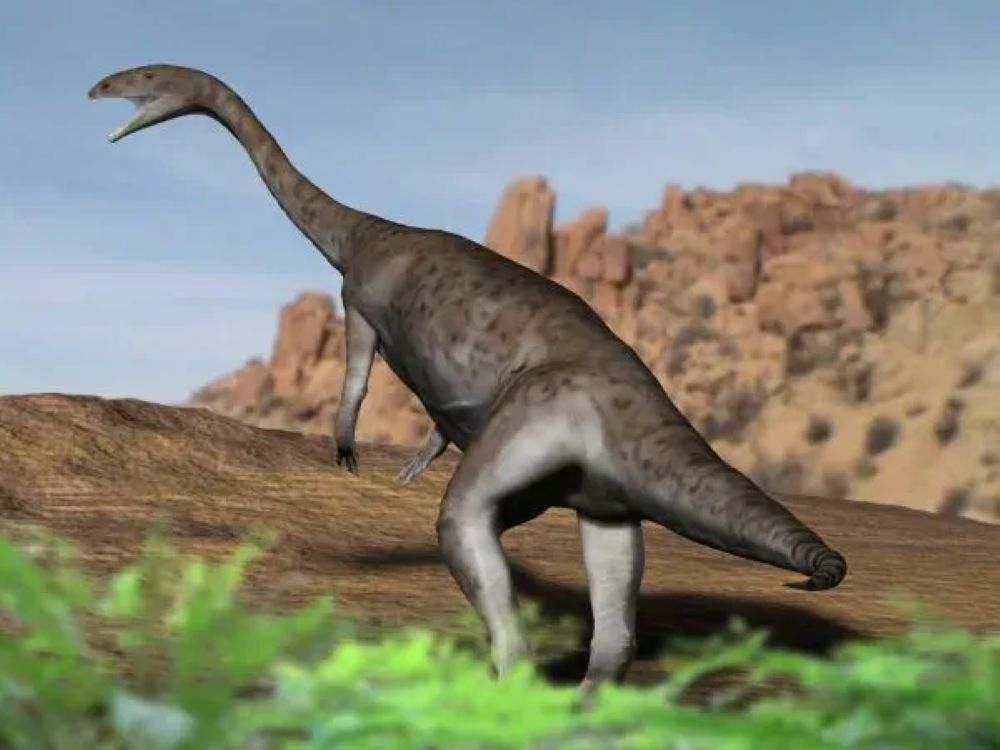
Dinosaurs first appeared in the Mid-Triassic, and became the dominant terrestrial vertebrates in the Late Triassic or Early Jurassic. Their rise wasn’t instant or obvious. They were, for a time, just one of many competing groups scrambling across a harsh, arid world. It’s a bit like watching the underdog team in the first quarter – no one would have bet on them yet.
Several factors contributed to the dinosaurs’ rise to dominance: they possessed upright posture for more efficient locomotion, their efficient respiratory systems likely included air sacs similar to those found in birds, and the vacant ecological niches left by the Permian-Triassic extinction provided opportunities for dinosaur diversification. In other words, the world was a devastated landscape full of open doors, and dinosaurs walked right through them.
Growing Fast: The Secret Weapon of Early Dinosaurs
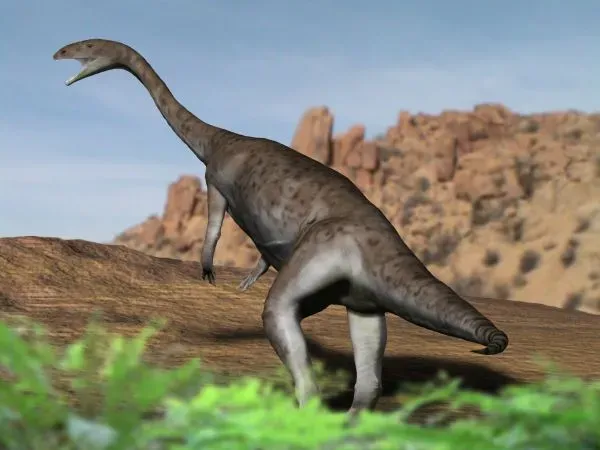
The earliest dinosaurs had rapid growth rates, and dinosaurs in general grew up fast – a feature that likely set them apart from many other animals in their Mesozoic ecosystems. Imagine growing so quickly that you outpace every competitor around you. That’s almost exactly what happened. Fast growth meant faster reproduction cycles, faster occupation of new niches, and a serious competitive edge.
Results show that the earliest dinosaurs were already fast growers, supporting the idea that this feature was important to their later success – yet dinosaurs were only one of multiple lineages evolving with elevated growth rates during the Triassic, suggesting this feature is only part of the story of their eventual global prosperity. So rapid growth helped enormously, but it wasn’t a magic formula on its own. The real story of dominance was far more layered than any single biological trick.
The Jurassic Explosion: Giants Rule the Earth
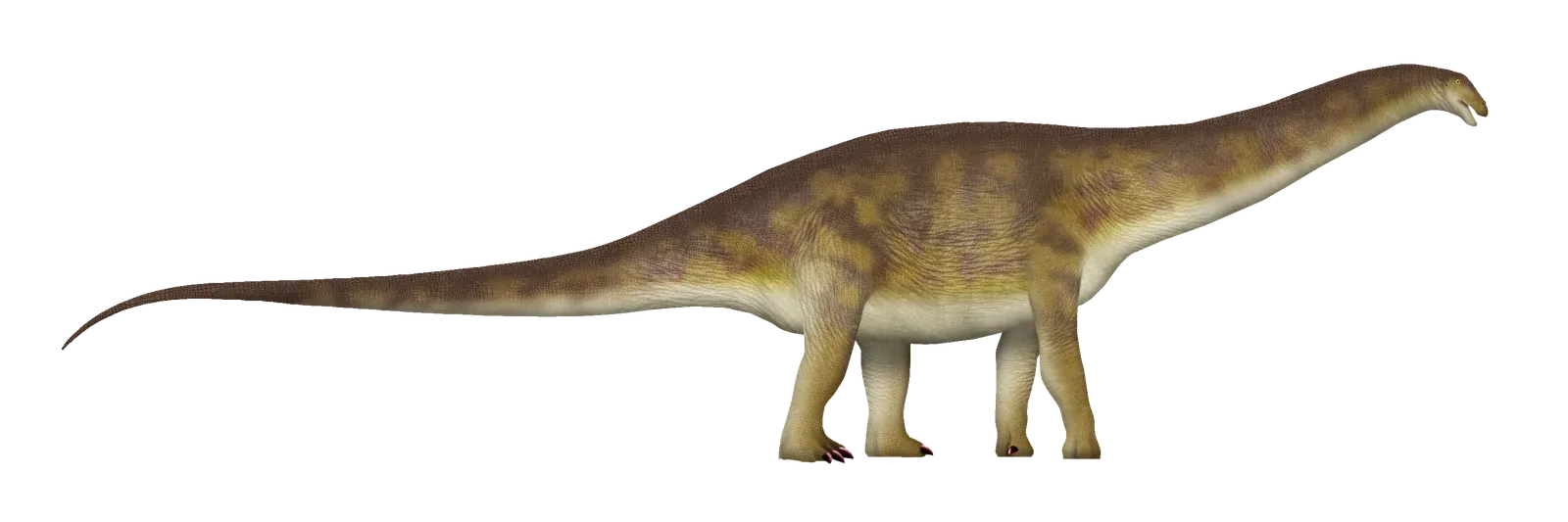
The Jurassic Period marked a significant shift in dinosaur dominance. Giant sauropods, like Brachiosaurus and Apatosaurus, evolved, becoming the largest land animals to ever walk the Earth, preyed upon by large theropods such as Allosaurus. The scale of these creatures is almost impossible to process. You’d need to stand next to a six-story building to grasp the height of some of these animals.
The sauropods were the largest and heaviest dinosaurs, and for much of the dinosaur era, the smallest sauropods were larger than anything else in their habitat – and the largest was an order of magnitude more massive than anything else that has since walked the Earth. Earth during the Mesozoic era was much warmer than today, and the planet had no polar ice caps – creating lush, resource-rich environments that fueled these giants’ extraordinary growth.
Feathers, Color, and the Warm-Blooded Revolution
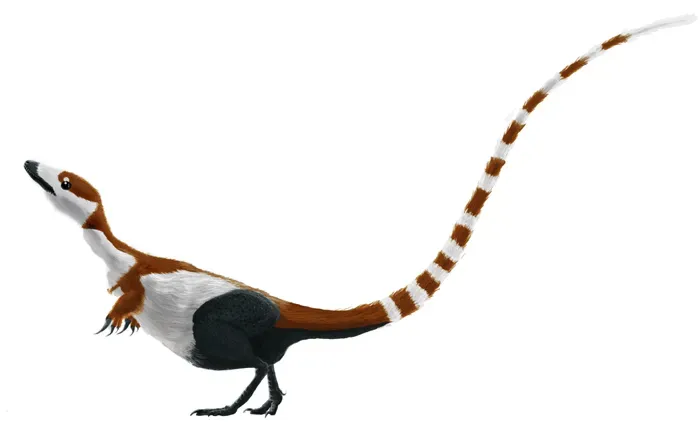
Let’s be real – the image of dinosaurs as slow, scaly, cold-blooded brutes is one of the greatest misconceptions in popular science. The ability to regulate body temperature, a trait all mammals and birds have today, may have evolved among some dinosaurs early in the Jurassic period, about 180 million years ago. That’s a staggering revision of how we imagine prehistoric life, and it changes everything.
Paleontologists have found feathers and related structures on many other dinosaurs that never would have flapped into the air, and among these flightless dinosaurs, plumage had a variety of functions – from keeping warm to camouflage. Researchers also hypothesize that the evolution of feathers made dinosaurs more colorful, which in turn had a profoundly positive impact on communication, the selection of mates, and procreation. Dinosaurs weren’t just surviving – they were communicating, displaying, and competing for partners with all the social complexity of modern animals.
The Cretaceous Golden Age: Diversity Reaches Its Peak
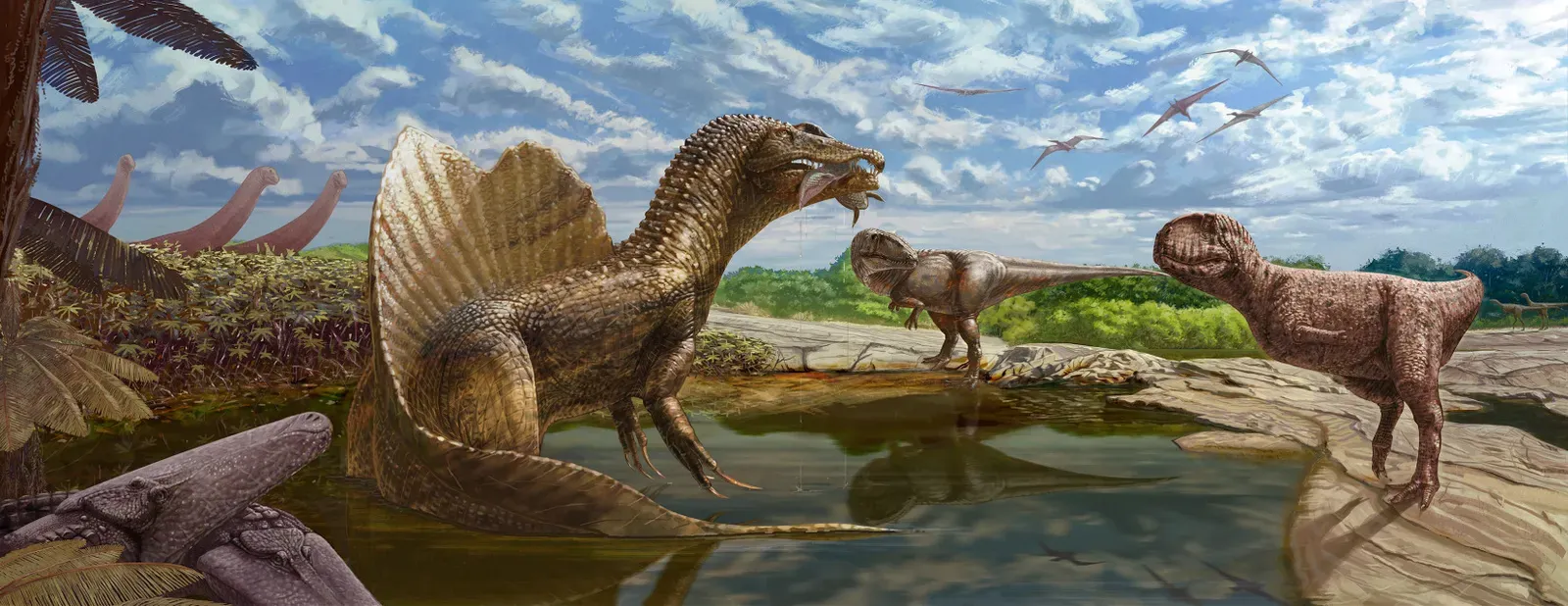
Of the three dinosaur periods of the Mesozoic, the Cretaceous was undoubtedly the golden age of evolution – a time of massive reorganization of ecosystems, both on land and in marine realms. Every niche was filled. Every landscape was occupied. The Cretaceous was, in many ways, nature running at full creative throttle.
The Cretaceous Period was the final chapter in the age of dinosaurs, but it was also the most diverse. Dinosaurs continued to evolve, becoming even more specialized, and as the continents drifted apart, creating new environments like deserts, forests, and plains, this variety of habitats allowed dinosaurs to adapt in incredible ways. The rise of flowering plants contributed greatly to the dramatic transformation of Earth’s biodiversity and landscapes, and as flowers evolved, so did insects, bees, birds, and other land-dwelling animals. It was a web of co-evolution unlike anything the planet had seen before.
Social Lives, Parental Care, and Surprising Intelligence
I think this is the part that surprises people most. Dinosaurs weren’t solitary, mindless hunters prowling an empty world. The first evidence that some species of dinosaurs herded was found in 1878 when a group of about 30 dinosaur fossils were found in a ravine where they all perished together, and similar mass fossil sites have been found around the globe. Herding behavior implies communication, coordination, and a level of social awareness that shatters the old stereotype.
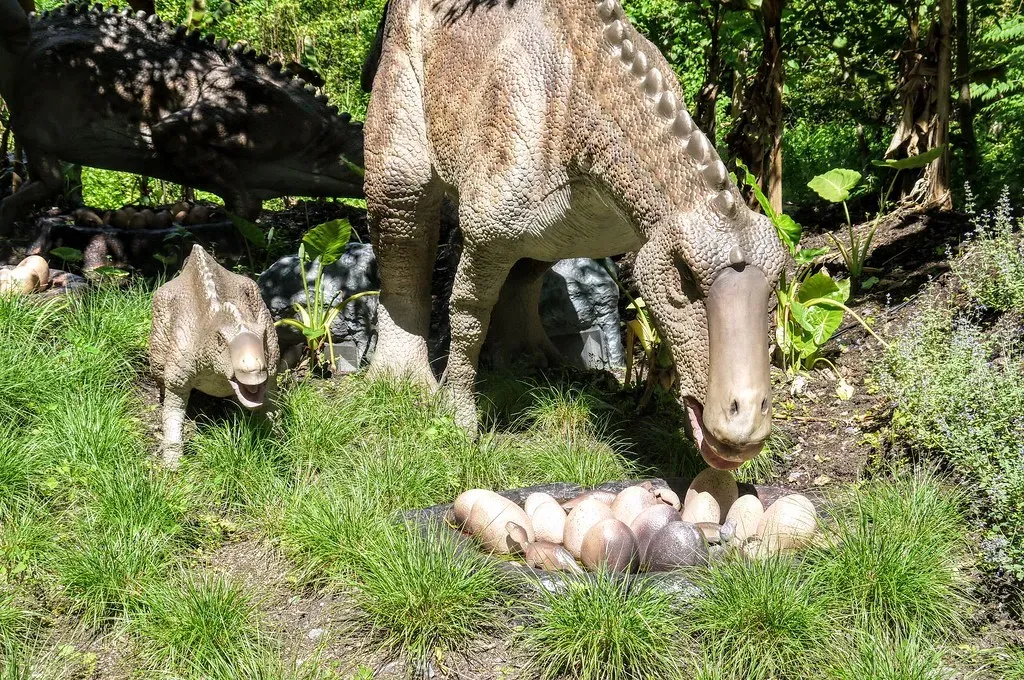
The discovery of Maiasaura has done more to advance understanding of parental behavior than any other dinosaur – an entire nesting ground was discovered, spaced closer together than the length of one adult, with eggs arranged in a spiral and placed on top of rotten vegetation to keep them warm. Several dinosaur skeletons have even been found with serious injuries, such as broken legs, that had healed – suggesting that while the injured dinosaur was unable to hunt, another dinosaur was bringing it food. This represents very complex social behavior.
The Astonishing Diversity of Form: Small, Strange, and Spectacular
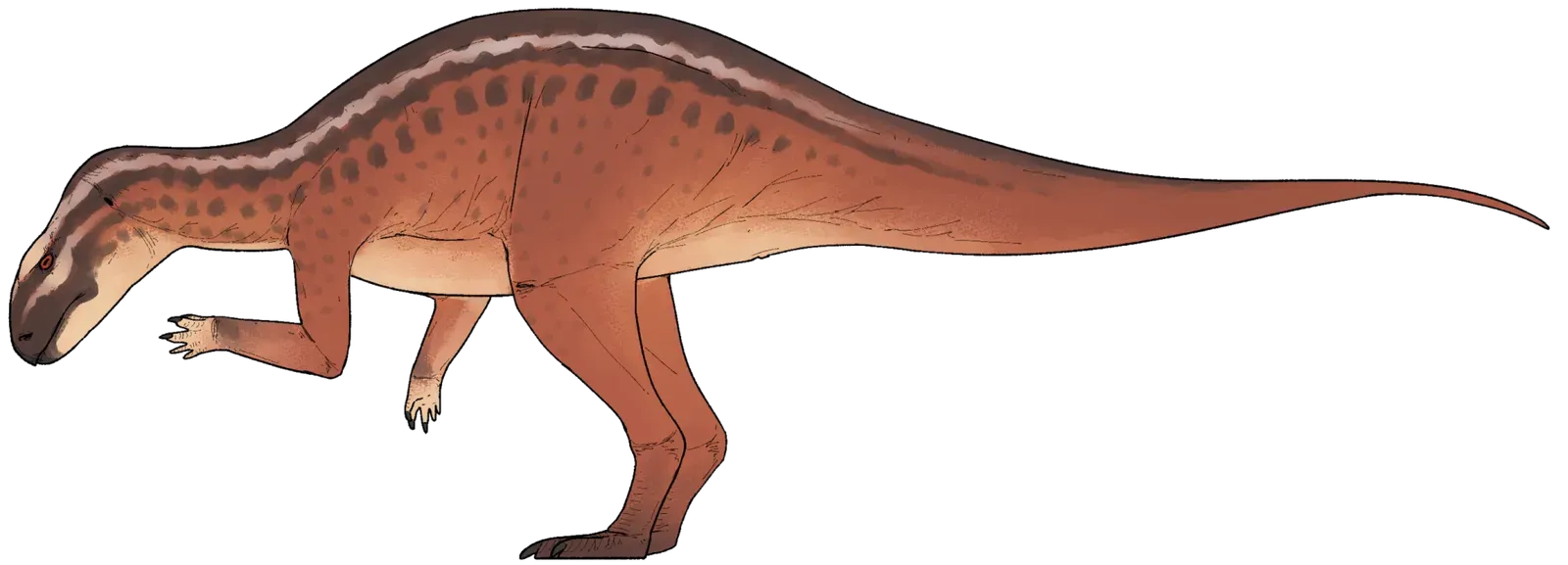
Dinosaurs have always been recognized as an extremely varied group, with over 900 non-avian dinosaur genera confidently identified, and estimates suggest the total number of dinosaur genera preserved in the fossil record sits at around 1,850 – with nearly three quarters still undiscovered. That number is almost dizzying. You could fill a new museum every decade just from what hasn’t been found yet.
A newly identified tiny dinosaur, Foskeia pelendonum, is shaking up long-held ideas about how plant-eating dinosaurs evolved. Though fully grown adults were remarkably small and lightweight, their anatomy was anything but simple – featuring a bizarre, highly specialized skull, and detailed bone studies show these dinosaurs matured quickly with bird- or mammal-like metabolism, while their teeth and posture hint at fast, agile lives in dense forests. Even at the smallest end of the size spectrum, evolution was doing something extraordinary.
Birds, Bones, and the Legacy That Never Truly Ended
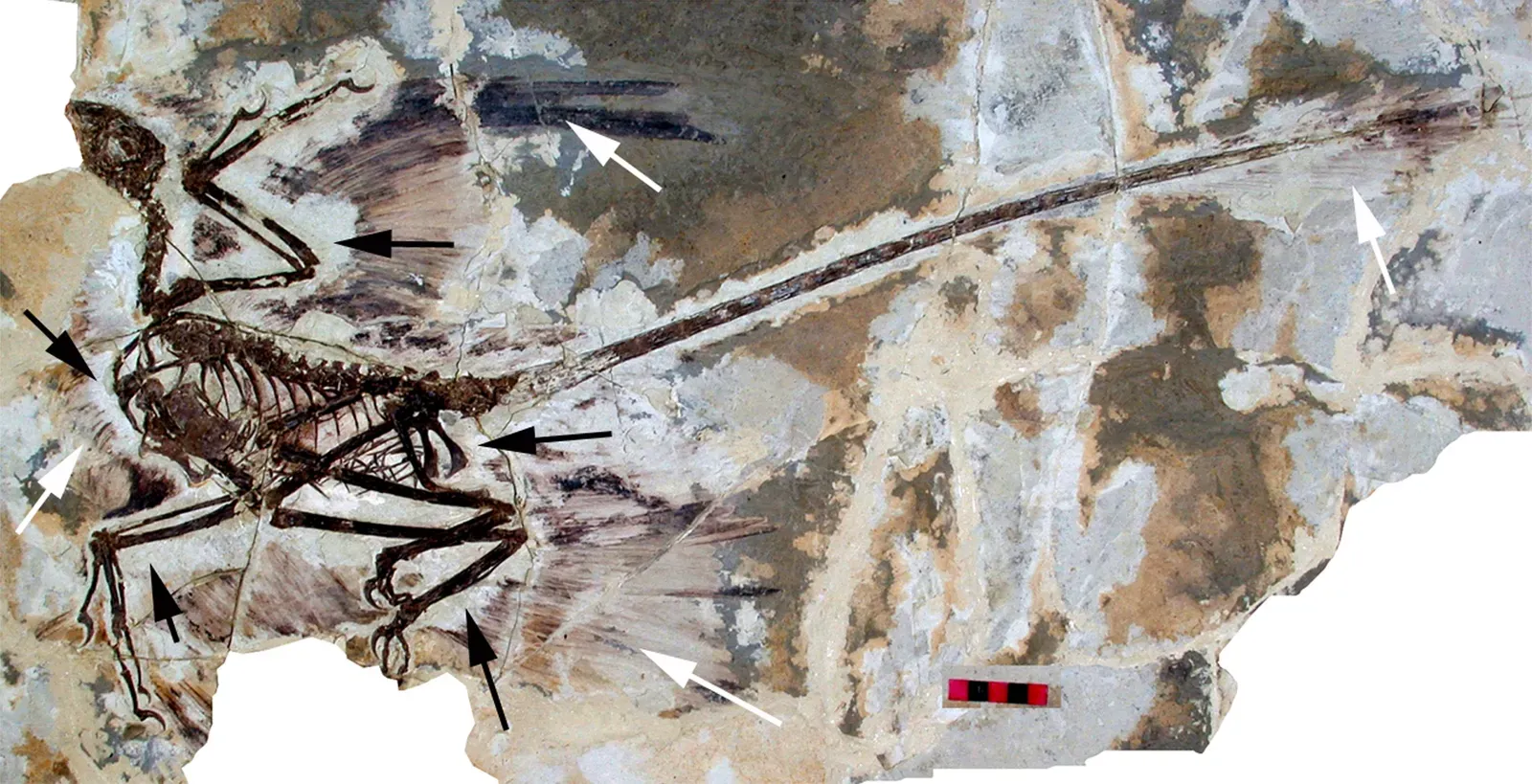
Understanding feathered dinosaurs reshapes how birds are viewed entirely. Birds are not merely descendants of dinosaurs – they are dinosaurs in a biological sense. Feathers, hollow bones, and many aspects of bird behavior have deep evolutionary roots stretching back millions of years, and every sparrow, eagle, and penguin represents a living continuation of a lineage that survived mass extinction and adapted to nearly every environment on Earth.
Research published in October 2025 discussed the uncertainty surrounding the diversity of dinosaur species before the asteroid, highlighting new evidence that they were in fact thriving in some regions. The fact that some dinosaurs were thriving right before the cataclysmic event confirms that it is not always the strongest members of a species who are guaranteed success – just one sudden event can cause mass extinction. Their reign didn’t end because evolution failed them. It ended because the universe, quite literally, intervened.
Conclusion: A Story Still Being Written
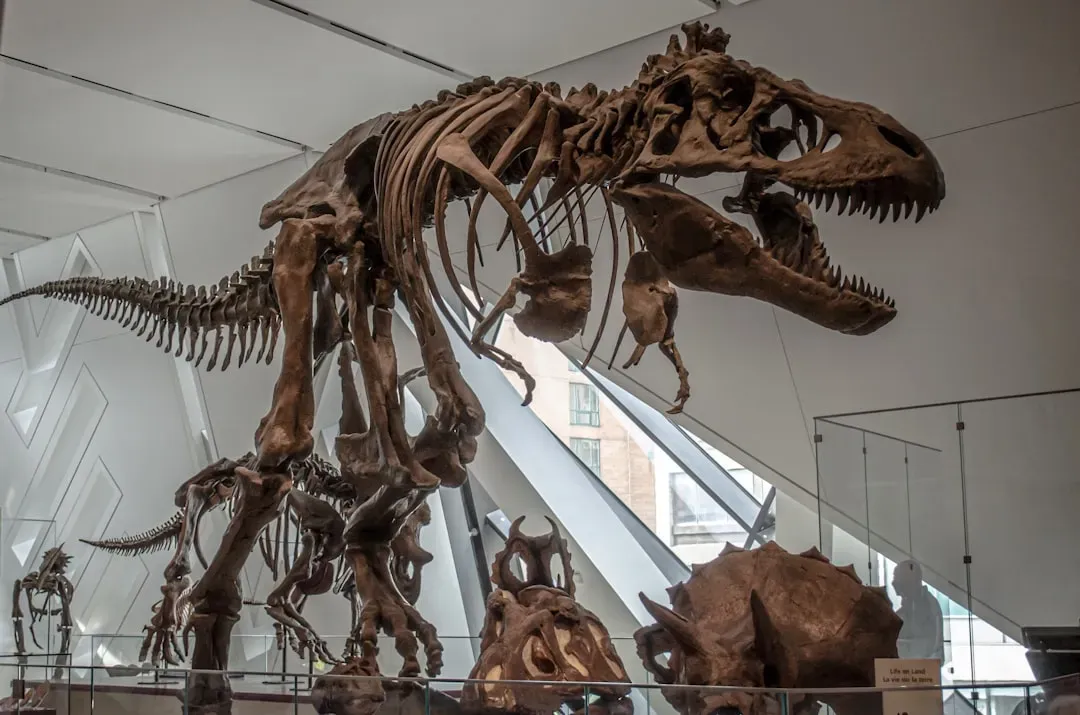
The dinosaur era wasn’t just a chapter in Earth’s history – it was an entire library of evolutionary experiments, social dramas, biological innovations, and ecological revolutions. From small, fast-growing Triassic pioneers to feathered, warm-blooded, socially complex creatures of the Cretaceous, dinosaurs were far more nuanced than anything Hollywood has ever shown you.
What’s most remarkable is that their story is still unfolding. A 125-million-year-old dinosaur just rewrote what we thought we knew about prehistoric life – scientists in China uncovered an exceptionally preserved juvenile iguanodontian with fossilized skin so detailed that individual cells are still visible, and even more astonishing, this plant-eating dinosaur was covered in hollow, porcupine-like spikes never before documented in any dinosaur. Every year, new fossils overturn old assumptions.
We share this planet with the living descendants of these extraordinary creatures. The next time you hear a bird call in the morning, you’re not just hearing nature – you’re hearing a 180-million-year-old evolutionary symphony, still playing. What other secrets do you think are still buried out there, waiting to be found?