
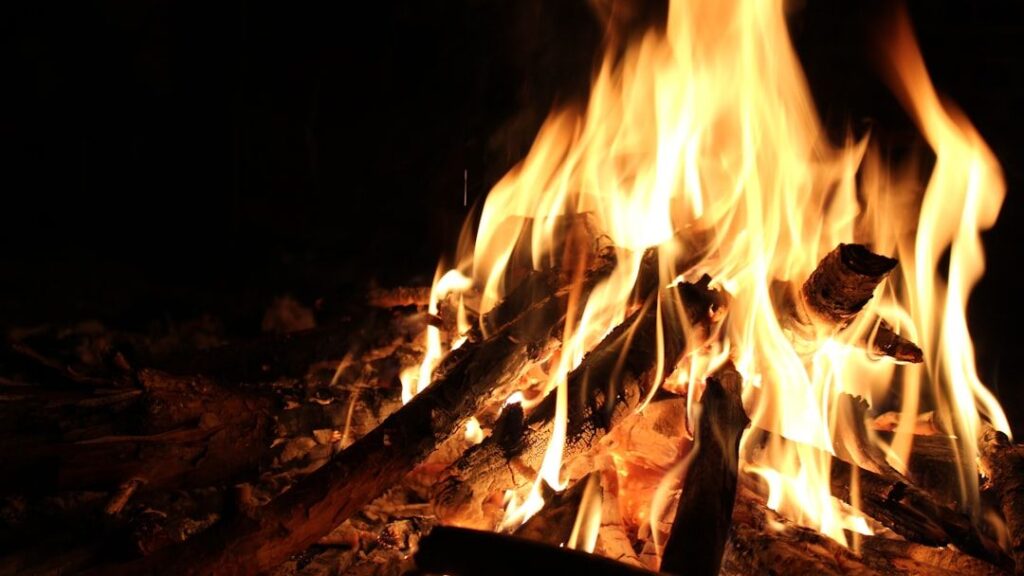
Imagine standing in the dark, hearing predators breathe just beyond what your eyes can see, and then watching a branch suddenly burst into flame after a lightning strike. For millions of years, that blazing light must have been terrifying, beautiful, and completely out of reach. At some point, though, our ancestors stopped only fearing fire and began to borrow it, tame it, and finally create it. That quiet shift, repeated around countless campfires, changed everything about what it meant to be human.
Fire did not arrive in human history as a single eureka moment or a neatly dated invention. It was more like a long, messy relationship: curiosity mixed with fear, accidents turning into habits, and then knowledge slowly becoming tradition. When we trace how early humans first learned to control fire – and what happened afterward – we’re really tracing how we learned to transform the world, and in the process, transform ourselves.
Before the First Flame: A World Without Fire in Human Hands
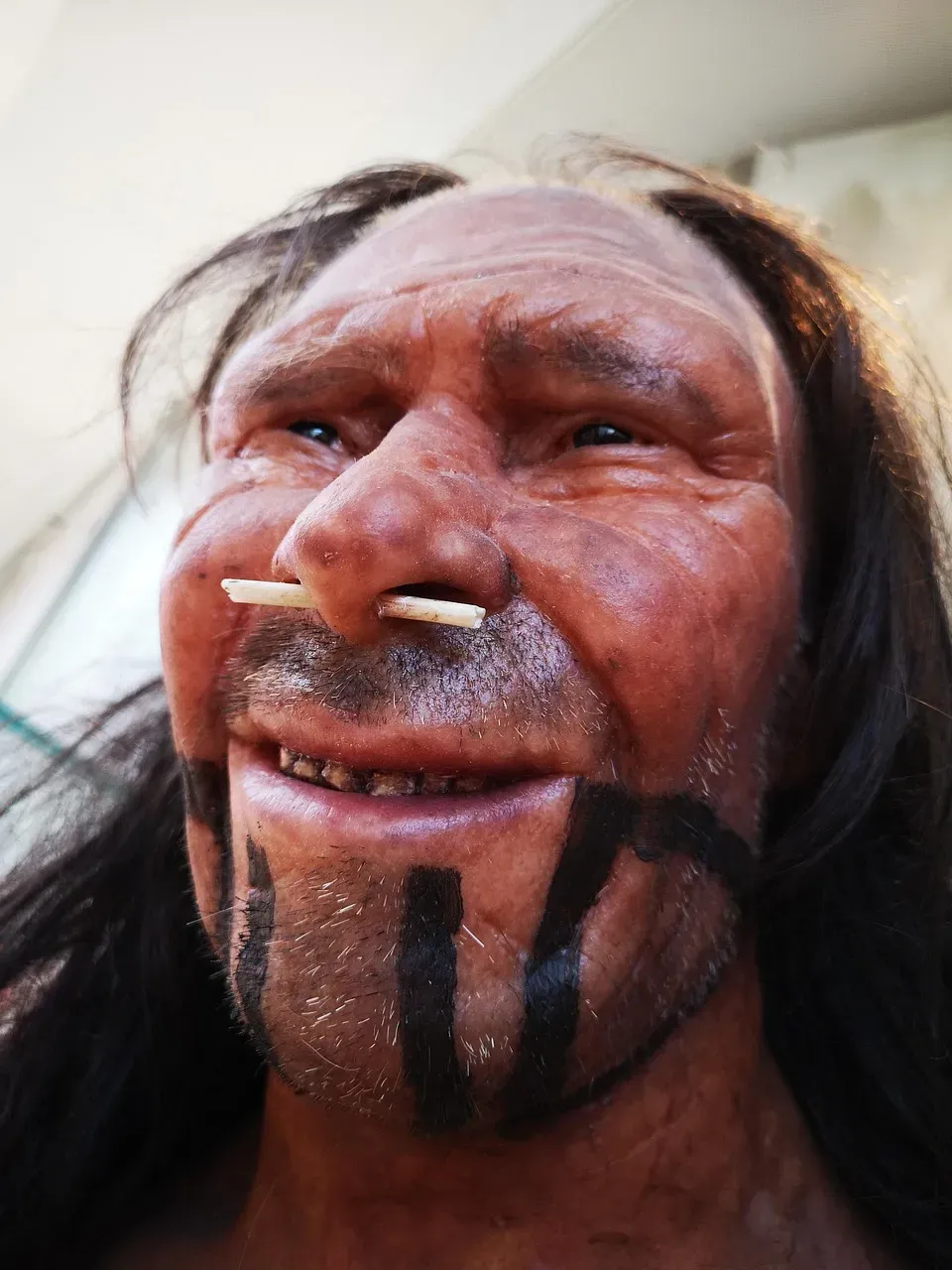
It’s hard for us to picture a world where you can’t just flick a lighter or strike a match, but for early humans, fire was a wild force that belonged to nature alone. Lightning ignited forests, volcanoes spewed molten rock, and dry grasslands erupted in flames during droughts, but our ancestors were just bystanders. They lived and hunted according to daylight, fled from predators in the dark, and ate their food raw, with all the limits that came with that.
Without controlled fire, nights were longer, colder, and far more dangerous. Early humans had to rely on their bodies, tools, and each other to survive, with no way to scare off big predators except through numbers and noise. Food options were constrained: tough roots, fibrous plants, and many meats were harder to digest raw, meaning less energy gained from each bite. In that sense, the pre-fire world wasn’t just darker; it offered a much tighter cap on what humans could become.
Borrowing from Lightning: The Earliest Encounters with Natural Fire
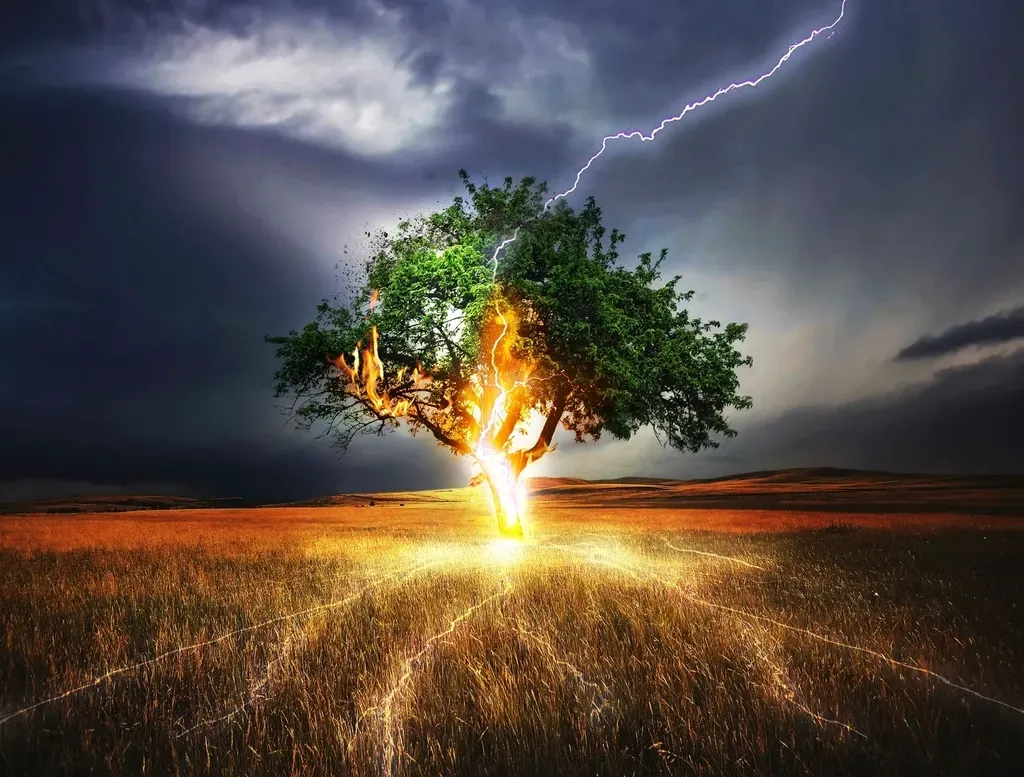
The first step toward controlling fire probably wasn’t making it from scratch, but daring to approach it once nature had already done the hard work. After a lightning strike set a tree ablaze or a grassland burned, the lingering embers and smoldering logs would have been both terrifying and tantalizing. Curious hominins who inched closer might have realized that warm coals could be picked up on sticks or carried in bark, turning a one-time event into something that could be moved and extended.
Over time, small groups likely learned to keep a “living” fire going for as long as possible, feeding it with dry sticks, protecting it from rain, and guarding it even while they slept. Instead of thinking, “How do we make fire?” the earliest question was probably, “How do we stop it from going out?” In that simple shift – from observer to caretaker – humans took their first major step into a more technological way of life, even if they had no words for it yet.
From Chance to Skill: Learning to Make Fire on Purpose
At some point, carrying fire was not enough; people had to learn how to create it when nature did not cooperate. The exact timeline is debated, but the methods that eventually spread – rubbing wood until it smoked, striking stones to create sparks, or using bow drills to spin a wooden spindle – show just how inventive early humans became. None of these techniques are obvious from a distance; they had to be discovered, refined, and then patiently taught.
Once fire could be made on demand, it stopped being a lucky accident and became a reliable tool, almost like an early form of technology you could pack in your head instead of your hands. Knowing which woods burned well, which stones sparked most reliably, and how to protect a tiny ember from wind turned into a kind of living science. In my mind, this is where you see the birth of what we’d now call expertise: people who weren’t just strong or fast, but skilled in coaxing a flame out of practically nothing.
Cooking Our Way to Bigger Brains and Different Bodies
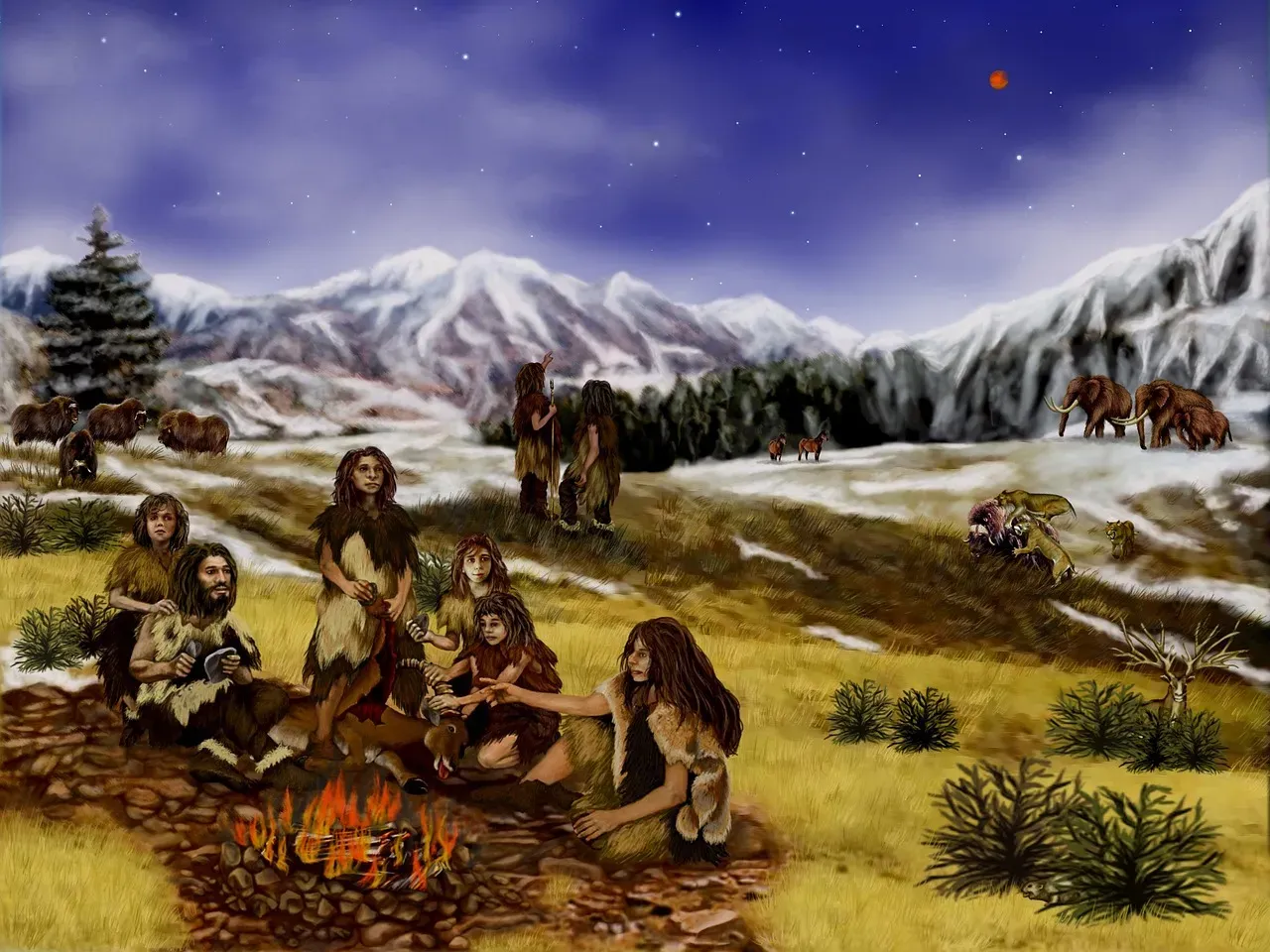
One of the most radical changes after the control of fire was what happened to our food – and through it, to our bodies. Cooking makes meat and plants softer, easier to chew, and simpler to digest, meaning more calories squeezed out of the same ingredients. Instead of spending long hours chewing raw roots or tough flesh, early humans could eat quicker, get more energy, and redirect that energy toward brain growth and longer periods of activity.
This shift might sound mundane – just hot food instead of cold – but biologically it is a game changer. Over many generations, shorter guts, smaller teeth, and larger brains make sense in a world where cooked meals are the norm, not the exception. You can picture an early evening where someone first realized that roasted meat not only tasted better but left them feeling fuller and more energized. That small, sensory discovery sits at the beginning of a long chain leading to the modern human body.
Light, Heat, and Safety: Fire as a Night-Time Superpower
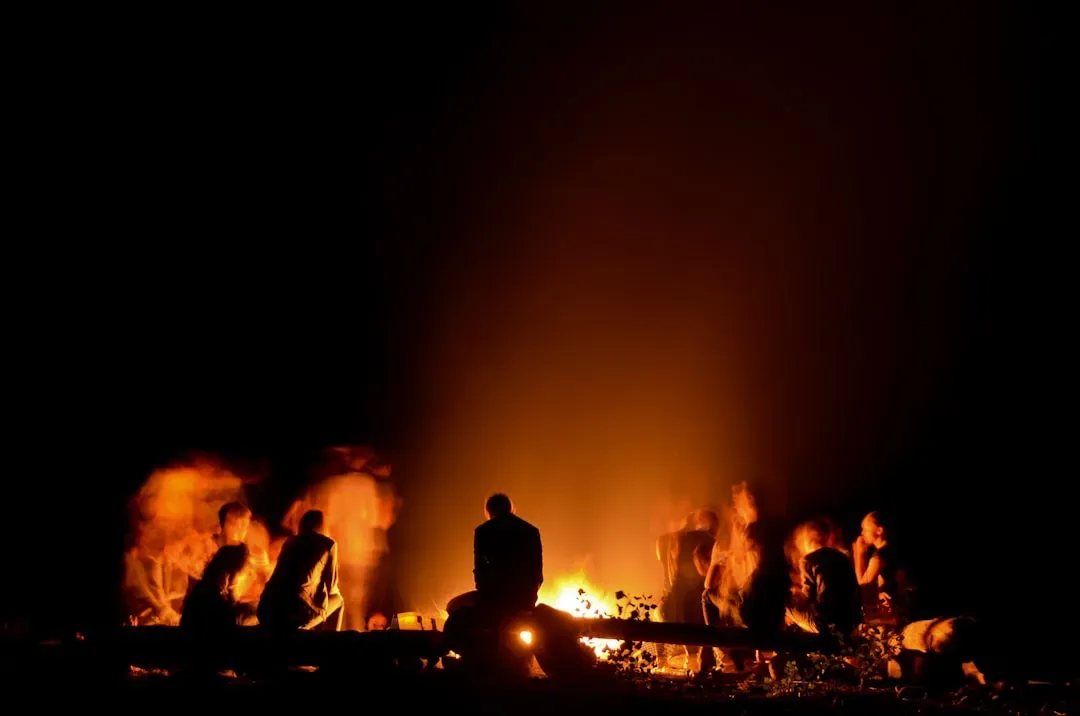
Fire didn’t just change what humans ate; it changed what they could do once the sun went down. A campfire pushed back the darkness, making it harder for predators to approach unnoticed and easier for people to see one another’s faces and gestures. The warmth meant that groups could live in colder regions or endure chilly nights that would have been lethal without extra protection, essentially expanding the map of where humans could settle.
There’s also a more emotional side here that I think often gets overlooked. Sitting around a fire creates a natural circle where people talk, plan, argue, tell stories, and comfort one another. Those evening gatherings likely deepened social bonds and gave space for complex language, shared myths, and coordinated strategies. In that flickering light, humans were not just surviving the night; they were building culture, memory, and identity together.
Changing Landscapes: Fire as a Tool for Shaping the Environment
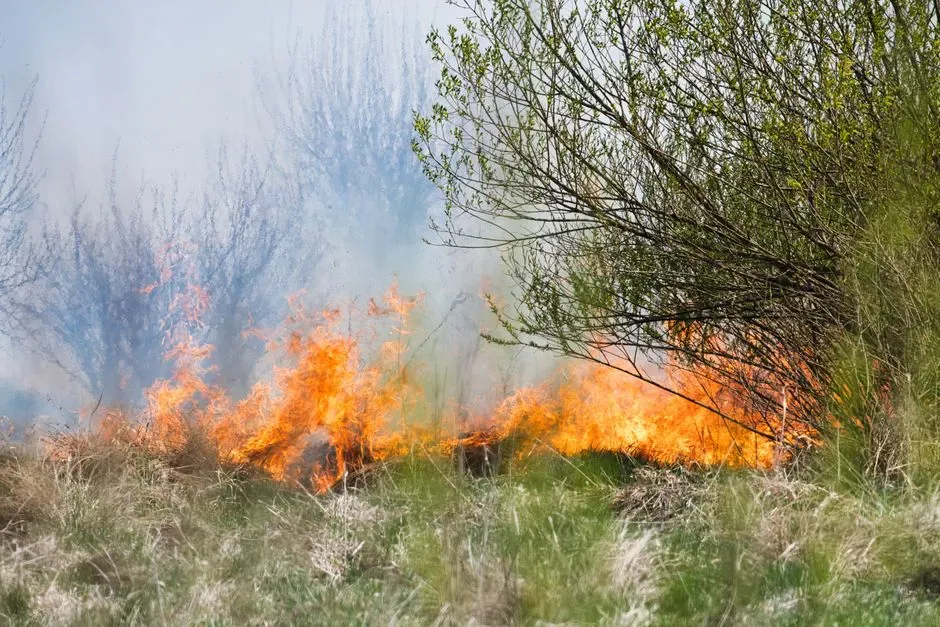
Once humans became comfortable with fire, they stopped being passive residents of their ecosystems and started acting like landscape managers, whether they thought of it that way or not. Early groups learned that burning patches of land could encourage fresh plant growth, attract grazing animals, reduce dense underbrush, and make travel easier. Controlled burning in cycles turned certain areas into more predictable, resource-rich zones, effectively redesigning local habitats to suit human needs.
This kind of fire use is a double-edged sword, but it shows an early, bold willingness to alter nature at scale. In some regions, repeated burning created open woodlands or grasslands that favored hunted species and edible plants. In others, poorly timed or overly frequent fires may have damaged soils or driven certain species away. Even back then, humans were testing the limits of how far they could push an environment without fully understanding the long-term consequences – a pattern we still see today, just with bigger tools.
Memory, Myth, and Meaning: Fire in the Human Imagination
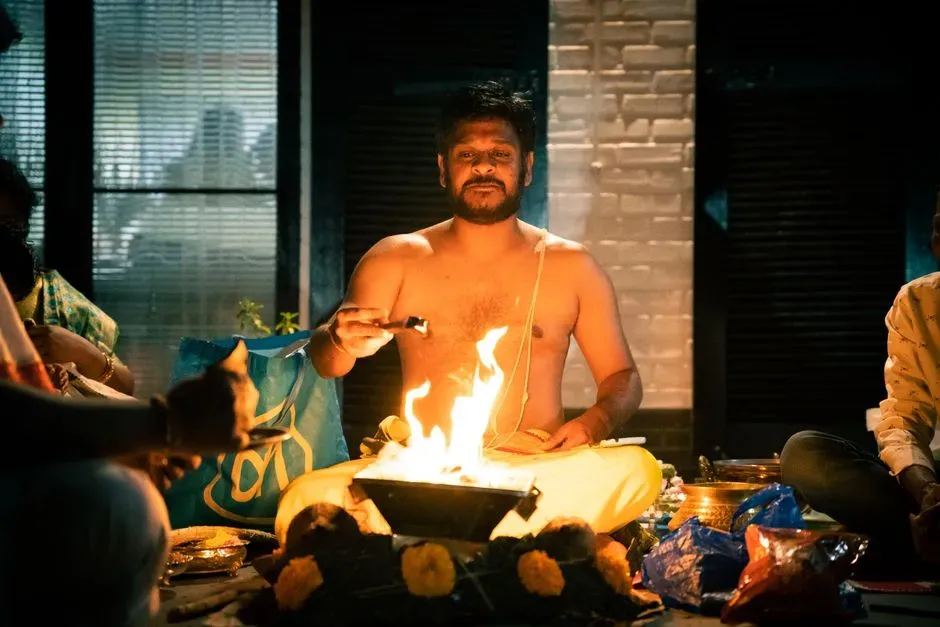
Fire wasn’t only practical; it became deeply symbolic, woven into how people saw life, death, and power. When something is so central to survival – heating, cooking, light, safety – it naturally gains a kind of sacred weight. Many early societies treated fire as something that needed respect, rituals, and rules: who could tend it, when it was lit or extinguished, and how it was used in ceremonies. Even without written records, it’s hard to imagine any culture that relied on fire and did not wrap it with stories and meanings.
I sometimes think of fire as our first real collaborator: dangerous if mishandled, incredibly generous when treated well. It taught humans that mastery comes with responsibility, and that transforming the world always comes at some cost. In that sense, learning to control fire set the emotional template for every powerful technology that followed – tools that both empower and threaten us, depending entirely on how wisely we use them.
From Campfire to Power Plant: Why Fire Still Defines Us
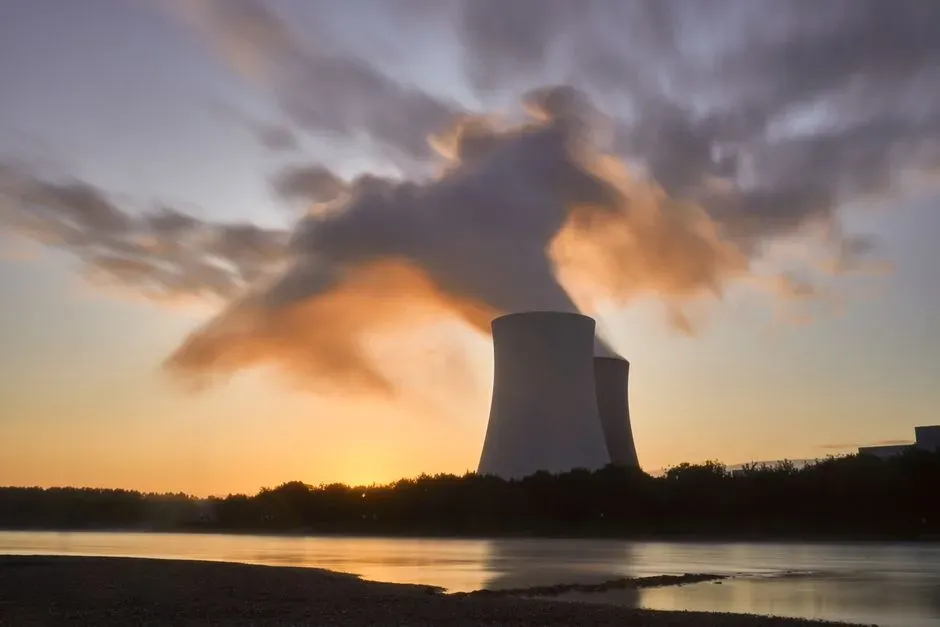
When you zoom out from those first campfires to the present, you see a striking through-line: almost everything about modern civilization rests on descendants of that original flame. Burning wood led to charcoal and kilns, which led to metal smelting, which led to engines and electricity, which led to the wired, glowing world we live in now. Even when we talk about “moving beyond fossil fuels,” we’re really wrestling with how to evolve past an ancient habit of getting energy by burning things.
My own opinion is that controlling fire was the single most important turning point in human history, more foundational than agriculture or writing, because it reshaped our bodies, our social lives, and our environments all at once. It made us more powerful and more dangerous, more capable of care and more capable of destruction. As we sit today surrounded by the distant descendants of that first spark – from gas stoves to rocket engines – the real question is whether we have grown as wise as we are clever. If fire forced our ancestors to learn respect for a dangerous ally, maybe our task now is to remember that lesson on a planetary scale – do you think we’re living up to it?