
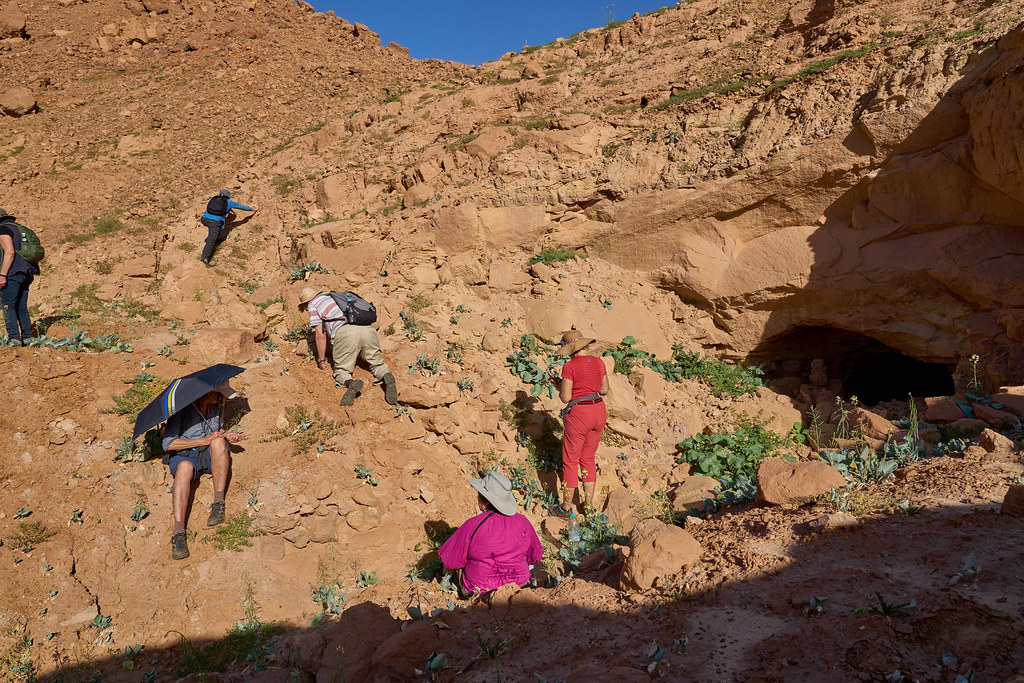
Out in the baking, rust‑red borderlands of the Sahara, where the wind sounds like static and the horizon never seems to move, there’s a cliff of rock that looks, at first glance, like nothing at all. No signs, no fences, just an endless escarpment of sandstone and dust. Yet in the last three decades this lonely stretch of desert in eastern Morocco has coughed up such a torrent of teeth, bones and footprints that it has completely rewritten how scientists see the age of dinosaurs in Africa. I remember the first time I saw a photo of a Spinosaurus tooth freshly pulled from this rock: it looked almost fake, like a movie prop left behind on a set. But it’s the opposite of fantasy. This region, known to paleontologists as the Kem Kem Group, has become so astonishingly productive that some researchers argue it is now the single most important window into Cretaceous life anywhere on Earth. It is wild, controversial, and still only half‑understood – and that’s exactly what makes it irresistible.
A hidden fossil goldmine on the edge of the Sahara
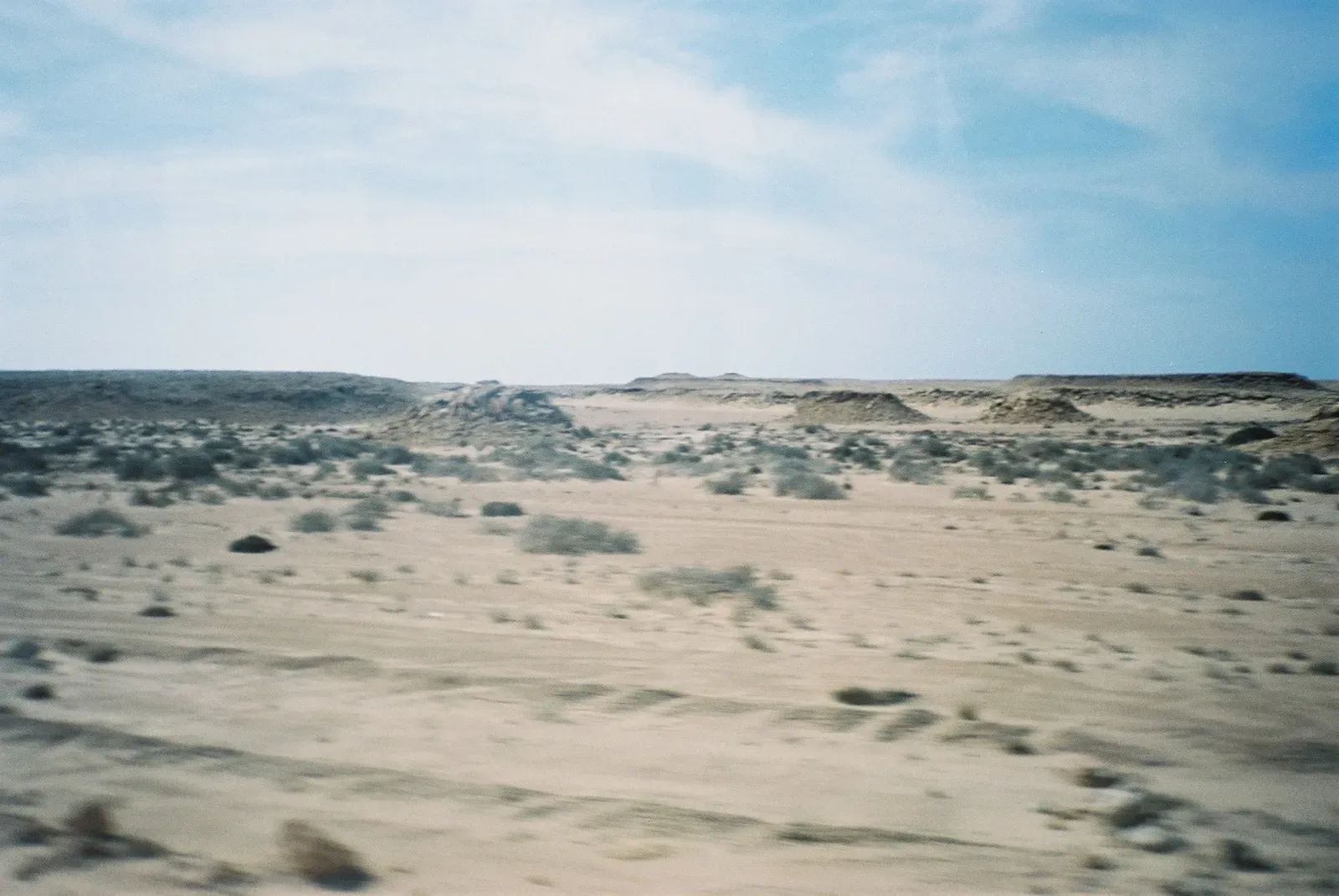
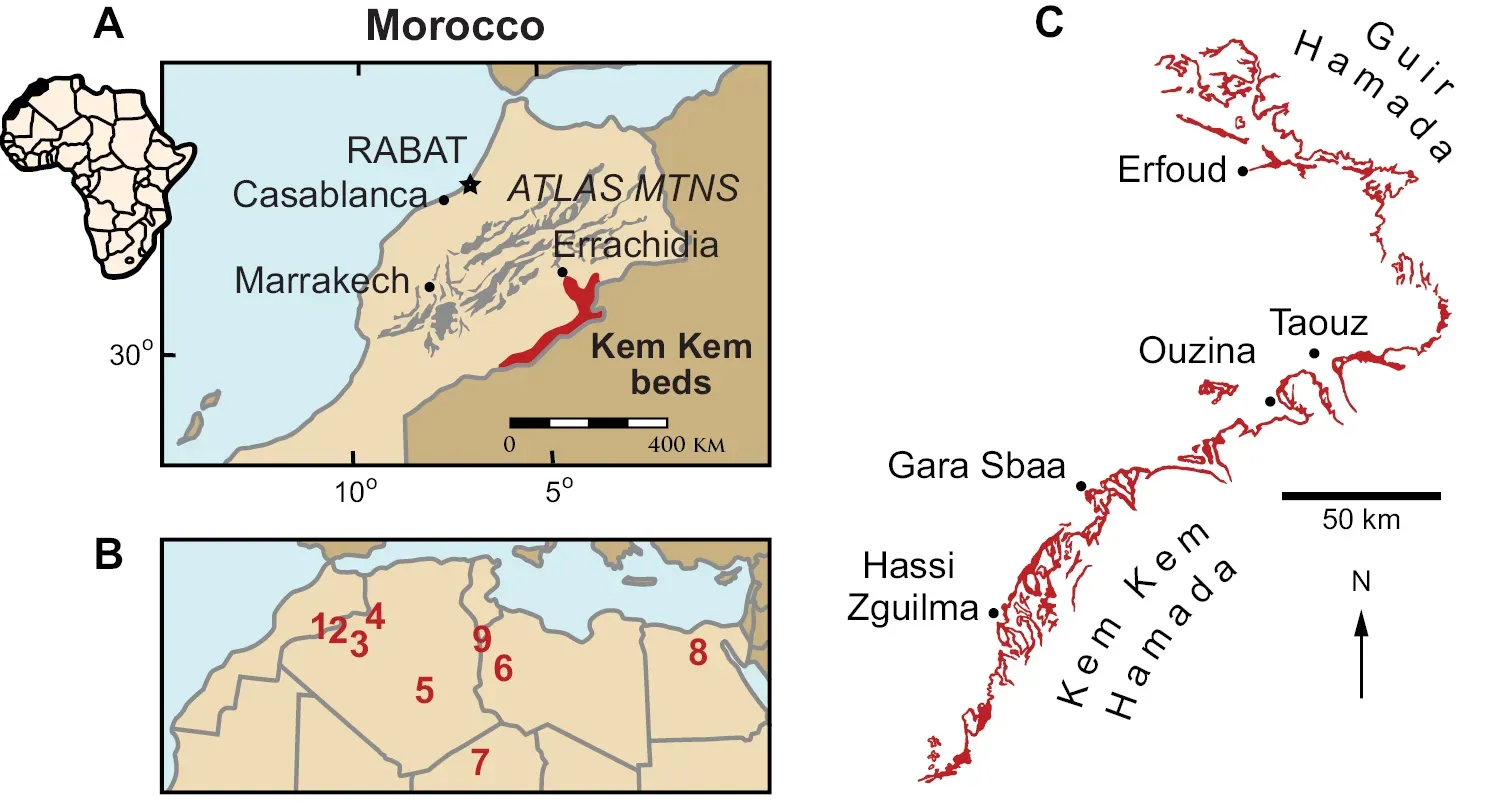
Picture an escarpment running for hundreds of kilometers along the Moroccan–Algerian border, a layered wall of sandstone and mudstone perched beneath pale limestone. That’s the Kem Kem Group: ancient river and delta deposits laid down around one hundred million years ago, now stranded in one of the driest places on the planet. What makes it so staggering is not just the fossils themselves, but the sheer density – vertebrate remains are scattered through the rock like confetti, from tiny fish teeth to chunks of jaw bigger than your forearm. For most of the twentieth century this area was a geological footnote: a few scattered dinosaur finds, some fish, nothing to hint at what lay buried. Then, beginning in the late 1980s and accelerating through the 1990s and 2000s, systematic expeditions combined with intensive collecting by local fossil hunters triggered an avalanche of discoveries. In roughly thirty years, the Kem Kem has gone from obscure to legendary, yielding one of the richest Cretaceous vertebrate assemblages on record and turning an anonymous stretch of Sahara into a global hot spot for dinosaur science.
The “most dangerous place in Earth’s history”? Meet the predators
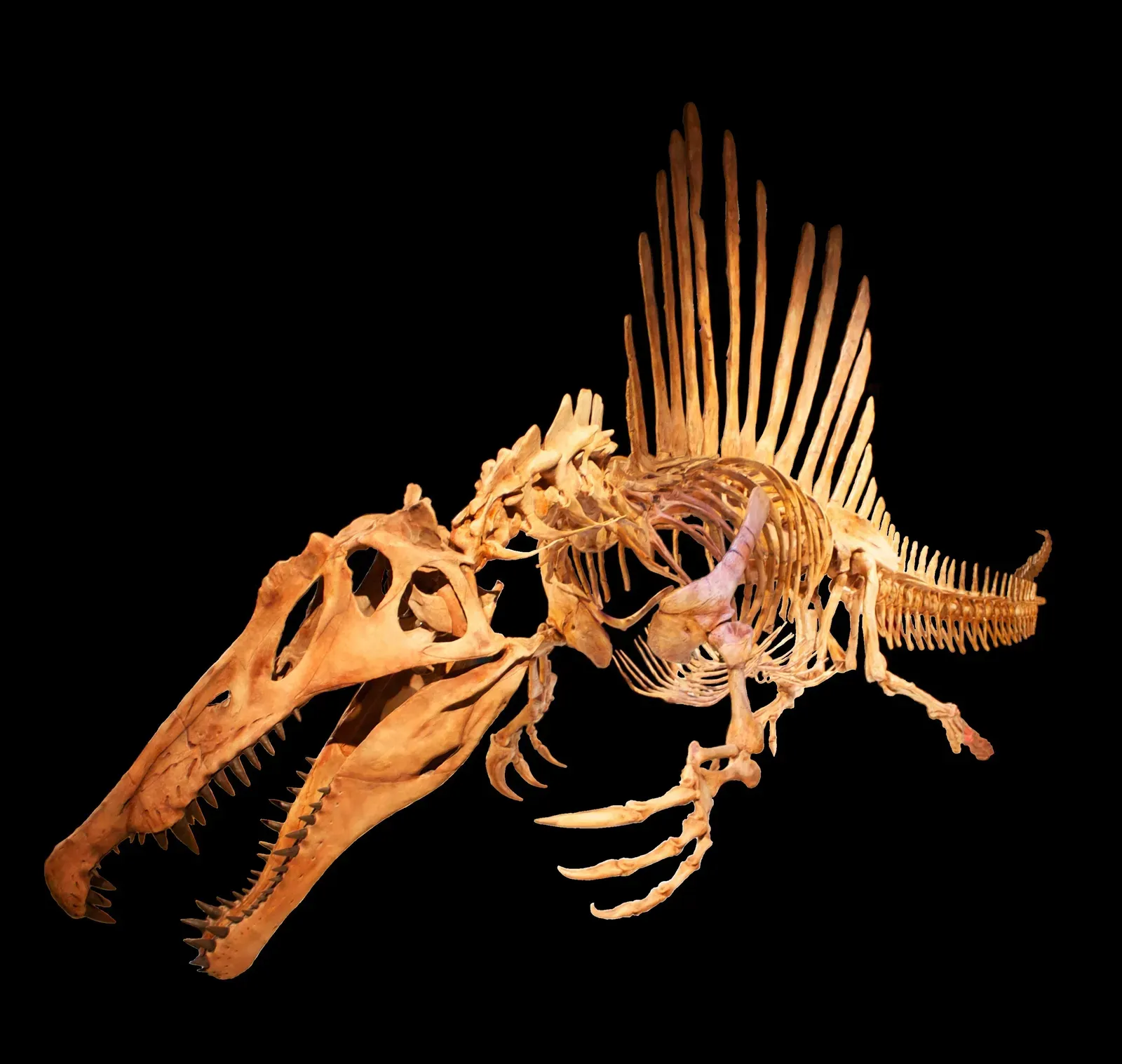
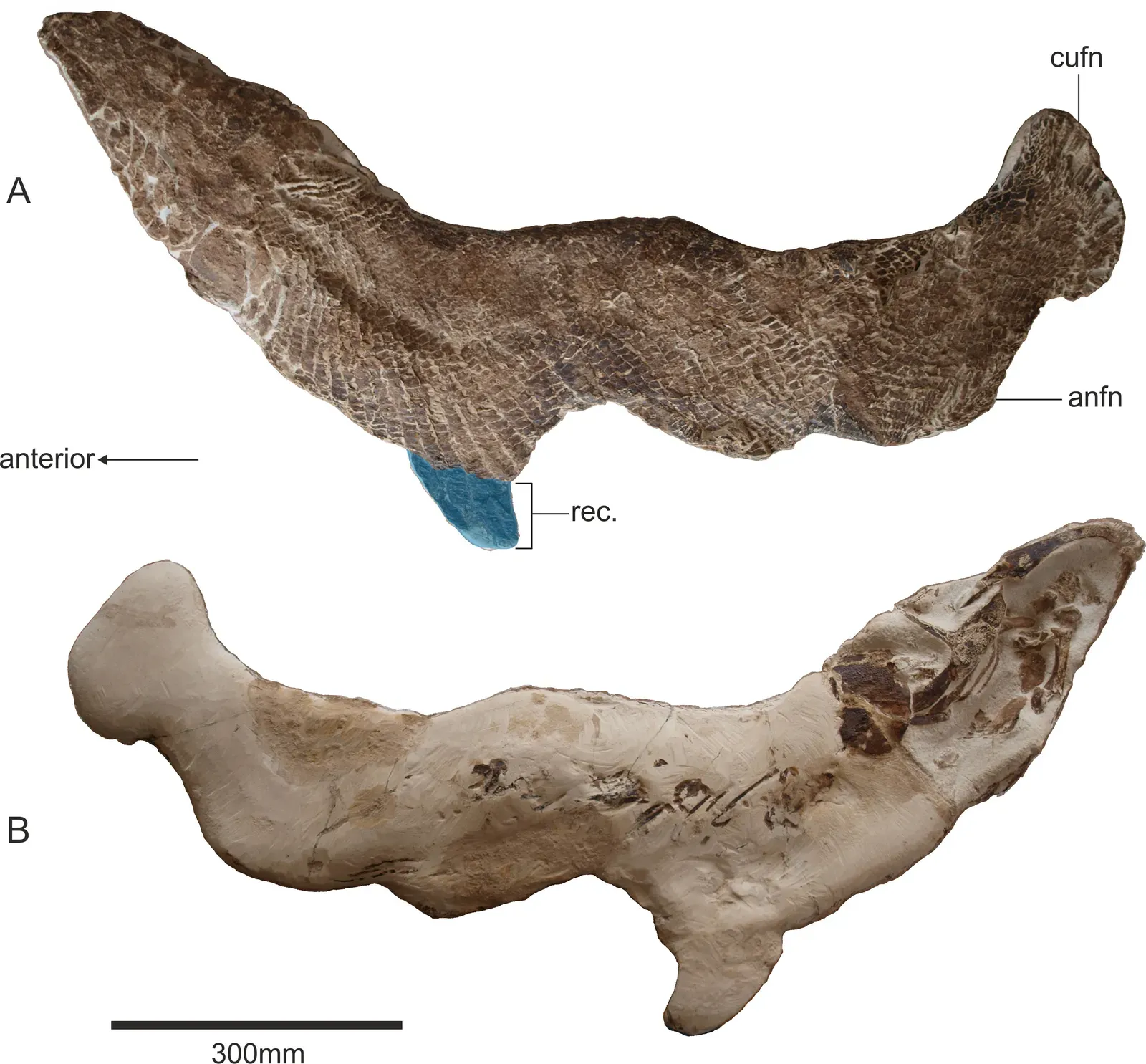
If you want a mental image of this lost world, forget peaceful herds grazing under cycads. The Kem Kem record is so dominated by carnivores that some researchers half‑jokingly describe it as the most dangerous ecosystem in the history of the planet. The headline act is Spinosaurus, a sail‑backed giant with crocodile‑like jaws and adaptations for a semi‑aquatic lifestyle, including dense bones that likely helped it stay submerged. Nearby in the same rocks, you find remains of Carcharodontosaurus, a huge, blade‑toothed predator that rivals Tyrannosaurus in size, plus the sleek, long‑limbed Deltadromeus, probably built for speed. Then there are the aerial and aquatic killers. Giant pterosaurs with wingspans of small airplanes soared overhead, while rivers seethed with shark‑like elasmobranchs and enormous bony fishes, including saw‑snouted forms that could probably slice through flesh and bone. Even the crocodile cousins were on steroids: armored, long‑snouted crocodyliforms patrolled the shallows like ambush torpedoes. When you add it up, the predator roster feels absurdly top‑heavy, like an ecosystem where the villains outnumber the extras in an action movie – no wonder scientists are still arguing about how all these meat‑eaters managed to coexist without wiping each other out.
A river world in the desert: what the ancient landscape really looked like
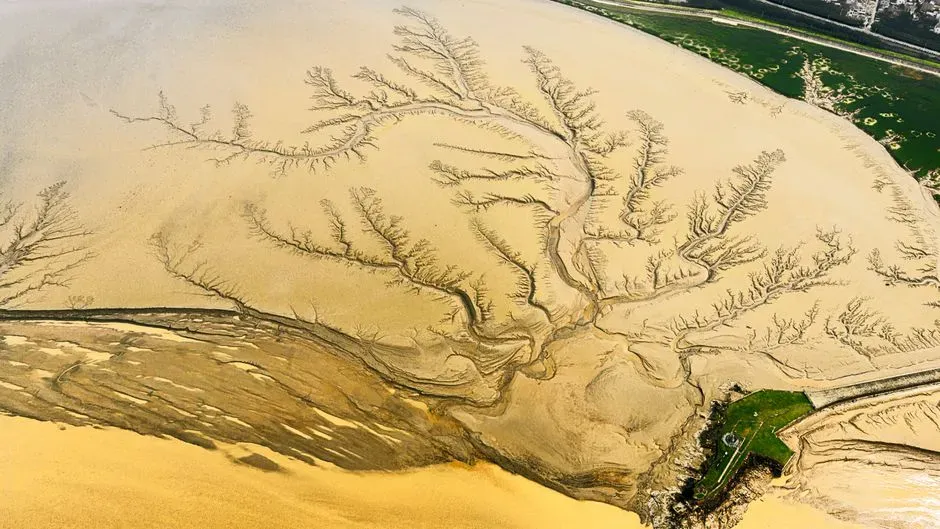
It’s easy to assume “Sahara” means endless dunes, but during the mid‑Cretaceous the Kem Kem was more like a tropical river megasystem than a desert. The rocks capture stacked river channels, floodplains, and delta deposits, telling a story of shifting waterways that probably resembled the modern Niger or Ganges more than today’s barren landscape. Seasonal flooding, meandering channels, and swampy backwaters would have created a patchwork of habitats – from deep channels rich in fish to muddy banks and tree‑lined floodplains. This watery backdrop is the key to the region’s bizarre predator bias. A huge proportion of the food web was tied to fish, from giant sawfish and lungfish to smaller schooling species, and vertebrate fossils show many carnivores were at least partly piscivorous. Instead of envisioning an over‑crowded savanna, think of something closer to a super‑charged river delta where many big predators were tapping into different parts of an enormous aquatic buffet. The desert we see today is just the dried‑out skeleton of that once‑lush world, and the fossils are the last stubborn hints of the rainforest and river systems that vanished long ago.
The insane diversity: from tiny frogs to flying dragons
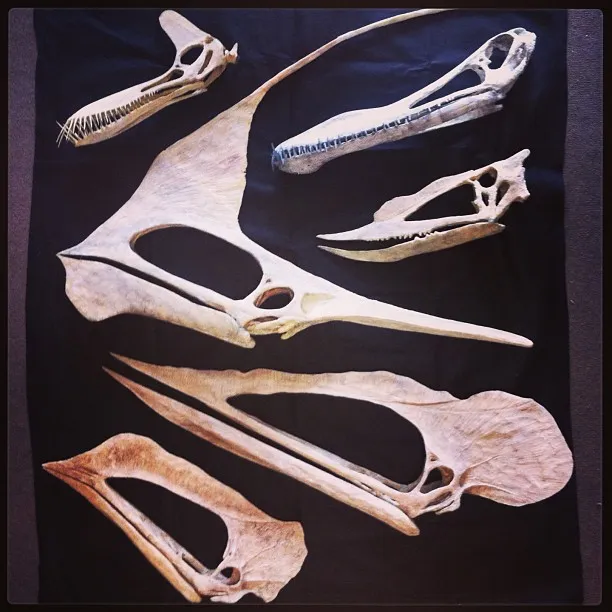
One of the most surprising things about the Kem Kem is that it’s not just a dinosaur graveyard; it’s an entire ecosystem in stone. Beyond the headline predators, researchers have described turtles, freshwater and semi‑marine crocodile relatives, lungfish, coelacanths, ray‑finned fishes, and sharks. On land and in the shallows you get small notosuchian crocodyliforms with specialized teeth, evidence of amphibians, and even delicate remains like tiny frog bones – things that usually stand almost no chance of being preserved in such high‑energy environments. The skies were crowded too. Fragmentary but distinctive jaws and bones reveal the presence of multiple pterosaur lineages, including long‑snouted azhdarchoid forms that may have hunted fish or stalked prey on land. New pterosaur taxa are still being described from material first collected decades ago, and every year or two another obscure jaw or vertebra is finally recognized as a new species. When I read those papers, I get the same feeling as hearing a remix of a song you loved in high school: it’s familiar, but suddenly you realize there was way more going on in the background than you ever noticed.
Why the last 30 years changed everything
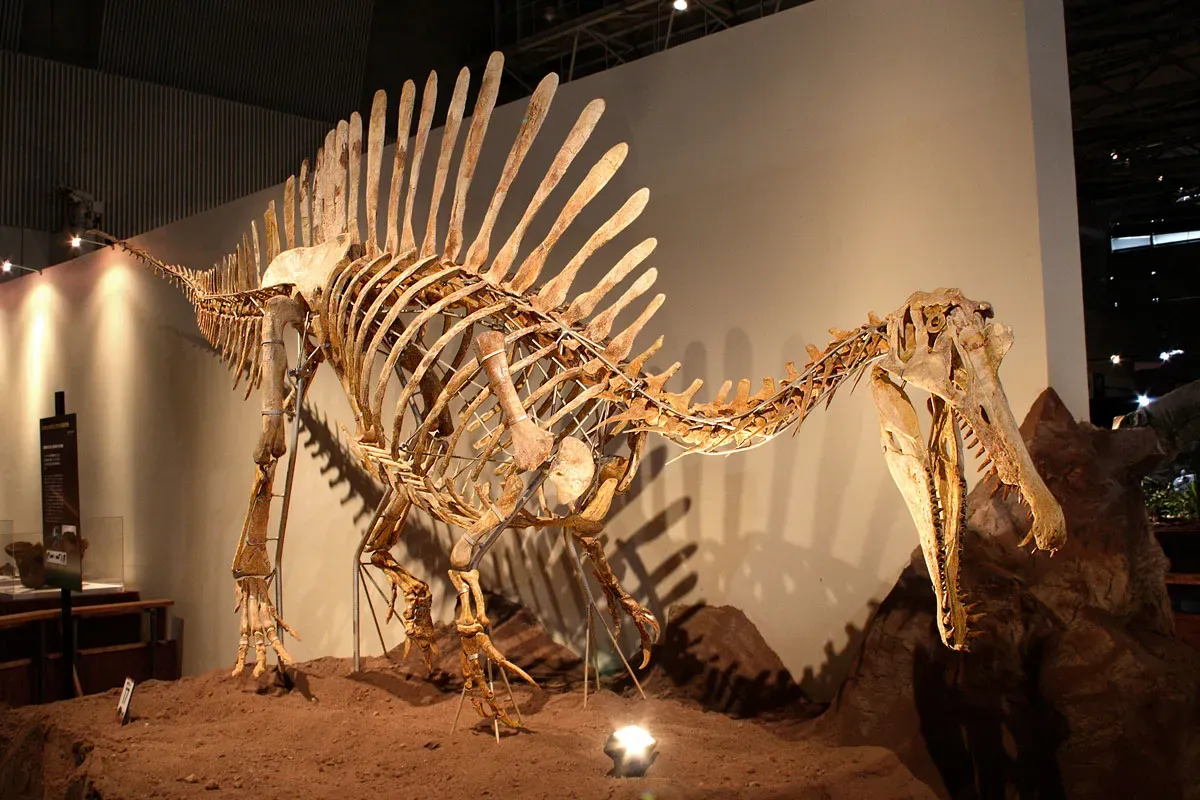
What really turbocharged Kem Kem research in the past three decades was a perfect storm of better fieldwork, sharper analytical tools, and, honestly, sheer persistence. Modern expeditions have mapped the stratigraphy in detail, separating the fossil‑bearing layers into distinct formations and pinning down their ages more precisely. That might sound like bookkeeping, but it’s crucial – without good geological context, a Spinosaurus tooth is just a cool rock; with it, it becomes a data point you can plug into the broader story of Cretaceous Africa and global climate and sea‑level change. At the same time, techniques like CT scanning, digital modeling, and isotopic analysis have let scientists squeeze more information out of each fragment. Stable isotope work, for example, supports the idea that some Kem Kem predators were strongly linked to aquatic food webs, while bone histology reveals growth patterns and life history. And on top of that, researchers have been slowly untangling decades of taxonomic confusion, re‑evaluating old names and cutting down on the jungle of poorly supported species that once cluttered the literature. The Kem Kem went from a messy catalog of “monster bones” to a more rigorous, data‑rich ecosystem portrait, even if a lot of gray areas remain.
Controversy, commercial collecting, and the ethics of a fossil frontier
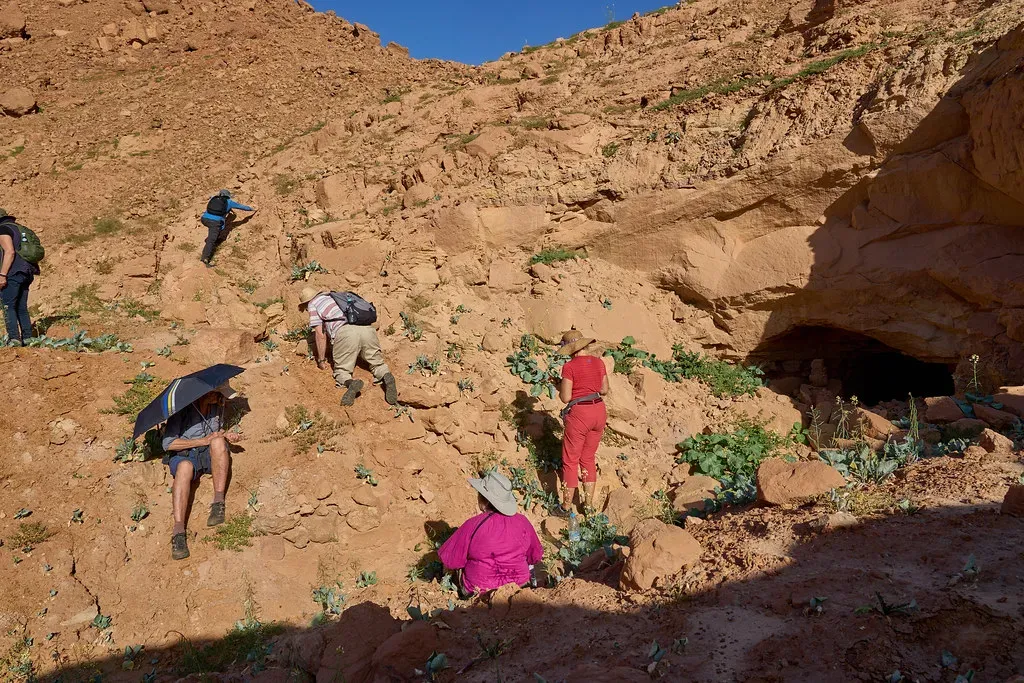
Here’s the uncomfortable side of the story: many Kem Kem fossils entered science only after passing through commercial hands. Local villagers have been digging and selling fossils for years, often as their primary source of income, and specimens routinely leave Morocco bound for private collections or foreign dealers. Some of those pieces eventually land in museums and become part of formal research, but by then their exact find spot and geological layer are often lost, which seriously blurs the scientific value. It’s like someone handing you pages from a shredded book with no page numbers – you can read the words, but you’ve lost half the story. This has triggered heated debate within the paleontology community. On one hand, without local diggers, many fossils would never have been found at all; on the other, a black‑box commercial pipeline makes it harder to build reliable reconstructions and raises real questions about cultural heritage. In recent years, Morocco has tightened its regulations and there’s a growing push for collaborative projects that keep more material, expertise, and economic benefit in the country itself. Personally, I think the Kem Kem will force scientists to get more honest about how they work with local communities, and whether “world‑class science” can truly exist if the people living on top of these fossils are treated as cheap labor or afterthoughts.
Is it really “the most important prehistoric site on Earth”? Why that claim matters
Calling any single place the most important prehistoric site on Earth is a big, almost arrogant statement – especially when you consider rivals like the bone‑packed Chinese Jurassic basins, the exquisitely preserved German lagerstätten, or Canada’s dinosaur‑rich badlands. Strictly speaking, the Kem Kem is not a perfect time capsule with intact skeletons lying where they fell; many of its fossils are isolated, abraded, and jumbled by ancient rivers. Other sites offer more complete, pristine specimens or cover longer stretches of time in more detail. But here’s why the claim still has some bite: the Kem Kem fills a brutal gap. The early Late Cretaceous of Africa was once a blank page, and this region now provides one of the only dense, diverse snapshots of that interval anywhere on the continent. It anchors discussions about how dinosaur faunas changed between northern and southern landmasses, how predators and fish‑dominated food webs interacted, and how ecosystems responded to shifting shorelines and climates. In that sense, I’d argue it might be the most important prehistoric site for understanding a specific chapter of Earth’s history – a key middle volume in a series where we used to only have the beginning and the end.
What this desert really tells us about our place in deep time
When you step back from the taxonomic debates and the museum‑label drama, the Kem Kem’s greatest gift is perspective. A hundred million years ago, this “empty” desert was a lethal wetland humming with life, from tiny clams and frogs to colossal river monsters and soaring reptiles. Today, the same ground is so dry that a single rainstorm is big news. Landscapes that feel timeless to us are, in reality, just snapshots in a wildly unstable movie, and the fossils are little more than saved frames from scenes that would otherwise be gone forever. To me, that makes all the arguments about rankings – most important site, most dangerous ecosystem – feel almost beside the point. What matters is that a remote cliff in Morocco has forced us to admit how patchy our view of the past really is, and how much can change when one neglected place suddenly starts talking. If a dusty escarpment on the edge of the Sahara can upend our ideas about dinosaurs and ancient climates in just thirty years, what else is still hiding in the blank spaces on the map, waiting to prove us wrong?