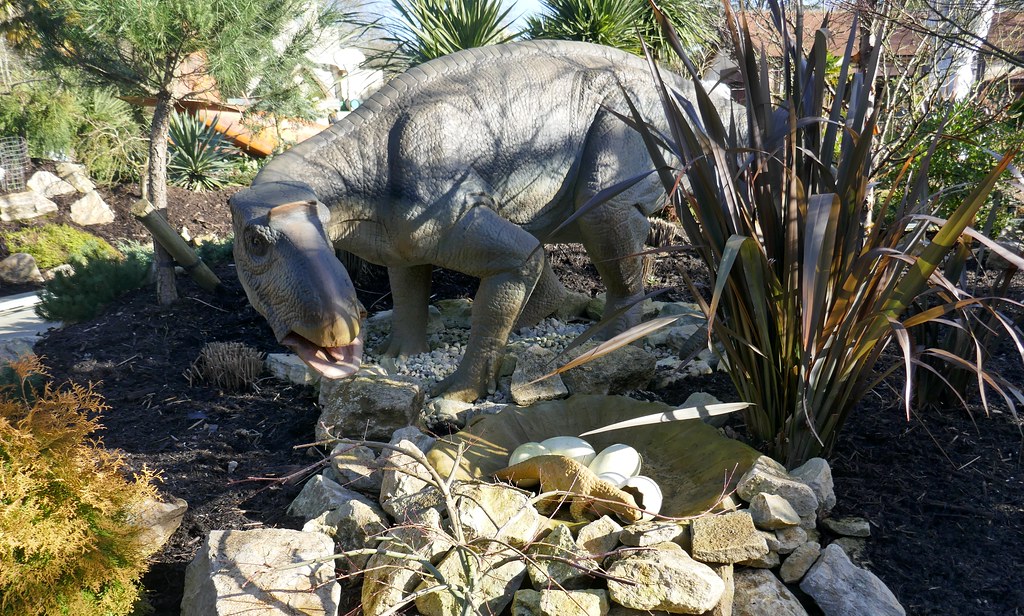
Picture this: you’re looking at a fossilized dinosaur frozen in time, crouched protectively over eggs that would never hatch. This isn’t science fiction – it’s paleontology at its most compelling. For decades, dinosaurs were viewed as cold-blooded, dim-witted reptiles that dumped their eggs and moved on. But discoveries in the last few decades have completely revolutionized our understanding of these ancient giants.
From the windswept badlands of Montana to the arid expanses of Mongolia’s Gobi Desert, fossilized nests are rewriting the story of dinosaur family life. These remarkable discoveries reveal a world where some dinosaurs were devoted parents, carefully tending their eggs and caring for their young in ways that would make modern birds proud.
Fossilized Egg Shells Tell Ancient Stories
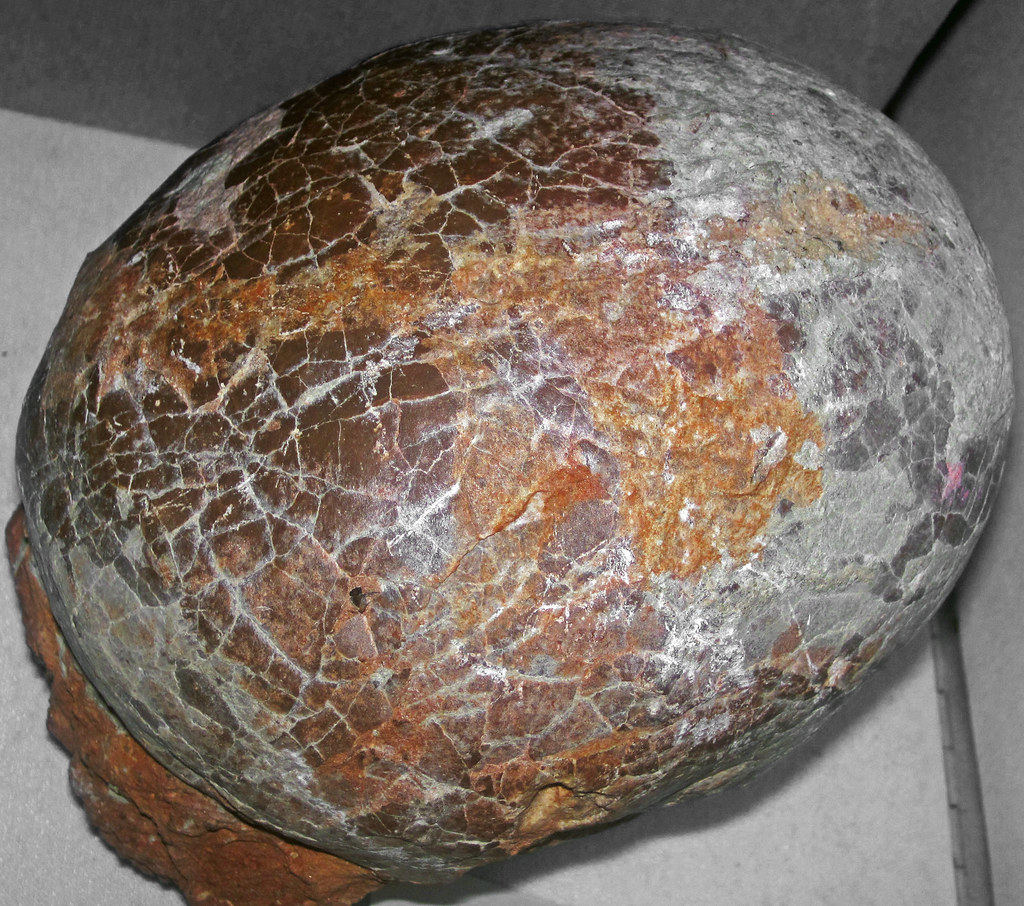
The microscopic structure of fossilized eggshells holds secrets that paleontologists never imagined they could unlock. When researchers peer through powerful microscopes, they can actually determine whether ancient dinosaur eggs were buried or brooded in open nests. When looked at under a microscope, fossilised eggs that are more porous are thought more likely to have been intentionally buried by the parent.
This seemingly simple detail has massive implications for understanding dinosaur behavior. Eggs with more pores needed to be buried because they were designed to “breathe” through soil, while less porous eggs could survive in open-air nests where parents sat directly on them. It’s like discovering ancient parenting manuals written in calcium carbonate.
The Revolutionary Discovery of Colored Dinosaur Eggs
Here’s something that would blow your mind: some dinosaur eggs weren’t just plain white or brown – they were actually colorful, just like modern bird eggs. Then, Wiemann discovered that secret traces of color were locked deep in the dozens of blanched and stained fossil eggs in museum drawers, awaiting the day scientists figured out how to unlock them. Scientists have discovered ways to extract these ancient pigments from fossilized shells that are millions of years old.
But here’s the fascinating part: The rise of colored eggs in the fossil record coincides with the shift to partially open nests that dinosaurs incubated by sitting on them, much as many modern birds do. This makes perfect evolutionary sense – if you’re burying your eggs underground where no one can see them, why waste energy making them pretty? But if you’re laying them in an open nest where predators might spot them, colorful shells could provide crucial camouflage.
Maiasaura: The Ultimate Dinosaur Mom

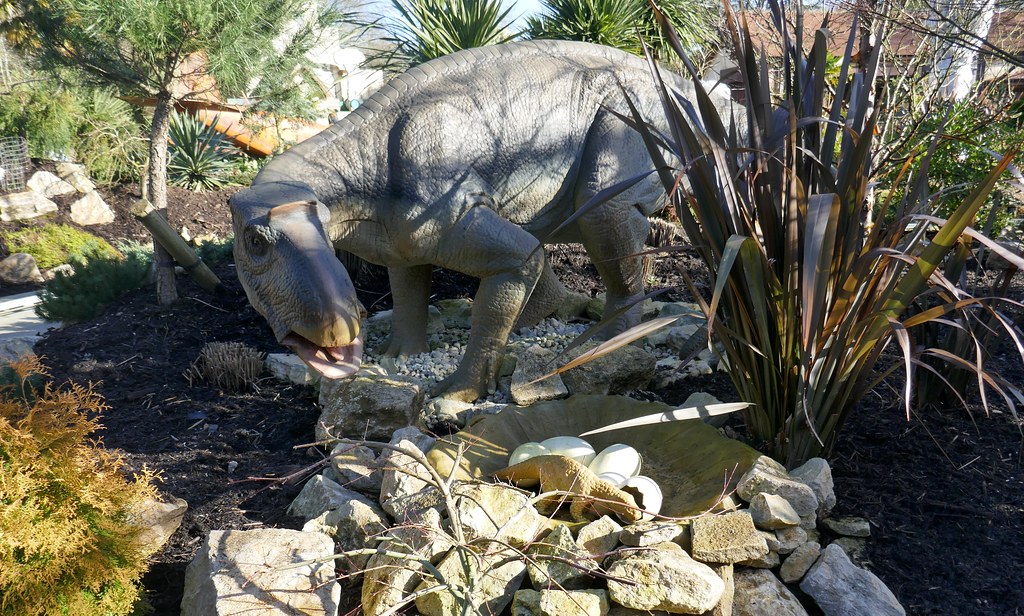
The shovel-beaked dinosaur Maiasaura, which means “good mother lizard,” got its name in part from Marion Brandvold’s discovery of a nest containing baby dinosaurs too developed to be newborns. This discovery in Montana’s badlands completely changed how we think about dinosaur parenting. These weren’t just random baby bones – they were juveniles who had been living in the nest long after hatching.
Upon hatching, fossils of baby Maiasaura show that their legs were not fully developed and thus they were incapable of walking. Fossils also show that their teeth were partly worn, which means that the adults brought food to the nest. Picture massive adult Maiasaura, weighing several tons, carefully bringing food to their helpless babies. The evidence suggests these devoted parents cared for their young for months, just like modern birds do today.
The Stunning Citipati Fossil That Changed Everything

In Mongolia’s Gobi Desert, paleontologists uncovered what might be the most emotionally powerful fossil ever found: a Citipati dinosaur literally giving its life to protect its eggs. Big Mama’ is a 75-million-year-old oviraptorid that was uncovered brooding on – meaning sitting on top of – a nest of eggs. The dinosaur was caught in the act, curled up on its nest.
This remarkable specimen shows the dinosaur with its arms spread wide, covering the entire nest perimeter. All of the nesting specimens are situated on top of egg clutches, with their limbs spread symmetrically on each side of the nest, front limbs covering the nest perimeter. Scientists believe this parent died protecting its eggs from a sudden sandstorm, refusing to abandon its precious clutch even in the face of mortal danger.
Nest Architecture Reveals Complex Behaviors
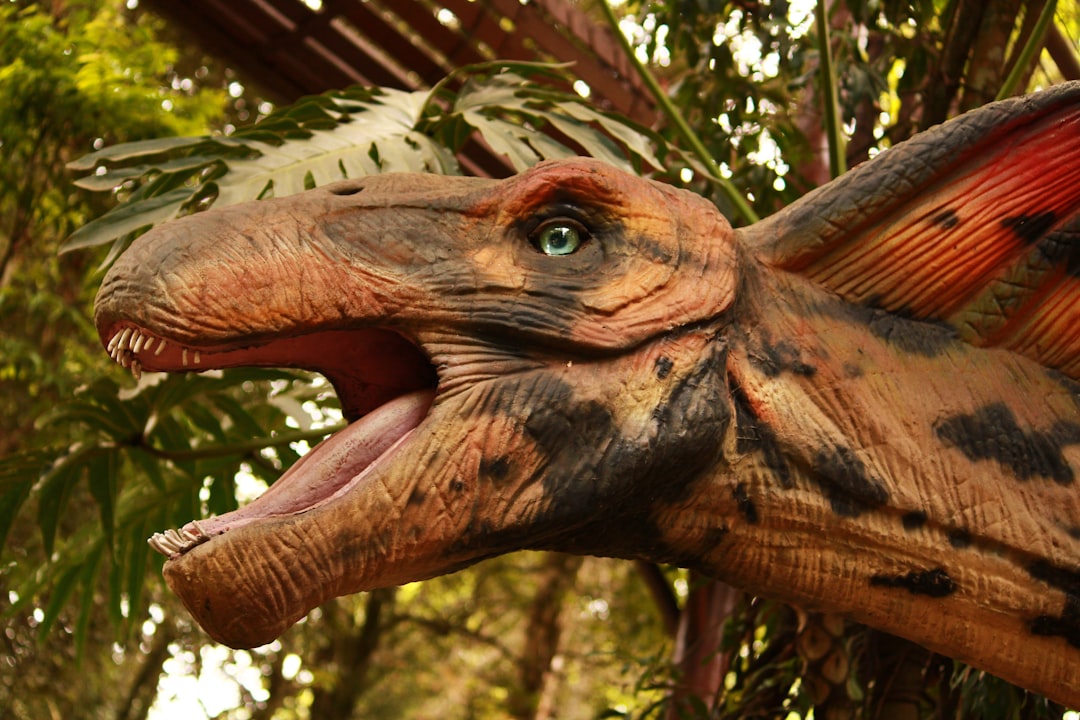
Dinosaur nests weren’t just random holes in the ground – they were carefully engineered structures that reveal sophisticated parenting strategies. The nests in the colonies were packed closely together, like those of modern seabirds, with the gap between the nests being around 7 metres (23 ft); less than the length of the adult animal. The nests were made of earth and contained 30 to 40 eggs laid in a circular or spiral pattern.
This spacing is crucial evidence of social behavior. Modern colonial birds maintain similar distances between their nests – close enough for protection and communication, but far enough apart to avoid territorial disputes. The circular arrangement of eggs also suggests deliberate planning, not random dumping.
The Surprising World of Dinosaur Dads
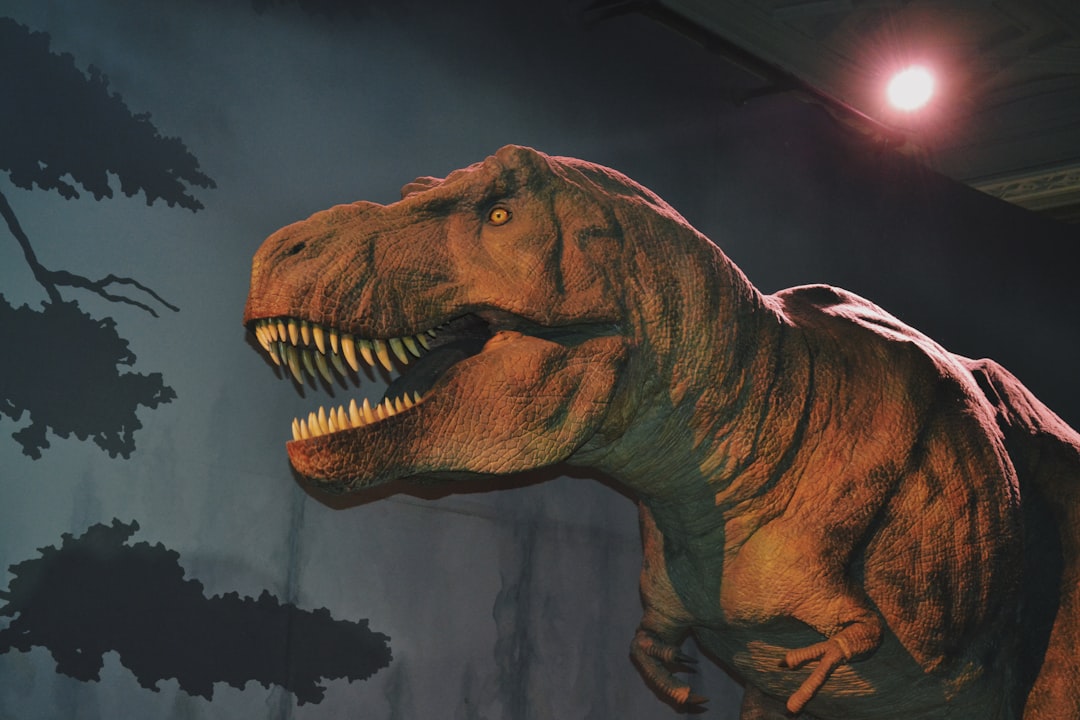
Here’s where things get really interesting: evidence suggests that in many dinosaur species, it might have been the fathers, not mothers, doing most of the egg-sitting. The lack of any evidence for bone cavities, led the scientists to conclude that these fossils represented males. The assumption being that these were the fathers and that they were brooding the nests, a behaviour seen in most types of modern bird.
This mirrors what we see in modern birds, where males often take primary responsibility for incubating eggs. Picture these devoted dinosaur dads, sitting patiently on their nests for months, occasionally getting up to grab a snack but always returning to their precious cargo. It’s a far cry from the deadbeat dinosaur parents of old Hollywood movies.
Eggshell Chemistry Reveals Incubation Temperatures
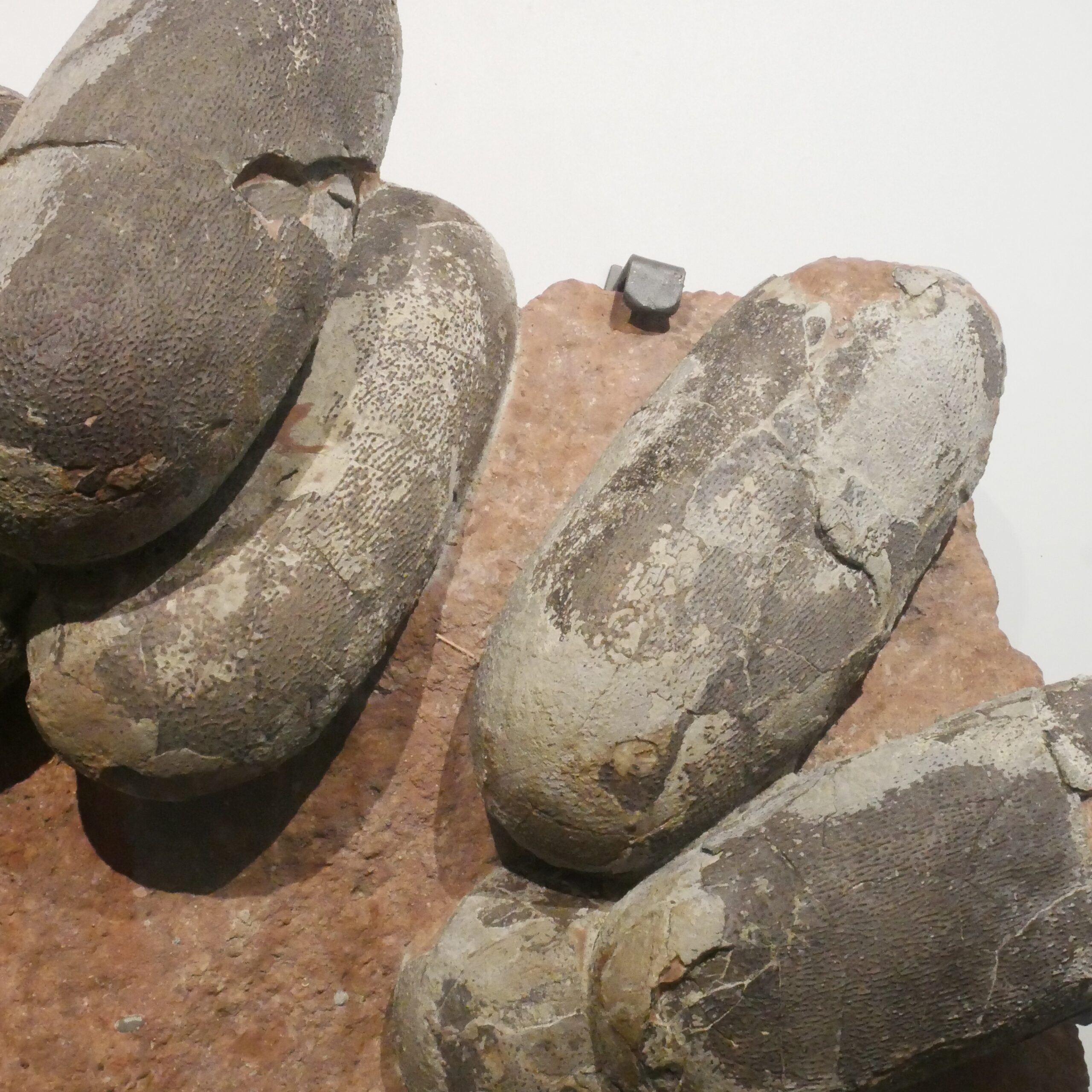
Modern technology allows scientists to measure the exact temperatures at which dinosaur eggs were incubated, millions of years after the fact. The researchers found that the embryos were incubated at 100 to 108 degrees Fahrenheit, which is consistent with the parent dinosaurs body temperature. This is remarkably similar to modern bird incubation temperatures.
The fact that these eggs were maintained at such specific temperatures proves that dinosaur parents weren’t just sitting on their nests randomly – they were actively regulating temperature, just like modern birds do. This level of parental investment suggests complex behaviors that required considerable energy and dedication.
Colonial Nesting: Strength in Numbers

Some dinosaur species took parenting to the next level by forming massive nesting colonies. Mass bone beds discovered in the Two Medicine Formation show that herds could be extremely large, potentially comprising thousands of individuals. These weren’t just loose groups – they were organized communities where thousands of dinosaurs would gather to breed and raise their young together.
The discovery at Egg Mountain indicated that Maiasaura exhibited colonial nesting behavior, where large groups, likely herds, would all nest together in one area. Imagine the incredible sight: thousands of multi-ton dinosaurs carefully tending their nests in a coordinated community effort. This level of social organization suggests intelligence and communication skills that we’re only beginning to appreciate.
Embryonic Evidence of Parental Care Strategies
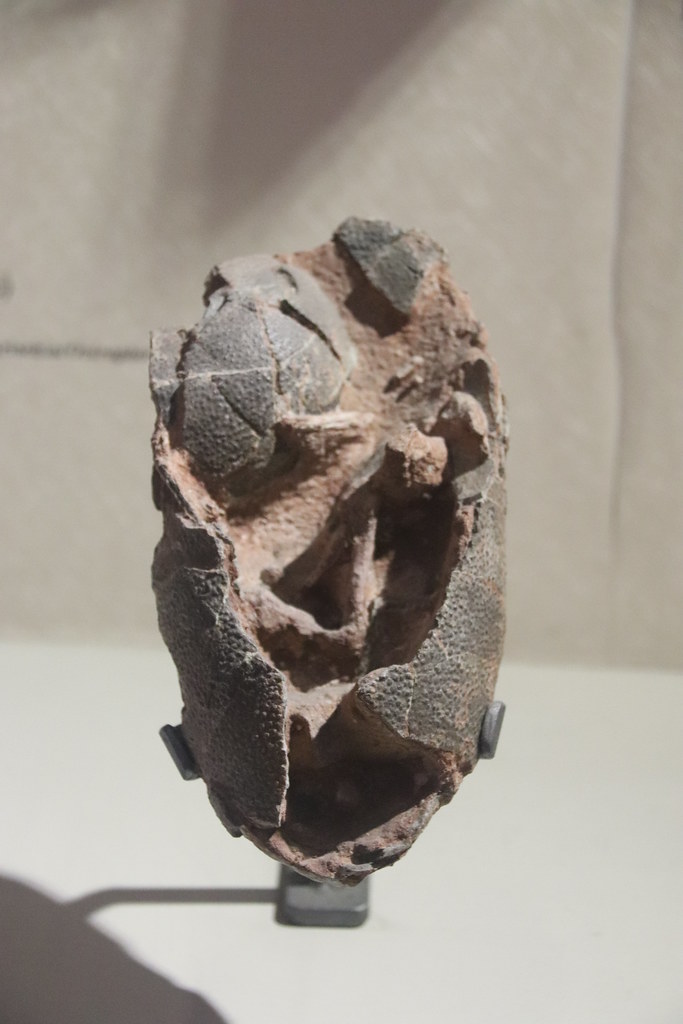
The most recent breakthrough comes from studying the chemical composition of embryonic dinosaur bones themselves. Here, we approach the question of parental care in dinosaurs by using a combined morphological, chemical, and biomechanical approach to compare early embryonic and hatchling bones of the Early Jurassic sauropodomorph Lufengosaurus with those of extant avian taxa with known levels of parental care. Such an ontogenetic record makes it possible to compare these skeletal elements with those of altricial and precocious extant birds (avian dinosaurs) with well-documented embryologic ontogenies and known levels of parental care.
By comparing fossilized embryos with modern bird chicks, scientists can determine whether ancient dinosaurs were “altricial” (helpless at birth, requiring parental care) or “precocious” (ready to fend for themselves immediately). This groundbreaking research reveals that different dinosaur species had vastly different parenting strategies, just like modern animals do today.
The Dark Side: Not All Dinosaurs Were Devoted Parents
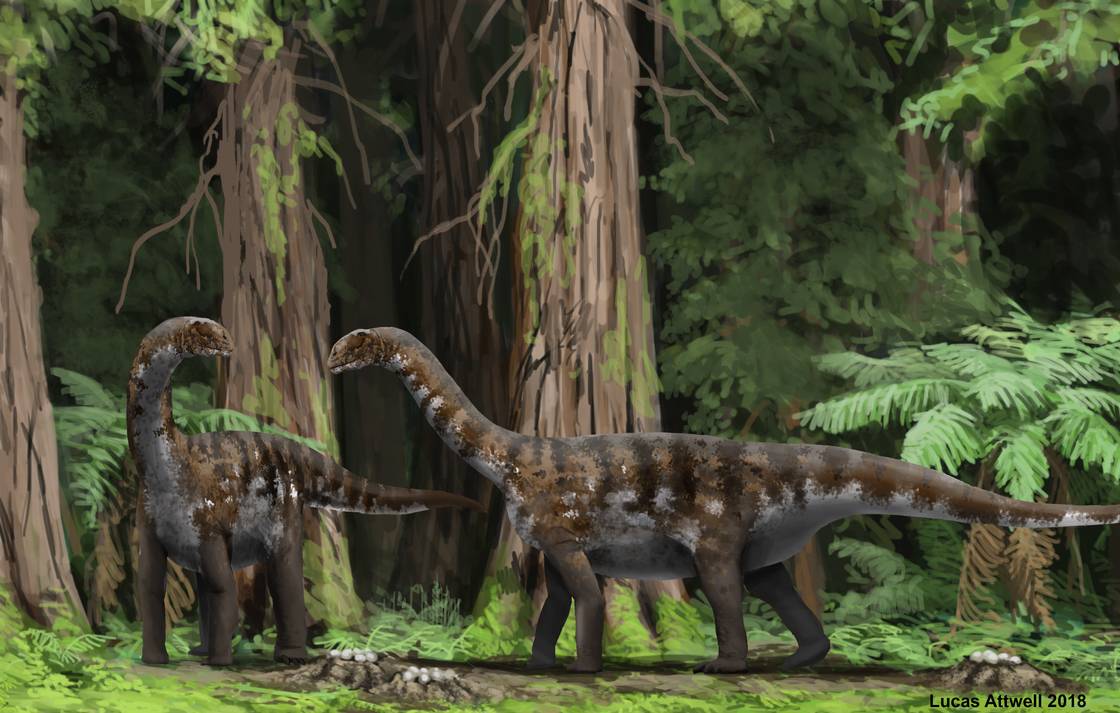
While some dinosaur species were incredibly devoted parents, others followed a more hands-off approach. The biggest dinosaurs might have done little to look after the next generation. “We have shown parental care in distantly-related dinosaurs,” Poust says, “but for some groups, like sauropods, we don’t have evidence of post-laying care.” The massive long-necked sauropods appear to have followed a “lay and leave” strategy.
This makes ecological sense when you think about it. “If giant dinosaurs were nesting in colonies like seagulls and parents remained there until hatching,” Zelenitsky says, “food resources for the parents would likely dwindle fast.” A hungry adult Brontosaurus would strip an area bare in days, making extended parental care impractical for the largest dinosaur species.
The fossilized nests scattered across ancient landscapes tell us an incredible story about the diversity of life 150 million years ago. From devoted parents who died protecting their eggs to massive colonial nesters working together to raise the next generation, dinosaurs displayed a range of parenting strategies that rivals anything we see in the modern world. These discoveries remind us that the line between “reptile” and “bird” isn’t as clear-cut as we once thought – and that sometimes the most profound scientific revelations come from the simple act of a parent protecting their young, preserved forever in stone.
What other secrets might be hiding in museum drawers, waiting for the right technology to unlock them?