Think about it for a second. Every dinosaur bone you’ve marveled at in a museum, every perfectly preserved insect trapped in golden amber, every imprint of an ancient fern pressed into stone is the result of an extraordinarily unlikely series of events. The odds of any living creature becoming a fossil are staggeringly low. Most organisms decompose completely, leaving no trace they ever existed.
Yet here we are, surrounded by evidence of life from billions of years ago. How does this happen? Let’s be real, fossilization isn’t just about things turning into rocks. It’s a collection of remarkable processes that operate under very specific conditions. Each method of preservation tells you a different story about the organism it captured and the environment where it died. So let’s dive in and explore the seven miraculous ways nature preserves its ancient secrets.
1. Permineralization: Nature’s Stone Transformation
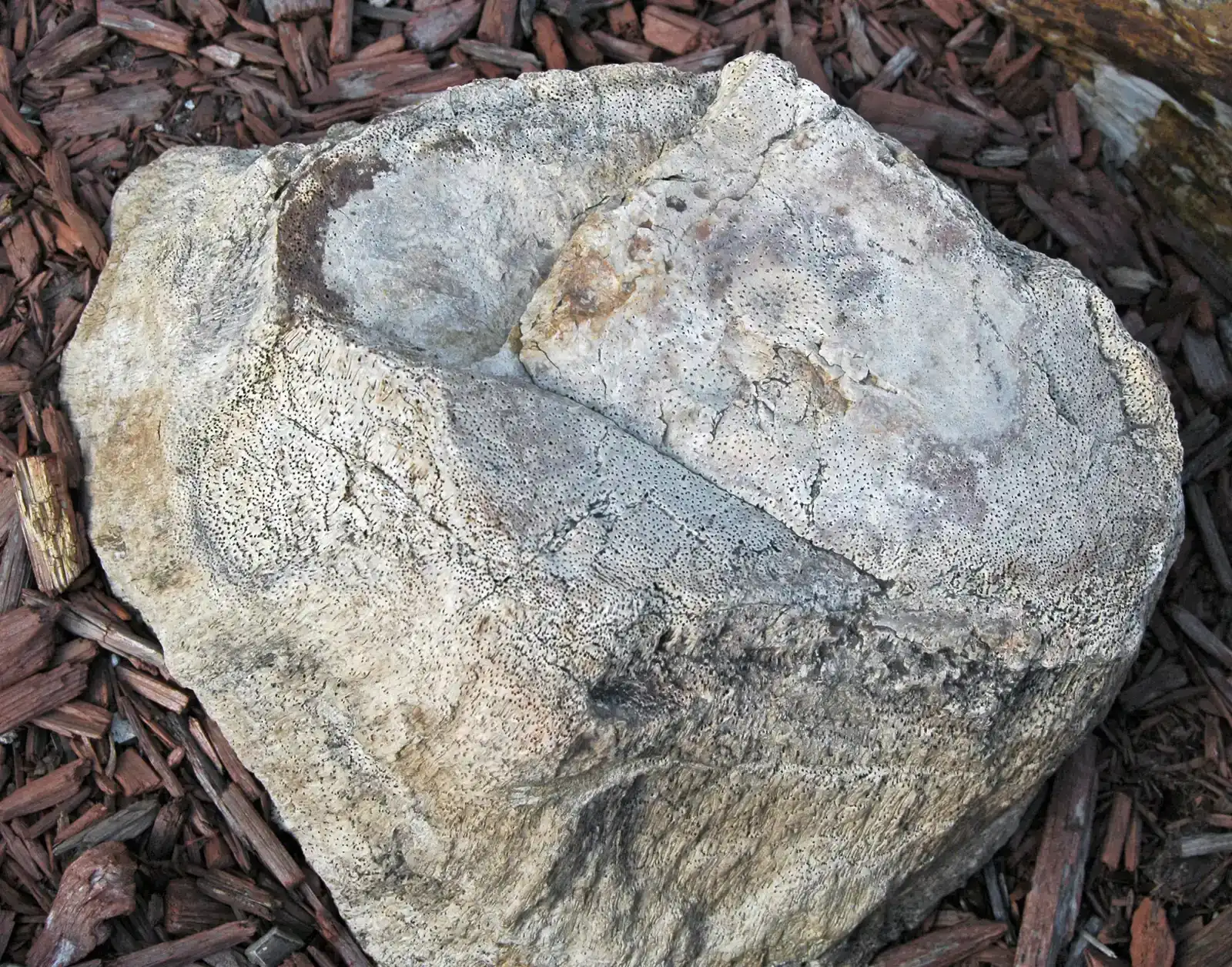
Permineralization is the most common method of fossilization, where mineral-rich fluids moving through porous rock fill spaces in shells, bones, or teeth with preserving minerals like calcium carbonate or silica. Picture this: an organism dies and gets buried in sediment. Over time, groundwater loaded with dissolved minerals seeps through the remains. The minerals gradually fill every tiny pore and cavity in the bone or wood, essentially turning it into stone while maintaining its original structure.
This water deposits minerals, typically silica, into empty spaces, producing a fossil, and fossilized dinosaur bones, petrified wood, and many marine fossils were formed by permineralization. What’s fascinating here is that the original organic material often remains. You can still find bone marrow spaces filled with mineral cement. It’s easy to tell apart a modern bone from a permineralized fossil bone because the fossil bone will feel much denser when lifted. The process effectively preserves the three-dimensional architecture of the organism in stunning detail.
2. Amber Preservation: Time Capsules from Ancient Forests
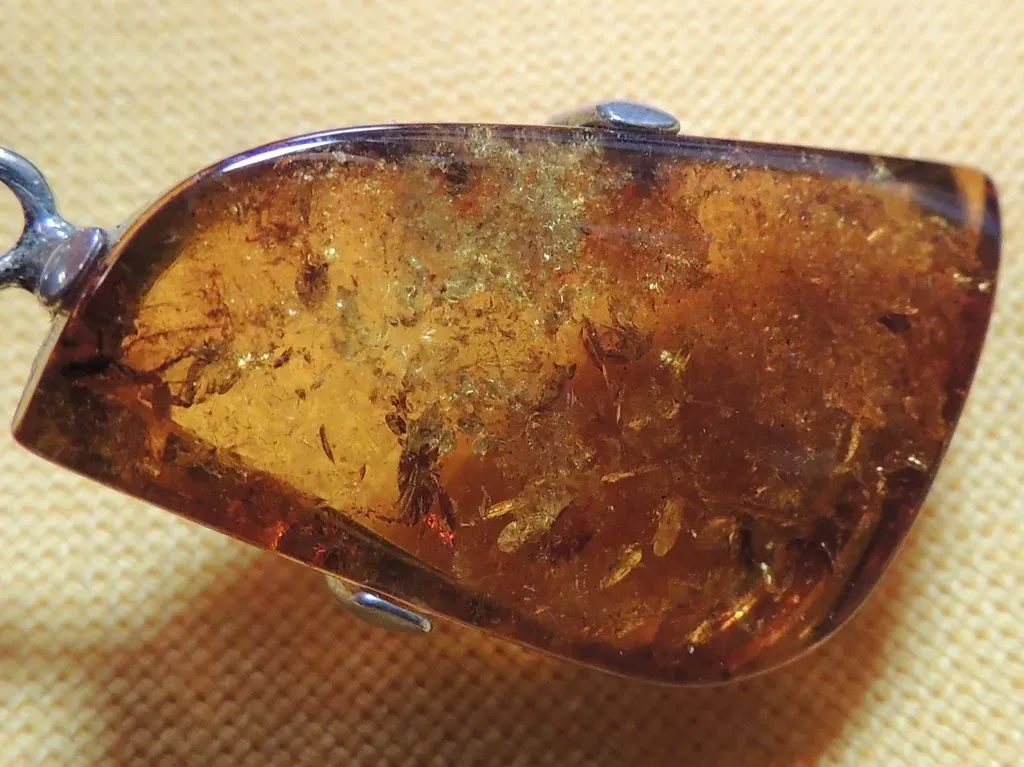
Amber is fossilized tree resin, and because it originates as a soft, sticky tree resin, amber sometimes contains animal and plant material as inclusions. Imagine a tiny insect or spider landing on a fresh glob of sticky resin oozing from a wounded tree millions of years ago. The creature becomes trapped, struggling but unable to escape. More resin flows over it, completely encasing it in a golden tomb.
The sticky resin of a tree can become fossilized, and amber can preserve the bodies of many delicate, soft-bodied organisms, such as ants, flies, and mosquitoes. Here’s the thing: amber preservation is incredibly rare, but when it happens, it’s spectacular. Sustained heat and pressure drives off terpenes and results in the formation of amber, but for this to happen, the resin must be resistant to decay. The resin will eventually harden to form a golden amber that has been shown to preserve fossils up to 100 million years old. The organisms inside sometimes retain details impossible to find in other types of fossils, giving you an unprecedented window into ancient ecosystems.
3. Carbonization: Flattened Shadows of the Past
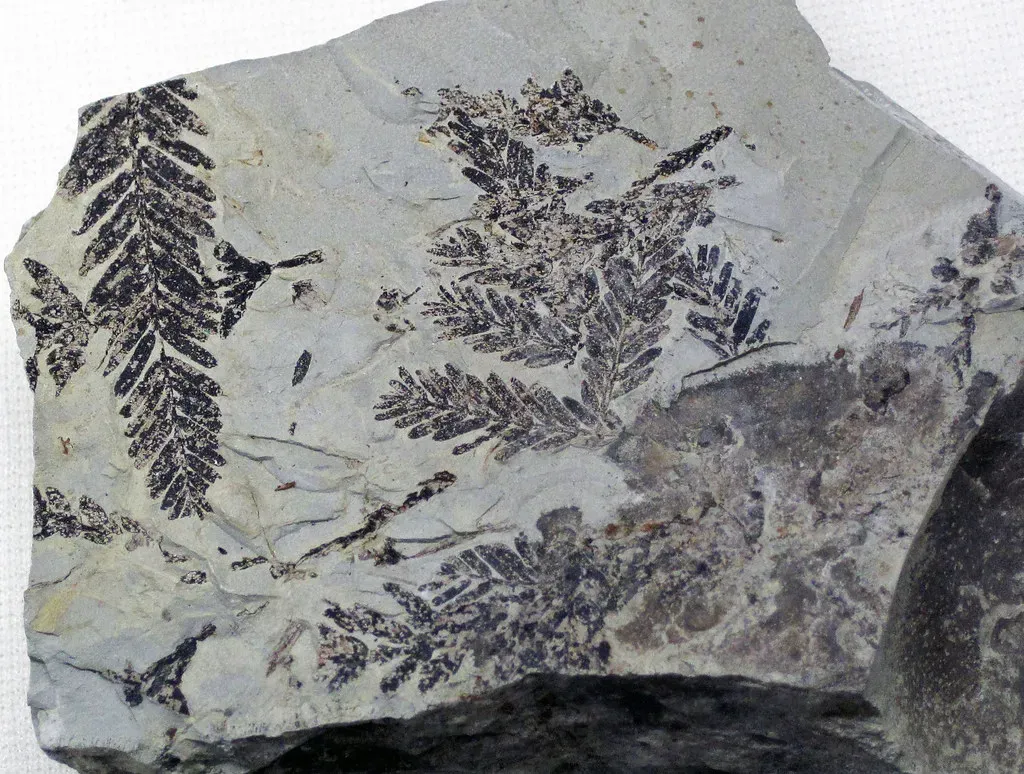
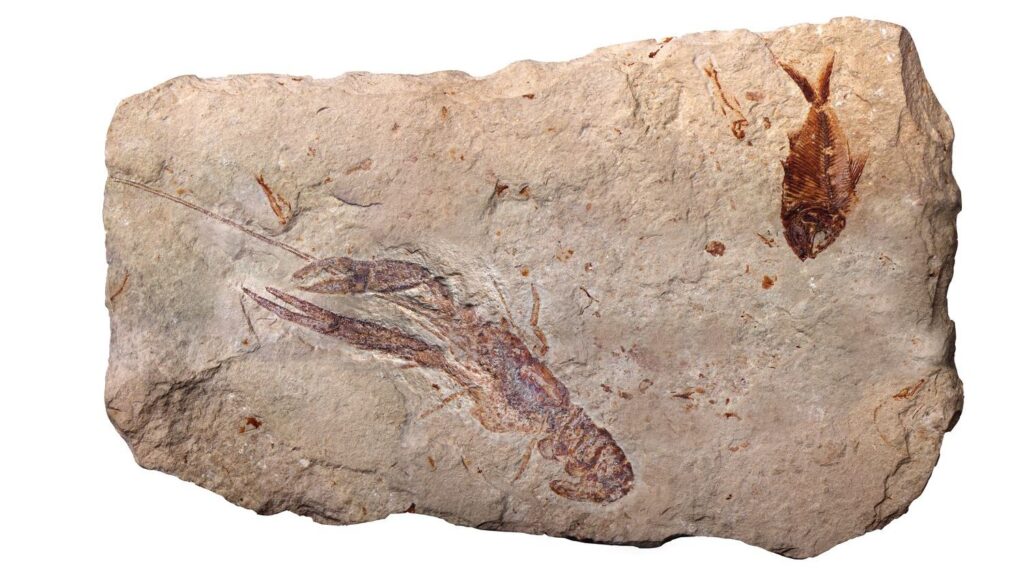
Carbonized remains may result when organisms are rapidly buried, especially in low-oxygen conditions, and are thin, approximately two-dimensional films of carbon preserved on a flat surface of rock. This process happens when an organism gets compressed under layers of sediment. The intense pressure squeezes out all the liquids and gases, leaving behind only a thin carbon film.
Carbon films are formed when organisms are buried in sediment, and the pressure causes liquids and gases to escape, leaving a thin layer of carbon that often reveals delicate parts of plants, insects, and fish. Think of it like nature’s photocopier, creating a dark silhouette on rock. Most fossils that exhibit soft part preservation are carbonizations, and examples include many plant fossils, insect fossils, and the famous fossils of the Burgess Shale. What makes this preservation method so valuable is its ability to capture organisms that would never fossilize otherwise. You can see the veins in ancient leaves, the delicate wings of prehistoric insects, even the outline of soft tissues.
4. Molds and Casts: Nature’s Sculptures
In cases where the original shell or bone is dissolved away, it may leave behind a space in the shape of the original material called a mould, and at some point in the future, sediments may fill the space to form a matching cast. This dual preservation method works like making a plaster sculpture. First, the organism gets buried and the sediment hardens around it. Then the original material dissolves completely, leaving a hollow impression.
Molds are impressions left in sediment by the organism, while casts form when these molds are filled with minerals, and this process can recreate detailed images of the organism’s outer structure. If minerals later fill that empty space, you get a cast, which is essentially a natural replica of the original organism. Soft-bodied sea creatures such as snails are commonly found as moulds and casts because their shells dissolve easily. The beauty of this method is that it captures surface details with remarkable precision. You can observe textures, patterns, and external features that tell you how the creature looked on the outside.
5. Pyritization: The Fool’s Gold Phenomenon
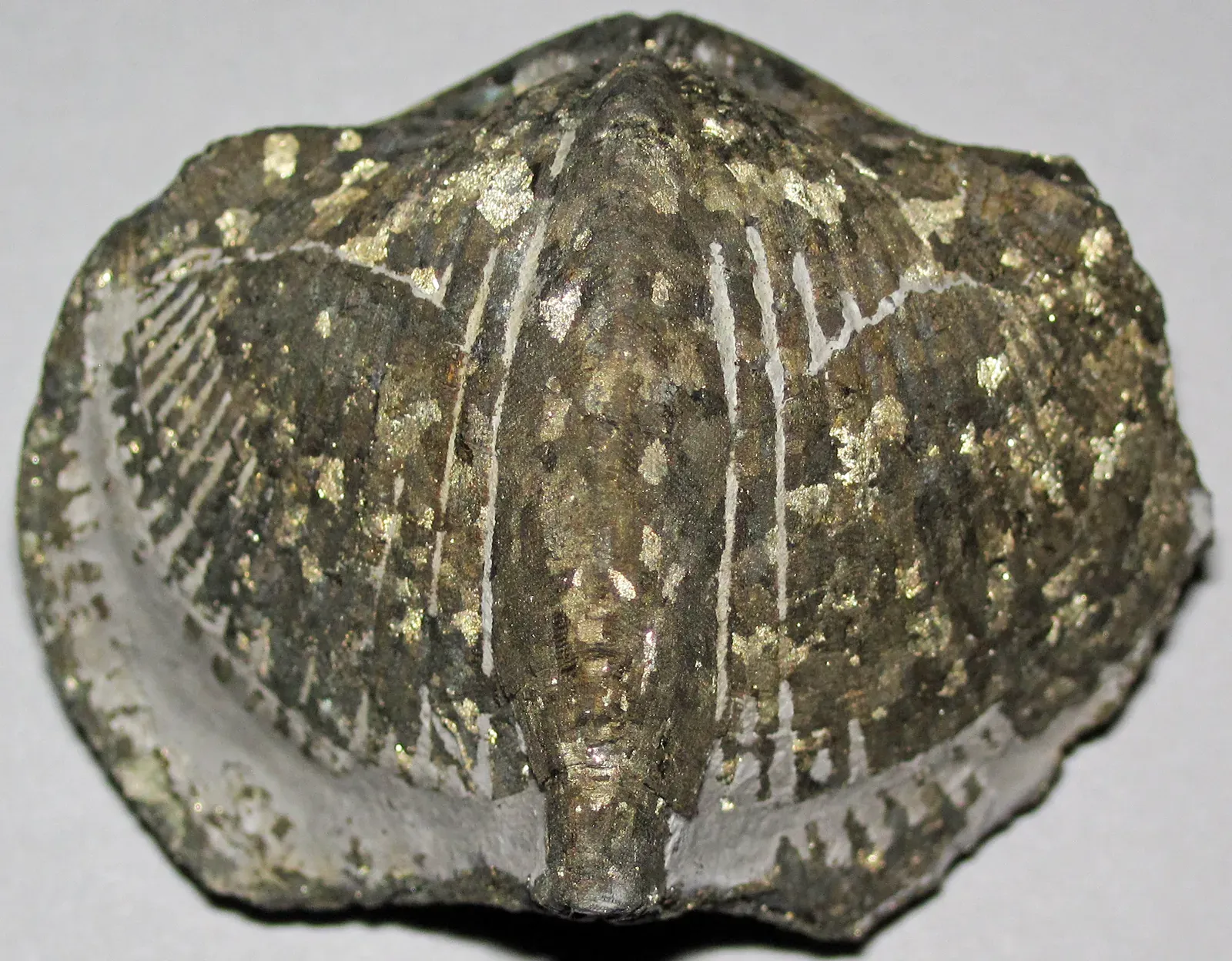
The mineral pyrite sometimes replaces calcite, leading to golden colored fossils that are said to be pyritized, and in some rare cases, the pyrite not only replaces the hard shells of ancient animals, but also the soft parts, revealing features like the legs and antennae of trilobites. This striking preservation occurs when iron sulfide minerals replace the original tissues of an organism. The results can be absolutely stunning, with fossils that literally glitter.
Permineralization is the result of early infiltration and permeation of cells and tissues by mineral-charged water, and mineralization in pyrite is called pyritization. What’s remarkable about pyritization is its ability to preserve incredible detail. In protists without an exoskeleton or shell, structures including the nuclei, surface envelopes and hyaloplasm are the main sites of pyritization, and in protists with a biomineralized skeleton like diatoms, silicon was replaced by pyrite. You can find fossils where even the cellular structures of ancient microorganisms are preserved. It’s hard to say for sure, but pyritization might give you some of the most detailed fossils ever discovered.
6. Exceptional Preservation in Anoxic Environments
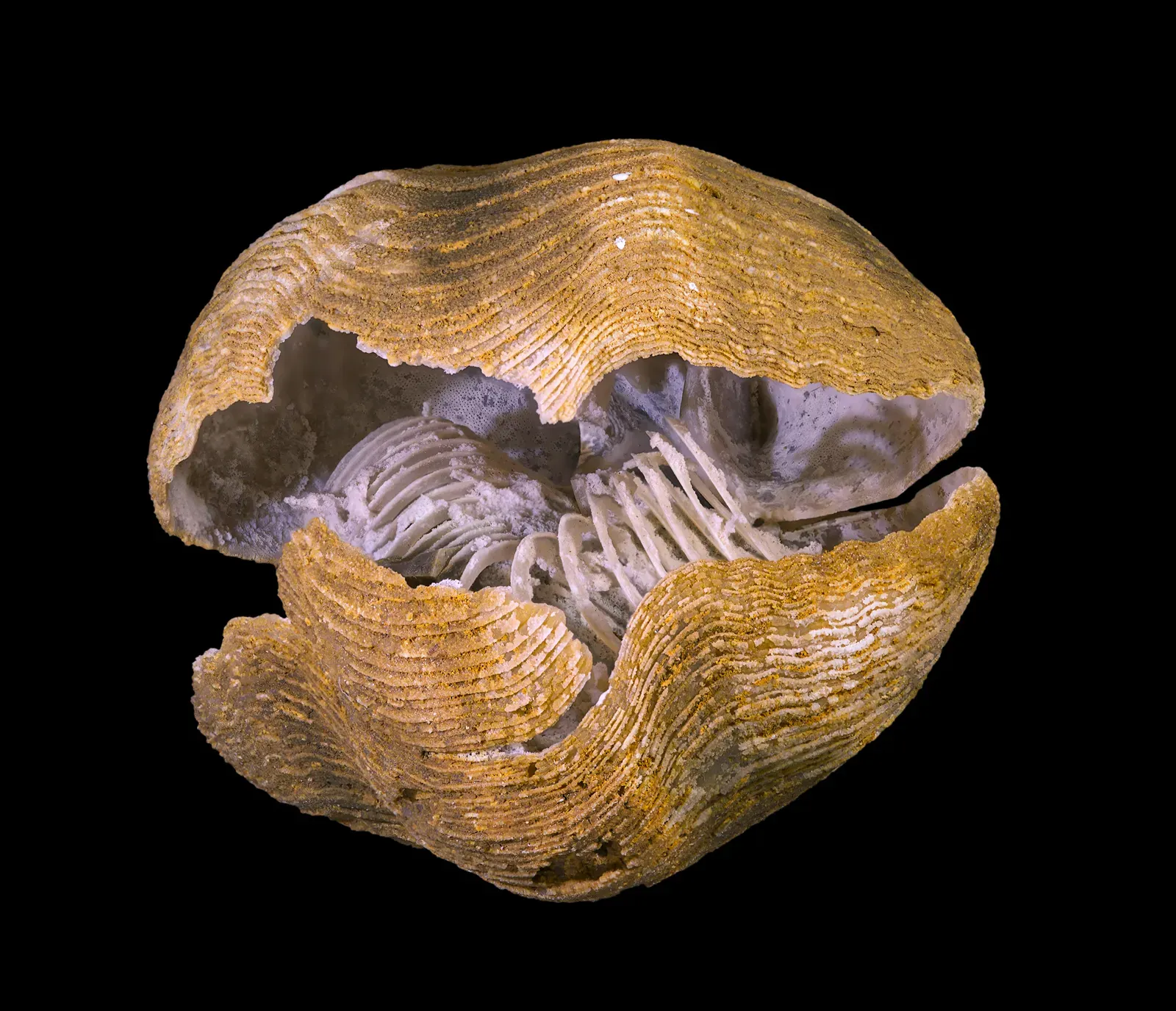
Deposits where organisms are exceptionally fossilized share several attributes that enhance preservation, such as rapid burial, limited or no substrate bioturbation, and anoxic or dysoxic bottom water conditions. Anoxic means without oxygen, and these oxygen-free environments are preservation gold mines. When bacteria and scavengers can’t survive to decompose a body, soft tissues have a fighting chance at fossilization.
This preservation occurs when remains are buried rapidly in an oxygen-free, low-energy sedimentary environment, though since these conditions are uncommon, the preservation of soft tissue rarely happens. Picture a creature dying and sinking to the bottom of a stagnant lake or a deep ocean basin where no oxygen reaches. The normal decay processes simply can’t happen. Exceptionally preserved soft tissues yield much more information than skeletal remains alone, and if certain environmental conditions slow the normal recycling of organic material, soft tissues can become geologically stabilized by processes of mineralization or maturation. These rare deposits, called Konservat-Lagerstätten, give you fossils with skin, muscles, internal organs, and other soft tissues that normally disappear within days of death.
7. Frozen and Desiccated Remains: Preservation by Extremes
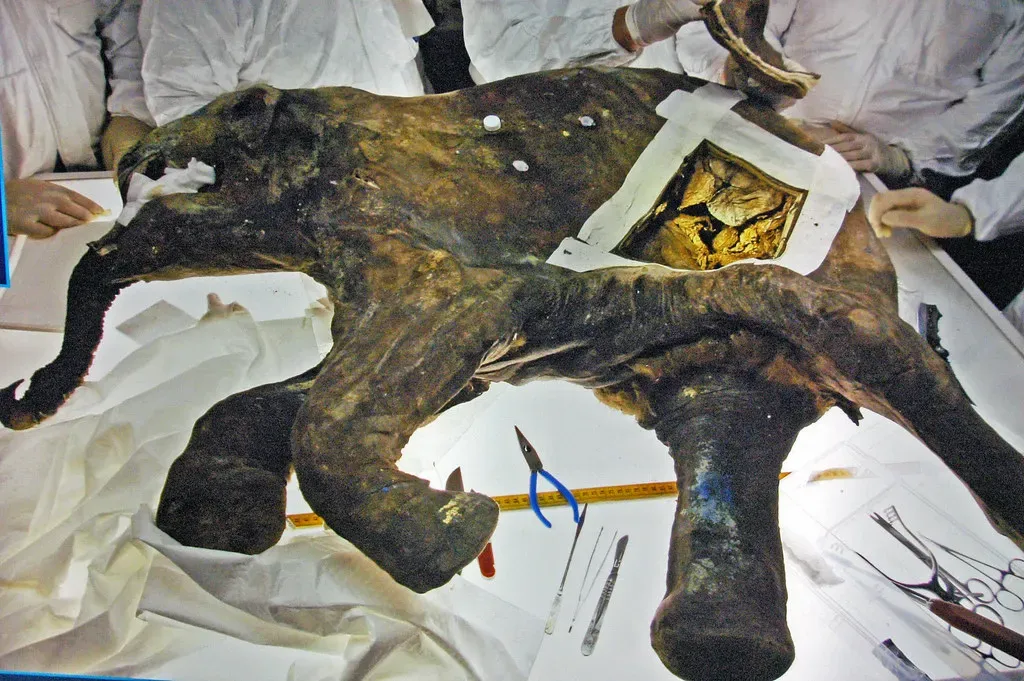
Drying or desiccation involves the dehydration of tissue so that decay or scavenging does not occur, and it is similar to mummification, preserving skin and organs as well as hair and feathers. This preservation method might be the most intuitive. Freeze something or dry it out completely, and it won’t rot. Nature has been using this technique for millions of years in extreme environments.
Natural mummies, frozen mammoths, and pack rat middens that preserve a cross section of plant material are important windows into ancient times and places, though the conditions seldom persist for geologically long periods, and so most unaltered remains tend to be geologically recent. Frozen mammoths from Siberia still have hair, skin, and sometimes even stomach contents intact. Most fossils that have been preserved by desiccation are found in dry caves in arid environments as in the American Southwest, most notably in Grand Canyon National Park. The challenge with these preservation types is that ice melts and dry environments can become wet over geological time. Still, when you find them, these fossils are absolutely extraordinary.
Conclusion: A Fortunate Accident Billions of Years in the Making
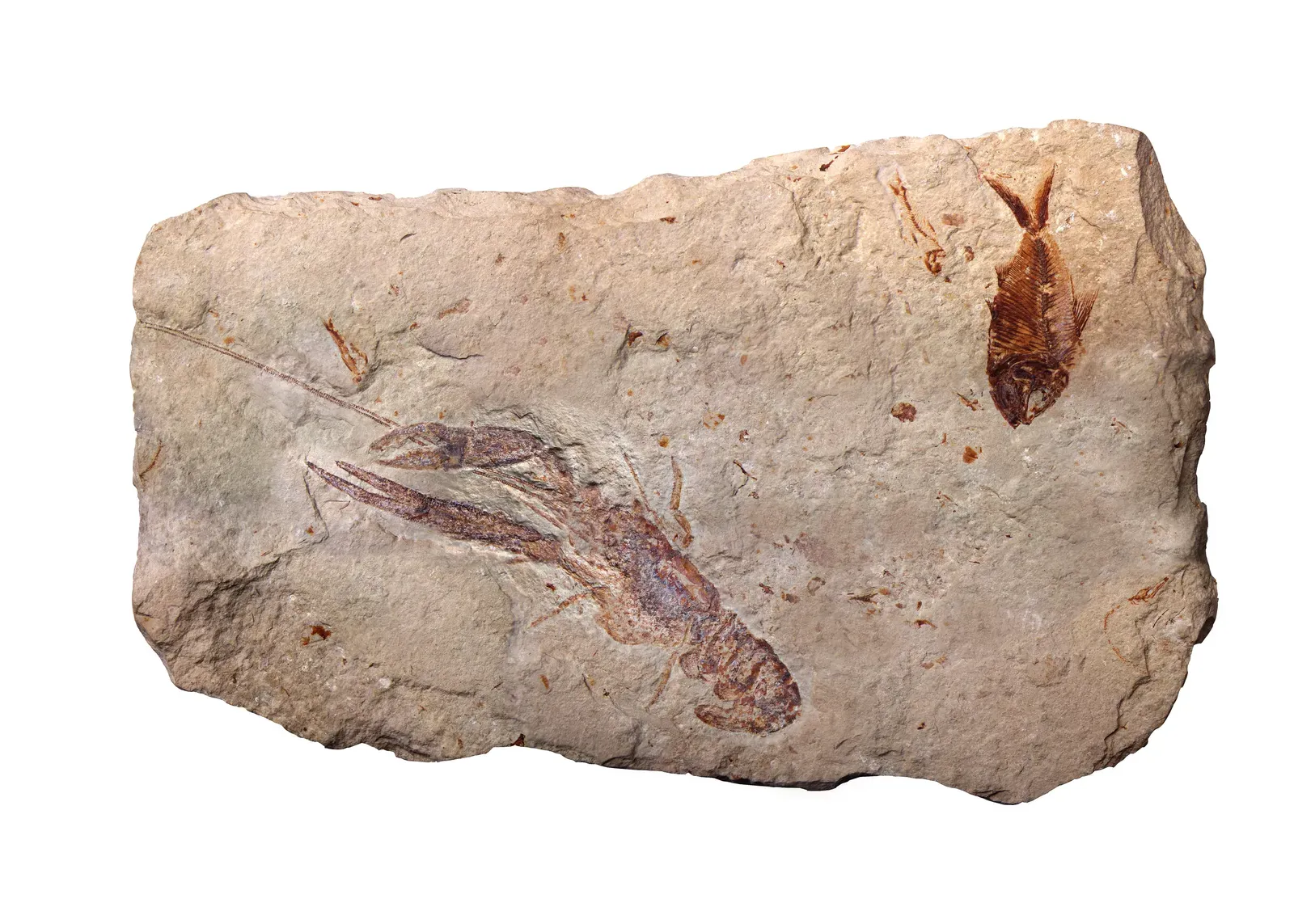
Fossilization is quite rare, despite the vast number of fossils that have been found. Each preserved organism represents a miraculous convergence of the right conditions at exactly the right time. The creature had to die in the right place, get buried quickly enough, and then survive millions of years of geological chaos without being destroyed.
What’s truly mind-blowing is that despite the astronomical odds against fossilization, you still have an incredible fossil record spanning billions of years. Every method of preservation tells you something different about ancient life and the environments where organisms lived and died. From mineralized bones to insects trapped in amber, from carbon films of delicate ferns to perfectly preserved mammoths frozen in ice, each fossil is a testament to the power of natural processes to preserve the past.
Did you expect that so many different processes could preserve ancient life? What do you think is the most remarkable type of fossilization? The diversity of preservation methods ensures that you get multiple perspectives on ancient ecosystems, allowing scientists to piece together the story of life on Earth in ways that would be impossible with just one type of fossil.