Have you ever felt that something was off during a conversation, even though the words seemed perfectly fine? Maybe you sensed dishonesty, discomfort, or hidden excitement that the speaker never mentioned out loud. That nagging feeling wasn’t paranoia. Your brain was picking up on something far more powerful than words alone.
It’s not the words you use but your nonverbal cues or body language that speak the loudest. Think about it this way: every single day, you’re surrounded by a silent conversation happening right beneath the surface of spoken language. Just 7% of what we understand actually comes from words, while a staggering 65% is classed as nonverbal. This means the majority of human communication happens without a single syllable being uttered. Your body is constantly broadcasting signals about your real thoughts, emotions, and intentions, whether you realize it or not.
So what if you could learn to decode this hidden language? What if you could see past the polite smiles and carefully chosen words to understand what people truly mean? Let’s dive in and uncover the secret signals that reveal what’s really going on.
Your Body Betrays Your Mind Before You Even Speak

Here’s the thing about body language: it’s brutally honest. Body language is a natural, unconscious language that broadcasts your true feelings and intentions. Unlike the words you carefully select, your physical movements and expressions often leak out before your conscious mind can filter them. If you say one thing, but your body language says something else, your listener will likely feel that you’re being dishonest. When faced with such mixed signals, the listener has to choose whether to believe your verbal or nonverbal message.
This automatic response happens because your body reacts to your internal state faster than your brain can construct a verbal response. It’s an evolutionary trait we share with other primates, hardwired into our nervous system. When you’re anxious, excited, or lying, your body gives you away through tiny movements, shifts in posture, or fleeting facial expressions that last less than a second.
The Direction Your Body Points Reveals Where Your Interest Lies

Our bodies are one big arrow from our chest to our feet, and the way we point this arrow can say a lot about our true thoughts and feelings. This concept, known as the body language of intentions, is surprisingly straightforward once you know what to look for. The direction that the body is facing indicates what the person is interested in. Body follows the mind.
Let me give you an example. Imagine you’re talking to someone at a party, but their entire torso is tilted away from you. This usually suggests that he is not interested in you and is looking forward to leave the conversation. Even more telling are the feet. A foot pointing towards something usually indicates that the person is interested in what the foot is pointing to. If someone’s foot is pointing towards you, it shows that the person is interested in you. Next time you’re in a group conversation, glance down briefly. You might be surprised at what you discover about who really wants to be there and who’s mentally already walking toward the exit.
Eyes Tell Stories Words Cannot

You’ve probably heard that eyes are windows to the soul, but honestly, they’re more like neon signs flashing your emotional state. Eye contact is critical; you get to see the other person’s eyes and thereby can better understand the true meaning of their words. It is well known that eye contact will generally improve communication. The amount and quality of eye contact someone makes can reveal comfort, interest, or deception.
Now, here’s where things get interesting. Psychologists at University College London found that the preferred length of eye contact between strangers is around 3.2 seconds at any one time. Too little and you seem disinterested or evasive. Too much and you cross into uncomfortable territory. Direct eye contact suggests interest in a person. Avoiding eye contact usually indicates disinterest, shyness, potential deception, being troubled or submissiveness. That said, context matters enormously. Someone avoiding your gaze might simply be thinking deeply rather than hiding something.
Microexpressions Flash Truth Faster Than Lies Can Form

Microexpressions are extremely brief (faster than half a second), involuntary, unconscious facial expressions of emotion. Microexpressions signal concealed, suppressed, or repressed thoughts and feelings. These lightning-fast facial movements happen so quickly that most people don’t even notice them, yet they’re some of the most reliable indicators of someone’s true emotional state.
The fascinating part about microexpressions is that they’re nearly impossible to fake or control. Most people don’t see them, and those who see them see something but don’t know how to interpret them. Training yourself to spot these fleeting signals can give you an almost unfair advantage in reading people. Someone might smile and say everything is fine, but a flash of disgust or fear across their face lasting a fraction of a second tells the real story. It’s hard to say for sure, but learning to recognize these signals might just change how you perceive every conversation you have.
Crossed Arms Don’t Always Mean What You Think

Let’s be real: if you’ve ever taken an introductory course on body language or read a pop psychology article, you’ve probably heard that crossed arms mean defensiveness or hostility. Most people think that crossed arms are a sign of aggression or refusal to cooperate. In fact, crossed arms can signal many other things, including anxiety, self-restraint, and even interest, if the person crossing their arms is mirroring someone who is doing the same.
In some situations, it may represent anger and distaste, or anxiety and fear when used as a blocking signal, but it has other self-serving purposes too. Psychologists claim that when we cross our arms we’re basically giving ourselves a hug by practicing soothing behavior. So before you assume someone is closed off to your ideas, consider whether they might just be cold, comfortable in that position, or self-soothing because they feel vulnerable. Context is everything when reading body language, and jumping to conclusions based on a single gesture is one of the biggest mistakes you can make.
The Space Between Reveals Relationship Status

American anthropologist Edward Hall studied this behavior and coined the term proxemics to understand how body language represents relationships. Hall described 4 zone distances which can be found in Westernized cultures, the first of which is the intimate zone – between 6 and 18 inches – which is reserved for lovers and family members. The physical distance someone maintains from you speaks volumes about how they perceive your relationship.
When a stranger invades this zone, it triggers our territorial instinct and we start to feel hostile, which explains people’s discomfort on busy public transport. The personal zone of between 18 and 48 inches is used for parties and social functions, the social zone of 4-12 feet is the distance used by strangers. Pay attention to whether someone leans in or steps back during conversations. Those small adjustments in distance reveal their true comfort level with you, regardless of what their words might suggest. Someone who’s interested will consistently find ways to close the gap, while someone who’s uncomfortable will subtly maintain or increase distance.
Deception Leaks Through Nonverbal Channels
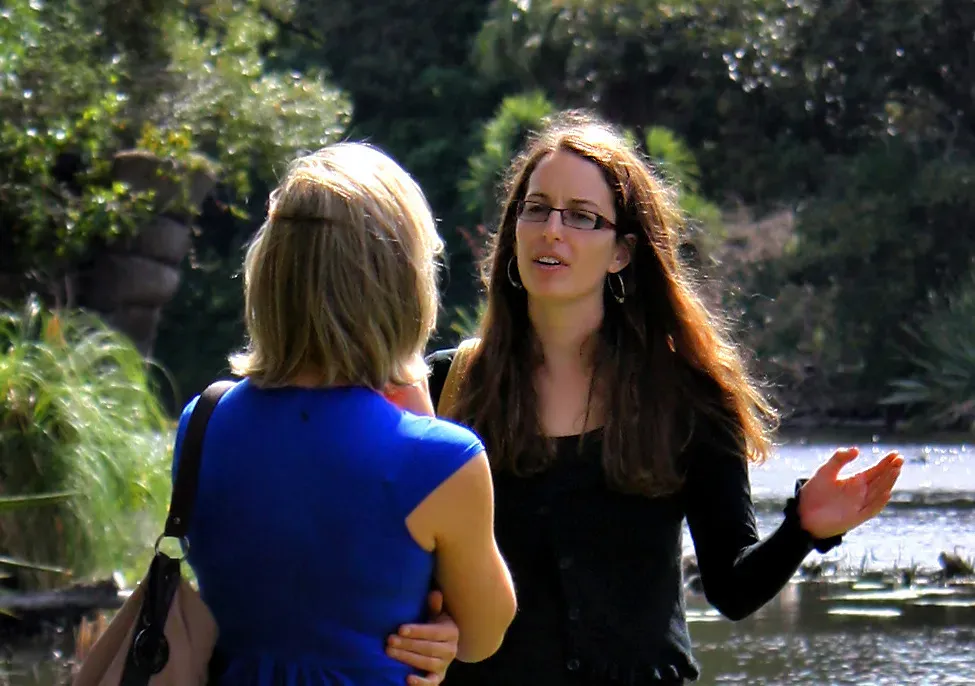
Ekman and Friesen proposed the nonverbal leakage hypothesis. This hypothesis suggests that individuals may display nonverbal behaviors, indicative of emotions such as anxiety, fear, or duping delight, when attempting to deceive others. When someone lies, their cognitive load increases dramatically because they’re trying to construct a false narrative while suppressing the truth and monitoring your reactions simultaneously.
Individuals experience a greater cognitive load during lying, manifesting as observable cues to deception. However, here’s the catch: the nonverbal cues to deceit discovered to date are faint and unreliable and people are mediocre lie catchers when they pay attention to behavior. There’s no Pinocchio effect, no single telltale sign that someone is lying. Many prominent researchers searched for the single behavioral tell that was a cue to deception. A seminal meta-analysis published two decades ago provided ample evidence that there is no one, single telltale sign of lying. Instead, you need to look for clusters of behaviors and deviations from someone’s normal baseline.
Gestures and Fidgeting Reveal Internal States
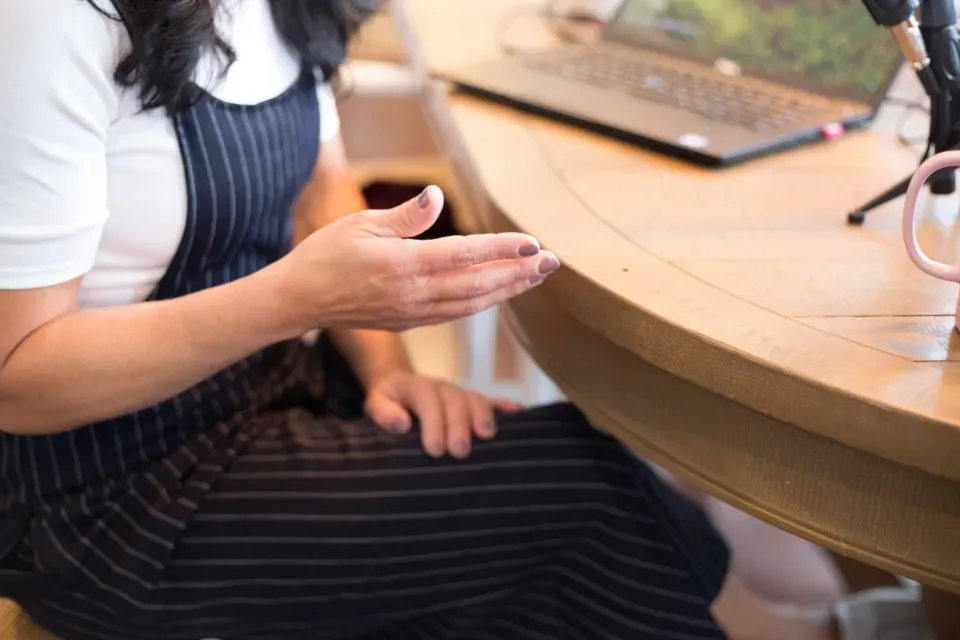
The hands are constantly in motion during conversations, and every movement carries meaning. All of your nonverbal behaviors – the gestures you make, your posture, your tone of voice, how much eye contact you make – send strong messages. Some gestures are illustrators that emphasize speech, while others are adaptors or self-soothing movements like touching your face, playing with your hair, or tapping your fingers.
Liars showed a higher frequency of self-adaptors and a longer duration of gaze aversion. These self-touching behaviors often increase when someone feels uncomfortable, anxious, or is working hard to control their presentation. All body language reveals where a person is on a simple spectrum from comfort to discomfort, and pacifying behaviors – which include neck-touching, forehead-rubbing and arm-massaging – attempt to push our body back into the comfort zone. Watch for sudden increases in these soothing gestures. They’re your clue that something in the conversation has triggered stress or discomfort, even if the person’s words remain calm and collected.
Posture Projects Power or Submission

People pick up information about others’ thoughts and feelings through body posture, mannerisms, and gestures. During communication, the total impact of a message can be largely attributed to nonverbal communication. The way you hold your body broadcasts confidence or insecurity before you even open your mouth. Someone who stands tall with shoulders back and takes up space projects authority and self-assurance.
A posture that is curled inward may suggest anxiety or fear. Slouching, making yourself smaller, or hunching your shoulders sends signals of low confidence or submission. What’s really fascinating is that this works both ways. Adopting a confident posture doesn’t just change how others see you; it changes how you feel about yourself. Small tweaks – like standing taller or holding eye contact – can trigger a genuine boost in your confidence. Your body language doesn’t just reflect your internal state; it can actually create it. Stand like a confident person, and your brain starts to believe you are one.
Understanding the Unspoken Changes Everything
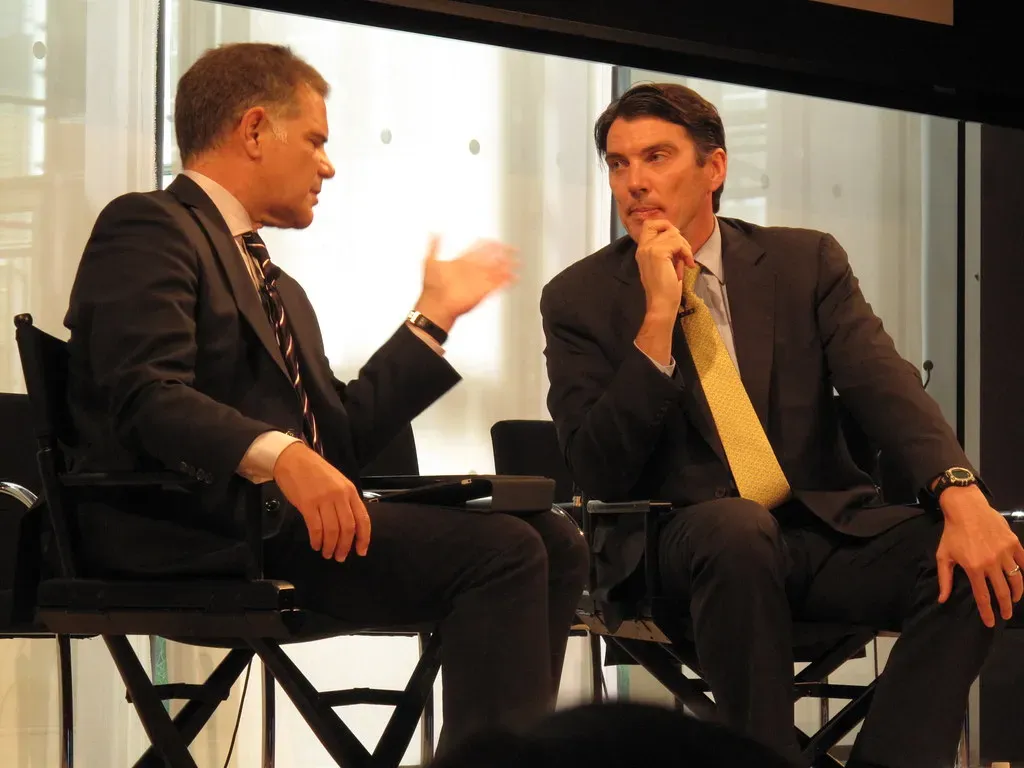
Mastering the secret language of body language isn’t about becoming a human lie detector or manipulating people. It’s about developing deeper awareness and empathy in your interactions. How people move and express themselves without words, known as body language, can provide clues about their feelings and sometimes most intimate intentions. By paying attention to facial expressions, hand movements, and posture, you can learn quite a bit about what’s happening beneath the surface of any interaction.
By improving how you understand and use body language and nonverbal communication, you can express what you really mean, connect better with others, and build stronger, more rewarding relationships – both in your personal and professional relationships. When you start seeing the conversation beneath the conversation, you stop just hearing words and start seeing the real story. You notice when someone’s enthusiasm is genuine versus forced. You recognize when a colleague needs support even though they haven’t asked for it. You sense attraction, discomfort, or deception not through magical powers but through careful observation of the signals everyone is constantly broadcasting. What conversations in your life might change if you could truly see what people are feeling beneath their words? Did you notice any of these signals in your interactions today?