If you could flip through human history the way you scroll through old photos on your phone, something weird and slightly unsettling would jump out at you: at some point, everyone’s family tree starts to look the same. The billionaire in New York, the farmer in rural India, the barista in Brazil, the teacher in Nigeria, the coder in Japan – if you wind the clock back far enough, you eventually hit the same crowd of ancestors. That sounds like a sci‑fi twist or a bad genealogy joke, but it is actually where hard math, genetics, and history all quietly agree.
When I first learned about this, I’ll admit it messed with my sense of individuality. We grow up thinking of our family as this tight, private little story: parents, grandparents, maybe a handful of great‑grandparents if we’re lucky. But stretched over tens of thousands of years, those stories are threads in a single tangled tapestry. The strange reason we are all related is not mystical or romantic; it’s a brutally logical outcome of how reproduction, migration, and time work together. Once you see it, you can’t unsee it.
The Exploding Family Tree Problem
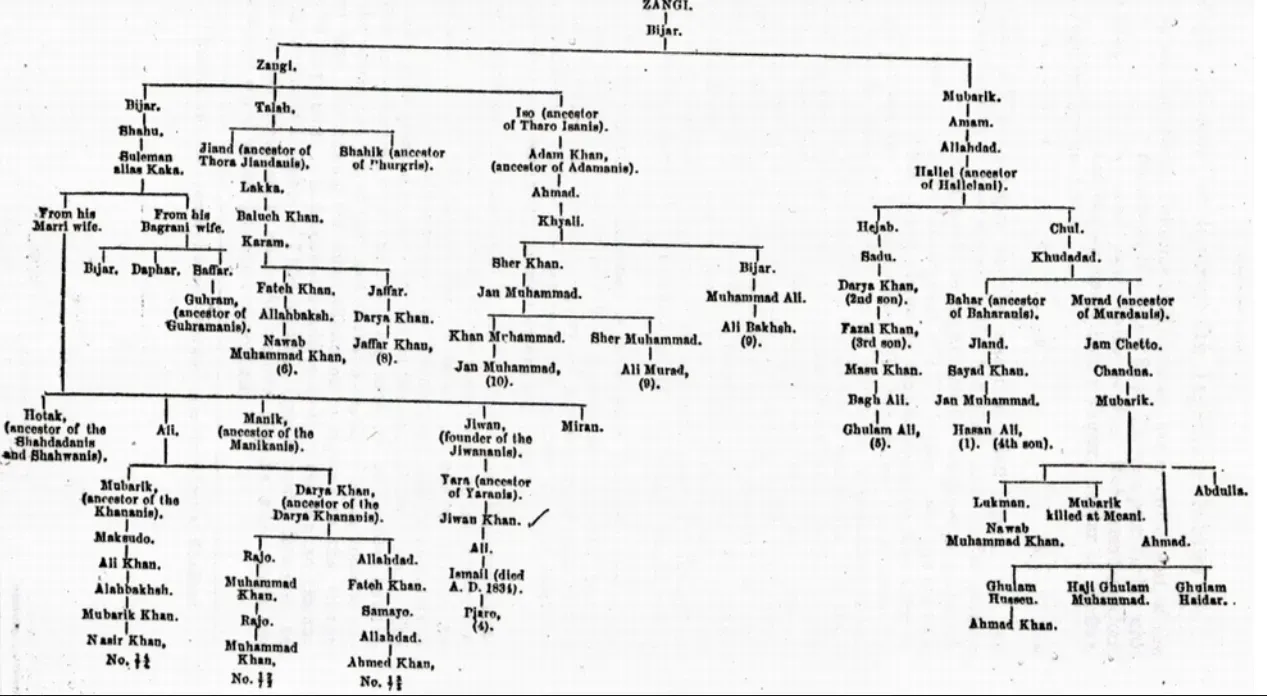
Here’s the hook: your family tree grows so fast backwards in time that, on paper, it quickly demands more people than have ever existed. Start with you at the bottom. Two parents, four grandparents, eight great‑grandparents, and so on. Go back just ten generations, which is only around three hundred years, and you already have over a thousand potential ancestors in that layer alone. Keep going back thirty or forty generations and the number of theoretical ancestors in that single generation explodes into the millions and then into the billions.
Obviously, there have not been infinite humans walking around at any given moment. That mathematical mismatch tells us something crucial: your ancestors were not unique to you. The same people show up in other people’s trees, again and again. Your great‑great‑great‑whatever‑grandmother is also someone else’s, often many times over. The family tree is less a neat branching oak and more like a wild, tangled vine where branches constantly loop back and reconnect. That looping is the first big clue to how we all end up related.
How Overlapping Ancestors Force Everyone Together
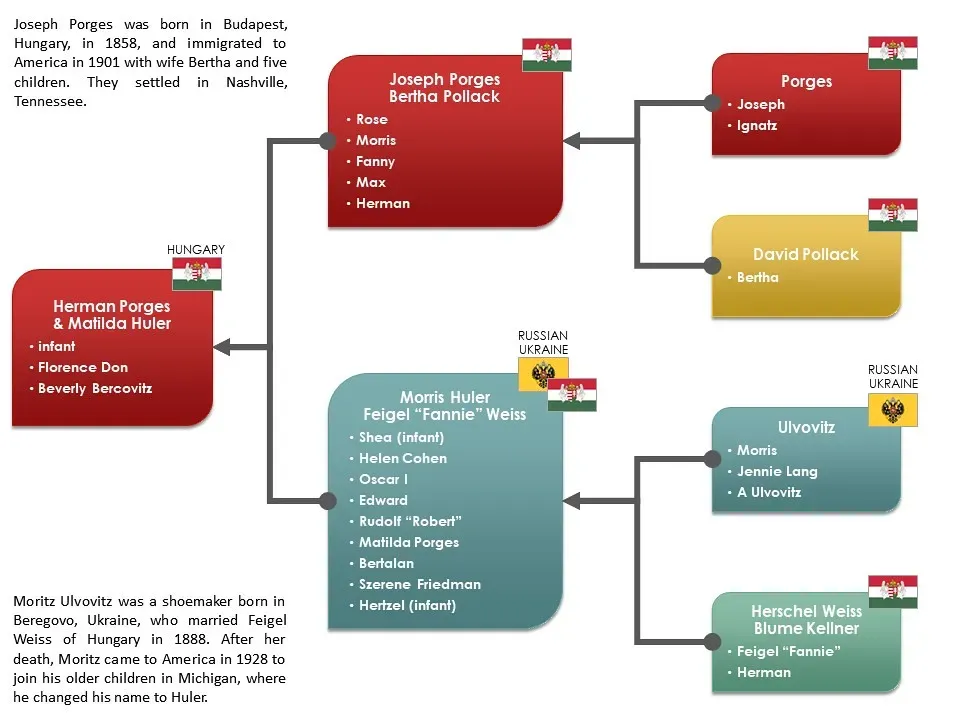
Because the number of potential ancestor “slots” in each generation grows so fast, nature solves the impossible math by simply reusing people. Cousins marry cousins, distant relatives unknowingly have children, small communities intermarry for centuries, and even in big populations people are connected through chains of marriages and births that overlap constantly. Over time, any isolated family line you imagine gets swallowed by this overlapping web.
Think of it like this: imagine a tiny village that stays around the same size for hundreds of years. New babies are born, older people pass away, but the number of people never grows much. On paper, their combined family trees would demand a population many times larger than the village has ever had. The only way that works is if the same ancestors are being used and reused in everyone’s tree. Scale that up to continents and millennia, add migration and trade, and eventually those overlapping trees link entire populations together.
The Surprising Idea of a Universal Common Ancestor
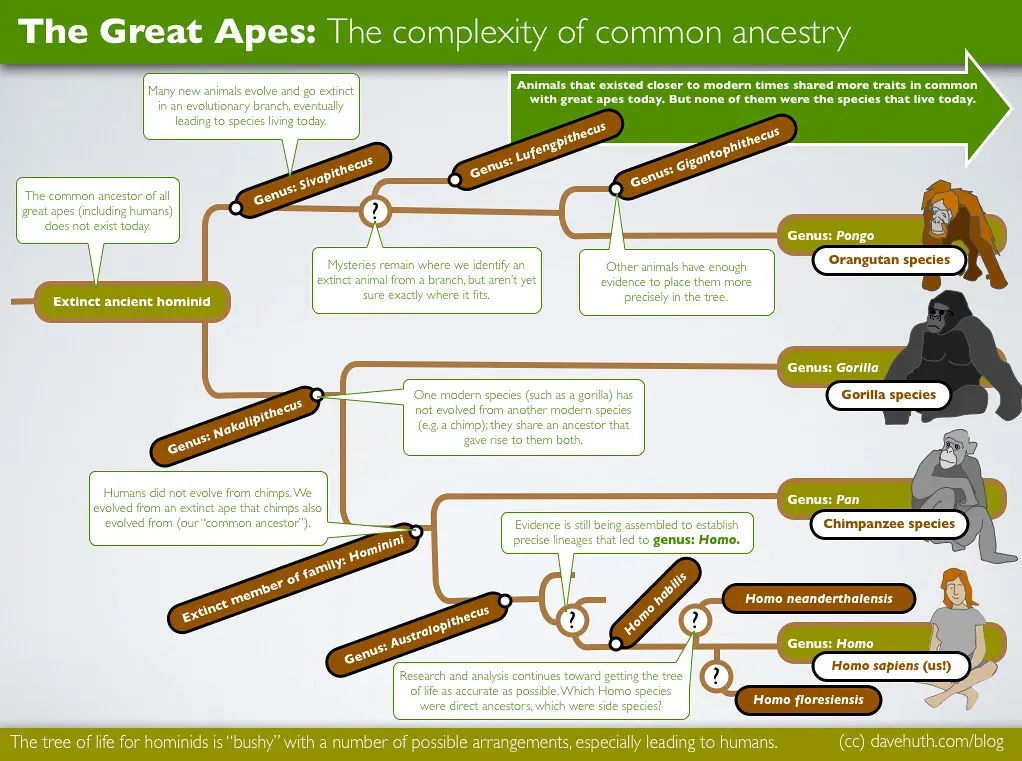
Scientists studying human ancestry talk about something called a “most recent common ancestor” for all living humans. This does not mean the first human. It means the most recent person in the past who is a biological ancestor of every single person alive today. That individual would not have been special in their own time. They were not some crowned founder of humanity. They may have lived an unremarkable life, completely unaware that, thousands of years later, every living person on Earth would be one of their descendants.
Computer models that mix what we know about population sizes, migration, and geography suggest that this universal common ancestor might not be as ancient as you’d guess. Instead of being lost in the deep Stone Age, some estimates put this person just a few thousand years ago, closer to the era of early civilizations and written records than to prehistoric caves. The exact date and identity are uncertain and probably always will be, but the logic of large, mixing populations over time makes the existence of such a person virtually unavoidable.
Beyond One Person: The Strange “Ancestor Horizon”
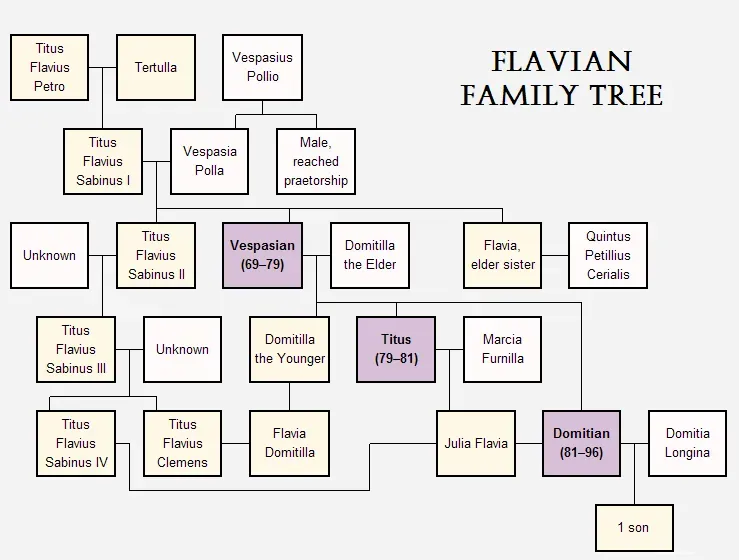
Here’s where it gets even stranger. If you go back further than that single most recent common ancestor, you eventually reach a point in time where almost everyone who left descendants at all is an ancestor of everyone alive today. In other words, beyond a certain historical horizon, there are really only two categories of people: those whose entire genetic line eventually died out, and those who ended up being ancestors of everyone.
That means that if your lineage traces back to someone who survived on the “everyone” side of that divide, they do not just belong to your private ancestry – they belong to all of humanity’s ancestry. A trader in an ancient port city, a shepherd crossing mountain passes, a woman raising children in a small village: if their lines did not go extinct, their descendants spread, intermarried, and looped into so many family trees that, by the present day, they belong to everyone’s story. It is almost like history eventually compresses down, turning countless separate family sagas into a single shared cast list.
Why Genetics Still Makes Us Look So Different
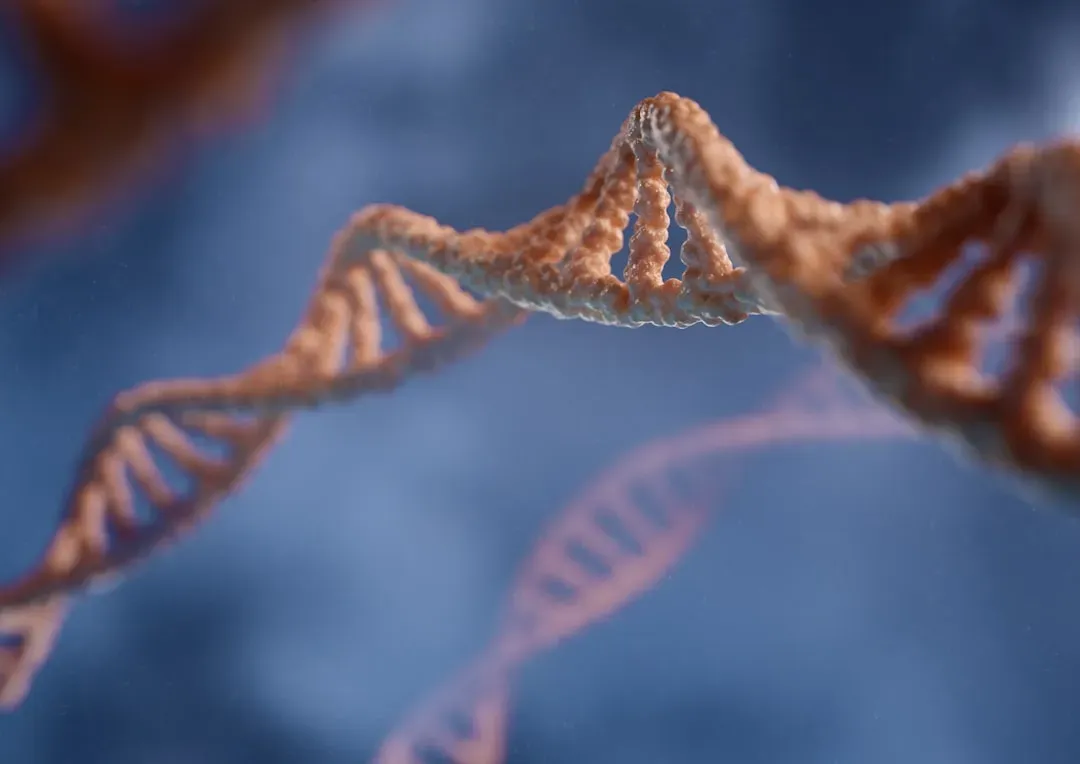
At this point you might be thinking, if we are all related, why do we still look so different? Why do we have such distinct faces, skin tones, hair types, and body shapes? The key is that being genealogically related does not mean you carry equal genetic material from every ancestor. In fact, you share DNA with only a fraction of your theoretical ancestors once you go back far enough, because each generation passes down only a small slice of its genetic information.
Over thousands of years, genes drift, local environments select for different traits, and populations that spend long stretches being more isolated develop visible differences. Two people can both be descended from the same ancient family and still share almost no identical genetic segments from that particular line. So our shared ancestry is like a massive hidden foundation under the surface, while the visible differences are like fresh paint, local building styles, and unique renovations on top.
How Migration and Mixing Made the World a Single Family
![How Migration and Mixing Made the World a Single Family (Skin colour and vitamin D: An updateProvided under Creative Commons free license (p.1, with link to Attribution 4.0 International (CC BY 4.0) page)"This is an open access article under the terms of the Creative Commons Attribution License, which permits use, distribution and reproduction in any medium, provided the original work is properly cited. © 2020 The Authors. Experimental Dermatology published by John Wiley & Sons Ltd" [1], CC BY-SA 4.0)](https://nvmwebsites-budwg5g9avh3epea.z03.azurefd.net/dinoworld/5c0caa84ff9b200276143667595846ed.webp)
Another big driver of our universal relatedness is simple: humans move a lot more than we sometimes realize. Even long before planes and trains, people were constantly on the move – for trade, conquest, marriage, religion, exploration, or just curiosity. Over centuries, populations that looked isolated at any one moment ended up linked through chains of marriages and offspring that stretched across regions and then continents. The world has always had more mixing than the tidy borders on maps suggest.
Think of the world as a giant pond. Drop a pebble in one corner and watch the ripples spread outward; now drop thousands more over thousands of years. The ripples overlap until the entire surface is a constant vibration of intersecting waves. Human genes move in a similar way. Small migrations, raids, shipwrecks, pilgrimages, and love stories all act like pebbles that send a family line rippling outward. Given enough time, those ripples reach everywhere. The result, in the deep view, is a single global family stitched together by countless forgotten journeys.
What This Does (and Does Not) Mean About Identity
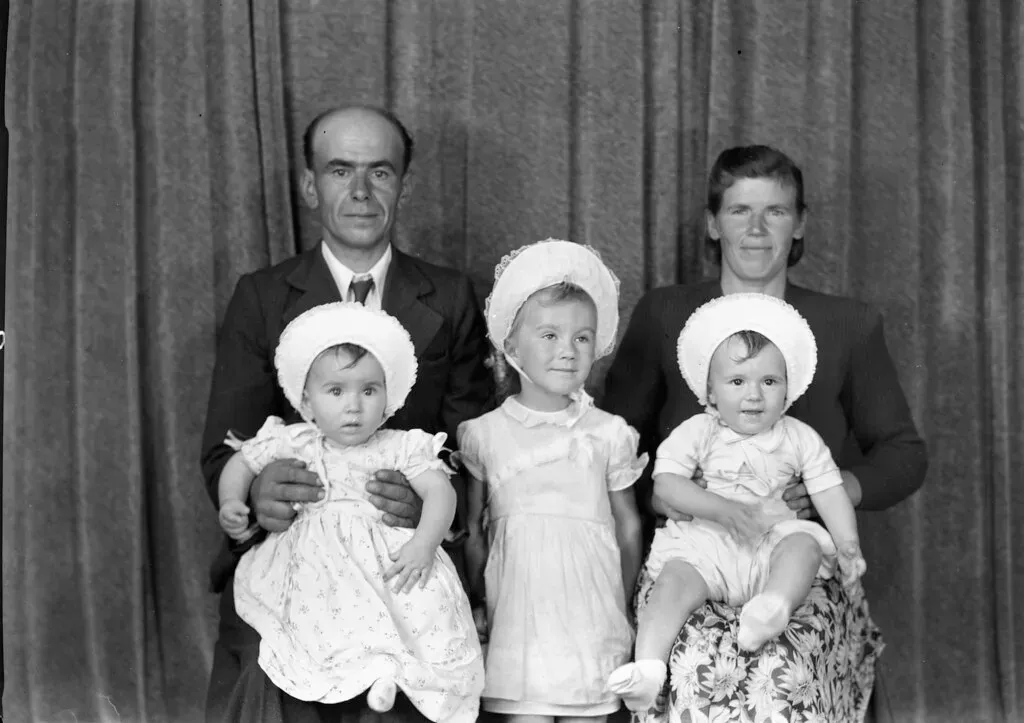
Learning that every person alive today is ultimately related can feel both comforting and a little threatening. Comforting, because it undercuts the idea that any group of humans is fundamentally separate or superior. Threatening, because it pushes back against our sense that our culture, nationality, or ethnicity is built on some unique bloodline. The science is pretty blunt: we are all remixing the same ancient human material, just in different patterns and proportions.
But this does not erase the value of local identities, cultures, or histories. Your family traditions, languages, and stories are real and meaningful, even if the deeper genealogical roots are shared with strangers on the other side of the planet. It is a bit like music: every song in a genre uses similar notes and chords, yet each track can still feel deeply personal. We are variations on a shared human theme, not identical copies, and that mix of unity and difference is part of what makes our species so oddly beautiful.
Conclusion: A Humbling, Inconvenient Truth About Us
To me, the weirdest part of all this is how easy it is to forget. We argue about borders and backgrounds as if we did not all pass through the same sieve of history, as if our ancestors did not spend millennia colliding, mixing, and re‑mixing until the math forced everyone’s family lines together. The strange reason we are all related turns out to be deeply unromantic: limited population sizes, relentless reproduction, migration, and time. Yet the emotional punch of that cold logic is powerful. It means that every injustice, every act of kindness, every war, and every peace treaty was essentially a family matter all along.
I think we underestimate how radical this idea is. If you truly accept that any random stranger on the street is a very, very distant cousin, it becomes harder to slot them neatly into the category of “them” instead of “us.” You do not have to like everyone or agree with them, but it is harder to cling to the illusion of total separation. In a world that feels increasingly divided, maybe the most subversive thing you can remember is also the simplest: at some point in the past, we shared a home, a meal, a fire, and a set of ancestors. Would you have guessed that your biggest extended family reunion is happening right now, every day, all over the planet?