Nature holds remarkable secrets in its depths, from organisms that challenge our understanding of life itself to beings that blur the line between individual and collective. Among these wonders stands something truly extraordinary, a living testament to biological resilience that has captured the imagination of scientists worldwide. What if you learned about a single tree that has quietly defied natural aging for millennia, creating perfect copies of itself while weathering ice ages and witnessing the rise and fall of human civilizations? Let’s dive into the fascinating world of nature’s most remarkable immortal.
The World’s Largest Living Organism is Actually One Tree
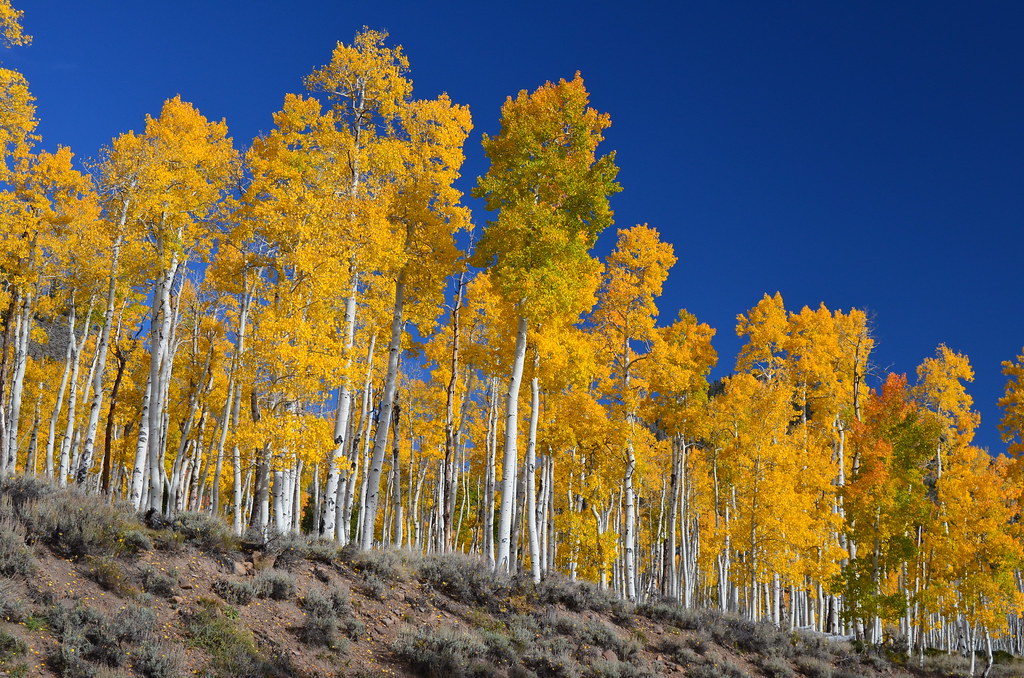
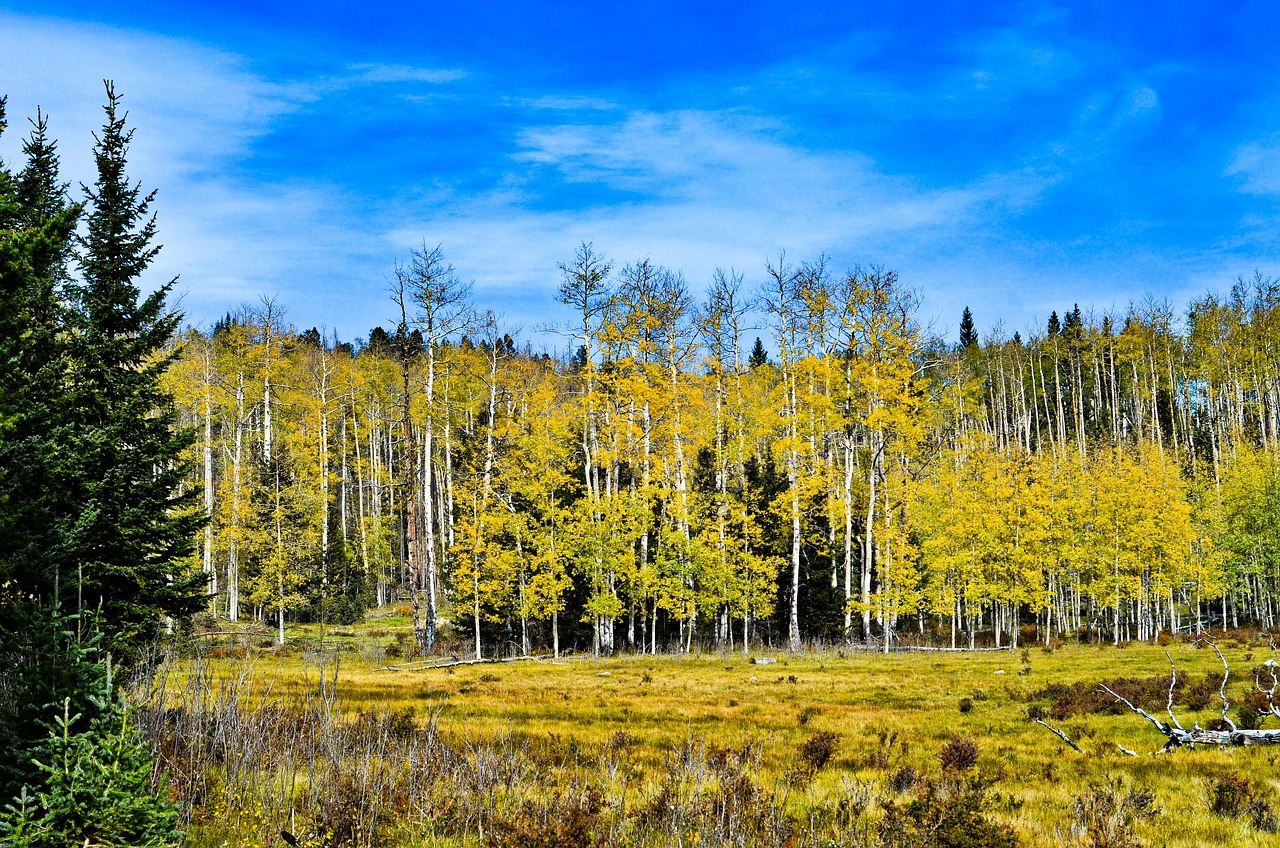
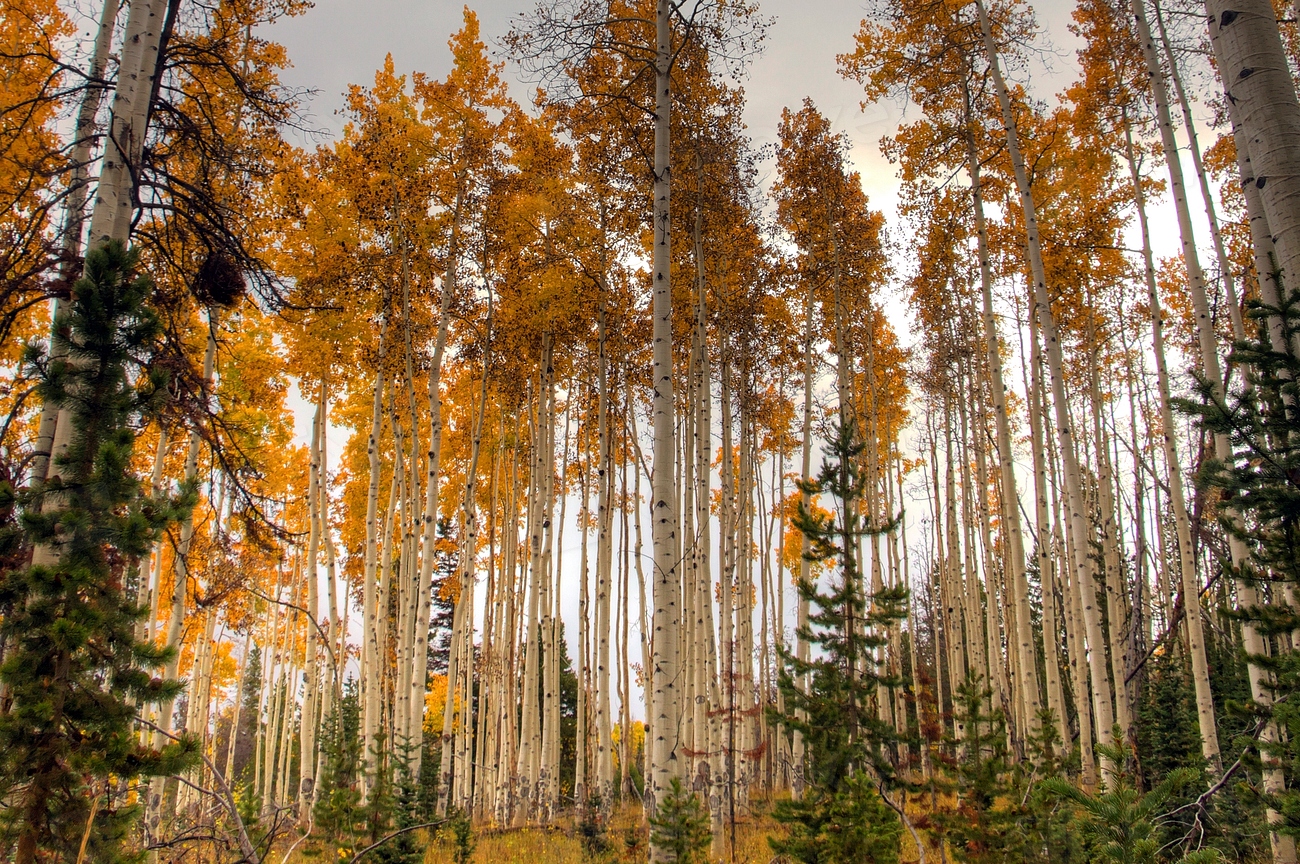
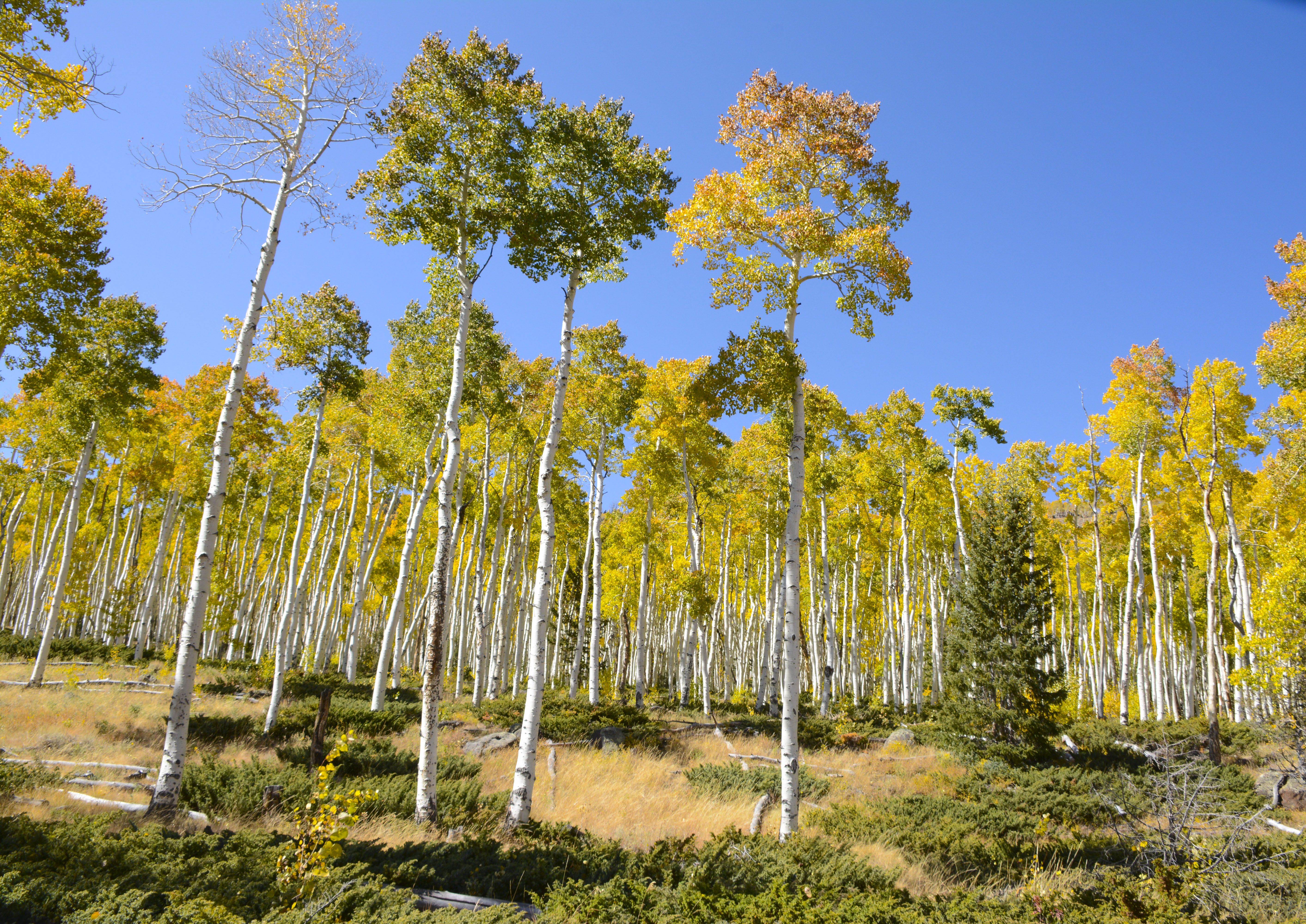
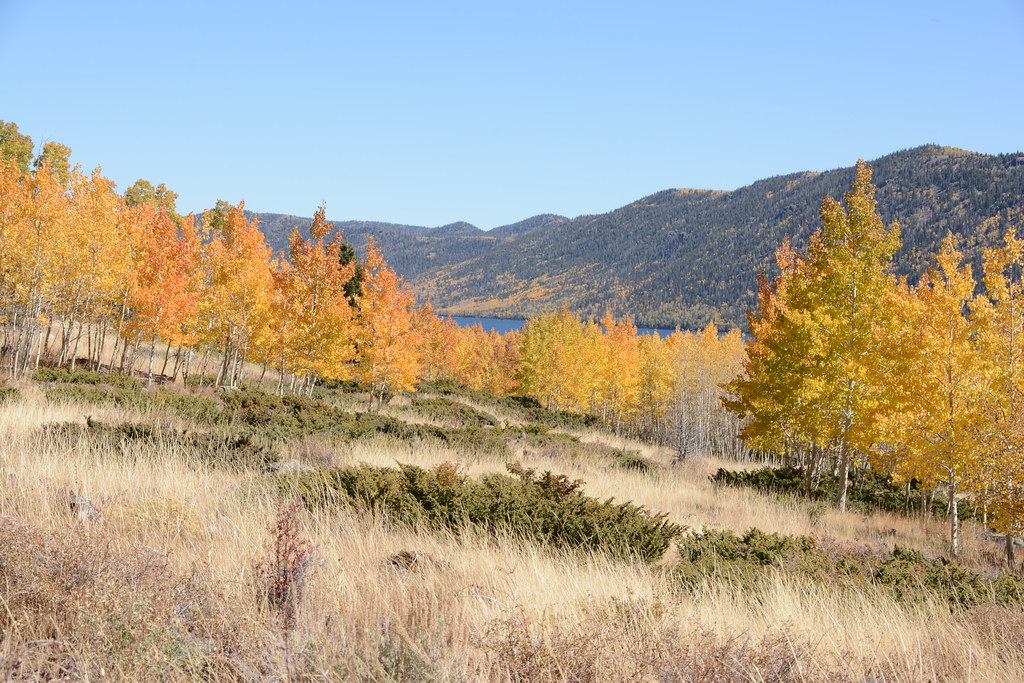
You might be surprised to learn that no single living thing on Earth is heavier than a grove of aspen trees in Utah called Pando. At an estimated 13.2 million pounds (6,000 metric tons), this single being is estimated to weigh three times more than the planet’s biggest individual tree, a giant sequoia in California known as General Sherman. A male clonal organism, Pando has an estimated 47,000 stems (ramets) that appear to be individual trees but are not, because those stems are connected by a root system that spans 42.8 ha (106 acres).
This behemoth challenges everything you thought you knew about what constitutes a single organism. In south-central Utah, up near 9,000 feet on the Colorado Plateau, in a stretch of national forest dotted with juniper and sagebrush, there stands a peculiar aspen grove. Instead of dozens or even hundreds of clonal trunks, there are 47,000, all connected to a single root structure. The Trembling Giant, or Pando, is an enormous grove of quaking aspens that take the “forest as a single organism” metaphor and makes it literal: the grove really is a single organism.
The Science Behind Nature’s Ultimate Clone Army
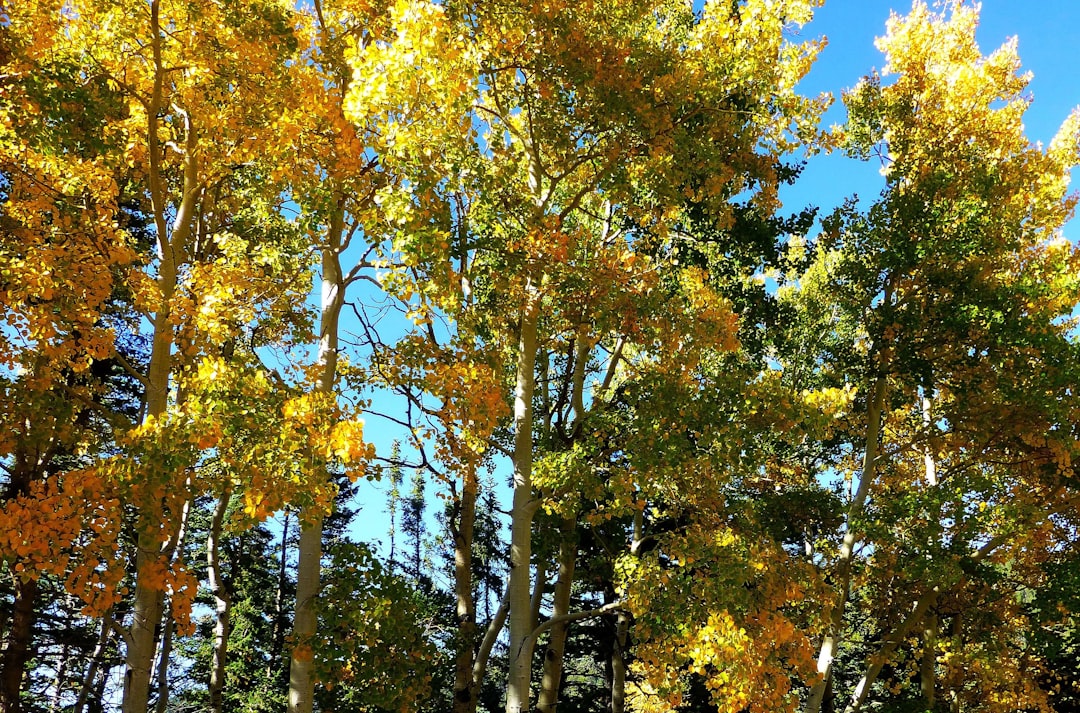
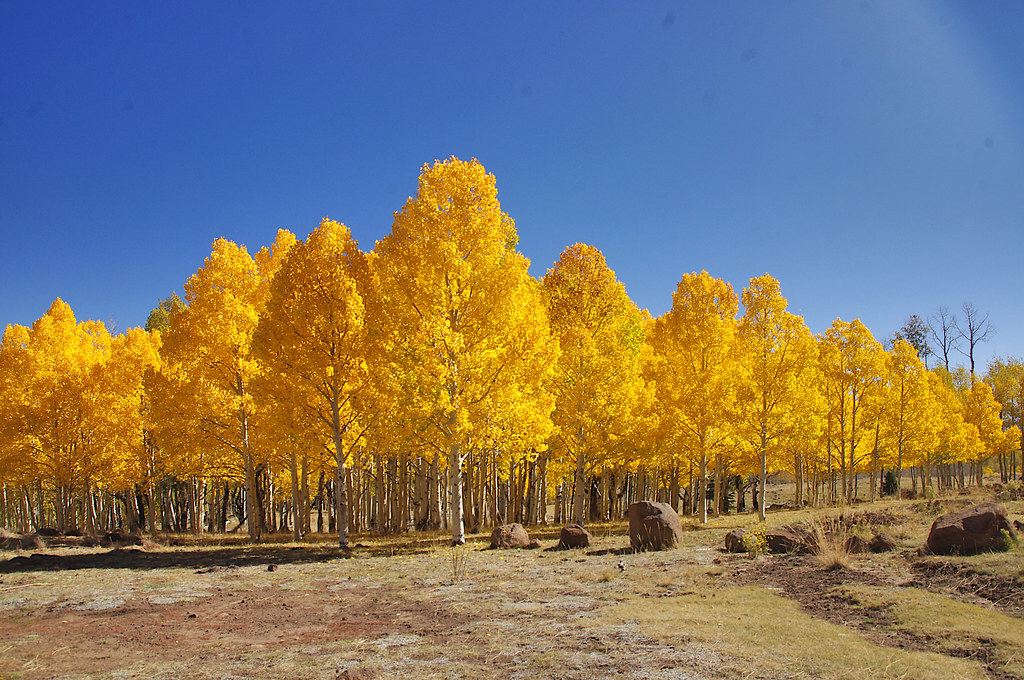
You’re witnessing one of nature’s most sophisticated reproductive strategies when you look at quaking aspens. It’s much more common for them to reproduce asexually by sending up new stems from a single root system. The combination of all of the stems and their single root system is a structure called a clone. Aboveground, the many different stems appear to be separate trees, but they are all genetically identical.
The mechanism behind this clonal reproduction is elegantly simple yet profoundly effective. Most agree, based on Barnes’ work and later work, that Pando encompasses 42.89 hectares (106 acres), weighs an estimated 6,000 metric tons (13.2 million pounds), and features an estimated 47,000 stems, which die individually and are replaced by genetically identical stems that are sent up from the tree’s vast root system, a process known as “suckering”.
Think of it like nature’s own backup system. If an individual trunk is attacked by disease or insects or is killed by a fire. It will grow back quickly from the extensive root system. When these events happen, the trunks release stress hormones, which, in turn, cause buds in the root system to start growing.
How Aspen Trees Achieve Biological Immortality
The key to understanding Pando’s incredible longevity lies in how it sidesteps the fundamental problem of aging. Because individual aspen stems generally live about 100-150 years, DeWoody says the origin mother stem is likely dead: “The only way the whole clone survives is to send up new suckers”. While one stem has a relatively short lifespan, the entire clone can live for tens of thousands of years. Quaking aspen clones are virtually impossible to kill.
This system provides remarkable resilience that most organisms simply cannot achieve. Due to the progressive replacement of stems and roots, the overall age of an aspen clone cannot be determined from tree rings. You’re looking at what scientists consider some experts say that aspen are the oldest and largest living things on earth.
Each individual stem follows a normal lifespan, Each trunk in Pando lives approximately 100-150 years, and as each dies, new green shoots arise. However, the root system itself maintains its vigor through continuous regeneration, effectively achieving the biological equivalent of immortality through constant renewal.
The Ancient Origins of Earth’s Most Persistent Organism
When you try to determine Pando’s age, you enter territory that stretches human imagination. Speculations on Pando’s age have ranged between 80,000 and 1 million years. More recent and conservative estimates suggest Scientists estimate that Pando is likely between 9,000 and 12,000 years old, though some estimates have ranged much higher, solidifying its place among the planet’s most ancient organisms.
To put this in perspective, It makes the Roman Empire seem like a recent phenomenon (…) it was a blip. This organism has witnessed climate changes that would have eliminated countless other species. This organism has persisted for tens of thousands of years. It’s seen ice ages come and go, mass extinction events, and it’s still here. It highlights a kind of resilience that is rare in nature.
Scientists have had to use sophisticated methods to estimate these ages since traditional tree ring dating doesn’t work with clonal organisms. The root system is estimated to be several thousand years old, with habitat modeling suggesting a maximum age of 14,000 years and 16,000 years by the latest (2024) estimate.
Other Trees That Master the Art of Self-Replication

Pando isn’t the only tree that has unlocked the secret of clonal reproduction, though it may be the most spectacular example. These “fairy rings,” as they’re known informally, show how the coast redwood reproduces asexually by sending new sprouts up from the trunk base of a parent redwood. Coast Redwoods can also reproduce asexually by layering or sprouting from the root crown, stump, or even fallen branches; if a tree falls over, it will regenerate a row of new trees along the trunk.
You’ll find that Examples of trees that rely on root rhizomes for reproduction include bamboo, sumac, poplar, alder, willow, and eucalyptus. These species have all developed their own methods of asexual reproduction, though none quite match the scale and longevity of Pando.
The mechanisms vary among species, but the principle remains similar. Through asexual reproduction, trees can produce genetically identical offspring, ensuring the preservation of desirable traits and promoting adaptation to changing environments. Some redwoods create what researchers call fairy rings, Within a short period after sprouting each sprout will develop its own root system, with the dominant sprouts forming a ring of trees around the parent root crown or stump. This ring of trees is called a “fairy ring”.
The Genetic Mysteries Hidden in Ancient Clones
What makes Pando even more fascinating from a scientific perspective is what genetic analysis reveals about its incredible journey through time. By analyzing DNA samples in a painstaking yearslong research mission, the team collected from roots, bark, leaves, and branches throughout the forest, identifying nearly 4,000 genetic variants that had emerged over millennia of cloning. However, these clones aren’t entirely identical. As cells divide, they can accumulate genetic mutations, creating slight variations that provide scientists with valuable information about the tree’s evolutionary history.
These genetic variations tell a remarkable story of survival and adaptation. While researchers expected nearby trees to share more genetic similarities, the relationship between physical proximity and genetic similarity was weaker than anticipated across the forest as a whole. This suggests something surprising about how genetic information spreads throughout the massive clone.
Scientists are particularly intrigued by The findings hint at the existence of protective mechanisms that help plants and trees prevent the accumulation of harmful genetic mutations. This discovery could revolutionize our understanding of how organisms maintain genetic integrity over extremely long periods.
Why Clonal Trees Don’t Age Like Other Organisms
The secret to Pando’s longevity lies in a fundamental difference between how clonal organisms and typical organisms approach aging. While in all plants and some primitive animal taxa (e.g., tunicates, cnidarians, and flatworms), the primordial germ cells (PGCs) can be formed from somatic cells, in most sexually reproducing animals they arise exceedingly early in embryogenesis, but quite late in the ontogenesis of plants. Moreover, in contrast to most animals, perennial plants are usually able to produce PGCs many times during their life.
This represents a profound difference in biological strategy. Retaining the activity of undifferentiated meristem (which represents stem cells in plants) for many years is a specific feature for perennials and directly related to their longevity. There should be a genetic mechanism (or several ones) to maintain low rates of somatic mutations in long-living trees.
You’ll find that telomeres, the protective caps on chromosomes that typically shorten with age in animals, work differently in plants. Telomerase offsets cellular aging by lengthening the telomeres, adding back lost DNA repeats to add time onto the molecular clock countdown, effectively extending the life span of the cell. Telomerase lengthens telomeres by repeatedly synthesizing very short DNA repeats of six nucleotides – the building blocks of DNA – with the sequence “GGTTAG” onto the chromosome ends from a template located within the RNA component of the enzyme itself.
The Modern Threats Facing These Ancient Giants
Despite surviving for millennia, Pando now faces unprecedented challenges in the modern world. While the mature stems of Pando routinely die from the eternal problems of pests and drought, the regenerative roots of the organism that are responsible for Pando’s resilience are under attack as well. Rogers reported a marked absence of juvenile and young stems to replace the older trunks, blaming overgrazing by deer and elk. Without new growth to replace the old, the Trembling Giant is vulnerable to a catastrophic sudden withering and shrinking.
The problem has become critical in recent decades. But now those shoots are being eaten by grazing mule deer and cattle. Aspens will put up new shoots in response to stress, but if those shoots are eaten by grazers like deer or cattle, the young trees don’t have a chance to mature. Think of it like Imagine walking into a town of 50,000 people where everybody in town was 85 years old. That’s sort of the issue with Pando. The forest is growing older. But the next generation isn’t surviving.
Conservation efforts are underway, but they face complex challenges. These little aspen sucklings are really tasty to things like elk and deer, and in the case of Pando, “for a long time, there were no new stems coming up because they were being grazed really heavily.” Foresters have been putting up fences to keep the animals out, and have also been cutting some trees to stimulate new growth.
Pando’s story represents one of nature’s most extraordinary achievements in biological engineering, a living testament to the power of asexual reproduction and genetic resilience. This ancient giant has weathered countless challenges across millennia, creating a blueprint for survival that scientists are only beginning to understand. Through its vast network of interconnected roots and constantly renewed stems, it has achieved something that seems impossible in the natural world: practical immortality. What can we learn from this remarkable organism about resilience, adaptation, and the intricate mechanisms that allow life to persist across vast spans of time? The answers may hold keys to understanding aging, conservation, and the remarkable diversity of life strategies that evolution has produced.