Picture a planet scraped nearly clean of life. Silence where oceans once roared with diversity. Barren landscapes where complex ecosystems once thrived. That is the world you would have inherited at the dawn of the Triassic Period, roughly 252 million years ago, when Earth was pulling itself together after the single worst biological catastrophe in its entire history.
The Triassic Period was a time of great change, bookended by extinctions, and this era saw huge shifts in the diversity and dominance of life on Earth, ushering in the appearance of many well-known groups of animals that would go on to rule the planet for tens of millions of years. It is, honestly, one of the most dramatic chapters Earth has ever written. From the ashes of near-total extinction arose dinosaurs, mammals, flying reptiles, and ocean giants. So if you thought the Jurassic was the wild era, buckle up. Let’s dive in.
The World After Catastrophe: What the Triassic Inherited
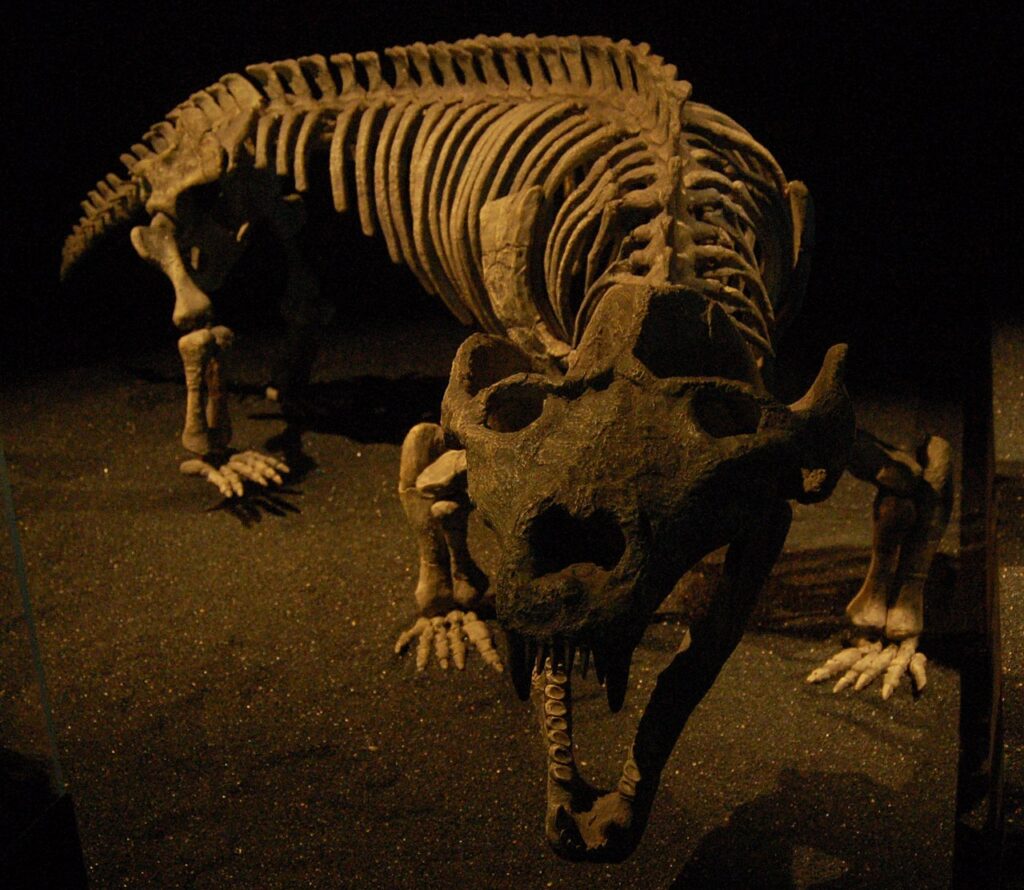
You cannot understand the Triassic without first grasping the sheer scale of destruction that preceded it. The Triassic followed on the heels of the largest mass extinction event in the history of the Earth, which occurred at the end of the Permian, when between 85 and 95 percent of marine invertebrate species and 70 percent of terrestrial vertebrate genera died out. Think about that for a moment. Nearly everything gone. The planet was not just wounded; it was fundamentally remade.
The cause of this Permian-Triassic extinction event is not fully understood. Various theories have been proposed, such as an unknown asteroid impact, massive volcanic eruptions in what is now Siberia, the release of methane from the depths of the oceans, sea level change, increasing aridity, or a combination of many of these. It’s hard to say for sure which trigger was the deadliest. What science does tell you, though, is that the world left behind was one of astonishing opportunity.
The massive loss of life that resulted from the Permian event left open many ecological niches, which in turn provided opportunities for a great expansion of life. It is a brutal irony of nature, really. Destruction on that scale clears the board and invites something new. Land vertebrates took an unusually long time to recover from the extinction, taking until the Middle Triassic, when the first dinosaurs had risen from bipedal archosaurian ancestors and the first mammals from small cynodont ancestors.
One World, One Supercontinent: The Geology of Pangaea
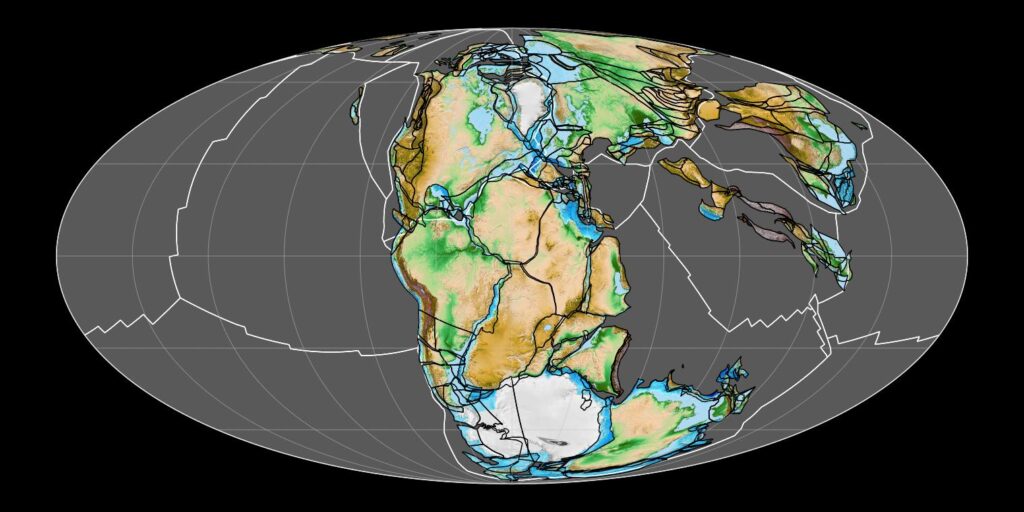
By the start of the Triassic, all the Earth’s landmasses had coalesced to form Pangaea, a supercontinent shaped like a giant C that straddled the Equator and extended toward the Poles. Imagine every continent you know today fused together into a single enormous landmass. No Atlantic Ocean. No Indian Ocean. Just one colossal stretch of land surrounded by a single vast sea known as Panthalassa.
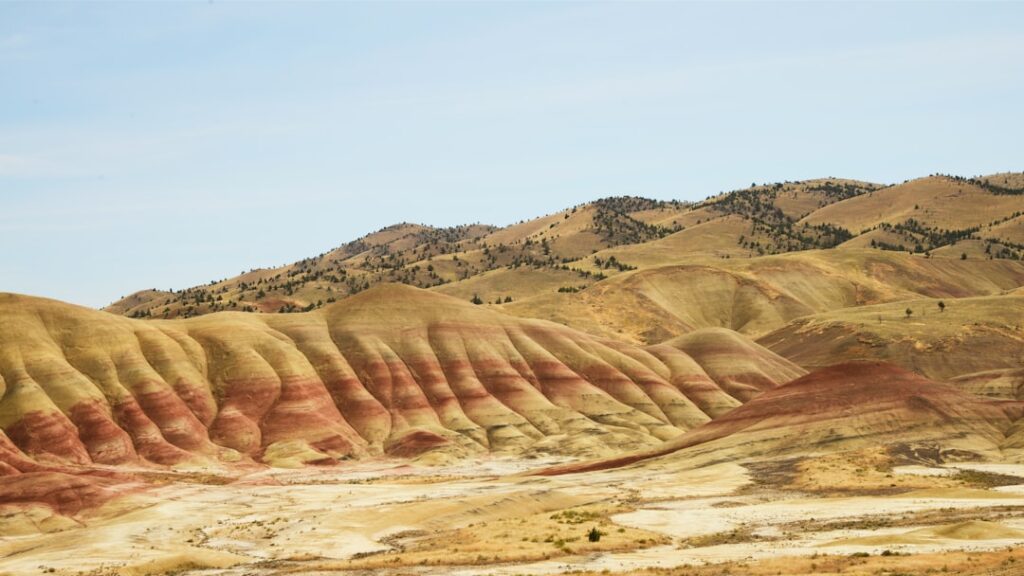
The climate of the Triassic Period was influenced by Pangaea, its centralized position straddling the equator, and the geologic activity associated with its breakup. Generally speaking, the continents were of high elevation compared to sea level, and the sea level did not change drastically during the period. Due to the low sea level, flooding of the continents to form shallow seas did not occur. Much of the inland area was isolated from the cooling and moist effects of the ocean. The result was a globally arid and dry climate, though regions near the coast most likely experienced seasonal monsoons.
The vast supercontinent of Pangaea dominated the globe during the Triassic, but in the latest Triassic it began to gradually rift into two separate landmasses: Laurasia to the north and Gondwana to the south. This was no overnight process. During the Triassic, rift basins developed between North America and Europe and between Africa and South America. With continued separation throughout the Jurassic Period, these basins became the Atlantic Ocean and the Gulf of America. You are, in a very real sense, living in the long-term aftermath of those Triassic cracks.
A Hothouse Planet: The Triassic Climate
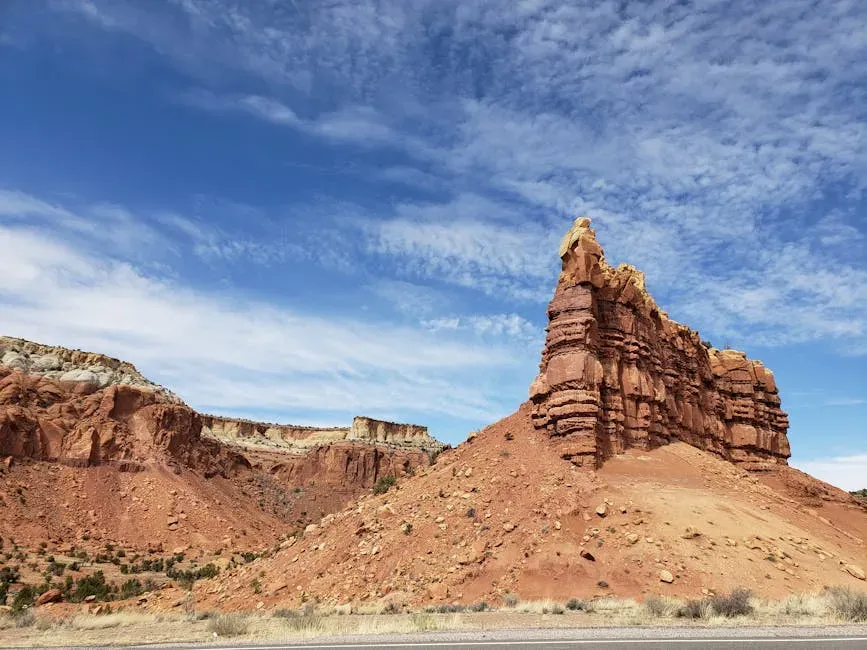
The Triassic Period, from 251.9 to 201.3 million years ago, was conventionally considered one of the warmest periods in Earth history, a “hot-house” world, with ice-free poles even during the winter months and with limited climatic variability. Let that sink in. No polar ice caps whatsoever. Worldwide climatic conditions during the Triassic seem to have been much more homogeneous than at present. No polar ice existed. Temperature differences between the Equator and the poles would have been less extreme than they are today, which would have resulted in less diversity in biological habitats.
The main climatic events that occurred in the Triassic period can be subdivided in three key intervals: pre-, syn- and post-Carnian Pluvial Episode. Each of these three intervals corresponds with major climatic events. The Carnian Pluvial Episode, in particular, fascinates scientists today because of its scale. This episode of the earliest Late Triassic marks a global increase in effective precipitation for at least one to two million years, causing major floristic and faunal turnovers and possibly triggering the rise of the dinosaurs. That is a connection worth sitting with. Rainfall patterns may have helped push dinosaurs toward dominance.
The Green World: Plants That Blanketed the Triassic Landscape
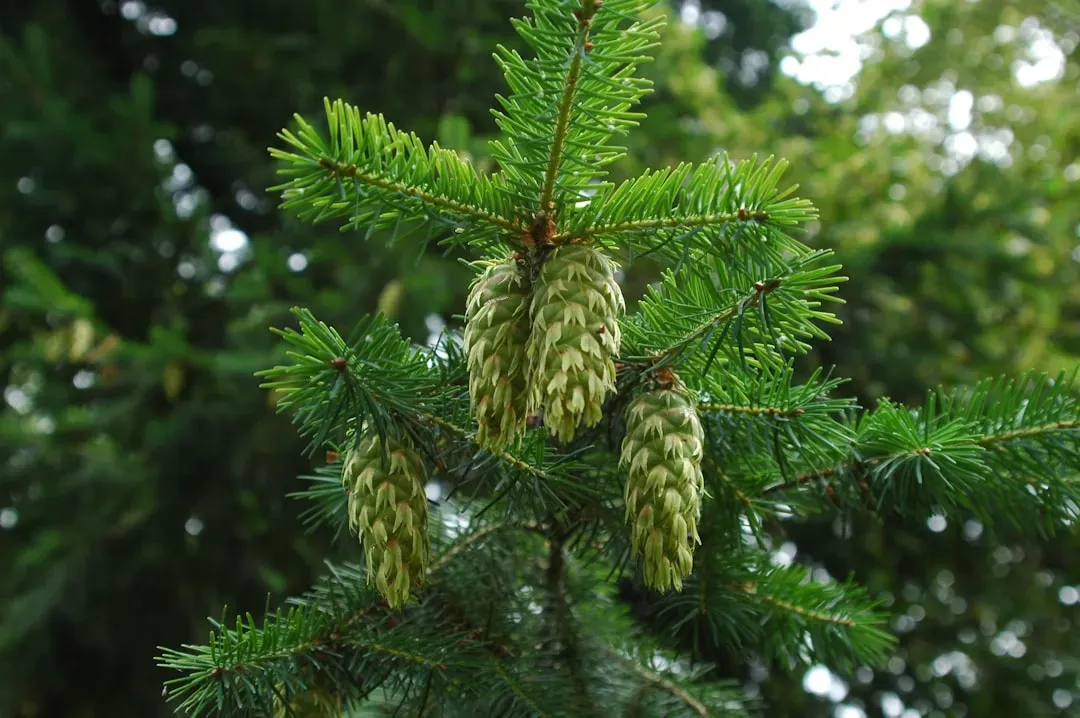
It was during the early part of the Triassic that the conifers took off. With flowering plants and grasses yet to evolve, conifers formed vast forests with individual trees reaching up to 30 metres tall. The understory would have been full of other conifer growth forms that no longer exist today, such as shrubs and woody vines. No flowers anywhere. None. You would have walked through those ancient forests and found them strangely familiar yet oddly alien, like a world that got three-quarters of the way to modern before stopping.
The dominant understory plants in the Triassic were the ferns, while most middle-story plants were gymnosperms including the cycadeoids and the still-extant cycads and ginkgoes. The upper story of Triassic forests consisted of conifers, whose best-known fossil remains are preserved in the Upper Triassic Chinle Formation. Unlike modern forests, the Triassic flora lacked flowering plants, which would only emerge much later in the Cretaceous Period. Early plant-eating dinosaurs, including prosauropods like Plateosaurus, browsed on this green world of ferns and conifers, adapting body shapes to reach taller vegetation.
The First Dinosaurs: Small Beginnings, Epic Destiny
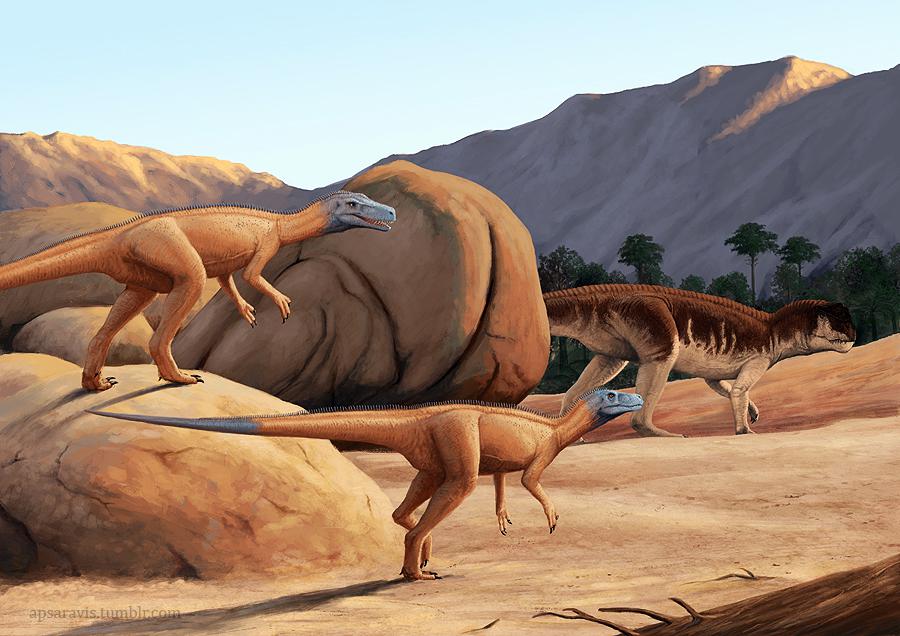
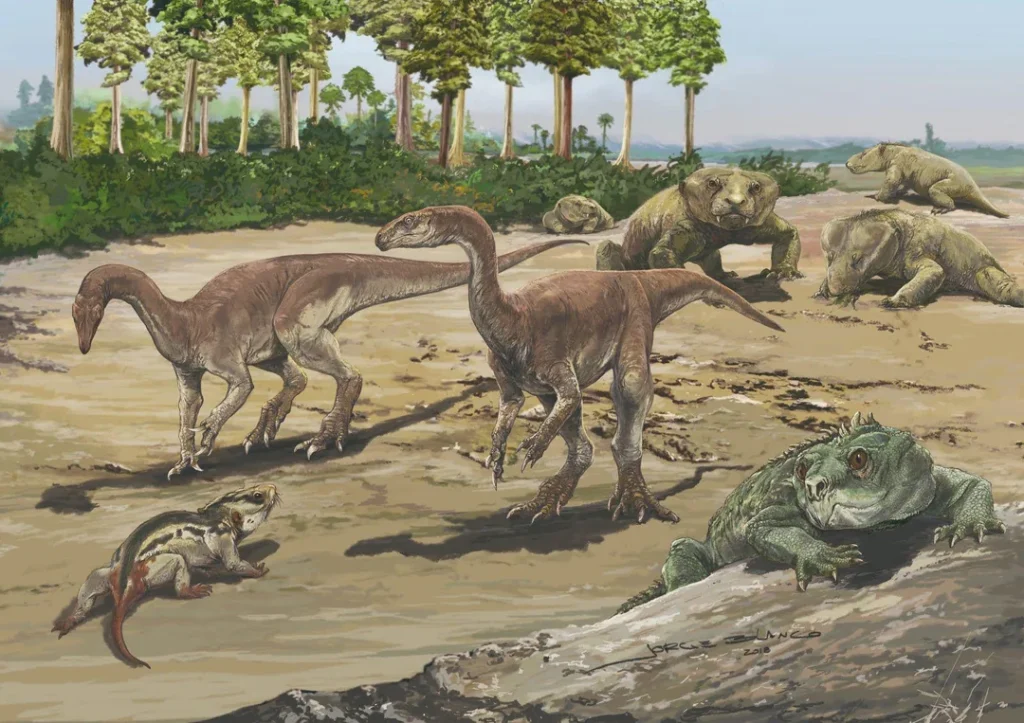
Here is the thing most people get wrong about dinosaurs and the Triassic. You probably picture giant creatures ruling an untamed world. Reality was much more modest. The ancestors of dinosaurs were one of several groups of reptiles that benefited from the Permian-to-Triassic extinction approximately 252 million years ago. These ancestors were lightly built two-legged animals, around the size of a crow. That is the real origin story. Crow-sized creatures that would eventually become the Brachiosaurus.
Dinosaurs first appeared during the Triassic period, between 243 and 233 million years ago, although the exact origin and timing of the evolution of dinosaurs is a subject of active research. They became the dominant terrestrial vertebrates after the Triassic-Jurassic extinction event 201.3 million years ago. The oldest dinosaur fossils known from substantial remains date to the Carnian epoch of the Triassic period and have been found primarily in the Ischigualasto and Santa Maria Formations of Argentina and Brazil. The Ischigualasto Formation has produced the early saurischian Eoraptor along with the herrerasaurids Herrerasaurus and Sanjuansaurus. South America, it seems, is where your entire dinosaur lineage began its story.
Dinosaurs from Triassic rocks in places like Petrified Forest National Park are best known from fossil evidence. The park’s Triassic dinosaurs were “supporting players” in an ecosystem dominated by crocodile-like phytosaurs, armored aetosaurs, and giant amphibians. Let that perspective recalibrate you. The animals you associate with the word “dinosaur” were not yet in charge. Based on currently available information, dinosaurs did not become dominant in many ecological roles in continental ecosystems until after the end-Triassic extinction event. The “Age of Dinosaurs” really commenced at the beginning of the Jurassic Period.
The Rulers of Triassic Seas: Marine Life Reborn
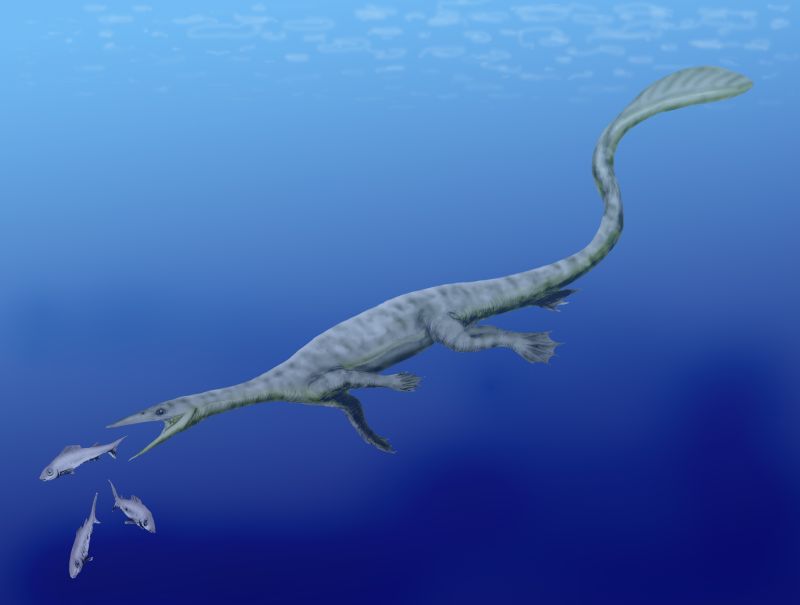
Marine reptiles arose in the Early Triassic, some 250 million years ago, and dominated Mesozoic seas until their demise by the end of the Cretaceous. The emergence of diverse marine reptiles in the Triassic, including the long-necked fish-eating eosauropterygians, the mollusk-eating and armored placodonts, the serpentine thalattosaurs, and the streamlined ichthyosaurs, was part of the maelstrom of faunal recovery in the oceans following the devastation of the end-Permian mass extinction. The oceans, stripped of nearly everything, became the stage for one of evolution’s most creative periods.
The oceans teemed with coiled-shelled ammonites, mollusks, and sea urchins that survived the Permian extinction and were quickly diversifying. The first corals appeared, though other reef-building organisms were already present. Giant reptiles such as the dolphin-shaped ichthyosaurs and the long-necked and paddle-finned plesiosaurs preyed on fish and ancient squid. The huge body sizes achieved by some ichthyosaur lineages in the Triassic is matched by the fact that many or most of the marine reptiles were probably warm-blooded to some extent, generating internal body heat as mammals and birds do today. These were not cold, sluggish sea creatures. They were fast, active, possibly warm-blooded ocean predators in a world still figuring itself out.
The End of the Triassic: Another Catastrophe Clears the Stage
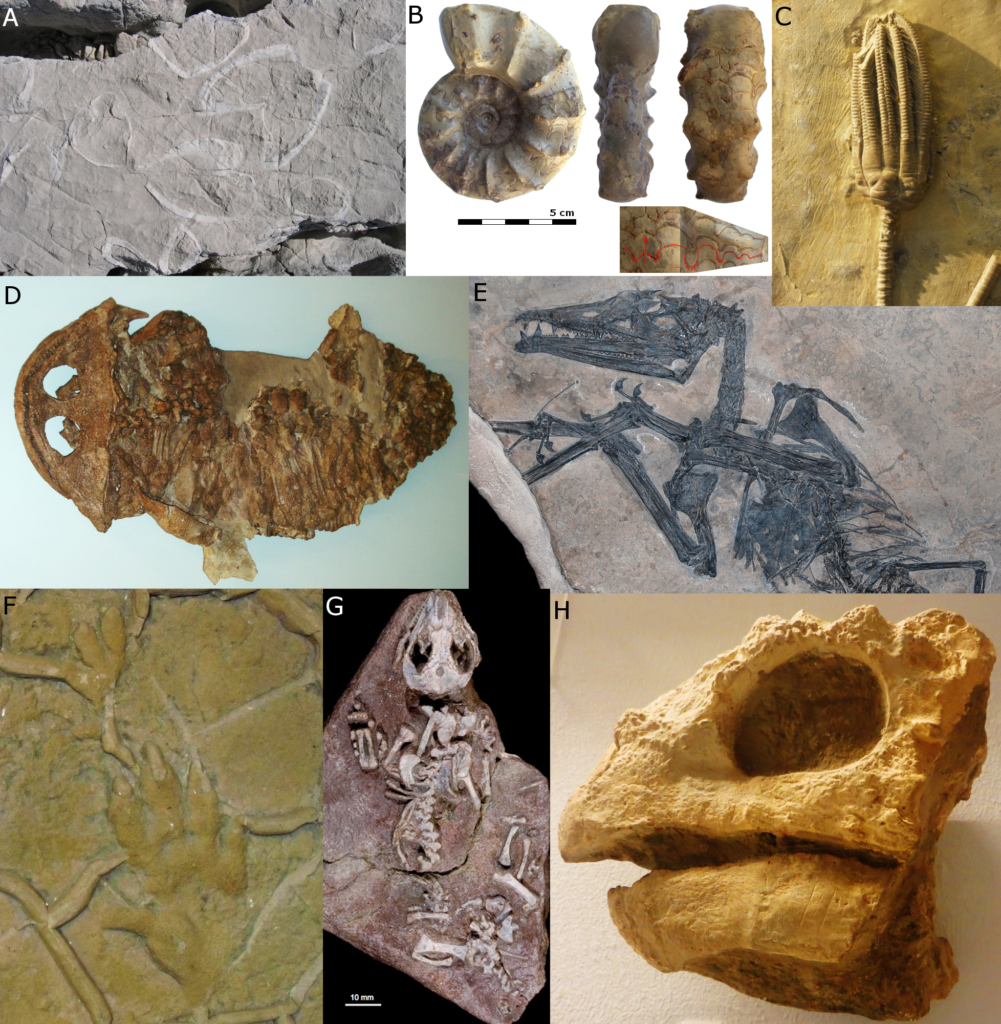
The Triassic ended much as it began. The climate started to change so that by 201.3 million years ago, Earth experienced another mass extinction event. The causes of this are still not entirely understood, but what is now the Atlantic Ocean experienced massive volcanic activity. Known as the Central Atlantic Magmatic Province, these eruptions released so much carbon dioxide or sulphur dioxide that it is thought to have led to huge climatic upheavals. Honestly, the pattern here is almost poetic in its cruelty. The period opens with catastrophe and closes with catastrophe.
The end of the period was marked by yet another major mass extinction, the Triassic-Jurassic extinction event, that wiped out many groups, including most pseudosuchians, and allowed dinosaurs to assume dominance in the Jurassic. The event resulted in the loss of roughly 76 percent of all marine and terrestrial species. Some experts have suggested that the widespread losses created by the end-Triassic event provided the opportunity for the dinosaurs to become the dominant land animals of the subsequent Jurassic and Cretaceous periods. There it is. The mass extinction that ended the Triassic was, paradoxically, the very event that gave dinosaurs their moment. Disaster, once again, opened a door.
These extinctions within the Triassic and at its end allowed the dinosaurs to expand into many niches that had become unoccupied. Dinosaurs became increasingly dominant, abundant and diverse, and remained that way for the next 150 million years. You could argue that without the catastrophe of that closing extinction, the creatures you know from every natural history museum might never have risen at all.
Conclusion
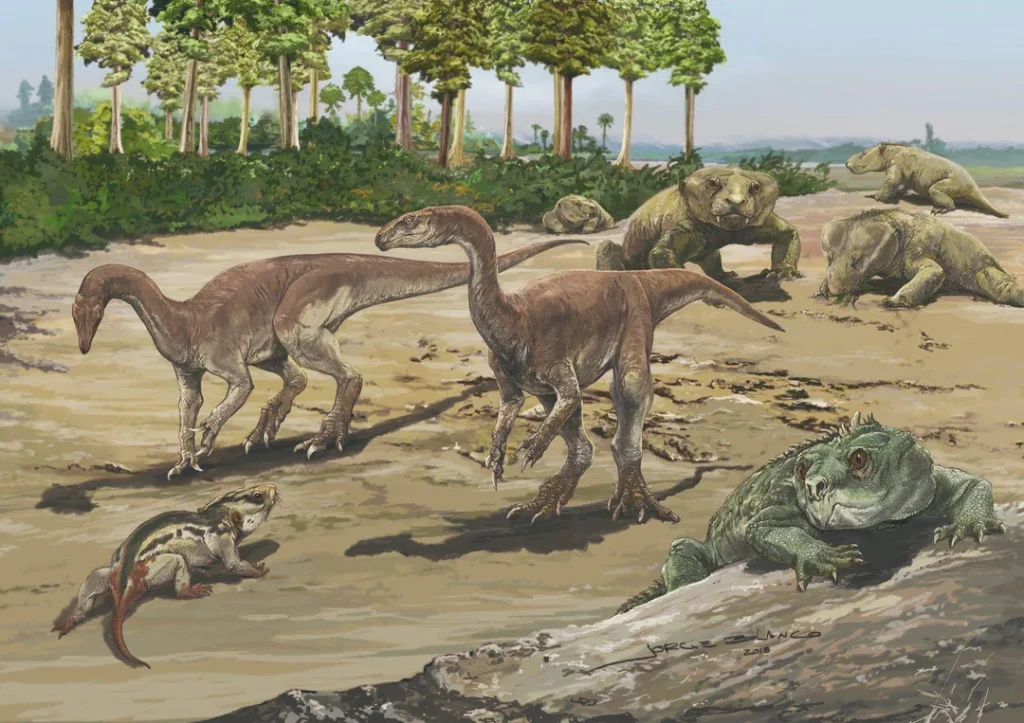
The Triassic Period is, in many ways, the most underappreciated chapter in the story of life on Earth. Sandwiched between two apocalyptic extinctions, it is the era where the modern world quietly assembled itself. Dinosaurs took their first tentative steps. Mammals appeared as tiny, fur-covered survivors in the shadows. Marine reptiles reclaimed the oceans. Forests of conifers and ferns blanketed a hot, dry world with no polar ice and no flowers. It is a period defined not by dominance, but by possibility.
What makes the Triassic truly remarkable is not any single creature or event, but the relentless inventiveness of life itself. Given a nearly empty planet, evolution filled it with extraordinary solutions. The next time you look at a lizard, a crocodile, or even a bird, remember that you are looking at a distant descendant of something that first found its footing in the Triassic. Would you have predicted any of that from those crow-sized survivors scrambling through the wreckage of the Permian? What do you think about it? Tell us in the comments.