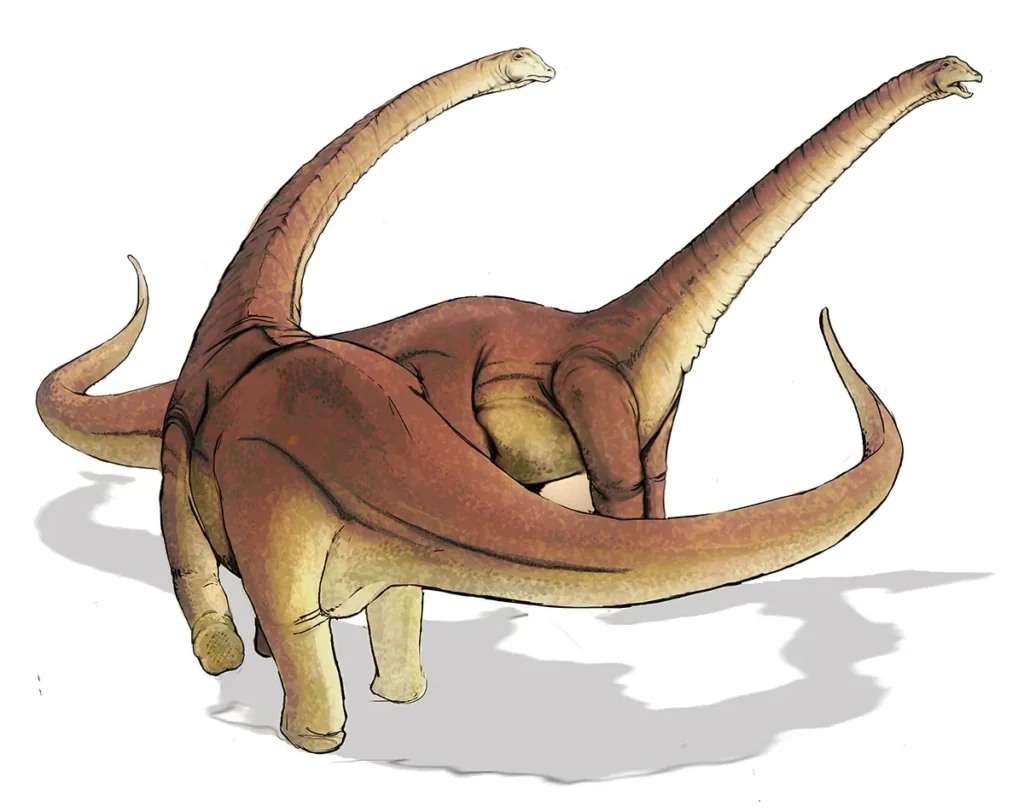
Imagine walking through the sun-scorched desert of the American Southwest, kicking at rocks, and stumbling upon a bone so enormous it barely seems real. That is not far from how North America’s greatest dinosaur secrets have been uncovered. The story of the continent’s largest dinosaur, the mighty Alamosaurus, is one filled with accidental discoveries, decades of painstaking excavation, and a fierce competition with South America for the crown of the biggest creature that ever walked the planet.
This is not just a tale about old bones. It is about the dedicated scientists, students, and everyday people who pieced together the puzzle of a creature so colossal it makes the Tyrannosaurus rex look almost modest by comparison. Buckle up, because you are about to dive into a story that shakes the ground just as hard as this titan once did.
The Giant That Was Under Your Feet All Along
Here is the thing about history’s most jaw-dropping discoveries: they are often stumbled upon by the most ordinary people in the most ordinary moments. The name Alamosaurus comes from the Ojo Alamo formation in New Mexico, where the very first fossils were unearthed way back in 1922. For decades, scientists had a rough idea of what this creature was. What they did not fully grasp yet was just how mind-bending its true size would turn out to be.
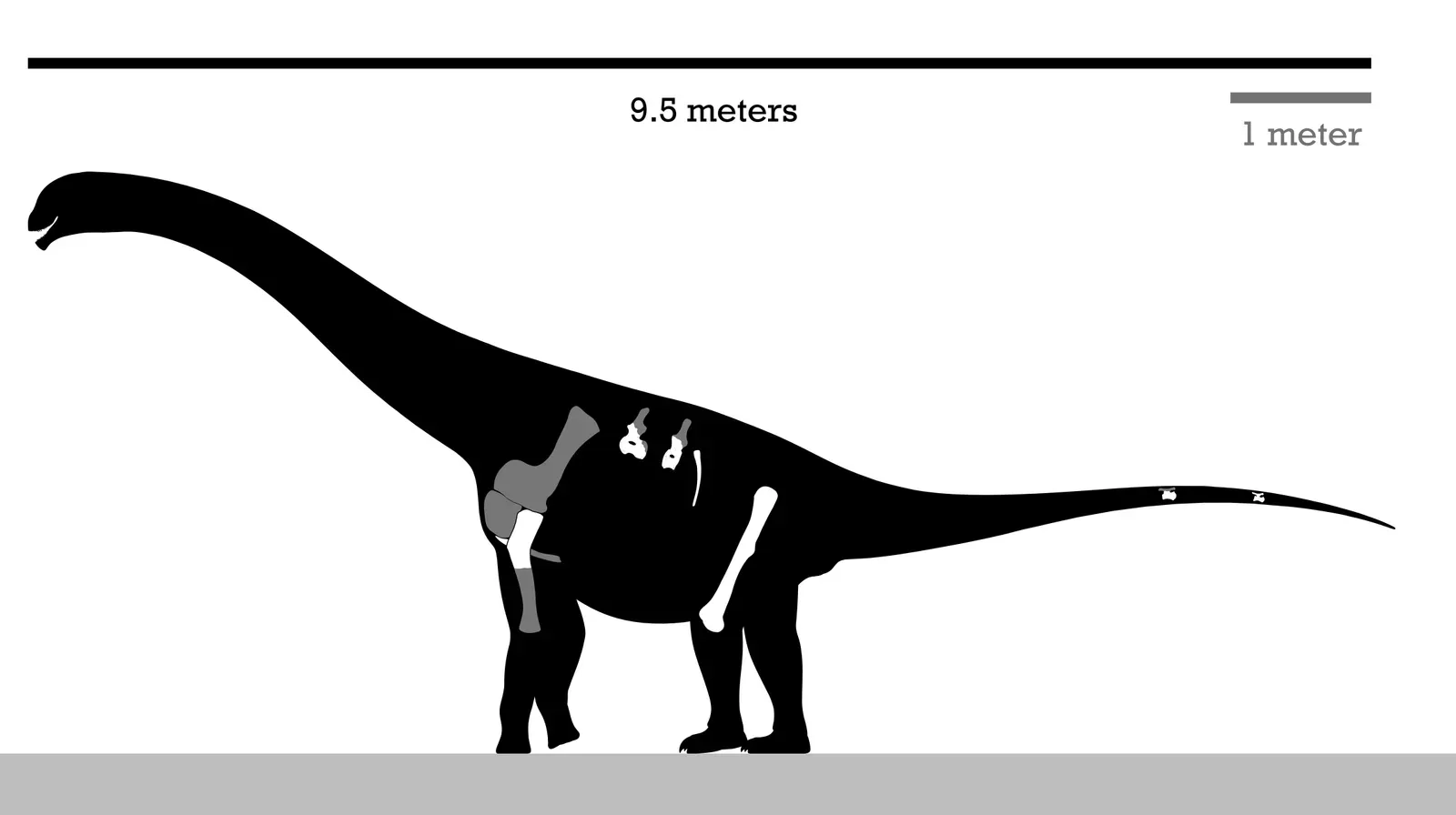
Smithsonian paleontologist Gilmore originally described the holotype, a left scapula or shoulder bone, and a right ischium or pelvic bone in 1922, naming the type species Alamosaurus sanjuanensis. The whole continent essentially had a giant living beneath it, and for the better part of the twentieth century, scientists were only reading the opening sentence of its story. The rest of the chapter would take many more decades, and many more expeditions, to uncover.
A Name With a Surprising Origin
You might assume this enormous dinosaur was named after the famous Battle of the Alamo in Texas. Honestly, that would make for a great story. However, contrary to popular assertions, the dinosaur is not named after the Alamo in San Antonio, Texas, or the battle that was fought there. The holotype was discovered in New Mexico and, at the time of its naming, Alamosaurus had not yet been found in Texas.
The name Alamosaurus came from the Ojo Alamo trading post and geological formation in New Mexico, from which the first bones of the species were found. The name of the trading post itself stemmed from the Spanish word for a huge cottonwood tree growing at the post. It is a quietly poetic origin for such an enormous creature, named after a tree rather than a battle. There is something fitting about that, you would think, given how this dinosaur’s fossils kept rooting themselves into the landscape of the American Southwest for millions of years.
The 1997 Discovery That Changed Everything
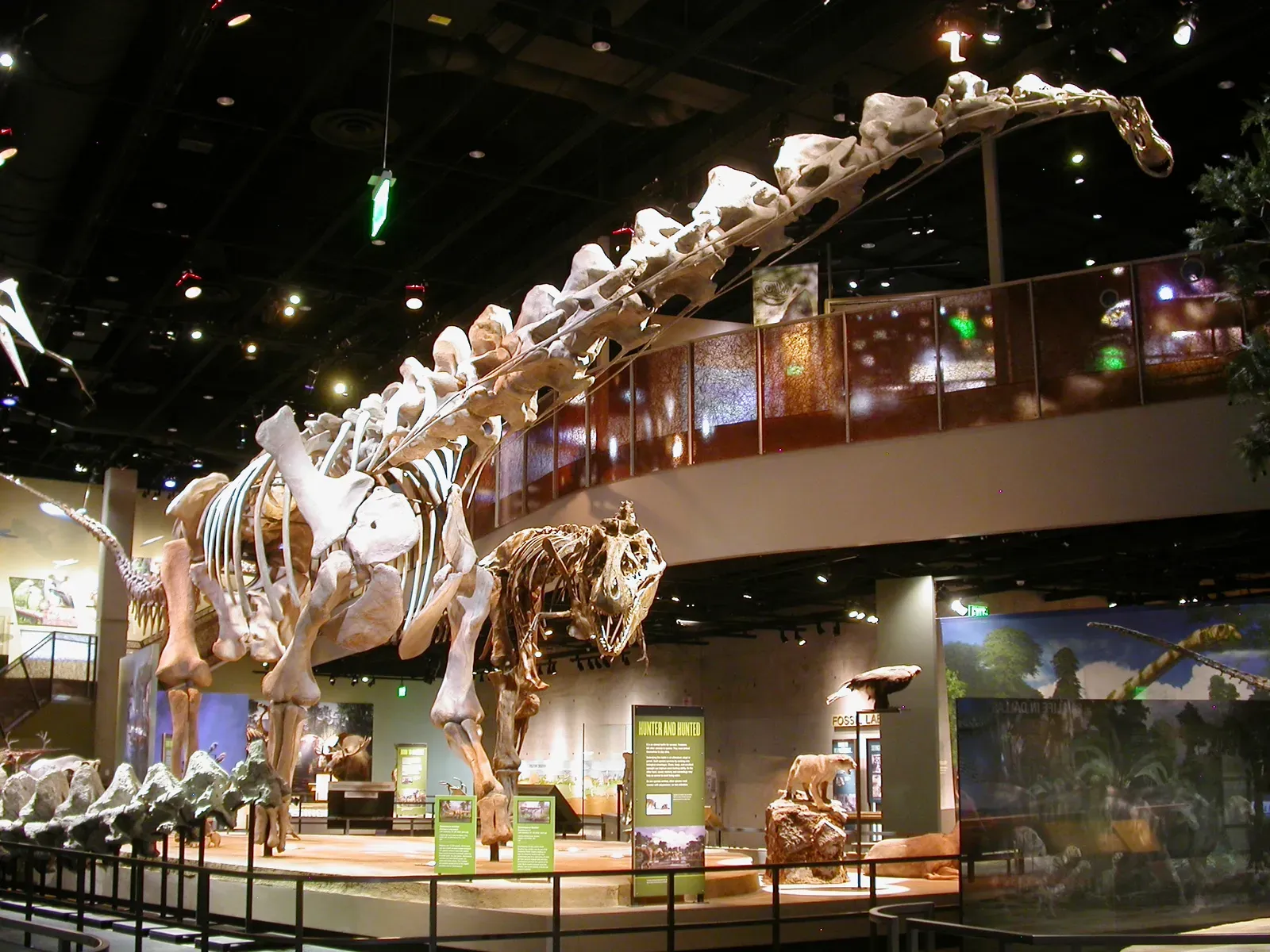
Fast forward to 1997, and the real turning point arrives. The discovery of the massive bones came in 1997 when a joint field crew from the University of Texas at Dallas and the Perot Museum was working in the northeast section of Big Bend National Park. The scientists and volunteers were excavating a site that produced parts of several immature sauropods when Dana Biasatti, then a student at UT-D, “stretched her legs” and came upon the remarkable remains of an adult titanosaur a few hundred yards away.
Think about that for a second. A student took a short walk to stretch, and ended up changing paleontology history. The nine cervical neck vertebrae uncovered were the first articulated series of adult Alamosaurus neck bones ever found. Altogether, the mounted skeleton and the nine neck bones told of a specimen 24 meters long, with its head 12.6 meters off the ground. The owner of the neck bones would have weighed an immense 50 tons, certainly the biggest creature on its native continent. It was, to say the least, quite a stretch break.
Rewriting the Record Books: Just How Big Was This Beast?
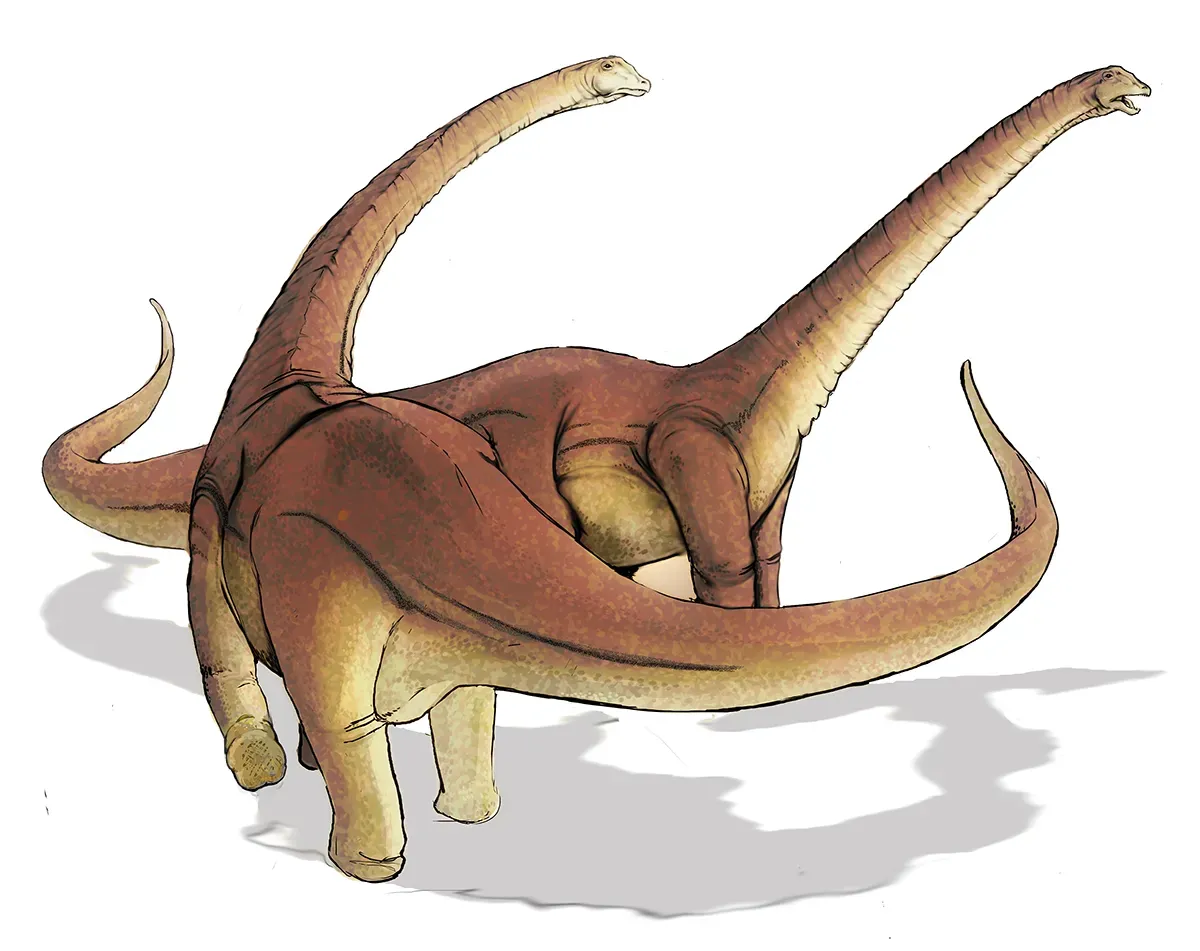
U.S. paleontologists announced they had discovered fossils of the largest known dinosaur ever to roam North America. The scientists unearthed two enormous vertebrae and a femur, or thigh bone, of a plant-eating sauropod species called Alamosaurus. Found at a site in the southwestern U.S. state of New Mexico, the bones belonged to an adult Alamosaurus that lived 69 million years ago. This was not a modest upgrade to the record. This was a seismic shift.
Previously, it was thought that Alamosaurus weighed around 30 tons and measured about 19 meters in length. The study co-authors found that those conclusions were based on the fossils of animals that were not fully grown when they died. The adult specimens found in New Mexico put Alamosaurus in nearly the same category as its 70-ton, nearly 40-meter-long South American cousin, Argentinosaurus. You could say the scientists had been measuring the wrong report card all along. The earlier fossils were essentially the equivalent of judging a full-grown grizzly bear based on its childhood photos.
North America vs. South America: The Battle of the Titans
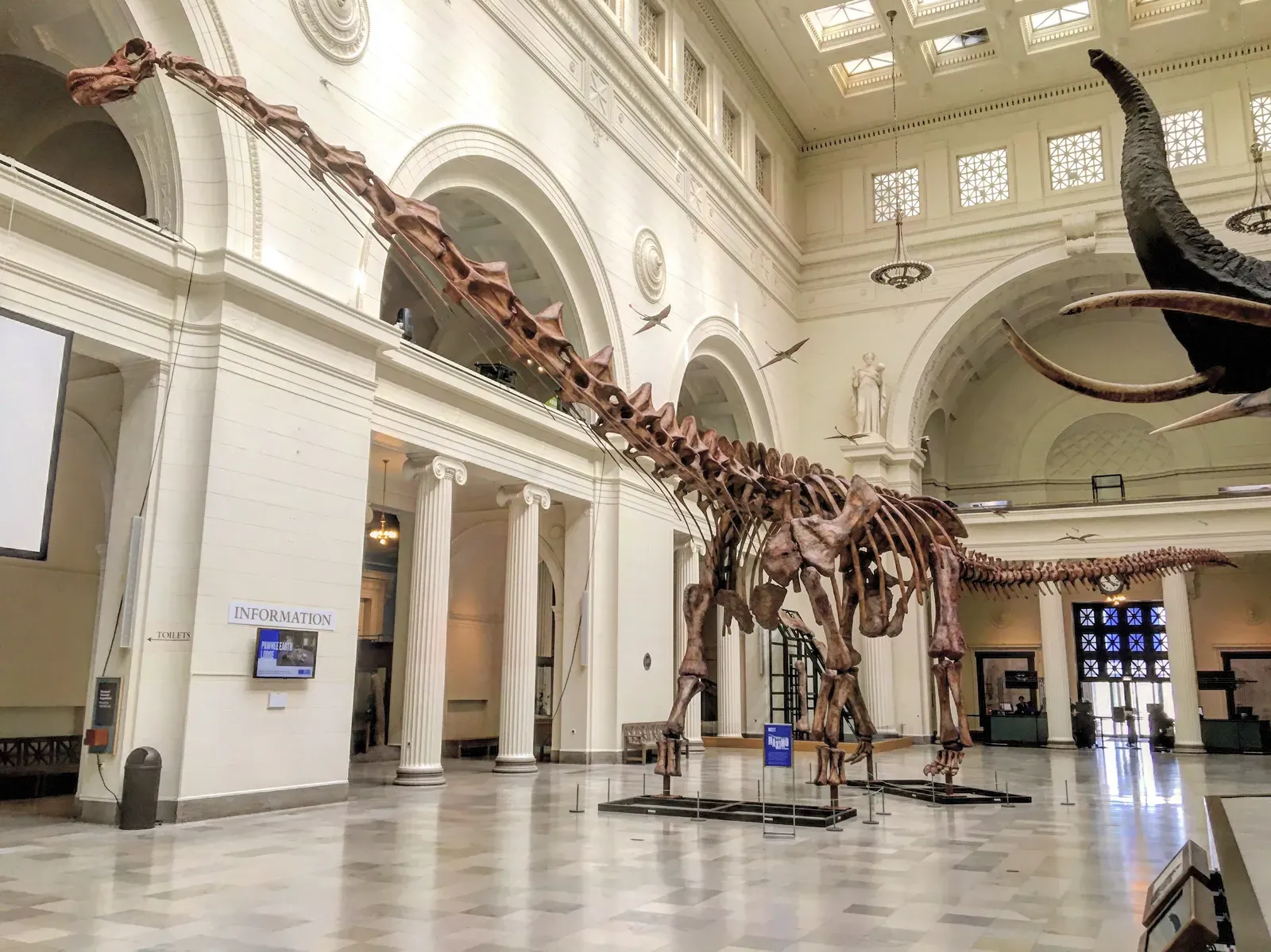
Let’s be real: South America has long held the glamorous crown when it comes to colossal dinosaurs. For a long time, titanosaurs from Argentina like Argentinosaurus and Puertasaurus had been the main contenders for the title of biggest dinosaur. Now, an equally huge North American dinosaur entered the fray. The rivalry between the two continents’ titans is, honestly, one of the most entertaining storylines in all of paleontology.
Scientists working on the new finds noted that Alamosaurus is newly recognized as the biggest dinosaur from North America, and that it was right up there with the biggest South American species. This makes Alamosaurus the biggest dinosaur in North America, as well as one of the biggest creatures to have ever walked the planet. It is hard to say for sure exactly who would win in an imaginary weigh-off between an Alamosaurus and an Argentinosaurus, but the fact that it is even a debate says everything you need to know about North America’s prehistoric heavyweight.
A Fortress on Four Legs: The Anatomy of Alamosaurus
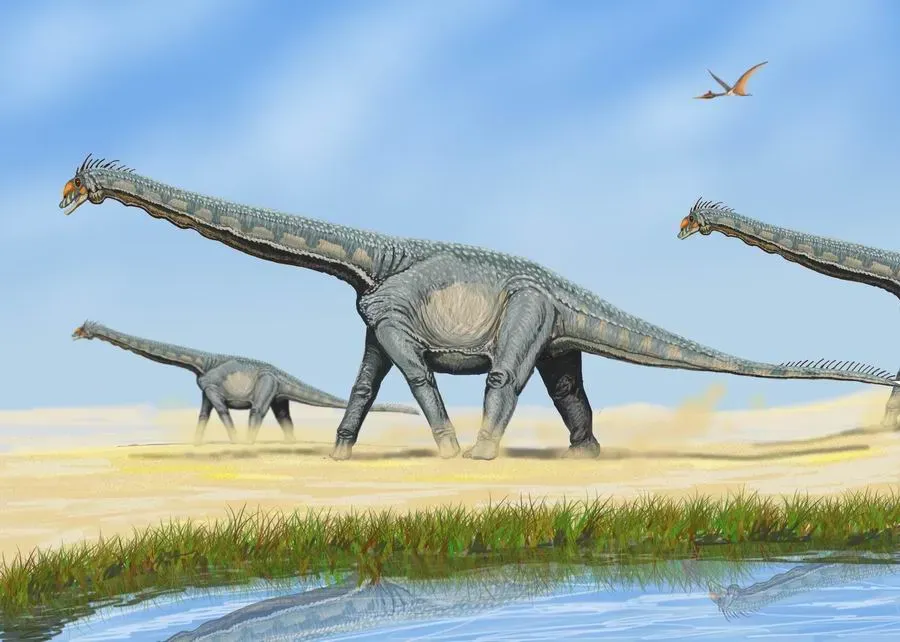
Alamosaurus was a titanosaur, a long-necked and long-tailed herbivore of the kind that dominated both the southern and northern hemispheres at the end of the Cretaceous Period. Titanosaurs were far broader and more heavily built than their more famous Jurassic kin like Brontosaurus and Diplodocus. Picture the difference between a slender greyhound and a fully grown hippopotamus, and you are getting somewhere close to the right comparison.
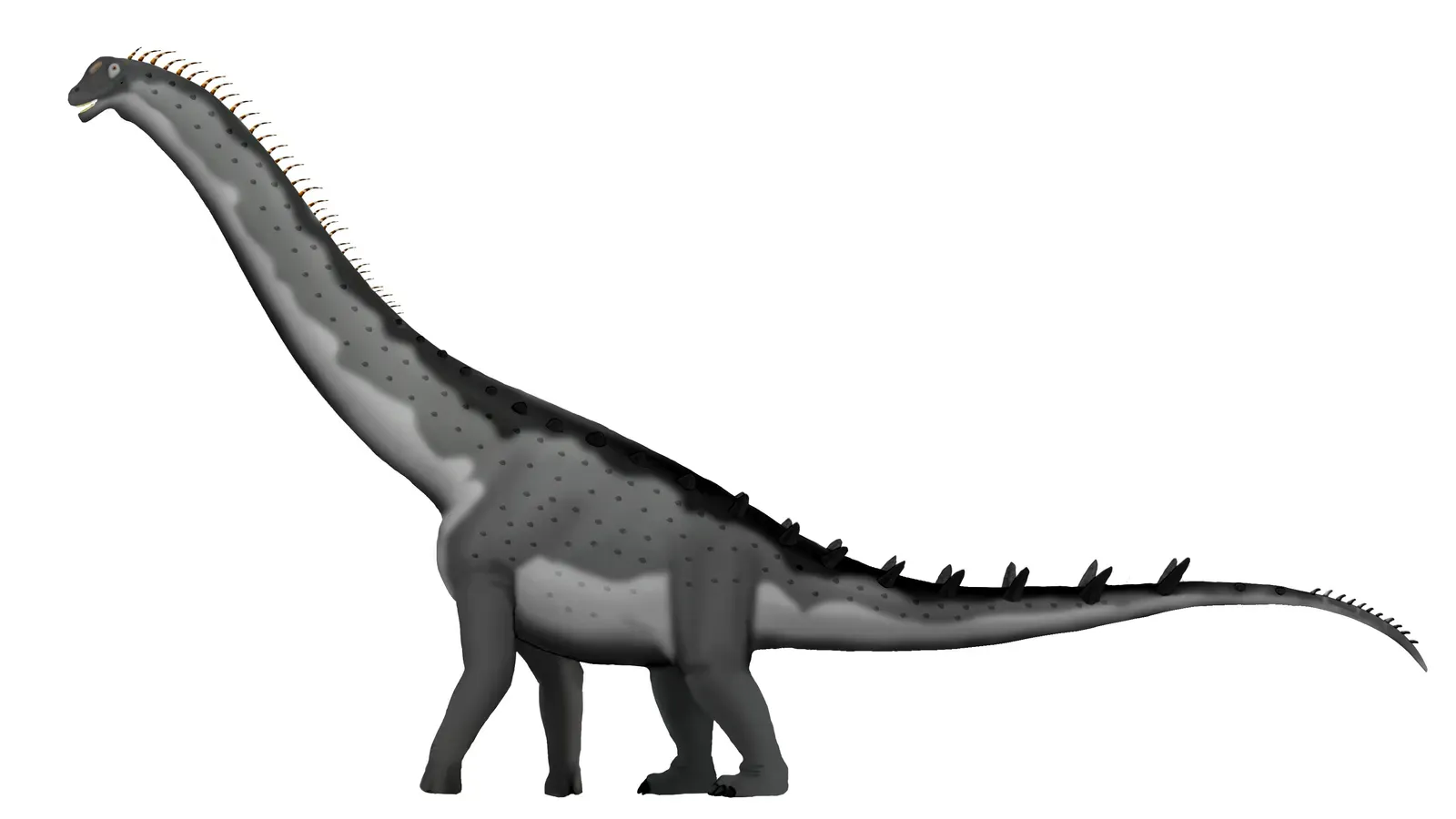
Fossils show that the immense Alamosaurus had the characteristic titanosaur features of a double-wide torso and a very heavy, thick upward-pointing neck. Its front feet did not have nails, another feature of its family. Alamosaurus also had another unique feature: it had a set of huge osteoderms, or bony spikes and armor. Alamosaurus is thought to have had bulb-and-root osteoderms, consisting of large spines running down the shoulders, back, and tail, as well as plate-like elements higher up on the neck. This made for a formidable, almost fortress-like creature that was nearly indestructible. Predators, even the largest ones of the era, would have thought twice.
Big Bend: America’s Hidden Dinosaur Vault
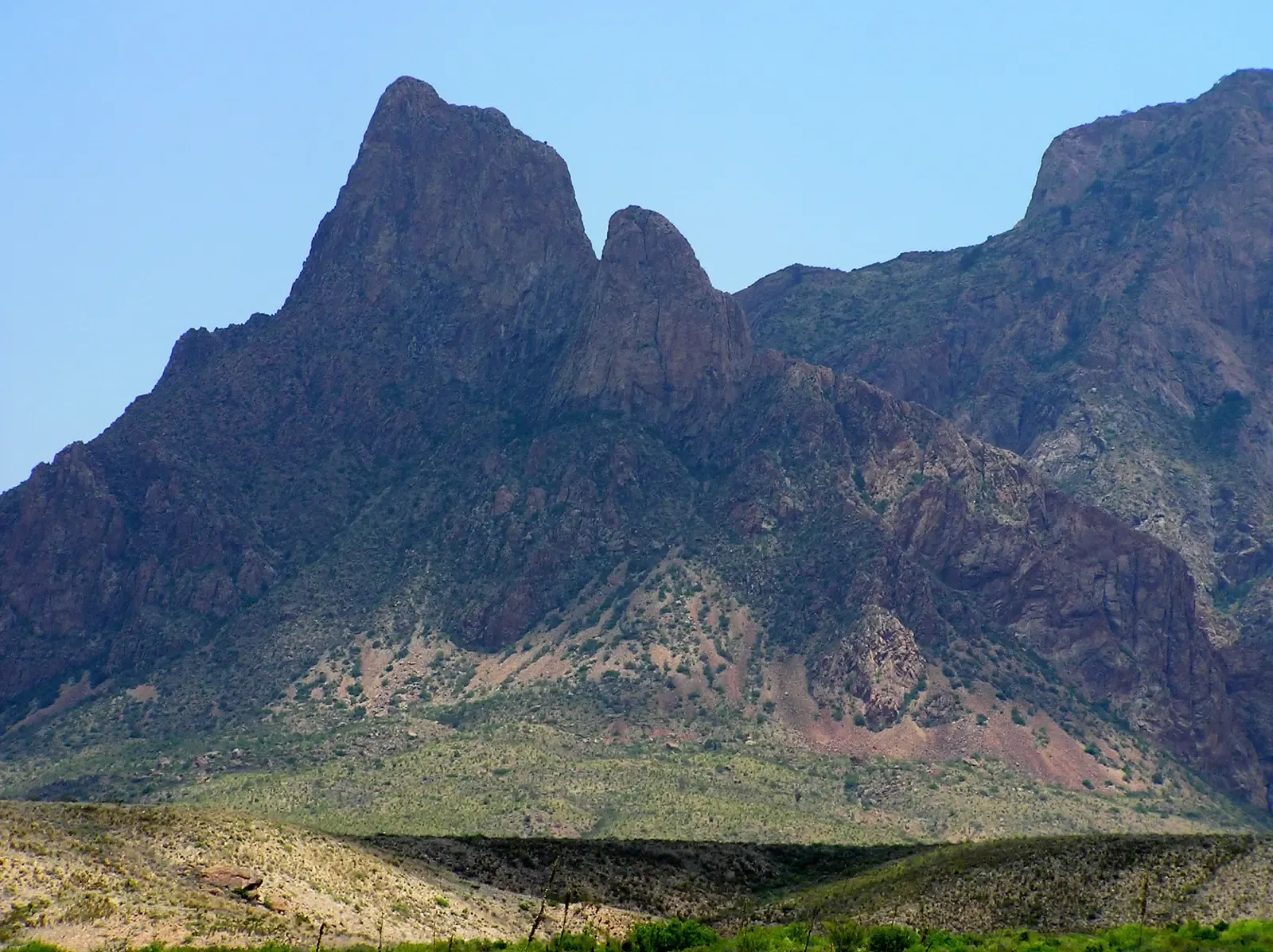
Big Bend National Park has long been recognized as an important dinosaur fossil site in the United States. In addition to Alamosaurus, the park has yielded remarkable prehistoric discoveries, including the bones of a giant pterosaur, the largest flying creature ever known, with an impressive 36-foot wingspan. The park is essentially a prehistoric treasure vault, and scientists have barely scratched its surface.
Most recently, in what felt like the latest chapter of a never-ending saga, buried beneath the sun-baked rock of Big Bend National Park, a monumental secret lay hidden for millions of years, until a team of geology students from Sul Ross State University unearthed it during a routine expedition. Led by professors Dr. Jesse Kelsch and Dr. Thomas Schiller, the group uncovered the rare bones of an Alamosaurus during a research trip in March while the students were examining rock layers and geological formations dating from the Cretaceous to the Eocene periods. The fossil discovered in Big Bend is a significant addition to previous findings in the area. As the latest find is more complete and better preserved than earlier fragments, it could represent one of the most complete skeletons of the dinosaur species from the region. The desert keeps giving.
Conclusion: A Story That Is Still Being Written
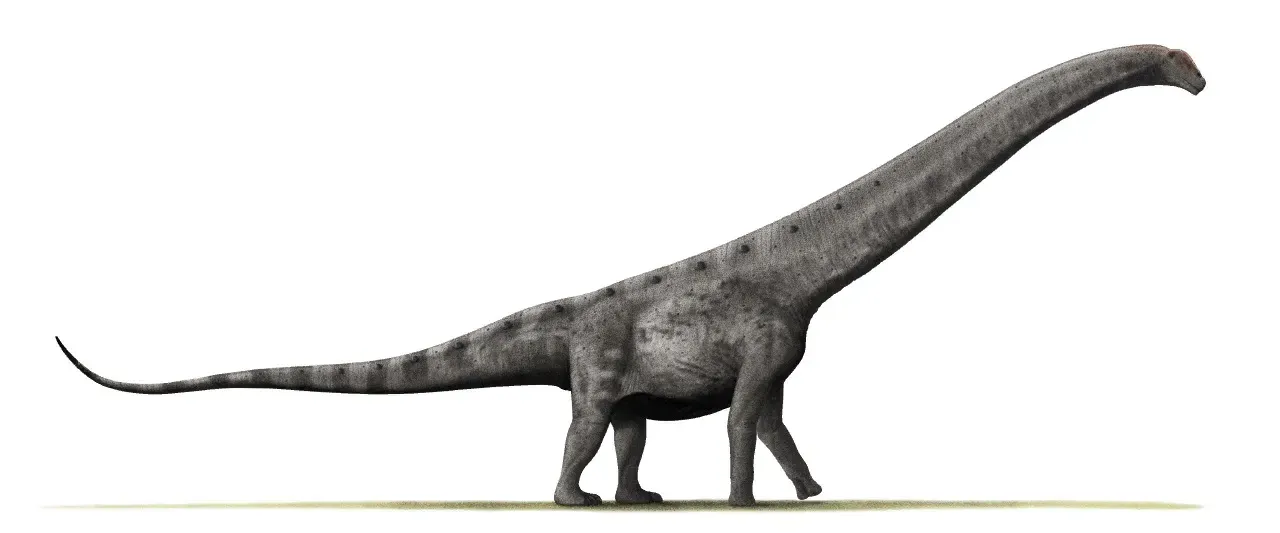
is not some neatly wrapped tale from the distant past. It is an ongoing, living investigation, one that keeps surprising researchers every time someone takes a walk in the right direction through the right patch of ancient rock. Large dinosaurs like the Alamosaurus have been described so far only from a very limited amount of unearthed fossils. These various fragments do well in aiding scientists in painting a semi-accurate picture of long-gone creatures, but they only offer a tantalizing glimpse of what a complete Alamosaurus might look like.
What makes this story so deeply captivating is how human it is at its core. A student stretching her legs. A rancher spotting a bone in the dust. A professor leading students through ancient rock layers on what looked like a routine class trip. Scientists have noted that the fact that Patagotitan’s bones show signs they have not completed their growth means that there are even bigger dinosaurs out there to discover. The same logic may very well apply to the Alamosaurus. The ground beneath your feet may still be hiding something even larger, something that has been waiting patiently for 66 million years for the right person to come along and find it.
Somewhere out in the desert, the next chapter is still buried. What do you think they will find next? Drop your thoughts in the comments.