
Have you ever wondered what secrets your body might be telling the world without your permission? Every moment of every day, you’re broadcasting messages through movements, gestures, and expressions that you probably don’t even realize you’re making. Think about it – while you’re carefully choosing your words in a conversation, your body might be shouting something completely different. It’s happening right now as you read this.
The fascinating truth is that your nonverbal signals often speak louder than anything coming out of your mouth. From the way you cross your arms to that fleeting expression that flashes across your face in less than a heartbeat, you’re constantly revealing your innermost thoughts and feelings. Let’s dive into this hidden world of silent communication.
Your Eyes Betray Every Secret You Keep
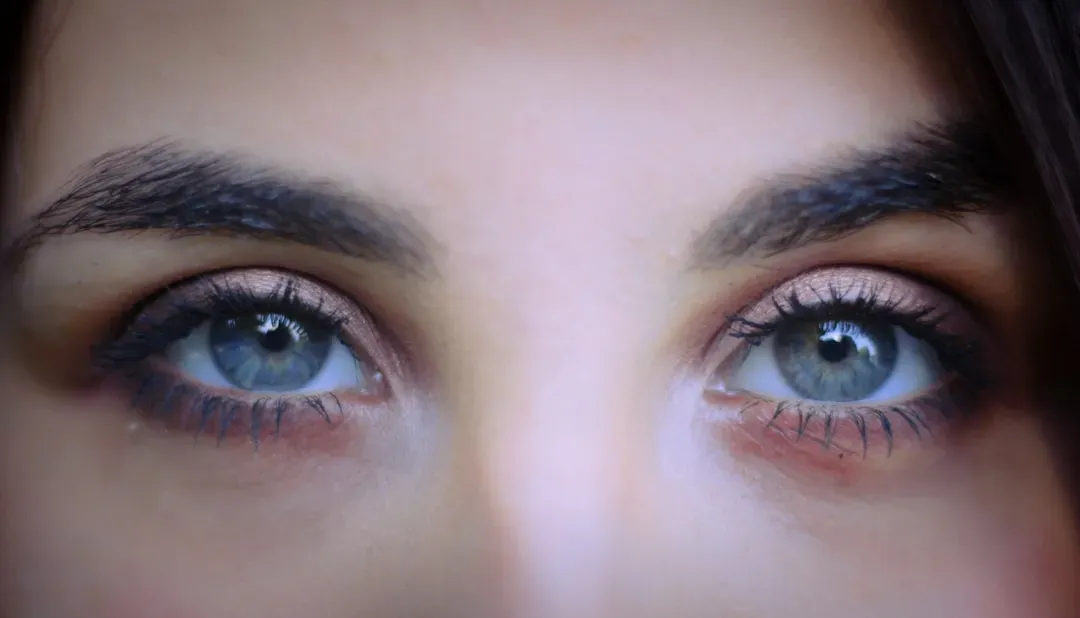
Your eyes are an especially important type of nonverbal communication, and the way you look at someone can communicate many things, including interest, affection, hostility, or attraction. When you’re uncomfortable, you probably don’t even notice how your gaze starts darting around the room like you’re chasing invisible flies. This simple behavior makes others wonder what you’re hiding.
Eye blocking, or covering your eyes, expresses emotions such as frustration and worry, and sometimes the eyelids shut to show determination, while sometimes the eyelids flutter to show that you have screwed up and feel embarrassed. Here’s the thing: you can practice maintaining steady eye contact, but your eyelids still give you away. When you feel confident, the space between your fingers grows, but that space lessens when you feel insecure.
The Microexpressions You Can’t Control

When someone tries to conceal his or her emotions, leakage of that emotion will often be evident in that person’s face, and the leakage may be a quick expression flashed across the whole face, known as a micro expression, at 1/25th of a second. You literally cannot fake these. They’re too fast for your conscious mind to manipulate.
Microexpressions, hand gestures, and posture all register in the human brain almost immediately, even when a person is not consciously aware they have perceived anything. Think about that for a second – the person you’re talking to is picking up signals from you that even they don’t consciously realize they’re receiving. Your face is having a conversation that bypasses words entirely. There’s evidence to suggest our brains prioritize nonverbal communication over verbal communication, so when our brain gets a mixed message, it may prefer the nonverbal cues to the verbal ones.
What Your Arms and Hands Are Screaming

Sitting or standing with your arms crossed across your chest is nearly always seen as defensive body language, and universally, when a person crosses their arms, they are viewed as insecure, annoyed, or closed off. You might think you’re just cold or finding a comfortable position, but others are reading a completely different story.
Your hands tell their own tales too. Relaxed hands indicate confidence and self-assurance, while clenched hands may be interpreted as signs of stress or anger, and if a person is wringing their hands, this demonstrates nervousness and anxiety. Notice how politicians and bosses often hold their fingertips together with palms apart? This gesture lets people know you have authority and control, and bosses and politicians use this gesture often to show they’re in charge.
Your Legs Know What Your Mind Wants

The way you position your legs reveals more about your true intentions than you’d ever imagine. The way you cross your legs can tell others a lot about you and how you’re feeling at any given moment – if you cross them at the ankle, it may show that you’re trying to hide something, and if you cross them at the knee but point your knees away from the other person, you show you’re uncomfortable with them.
Your feet are particularly honest. They often point toward what you really want or where you’d rather be. Standing with your hands on your hips? This can communicate aggression or a desire to dominate. Even your walking style gives you away. The way a person walks may reveal a lot about their inner emotions, such as excitement, confidence or nervousness.
The Space Between You and Everyone Else

Have you ever felt uncomfortable during a conversation because the other person was standing too close and invading your space? We all have a need for physical space, although that need differs depending on the culture, the situation, and the closeness of the relationship. The distance you maintain from others broadcasts your comfort level, your relationship dynamics, and even your cultural background.
Personal space violations trigger immediate discomfort. You probably take a step back without even thinking about it. Roughly about an arm’s length is considered appropriate for casual acquaintances in many Western cultures. Close friends and family can stand nearer without making you feel invaded. Your touch reveals your emotions and personality, which can include handshakes, hugs and pats on the head or back.
When Your Words and Body Tell Different Stories

When your nonverbal signals match up with the words you’re saying, they increase trust, clarity, and rapport, but when they don’t, they can generate tension, mistrust, and confusion. Let’s be real – people believe what they see over what they hear. You could be saying “yes” while shaking your head no, and guess which message gets through?
What you communicate through your body language and nonverbal signals affects how others see you, how well they like and respect you, and whether or not they trust you, and unfortunately, many people send confusing or negative nonverbal signals without even knowing it. That’s the scary part. You’re walking around thinking you’re presenting one version of yourself while your body is busy writing a completely different story. We are always transmitting information to others, whether we know it or not.
The Self-Soothing Gestures That Expose Your Stress
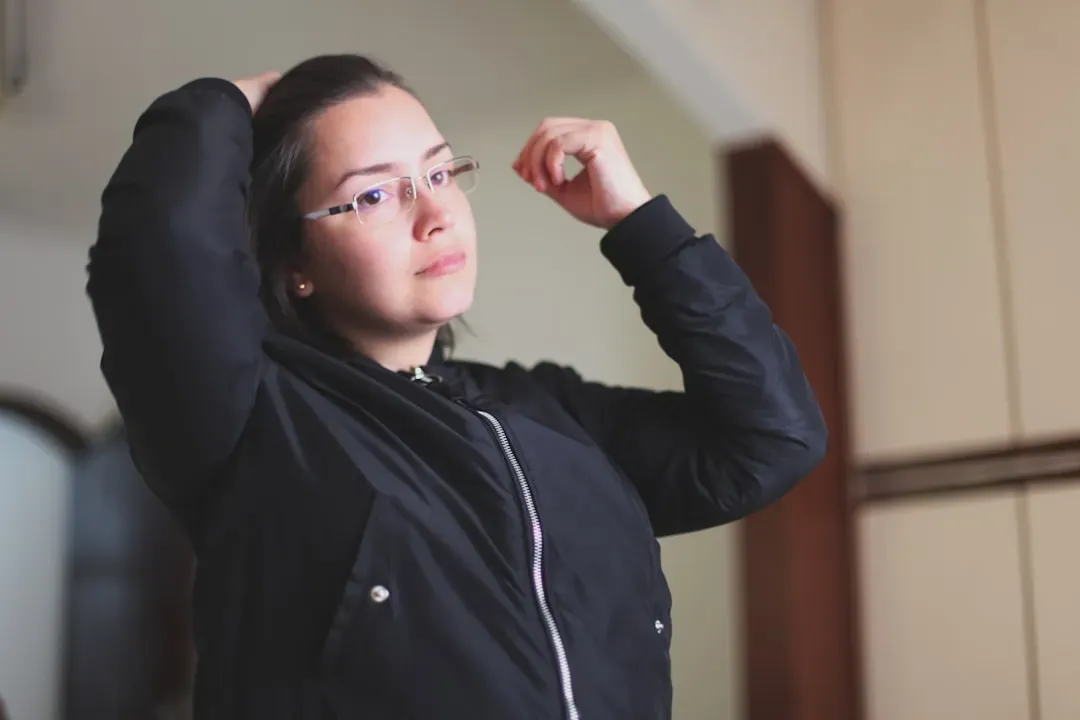
Many behaviors are self-soothing, meaning that they are primarily meant to calm us down or bring comfort during times of stress, and they are more generally indicative of levels of discomfort or simply attempts to regulate ourselves and our emotions. When you touch your neck, play with your hair, or rub your face, you’re not just fidgeting – you’re revealing your inner anxiety to everyone watching.
When you’re stressed out, touching or stroking the neck signals a pacifying behavior, as we all rub our necks at the back, the sides, and also under the chin, and the fleshy area under the chin has nerve endings and stroking it lowers heart rate and calms us. It’s your body’s attempt at self-comfort, a remnant of how your mother soothed you as a child. These small movements might seem insignificant, but they’re neon signs flashing your emotional state.
Learning to Control the Uncontrollable

Your nonverbal cues can also shape your own personality traits, and by consciously adjusting your body language, tone of voice, and facial expressions, you can project confidence, friendliness, and other desirable attributes, as research shows that adopting powerful and open body postures, such as standing tall with shoulders back, can increase feelings of self-assurance and positively impact your behavior.
The good news? You’re not completely at the mercy of your unconscious signals. With awareness and practice, you can start sending the messages you actually want to send. To communicate effectively and not put the other person on the defensive, you can make a conscious effort to avoid sending negative signals by maintaining an open stance and truly attempting to understand what they’re saying, and why. Think about how you want to be perceived, then align your body to match that intention. It takes effort, honestly, but it works.
Conclusion: The Silent Symphony You Conduct Daily
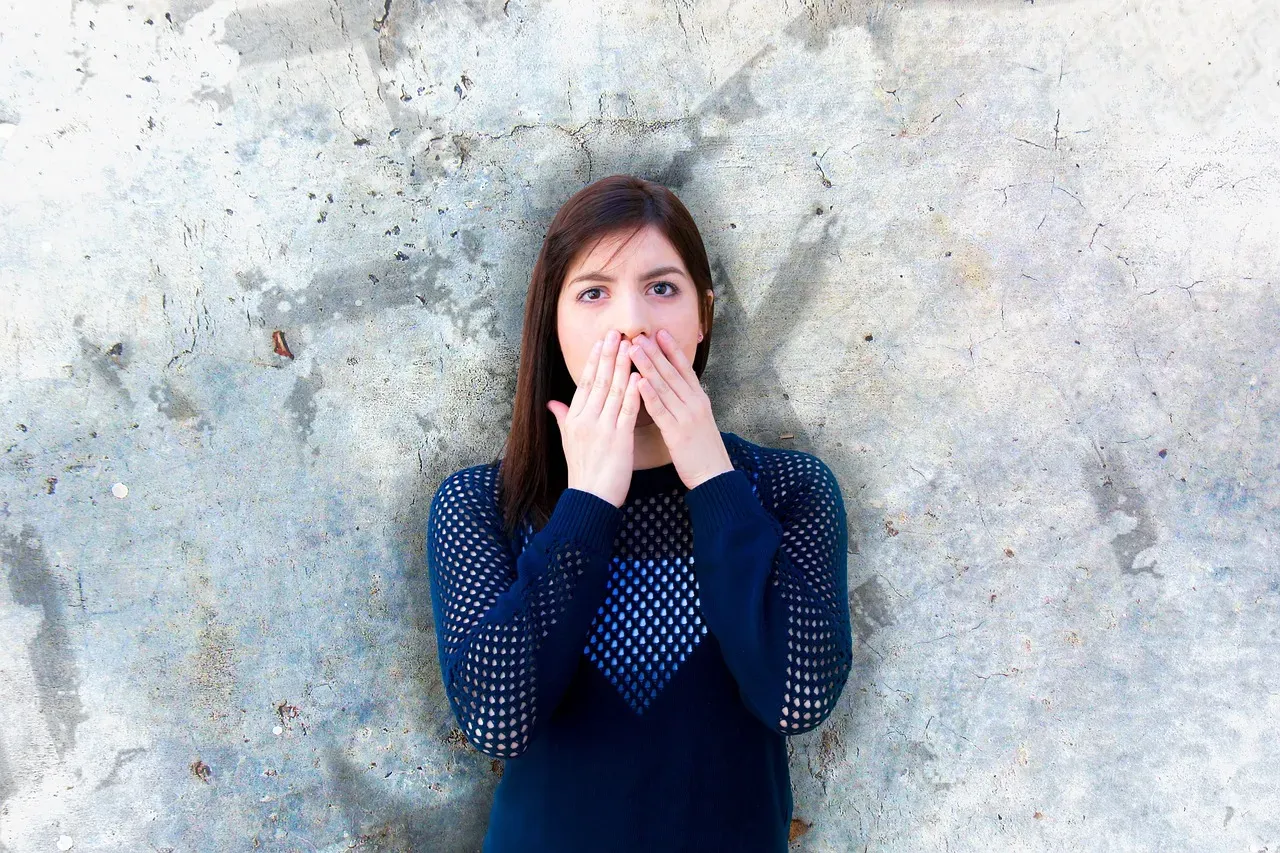
Your body is conducting a symphony of signals every single day, and you’re probably unaware of most of the notes being played. Body language can convey up to 60-65% of all communication. That’s a staggering majority of your message that has nothing to do with the actual words you speak.
Nonverbal communication provides valuable insights into a person’s personality, and by decoding body language, we can uncover hidden emotions, understand individual traits, and gain a deeper understanding of others. The real question is: what story is your body telling right now? Are you sending the signals you think you’re sending, or is there a disconnect between your intentions and your actions?
Start paying attention. Watch how others react to you when you change your posture, maintain eye contact, or open up your stance. The more aware you become of your own nonverbal vocabulary, the more powerfully you can connect with those around you. What do you think – are you ready to take control of the silent conversation happening all around you? Share your thoughts in the comments below.