The story of dinosaur fossils begins not just with the magnificent creatures themselves, but with the violent geological forces that preserved them for eternity. Volcanic eruptions, those catastrophic moments of Earth’s fury, played a surprisingly crucial role in creating some of our most treasured fossil beds. Without these ancient volcanic events, many of the dinosaur discoveries that fuel our imagination today would never have been preserved.
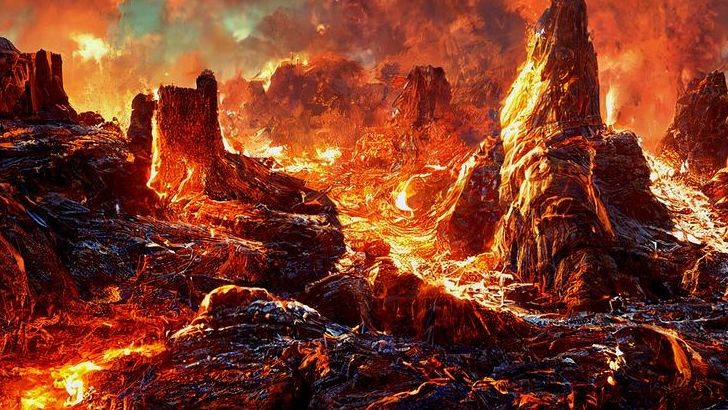
Picture massive volcanic explosions hurling ash clouds thousands of feet into the atmosphere, raining down on prehistoric landscapes where dinosaurs roamed. These dramatic events didn’t just spell doom for ancient creatures. They created perfect conditions for fossilization, acting like nature’s own time capsules that would preserve dinosaur remains for hundreds of millions of years.
The Chinle Formation: Where Fire Met Flesh
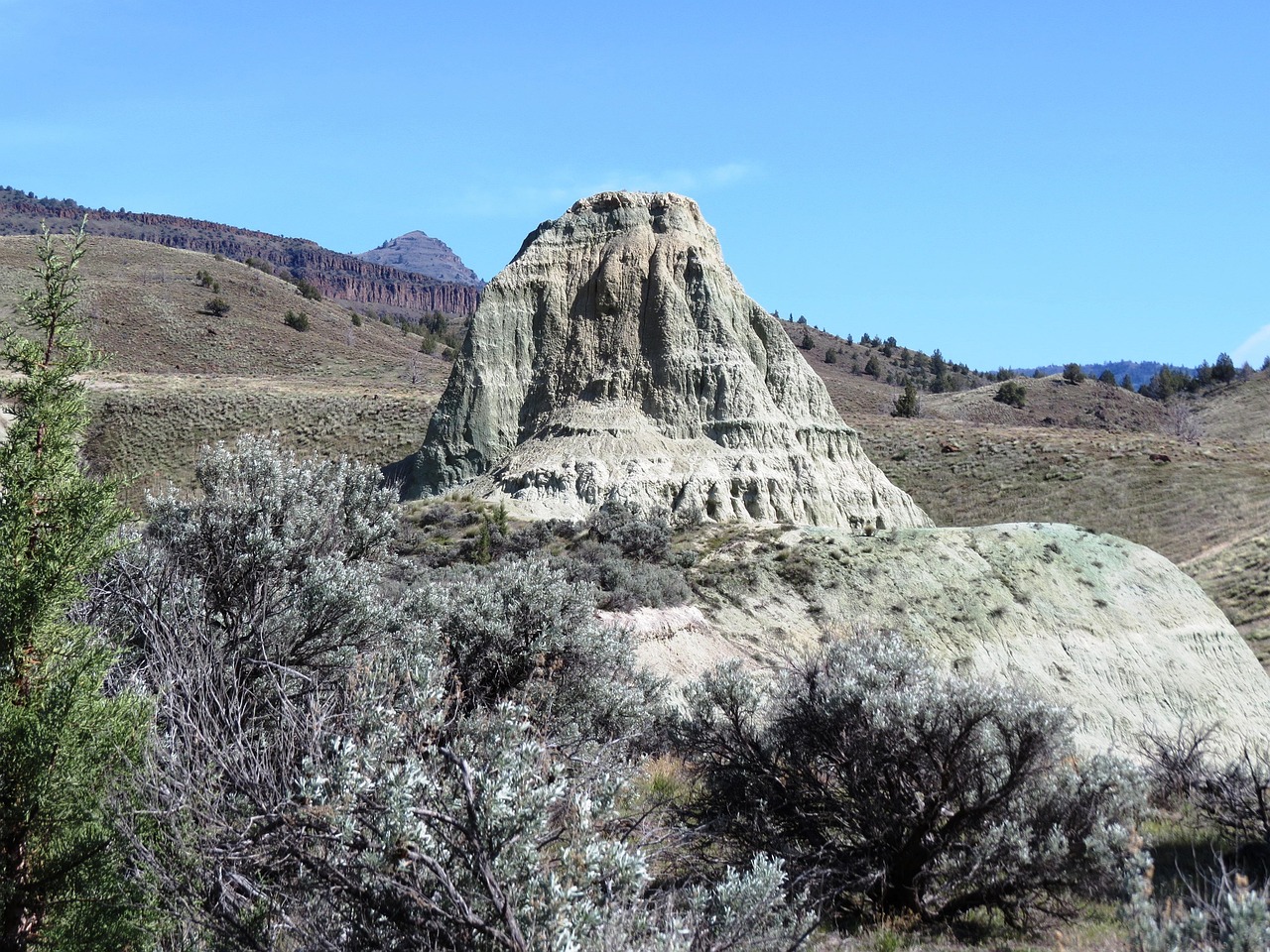
The Chinle Formation, spanning the southwestern United States, represents one of the most significant volcanic contributions to dinosaur paleontology. Dating to the Late Triassic period between roughly 227 and 205 million years ago, this formation preserves fossils of early dinosaurs alongside a diverse array of extinct reptiles, fish, and plants. The formation’s rich fossil record owes much to muddy plains that received fresh zircon-rich ash from contemporary volcanic eruptions, while volcanism from the Cordilleran magmatic arc supplied the zircon crystals essential for precise dating.
The abundance of volcanic ash within the Chinle Formation became one of the factors that led to the remarkable abundance of petrified logs in what is now Petrified Forest National Park. The silica from this volcanic glass could easily be transported by groundwater, eventually replacing organic minerals in buried plant and animal remains. This process created some of the most spectacular fossilized wood specimens on Earth.
China’s Pompeii: The Yixian Formation Catastrophe
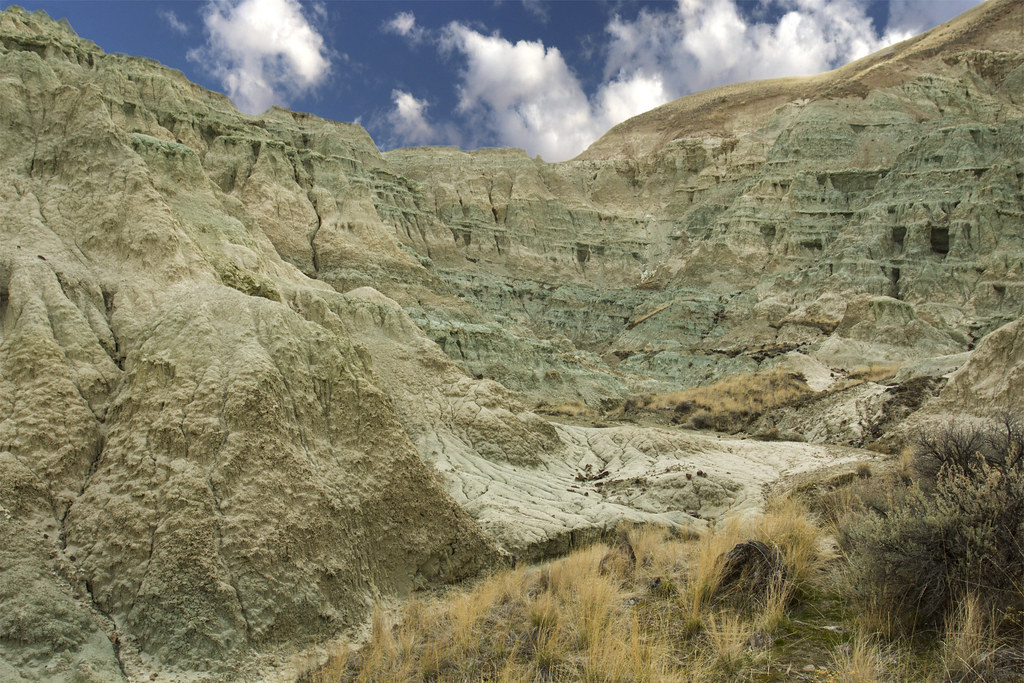
In northern China, volcanic eruptions occurred across a massive area from roughly 125 to 120 million years ago during the Early Cretaceous period. Scientists examined ash encasing 14 well-preserved fossils from five bone beds, including the crow-sized bird Confuciusornis and the parrot-faced dinosaur Psittacosaurus. The evidence suggests these creatures met their fate in explosive volcanic events that would make modern eruptions pale in comparison.
The ashes covering these fossils are fine-grained and cover charred bone, similar to pyroclastic ash from massive eruptions like Krakatoa. The bones show spiderweb cracks like those seen on the charred bones of Pompeii victims. As paleontologist Stephen Brusatte noted, “This really is a dinosaur version of Pompeii, 125 million years old. These volcanoes were agents of death, but also a godsend when it came to fossil preservation.”
The Morrison Formation: Rivers of Ash and Time
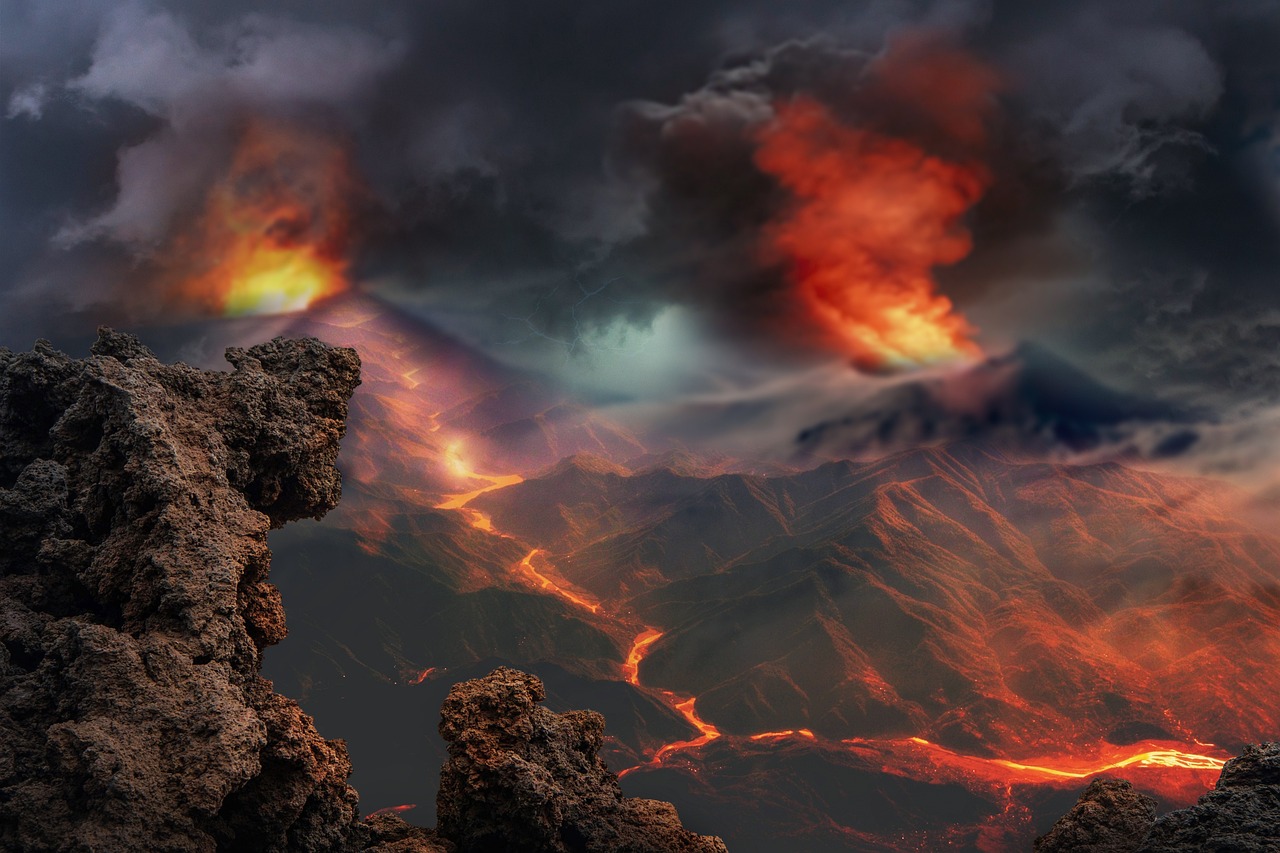
The Morrison Formation stands as a distinctive sequence of Upper Jurassic sedimentary rock in the western United States, representing the most fertile source of dinosaur fossils in North America. While not formed directly from volcanic activity, this formation benefited from volcanic contributions that enhanced preservation conditions. The Brushy Basin Member of the Morrison is dominated by mudstone rich in volcanic ash, demonstrating how distant volcanic activity influenced fossil preservation even in non-volcanic environments.
At sites like the “Jurassic Salad Bar” location in Utah, researchers discovered a dark layer of finely laminated shale overlying volcanic ash, creating exceptional preservation conditions for plant and invertebrate fossils. This demonstrates how even thin layers of volcanic material could create microenvironments perfect for fossilization.
Ashfall Fossil Beds: Death from the Sky
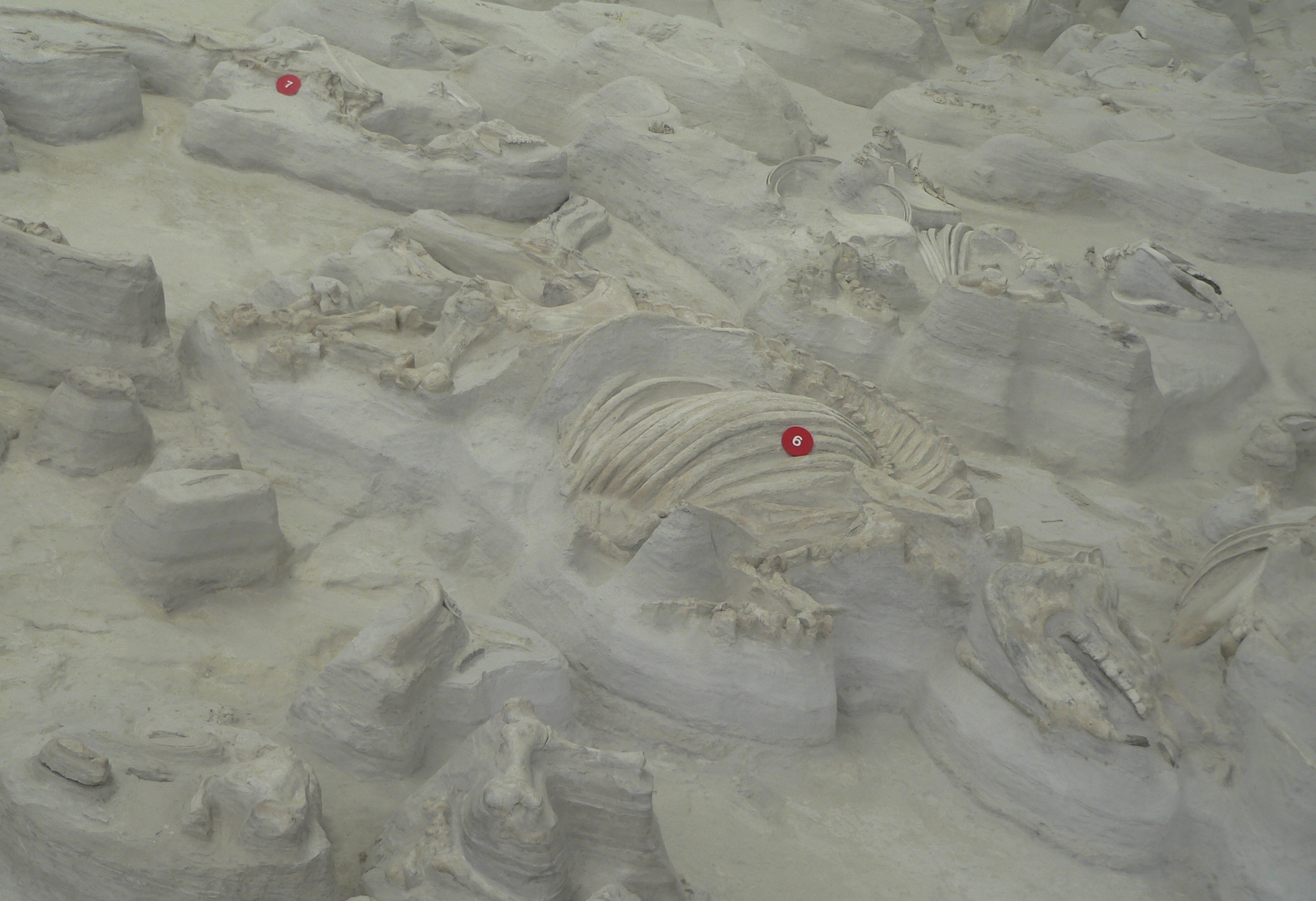
Ashfall Fossil Beds State Historical Park in Nebraska preserves a classic example of volcanic mass mortality. A massive volcanic eruption in Idaho nearly 12 million years ago ejected enormous volumes of ash that winds carried eastward, creating an 8 to 10-foot thick layer that encased articulated skeletons of ancient horses, camels, and large rhinos.
Heavy ashfall from distant volcanic eruptions led to the death of prehistoric animals through ash inhalation, and their carcasses became entombed in the accumulating ash. This site represents one of the most dramatic examples of how volcanic activity hundreds of miles away could create perfect fossilization conditions, preserving complete skeletons in their death poses.
The Deccan Traps: Giants Among Volcanoes
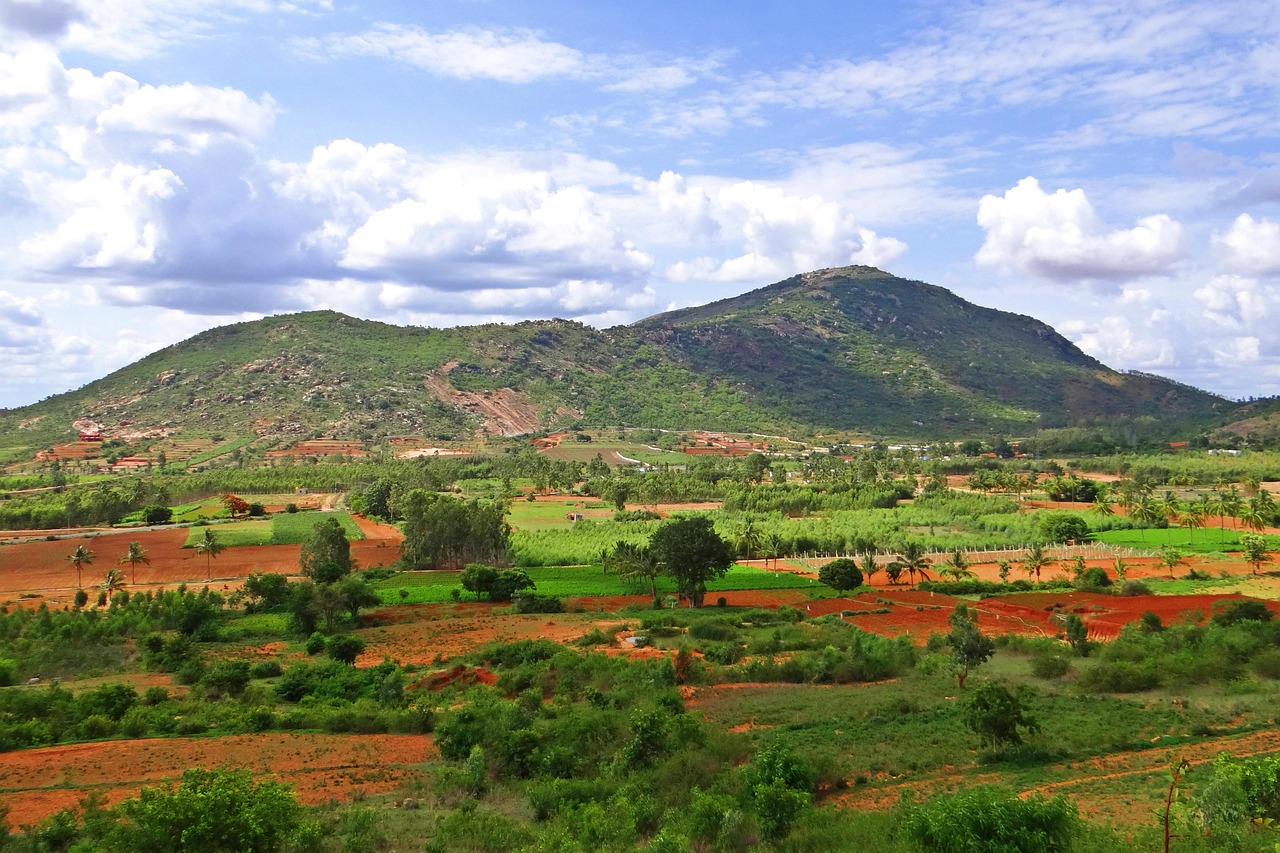
The Deccan Traps in western India date back to around 66 million years ago, when magma from deep inside Earth erupted to the surface. In some areas, the volcanic layers exceed two kilometers in thickness, making this the second-largest volcanic eruption on land. Recent research indicates these massive volcanoes started erupting about 400,000 years before the famous asteroid impact and continued for about 600,000 years after the end of the Cretaceous period.
While the Deccan Traps are more famous for their role in dinosaur extinction rather than preservation, they demonstrate the incredible scale of volcanic activity during the age of dinosaurs. These massive lava flows accumulated to more than 10,000 vertical feet of lava over hundreds of thousands of years, fundamentally altering Earth’s climate and ecosystems.
Florissant Fossil Beds: Lakes of Fire and Preservation
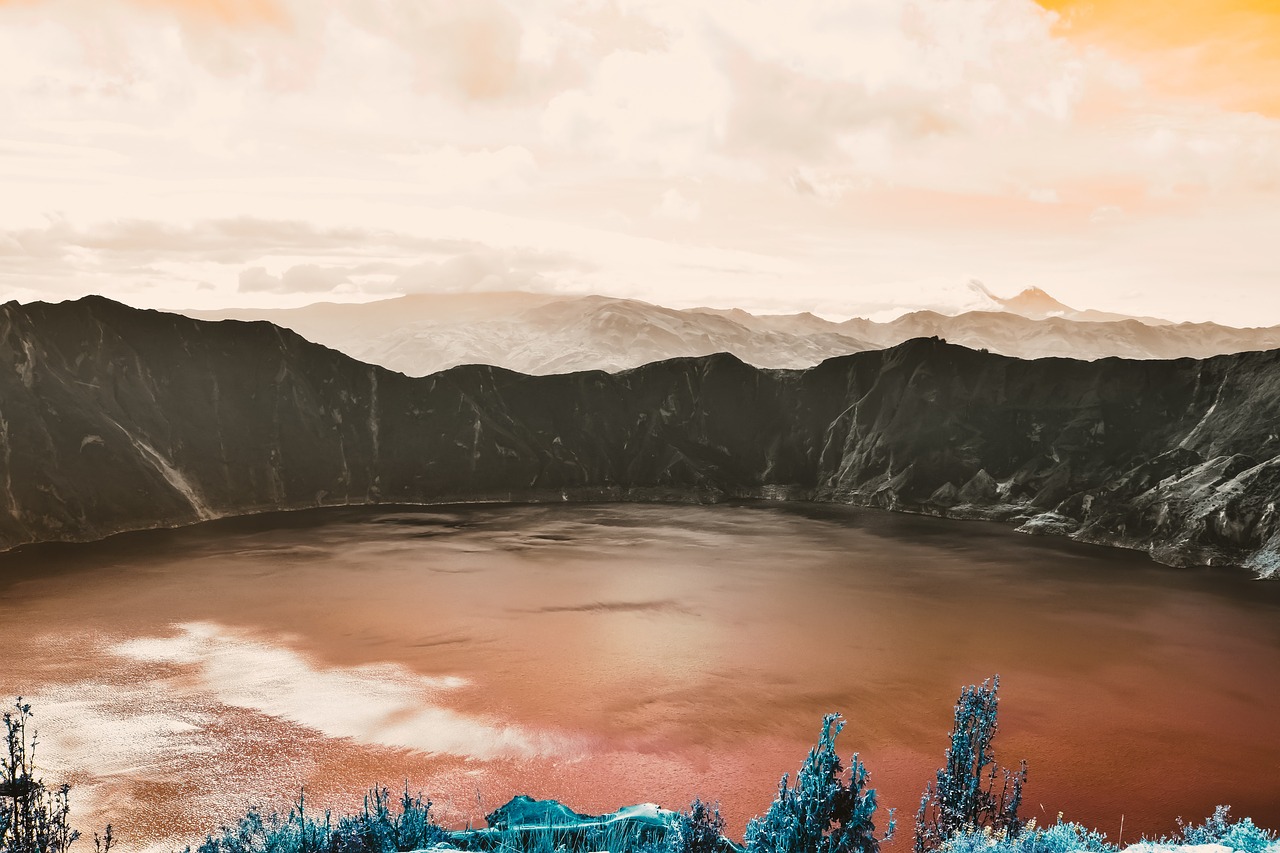
Lake Florissant formed after lahars dammed a river, and continued volcanic activity periodically washed volcanic ash into the lake where silica resulted in blooms of diatoms, microscopic algae with silica cell walls. Eventually, these diatoms died and fell to the lake bottom, creating paper shales made of clay and diatom couplets that preserve delicate fossils.
The presence of silica from volcanic ash became indirectly responsible for the exquisitely preserved fossil insects and flowers at Florissant Fossil Beds National Monument. This site showcases how volcanic activity could create unique preservation environments through complex ecological interactions, not just through direct burial.
Modern Volcanic Lessons for Ancient Mysteries
The Rockyford Ash at the base of the Sharps Formation in Badlands National Park, dating to about 29 million years ago, demonstrates how volcanic ash layers serve as crucial chronological markers for determining the age of fossils found above and below them. This principle helps paleontologists understand the timing of ancient ecosystems and evolutionary events.
Zircon crystals from volcanic ash contain tiny amounts of radioactive uranium, allowing scientists to obtain precise numerical ages for fossil-bearing rocks. This technique has revolutionized our understanding of when different dinosaur species lived and how quickly they evolved.
The Perfect Storm: When Geology Meets Biology
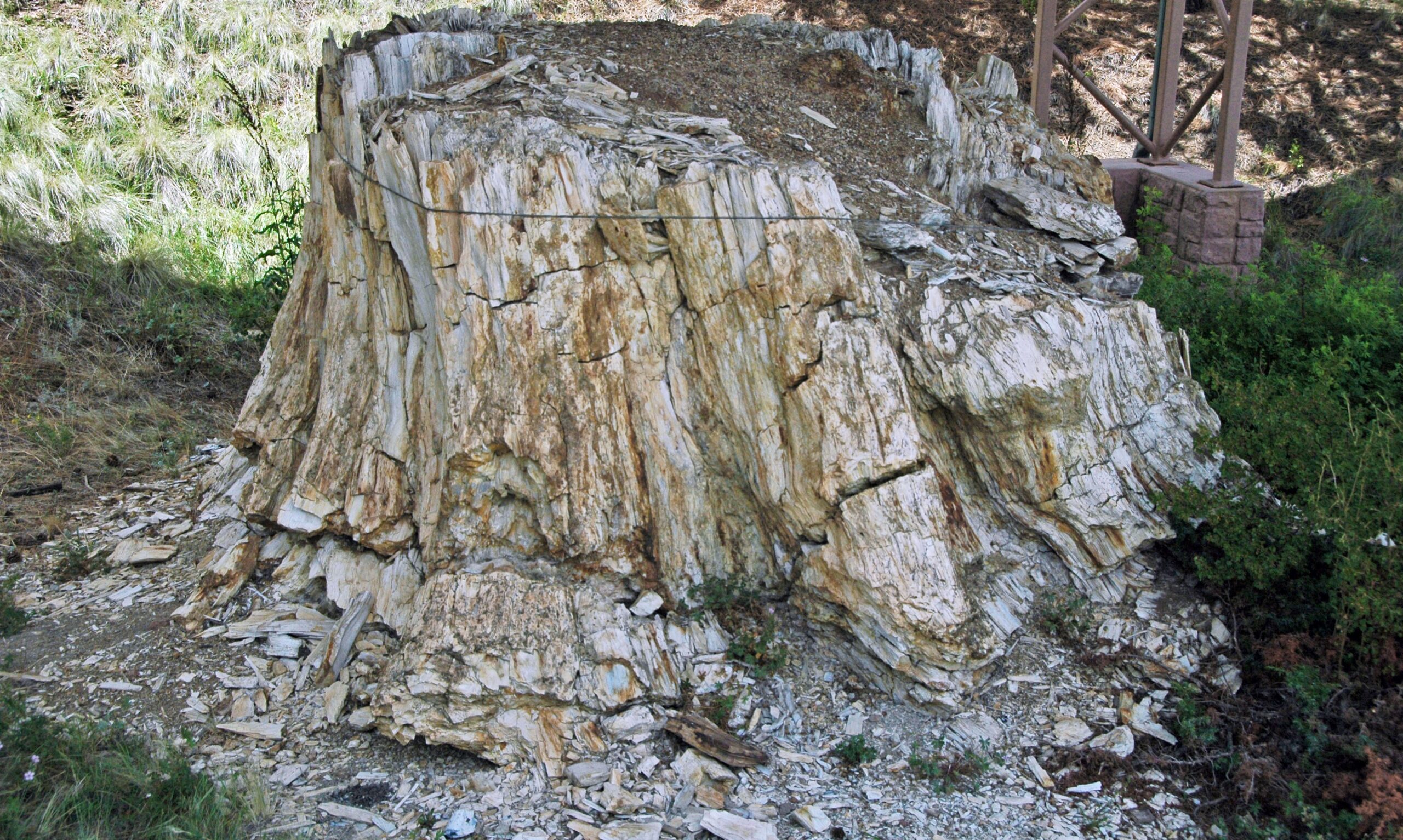
The relationship between volcanoes and dinosaur fossilization represents one of nature’s most fortuitous accidents. Volcanic glass contains silica that groundwater can easily transport through buried sediments, allowing this silica to replace organic minerals or fill small pores in bone and wood during fossilization. This process created some of our most detailed and beautiful fossil specimens.
In formations like the Yixian, sediment covered animals while they were sleeping or resting, burying them alive rather than allowing normal decomposition and scavenging. This rapid burial in volcanic sediments preserved not just bones, but also soft tissues, feathers, and even behavioral evidence like sleeping positions.
The volcanic creation of represents a remarkable chapter in Earth’s history, where destruction and preservation danced together in geological time. These ancient eruptions, while catastrophic for the creatures caught in their path, became the foundation for our modern understanding of prehistoric life. Through volcanic ash and lava flows, Earth inadvertently created museums that would endure for hundreds of millions of years, waiting for future paleontologists to unlock their secrets. What incredible discoveries might still lie buried beneath ancient volcanic deposits, waiting for the right moment to reveal the next chapter of dinosaur history?