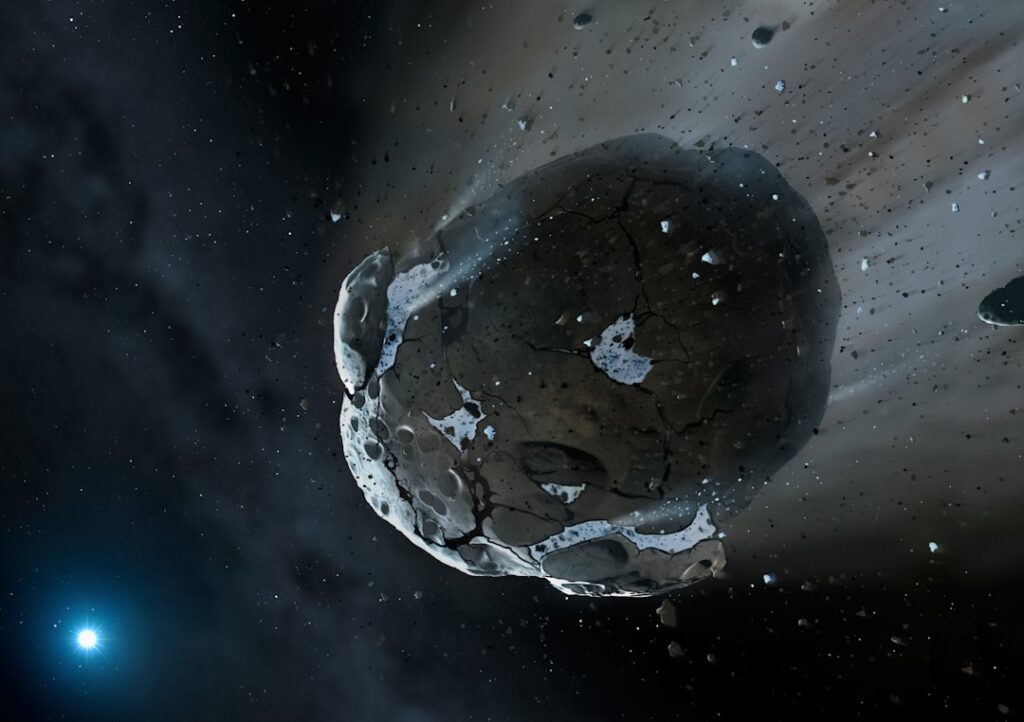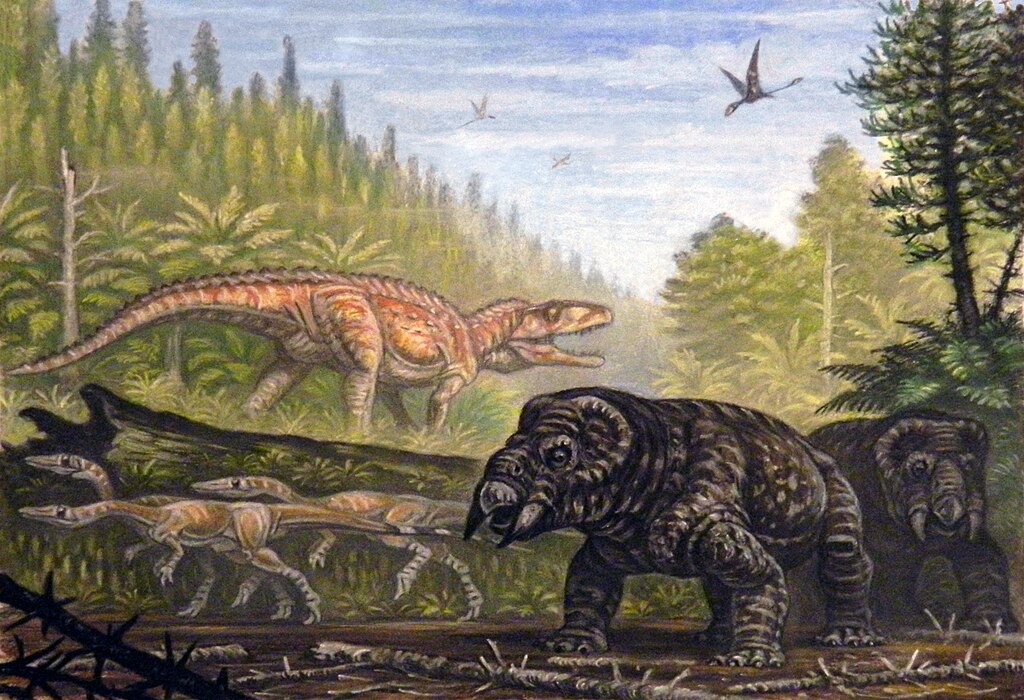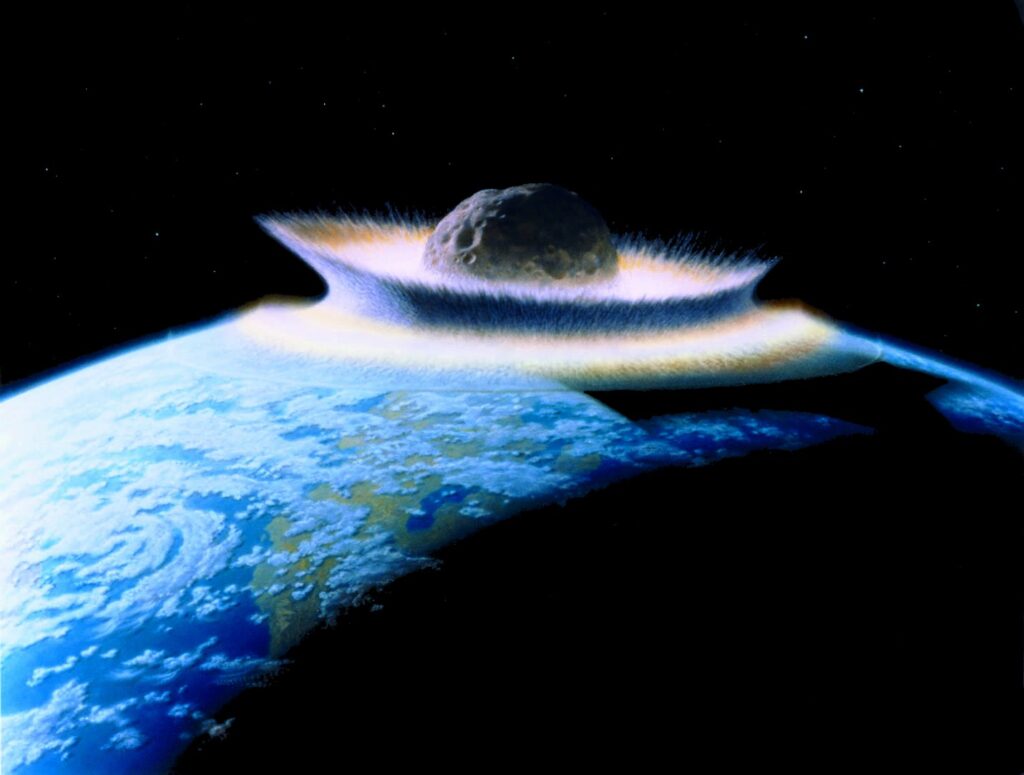
The moment that changed everything lasted mere seconds, yet its aftermath would echo through 66 million years of geological history. When the Chicxulub asteroid struck Earth’s surface, dinosaurs across the planet witnessed an unprecedented display of nature’s most destructive power. From the first seismic tremors to the final descent into an endless winter, the evidence preserved in rock tells a story more dramatic than any fiction could imagine.
What unfolded during those critical hours represents one of the most thoroughly documented catastrophes in Earth’s history. Through careful analysis of geological formations, impact debris, and fossilized remains, scientists have reconstructed a timeline that captures the last moments of the Mesozoic Era with stunning clarity. Let’s examine what these ancient giants experienced in their final days.
The Moment of Impact: A Blinding Flash in the Sky
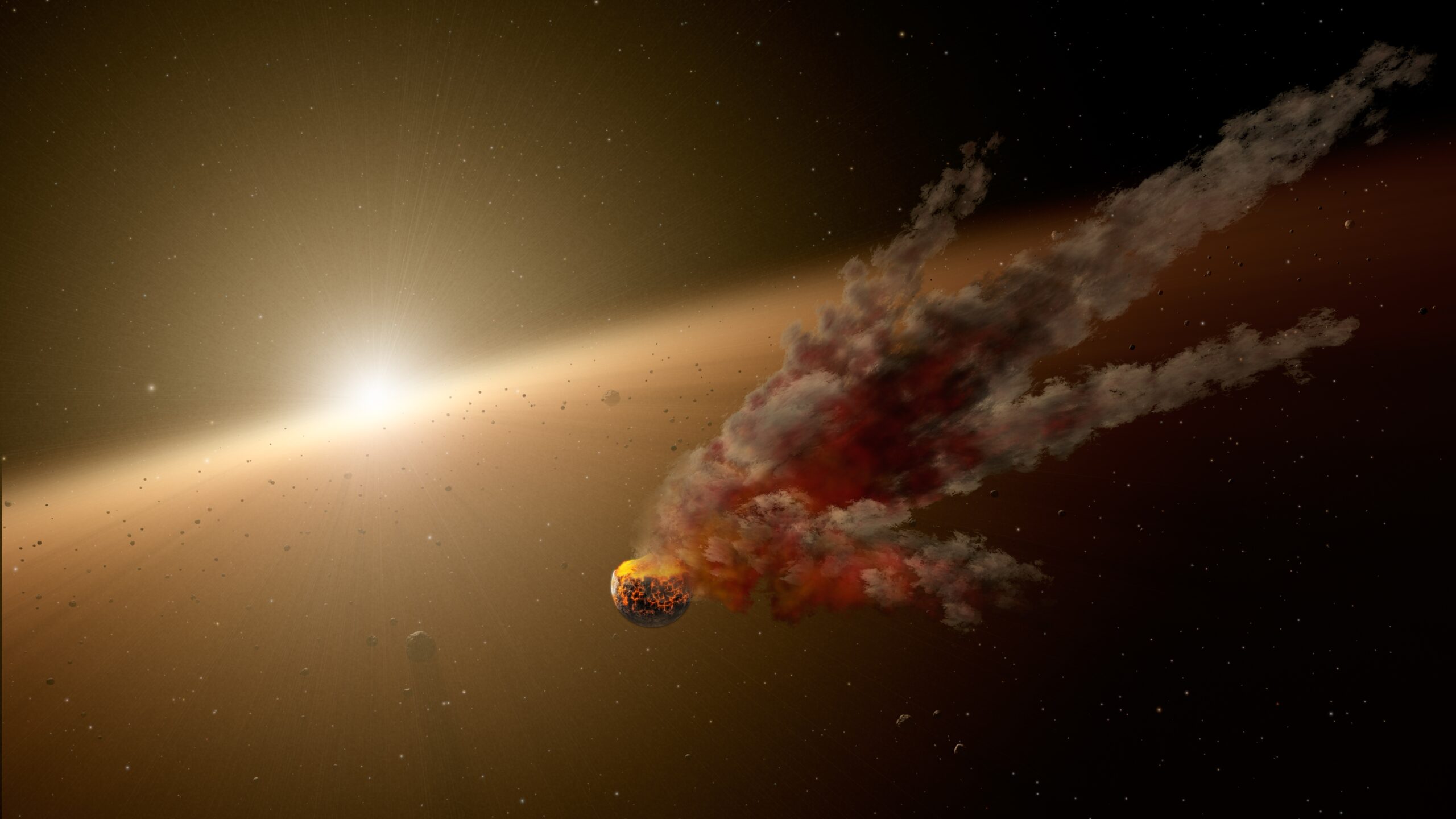
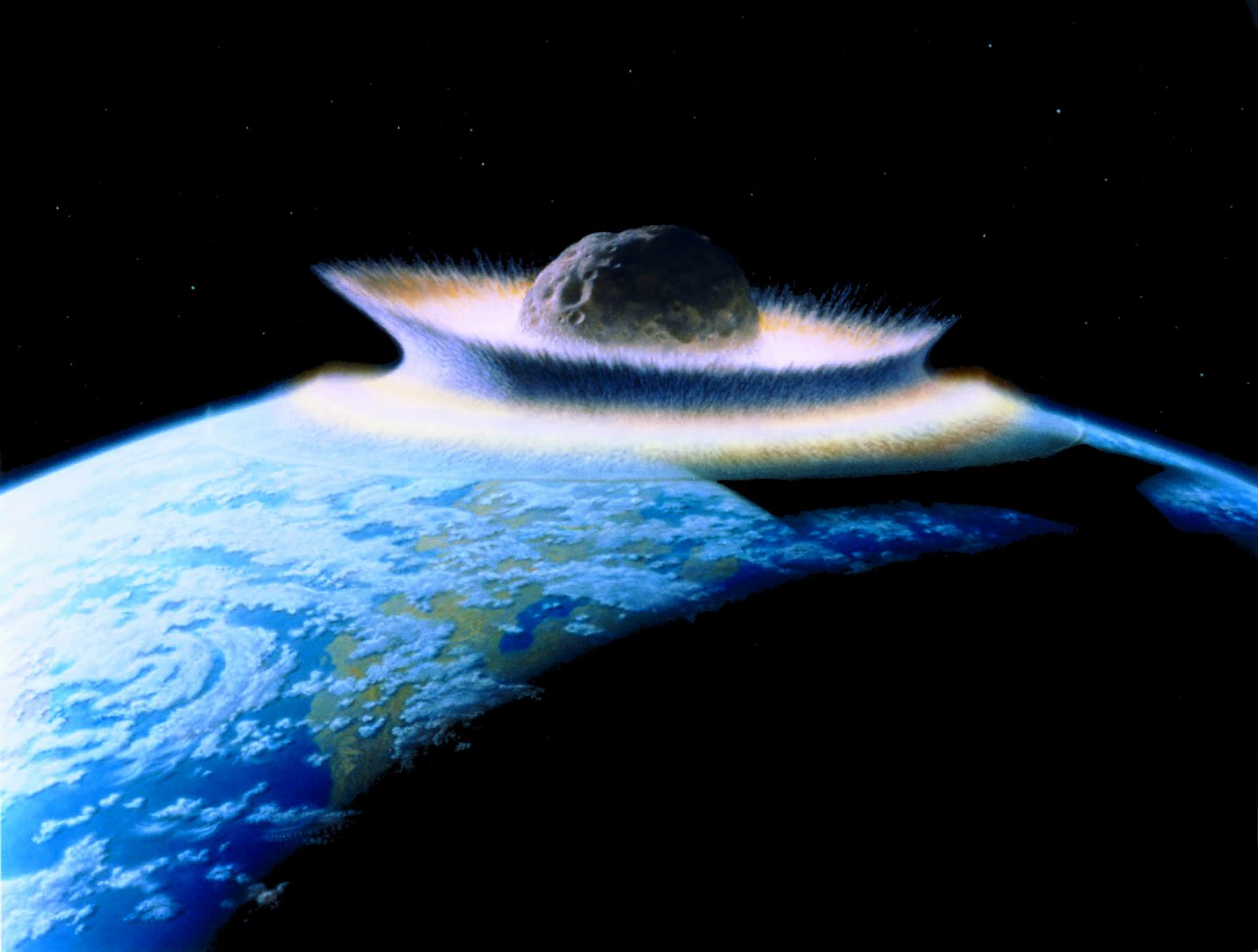
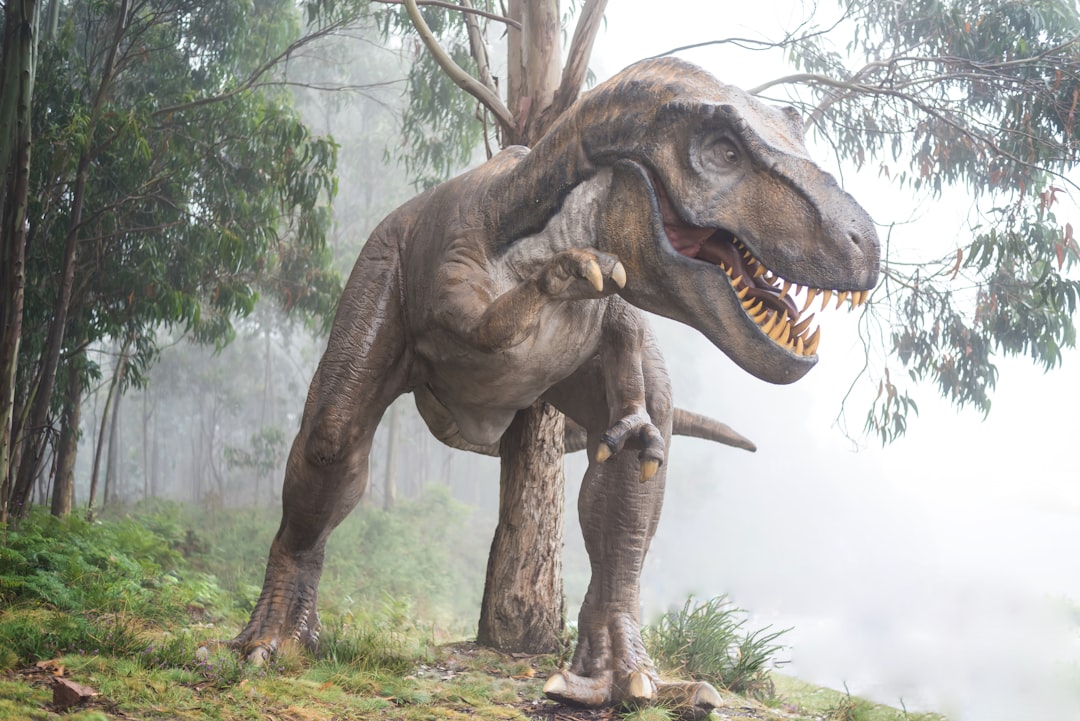
In a warm, humid forest clearing, the Tyrannosaurus rex was calmly chewing on the carcass of a duck-billed dinosaur, when a small white light appeared in the sky. The light grew larger and larger, until it became blinding; the dinosaur never finished its lunch. This scene, while imagined, captures the sudden nature of what may have been the most catastrophic single moment in the planet’s recent history.
The 180-km- (110-mile-) wide crater was formed by an asteroid impact about 66 million years ago at the end of the Cretaceous Period. The asteroid hit at an estimated speed of 20 kilometers per second (more than 58 times the speed of sound) at a relatively steep angle of between 45 and 60 degrees to the Earth’s surface. The impact produced as much explosive energy as 100 teratons of TNT, approximately 5 billion times the explosive power of the Hiroshima atomic bomb.
Seismic Shockwaves: When the Earth Shook Like Never Before
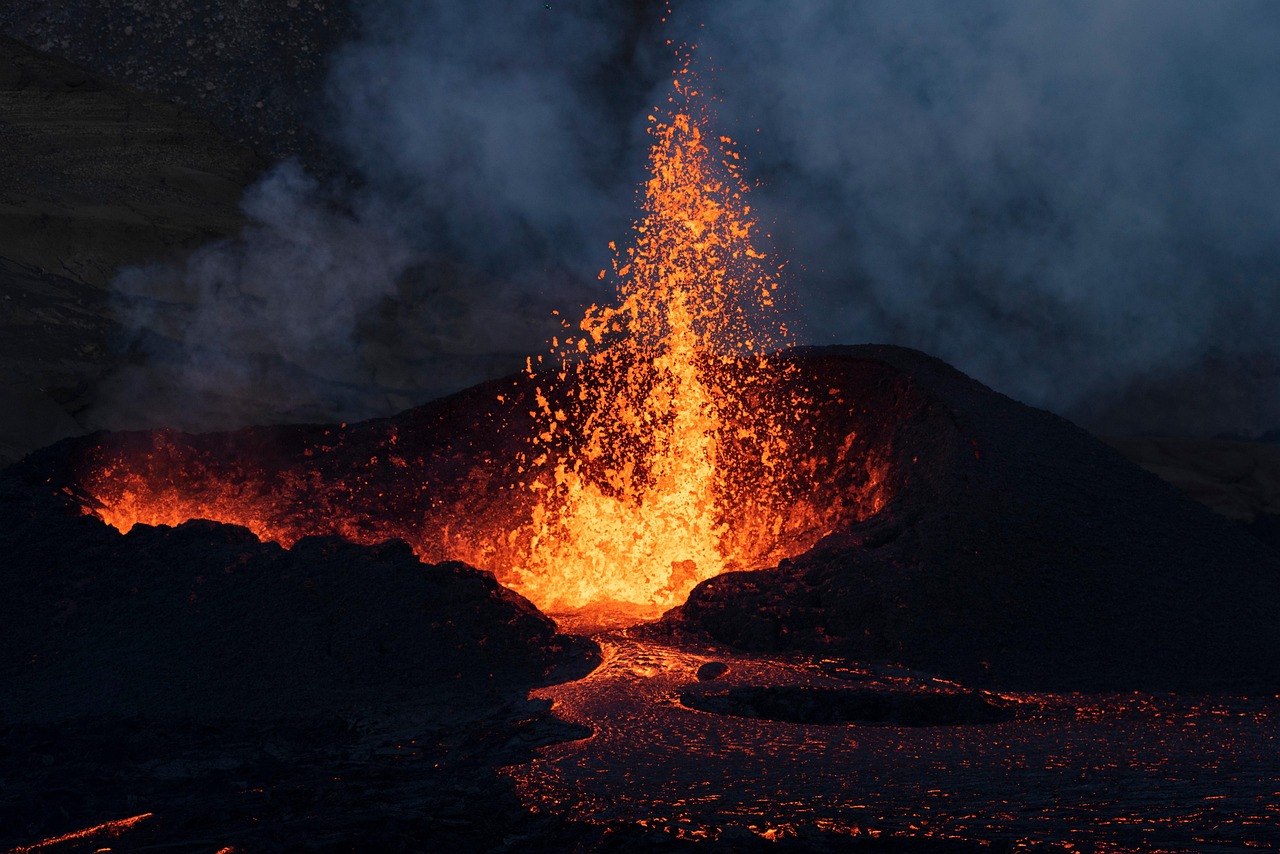
The first sensation dinosaurs would have experienced, even thousands of kilometers away, was the violent shaking of the ground beneath their feet. On that day, violent ground shaking first raised giant waves in the waters of an ancient inland sea. In addition to spawning massive earthquakes at the impact site (of a magnitude between 9 and 11), the shockwave from the asteroid triggered earthquakes and volcanic activity around the world.
These weren’t ordinary tremors. The seismic waves radiated outward from the Yucatan Peninsula with unprecedented force, reaching even distant North Dakota within minutes. Richards estimated that the seismic waves, creating the seiche waves, would arrive in North Dakota at roughly the same time as the projectiles from above.
Rain of Glass: The Sky Falls in Molten Spheres
Within minutes of the impact, something extraordinary began happening in skies across North America. Then tiny beads began to fall, created from molten rock cooling at the edge of space to make glassy spheres. These weren’t ordinary meteorites. After the asteroid struck, it tore a gaping hole in Earth’s crust some 50 miles wide and 18 miles deep, sending hunks of molten earth splashing upward and outward with ferocious speed. High in the atmosphere, the debris coalesced into tiny glass blobs, many of them less than a millimeter wide.
These particles, called tektites, started raining down about 15 minutes after impact in a torrent of glass that didn’t let up for another three quarters of an hour. The experience would have been terrifying for any creature caught in this deadly precipitation. The tektites would have reached terminal velocity of about 200 miles per hour, according to Alvarez, who decades ago estimated the travel time of these objects through the atmosphere. “You can imagine standing there being pelted by these glass spherules. They could have killed you,” Richards said.
Tsunami of Earth: Walls of Water Racing Inland

The impact’s violence didn’t stop with glass rain. A tsunami caused by the impact led to even more damage. Deposits probably caused by the tsunami have been spotted as far away as Illinois. These weren’t typical ocean waves. If superheated winds and a rain of molten rock from the skies were not enough, a 1.5 km high tsunami immediately followed the impact, with subsequent tsunamis 50 to 150 meters high created by ensuing earthquakes, transporting sediments and debris to what is now Florida and Texas.
Evidence from North Dakota reveals the devastating power of these waves. The heaving sea turned into a 30-foot wall of water when it reached the mouth of a river, tossing hundreds, if not thousands, of fresh-water fish – sturgeon and paddlefish – onto a sand bar and temporarily reversing the flow of the river. Seiche waves from the inland sea reached 30 feet, drowning the river valley in a pulse of water, gravel and sand. The rain of rocks and glass followed.
Global Firestorms: The World Burns
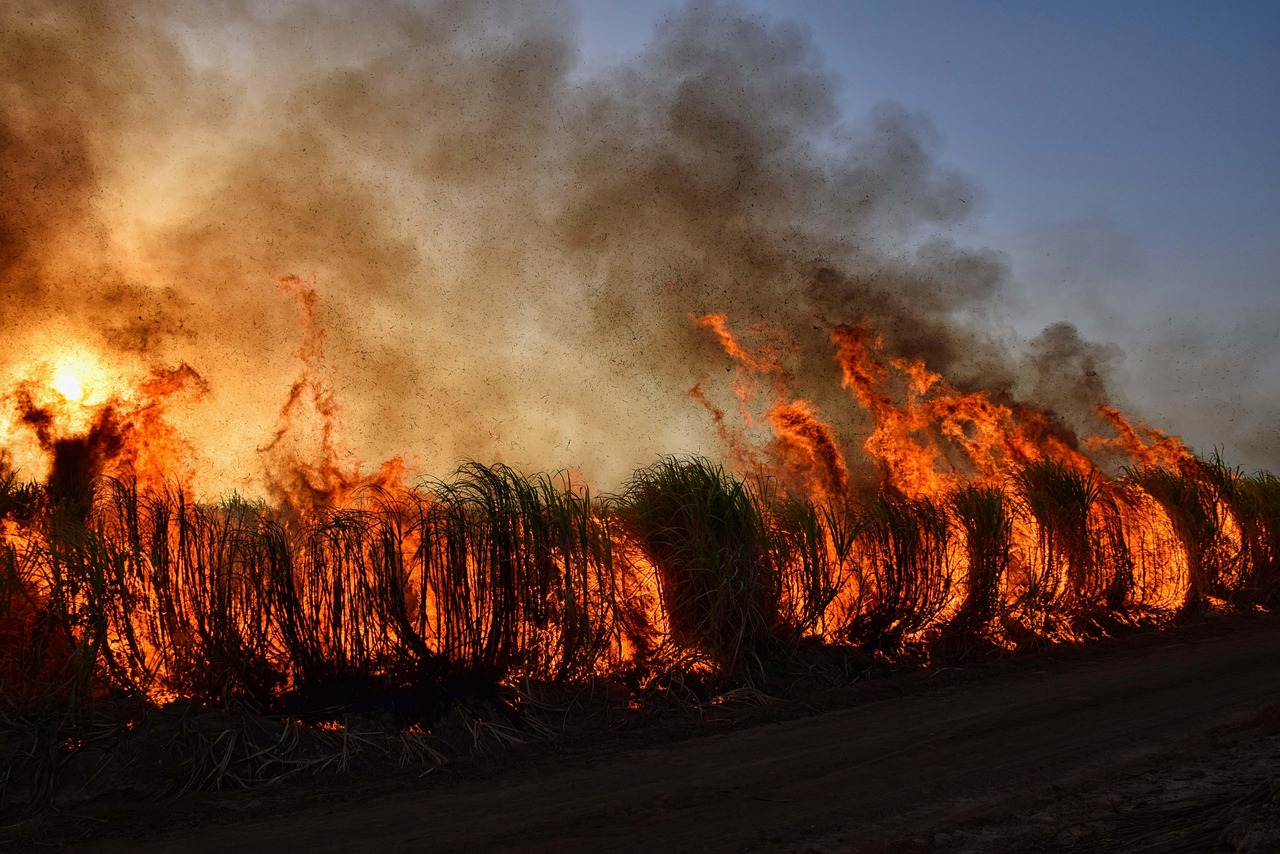
Perhaps the most apocalyptic sight dinosaurs witnessed was the sudden ignition of vegetation across vast areas. The rock heated Earth’s surface and ignited wildfires, estimated to have enveloped nearly 70% of the planet’s forests. The effect on living creatures even hundreds of kilometers away was immense, and much of present-day Mexico and the United States would have been devastated.
However, the remainder would have rained down over North America, incinerating everything within a radius of more than 1,000 miles and causing wildfires in 70% of the world’s forests. The glass spherules themselves may have been the ignition source. The rain of glass was so heavy it may have set fire to much of the vegetation on land.
Suffocating in Glass: Death by Debris
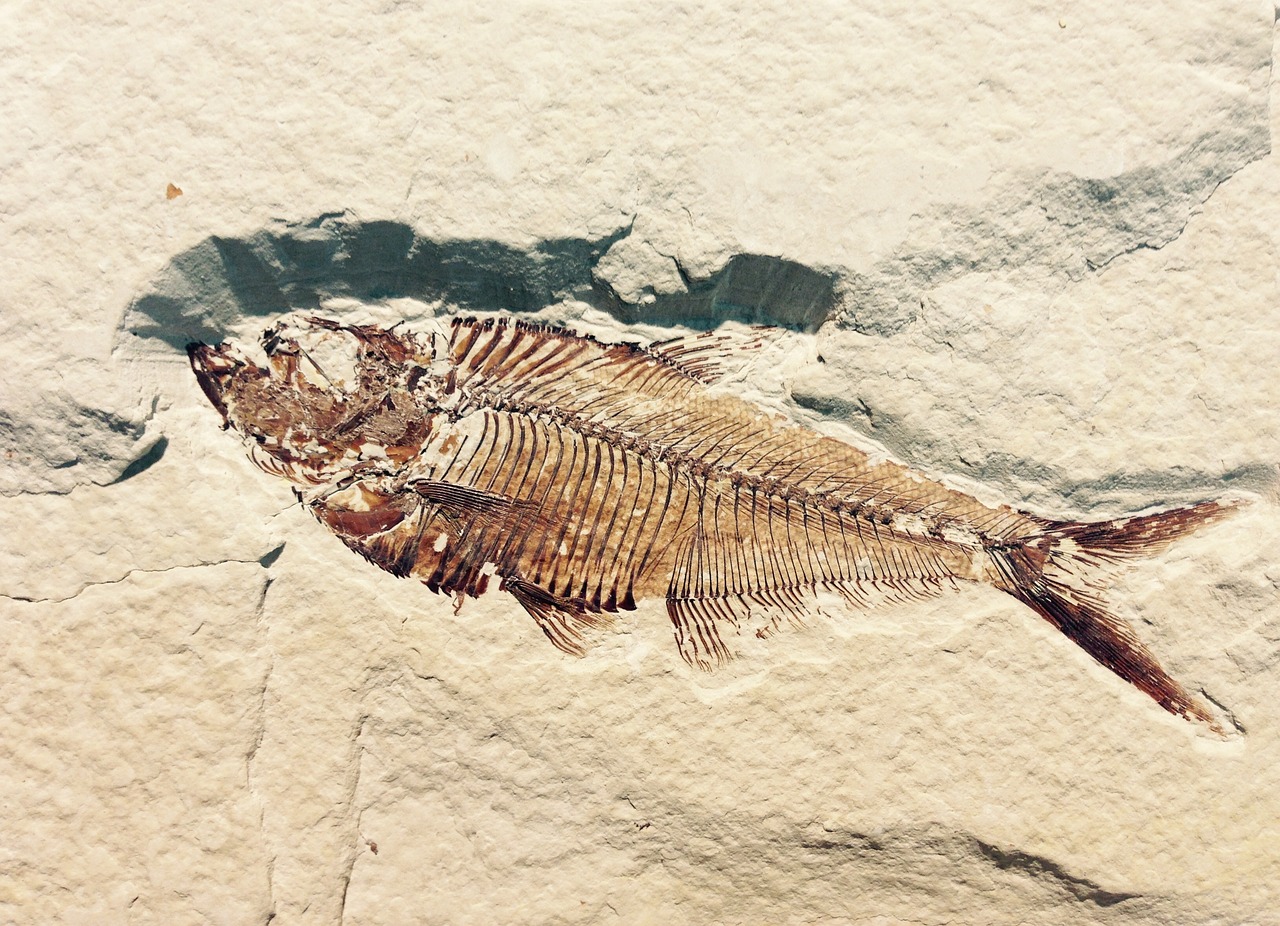
For aquatic creatures and those near water sources, death came in a particularly cruel form. In the water, fish struggled to breathe as the beads clogged their gills. Archaeological evidence from the Tanis site in North Dakota provides haunting testimony to this mass suffocation. Since then, DePalma and other paleontologists have found heaps of fossilized sturgeon and paddlefish with glass spheres still in their gills.
For one thing, some of the fish found at the site had tektites in their gills. One of these fishes, the paddlefish, the way he collects his food, he swims in the river with an open mouth. And the only way the tektites could be caught in his gills is by the fish swimming in the river while the tektites are falling from the sky. This discovery represents one of the most direct pieces of evidence linking the impact debris to immediate biological death.
The Nuclear Winter Begins: When the Sun Disappeared
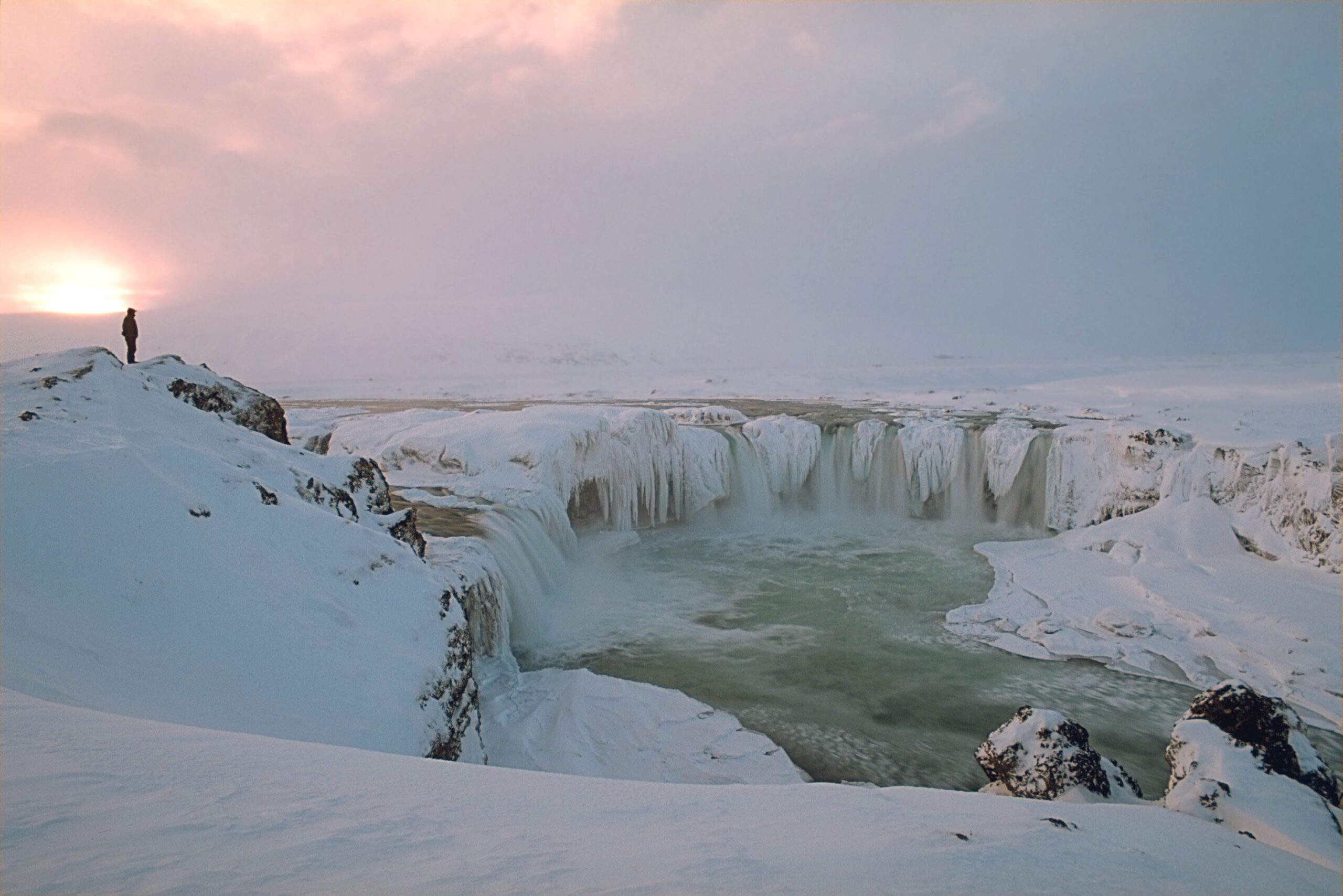
As the hours turned to days, survivors faced an even more sinister threat. The preservation of this signal in a marine shelf environment requires that massive amounts of sulfur were injected into the stratosphere in the aftermath of the Chicxulub impact, providing direct, empirical evidence for the role of S-bearing gases in driving a postimpact winter and contributing to the mass extinction event.
The dust and sulfurous materials ejected into the atmosphere would have led to a nuclear winter-like effect, with a rapid decrease in global temperatures (as sulfate aerosols have a cooling effect in the upper atmosphere) and acid rain. Dust particles in the atmosphere may also have cut the amount of sunlight penetrating the atmosphere, both reducing photosynthesis and adding to the nuclear winter effect.
The cooling was severe and prolonged. Estimates of sulfur ejected during the K-Pg event range from 30 to 540 Gt, and climate models that account for this sulfur suggest 2 to 8 °C global cooling of Earth’s surface for up to 13 y. Our simulations of the atmospheric injection of such a plume of micrometre-sized silicate dust suggest a long atmospheric lifetime of 15 yr, contributing to a global-average surface temperature falling by as much as 15°C. Simulated changes in photosynthetic active solar radiation support a dust-induced photosynthetic shut-down for almost 2 yr post-impact.
The Acid Rain Apocalypse: Chemical Death from Above
The environmental assault continued with another deadly component. Because the Chicxulub impact occurred in a region with rocks composed of the mineral anhydrite, which is a calcium sulphate mineral, sulfur vapor was also injected into the stratosphere. That sulfur, reacting with water vapor, produced sulphate aerosols and eventually sulfuric acid rain.
Initially, thick sulfur clouds, combined with soot and dust generated by this impact, would have spread worldwide and blocked out the sun. Night-like conditions probably existed all over Earth for at least six months and wiped out many species of plants because the blackout essentially brought photosynthesis to a halt. Unlike the aftermath of typical impacts, the skies remained murky for at least a decade, due to chemically generated clouds of sulfuric acid high in the stratosphere.
The combination of sulfuric acid rain and nitric acid rain produced by the Chicxulub impact event, like acid rain today, would have affected vegetation, effectively damaging the base of the continental food chain. It probably took 5 to 10 years for the sulfuric acid rain to cease.
Conclusion: The End of an Era
The geological evidence paints a picture of unimaginable catastrophe that unfolded with terrifying speed. It is now widely accepted that the devastation and climate disruption resulting from the impact was the primary cause of the Cretaceous–Paleogene extinction event, a mass extinction of 75% of plant and animal species on Earth, including all non-avian dinosaurs. Within hours, the planet transformed from a warm, dinosaur-dominated world into a frozen, toxic wasteland that would take millions of years to fully recover.
The dinosaurs witnessed the end of their world not as a gradual decline, but as a sudden, violent upheaval that challenged every survival mechanism evolution had provided them. From the first seismic tremor to the final fade of sunlight, they experienced Earth’s most dramatic environmental collapse in stunning, terrible detail.
What strikes you most about this ancient catastrophe? The speed of destruction, or the remarkable preservation of evidence that allows us to witness it through geological time?