
Picture a circle of people around a flickering fire, stars blazing in a sky untouched by city lights. No written scriptures, no organized religions, no temples yet. And still, there is that one person everyone slowly turns toward when the thunder cracks, the hunt goes wrong, or the tribe needs hope. Long before anyone drew a zodiac wheel, the raw personality traits that later became linked to the signs would already be there in human nature.
Astrology is not a time machine, and we cannot prove which sign ran which tribe. But when you match the archetypes of each sign with what prehistoric communities actually needed from shamans, seers, and spiritual guides, some patterns feel strikingly intuitive. Think less in terms of modern horoscopes and more in terms of survival psychology: who saw patterns in the stars and animal paths, who soothed fear, who told the stories that held the tribe together? That is where certain signs step forward as the most likely spiritual leaders of a very ancient world.
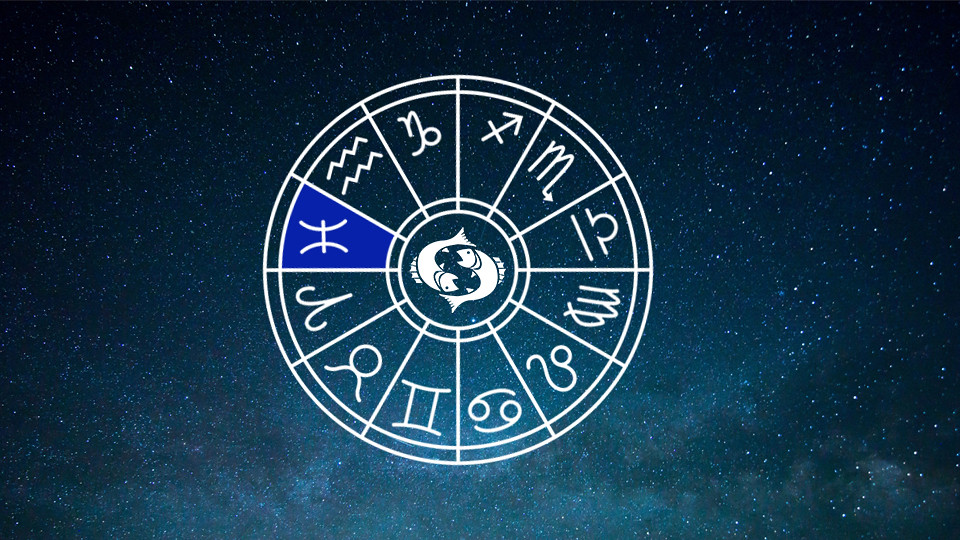
Pisces: The Dream-Walkers Between Worlds

Start with the sign that almost seems born for an age of caves, visions, and trance states. Pisces is associated with heightened intuition, porous emotional boundaries, and an easy drift into altered states of awareness. In a prehistoric camp, the person who naturally slips into vivid dreams, senses the tribe’s mood before anyone speaks, and gets lost staring into the fire would not just be called “spacey” – they might be seen as someone the spirits can reach. When reality is harsh and unpredictable, a gifted dreamer becomes a bridge to invisible forces.
Anthropologists studying traditional hunter-gatherer societies often find that shamans are unusual, sensitive people who experience intense inner worlds and symbolic visions. That is very Piscean territory: a mind that does not fully stay inside the ordinary, paired with a heart that aches for everyone else. A prehistoric Pisces-type might be the one interpreting omens in the shapes of clouds, designing rituals after powerful dreams, and comforting the grieving with stories of unseen realms. Their spirituality is less about rules and more about raw, emotional connection to something larger, which fits a world where nothing is written down but everything is deeply felt.
Cancer: The Hearth Keepers of the Sacred Fire

If Pisces wanders the spirit world, Cancer guards the emotional center of the tribe. Cancer energy is tied to nurturing, protection, and the profound urge to create a safe nest in a dangerous environment. In a prehistoric setting, spirituality would be inseparable from survival and family bonds. The person who remembers every loss, every birth, and every shared hardship becomes a living archive of the tribe’s emotional history, and that is often where reverence begins. Think of a wise elder who knows all the ancestral stories and uses them to comfort frightened children during storms.
Prehistoric spiritual leaders were not only visionaries; they were also caregivers who knew that rituals could calm fear and keep people psychologically resilient. Cancer is naturally attuned to cycles: moon phases, tides, menstrual rhythms, pregnancy and birth. A Cancer-type spiritual figure could be the one who notices how the moon seems to echo human rhythms and turns that observation into a sacred calendar. Their rituals might center on food, fertility, and protection, blessing newborns, honoring the dead, and treating the communal hearth as an altar. That combination of emotional depth and practical care makes Cancer incredibly likely to evolve into a spiritual leader when simply staying alive already feels miraculous.
Scorpio: The Keepers of Mystery, Power, and the Underworld
Many ancient and tribal societies hold special roles for people unafraid of darkness, death, and taboo. That is pure Scorpio energy. Scorpio is drawn to what others fear: blood, endings, secrets, and transformation. In a prehistoric world where hunting injuries, disease, and violent conflicts were normal, the person who could sit with grief, handle dying bodies, and stay calm in the face of danger would quickly gain an aura of power. To everyone else, they might look like someone who has a special relationship with death itself.
Scorpio’s intensity also suits the role of ritual specialist. Sacred rites in early societies often involved blood, symbolic death and rebirth, and highly charged emotional experiences. A Scorpio-type might orchestrate initiations for adolescents, guide the tribe through mourning ceremonies, and declare certain caves or groves to be thresholds to the spirit realm. Because Scorpio is fiercely loyal and perceptive, this leader would not just chant and wave herbs; they would read hidden motives, sense unspoken resentments, and use their insight to maintain social balance. Their spiritual role would blend fear and trust, making them both slightly feared and deeply needed in the emotional ecosystem of the tribe.
Sagittarius: The Star-Gazing Wanderers and Storytellers
Now imagine the member of the tribe who is always pushing beyond the next hill, coming back with new paths, new hunting grounds, and new stories. Sagittarius is linked with exploration, meaning-making, and a restless hunger for big-picture answers. In an era where migration, tracking herds, and reading the land meant everything, this drive to roam and connect the dots could easily take on a spiritual flavor. The Sagittarius-type might be the first to notice how the stars shift with the seasons or how certain winds hint at coming change, turning observation into myth.
Spiritual leadership in prehistoric times relied heavily on storytelling. Before anyone built temples, they built narratives about why the sun returns, why animals sacrifice themselves, why storms come and go. Sagittarius excels at weaving scattered experiences into grand explanations. This sign’s optimistic streak would also be vital in an unforgiving world: when hunts fail or winters drag on, people gravitate toward the person who can frame pain inside a hopeful story. That is Sagittarius as a spiritual guide – the wanderer who returns with knowledge and uses it to lift the tribe’s spirit above daily struggle.
Capricorn: The Ritual Organizers and Guardians of Tradition
Capricorn might not be the first sign people think of when they picture mystics, but in prehistoric times, spiritual leadership was not only about visions – it was also about structure. Capricorn is associated with discipline, responsibility, and respect for elders, all traits that help turn scattered customs into enduring traditions. Once a tribe starts to repeat certain practices at specific times of year, you are watching spirituality harden into a system, and Capricorn is the sign most likely to manage that system. This could mean organizing seasonal ceremonies, setting rules for sacred sites, and keeping track of which rituals “work” over generations.
In many early societies, spiritual authority overlapped with political and practical power. Someone had to declare when it was time to move camp, when to plant or harvest (later), and when to hold collective rituals to keep morale strong. A Capricorn-type leader would be respected for their reliability and long-term thinking, not just their visions. They might insist on certain preparations before a hunt or a rite, making sure offerings are gathered, torches ready, and everyone knows their role. In that sense, Capricorn anchors the wildness of belief in the realism of survival, turning spirituality into a stabilizing backbone for the tribe rather than a passing mood.
Aquarius: The Visionary Rebels and Tribe Innovators

While Capricorn codifies tradition, Aquarius questions it. Aquarius energy leans toward experimentation, unconventional ideas, and an almost stubborn belief that things can be different. In a prehistoric camp, this might be the person proposing a new way of painting the cave, a different burial practice, or a fresh interpretation of a strange celestial event. At first, they might seem like a troublemaker, but over time, some of their wild ideas could crystallize into powerful new rituals. Spiritual leaders are often those willing to step outside the familiar, and that is where Aquarius shines.
Prehistoric spirituality was not static; it evolved as people migrated, encountered new animals, climates, and challenges. Aquarius, associated with sudden insights and social awareness, could function as a kind of spiritual inventor. They might champion inclusive gatherings, encourage the sharing of personal visions, or declare that certain hierarchies are no longer sacred. By focusing on the group’s long-term wellbeing, an Aquarius-type shaman or seer would explore how beliefs could strengthen cooperation and fairness. Their leadership might feel unsettling at first, but when old patterns stop working, the tribe’s survival could hinge on exactly this kind of radical spiritual rethink.
Taurus: The Earth-Wise Keepers of Sacred Places
Finally, consider the member of the tribe who is deeply tuned into the land itself – the way certain valleys echo, the feel of different stones, the patterns of grazing animals and blooming plants. Taurus is linked with the body, the senses, and a strong connection to the natural world. In the prehistoric context, the Taurus-type could be the one who first declares a particular spring, hill, or grove to be sacred, simply because they feel an undeniable peace or power there. Over time, those spots become pilgrimage points, healing places, or ritual grounds the whole tribe reveres.
Taurus also values stability and repetition, traits that turn fleeting experiences into enduring practices. This sign’s appreciation for beauty and comfort might seem almost luxurious in a harsh world, but it actually plays a subtle spiritual role. Preparing special food for a ceremony, decorating bodies with pigments and feathers, arranging stones in symbolic patterns – these are all ways of saying that life is more than just suffering. A Taurus-type spiritual leader would constantly remind the tribe that the earth is not only dangerous but also generous, grounding their rituals in gratitude, touch, and the slow, reassuring rhythms of nature.
Conclusion: Spiritual Leadership Written in Stars and Survival
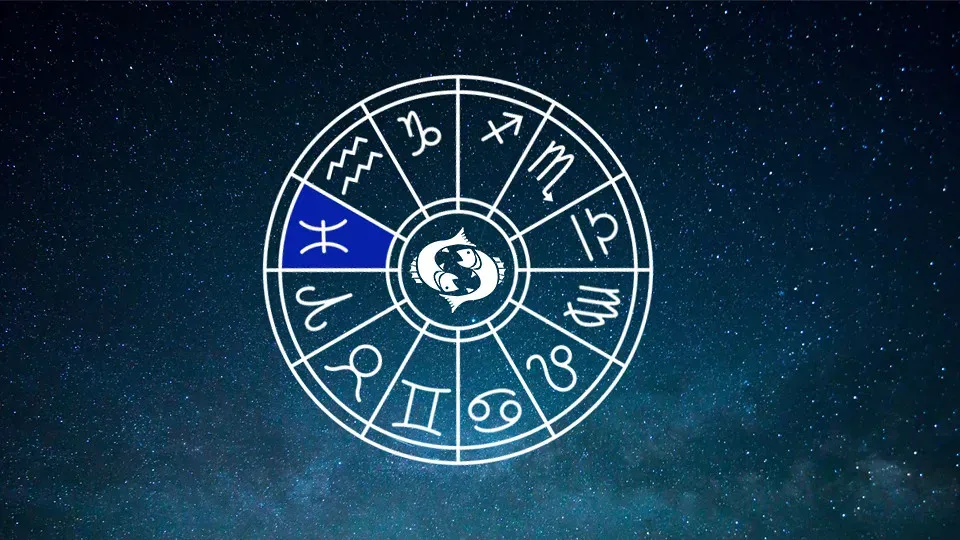
Looking back through the lens of astrology, the signs that most naturally rise as prehistoric spiritual leaders are the ones that combine psychological depth with practical value for the tribe. Pisces, Cancer, Scorpio, Sagittarius, Capricorn, Aquarius, and Taurus each offer a different flavor of leadership: from dreamlike visions to emotional caretaking, from fearless work with death to epic storytelling, from disciplined ritual to daring innovation, all the way to earthy reverence for place. None of this can be proven in a strict scientific sense, but it does echo what researchers see in real-world shamans and elders: unusual sensitivity, symbolic thinking, and a powerful role in keeping people connected to meaning.
Personally, I think that if you dropped these archetypal traits into any era without modern distractions, the same types of people would still end up around the fire, guiding everyone else through fear and uncertainty. Whether we call them shamans, seers, wise elders, or just the strange person who talks to the sky, they meet a timeless human need: to feel that life is more than random chaos. You do not need to believe in literal past lives to see yourself in these patterns; you only have to ask which role your nature would have drawn you toward if you were born with nothing but stars, stone tools, and a dark, echoing sky. In that world, which kind of leader do you suspect you would have become?