Stand on a beach at sunset, watch the waves roll in, and it’s easy to feel like Earth is timeless and stable. But buried in rocks and fossils is a much darker story: several times in the deep past, life on this planet has nearly been erased. The fact that you, me, birds, trees, and everything else are here at all is the result of a long winning streak against planetary catastrophe.
Now here’s the unnerving part: many scientists argue that the signs we see today – vanishing species, collapsing ecosystems, and a climate shifting faster than anything in human history – look disturbingly familiar. They echo some of the same patterns that preceded earlier mass extinctions. Are we really on the brink of a sixth one, or are we just scaring ourselves with dramatic headlines? Let’s walk through what actually happened before, what’s happening now, and how much danger we’re honestly in.
What Exactly Is a Mass Extinction?
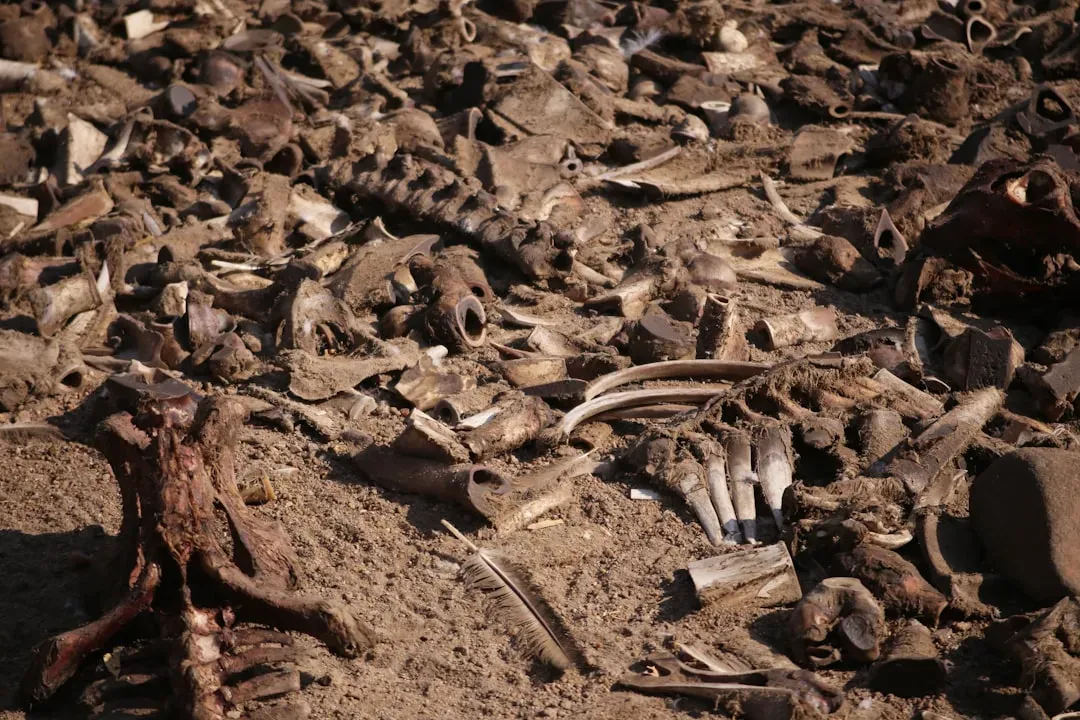
When people hear the phrase mass extinction, most immediately think of dinosaurs and a stray asteroid, but the scientific definition is broader and more chilling. A mass extinction is generally understood as a relatively short period of geological time when an unusually large share of species disappears across the planet. Instead of a slow background turnover where species go extinct and new ones evolve, this is more like the biosphere’s version of a sudden financial crash.
Over Earth’s roughly four and a half billion years, species have always come and gone, but paleontologists have identified a handful of episodes when the loss rate shot far above the usual baseline. In those intervals, a huge fraction of marine and land life vanished, often reshaping entire ecosystems from the seafloor to the forests. These events show up in the rock record as sharp breaks: diverse fossil communities suddenly give way to dramatically simplified ones, and chemical signatures in the rocks hint at massive climate swings, ocean changes, or global disasters. When scientists talk about the “Big Five” mass extinctions, they mean these rare but planet-level resets.
A Quick Tour of the Big Five Disasters
The first of the big catastrophes, the End-Ordovician extinction, struck more than four hundred million years ago, wiping out a large share of marine species as the climate lurched between intense glaciation and warming. Later came the Late Devonian events, a drawn-out series of crises that hammered reef-building organisms and reshaped early fish-dominated seas. These were bad, but the worst was still to come.
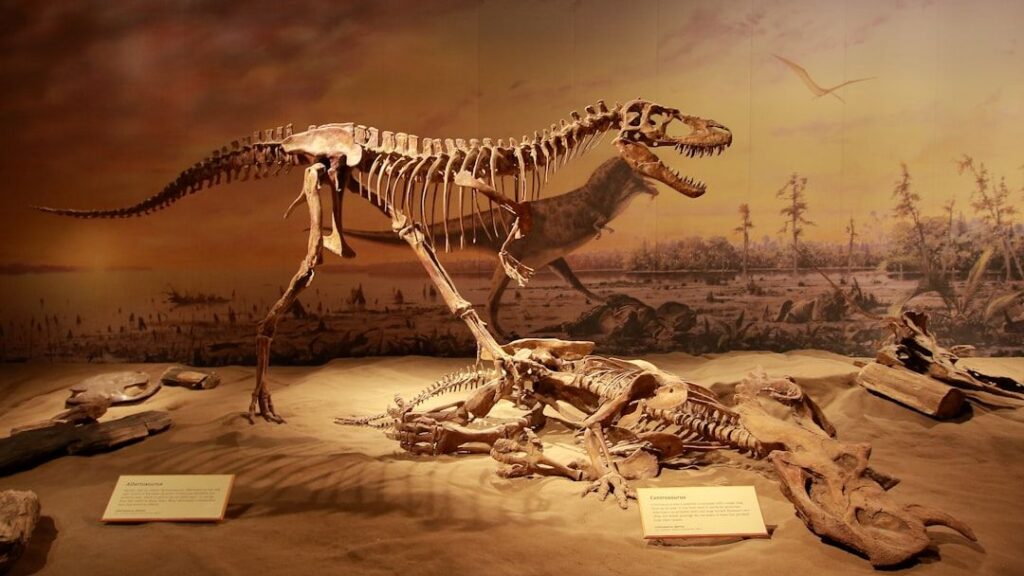
Roughly about two hundred and fifty million years ago, during the Permian–Triassic extinction, life on Earth went through what is often called the Great Dying. Estimates suggest that the vast majority of marine species and a huge portion of land species vanished, likely triggered by enormous volcanic eruptions, runaway greenhouse warming, and severe ocean changes. Then, about two hundred million years ago, the Triassic–Jurassic extinction cleared ecological space that dinosaurs would go on to fill. Finally, around sixty-six million years ago, an asteroid slammed into what is now Mexico, in tandem with intense volcanism and climate upheaval, and the Cretaceous–Paleogene extinction ended the age of non-bird dinosaurs. Each disaster was different in detail, but they all shared one brutal outcome: ecosystems unraveled on a global scale.
How Fast Are Species Disappearing Today?
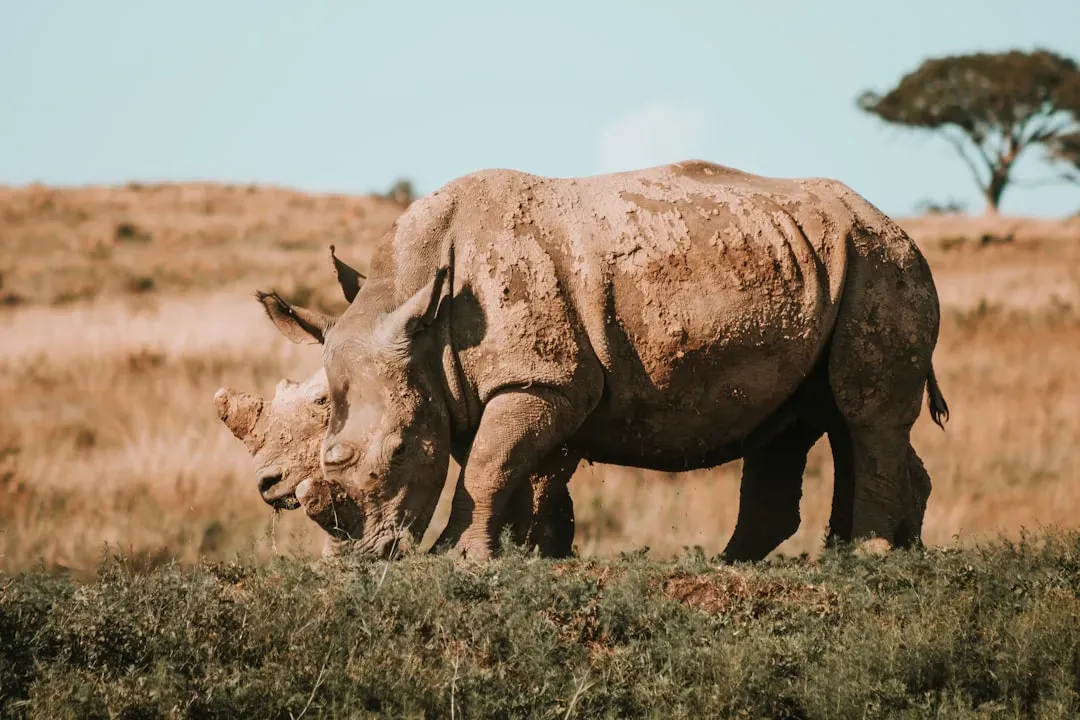
To figure out whether we’re entering a sixth mass extinction, we first have to ask a simple but uncomfortable question: how many species are we losing, and how quickly? Under normal “background” conditions, species come and go over millions of years at a fairly slow pace, driven by natural selection, competition, and environmental change. Today, though, measured extinction rates for well-studied groups like mammals, birds, and amphibians are far higher than what the fossil record suggests is typical.
Researchers who compare modern extinction rates to long-term averages often find that current losses for some groups are dozens of times higher than the geological baseline, sometimes more. That’s not just a statistic; it translates into forests that fall silent as bird species vanish, coral reefs that bleach and die, and rivers where once-abundant fish are now rare or gone. One reason this is tricky to pin down is that we do not even know how many species exist on Earth in total, especially among insects, fungi, and microbes. But even with that uncertainty, the pattern is clear: the planet’s biodiversity is shrinking faster than it would in a world without our intense pressure.
What Is Driving This New Wave of Loss?
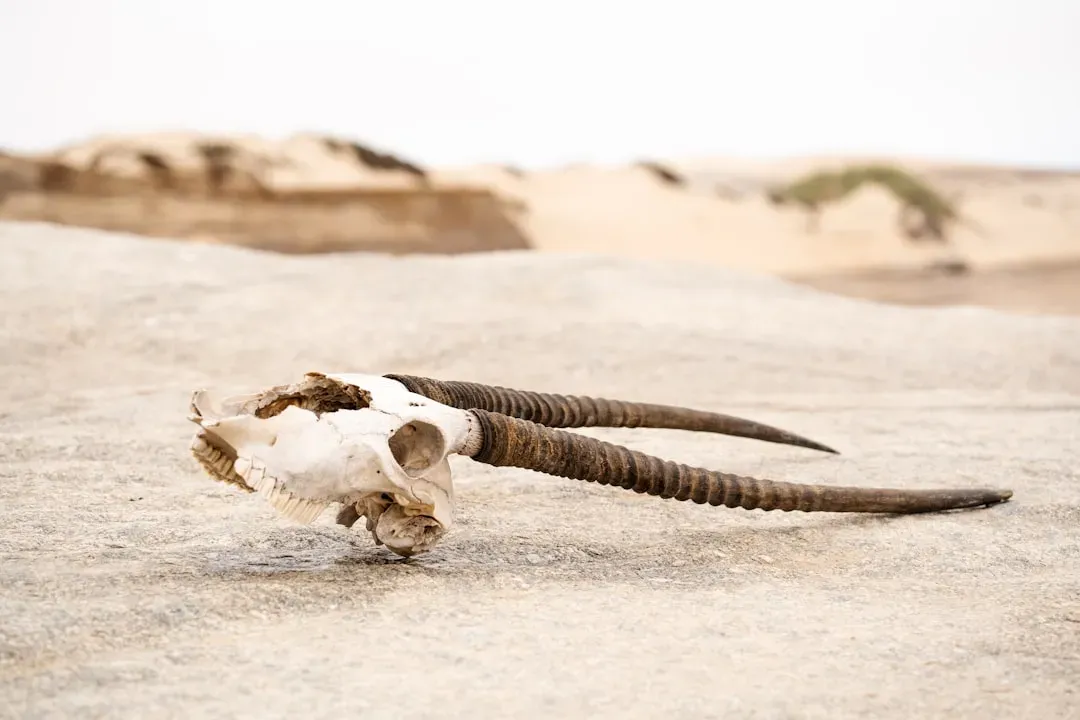
If an asteroid is not to blame this time, what is? In simple terms: us. Habitat destruction is one of the biggest culprits, as forests are cleared, wetlands drained, and grasslands converted to farms or cities. When a continuous habitat is chopped into scattered fragments, many species cannot find enough space, food, or mates to survive, and populations drop like a phone signal in a tunnel. Pollution, from plastics in the oceans to chemicals in rivers and air, adds another layer of stress.
On top of that, we’ve moved species around the globe at a speed evolution never prepared ecosystems to handle. Invasive plants, animals, and pathogens can overwhelm native species that have no defenses against them. Climate change, driven largely by burning fossil fuels, acts as a global amplifier: shifting temperatures, altering rainfall, melting ice, and changing oceans. For some species, this is like suddenly playing an old game on extreme hard mode. Many can migrate or adapt, but others, especially those already pushed into tiny pockets of remaining habitat, simply run out of options.
Are We Truly in a Sixth Mass Extinction Yet?
Here’s where things get contentious. Some scientists argue that based on current and projected extinction rates, we have already entered the early stages of a sixth mass extinction. They point out that, if losses continue on the same trajectory over the next few centuries, the share of species gone could rival past global die-offs. From this view, we are still in the opening scenes, but the script is worryingly familiar: rapid environmental change, major disruptions to ecosystems, and drivers that are global in scale.
Other experts take a more cautious stance, noting that, so far, the proportion of all species that have actually gone extinct is still lower than in the classic mass extinction events. They argue that it may be more precise to call this a severe biodiversity crisis rather than a completed mass extinction. I think the honest answer is that we are teetering on the threshold: the ingredients and early warning signs are clearly present, but the final outcome depends heavily on what humanity does in the coming decades. In other words, we are not doomed by definition, but we are absolutely not safe either.
Can We Still Change the Ending of This Story?
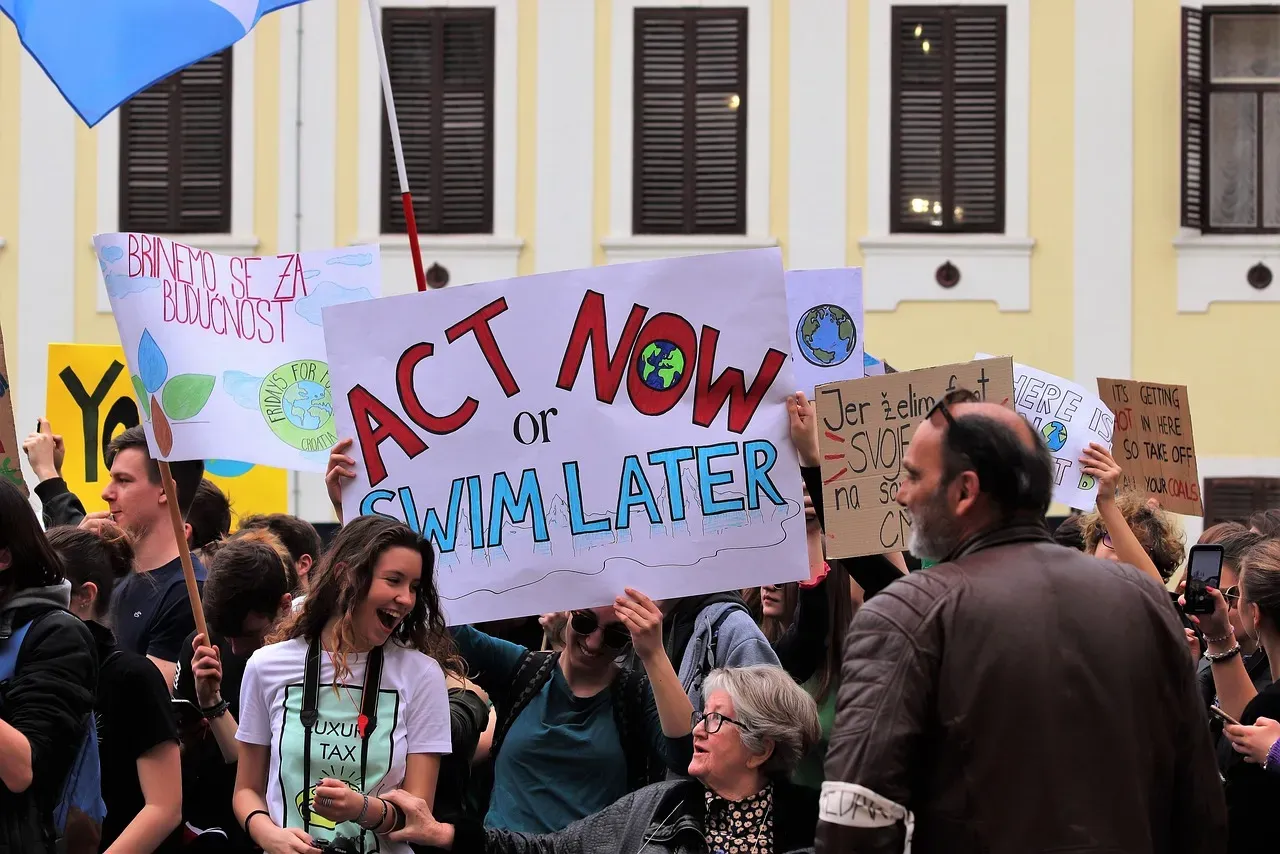
The most hopeful difference between this potential sixth event and the earlier five is simple but powerful: this time, the main driver – us – can recognize the problem and choose to act. That sounds obvious, but it’s huge. Volcanoes do not hold global summits, asteroids do not pass laws, and ice sheets do not invest in new technologies. Yet governments, communities, and individuals can protect habitats, curb emissions, and rethink how we use land and resources. When I first learned about mass extinctions as a student, what shocked me most was not just the scale of loss, but the thought that we might be both the villain and the potential hero in this chapter.
We already know that targeted conservation efforts can pull species back from the brink, that protected areas can help ecosystems recover, and that cleaner technologies can dramatically cut pollution and greenhouse gases. None of this is easy, and there are trade-offs, costs, and political fights along the way. But seeing our situation as a fixed “sixth extinction” can actually be paralyzing. It might be more accurate, and more empowering, to say we are in a narrowing window where our decisions will decide whether today’s crisis becomes tomorrow’s mass extinction. The story is not finished, and that uncertainty is exactly where our responsibility lives.
So, Are We the Next Global Catastrophe – or the First to Prevent One?
If I’m brutally honest, I think we are standing uncomfortably close to a line that future geologists could look back on as the start of a sixth mass extinction. The pace of change we’re driving – in climate, land use, and ecosystems – is unlike anything humanity has ever managed before. But unlike an asteroid strike, our impact is not a single, unavoidable blow. It’s more like a series of accelerating choices, made over years and decades. That’s terrifying, but it also means the ending is still negotiable.
My personal take is this: denying the scale of the crisis is reckless, but declaring the sixth mass extinction as an already sealed fate is just as dangerous. It lets us off the hook by pretending the story has already been written. The truth is more uncomfortable and more empowering: we are writing this chapter right now, in real time. The question is whether we choose to be remembered as the species that triggered another global collapse, or the first one wise enough to pull back from the edge. When you think about that, which side of that story do you really want to be on?