
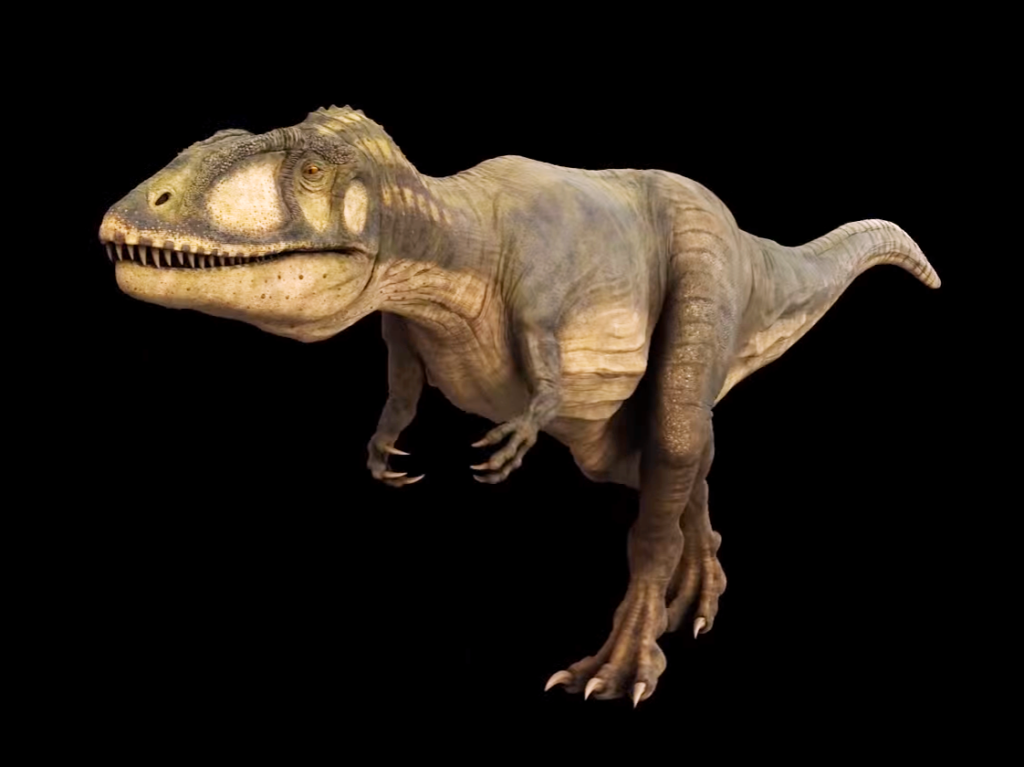
Think of the most terrifying animal you can imagine today – a great white shark, a polar bear, maybe a lion at full sprint. Now stretch that fear across a body the length of a bus, pack it with teeth sharper than steak knives, give it a tail like a battering ram, and drop it into a world where everything around it is either giant prey or giant threat. That was daily life for the deadliest dinosaurs to ever walk the Earth.
What makes a dinosaur “deadly” is not just size or teeth, but the full package: raw power, hunting strategy, armor, weapons on the tail or skull, and even pack behavior. Some of the dinosaurs below were apex predators, others were walking tanks that could kill with a single swing, and a few were basically biological wrecking balls. As we go through this list, notice how many different ways evolution invented to solve one brutal problem: how to kill and not be killed.
1. Tyrannosaurus rex – The Bone-Crushing King
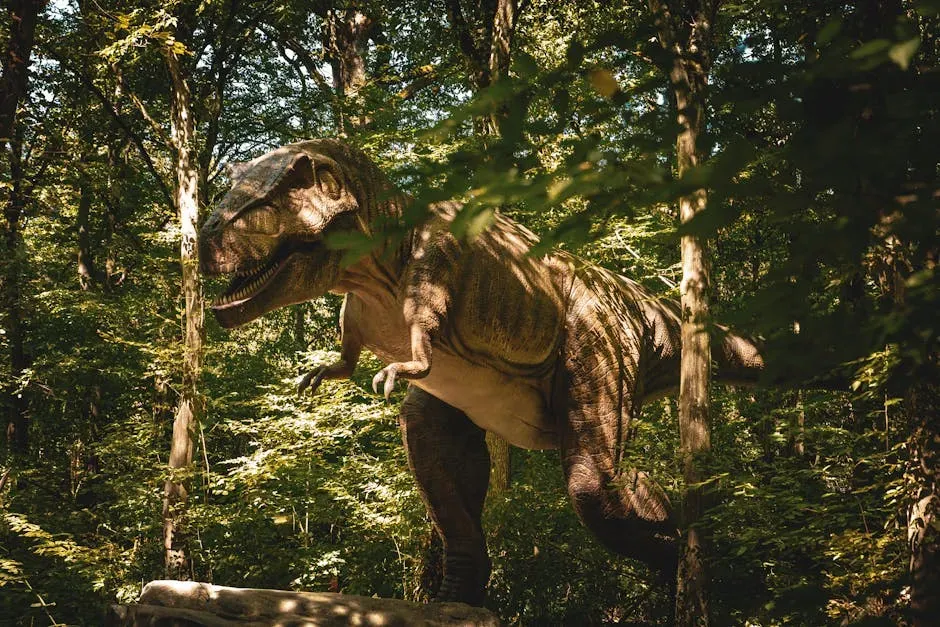
Tyrannosaurus rex is the obvious headliner, but it earns its spot for good reasons. This predator had a bite powerful enough to crush bone, with some studies suggesting it could generate several thousands of pounds of force, easily enough to splinter the leg of a large herbivore. Its teeth were thick, banana-shaped spikes designed not for slicing delicately, but for punching into flesh and crunching through skeletons like a living trash compactor.
Despite its meme-worthy tiny arms, T. rex was built like a weaponized bulldozer: massive skull, thick neck, powerful hind legs, and a balancing tail that acted like a counterweight. It likely targeted hadrosaurs and ceratopsians, ripping chunks out of them and possibly swallowing big pieces of bone along with the meat. I’ve always thought of T. rex as the dinosaur equivalent of a heavyweight boxer with steel rebar for teeth – less elegant, more terrifyingly efficient.
2. Spinosaurus – The River Monster With a Sail
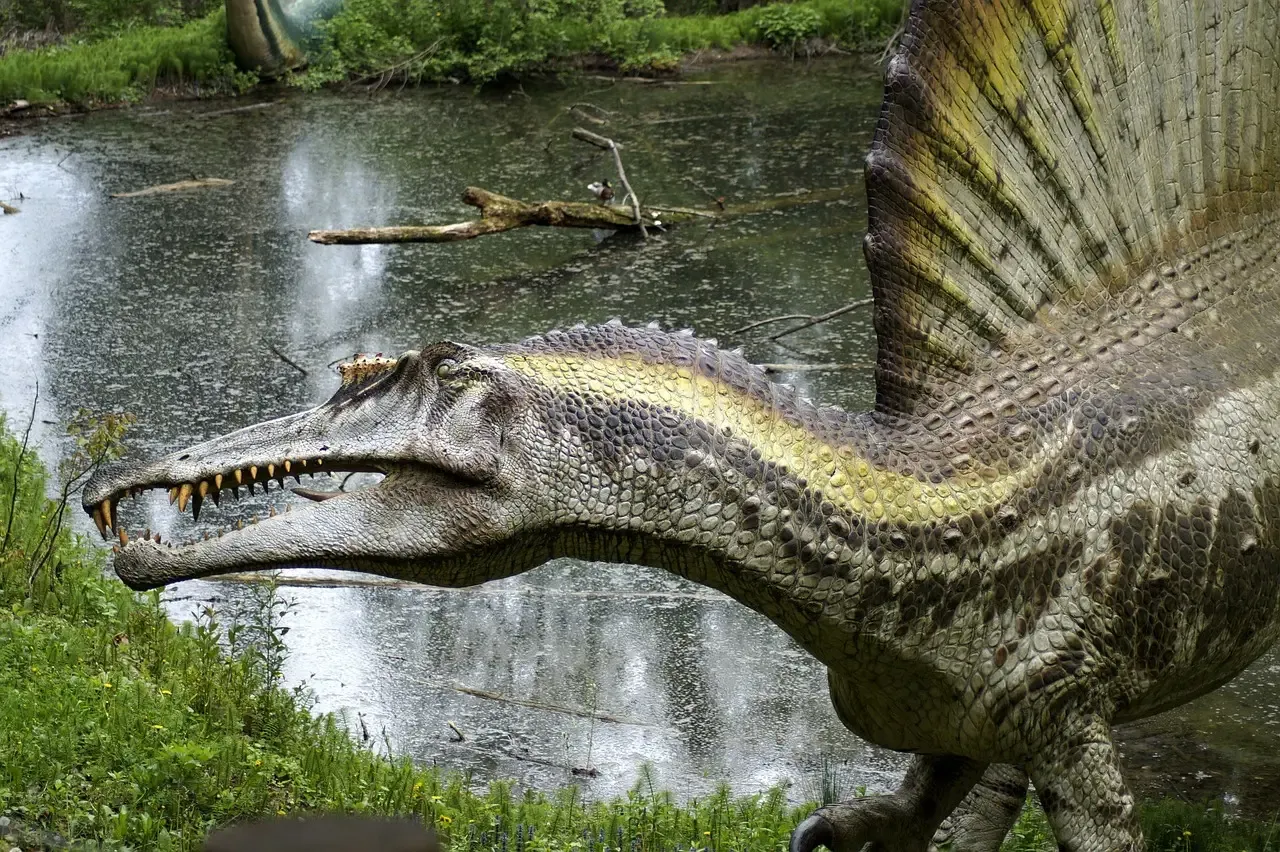
Spinosaurus might be the most unsettling dinosaur once you picture how it likely lived. This giant, possibly longer than T. rex, was semi-aquatic, with a crocodile-like skull full of conical teeth perfect for gripping slippery fish and other aquatic prey. Its long, narrow jaws and pressure-sensitive snout suggest it was a specialist hunter, stalking the shorelines and rivers like an overgrown, nightmarish heron crossed with a crocodile.
Recent studies point to Spinosaurus using its powerful forelimbs and flexible tail to maneuver in water, turning it into a sort of dinosaurian river dragon. Imagine being a mid-sized dinosaur coming down to drink and realizing the “log” in the water is actually a predator longer than a bus, sliding towards you in eerie silence. Unlike the blunt-force brutality of T. rex, Spinosaurus was more like a giant, stealthy ambush hunter, deadly in its own watery domain.
3. Giganotosaurus – The Southern Giant Hunter
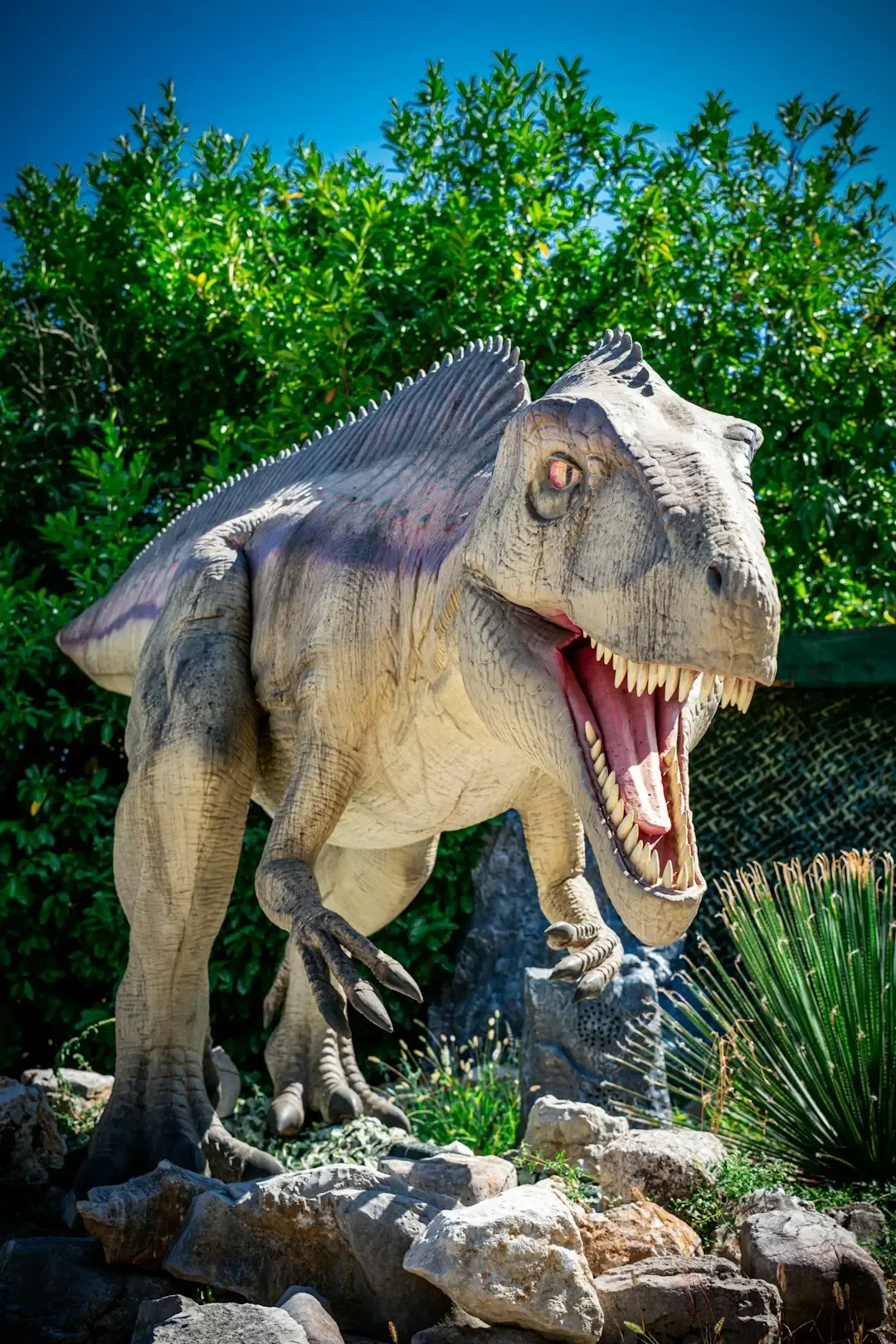
Giganotosaurus, whose name literally means “giant southern lizard,” was one of the top predators in what is now South America. It rivaled T. rex in size, but with a different killing style: a slightly lighter, more elongated skull and blade-like teeth suggest it may have been better at slicing large chunks of flesh rather than crushing bones. Think of it as a massive, overpowered version of a big cat crossed with a butcher’s toolkit.
Paleontologists suspect that Giganotosaurus and its close relatives may have targeted huge herbivorous sauropods, possibly using group tactics to wear down their enormous prey. Taking on multi-ton animals is not a gentle sport; a misstep could mean shattered bones or crushed organs. In that harsh environment, any predator that survived long enough to grow to that size must have been lethally efficient at turning living giants into meat.
4. Utahraptor – The Super-Sized Raptor With Killing Claws
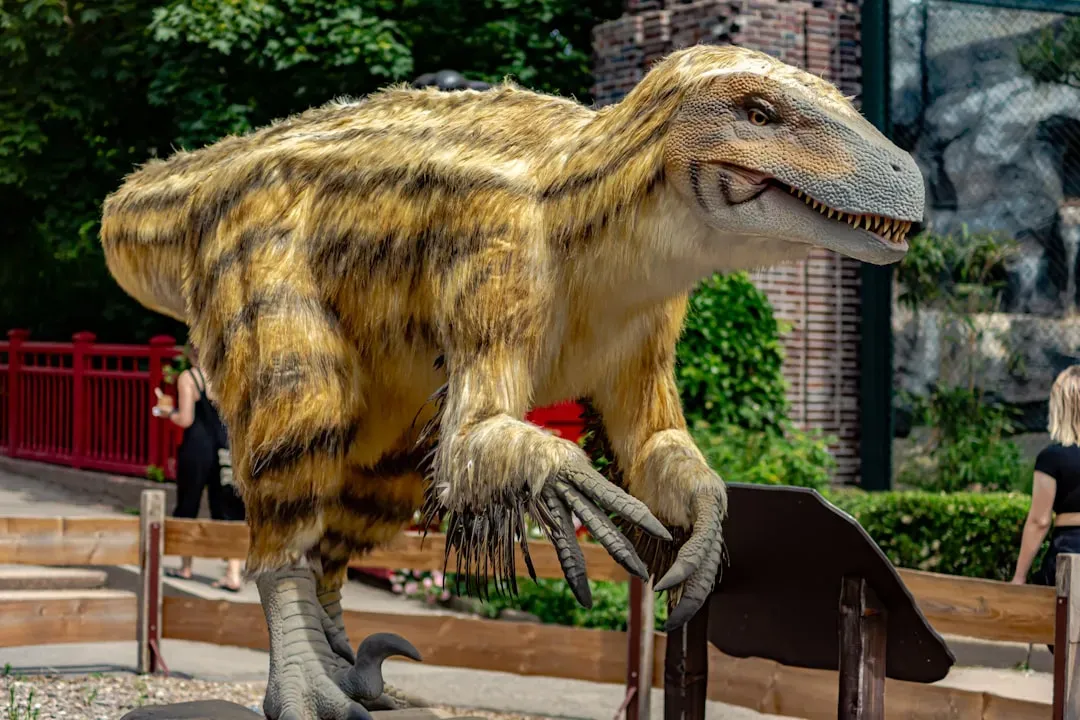
If you grew up thinking Velociraptor from the movies was terrifying, meet Utahraptor, the reality check. It was far bigger – more like the size of a large wolf or even a small bear – with a sickle-shaped claw on each foot that could reach roughly the length of a human hand. Those claws were not delicate tools; they were serious hardware for slashing, gripping, and possibly pinning prey down while the animal tore in.
Many researchers suspect that dromaeosaurs like Utahraptor hunted in groups, although the exact behavior is still debated. Even if it hunted solo, a fast, agile predator armed with large claws and sharp teeth would have been a nightmare for mid-sized herbivores. The way I picture it, Utahraptor was like the martial artist of the dinosaur world – less massive than the big tyrants, but fast, coordinated, and armed with built-in blades.
5. Allosaurus – The Jurassic Slash-and-Dash Predator
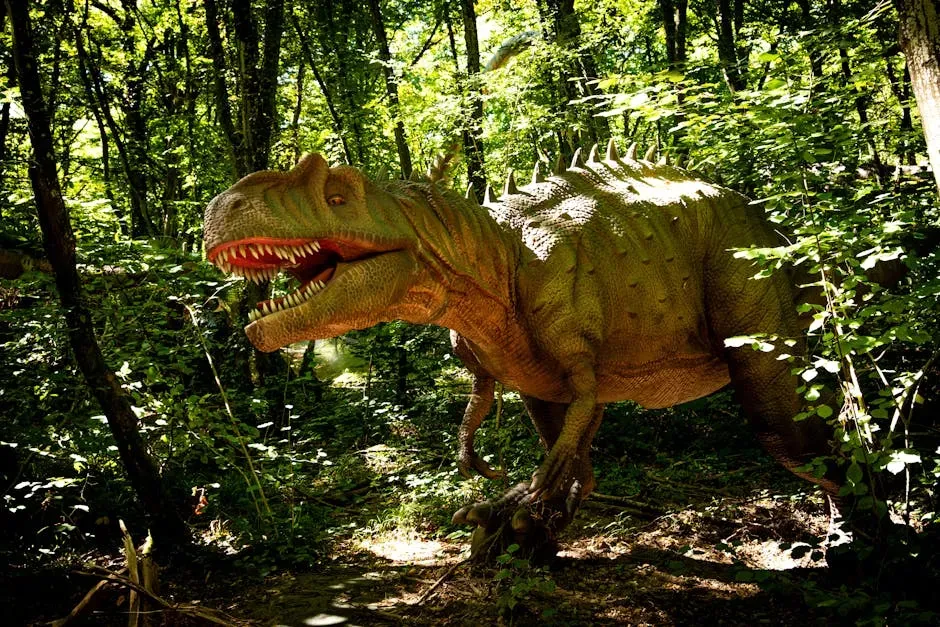
Allosaurus was one of the dominant predators of the Late Jurassic, often overshadowed today by later giants but absolutely lethal in its own time. Its skull was lighter than that of T. rex, with more blade-like teeth, suggesting a different technique: instead of crushing, it may have attacked with repeated, slashing bites. Some reconstructions propose it could swing its head like a hatchet, slicing open flesh with quick, powerful motions.
Allosaurus shared its world with colossal sauropods like Diplodocus and Apatosaurus, which means its hunting strategies had to deal with prey that could literally stomp it into the ground. There is fossil evidence of bite marks on bones that match Allosaurus teeth, and some show signs of healing, hinting at intense, violent encounters. In a way, Allosaurus was the Jurassic prototype of later giant predators: fast enough to chase, strong enough to wound, and persistent enough to finish the job.
6. Carcharodontosaurus – The Shark-Toothed Titan
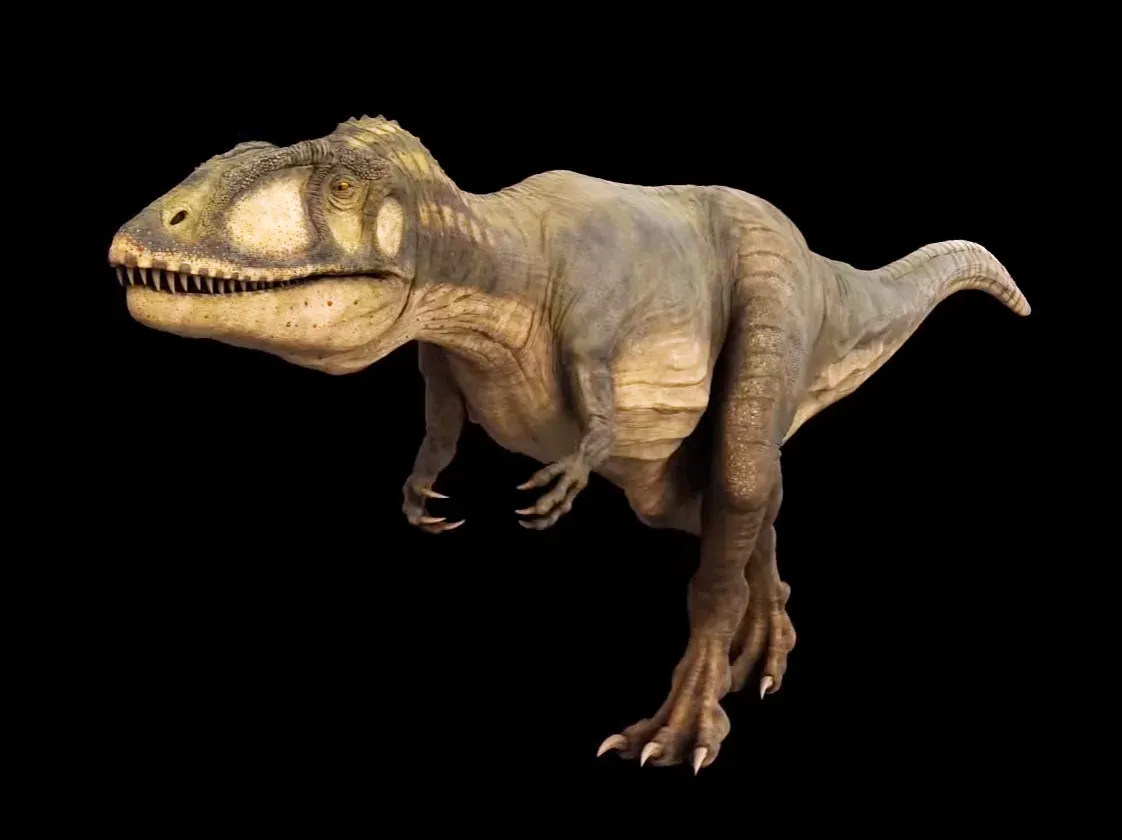
Carcharodontosaurus gets its chilling name from its teeth, which resemble those of great white sharks: serrated, curved blades built for slicing flesh. It roamed what is now North Africa and reached lengths comparable to or exceeding many famous carnivores. Unlike the thick, crushing teeth of T. rex, these were sharper and thinner, likely ideal for delivering deep, bleeding wounds that could rapidly weaken its prey.
Living in ecosystems filled with other large predators and massive herbivores, Carcharodontosaurus was part of a brutal arms race of size and weaponry. With a large, elongated skull and strong jaws, it probably relied on big, devastating bites rather than wrestling strength alone. I like to think of it as the “surgical” killer among the giants – less about smashing, more about cutting through tons of muscle like a living saw.
7. Ankylosaurus – The Living Tank With a Sledgehammer Tail
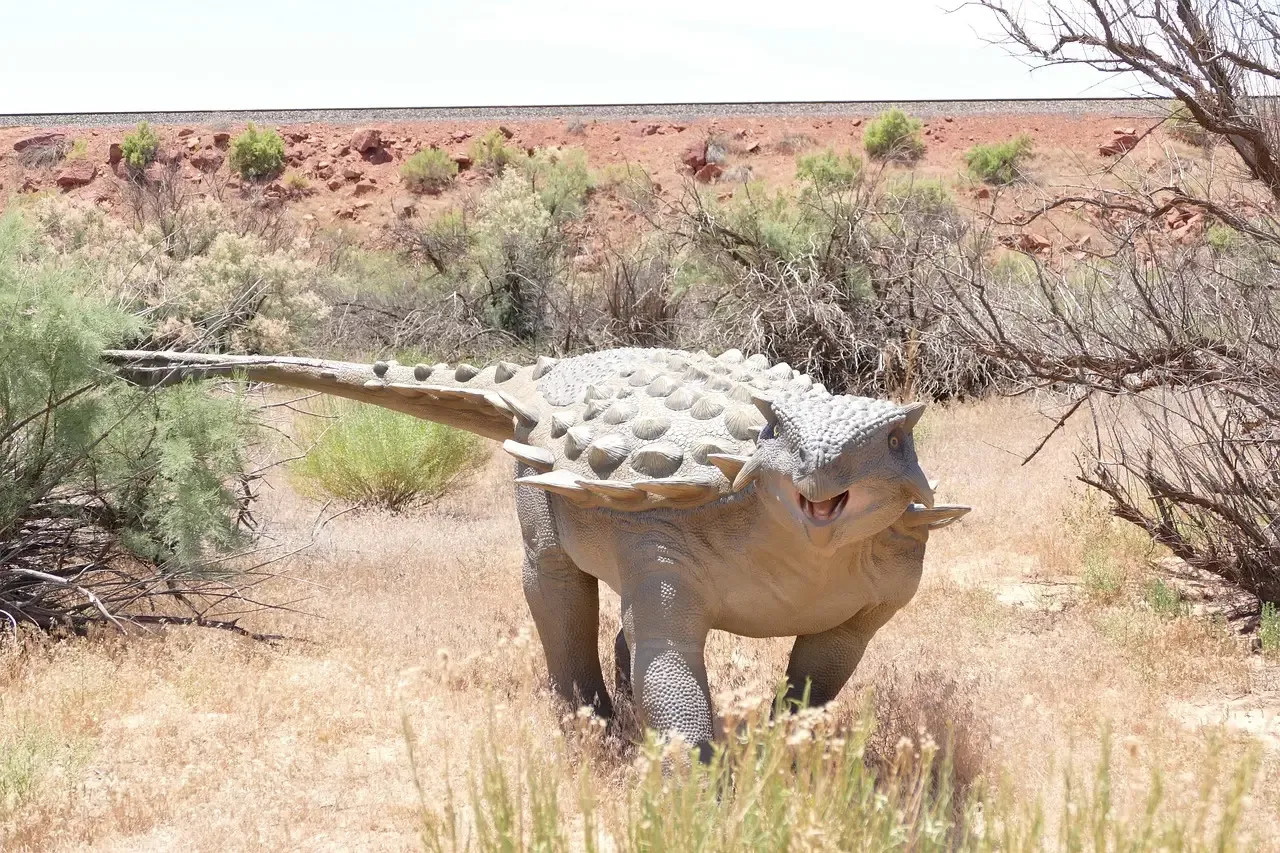
Not all deadly dinosaurs were hunters; some were so well-armed that attacking them was almost suicidal. Ankylosaurus is the classic example: a low-slung, heavily armored herbivore covered in bone plates and studs, with a massive club at the end of its tail. That tail club was not decorative; biomechanical studies suggest a strong swing could break bones, including the legs of a large predator.
Imagine being a theropod trying to take down what is essentially a spiked tank that can smash back. A single well-placed strike from Ankylosaurus’s tail could shatter limbs, cripple attackers, or even kill them outright. In a landscape filled with predators, this dinosaur is one of the few you could reasonably call “predator-proof.” Its “deadliness” came from forcing every would-be attacker to ask: is this meal worth losing a leg over?
8. Triceratops – The Horned Heavyweight
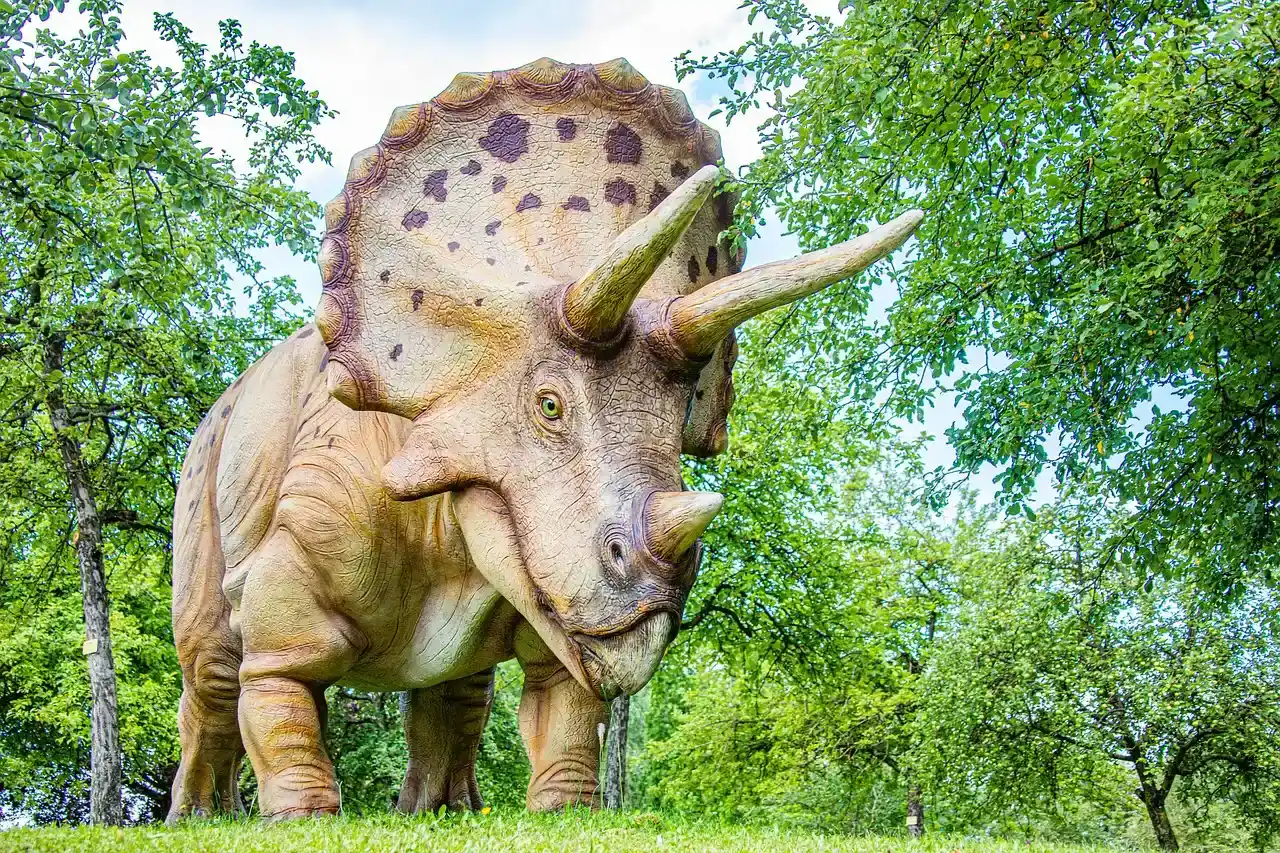
Triceratops is so iconic that it’s easy to forget just how lethal it could be. With two long brow horns and a shorter nose horn backed by a muscular neck and massive body, this herbivore was built for confrontation. Fossil evidence shows healed wounds and horn damage that suggest these animals sometimes clashed with each other and with predators like T. rex, turning their skulls into living battering rams.
Picture a multi-ton animal with sharp, forward-pointing horns charging at you at speed; it is basically a biological freight train with skewers on the front. There are fossil skulls of tyrannosaurs that show puncture marks consistent with horn strikes, hinting that sometimes the prey fought back brutally. If a predator misjudged its attack, Triceratops had all the tools needed to turn the hunter into the hunted in a heartbeat.
9. Deinonychus – The Raptor That Changed Everything
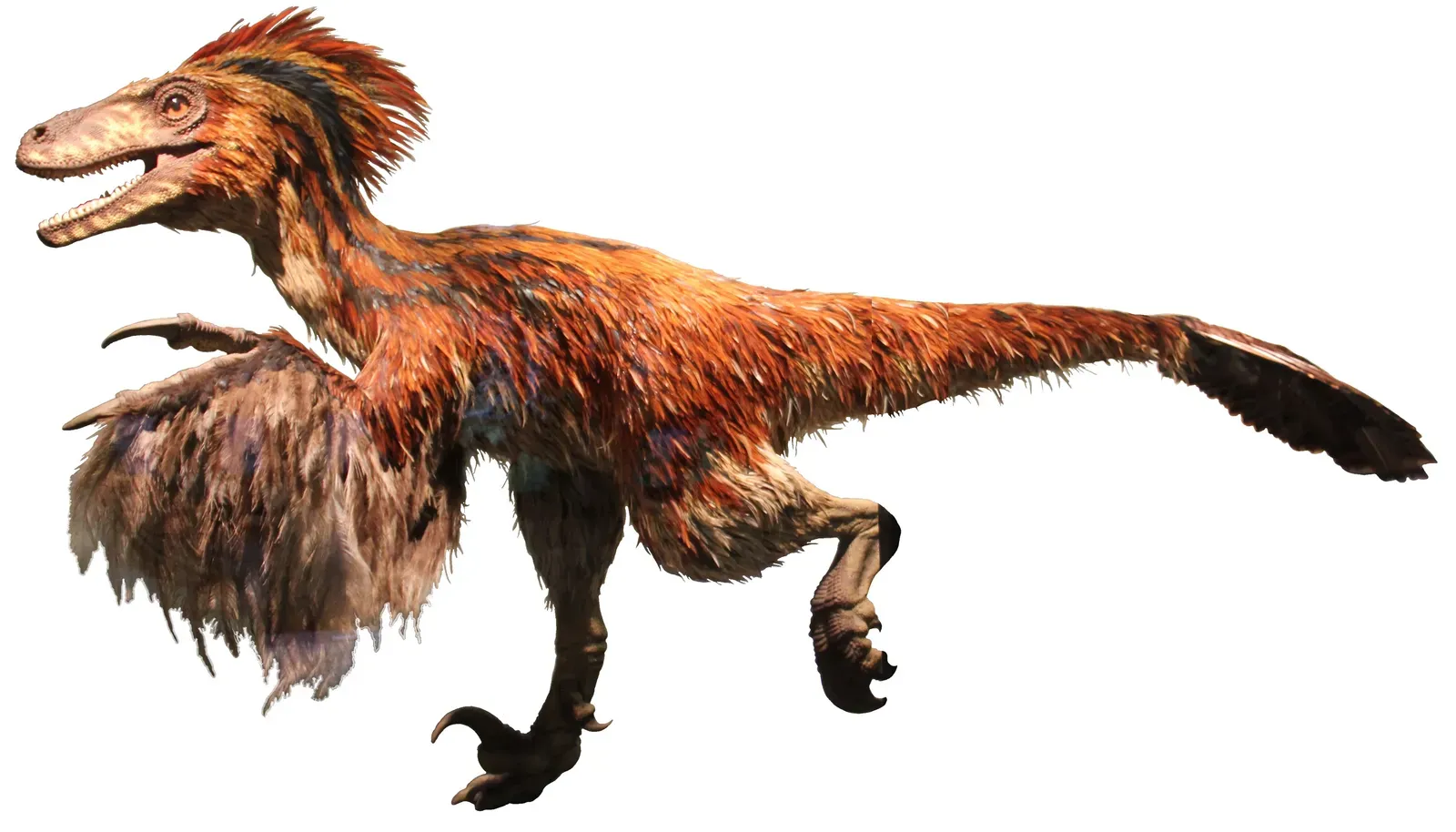
Deinonychus was not the biggest predator, but it completely changed how scientists saw dinosaurs. With a large sickle-shaped claw on each foot and a lightweight, agile body, it demonstrated that some dinosaurs were active, athletic hunters rather than slow, lumbering reptiles. Its claws and teeth suggest a fast, dynamic killing style, possibly involving leaping attacks and coordinated strikes.
There is evidence that groups of Deinonychus may have targeted much larger herbivores, using numbers, speed, and persistence to wear them down – something like wolves harassing a bison. Even if the exact pack behavior is still debated, a single agile predator with built-in knives for toes is dangerous enough; a group of them would be a moving storm of claws and teeth. To me, Deinonychus represents the deadly side of dinosaur intelligence and agility, not just brute strength.
10. Therizinosaurus – The Nightmare With Giant Claws
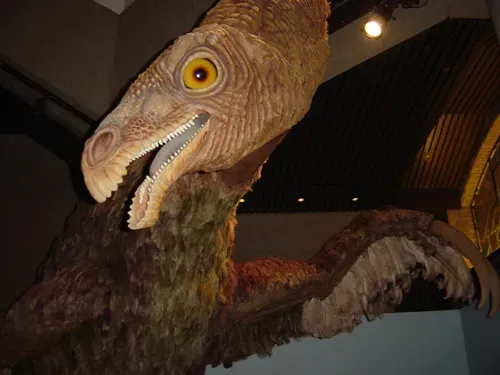
Therizinosaurus is one of those dinosaurs that looks like it walked straight out of a fever dream: long neck, bulky body, feathers, and absurdly long claws on its hands, some longer than a human arm. The surprising twist is that it was probably herbivorous or omnivorous, using those claws to pull down vegetation. But just because it ate plants does not mean it was harmless; those claws would have been devastating defensive weapons if anything came too close.
Imagine a predator trying to bite into Therizinosaurus and getting met with a wild, slashing counterattack from those huge, scythe-like claws. Even a glancing hit could open deep wounds or rip open eyes and faces. In that sense, this dinosaur was deadly in a very specific way: not because it went looking for fights, but because picking a fight with it could easily be the last mistake a predator ever made. It is the perfect reminder that in the age of dinosaurs, even some “gentle giants” were anything but gentle when pushed.
Conclusion – Deadliness Comes in Many Shapes
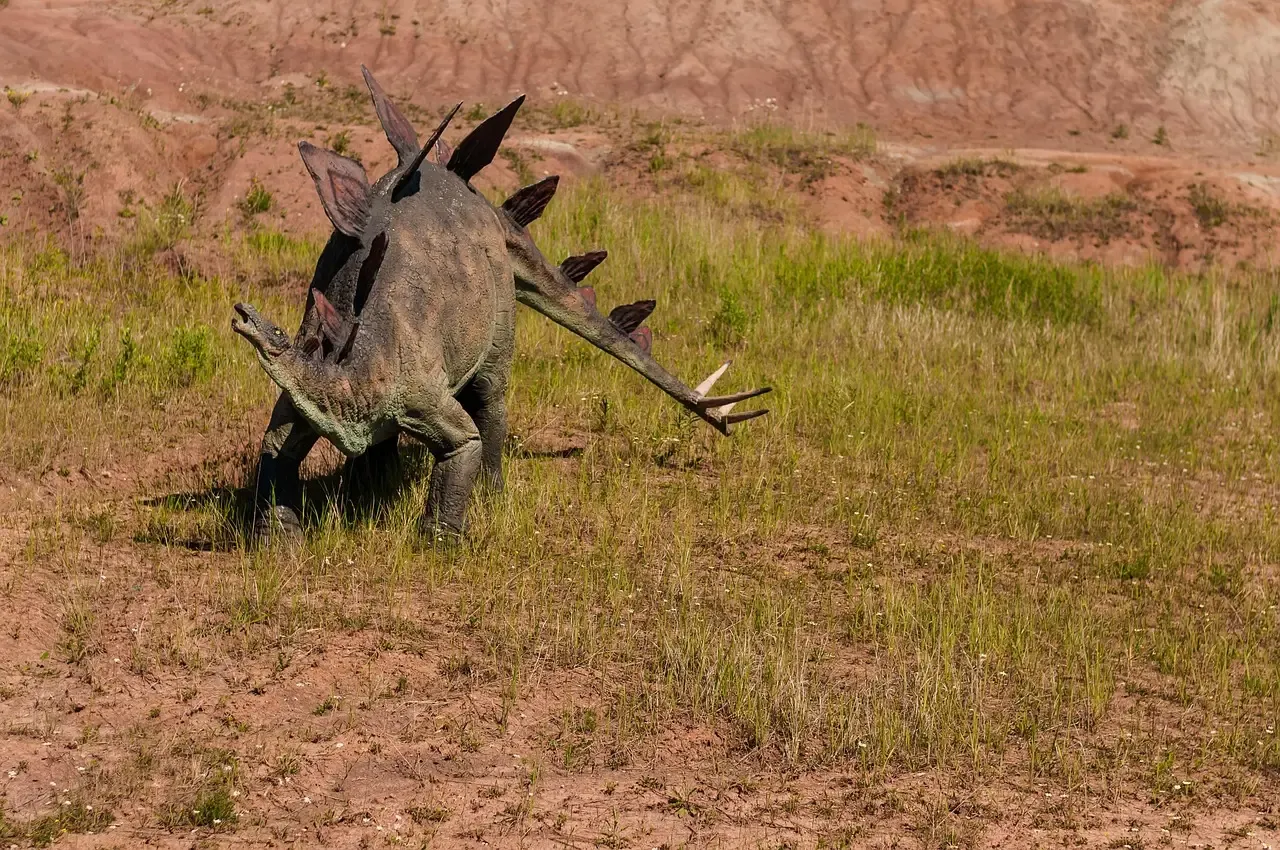
When people talk about deadly dinosaurs, they usually picture a single massive predator roaring against a blood-red sky, but the reality is far more interesting. Some of the most dangerous animals on this list were not hunters at all, but living fortresses that could turn a careless predator into a broken heap with one kick, horn thrust, or tail swing. Others were fast, clever killers that relied on agility and precision instead of sheer power, proving that evolution never bets on just one kind of weapon.
For me, that mix is exactly what makes these dinosaurs so fascinating: Tyrannosaurus with its crushing bite, Spinosaurus lurking in rivers, raptors wielding claws like knives, and armored tanks like Ankylosaurus and Triceratops making every ambush a gamble. We will probably never know every hunting tactic or battle scar in perfect detail, but the fossils we do have already paint a world where survival meant living on a knife’s edge – sometimes literally. If you had to pick one of these giants to face in the wild, which one would you least want to meet around the next bend in the jungle?