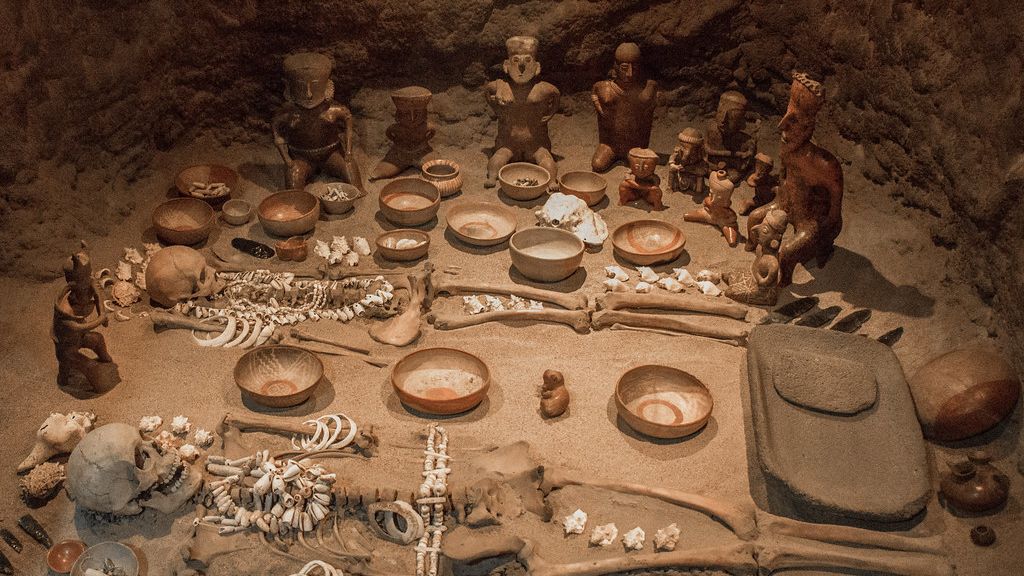
When you picture prehistoric people, you might imagine small bands of wanderers huddled around fires, living day to day without much planning or structure. Then you stumble onto the evidence from ancient burial sites and realize that image barely scratches the surface. Graves packed with carefully chosen objects, bodies arranged with ritual precision, and tombs that took enormous effort to build all tell you something powerful: long before written history, people were already thinking deeply about community, memory, and what might come after death.
As you follow the clues left in these graves, you begin to see prehistoric societies not as simple or primitive, but as layered, emotionally rich, and surprisingly organized. Burials show you who held power, how people cared for one another, and even how they understood identity and belonging. In a way, every grave is a time capsule of values and relationships. Once you start reading them, you realize you are looking at some of the earliest evidence of what it means to be human together.
The First Clue: Why Burials Matter More Than Bones
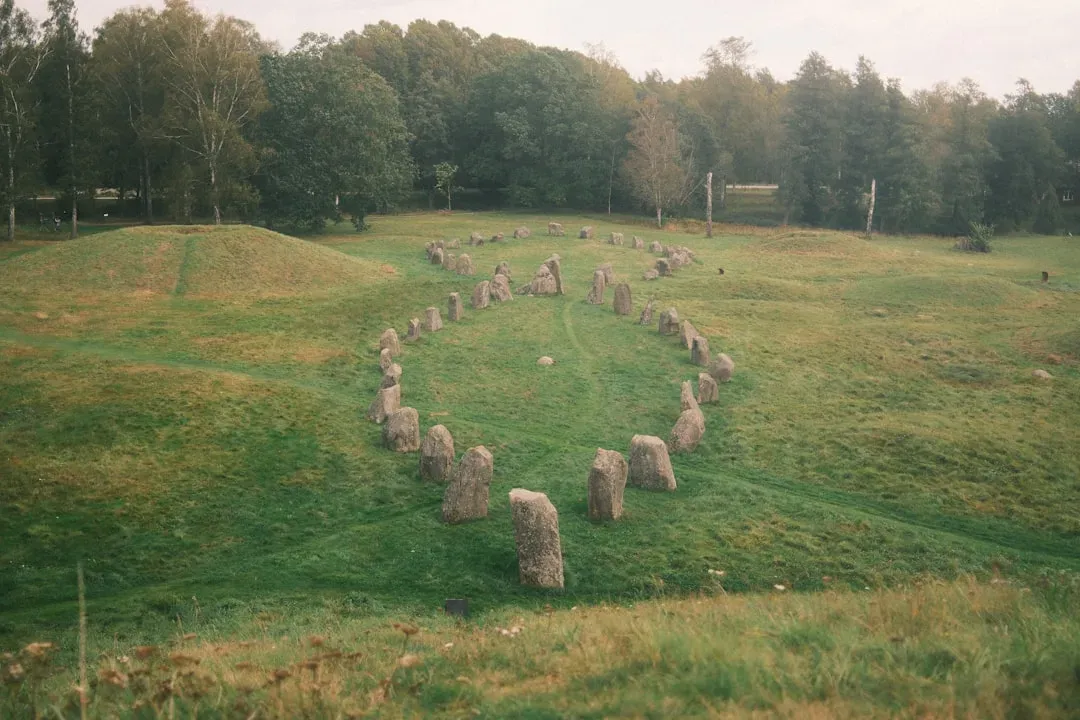
At first glance, a burial site can look like just bones in the ground, but if you slow down and really look, you start to see decisions everywhere. You notice how the body is positioned, what direction the head faces, what objects are tucked near the hands or feet, and whether the grave has been marked or protected. None of that happens by accident, and every choice hints at beliefs, emotions, and social rules that the people who dug that grave took seriously. You are not just looking at remains; you are looking at a community’s last act of care for one of its own.
Burial sites also matter because they survive when everything else disappears. Clothes rot, wood burns, and simple homes crumble away, but graves often stay just intact enough to speak across thousands of years. When you study them, you can trace patterns over wide regions and long stretches of time, seeing how rituals shift, spread, or vanish. That long view lets you see prehistoric societies as dynamic and changing, not frozen in some early stage of human development. Graves turn into the quiet, stubborn records that keep challenging your assumptions about the distant past.
Grave Goods and Status: Reading Power from the Ground Up
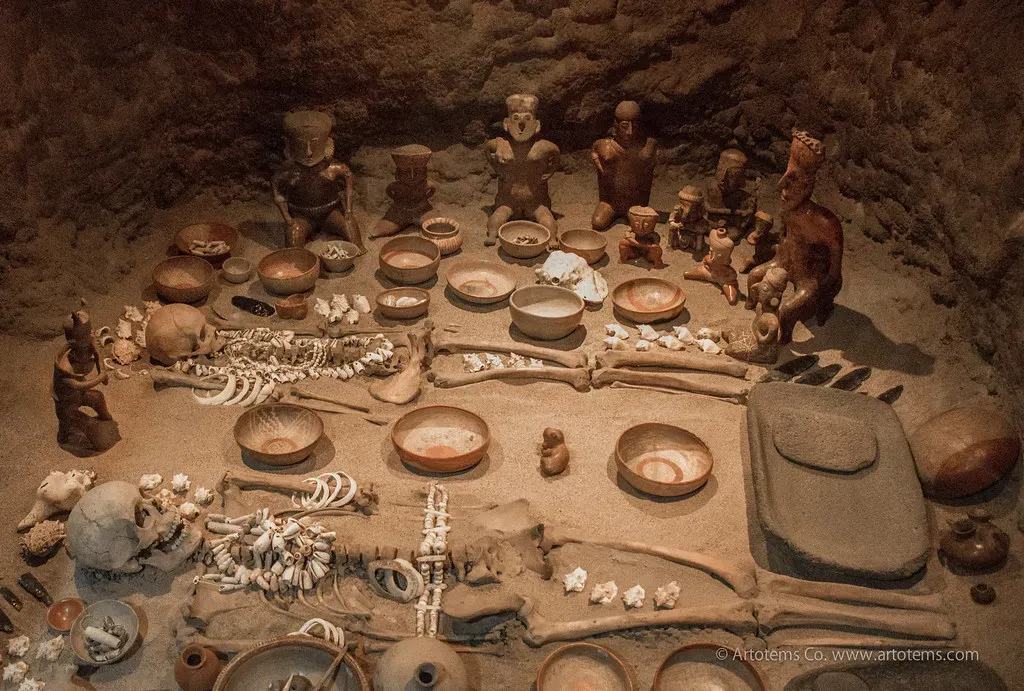
When you open a grave and find finely crafted tools, jewelry, weapons, or rare materials, you instantly sense that not everyone in that society was treated the same. Some people were buried with elaborate ornaments, imported stones, or beautifully made pottery, while others were laid to rest with almost nothing at all. As you compare graves within the same community, you begin to see a social ladder emerge: certain individuals were honored with more effort, more objects, and more attention, revealing early signs of status and hierarchy. You are literally watching social inequality being carved into the earth.
Sometimes you find that even children were buried with rich goods, which tells you that status could be inherited, not just earned. That small detail changes how you picture everyday life in those communities, because it suggests families, lineages, and possibly even early elites who passed privilege down through generations. The effort involved in crafting special items for the dead also shows you that these societies had enough surplus time and resources to support skilled makers. When you hold a polished stone bead or a carefully shaped blade from a grave, you are touching the output of a social system that went far beyond simple survival.
Ritual, Religion, and the Earliest Ideas of an Afterlife
When you see a body carefully laid on its side, sprinkled with pigment, or arranged with hands on the chest and eyes toward the rising sun, you are looking at more than habit. You are seeing a community act out its ideas about what happens next. Many prehistoric burials show repeated patterns in how the dead were arranged, which tells you those people shared beliefs or stories about death and what might lie beyond it. Even if you cannot know every detail, you can tell that death was not treated as a simple end, but as a passage that required guidance, respect, and possibly protection.
Objects placed with the dead can read like a spiritual checklist. You might find food, drink, tools, or ornaments that seem meant to help the person in another realm, or to signal who they were to whatever powers awaited them. In some cases, you see entire groups of people buried in ways that suggest shared rituals or seasonal ceremonies, hinting at gatherings where the living came together to remember the dead. That kind of behavior tells you that prehistoric societies were not only practical; they were reflective and imaginative, weaving death into their understanding of the world and their place in it.
Cemeteries as Community Maps and Memory Banks
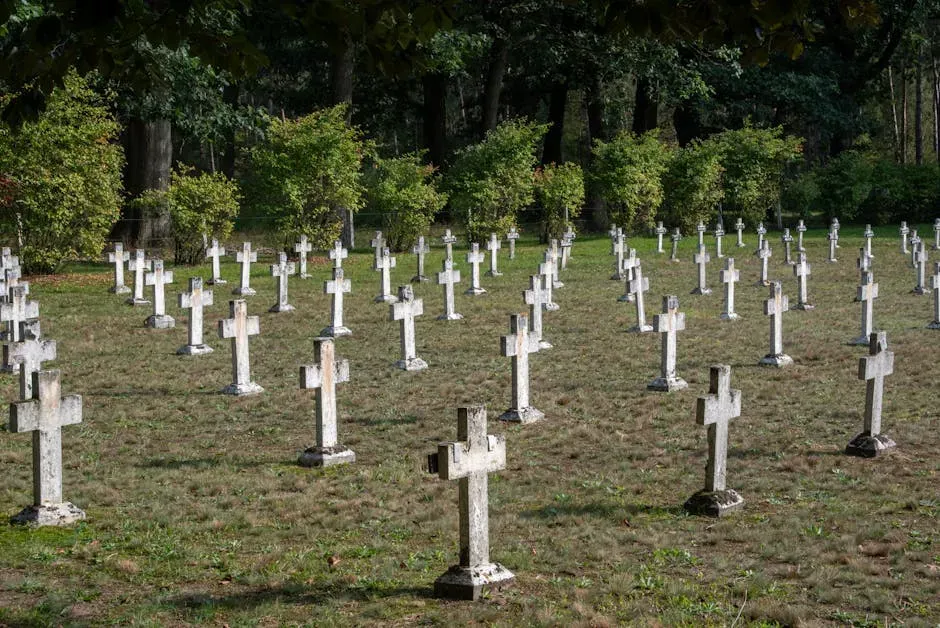
Once you step back from a single grave and look at an entire burial ground, something remarkable happens: the site starts to look like a map of the community itself. You notice clusters of graves that might represent families, lines of burials that follow pathways or landscape features, and prominent spots where certain individuals were placed in more visible or central locations. The layout can tell you who was close to whom in life and how relationships were remembered after death. It becomes clear that the arrangement of the dead mirrored the social fabric of the living.
Over time, cemeteries can grow into powerful symbols of belonging. When you see generations of burials stacked or arranged in the same area, you know that people kept returning to that place to reconnect with their past. That repeated act of burying new members among older ones shows you that identity was tied not just to the present moment, but to ancestors and shared history. The ground itself becomes a kind of memory bank, and by reading it, you can trace how communities stayed rooted, moved, or transformed. You are, in a sense, walking through a prehistoric neighborhood whose residents chose to stay together even after death.
Long-Distance Connections: Exotic Materials in Local Graves
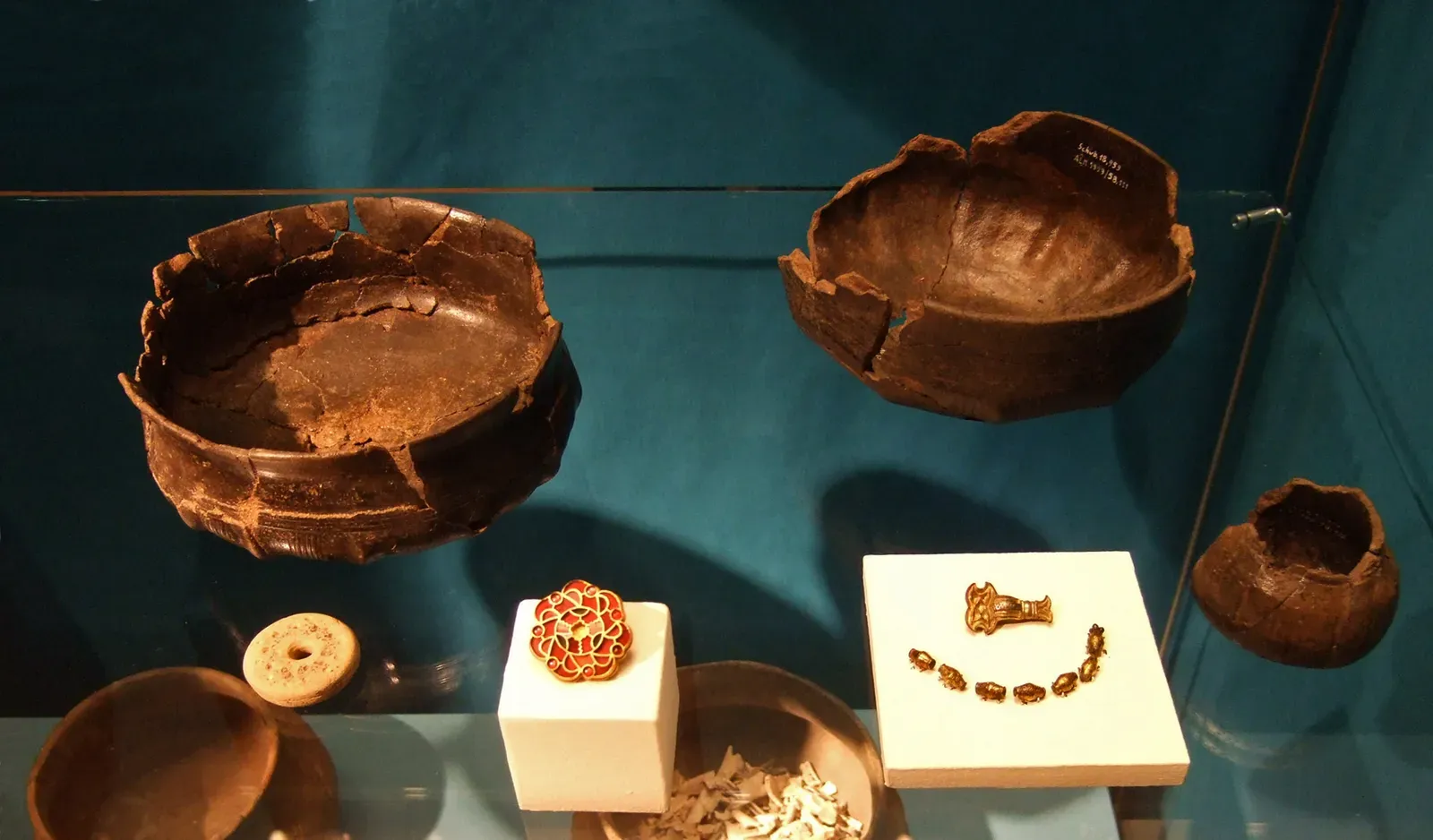
Every time you uncover a burial that holds materials from faraway places, you get a glimpse of prehistoric networking that might surprise you. A shell from a distant coast, a stone from a remote mountain, or a metal that could not have been produced locally all point to travel, trade, or long chains of exchange. When those rare materials show up in graves, you know they carried more than just decorative value; they had meaning tied to prestige, identity, or spiritual power. You are watching the traces of early globalization play out in the quiet space of a tomb.
These exotic items also tell you that people were not isolated in tiny pockets, but linked across regions through trade routes and social ties. When similar objects appear in burials hundreds of miles apart, you can trace cultural zones or shared traditions that extended far beyond a single village. Those connections required trust, negotiation, and often shared beliefs to hold them together. By following these objects from grave to grave, you see prehistoric societies as part of wider networks, not closed-off worlds. The dead, in a way, help you map the living world they once moved through.
Care, Violence, and Health: What Burials Reveal About Everyday Life
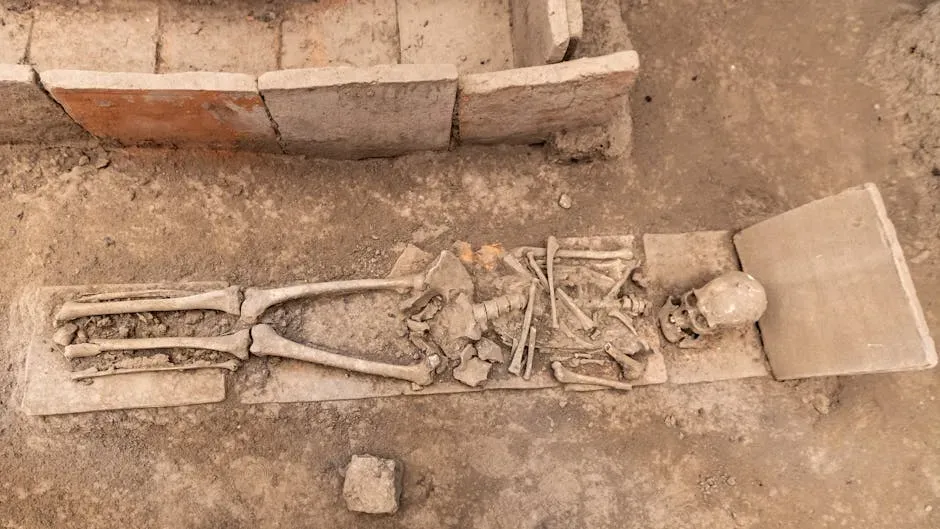
When you look closely at skeletons from ancient graves, you start to notice stories written directly on the bones. Healed fractures, worn joints, or signs of long illnesses tell you that some people lived with hardship for years. If those individuals were carefully buried, often with the same respect as the healthy, you learn that their communities did not simply abandon the weak; they cared for them over time. That kind of evidence lets you see early forms of compassion and social responsibility that might never appear in tools or stone walls, but show up clearly in the final resting places of the sick and injured.
On the other hand, you sometimes find skulls with sharp cuts, bones with embedded arrowheads, or bodies tossed into pits in ways that suggest conflict or punishment. Those burials give you a harsh but honest view of prehistoric life: alongside care and cooperation, there was also violence, warfare, and social tension. When you compare peaceful, carefully prepared graves with hurried or chaotic ones, you can glimpse how communities responded differently to honored members, enemies, or outcasts. Taken together, these contrasts help you build a fuller picture of daily life, where empathy and aggression existed side by side, shaping how societies evolved.
Monumental Tombs and the Rise of Organized Labor
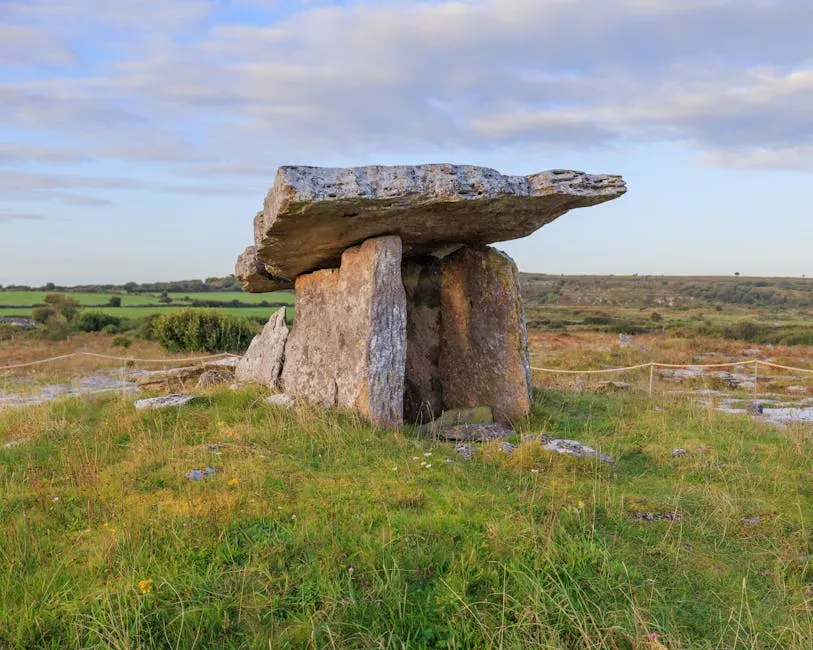
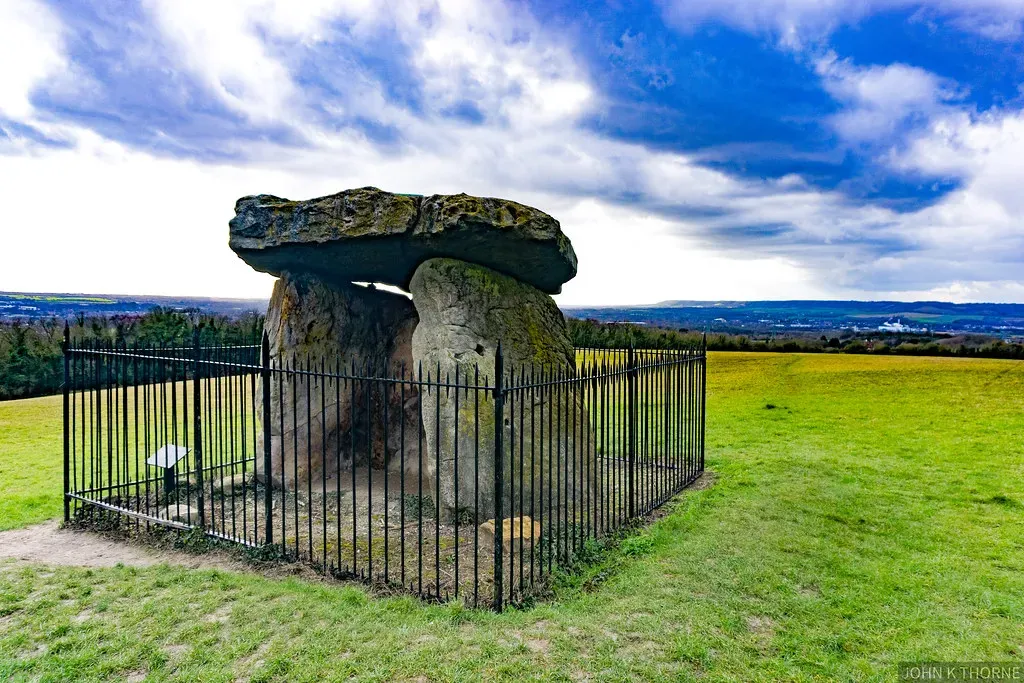
Some prehistoric graves are not just holes in the ground; they are massive structures that would have taken groups of people enormous effort to build. When you stand in front of a large tomb made of huge stones or earth mounds, you are really standing in front of a monument to teamwork and planning. To move big blocks, dig deep chambers, and align everything with the landscape or the sky, people had to coordinate, share tasks, and follow leaders. That means you are looking at physical proof of organized labor and emerging leadership long before written records mention rulers or states.
These monumental burials also show you that certain individuals were considered important enough to anchor large-scale projects. When a single person or a small group receives such an impressive tomb, it signals that their role in life carried lasting weight in death. Communities poured resources into honoring them, which suggests complex ideas about authority, legacy, and perhaps even the divine. As you trace where these big tombs appear and how they change over time, you can follow the early steps that lead toward more formal political structures. In that sense, every massive burial is a stepping stone between small groups of foragers and the later rise of cities and states.
In the end, when you look closely at ancient burial sites, you stop seeing them as silent relics and start recognizing them as conversations that prehistoric societies began and you are now finishing. Each grave nudges you to expand your idea of what “early” humans were capable of: they loved, they feared, they organized, they believed, and they built systems of meaning that went far beyond day-to-day survival. By reading the ground, you also end up reading yourself, because many of the same questions still linger today about identity, status, belonging, and what happens when life ends.
As you keep exploring these sites, you may find your sense of time stretching, as if a hand from ten thousand years ago is still reaching forward in a gesture of connection. The rituals, objects, and patterns you uncover remind you that complexity is not a modern invention; it has been woven into human communities for far longer than you might guess. So the next time you hear about a new burial discovery, you might pause and wonder: if one grave can overturn so many assumptions, how many more surprises are still waiting beneath your feet?