
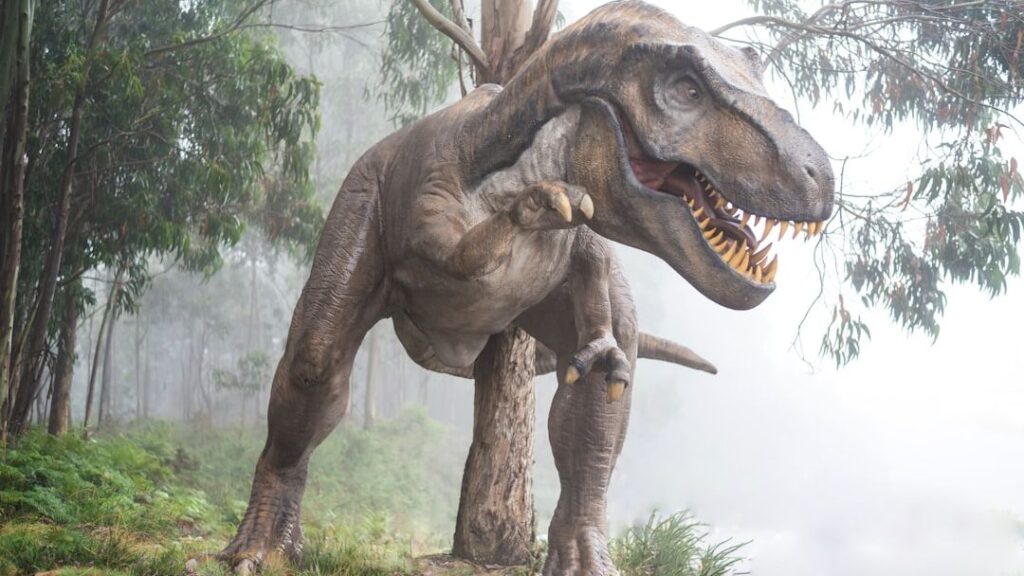
If you grew up imagining dinosaurs as slow, scaly monsters stomping through a swamp, you’re not alone. The wild thing is that almost everything from those childhood posters has been quietly falling apart under the pressure of new fossils, better technology, and some very stubborn scientists who refuse to stop asking annoying questions. Paleontology in 2026 is less about dusty bones in a museum drawer and more like forensic science meets space tech, and the story that’s emerging is far stranger, more dynamic, and more beautiful than the old textbook version.
What really hooked me personally was the moment I realized that every new dig, every CT scan, every microscopic slice of fossil bone has the potential to embarrass an entire generation of earlier ideas. Yesterday’s scientific certainty becomes today’s shrug and tomorrow’s meme. Dinosaurs are not just prehistoric monsters; they’re turning into a mirror for how science itself works: messy, self-correcting, and full of surprises. So let’s dig – carefully, and with a bit of attitude – into how paleontology keeps rewriting dinosaur history right under our feet.
The Feather Revolution: From Scaly Beasts to Fluffy Nightmares
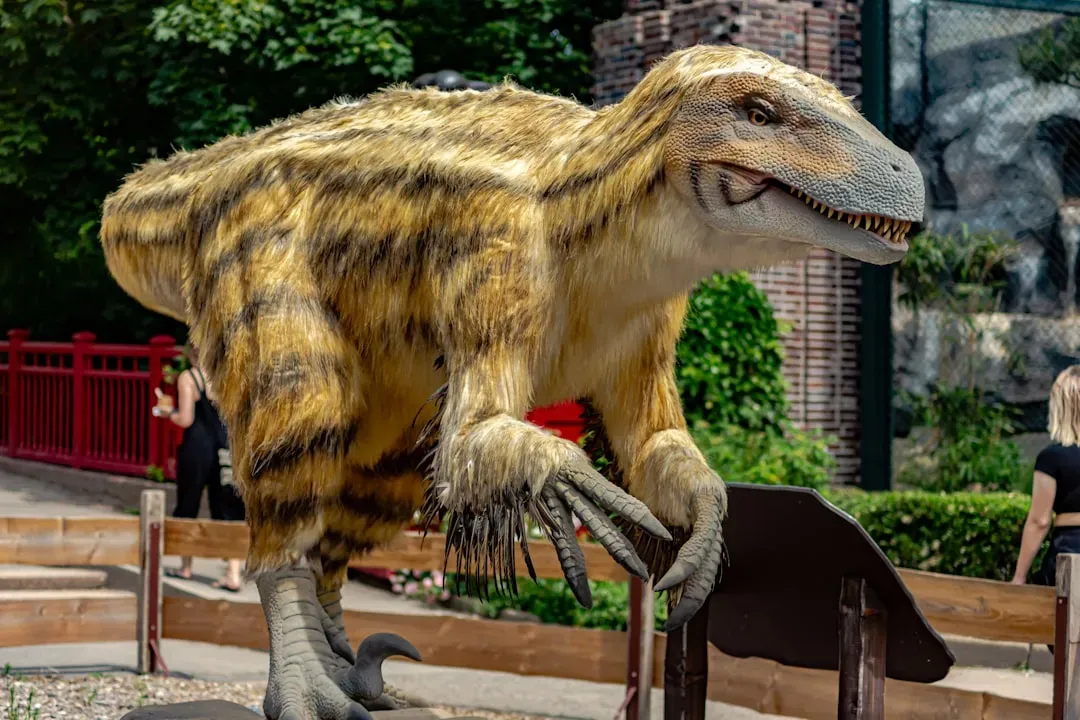
One of the most shocking shake-ups in dinosaur history has been the realization that many of them were not covered in lizard‑like scales but in feathers or feather‑like filaments. That idea used to sound like a bad joke; now it’s one of the firmest pillars of modern dinosaur science. Beautifully preserved fossils from places like northeastern China have shown fine impressions of feathers on animals that are clearly non‑bird dinosaurs, not just early birds, forcing scientists to redraw family trees and rethink what a “typical” dinosaur even looked like.
Once you accept feathers on some small meat‑eaters, the dominoes start to fall. If feathers first evolved for insulation or display rather than flight, then they might have been widespread, maybe even common, among different branches of the dinosaur family. Suddenly, the mental picture shifts from green, rubbery movie monsters to a spectrum of fuzzy, shaggy, and possibly wildly colored animals. Personally, I find that far more unsettling: a human‑sized predator with shaggy proto‑feathers and bright patches of color sounds like something halfway between a hawk and a wolf, and somehow more terrifying than a plain reptile.
Warm-Blooded or Cold-Blooded? The Metabolism Debate Gets Messy
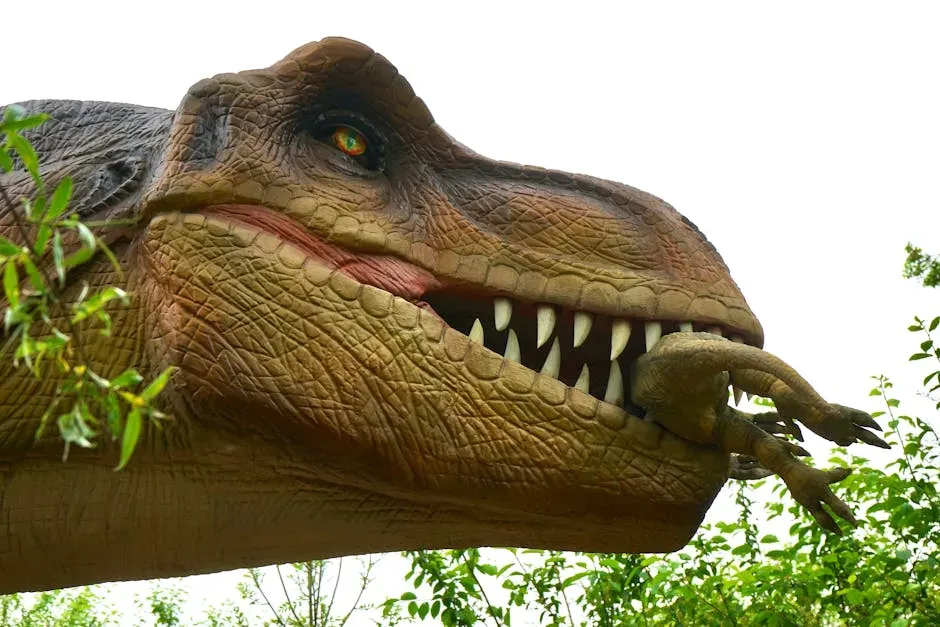
For decades, people argued over whether dinosaurs were sluggish, cold‑blooded creatures like crocodiles or high‑powered, warm‑blooded athletes like birds and mammals. The current picture is less tidy and much more interesting. Analyses of bone growth, blood vessel patterns, and even the chemistry preserved in fossil tissues point toward a spectrum of metabolic strategies, with some dinosaurs closer to modern birds and others sitting in a sort of middle ground. The idea of a single “dinosaur metabolism” is crumbling.
That matters for more than just trivia; metabolism is basically how an animal does life. An active, bird‑like metabolism helps explain fast growth rates, long migrations, intense parental care, and pack‑style hunting behaviors that are suggested by trackways and bone beds. At the same time, some large plant‑eaters might have relied on their massive size and slower metabolisms to save energy, like living thermal batteries. To me, this hybrid picture feels more honest; nature rarely chooses just one option. Dinosaurs were not caricatures of reptiles or birds – they were something more nuanced, occupying metabolic spaces we are only beginning to map out.
Smarter Than We Thought: Dinosaur Brains and Behavior
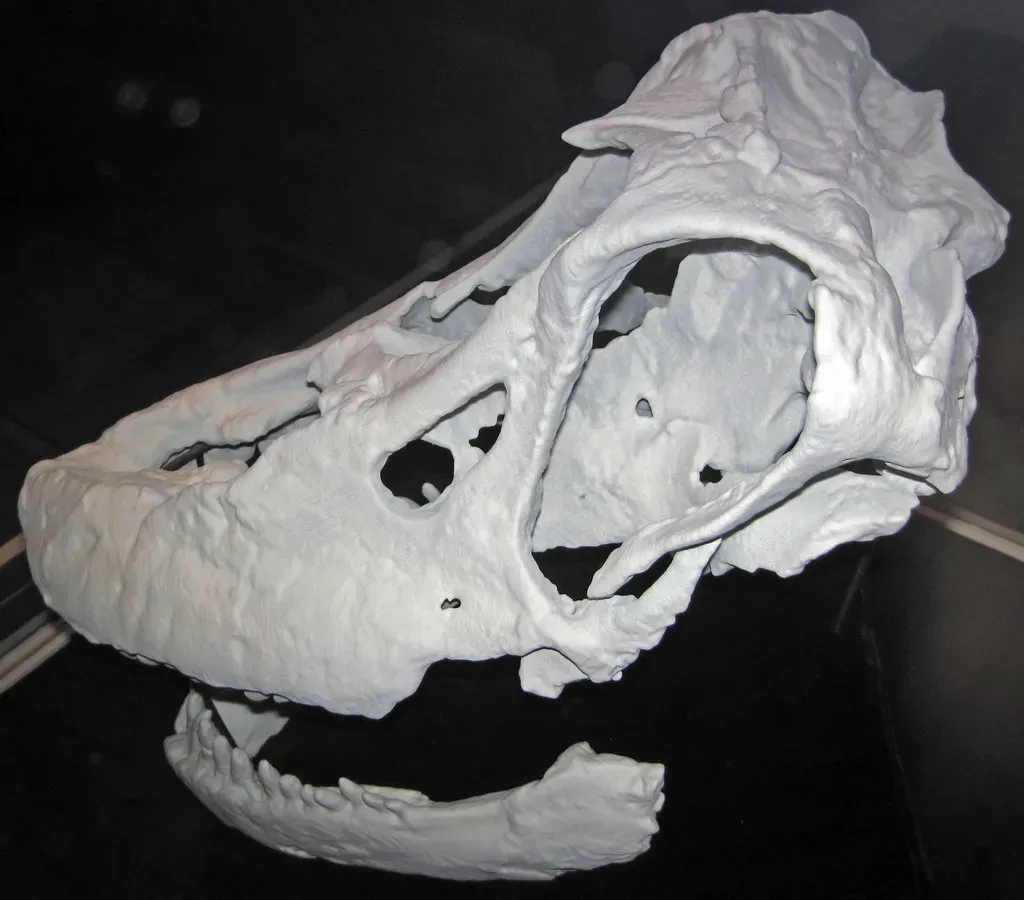
If you still picture dinosaurs as dim‑witted brutes, paleontology has been steadily dismantling that stereotype. Casts of braincases, high‑resolution scans, and comparisons with living animals suggest that many theropods – the group that includes tyrannosaurs and the ancestors of birds – had brains relatively large for their body size, with well‑developed sensory regions. Some herbivores show complex inner ear structures and eye placement that hint at sophisticated balance, hearing, and visual processing, all of which support rich behavior, not mindless lumbering.
Evidence of social behavior is also piling up: trackways that record groups moving together, fossilized nesting grounds with multiple generations of nests, and bone beds that look like the remains of animals that lived and maybe even died as a group. It is risky to project specific emotions or family dramas onto these fossils, but it is equally naive to assume pure simplicity. When I stand in front of a dinosaur trackway, I can’t shake the feeling that I’m not just looking at random footprints; I’m looking at a moment when real animals, making choices and reacting to each other, crossed a stretch of mud they never imagined would outlast them by tens of millions of years.
From Swamp Dwellers to World Travelers: Rethinking Dinosaur Habitats
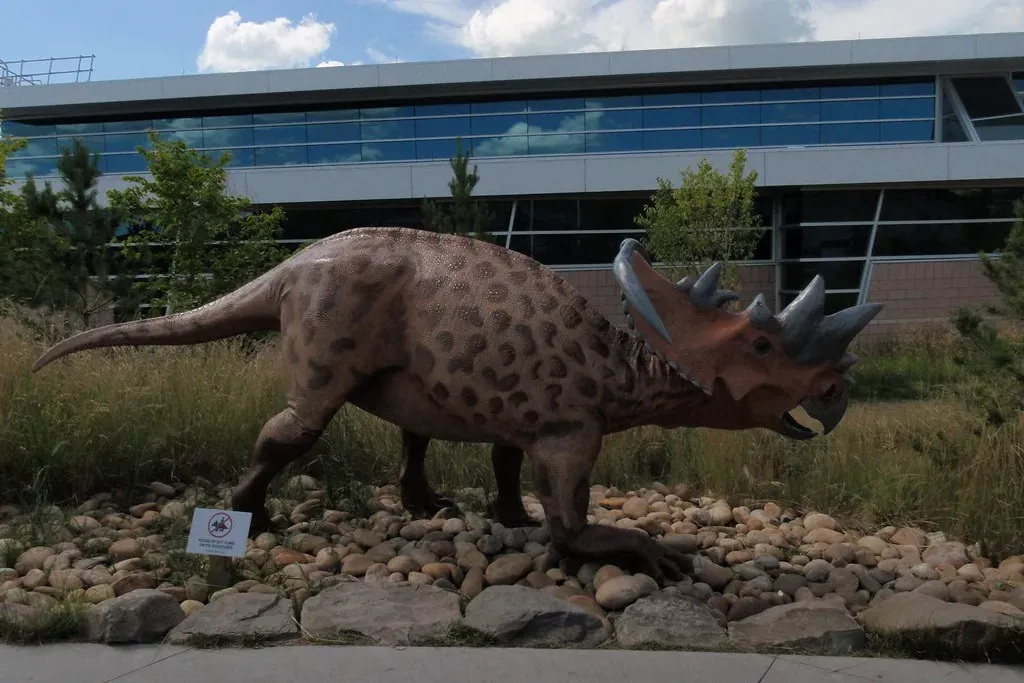
The old trope of dinosaurs lurking in hot, steamy swamps is quietly dying. Sedimentology, plant fossils, and the distribution of bones show that dinosaurs occupied everything from coastal plains and deserts to forests and polar regions. We now know that some dinosaurs lived far toward the poles, where they had to deal with long, dark winters and seasonal changes in food availability. That pushes us to think of them as adaptable, tough, and surprisingly flexible, not just fair‑weather giants.
This broader ecological view has also highlighted just how integrated dinosaurs were into complex ecosystems. They were shaping vegetation patterns, competing with crocodile relatives and early mammals, and driving evolutionary arms races in armor, horns, and defenses. Seeing dinosaurs as parts of layered food webs, instead of solitary monsters standing on empty backgrounds, makes their world feel more like a strange cousin of ours. It also makes their eventual extinction sting more; entire interconnected systems winked out, not just a few headline species.
Birds as Dinosaurs: The Most Controversial Fact That Won
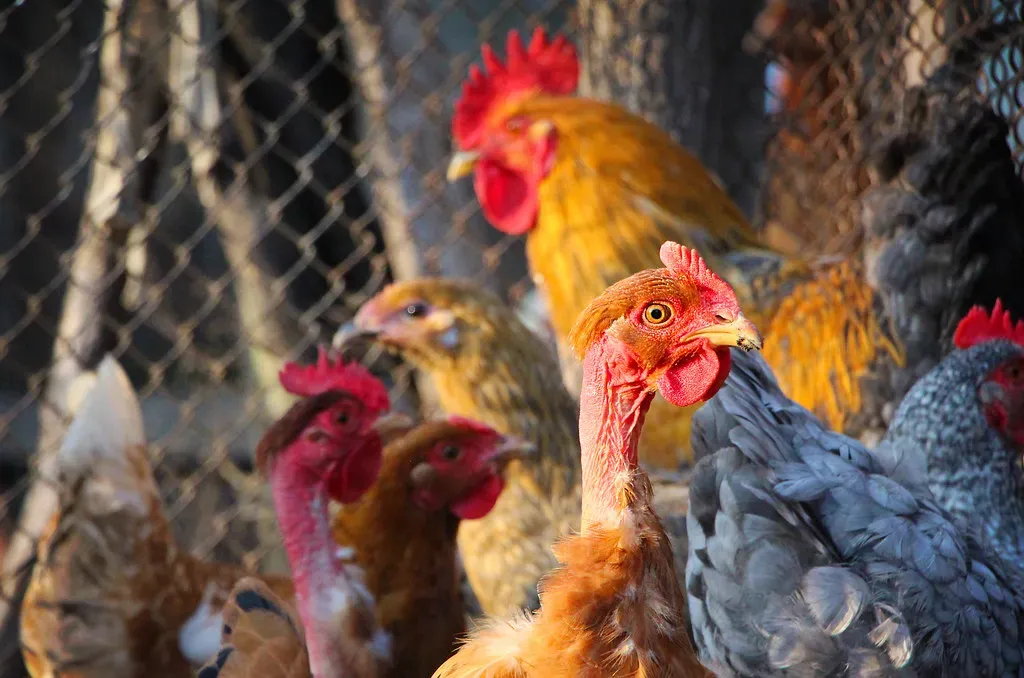
This connection does more than satisfy a curiosity; it gives paleontologists a living laboratory. By studying how birds grow, move, breathe, and care for their young, researchers get clues to how their non‑avian relatives might have behaved. Personally, this is where the story feels almost poetic: the “extinct” dinosaurs are only partially gone. A branch of their lineage survived an apocalyptic event and is still all around us, filling the air with sound and color. It is a reminder that extinction and survival are tangled, and that evolution is as much about persistence in new forms as it is about loss.
High-Tech Time Travel: CT Scans, Isotopes, and Virtual Dinosaurs
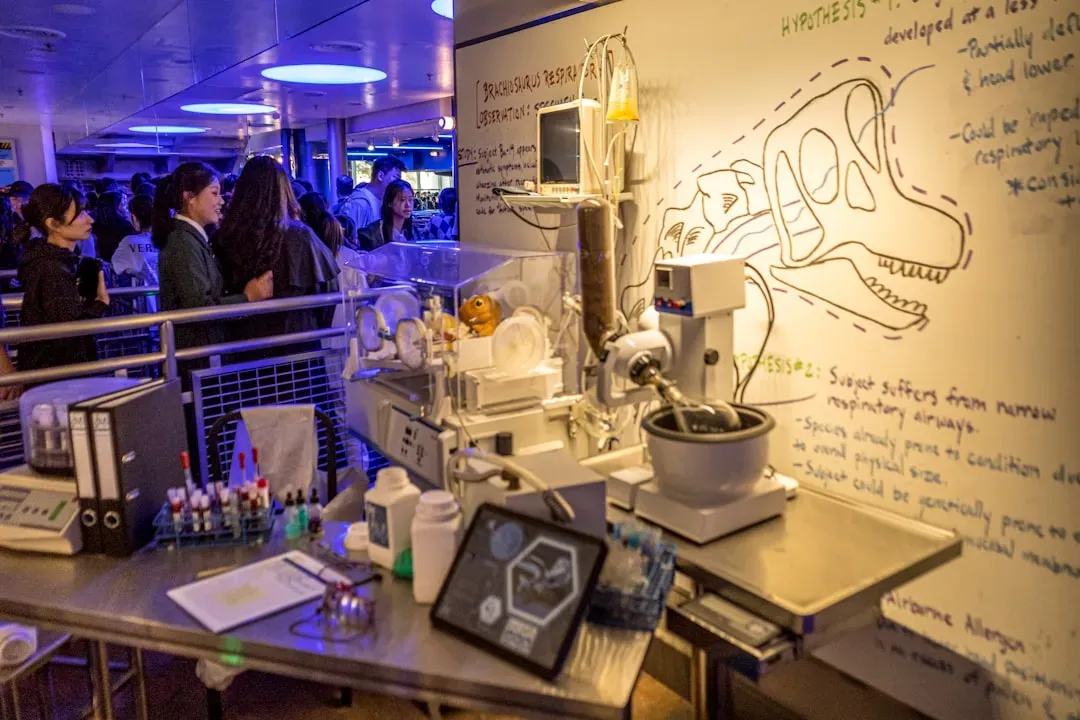
Modern paleontology looks as much like a hospital radiology lab or a clean‑room physics experiment as it does like an old‑school dig site. CT scans let scientists peek inside skulls and bones without cracking them open, revealing hidden teeth, brain cavities, and growth lines. Chemical analyses of isotopes in bones and teeth help reconstruct diet, migration, and even aspects of climate, turning fossils into tiny time capsules of environmental data. This fusion of geology, physics, and biology is changing dinosaurs from static skeletons into animals with life histories that can be traced and tested.
Digital modeling takes things even further. Researchers build 3D reconstructions of skeletons and overlay muscles based on living analogues to simulate how fast a dinosaur might have run or how much force a jaw could generate. While some of these models are still debated and depend heavily on assumptions, they at least make those assumptions explicit and testable. I love that you can watch a virtual T. rex walk on a screen, then tweak its center of mass and see it stumble; it is a humbling reminder that even our best guesses are constantly up for revision.
Mass Extinction, Mass Confusion: Untangling Dinosaur Death
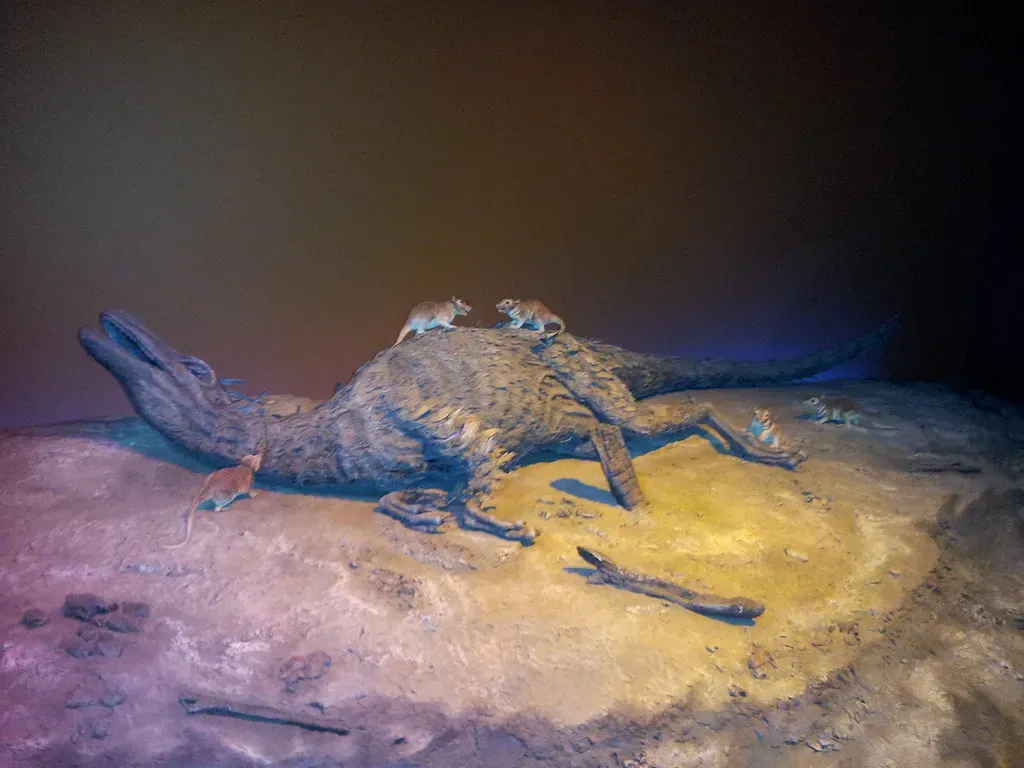
The classic story of dinosaur extinction involves a single giant asteroid impact, a sudden catastrophe, and a swift, global die‑off. The core of that story is well supported, but paleontologists keep finding details that complicate the narrative. Long‑term volcanic activity, slow climate changes, shifting sea levels, and ecological stresses were already reshaping the planet before the impact, and different dinosaur groups may have responded to those stressors in very different ways. The boundary between “dinosaurs ruling the world” and “dinosaurs in trouble” is blurrier than school posters ever suggested.
New fossil discoveries near the extinction boundary are forcing researchers to track which lineages were diversifying, which were declining, and how regional ecosystems responded. Some data hint that certain dinosaur groups were still thriving until very close to the impact, while others had been in gradual decline. To me, this messy picture is more disturbing and also more honest. It suggests that the end of the dinosaurs was not a simple, clean curtain drop but a chaotic mix of bad luck layered onto existing vulnerabilities – exactly the kind of thing that should make modern humans pay attention.
Redrawing the Family Tree: New Species, New Relationships
Every year, new dinosaur species are described from fresh fossils or reinterpreted old ones, and each new arrival has the potential to upset long‑standing family relationships. Sometimes a specimen that sat misidentified for decades turns out to represent a completely new branch. Other times, two supposedly separate species are revealed as different growth stages of the same animal, shrinking the list but deepening our understanding of how dinosaurs changed as they aged. The dinosaur family tree is not a neat diagram; it is a living document, scribbled on, erased, and redrawn again and again.
Even at the highest levels – how major groups are related – debates can be fierce. Proposals to reorganize the fundamental branches of the dinosaur tree based on new anatomical or statistical analyses have sparked intense back‑and‑forth, with some ideas gaining traction and others being pushed back. I think this ongoing argument is a healthy sign. It shows that paleontology is not a museum of fixed truths but a workshop full of half‑finished models. The fact that scientists can use the same bones and arrive at different, testable hypotheses is exactly how progress is supposed to look.
Why Dinosaur Science Matters Now: An Opinionated Look Ahead
It might be tempting to treat all of this as charming but irrelevant trivia about animals that died long before our problems began. I think that view is not just wrong but dangerously small. The story of dinosaurs – how they rose, diversified, dominated, and then crashed – offers a brutally clear case study in how life responds to environmental change, from slow drifts in climate to sudden catastrophic shocks. In a century where we are driving rapid changes in atmosphere, oceans, and landscapes, ignoring that record because it is “just prehistoric” feels like tossing aside a thick manual on what happens when the planet gets rearranged.
On a more personal level, the way paleontology keeps revising dinosaur history is a quiet rebuke to our craving for simple, final answers. If our image of the most famous animals in Earth’s history can flip from swamp lizards to feathered, fast‑moving, socially complex creatures, what else in science – or in our everyday assumptions – deserves a second look? I suspect that is the real gift here: dinosaurs are not just about awe; they are about humility. We live on a planet that has already written and erased entire worlds before us. As paleontologists keep unearthing and reinterpreting that past, maybe the sharpest question is not what dinosaurs were like, but whether we are ready to learn from them. Did you expect ancient bones to have this much to say about our future?