You live in a world where forests feel permanent: towering pines, dense rainforests, quiet maple groves glowing in autumn. But roll the clock back hundreds of millions of years and you’d be walking on a planet almost completely bare, with no true trees, no deep roots, and no shady woodland paths. The rise of Earth’s first forests was not just a scenic upgrade; it was one of the most radical turning points in the history of life, reshaping the atmosphere, the climate, and the future of every creature that came after.
When you start to explore those ancient landscapes, you realize something surprising: the first forests did not look much like the forests you know today, and the organisms that built them were strange, almost alien. Yet their legacy is literally beneath your feet, locked in rocks, coal seams, and the chemistry of the air you breathe. This journey through time lets you see how those early forests formed, what they did to the planet, and why their ghosts still quietly influence your life today.
Stepping Back Into the Devonian: When Forests First Appeared
If you could step into a time machine and dial back to the Devonian Period, around four hundred million years ago, you’d land on a very different Earth. The continents were still shifting into place, most life was in the oceans, and the land was only just being colonized by green plants that hugged the ground. Instead of oak trees and pines, you’d see low, mossy mats, small plants with simple stems, and very little that cast any real shade.
Then something revolutionary began to happen: some plants started to grow upwards, building woody trunks, branching crowns, and deeper root systems. These early tree-like plants, including forms like Archaeopteris, turned patchy greenery into the first true forests. For the first time, you’d be able to walk under a canopy, feel cooler air beneath the branches, and notice how the ground stayed damp and shadowed instead of baking under direct sun.
Meet the Strange First Trees: Nothing Like Your Local Woodland
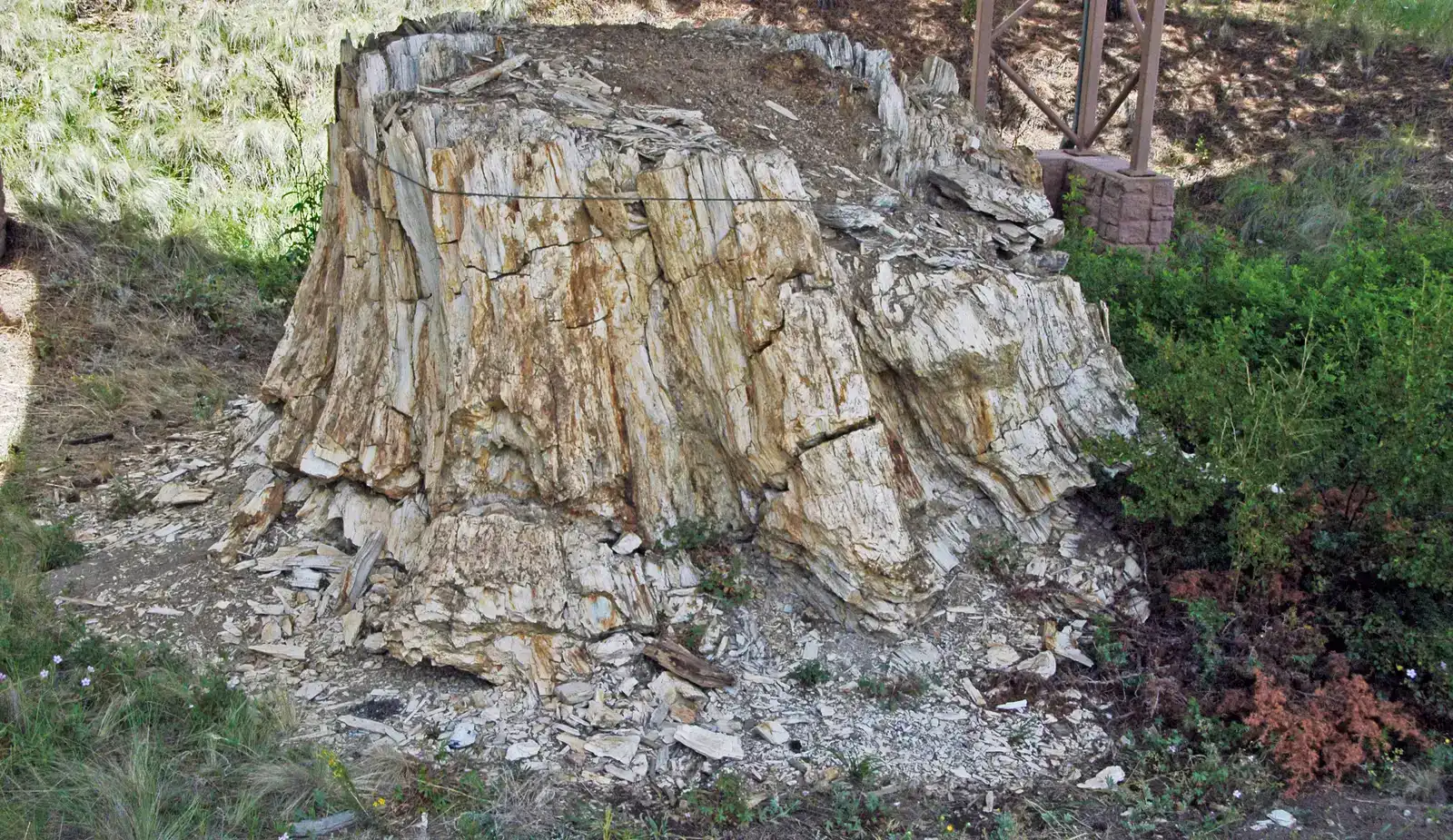
When you hear the word “tree,” you probably picture something familiar: leaves, bark, recognizable branches. The earliest forest builders would challenge that image completely. Some of them, like the so‑called cladoxylopsids, had hollow, lattice-like trunks and a tangle of roots instead of a single thick one, almost like a plant built from plumbing pipes and tentacles. Others had crown-like tops with frond-like structures instead of the flat leaves you’re used to seeing.
Archaeopteris is one of the stars of this story, often called the world’s first modern-looking tree, yet even it was a hybrid of old and new ideas. It had wood similar to that of today’s trees and a branching canopy, but it still reproduced more like a fern, using spores rather than seeds. If you walked through one of these proto-forests, you’d feel an eerie familiarity – trunks, shade, layers of vegetation – mixed with a sense that you were on a different planet, where evolution was still experimenting with what a tree could be.
How Roots Rewrote the Planet’s Surface and Shaped the Soil Under You
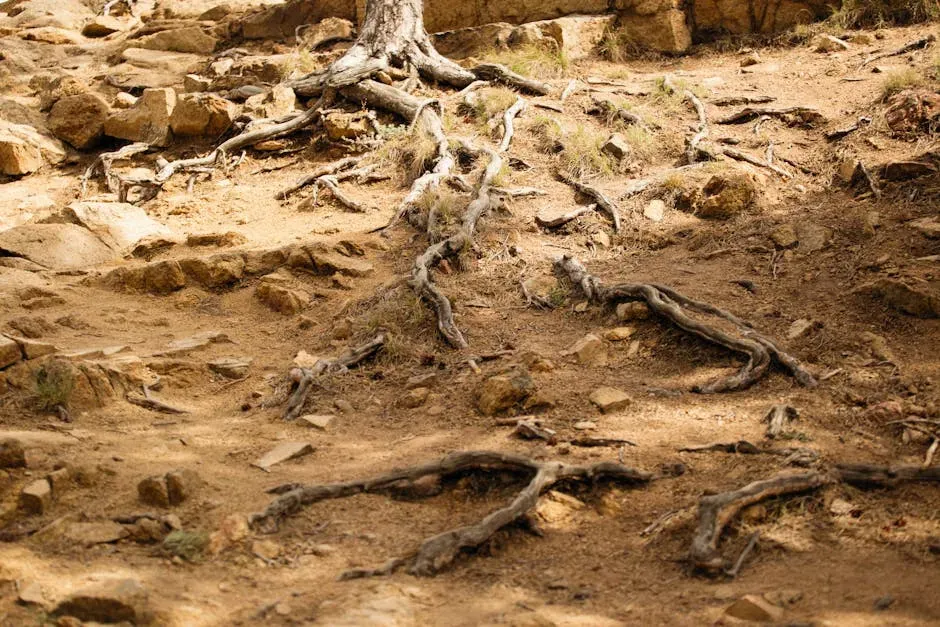
Before forests, the land surface was fragile, easily eroded by wind and water, and covered by thin, primitive soils. When deep-rooted trees appeared, they grabbed the ground and would not let go. Their roots fractured rock, opened tiny cracks, and let water seep in, accelerating the breakdown of stone into mineral-rich sediments. Over time, you’d see a new kind of landscape emerging: thicker soils, richer in nutrients, with complex layers that could support more and more life.
As those roots grew, died, and decayed, they added organic matter, turning bare ground into something more like the soil you might garden in today. That transformation mattered far beyond the forest floor: richer soils trapped more water, slowed erosion, and changed how rivers flowed and where sediments accumulated. In a very real sense, when you stand on a well-developed soil profile today, you’re standing on a system that first took shape when early forests began to dig their way into the planet’s crust.
Forests, Carbon, and Climate: The Ancient Cool-Down You Benefit From
You might think of forests mainly as habitats for animals or sources of wood, but those early forests were powerful climate engineers. Through photosynthesis, they pulled carbon dioxide out of the atmosphere and locked a portion of that carbon away in their trunks, roots, and fallen litter. When some of that plant material was buried and preserved, it removed carbon from the air for millions of years, slowly tipping the planet toward cooler conditions.
There’s evidence that the spread of deep-rooted forests in the Late Devonian played a major role in driving down atmospheric carbon dioxide and helping trigger global cooling and glaciation. Imagine entire continents gradually turning greener, with new forests stealing carbon from the sky and stashing it underground. When you worry about climate change today and talk about planting trees as part of the solution, you’re echoing a process that has been reshaping Earth’s climate since long before humans existed.
Those early forests also influenced oxygen levels, which had huge consequences for animal life. As plants fixed more carbon and pumped out more oxygen, the atmosphere shifted in ways that made it easier for complex life to move onto land and thrive. You can think of the first forests as a planetary life-support upgrade, turning a relatively harsh, marginal land environment into a more breathable, livable world for the creatures that would eventually include you.
Life in the First Forests: Strange Ecosystems Without Birds or Mammals
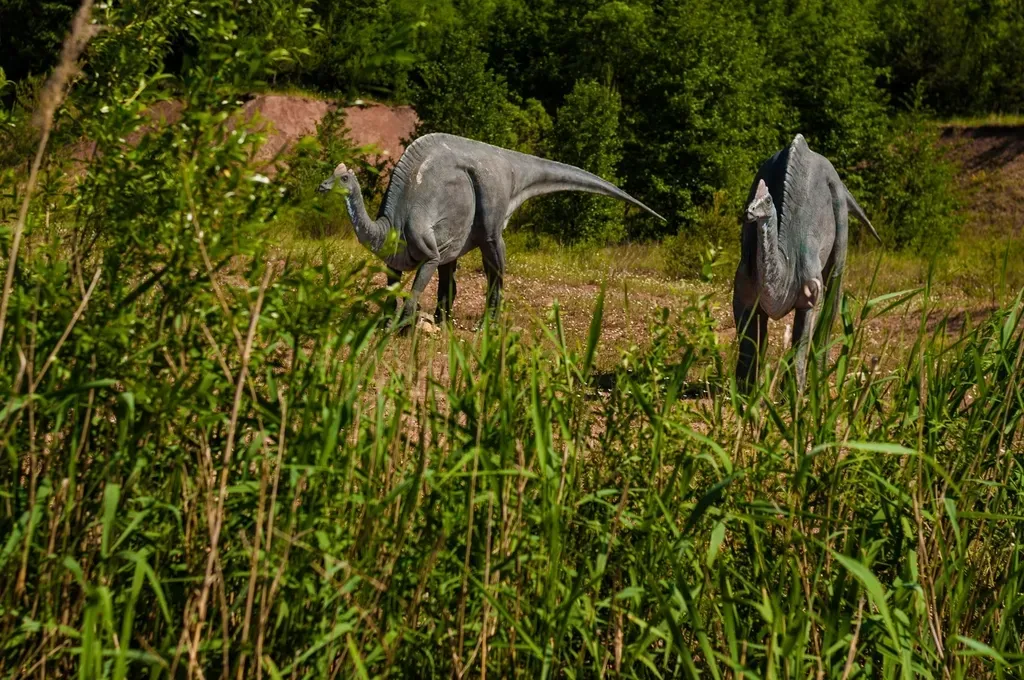
If you could stroll through an early forest, you wouldn’t hear birds singing, mammals rustling, or leaves crunching under the feet of deer. Instead, you’d share the understory with giant millipede-like arthropods, early insects, and primitive amphibian-like vertebrates venturing cautiously away from rivers and wetlands. The soundtrack would be the hiss of wind through fronds and the splash of water, not the chatter and song you associate with modern woodlands.
Without flowering plants or fruit-bearing trees, the web of life worked differently from what you see now. Many animals depended on spores, decaying wood, and simple plant tissues instead of seeds, nuts, and flowers. Fungi would be hard at work breaking down fallen trunks and branches, recycling nutrients back into the soil. When you picture a forest as a bustling neighborhood, this was like its earliest prototype – quieter, stranger, but already full of interactions between plants, animals, fungi, and microbes that set the stage for later, more familiar ecosystems.
Fossil Time Capsules: How You Can Read the Story in Stone
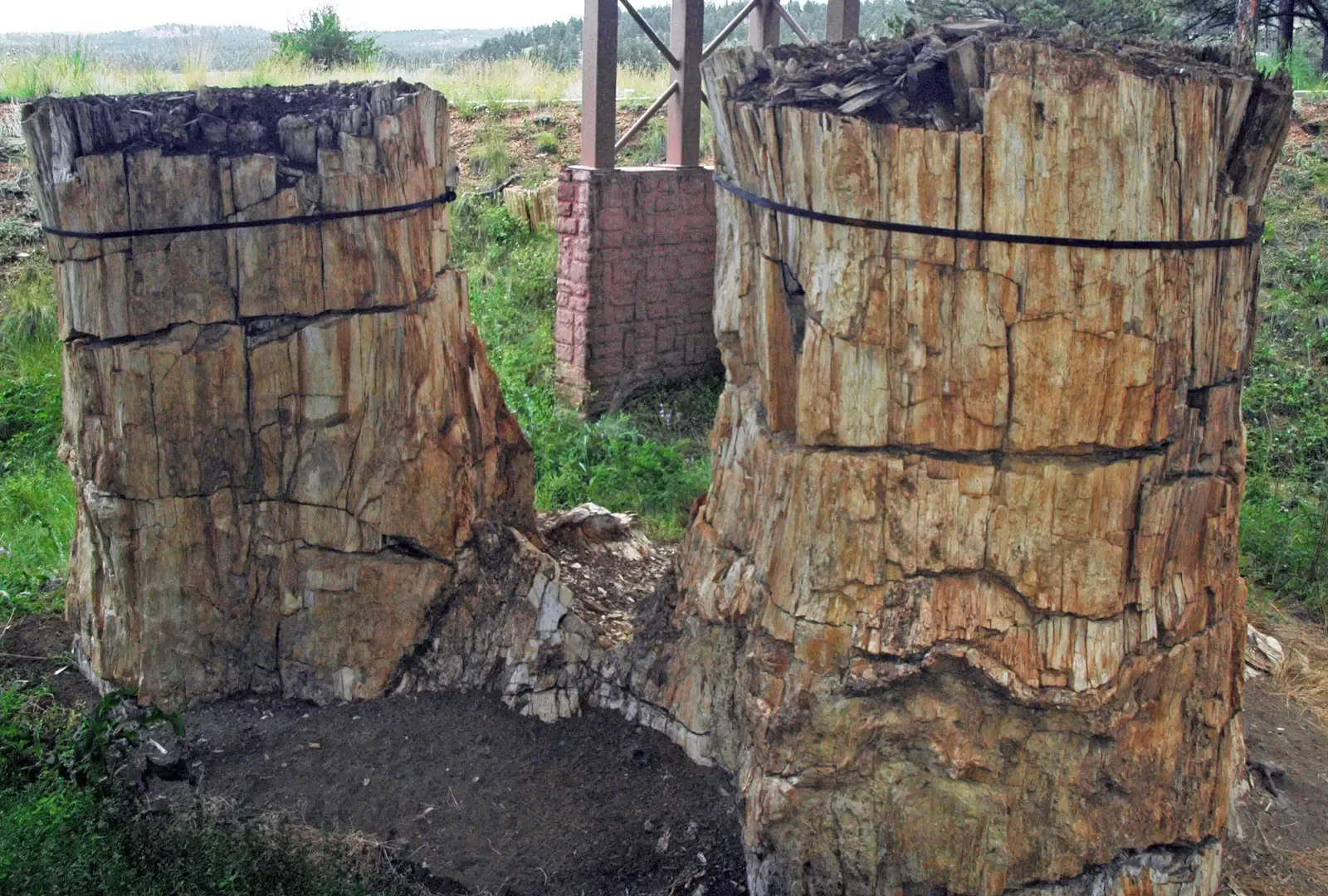
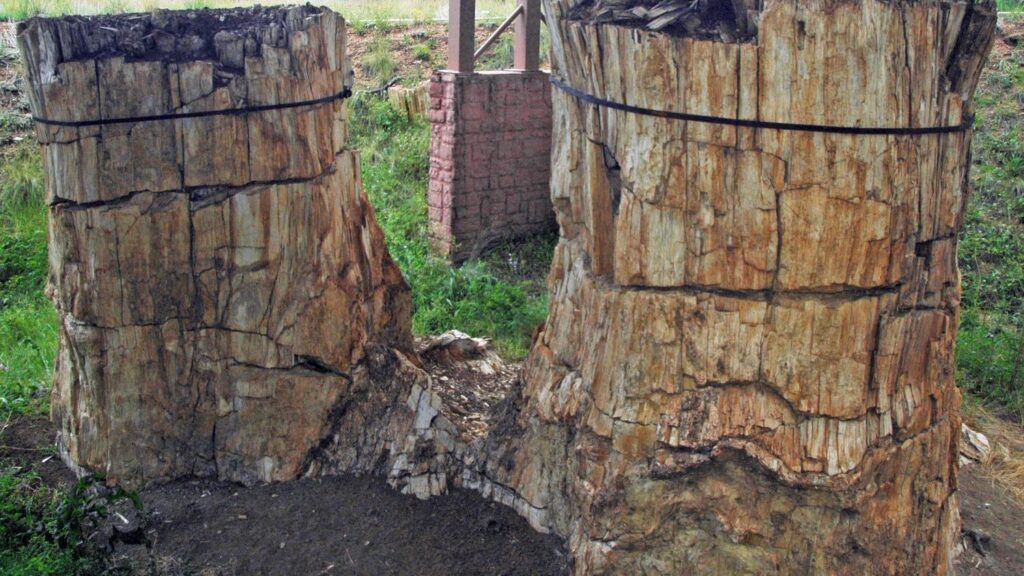
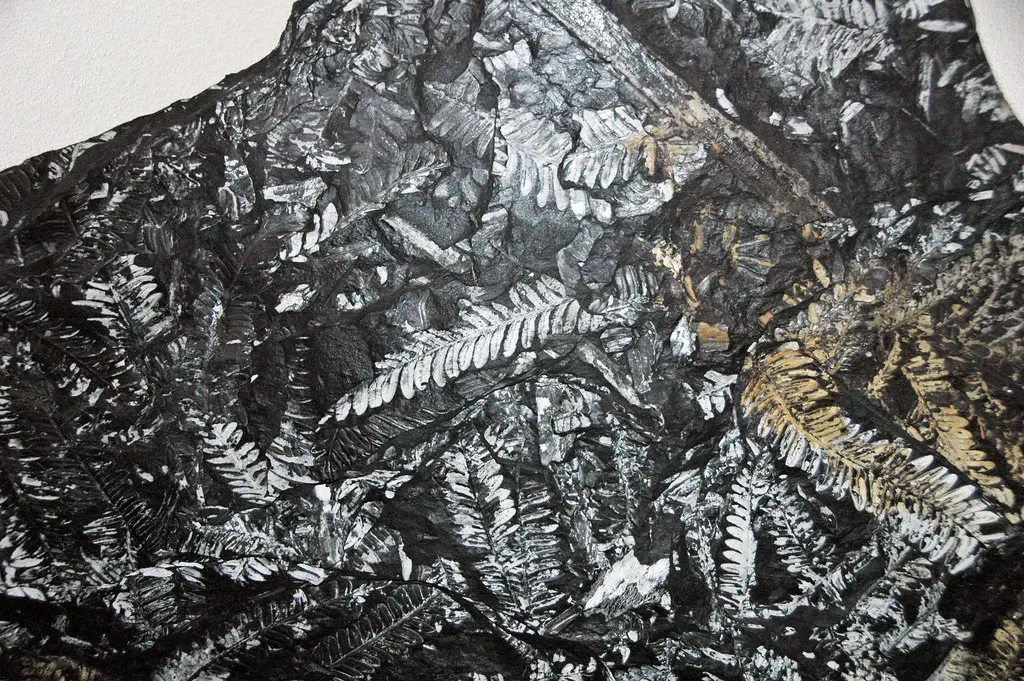
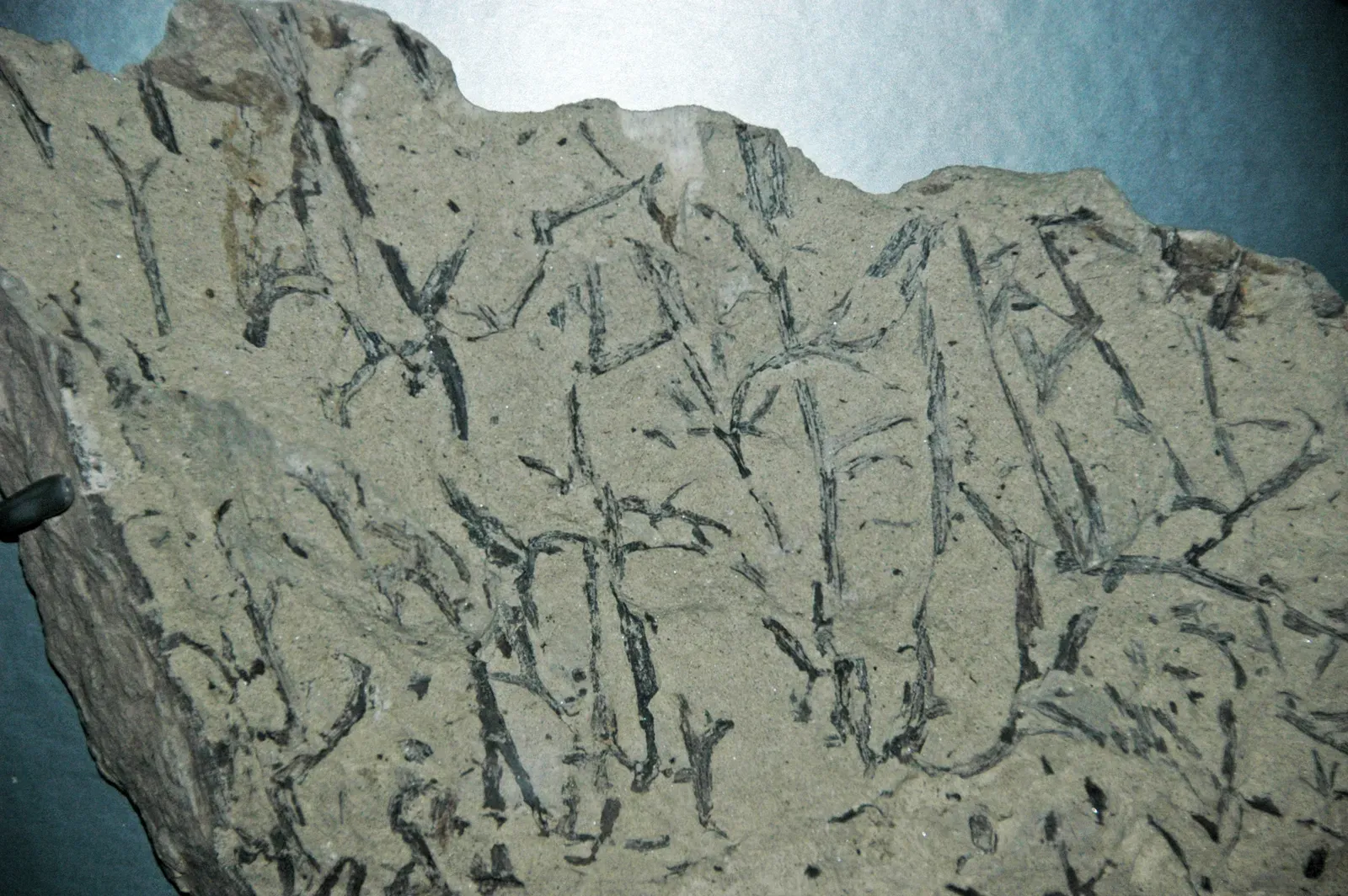
Everything you know about these first forests comes from fragments of rock, fossilized trunks, preserved roots, and ancient soils that scientists painstakingly piece together. In some places, entire fossilized forests have been found still standing where they grew, with stumps and root systems frozen in place by sediments that buried them long ago. When you look at photographs or museum displays of these sites, you’re essentially peeking through a window into a vanished world, caught in mid-growth.
Even tiny details, like the microscopic structure of fossil wood or the chemistry of ancient soils, help you reconstruct what those forests were like. Researchers can tell how tall some trees grew, how dense the canopy might have been, and how deeply the roots penetrated the ground. If you enjoy a good detective story, this is one played out in stone, where every fossil is a clue and every outcrop is a crime scene waiting to be examined. The fact that you can describe forests that vanished hundreds of millions of years ago speaks to just how much information the Earth quietly stores beneath your feet.
The Long Shadow of Ancient Forests on Your Modern World
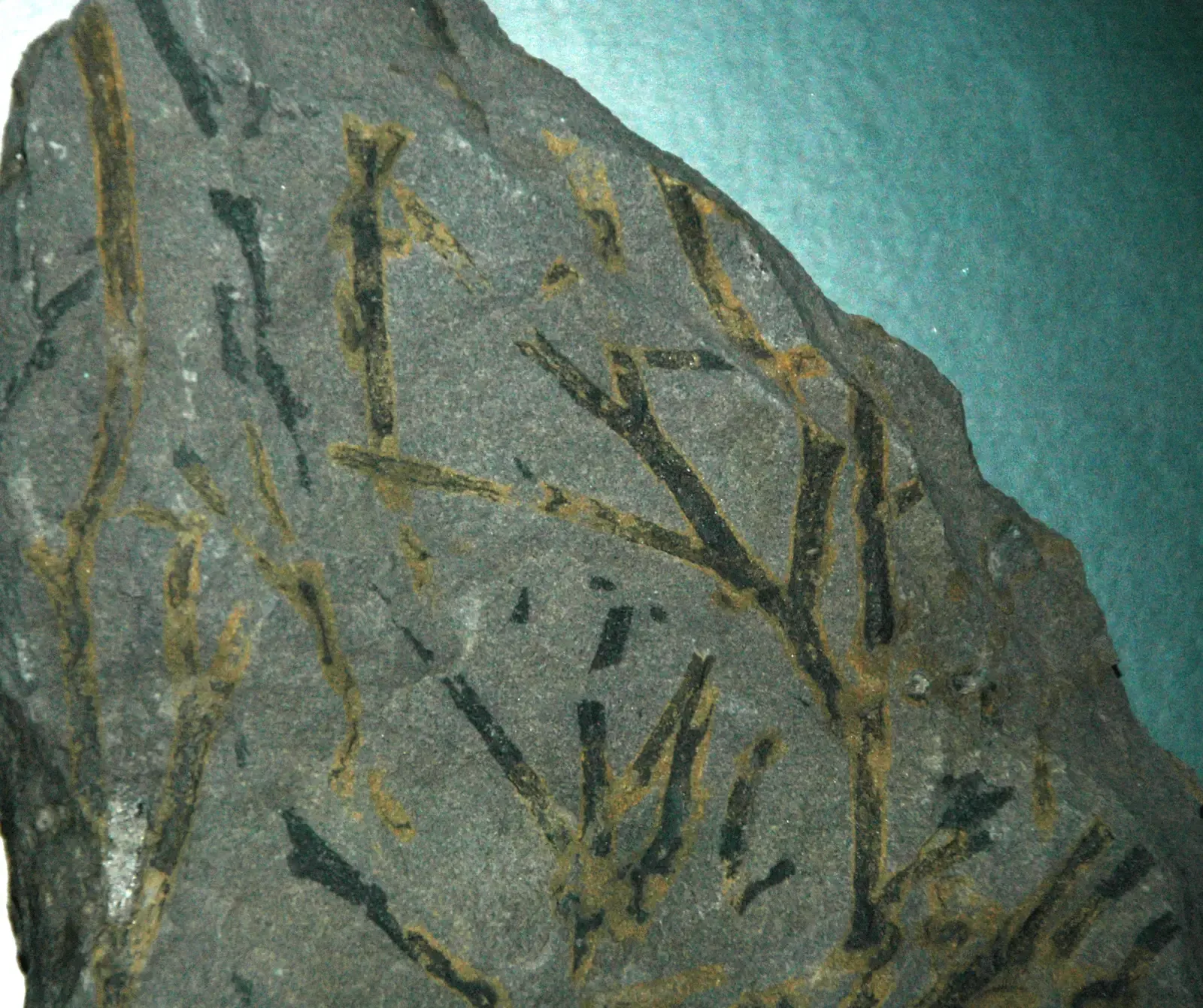
Even though those first forests disappeared long before dinosaurs, let alone humans, their influence still threads through your daily life. Some of the coal that powers electricity or once drove industrial revolutions comes from long-buried plant material that descended from early forest ecosystems. The patterns of river systems, the fertility of certain regions, and even the composition of the air you breathe today all carry the imprint of forests that rose and fell across deep time.
When you walk through a modern forest, from a temperate woodland to a tropical rainforest, you’re seeing a highly evolved descendant of those Devonian pioneers. Their experiments with wood, roots, and canopies eventually led to conifers, flowering trees, and the immense variety of forest types that now cover parts of the planet. Recognizing that history gives you a different kind of respect for the trees around you: they’re not just background scenery, they’re the latest chapter in a very long story of planetary engineering.
Understanding the deep past also sharpens how you think about the future. You now know forests can transform atmosphere, climate, and landscapes on a planetary scale given enough time, which means your choices about protecting or destroying them matter more than they might seem in the moment. When you consider reforestation, conservation, or land-use change, you’re tinkering with a system that once helped remake the world from almost barren rock into a thriving, green planet.
Conclusion: Walking With Ancient Giants in Your Imagination
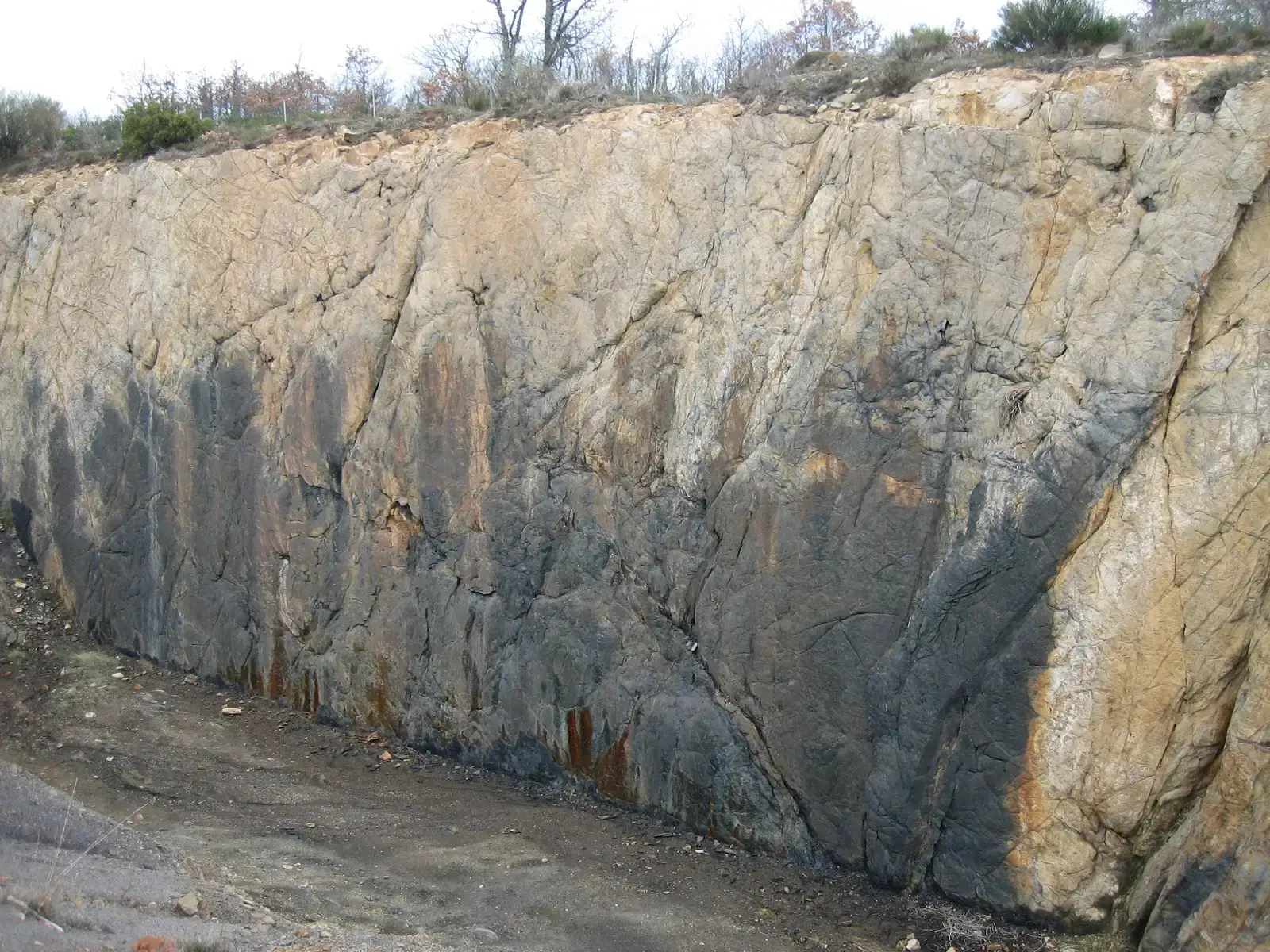
When you unravel the mysteries of Earth’s first forests, you discover that they were not just clusters of odd-looking trees in some distant age; they were catalysts that pushed the planet into a new phase of complexity. They carved soil from stone, shifted the balance of gases in the air, cooled the climate, and opened the door for complex land animals to flourish. In a way, those early forests helped prepare the world you now inhabit, long before anyone could appreciate what they were doing.
The next time you step into a forest, you can let your imagination peel back the layers of time and picture the strange, pioneering woodlands that came before. You’re not just moving among trunks and leaves; you’re walking through the legacy of ancient experiments that turned Earth into a more habitable home. With that in mind, the question almost asks itself: when you look at the forests around you today, do you see them as scenery, or as powerful, ancient forces still quietly shaping your future?