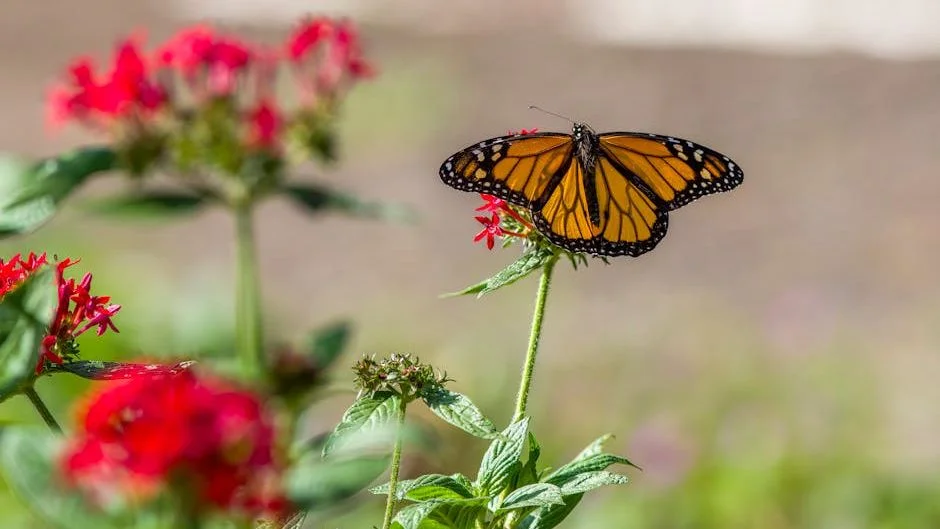
As migratory monarch butterflies prepare for their grueling 3,000-mile journey from Canada to Mexico, researchers warn that rising temperatures could leave them undernourished and more vulnerable to disease. These iconic insects, already pressured by pesticides and habitat destruction, now confront climate-driven shifts in their food sources and health dynamics. Studies from field experiments in Ottawa and Georgia reveal how even modest warming alters the plants and parasites that shape their fate.
Scarcer Nectar Starves Butterflies for the Long Haul
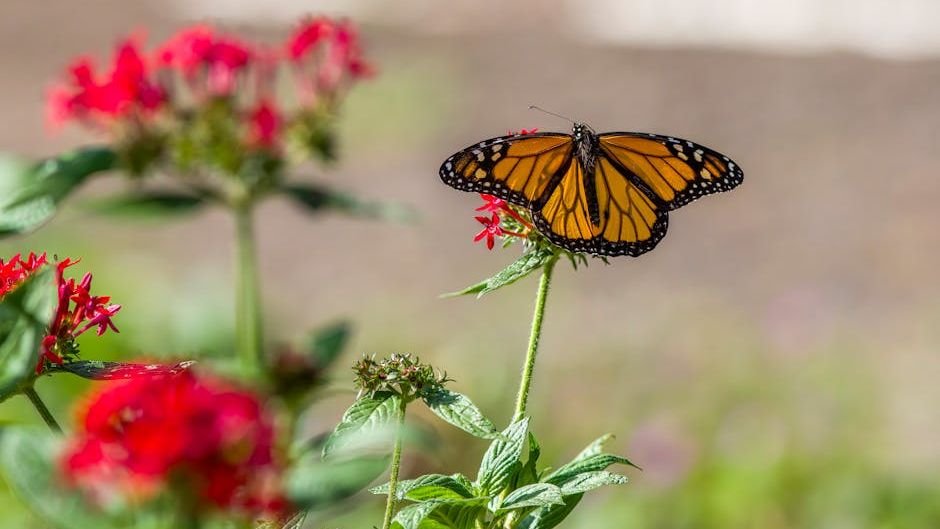
Scarcer Nectar Starves Butterflies for the Long Haul (Image Credits: Pexels)
Adult monarchs rely on nectar from late-summer flowers to build fat reserves essential for overwintering in Mexico. In Ottawa, researcher Heather Kharouba and master’s student Katherine Peel examined key plants like wild bergamot, Canada goldenrod, and New England aster. They grew these species in field greenhouses warmed by about one degree Fahrenheit above ambient levels.
The warmer conditions produced plants with 13% fewer flowers per stem and nectar containing roughly a quarter less sucrose, a critical energy source. Monarchs that fed on this diminished nectar accumulated 26% less fat than those on control plants. Kharouba noted that such deficits could slow or complicate the southward migration, though the exact impacts on flight or longevity remain untested.
These findings underscore a conservative view, as the experiments isolated plant responses from direct heat effects on the butterflies themselves. Higher temperatures might further disrupt insect metabolism and feeding, creating layered challenges.
Disease Dynamics Shift Under Heat Stress
The protozoan parasite Ophryocystis elektroscirrha, or OE, poses a persistent threat to monarchs, with infected adults showing reduced flight ability, faster weight loss, and 20% lower migration survival rates. Infected females sometimes lay eggs on more toxic milkweed to medicate their offspring. Postdoctoral researcher Isabella Ragonese, working with University of Georgia teams, probed how warming alters this host-parasite balance.
Ragonese’s lab and field tests exposed caterpillars to OE on tropical and swamp milkweed under elevated temperatures. While ambient conditions confirmed tropical milkweed’s protective toxins, heat erased those benefits and even lowered survival for uninfected caterpillars to 85%, compared to 98% on swamp milkweed. Elevated temperatures cut overall tolerance to infection by 22%, regardless of plant type.
“A warmer world could be a sicker world for monarchs,” said Sonia Altizer, a University of Georgia researcher and Ragonese’s former advisor. The added stress of potent milkweed toxins proved too much for heat-compromised caterpillars, mirroring side effects seen in human medications.
Multiple Threats Converge on Migration Routes
These isolated effects likely compound during migration, where poorer body condition from low-quality nectar hits infected butterflies hardest. OE prevalence stays low in northern areas like Ottawa today, but warming could expand its range. Mexican overwintering sites face up to 40% habitat loss by 2070, pushing clusters southward.
Altizer described potential “double or triple whammies” from sicker insects, scant resources, and shrinking refuges. Monarch caterpillars depend solely on milkweed, but adults draw from diverse nectar sources, amplifying the stakes as floral nutrition declines.
| Finding | Impact | Open Question |
|---|---|---|
| 13% fewer flowers, 25% less sucrose in nectar | 26% less fat in adults | Effects on flight distance or speed |
| 22% reduced tolerance to OE | Medicinal milkweed benefits vanish | Interactions with pesticides/habitat loss |
| Potential OE range expansion | Higher infection risk northward | Net migration success by 2070 |
Conservation Strategies Amid Uncertainty
Gardeners and restorers can prioritize late-blooming flowers resilient to warming, ensuring fuel for fall migrants. Future studies might identify nectar-rich species that hold up under heat. Kharouba emphasized the interplay of factors, from disease spread to nectar limits.
Monarchs boast remarkable resilience, crossing continents and producing up to 2,000 eggs per female. “They have so much capacity to rebound,” Altizer observed. Yet as human actions reshape their world, these “tanks of the butterfly realm” test the limits of adaptation.
For communities tracking these migrations, the coming decades will reveal whether targeted planting and habitat protection can offset climate pressures. The stakes extend beyond spectacle, touching ecosystems where monarchs signal broader environmental health.