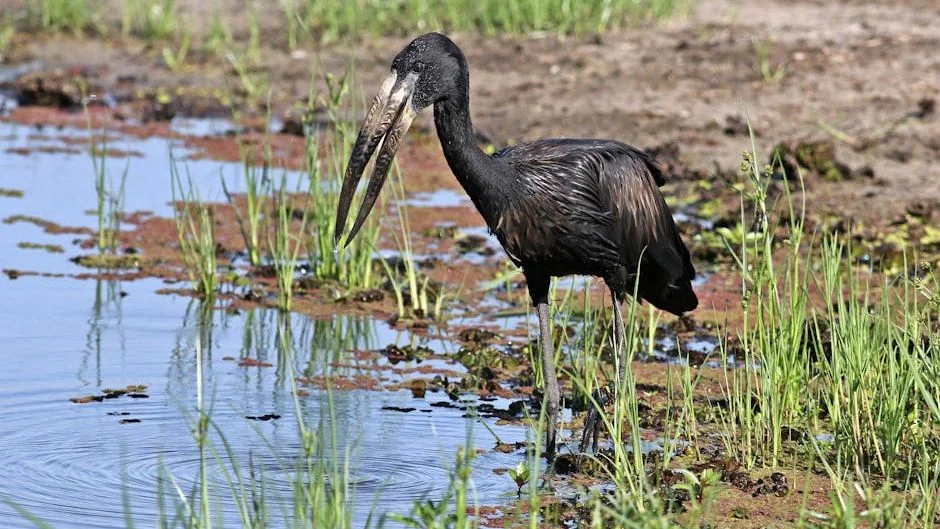
Global wetlands have shrunk by more than a third since 1970, disappearing at a pace three times quicker than forests. This alarming trend threatens ecosystems, economies, and communities worldwide. Wetlands International, a global nonprofit, recently unveiled an interactive Wetland Atlas designed to guide governments and funders toward the most urgent sites for protection and restoration. The tool layers critical data to highlight wetlands’ multifaceted importance.
The Alarming Pace of Wetland Decline
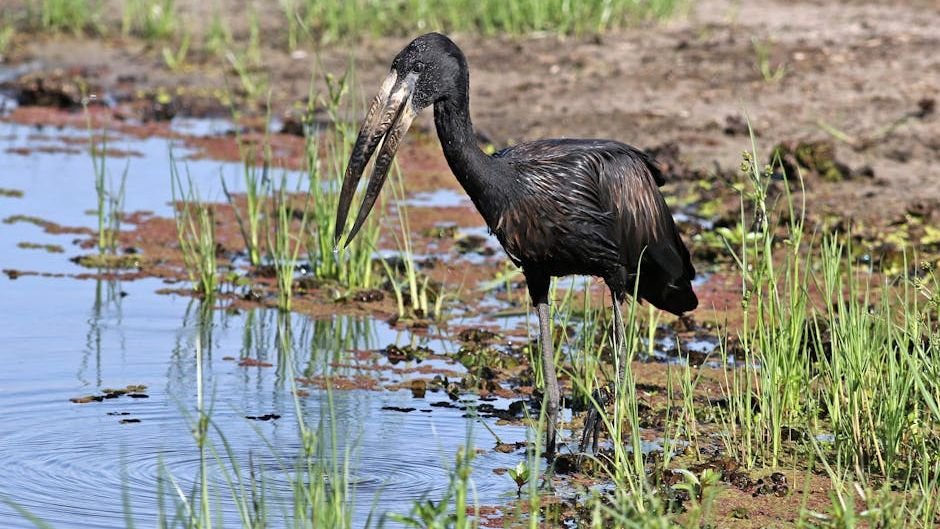
The Alarming Pace of Wetland Decline (Image Credits: Pexels)
Researchers have tracked a stark acceleration in wetland losses over recent decades. These vital landscapes, which include rivers, lakes, peatlands, and marshes, once covered vast expanses but now face intense pressures from development, agriculture, and climate change. The rate of disappearance outpaces even forest deforestation, underscoring a hidden environmental catastrophe.
Decision-makers have long struggled with incomplete information on these areas. Traditional maps provided only basic extent data, leaving policymakers without insights into broader dependencies or potentials. This gap has allowed degradation to continue unchecked in many regions.
A Comprehensive New Mapping Tool Emerges
Wetlands International developed the Wetland Atlas by merging spatial data on wetland locations with metrics on climate mitigation capacity, human reliance, and current protection levels. The platform stands out for its interactivity, allowing users to explore layers of information tailored to conservation priorities. Governments and donors can now identify high-impact areas for investment.
The atlas initially centers on the Sahel and the Horn of Africa, zones where wetlands face escalating threats from drought, overuse, and conflict. These initial focuses address hotspots of vulnerability, with plans for broader expansion. By integrating diverse datasets, the tool transforms raw geography into actionable intelligence.
Sahel’s Wetlands: Small Footprint, Massive Impact
In the Sahel, wetlands occupy less than 10 percent of the land yet sustain more than 75 percent of the population. They underpin over 85 percent of the region’s GDP through fishing, farming, and water provision, according to Karounga Keita, Sahel director for Wetlands International.
Local communities depend on these ecosystems for livelihoods and resilience against environmental stresses. Floodplains and seasonal rivers enable agriculture during dry spells, while supporting biodiversity hotspots. Yet rapid changes amplify risks, making targeted interventions essential.
Challenging the ‘Wetland Blindness’ Mindset
A key barrier to action has been what experts call “wetland blindness,” where leaders view these areas through a narrow economic prism. Rivers become mere conduits for water extraction, lakes targets for draining and pollution, and other wetlands dismissed as unproductive wastes, noted Richard Lee, communications director at Wetlands International.
| Common Perception | Overlooked Benefits |
|---|---|
| Rivers as water pipes | Flood control, food security |
| Lakes as storage to exploit | Climate mitigation, cultural value |
| Peatlands as wastelands | Carbon storage, adaptation support |
This atlas counters such views by quantifying full values, from carbon sequestration to disaster risk reduction. It equips advocates with evidence to shift policies toward sustainable management.
Toward a Protected Future for Wetlands
The Wetland Atlas arrives at a pivotal moment, as international commitments to restore nature gain momentum. By prioritizing data-driven choices, it promises to slow losses and unlock wetlands’ potential for climate resilience. Ongoing refinements will extend its reach, fostering collaborations across borders.
Ultimately, recognizing wetlands’ true worth could redefine land-use strategies in vulnerable regions. With tools like this, conservation efforts stand a better chance of matching the scale of the challenge. The question remains whether leaders will act on the insights now available.