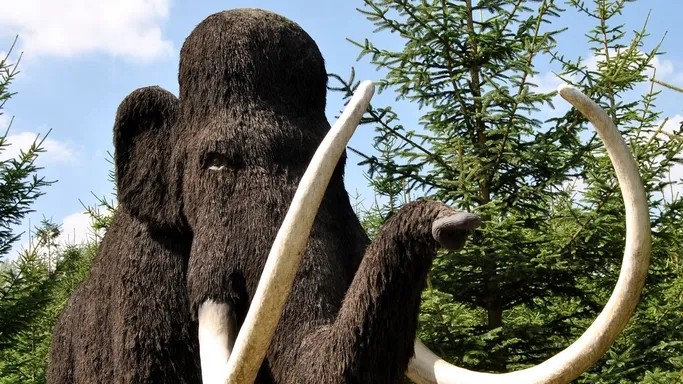
Picture this: icy winds whipping across a frozen plain, a shaggy woolly mammoth lumbering past in the distance – and somewhere nearby, a small group of humans huddled around a fire, arguing over how to bring that beast down without getting crushed. It is strangely comforting to remember that while mammoths were stomping around, our ancestors were not movie extras in some slow-motion prequel. They were busy surviving, innovating, telling stories, raising kids, and reshaping the planet in ways that still echo into our lives today.
For a long time, popular culture has sold us a cartoon version of this era: cave people with clubs, grunting at each other while chasing dinner. The real story is far richer and honestly more impressive. While mammoths roamed, humans painted the first galleries, built sophisticated tools, navigated harsh climates, and started to weave the early threads of culture, belief, and technology. Let’s step into their world – not as distant curiosities, but as people whose worries, hopes, and flashes of genius are closer to ours than you might expect.
Hunting Giants, Tracking Herds, And Not Getting Killed
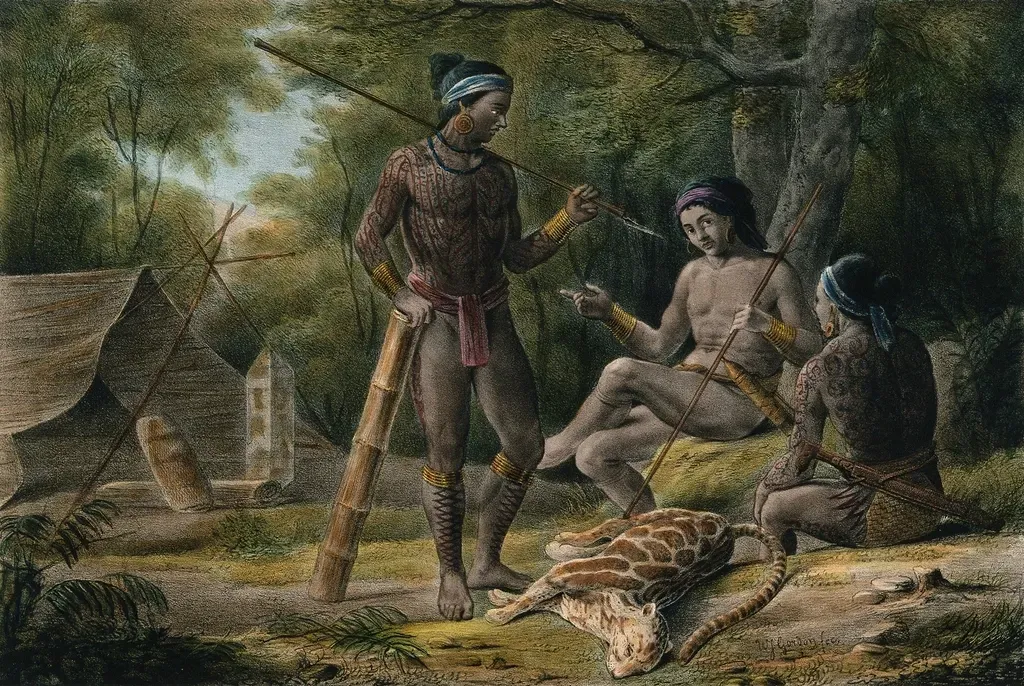
It is easy to imagine one heroic hunter taking down a mammoth, but the reality was more like a high-stakes team sport with brutal consequences for mistakes. Ancient humans were organizing coordinated hunts, reading animal behavior, and using terrain to their advantage, steering herds toward cliffs, bogs, or kill zones where they stood a real chance. Instead of charging straight at tusks and fury, they used patience, planning, and distance weapons like spears and later more refined projectile tools.
These people were also expert trackers in a way that feels almost superhuman from a modern perspective. They could read faint footprints in snow or mud, notice patterns in dung, and learn seasonal migration routes of mammoths, bison, and other megafauna the way we memorize subway maps or streaming menus. In a sense, animal behavior was their search engine: knowing where mammoths went meant knowing where food, raw materials, and even rival groups might show up. Every successful hunt was a mix of biology lesson, logistics exercise, and raw courage.
Crafting Stone, Bone, And Ivory Into High-Tech Tools
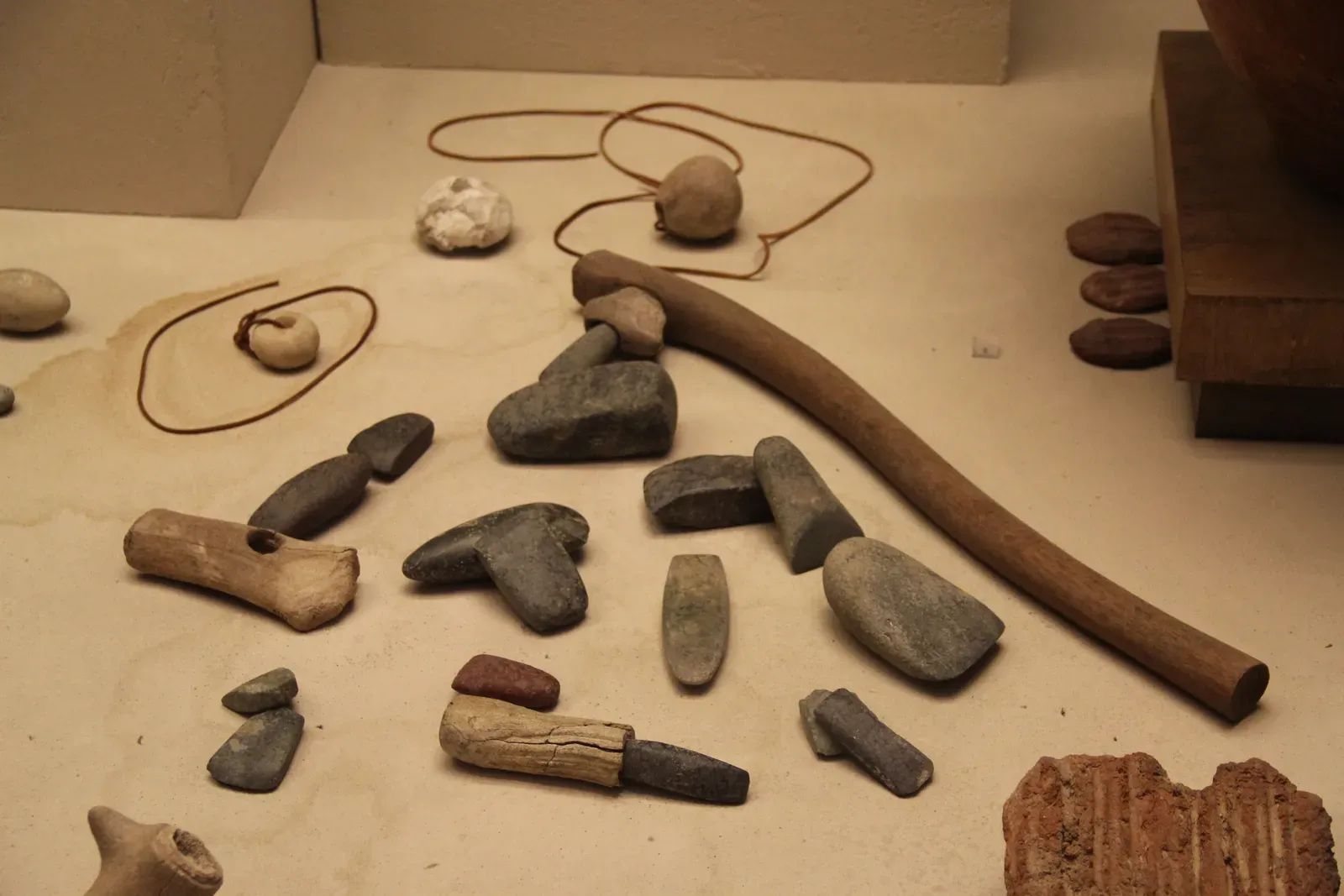
While mammoths trudged along the steppe, humans were quietly running a never-ending research and development project in stone, bone, and ivory. They learned which rocks fractured with sharp edges, how to shape blades thin enough to slice meat cleanly yet strong enough to last through miles of travel. Over time, tool traditions became surprisingly specialized: hunting points, scrapers, burins for engraving, needles for sewing, and heavy-duty choppers all served specific roles in daily survival.
Bone and mammoth ivory became the plastic and metal of their world – materials that could be carved, drilled, and polished into tools, ornaments, and even early musical instruments. Working a mammoth tusk into a spear point or figurine was not just a practical act; it was also an investment of time and skill that hinted at pride, identity, and sometimes spiritual meaning. If you think of a modern toolbox full of gadgets for specific tasks, you are not far from what an experienced hunter or craftsperson of that era carried in their mental inventory.
Building Fires, Camps, And Early “Neighborhoods”
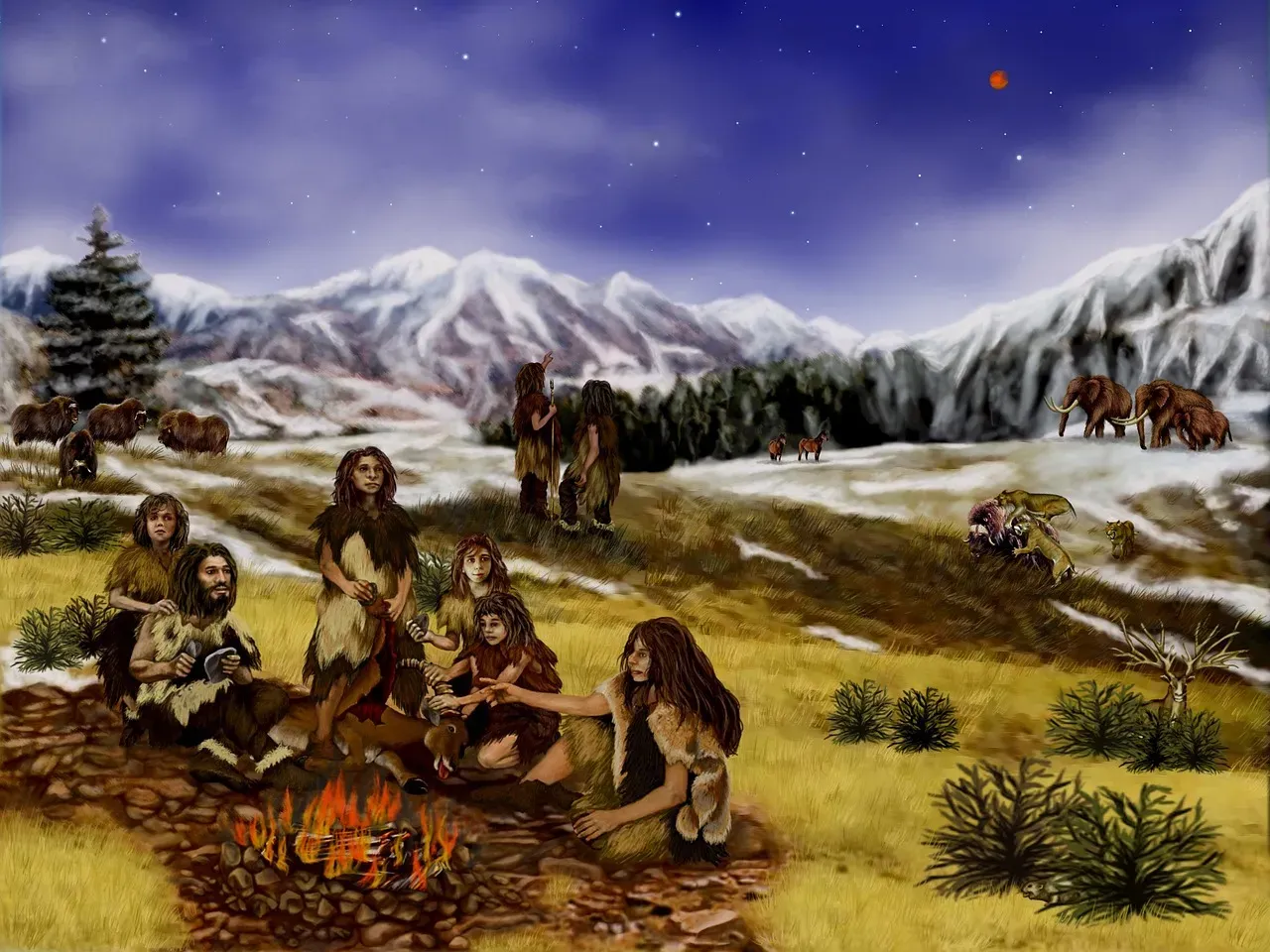
Surviving in the cold landscapes favored by mammoths meant mastering more than weapons; it meant mastering shelter and warmth. Ancient humans were repeatedly building fire in harsh conditions, tending embers like precious treasure, and experimenting with fuel sources from wood and peat to animal bones. Staying warm was not just about comfort; it was the difference between life and death, between being able to process meat, tan hides, cook food safely, and withstand long, dark winters.
Archaeological sites from the mammoth age show clusters of hearths, postholes, and sometimes ring-like arrangements of bones that hint at organized camps and early neighborhood-like layouts. Families or small bands likely had preferred spots within camps: a place to sleep, a place to work hides, a place to store tools. These were not random scatterings of people; they were intentional spaces where social life unfolded – people gossiping, teaching children, sharing food, and negotiating alliances or disputes long after the hunt was over.
Painting Caves, Carving Ivory, And Inventing Symbolic Art
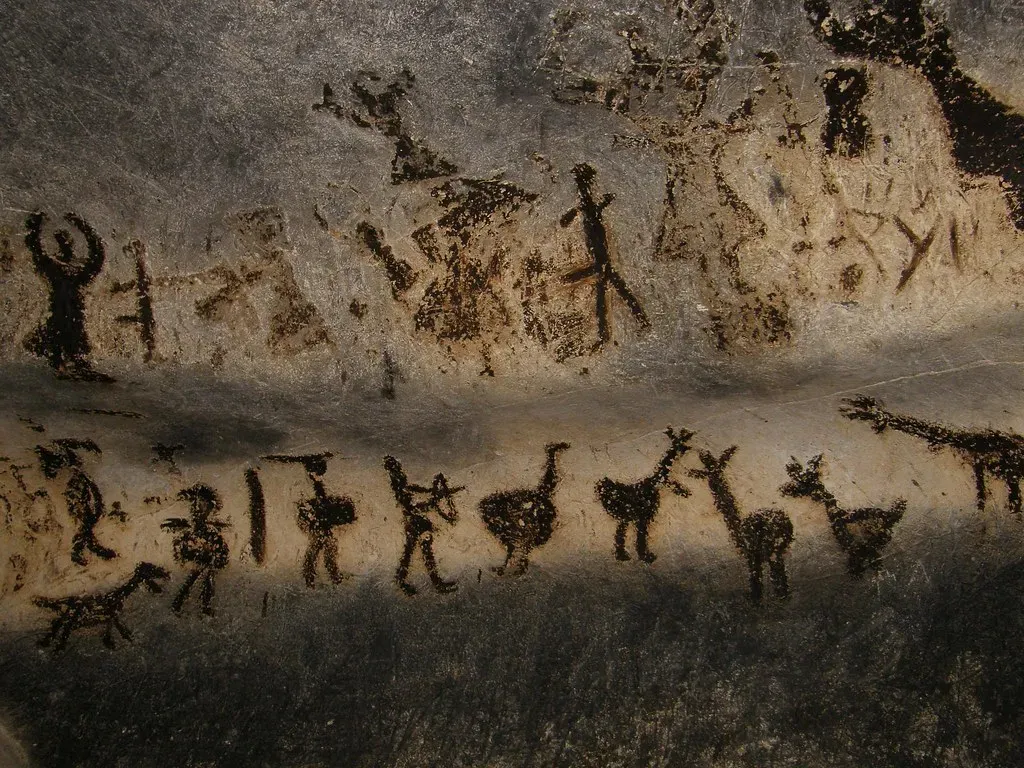
One of the most surprising truths about the world of mammoths is how much imagination was already alive in human minds. While these animals roamed outside, humans were heading into caves and rock shelters to paint mammoths, horses, bison, and mysterious signs using mineral pigments and clever techniques. They were not just doodling for fun; they were investing effort in images that probably carried stories, warnings, hopes, or rituals linked to the animals that dominated their world.
Beyond cave walls, people were carving miniature figures from bone and ivory, decorating tools, and even wearing ornaments made from teeth, shells, and carved pieces of mammoth tusk. That might sound like a luxury in a dangerous environment, but it actually makes sense: symbols and art helped cement group identity, mark status, and pass on knowledge in ways that pure speech could not. In a way, these carvings and paintings were the social media posts of their time – visual signals that said, we were here, this matters to us, and this is who we are.
Raising Children, Teaching Skills, And Sharing Stories
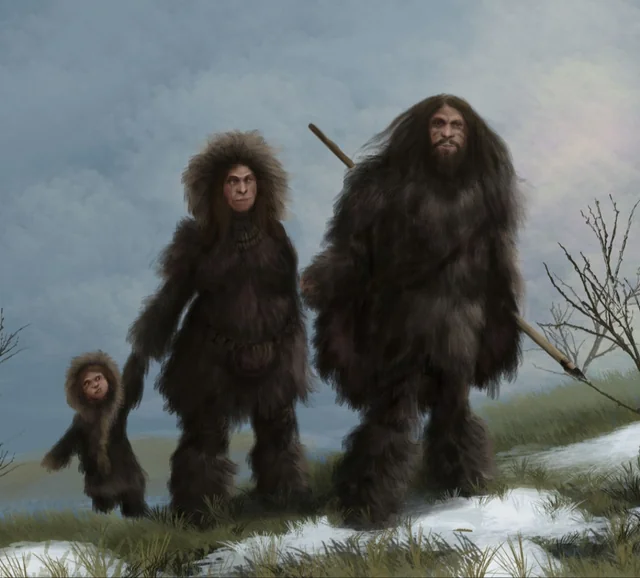
Amid all the drama of mammoth hunts and ice age storms, there was a quieter but equally important job happening every single day: raising the next generation. Ancient human life was likely filled with toddlers toddling dangerously close to hearths, kids playing with miniature tools or copying adults, and teenagers practicing with spears or helping process hides. Teaching was not done in formal classrooms; it was baked into daily life, with elders, parents, and older siblings showing younger ones how to do everything from knapping stone to reading tracks.
Stories almost certainly played a huge role here. Around evening fires, people would have shared tales about successful hunts, disasters to avoid, strange weather, and the personalities of animals like mammoths or cave lions. These stories were survival manuals disguised as entertainment, wrapping practical knowledge in drama, humor, and awe. If you have ever listened to a grandparent tell a half-true, half-legendary family story, you already know the vibe: a blend of history, advice, and identity-building that keeps a group glued together.
Adapting To Climate Shifts And Changing Ecosystems
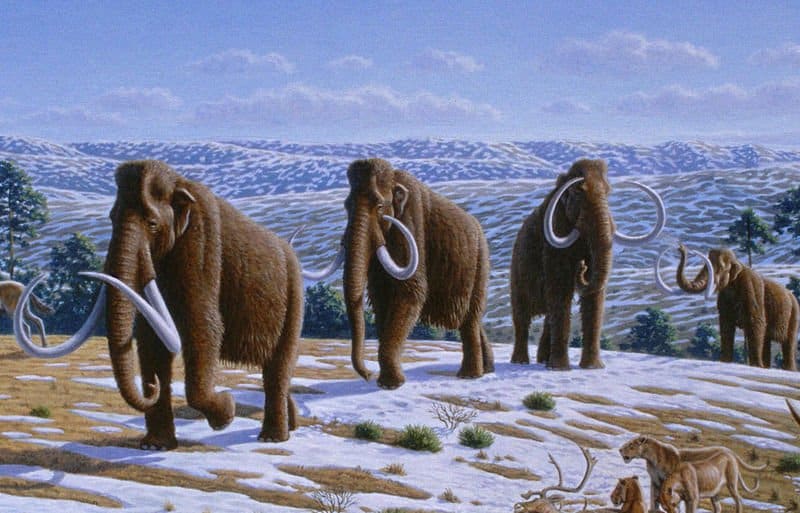
While mammoths trudged through snow-covered grasslands, the climate was not frozen in time. It lurched and wobbled, swinging between colder and milder phases, shifting rain patterns, and changing what grew where. Humans living with mammoths were constantly adjusting: moving camps as resources shifted, experimenting with new hunting targets when some animals declined, and rethinking toolkits and strategies. They had no climate charts or long-term forecasts – just sharp observation and accumulated experience to keep pace with a living, moving environment.
This adaptability is one of the most impressive things about our ancestors in the mammoth age. They were not passive victims of climate swings; they were active problem-solvers, even if the scale of change sometimes outran their options. When mammoth populations eventually dwindled in various regions, humans did not simply vanish with them. They reshaped their diets, explored different landscapes, and leaned harder into innovation. That pattern – crisis, adjustment, reinvention – is one we still repeat today, just with more technology and far more people in the mix.
Trading, Meeting Strangers, And Spreading Ideas
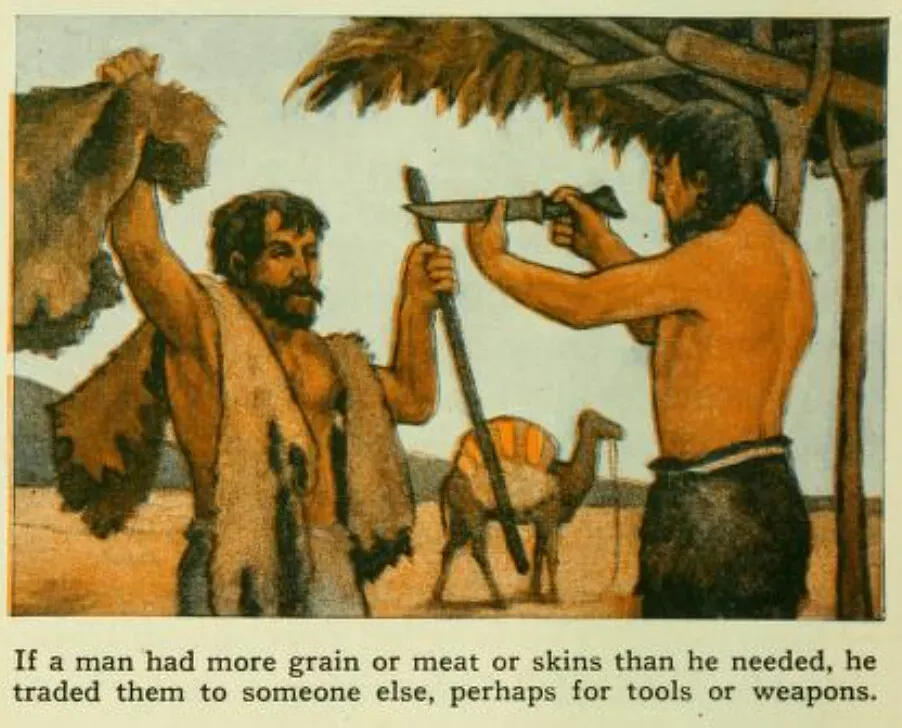
Even in a world dominated by mammoths and ice, humans were not living in total isolation. Evidence of materials like rare stones, shells, and crafted objects far from their original sources suggests that groups were trading or at least passing items along through loose networks. That means people met strangers, formed alliances, arranged partnerships, and likely sometimes clashed over territory or resources. The mammoth steppe was not just empty wilderness; it was a patchwork of human groups with their own routes and reputations.
Along with objects, ideas traveled too. A clever new spear point design, a more efficient way to process hides, or a fresh ritual for success in the hunt could spread from one band to another surprisingly quickly over generations. In that sense, humans in the mammoth age were already participating in a slow-motion version of what we now call globalization. Cultures were not static; they were browsing each other’s innovations, remixing them, and carrying them into new environments long before anyone wrote a single word.
What Their World Says About Ours Today
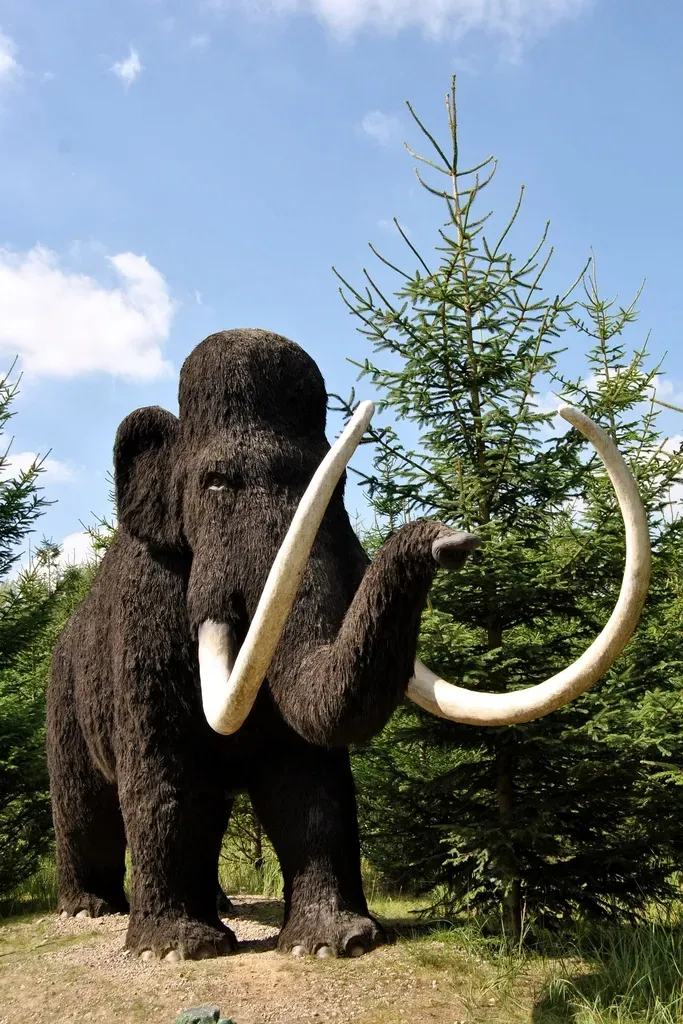
When you zoom out, one opinion becomes hard to avoid: we dramatically underestimate the intelligence, creativity, and emotional depth of the people who lived alongside mammoths. They were dealing with fear, risk, love, status, boredom, and curiosity just like we do, only with far less buffer between themselves and death. I think we cling to this cartoonish image of “cavemen” partly because it makes us feel special, as if modern people popped out of nowhere with smartphones and genius out of thin air.
The more we uncover about their tools, art, social life, and adaptability, the more it looks like the real gap between them and us is not in basic mental wiring, but in accumulated knowledge and technology. They laid the psychological and cultural groundwork we are still building on; we just surrounded it with satellites, digital clouds, and crowded cities. Next time you feel detached from the past, picture someone in a fur-lined hood, under a sky buzzing with stars, telling a child a story about mammoths so they will know how to live. Would you really have guessed how much you already have in common with them?