
You’ve probably felt it before, that nagging sense deep in your gut that something isn’t quite right. You’re always there for certain people, but somehow the relationship feels imbalanced. Maybe you’ve shrugged it off, thinking you’re being too sensitive or that you’re just overthinking things.
Here’s the thing, though. Recognizing when someone is exploiting your generosity is crucial for maintaining healthy relationships and protecting your well-being. Your instincts are probably trying to tell you something important. Let’s be real, kindness is a beautiful trait, but it can also make you vulnerable to those who see your good heart as an opportunity rather than a gift. So let’s dive into the subtle signs that reveal when someone might be crossing that line.
They Only Reach Out When They Need Something

You might notice long periods of silence, broken only when they suddenly need a favor, and their timing is impeccable – they always seem to know just when you might be useful to them. Then poof, they vanish again like some kind of magician. It’s honestly pretty frustrating when you think about it.
Have you ever noticed how some people seem to appear out of the blue when they need something, then once they’ve got what they want, they vanish until the next time they need a favor? This pattern of behavior isn’t just frustrating – it’s a classic warning sign that someone is taking advantage of your kindness. Real friendships aren’t transactional. They’re built on mutual care, not convenience.
Gratitude Seems to Be Missing From Their Vocabulary

When someone routinely accepts your help without so much as a simple thank you, it’s time to pay attention. When someone is grateful for your kindness, they naturally want to express that gratitude, and just a simple ‘thank you’ can go a long way, but if they hardly ever thank you, it might mean that they’ve come to expect your kindness rather than appreciate it.
Think about the last time this person acknowledged what you’ve done for them. Can you even remember? People who exploit others’ kindness are often less likely to express gratitude, they might receive your help or accept your favors without so much as a “thank you”, and it’s as if they believe they’re entitled to your time and energy. That sense of entitlement should set off alarm bells.
You Feel Emotionally Drained After Spending Time Together

When your interactions with someone consistently leave you feeling drained, it’s a good sign that they’re taking more from you than they’re giving, and if you frequently find yourself feeling emotionally exhausted after spending time with this person, it might be because they’re taking advantage of your kind nature. Your energy isn’t infinite.
Let’s be honest, some conversations and interactions naturally take emotional energy. This could be through constant negativity, always shifting the conversation to their problems, or rarely showing interest in your life or feelings. If every single interaction leaves you feeling like you’ve run a marathon, that’s not a healthy dynamic. You shouldn’t need a vacation from your friendships.
They Guilt Trip You Into Saying Yes

Toxic individuals have a knack for making us feel guilty for not complying with their requests, and they play on our empathy and kindness, making us believe we are letting them down if we don’t concede. This manipulation tactic is incredibly effective because it preys on your compassionate nature.
Guilt is a powerful emotion, and unfortunately, it’s one that some people are not above using to their advantage, and if someone frequently makes you feel guilty for not helping them or meeting their needs, it’s a clear sign they might be taking advantage of your kindness, and they might say things like, “I thought I could count on you,” or “I don’t know what I’ll do without your help.” Notice how that shifts the responsibility entirely onto you? That’s by design.
The Relationship Feels Completely One Sided

If you’ve ever felt like you’re always the one giving in a relationship, whether it’s emotional support, time, or even material goods, then you might be dealing with someone who exploits your kindness, and you’re always there for them, ready to lend an ear or a helping hand, but when you need them, they’re nowhere to be found. It’s like they’ve permanently checked out of the reciprocity department.
Healthy relationships require balance. In any relationship, there should be a balance of give and take, however, if you find yourself constantly giving, and the other person always taking, it might be time to reassess your relationship. You’re not a charity organization, and your kindness shouldn’t be treated like an endless well.
They Constantly Play the Victim Card

Playing the victim is another common strategy toxic individuals use to exploit your kindness, and they portray themselves as helpless or misunderstood, prompting you to step in and offer assistance or support. Every conversation somehow centers on their latest crisis or drama.
This move is all about redirection, and every conversation, every interaction, somehow circles back to their problems, their struggles, their unending saga of being the victim, and by doing this, they monopolize your empathy and time, making their issues your main concern. You start to notice a pattern where you’re always the rescuer, and they’re always in distress. That’s exhausting and often intentional.
Your Boundaries Are Repeatedly Disrespected

When someone continually ignores your boundaries, it’s a clear sign they’re taking advantage of your good nature, and recognizing this behavior is the first step towards asserting your needs and reclaiming your space. Boundaries aren’t suggestions, they’re requirements for healthy relationships.
Personal boundaries are mere suggestions to these people, and they’ll push and prod, testing your limits and seeing how far they can go, and borrowing things without asking, showing up uninvited, or prying into personal matters you’re not comfortable sharing are common behaviors, and consistently overstepping is their attempt to erode your boundaries over time. If you’ve said no three times and they’re still pushing, that’s not persistence, that’s disrespect.
They Make Grand Promises But Never Follow Through

You know the type. Ever had someone promise you the moon and the stars, but when it comes down to actually delivering, they’re nowhere to be found? Yeah, that’s a classic sign of someone taking advantage of your kind nature, and they’ll tell you everything you want to hear, make grand promises about how they’ll repay your kindness, but when push comes to shove, they don’t follow through.
These individuals are masters of the grand promise and the minimal follow-through, vivid pictures of all they’ll do for you sound too good to be true, and usually, they are, and when it comes time to deliver, they’ll have a litany of excuses or will provide only a fraction of what they promised, and the pattern of overpromising and underdelivering is designed to keep you hopeful and engaged. It’s hard to say for sure, but this tactic seems designed to keep you invested while they continue to benefit.
They Twist Your Words and Play Mind Games
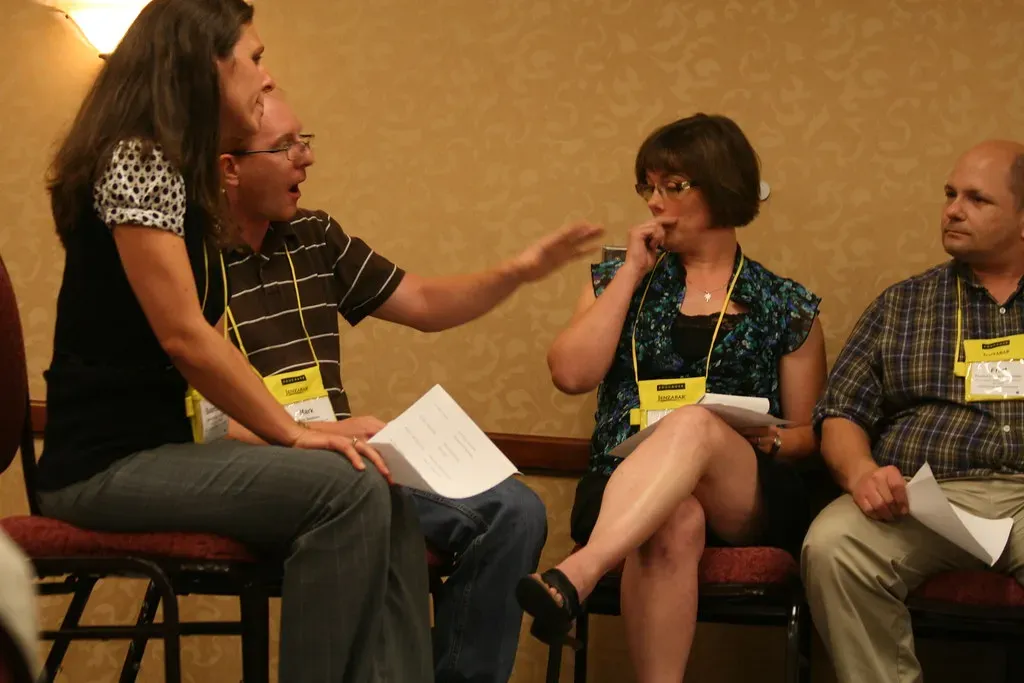
Another sneaky way toxic people exploit kindness is by twisting your words or intentions, and they may misinterpret what you say or do, portraying themselves as the offended party, even when you had the best intentions. Suddenly you’re apologizing when you didn’t do anything wrong.
This manipulation leaves you second guessing yourself constantly. This tactic can leave you second-guessing yourself and striving to make amends, thereby trapping you in a cycle of trying to please them, and it’s vital to understand that honest communication should not be used as a weapon against you. When someone consistently makes you feel like you’re crazy for remembering things accurately, that’s gaslighting, and it’s deeply harmful.
They Compare You to Others to Make You Feel Inadequate

They might frequently compare you to others, suggesting you should be more like someone else or highlighting how others do more for them, and this strategy is designed to create a sense of inadequacy and competition, urging you to try harder to please them, and it’s a subtle form of manipulation that plays on your desire to be appreciated and valued. Notice how you’re suddenly competing for their approval?
When someone is trying to take advantage of your kindness, they might try to make you feel less than or inadequate in some way, and they might make subtle comments or comparisons that make you feel like you’re not good enough, or that you owe them something. Real friends lift you up. They don’t tear you down to get what they want.
They Attempt to Isolate You From Your Support System

This one’s particularly dangerous. One of the most dangerous tactics toxic people use is attempting to isolate you from your friends, family, or anyone who could offer you support and perspective, and they do this to make you more dependent on them, making it easier for them to manipulate and control you, and they might belittle your loved ones or create situations that cause friction between you and your support system.
Always remember, a healthy relationship never requires you to cut ties with the people who genuinely care about you. If someone is trying to create distance between you and the people who truly have your back, that’s a massive red flag. They want you dependent on them alone, and that’s control, not care.
Conclusion

Recognizing these subtle signs is the first step toward protecting yourself. Your kindness is a testament to your generous spirit and warm heart, it’s something to be proud of, but remember, you also need to be kind to yourself, saying ‘no’ when you need to isn’t selfish – it’s self-care, and you deserve the same compassion and understanding you extend to others.
Trust your instincts. If something feels off in a relationship, it probably is. Setting boundaries doesn’t make you unkind; it makes you wise. Your generosity should be met with respect and reciprocity, not exploitation. Remember that protecting your energy and emotional well-being isn’t selfish. It’s essential.
What do you think? Have you experienced any of these signs in your own relationships? Sometimes the hardest part is admitting to ourselves that someone we care about might be taking advantage of us, but that awareness is where change begins.