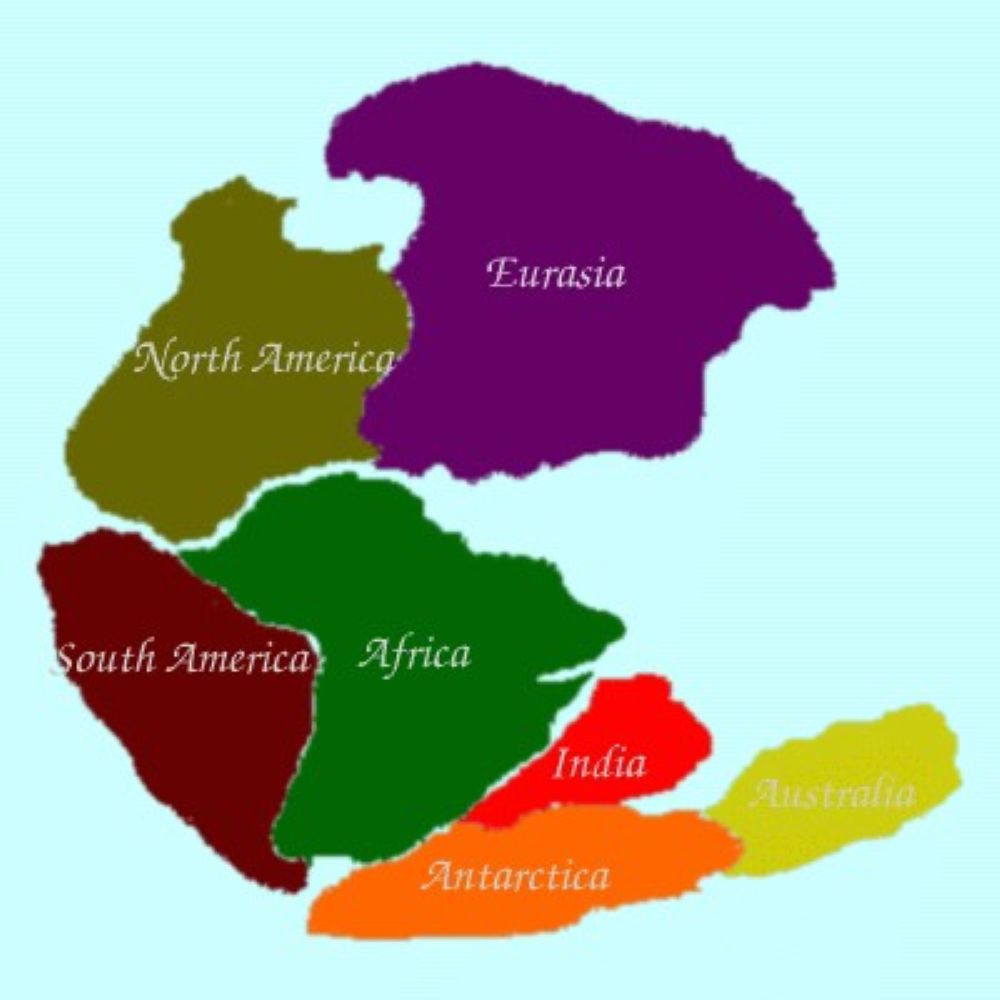
Picture a world where all the land you know—Asia, Africa, the Americas, Europe, even Antarctica—was fused into one colossal supercontinent called Pangaea. During the Triassic and early Jurassic, dinosaurs roamed this vast, unbroken landscape, sharing habitats with strange reptiles and early mammals. With no oceans dividing them, species spread far and wide, shaping ecosystems unlike anything we see today. But what lessons can this ancient supercontinent teach us about survival, adaptation, and global change? The story of dinosaurs on Pangaea isn’t just prehistoric—it echoes with insights that still matter for life on Earth now.
The Ultimate Natural Laboratory
Imagine a world where there are no oceans separating continents – just one massive landmass stretching from pole to pole. This was the reality when dinosaurs first appeared on Earth, during the time of Pangaea, which existed as a supercontinent for approximately 100 million years. Picture T-Rex ancestors roaming from what we now call Morocco to New York City without ever crossing water – that’s the kind of connected world these ancient giants experienced.
Dinosaurs first appeared in the fossil record during the late Triassic period, evolving from small reptilian ancestors that survived the Permian extinction. What made their world unique wasn’t just their size or ferocity – it was the incredible freedom of movement they had across an entire planet united as one landmass. Because the continents were unified, early dinosaur species could spread across the globe, creating a natural experiment in evolution that we’re still studying today.
How Continental Unity Changed Everything
When all landmasses were connected, life operated by completely different rules. Migration corridors were crucial for the development of diverse ecosystems within the supercontinent, as species could spread quickly to favorable regions. Think of it like having a highway system that spanned an entire planet – dinosaurs could literally walk from one side of the world to another.
This connectivity had profound implications that we’re only now beginning to understand. Animals could roam freely across vast distances without needing to cross water barriers, and different species that evolved in isolation could encounter each other, leading to new interactions and competitions. Imagine the evolutionary drama when two species that had developed separately suddenly met on the same continent – it was like nature’s own version of global trade routes.
The Great Climate Challenge
Living on a supercontinent wasn’t all sunshine and easy travel. Climate models confirm that the continental interior of Pangaea was extremely seasonal, creating some of the most challenging environments Earth has ever seen. The interior regions experienced scorching summers and frigid winters that would make modern desert conditions seem mild by comparison.
Despite the harsh interior, distinct coastal environments supported diverse ecosystems, and the supercontinent’s formation influenced global ocean currents. This created a patchwork of climates across the massive landmass – from tropical coastlines to arid interior deserts. Animals adapted in fascinating ways: desert survivors developed water conservation mechanisms, mountain climbers adapted to high altitudes, and coastal dwellers evolved for moderate climates and abundant resources.
Migration Patterns That Shaped Evolution
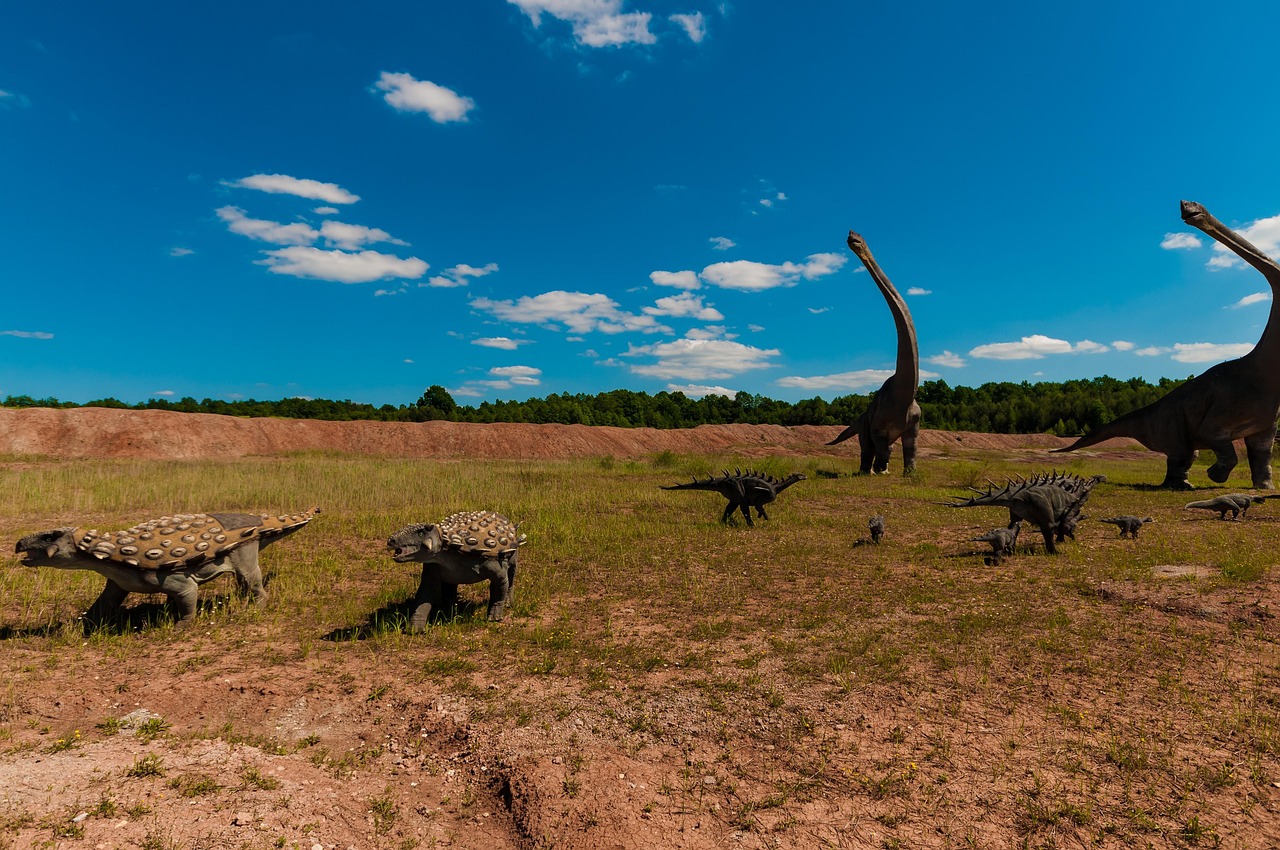
The freedom of movement on Pangaea created migration patterns unlike anything we see today. Between 230 million and 66 million years ago, dinosaurs plodded across the supercontinent Pangea and migrated from Europe to other parts of the world. Scientists have been able to map these ancient highways by studying fossil distributions across what are now separate continents.
What’s fascinating is how different dinosaur groups approached this global mobility. Sauropodomorphs tend to be less mobile, particularly compared to theropods – these were really big animals, probably less likely to swim and less likely to get across sea waves than smaller dinosaurs. The theropod family, which also includes birds, were probably mobile enough to disperse across narrow sea ways, even as the supercontinent began to fragment.
When Worlds Began to Drift Apart
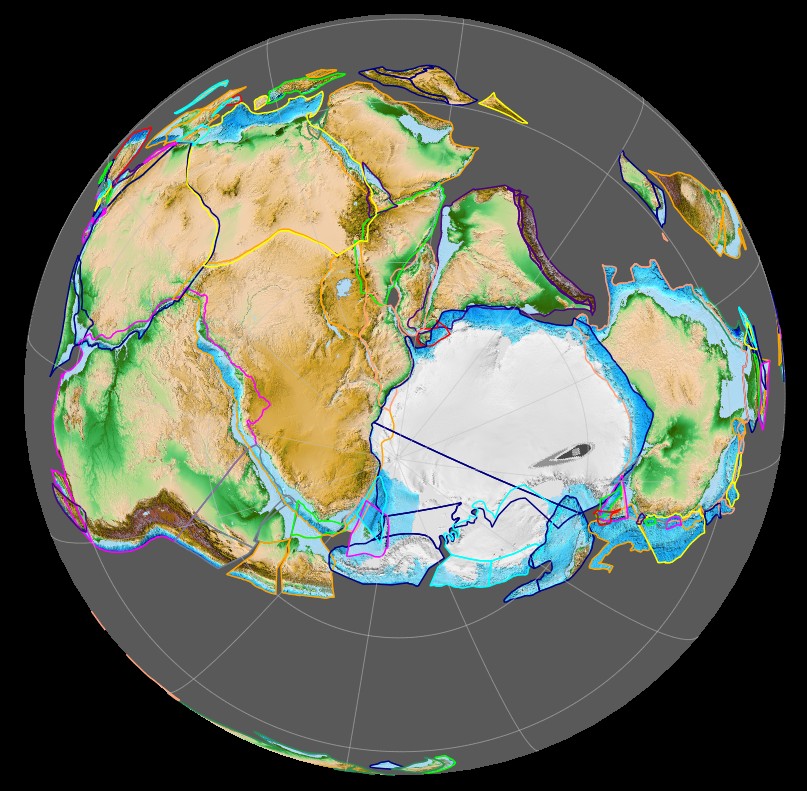
The breakup of Pangaea wasn’t a sudden event – it was a slow-motion geological drama that played out over millions of years. Pangaea began to break up toward the end of the Triassic, first along the boundary between North America and Africa, and as the continents began to move in different directions, long narrow rift valleys formed along the seam. This gradual separation created entirely new challenges for life on Earth.
The upheaval correlates with the Triassic–Jurassic extinction event, where approximately 76-80% of all species on Earth became extinct, and it’s considered the final clearing point which allowed the dinosaurs to cement their dominance for the next 165 million years. The continental breakup wasn’t just reshuffling geography – it was reshuffling the entire evolutionary deck.
Isolation Breeds Innovation
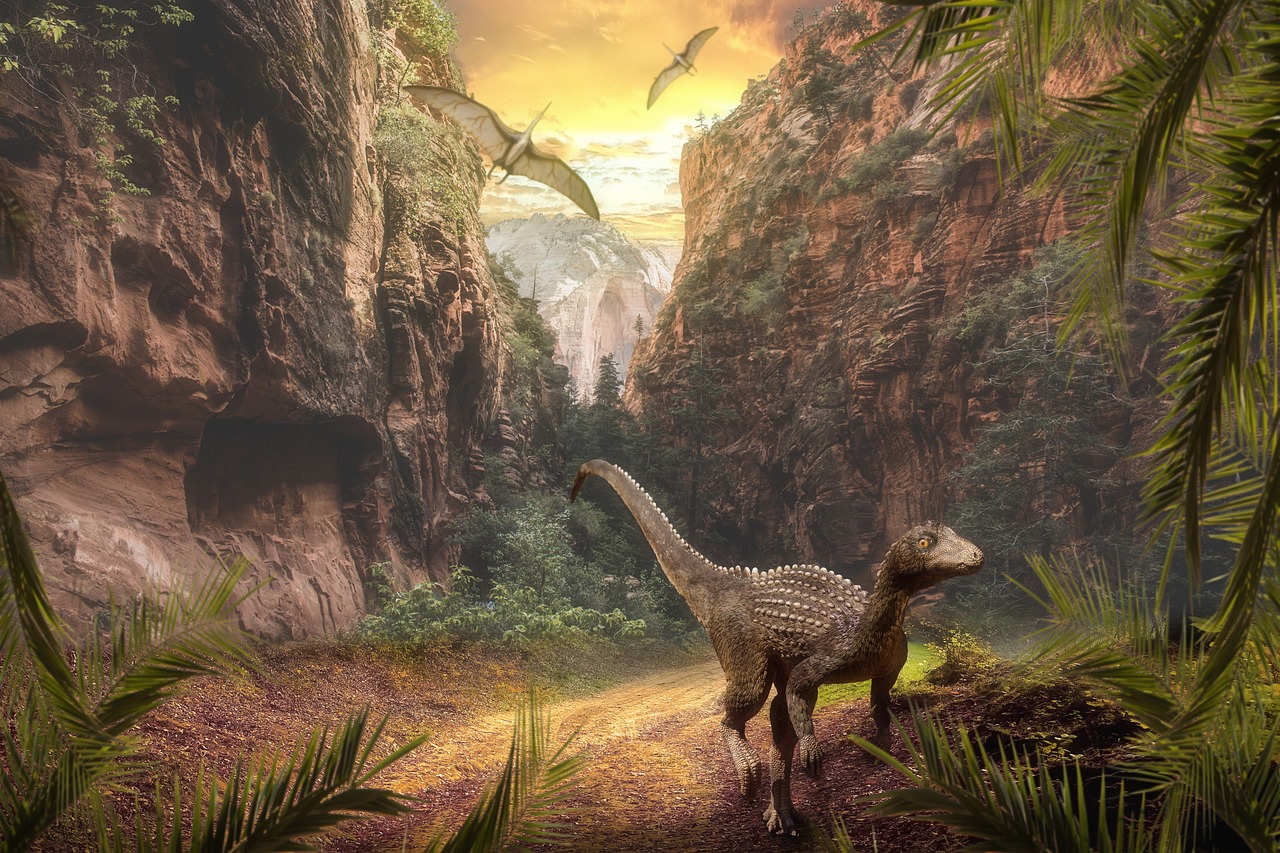
As continents drifted apart, something remarkable happened to dinosaur evolution. The fragmentation of Pangaea profoundly influenced dinosaur evolution and distribution, and as continents drifted apart, some groups became separated, leading to unique evolutionary paths. This isolation became one of the most powerful evolutionary forces our planet has ever experienced.
After Pangaea broke apart, landmasses and the animals on them became more isolated, and over millions of years, these isolated populations followed divergent evolutionary paths through allopatric speciation, which allowed unique species to arise on different continents. Think of it as nature’s ultimate experiment in creative diversity – when you separate populations and let them evolve independently, you get an explosion of new forms and adaptations.
Fossil Evidence Tells the Story
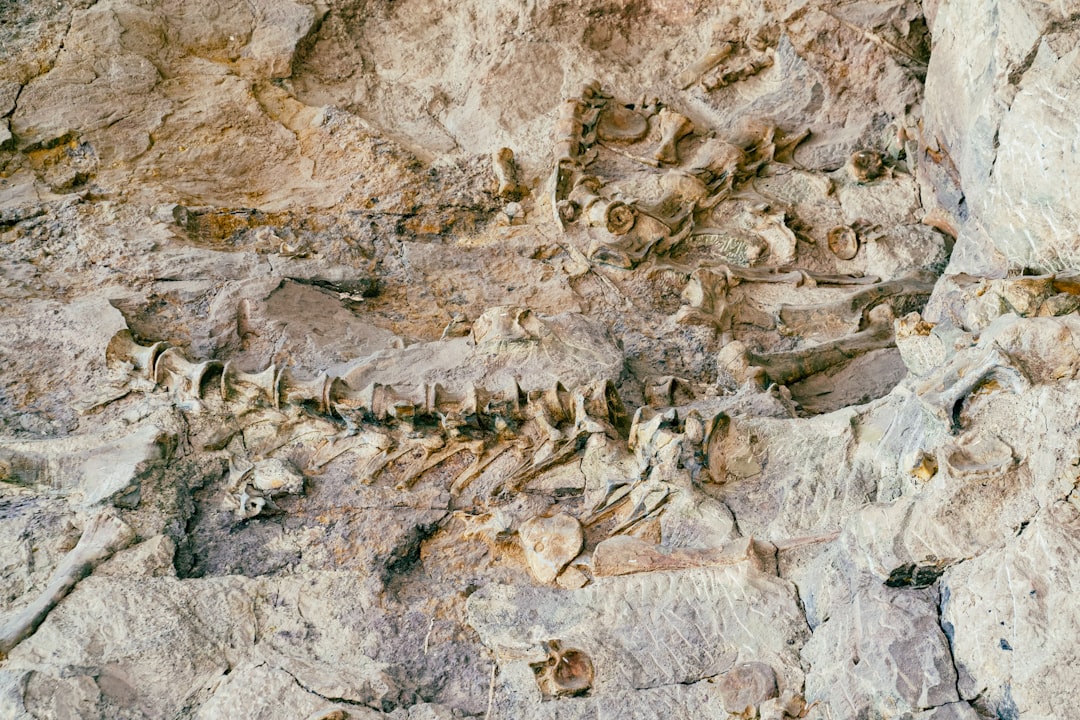
The evidence for this ancient connected world is literally written in stone. Scientists found lystrosaurus fossils in India, Africa, and Antarctica, and the reason these land herbivores could exist on separate continents was that Earth existed as one giant supercontinent Pangaea. These fossils serve as ancient passports, proving that species could travel across what are now vast oceans.
Fossils of the same kinds of reptiles, Mesosaurus, have been found in South America and Africa – these ancient reptiles roamed Earth before the two continents broke apart. It’s like finding identical family photos in houses on opposite sides of the world, proving they were once neighbors in the same cosmic neighborhood.
Lessons for Modern Connectivity
The story of life on Pangaea offers surprising insights for our modern world. Just as ancient species thrived when they had unrestricted movement across landmasses, today’s ecosystems benefit from connectivity corridors that allow genetic exchange and species migration. The dinosaur experience shows us that isolation can spark incredible innovation, but connectivity ensures survival and adaptability.
The story of dinosaur evolution and continental drift offers profound insights into how geological processes shape biological diversity over deep time, demonstrating how geographic isolation can drive evolutionary innovation and lead to rapid diversification when populations are separated. This ancient lesson applies directly to modern conservation efforts – maintaining corridors between habitats is just as crucial now as it was millions of years ago.
The Climate Connection
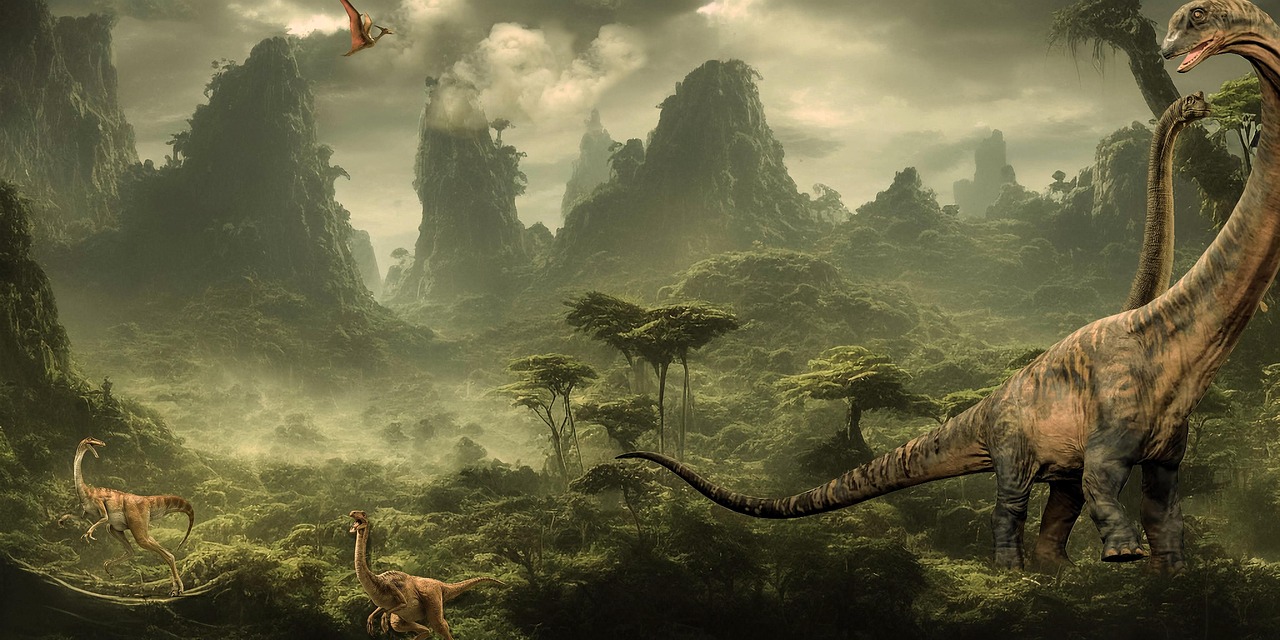
As Pangaea fragmented during the Jurassic period, Earth’s climate underwent significant transformations, with shifting landmasses and emerging oceans reshaping weather patterns and new seaways altering ocean circulation. These climate shifts forced species to adapt rapidly or face extinction – a lesson that resonates powerfully in our current era of climate change.
The extreme seasonality of Pangaea’s interior created evolutionary pressure cookers that forged some of the most successful survival strategies in Earth’s history. Modern species facing rapid environmental change could learn from these ancient adaptations, which included everything from sophisticated water conservation to flexible migration patterns that responded to seasonal extremes.
Evolutionary Highways and Barriers
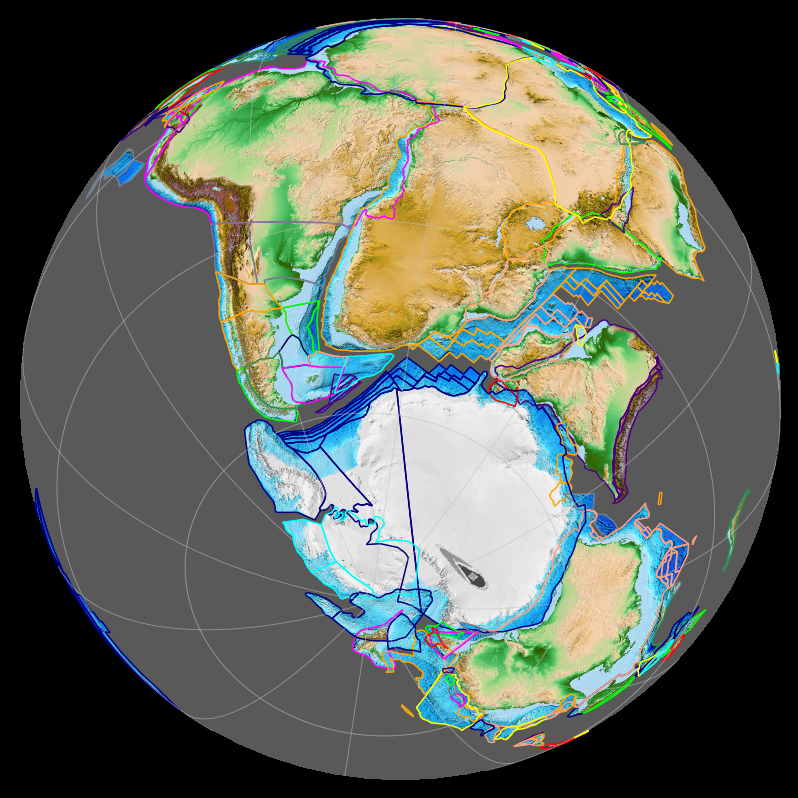
The gradual breakup of Pangaea created fascinating evolutionary laboratories. The isolation of dinosaur groups on different continents led to unique evolutionary paths, and when these groups later reconnected, it sparked new forms of competition and further diversification. This process created the incredible diversity we see in the fossil record.
Island chains and new habitats allowed plants and animals to spread to new areas, and some dinosaurs might have used island chains as stepping stones to move between continents. This ancient island-hopping provides a template for understanding how species might adapt to a world where rising sea levels create new archipelagos and migration challenges.
What This Means for Earth’s Future
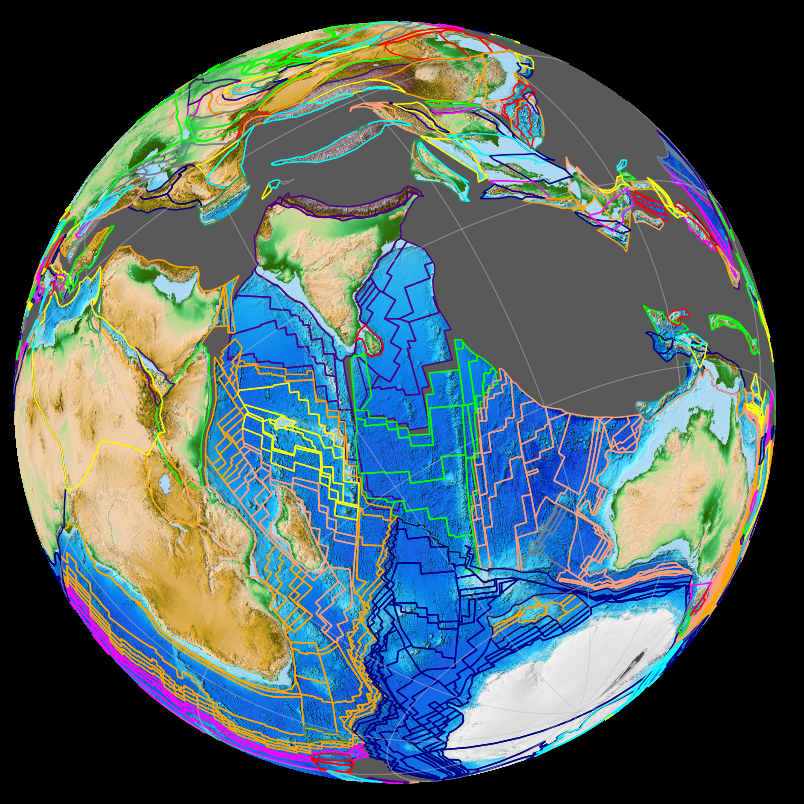
The breakup of Pangaea laid the groundwork for our familiar world map, creating biodiversity patterns through population isolation, forming today’s fossil fuel deposits, and establishing climate systems like ocean currents and monsoon patterns that continue to influence our weather. Understanding this deep history helps us predict how current geological and climate changes might unfold.
The dinosaur era proves that life finds ways to thrive even during massive planetary reorganization. Their success during the supercontinent era – and their adaptation to its breakup – shows us that flexibility and mobility are key survival traits. As our planet continues to change, the lessons from these ancient giants remind us that connectivity, adaptation, and the ability to exploit new environmental opportunities will determine which species thrive in Earth’s next chapter.
Conclusion
The dinosaurs’ experience on Pangaea offers a masterclass in planetary-scale adaptation and survival. Their story reveals how connectivity can fuel evolutionary success, how isolation breeds innovation, and how geological changes create both challenges and opportunities for life. From their humble beginnings on a unified supercontinent to their diversification across fragmenting landmasses, dinosaurs navigated one of Earth’s most dramatic transformations.
These ancient lessons echo through modern conservation efforts, climate adaptation strategies, and our understanding of how life responds to planetary change. As we face our own era of rapid environmental transformation, the dinosaur legacy reminds us that survival belongs to the adaptable, the mobile, and those able to seize new evolutionary opportunities. What would you have guessed about the power of continental connections in shaping life’s grand experiment?