
For most of the twentieth century, Neanderthals lived in our imaginations as the ultimate insult: clumsy, dim-witted cavemen who lost the evolutionary race to “us.” Then scientists started pulling actual DNA out of their ancient bones, and the stereotype crumbled almost overnight. Genetic data did not just tweak the story; it flipped the table. Suddenly, Neanderthals looked a lot less like a failed experiment and a lot more like part of our extended, very complicated family.
What has followed is one of the most dramatic plot twists in human origins research. Neanderthal DNA has turned up in modern people, in our immune systems, in our skin, even in how some of us react to viruses or handle lack of sleep. It has forced scientists to admit that the line between “them” and “us” was never a line at all, more like a messy watercolor bleed. Once you see that, you start asking different questions: not “Why did Neanderthals die out?” but “How much of them is still walking around in us today?”
We Carry Neanderthals Inside Us – Literally
The biggest shock from DNA analysis was disarmingly simple: people outside of sub-Saharan Africa carry small but real chunks of Neanderthal DNA. Instead of a neat split where Homo sapiens replaced Neanderthals, the genetic record shows interbreeding over thousands of years where the populations overlapped, especially in Europe and western Asia. For many people today, roughly about one twentieth to one fifteenth of their genome has some ancient Neanderthal origin when you add up all the scattered bits over many generations.
What this means emotionally is harder to ignore than a fossil in a glass case. Neanderthals are not just some weird cousin that vanished in an Ice Age; they are woven into the body chemistry of millions of living people. I remember the first time I saw a breakdown of ancient ancestry with those colored bars of “Neanderthal variants” and “modern human variants.” It felt less like reading a scientific chart and more like finding a surprise branch on your family tree, that one mysterious relative nobody ever talked about, suddenly showing up at a reunion.
Interbreeding Was Not a Rare Accident – It Was a Pattern
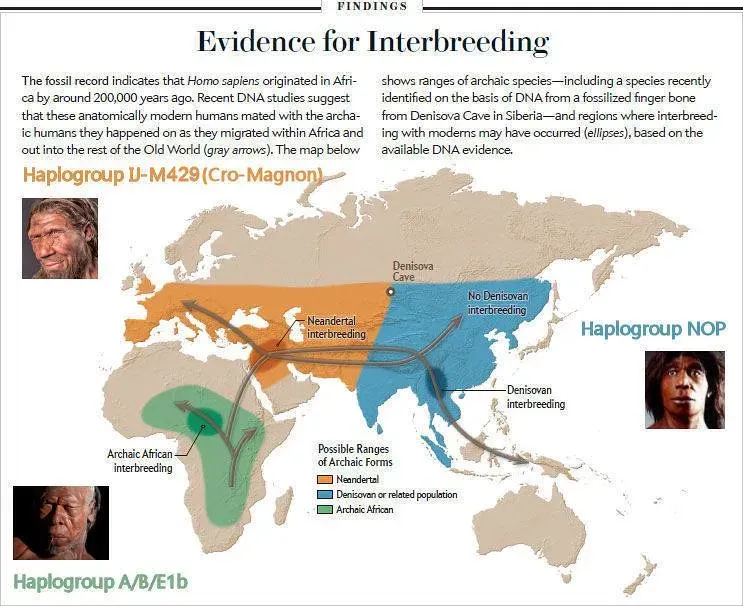
For a long time, the idea that our ancestors had children with Neanderthals was treated like a fringe thought experiment. The genetics demolished that hesitation. The spread and distribution of Neanderthal DNA in different populations show that interbreeding happened multiple times, in multiple places, and likely over long stretches of time. It was not some one-night stand of prehistory; it was more like a recurring relationship between neighboring groups who met, traded, lived near each other, and sometimes formed families.
This shatters the old “replacement” narrative where modern humans march into Europe and other regions and brutally or inevitably push Neanderthals out. Instead, a more tangled picture emerges: waves of Homo sapiens arrive, meet resident Neanderthals, and over centuries there is a mix of cooperation, competition, conflict, and intimacy. The borders between the two groups look more like overlapping circles in a Venn diagram than opposing armies on a battlefield. That is uncomfortable for anyone who liked the clean, heroic story of us as the lone winners, but it is also far more human.
Neanderthal DNA Still Shapes Our Bodies and Brains
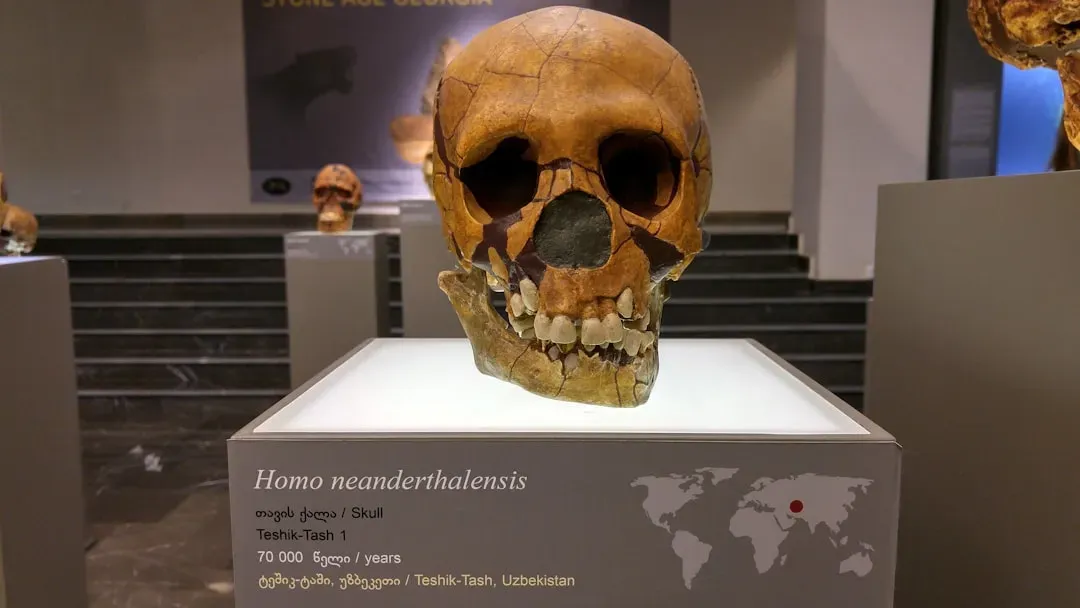
The Neanderthal inheritance inside us is not just a quirky fun fact; some of it clearly does things. Genetic studies have linked certain Neanderthal-derived variants to traits like skin and hair characteristics, how we respond to sunlight, and how we sense pain. Other fragments influence immune responses, blood clotting, and even how we metabolize fats or process nicotine. In some people, Neanderthal DNA seems to make their immune system react more aggressively; in others, it nudges the body’s chemistry in subtler ways that only show up in large datasets.
Even more intriguingly, some Neanderthal variants are tied to brain-related traits, from sleep patterns and circadian rhythm, to mood and risk for certain psychiatric conditions. That does not mean Neanderthals were “depressed” or “anxious” in the modern clinical sense, but it does underline that their biology was not fundamentally alien. They had complex nervous systems, hormonal cycles, and vulnerabilities that echo in us. In a strange way, DNA has made it harder to keep thinking of them as crude cartoon cavemen when parts of our very personalities may be carrying their fingerprints.
They Were Not Dumb Brutes – Their Genes Tell a Different Story
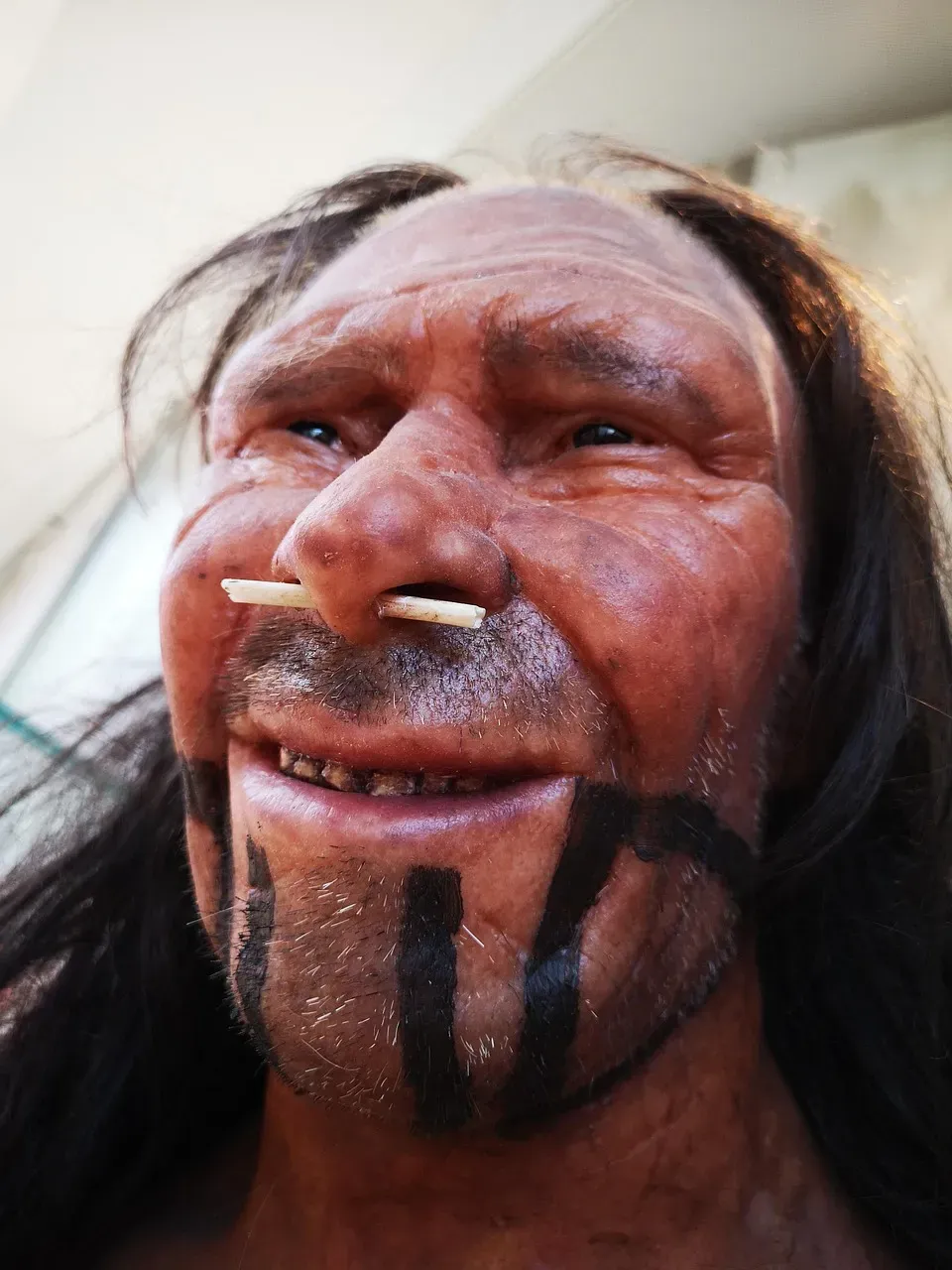
The caricature of the slow, stupid Neanderthal has taken a beating from archaeology for years, but genetics has now joined the fight. Neanderthal genomes are big, complex, and packed with many of the same genes that support language, planning, and tool use in modern humans. Some of the same developmental genes shaping skull growth, brain wiring, and facial structure are shared, with differences that are more about nuance than about some massive, unbridgeable gap in intelligence. When you look at the data, it is very hard to justify the old idea that they were fundamentally less capable minds.
There are clues that certain Neanderthal variants might have affected voice anatomy, sensory perception, or learning in ways that made them a bit different from us, but different does not mean worse. Archaeological finds already showed they made sophisticated tools, used fire, exploited a range of environments, and likely had at least some form of symbolic behavior. Genomics backs that up by revealing that the cognitive hardware was there. I think this is one of the most important shifts: instead of treating Neanderthals like evolutionary comic relief, we now have to treat them as another way to be “intelligent human,” one that simply did not make it to the present as a separate population.
Natural Selection Filtered Their DNA in and Out of Us
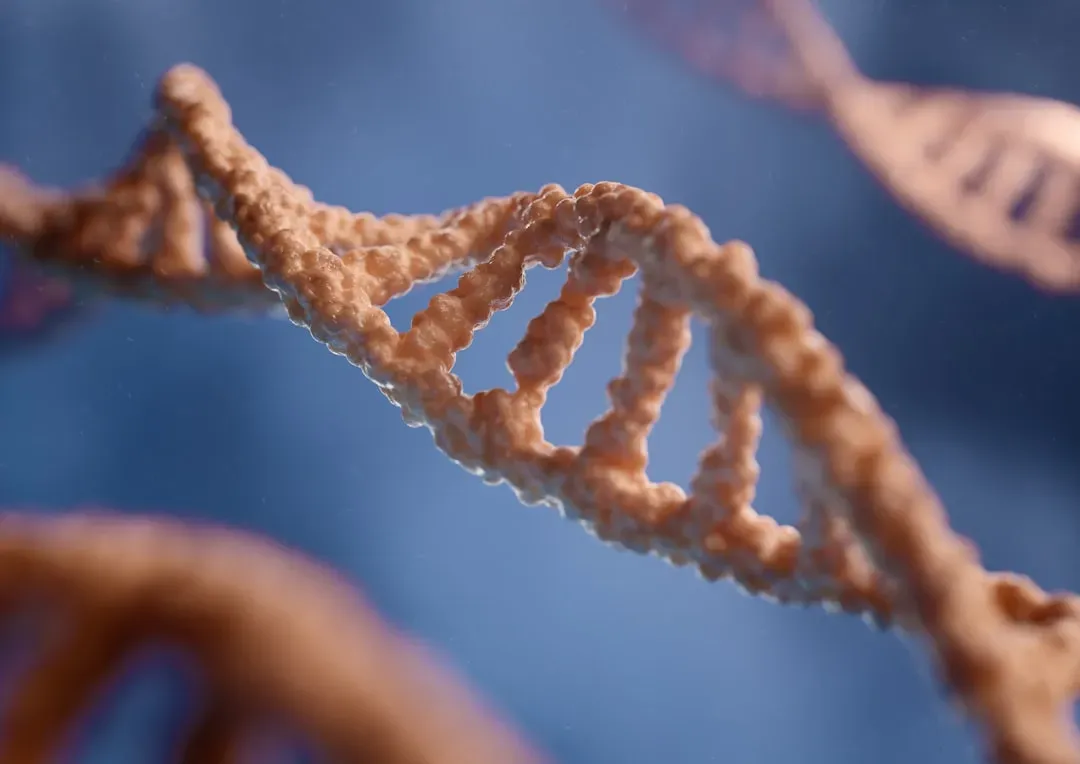
Another twist from DNA analysis is that not all Neanderthal genes were welcome in our lineage. Some regions of the human genome are almost completely free of Neanderthal ancestry, a pattern that points to natural selection actively removing those variants over time. That suggests that certain combinations of Neanderthal and Homo sapiens genes caused problems: maybe reduced fertility, developmental issues, or subtle disadvantages that added up over generations. Where those problems were strongest, Neanderthal DNA got pruned away.
At the same time, other Neanderthal variants clearly stuck around because they helped. Genes linked to immune defenses, for example, seem to have been especially valuable as our ancestors moved into new environments full of unfamiliar pathogens. The result is a patchwork: some parts of our genome look like they went through a harsh filter against Neanderthal ancestry, while others carry those ancient sequences because they gave us an edge. It is a bit like inheriting a house stuffed with your grandparents’ belongings and slowly learning which things are treasures, which are trash, and which are just odd but harmless leftovers.
Neanderthal DNA Forces Us to Rethink What a “Species” Is
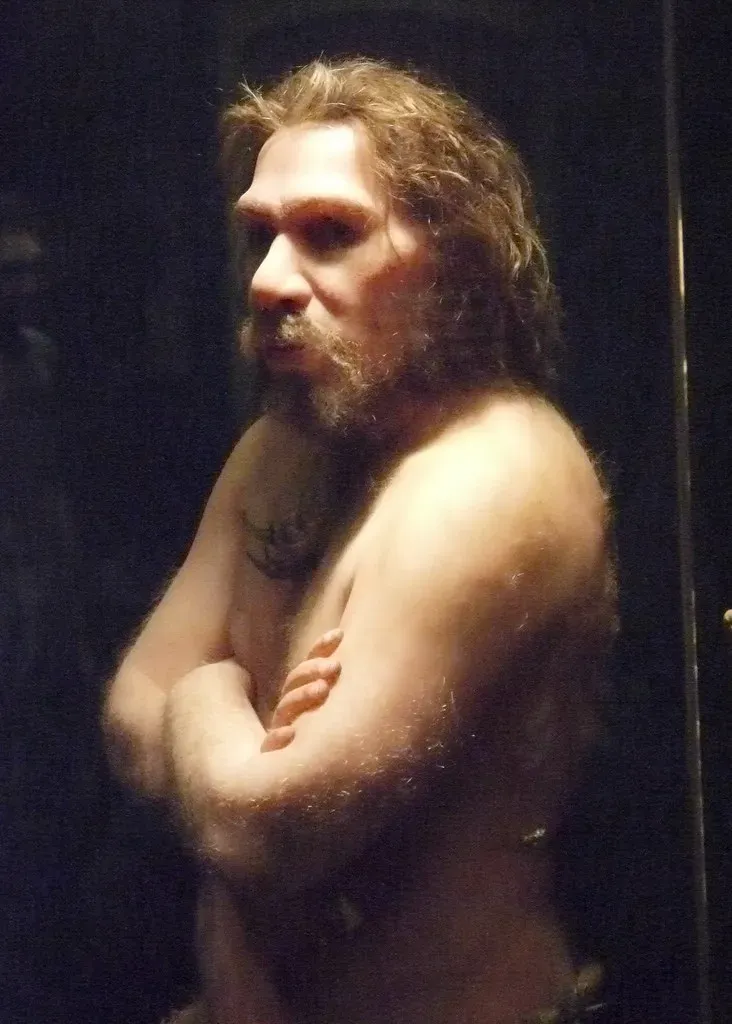
The classic schoolbook definition says that different species cannot produce fertile offspring. Neanderthal DNA in modern humans makes that rule feel more like a guideline. Neanderthals and early modern humans were separated for hundreds of thousands of years, yet they clearly produced children whose descendants are alive today. That alone should make us more cautious about drawing hard lines around species in human evolution, especially when those lines are based only on bones and stone tools.
This has larger consequences than it first appears. If two “species” of humans can interbreed and swap useful genes when they meet, then the human family tree is less a clean branching diagram and more a tangled web with side connections. Other archaic groups, like the Denisovans, also contributed DNA to some modern populations, which deepens the tangle. The more genomes we analyze, the less sense it makes to brag that modern humans are a pure, separate kind of being. Genetically, we are the result of overlapping experiments, with multiple ancient lineages feeding into the one we now simply call “us.”
We Are Not the Inevitable Winners – Just the Last Ones Standing
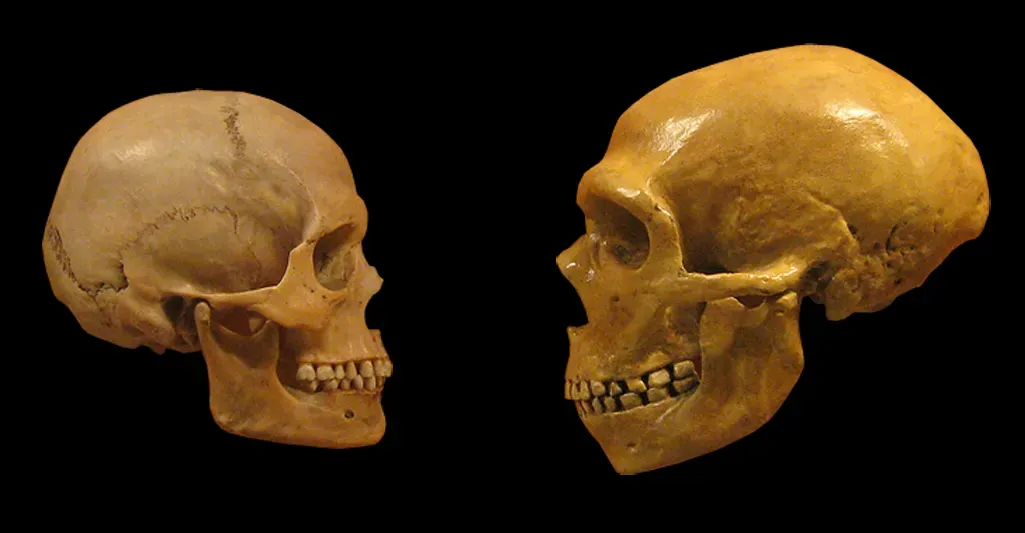
DNA has a way of cutting through our comforting myths, and nowhere is that clearer than in how it reframes Neanderthal extinction. The old story painted Homo sapiens as the superior species that marched inexorably toward success while Neanderthals faded because they were weaker, dumber, or somehow destined to lose. The genetic record refuses to support that kind of triumphalist narrative. It shows that Neanderthals were tough survivors who endured harsh climates for far longer than our own lineage has existed and who were capable of interbreeding and exchanging genes with us when we met.
From that perspective, the disappearance of Neanderthals as a distinct group looks less like a moral or intellectual verdict and more like one of many contingent outcomes in a messy world. Climate shifts, population sizes, disease, chance events, and the sheer bad luck of being outnumbered at the wrong time could all have played a part. And of course, some of them did not really vanish at all; they left their mark inside our DNA. To me, the most honest takeaway is a humbling one: we are not the crowned champions of evolution, just the branch that happened to survive long enough to look back and tell the story.
Conclusion: Neanderthals Changed Our Origin Story More Than We Like to Admit
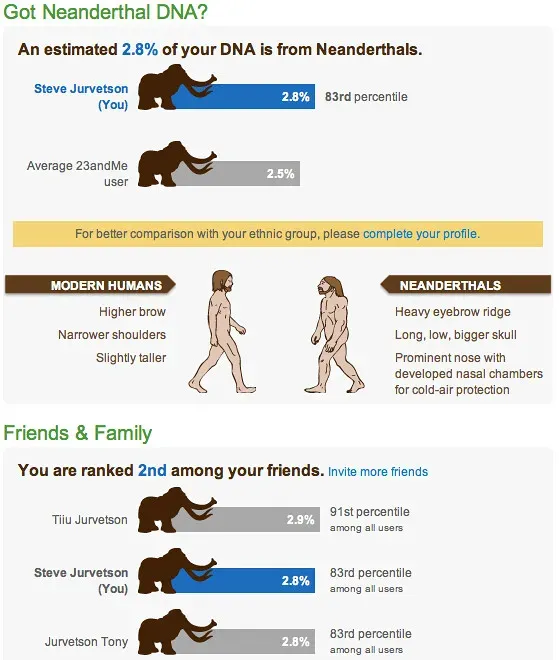
When you put all the genetic pieces together, the conversation about Neanderthals stops being about “them” and becomes unavoidably about “us.” Their DNA in our bodies, their genes shaping our immune systems, our skin, maybe even parts of our mood and sleep, all of that tears down the fantasy of modern humans as a pristine, self-contained species. In my view, the most radical thing DNA analysis has done is to force us to accept that human identity has always been mixed, blurred, and shared. We did not rise alone; we are, quite literally, a collaboration between lineages that once walked the Earth together.
I think we should lean into the discomfort rather than resist it. Admitting that Neanderthals were intelligent, capable humans who contributed to who we are today takes away the easy story where we are simply better. But it gives us something more honest in return: a sense of kinship across deep time and a reminder that survival is not the same thing as superiority. Next time someone uses “Neanderthal” as an insult, it might be worth remembering that you are probably part Neanderthal yourself. Does it change how you see yourself to know that a vanished kind of human is still whispering through your genes?